

Taking your furry companion overseas sounds like an adventure until you realize the mountain of paperwork, regulations, and logistics involved. International pet travel isn’t quite as simple as buying an extra plane ticket and packing some kibble.
Countries have strict entry requirements to protect against rabies and other diseases, so you’ll need to navigate health certificates, microchips, vaccinations, and sometimes even quarantine periods. The good news is that with proper planning and attention to detail, thousands of pets travel internationally every year without major hiccups.
The secret lies in starting early, staying organized, and understanding exactly what your destination country and airline require. Here are 18 essential tips to help you and your pet navigate international travel smoothly.
Start planning at least four months ahead

International pet travel isn’t something you can pull together in a week or even a month. Most countries require health certificates issued within specific timeframes, some vaccinations need waiting periods before travel, and getting appointments with USDA-accredited vets can take time.
Starting your planning four to six months before departure gives you breathing room to handle unexpected delays or additional requirements that pop up.
Find a USDA-accredited veterinarian immediately

Not just any vet can handle international pet travel paperwork. The USDA Animal and Plant Health Inspection Service requires accredited veterinarians to complete and sign health certificates for pets leaving the United States.
Your regular vet might not have this accreditation, so check the USDA website for accredited vets in your area and book an appointment as soon as you decide to travel.
Research your destination country’s specific requirements

Every country sets its own pet entry rules, and they can change without much notice. Some nations require import permits submitted months in advance, while others have straightforward processes.
Contact the embassy or consulate of your destination country directly to get the most current requirements, since even official websites sometimes lag behind actual policy changes.
Get an ISO-compliant microchip before anything else
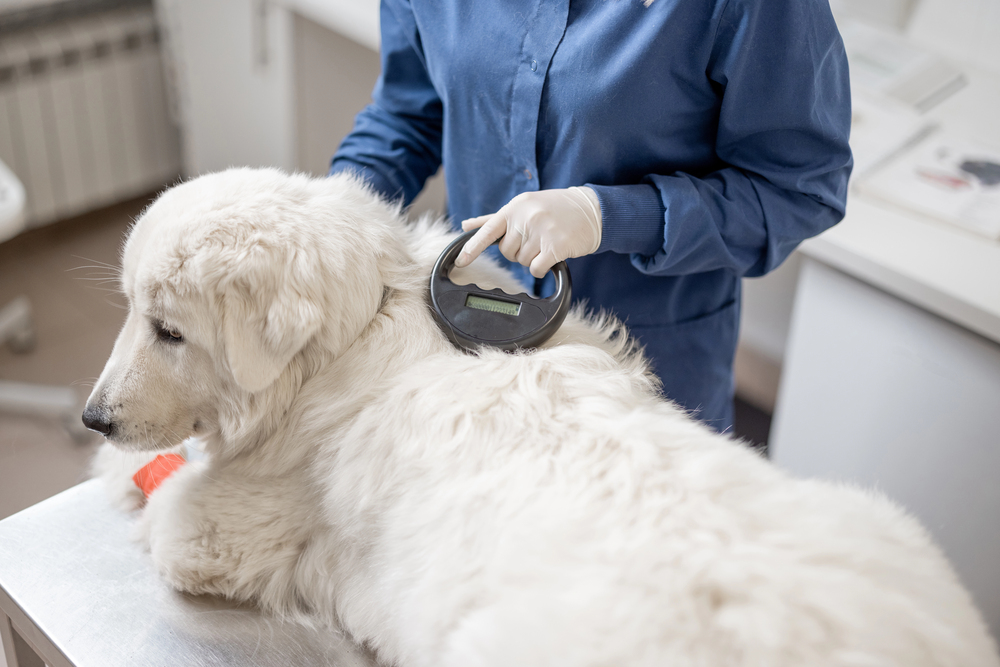
Most countries now require pets to have a 15-digit ISO-compliant microchip (standards 11784 and 11785) for identification. Here’s the catch: the microchip must be implanted before your pet receives its rabies vaccination for it to count toward entry requirements.
If your pet already has a non-ISO microchip, you’ll need to get the correct one implanted and potentially restart the vaccination timeline.
Update rabies vaccination with proper timing

Rabies vaccination is required for international pet travel, but timing matters enormously. Most countries require vaccination at least 21 days before travel, but not so far in advance that it expires.
Some rabies-free countries, such as Japan, Australia, and New Zealand, require additional blood titer tests that must be done months before travel.
Understand health certificate timing

The USDA-endorsed health certificate is your pet’s passport, but it comes with strict expiration rules. Most countries require the certificate to be issued within 10 days of travel, though some accept up to 30 days.
Airlines typically won’t accept certificates older than 10 days, regardless of country rules. Missing this window means rebooking flights and starting the certification process over.
Get USDA endorsement at the right time

After your accredited vet completes the health certificate, you’ll need to submit it to a USDA APHIS office for official endorsement. This endorsement must happen within a specific timeframe that varies by destination country, usually between one and 10 days before departure.
Some locations allow mail submissions while others require in-person visits, so plan accordingly.
Check airline pet policies before booking anything

Airlines have wildly different policies about traveling with pets. Some carriers don’t accept pets in cargo at all, others ban certain breeds, and many limit the number of pets allowed per flight.
Delta, United, and American Airlines each have unique rules about in-cabin versus cargo travel, breed restrictions, and international destinations they’ll serve with pets.
Book your pet’s spot on the flight early
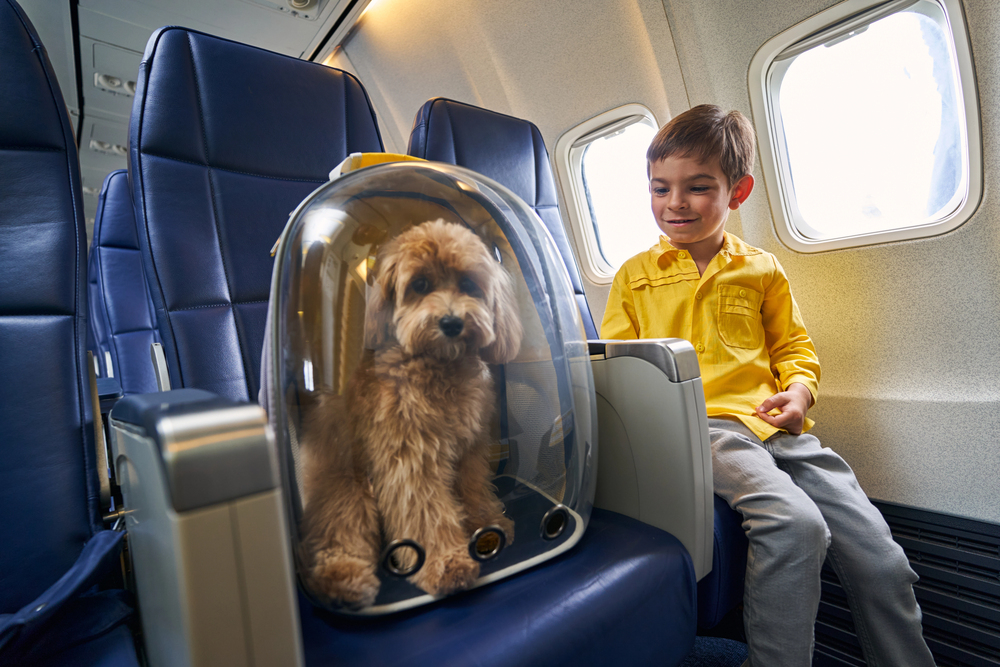
Airlines limit how many pets can travel on each flight, and spots fill up quickly during peak travel seasons. Most airlines require you to call and add your pet to the reservation rather than booking online.
Reserve your pet’s space as soon as you book your own ticket, and confirm their spot on every leg of your journey if you have connections.
Understand quarantine requirements upfront

Some destinations require quarantine regardless of how perfectly you complete the paperwork. Hawaii, Australia, New Zealand, and certain Asian countries maintain rabies-free status by quarantining arriving pets for periods ranging from a few days to six months. These quarantines come with significant costs and mean your pet won’t be with you immediately upon arrival.
Invest in an IATA-compliant travel crate
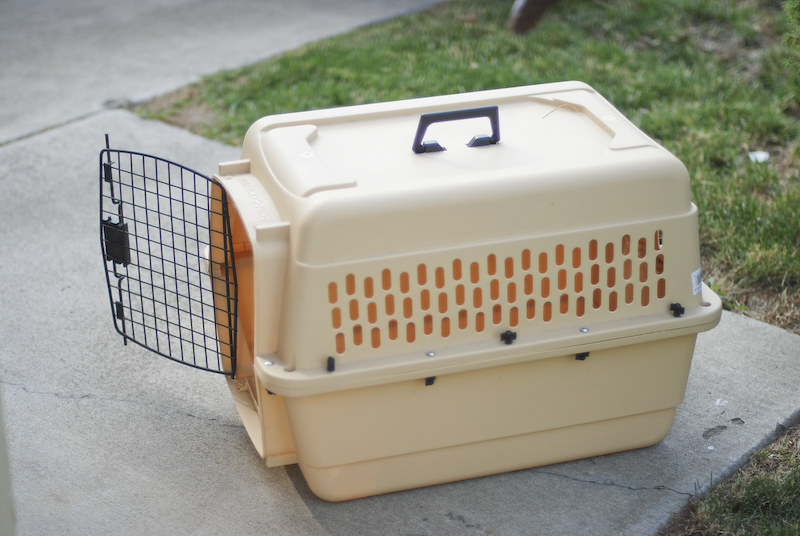
The International Air Transport Association sets global standards for pet travel containers, and airlines enforce these requirements strictly. Your pet’s crate must have ventilation on at least three sides for domestic travel or four sides for international trips, a solid, leak-proof floor, secure locking mechanisms with pins extending beyond the door frame, and enough space for your pet to stand, turn around, and lie down comfortably.
Acclimate your pet to the travel crate weeks in advance

Shoving your pet into a carrier for the first time at the airport is a recipe for stress and potential behavioral problems. Start crate training at least a month before travel by making the crate a positive space with treats, meals, and comfortable bedding.
Gradually increase the time your pet spends inside until they’re comfortable for several hours.
Schedule flights with temperature in mind

Extreme heat and cold pose serious risks to pets traveling in cargo holds. Book flights during cooler parts of the day in summer and avoid the coldest months for winter travel.
Many airlines implement temperature embargoes that prohibit pet travel to certain cities during extreme weather, so check seasonal restrictions for your specific route.
Prepare for re-entry requirements into the United States

Leaving the country is only half the battle. Dogs returning to the United States after visiting high-risk rabies countries face strict CDC requirements, including certification of U.S.-issued rabies vaccination and potentially additional documentation.
If you’ll be abroad for more than 28 days, you might need to visit a veterinarian in your destination country to maintain valid paperwork for return.
Plan carefully for layovers and connections

Layovers complicate pet travel significantly. You’ll need to research each airport’s rules about animal facilities, confirm your pet can clear customs during connections, and ensure you have time to care for cabin pets during layovers.
Some international airports require appointments with their veterinary services, and a few have very limited hours for processing incoming pets.
Create a comprehensive document folder
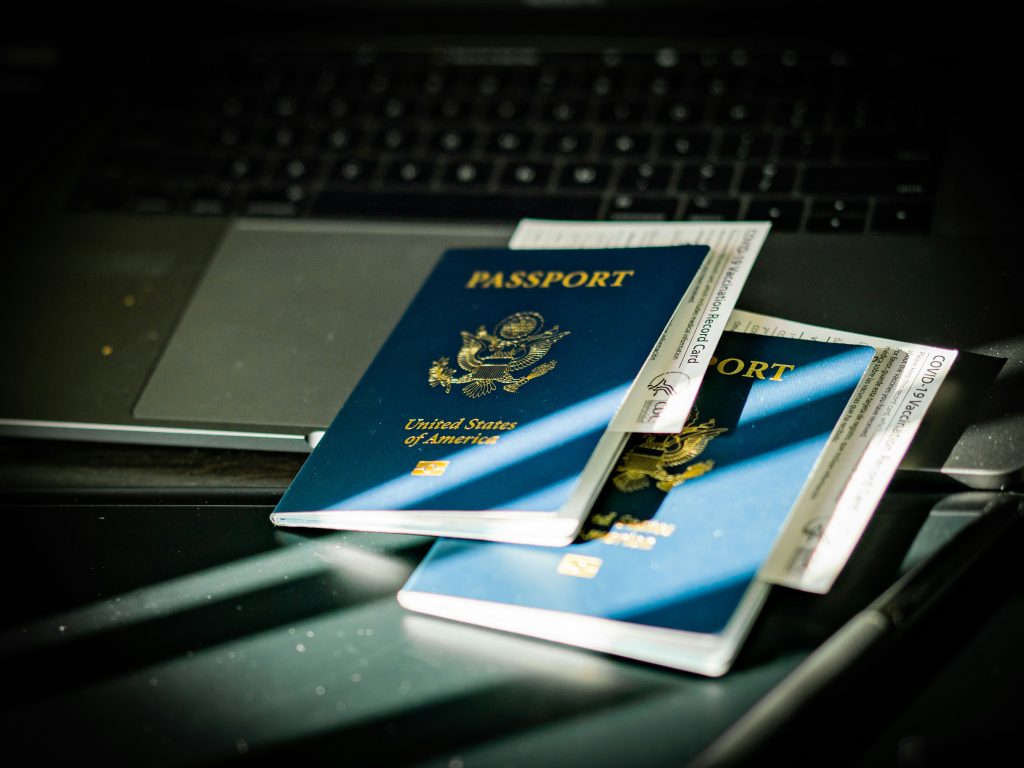
International pet travel generates a shocking amount of paperwork: health certificates, vaccination records, microchip documentation, import permits, customs forms, airline confirmations, and sometimes country-specific certificates. Organize everything in a waterproof folder with both physical and digital copies.
Airlines and customs officials will ask to see these documents multiple times throughout your journey.
Consider pet travel insurance for international trips

Standard travel insurance rarely covers pet-related issues, but specialized pet travel insurance can be worth the investment for international moves. Policies typically cover veterinary emergencies abroad, trip delays due to pet health issues, and sometimes even costs associated with quarantine or denied entry.
Premiums start at around $30 to $50 for short trips.
Have backup plans for every stage

Murphy’s Law applies especially to pet travel. What happens if your connecting flight gets canceled and you need to rebook?
What if the airline denies boarding because they question your crate size? Have contact information for USDA vets at your destination, research pet-friendly hotels near your departure and arrival airports, and keep extra funds available for unexpected veterinary visits or documentation fees.
From red tape to smooth sailing

International pet travel has evolved from a logistical nightmare into a manageable process, thanks mainly to standardized requirements and better resources for pet owners. Twenty years ago, getting accurate information about moving pets overseas meant playing telephone with embassies and hoping your vet had relevant experience.
While the requirements remain strict and the planning intensive, the path is clearer than ever. Your four-legged companion can join you almost anywhere in the world now, as long as you respect the process and give yourself enough time to get it right.
More from Travel Pug

- Underrated Italian Towns That Beat the Tourist Crowds
- Las Vegas Tourist Traps to Skip
- Prettiest Towns in Every US State
- 18 passport-free countries for Americans
- Signs Your Cruise Is Not Worth The Cost
Like Travel Pug’s content? Follow us on MSN.