

Today’s travelers are eschewing formulaic hotel stays for something much more authentic. The age of immersive travel has opened the door to meaningful cultural connections that turn tourists into temporary locals. These more profound relationships make memories last a lifetime while providing real insight into how people truly live globally. Instead of watching culture through a lens, immersive stays ask you to step directly into the daily beat of somewhere else.
Below are 20 ways to truly experience local living while traveling overseas. These methods will bring you closer to communities than even the best guidebook can provide.
Homestays with families

Living with a local family provides an unfiltered window into authentic daily life. You’ll witness morning routines, family dynamics, and cultural traditions that hotels simply can’t replicate. Most homestay families eagerly share their customs while learning about your background, creating a genuine cultural exchange that benefits everyone involved.
Residential neighborhood rentals

Booking apartments in areas where locals actually live reveals the true character of a destination. These neighborhoods offer authentic restaurants, local shops, and community spaces that tourists rarely discover. Walking to work alongside residents or grocery shopping at the corner market transforms you from an outsider into a temporary community member.
Agricultural stays and farming
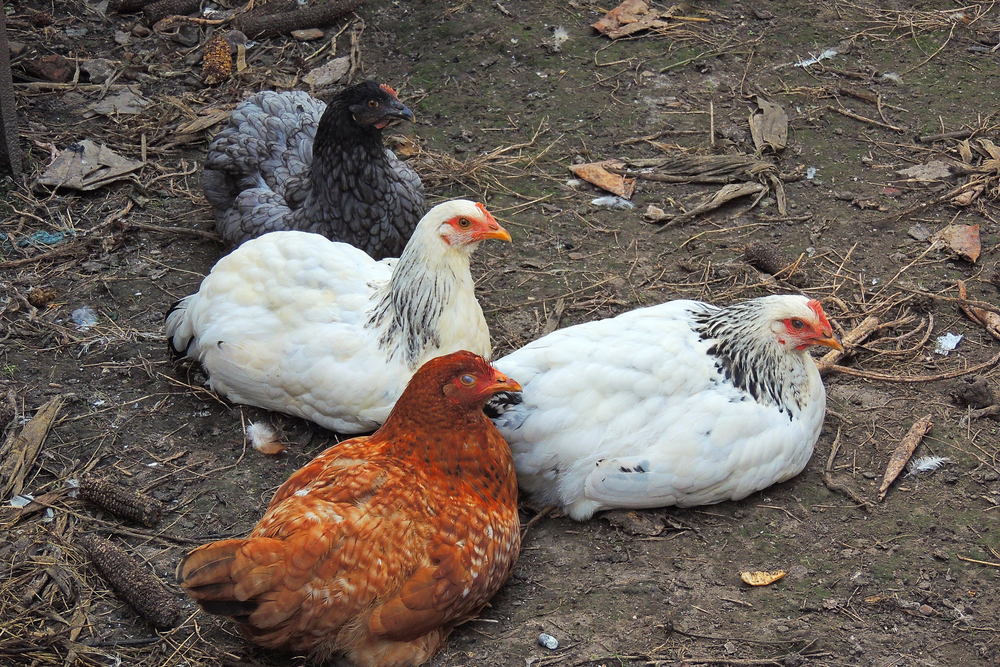
Working with farmers hands-on reveals rural life and old-fashioned farming techniques. Whether harvesting olives in Greece or rice in Vietnam, these hands-on opportunities link you directly to the earth and the local food chain. The labor breaks bread with farming families while learning sustainable techniques practiced over generations.
Local cooking immersion

Learning to cook traditional foods in home kitchens provides cultural education through all five senses. Secret recipes being passed from grandmothers and learning about proper spice ratios provide intimate conversations unavailable from cooking school. These cooking exchanges naturally move into more in-depth discussions of family history and cultural values.
Public transportation mastery

Navigating local bus systems, trains, and shared taxis like a resident reveals the city’s true pulse. You’ll discover routes that connect working-class neighborhoods — often bypassing tourist areas entirely. Standing shoulder to shoulder with commuters during rush hour provides authentic glimpses into the daily rhythms of life.
Neighborhood market shopping

Buying groceries at local markets instead of tourist-oriented shops creates natural interactions with vendors and fellow shoppers. Bargaining for fresh produce or asking for cooking advice builds relationships while supporting community businesses. These markets often reflect seasonal eating patterns and regional food preferences that chain stores can’t match.
Language learning through daily use

Practicing the local language in everyday interactions accelerates learning far beyond the classroom setting. Ordering coffee, asking for directions, or chatting with neighbors provides real-world vocabulary that textbooks miss. Even basic attempts at communication often lead to patient teaching from locals who appreciate the effort.
Community event participation

Joining local festivals, sports events, or cultural celebrations allows you to experience traditions as a guest rather than an observer. Village celebrations, neighborhood soccer games, or religious ceremonies offer insights into community values and social structures. These gatherings often extend invitations to private homes or family meals.
Artisan workshop involvement

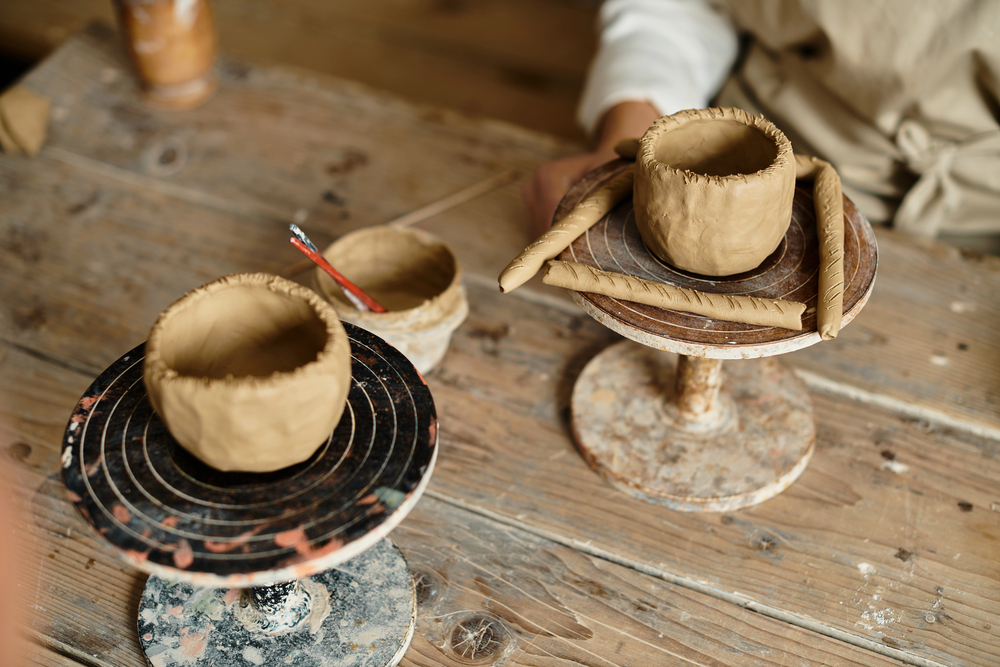
Learning traditional crafts directly from master artisans preserves cultural knowledge while creating personal connections. Whether weaving textiles in Guatemala or making pottery in Morocco, these skills connect you to centuries of cultural heritage. The patient teaching process often includes stories about family traditions and regional history.
Local hobby group membership

Joining hiking clubs, book circles, or sports teams provides regular interaction with people who share your interests. These groups operate in the local language and follow community social norms — offering natural cultural immersion. Regular meetings create friendships that extend beyond your travel period through ongoing communication.
Community volunteer work
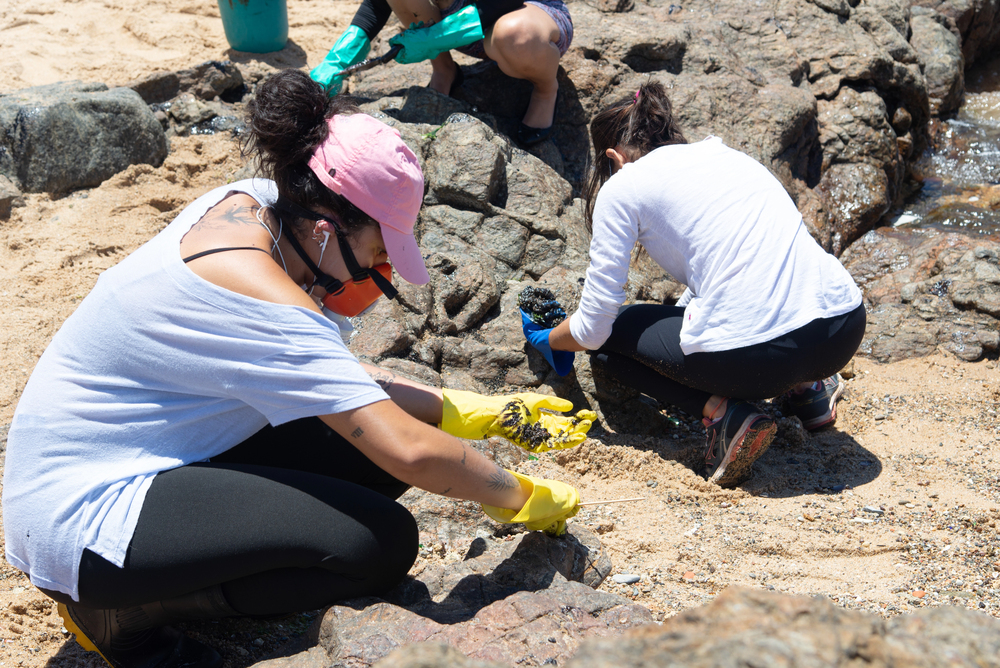
Contributing time to local charities or community projects demonstrates genuine investment in the place you’re visiting. Environmental cleanup efforts, teaching programs, or construction projects create meaningful connections with residents. This work provides a perspective on local challenges while allowing you to give back to communities that welcome you.
Traditional ceremony attendance

Participating in religious services, coming-of-age celebrations, or seasonal rituals can offer profound cultural insights when done respectfully. These ceremonies reveal community values, spiritual beliefs, and social hierarchies that shape daily life. Proper etiquette and genuine respect often lead to deeper cultural discussions and lasting friendships.
Historic architecture living

Staying in traditional houses, converted monasteries, or heritage buildings connects you physically to local architectural heritage. These structures reflect climate adaptation, the availability of materials, and cultural aesthetics that have developed over centuries. Living within these spaces provides daily reminders of historical continuity and regional building traditions.
Local routine adoption

Following community schedules for meals, work, and recreation aligns your experience with local life rhythms. Mediterranean afternoon siestas, early morning market visits, or evening community walks become natural parts of your day. This temporal alignment helps you understand how geography and culture shape daily patterns.
Family restaurant patronage

Eating at small, family-run establishments frequented by locals provides authentic cuisine and natural social interaction. These restaurants often serve regional specialties using traditional recipes and local ingredients. Conversations with owners and regular customers offer insights into food culture and community relationships.
Educational class enrollment

Taking language lessons, dance classes, or skill workshops alongside local students creates natural peer relationships. These learning environments provide structured interaction while developing new abilities. Shared struggles with difficult concepts or celebrating progress together build bonds that transcend cultural differences.
Seasonal tradition involvement

Participating in harvest festivals, holiday preparations, or seasonal celebrations connects you to annual community rhythms. These traditions often involve weeks of preparation that bring neighborhoods together through shared work. Understanding seasonal cycles helps you appreciate how climate and culture intersect in daily life.
Small town exploration
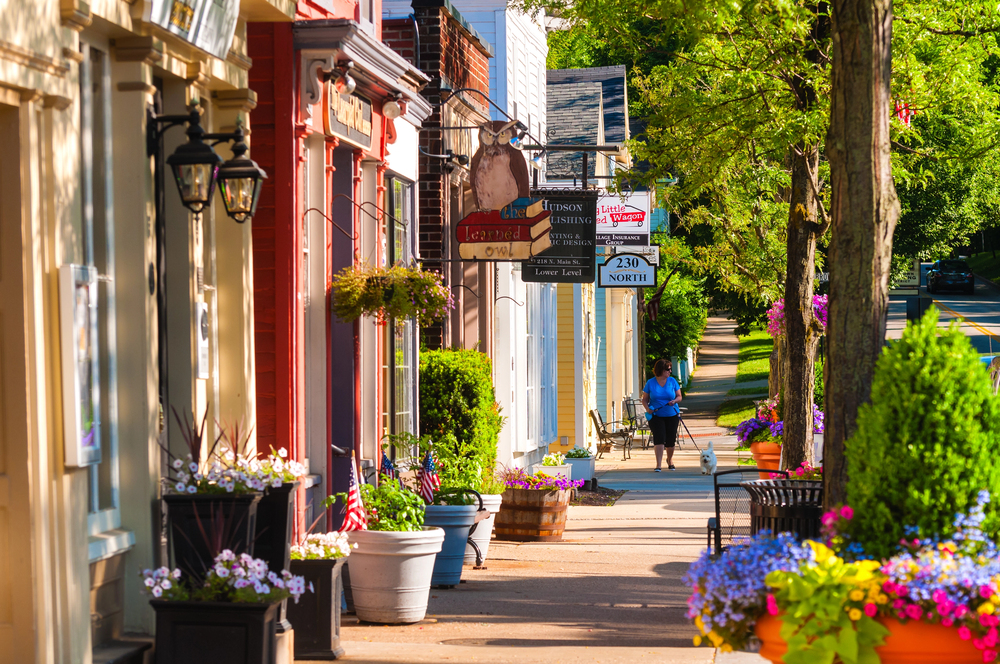
Choosing smaller communities over major tourist destinations allows for deeper integration into local society. Limited accommodation options often lead to homestays or guest house arrangements with personal attention. Walking everywhere means frequent encounters with the same people, creating a familiarity that mirrors the social dynamics of small towns.
Neighbor relationship building
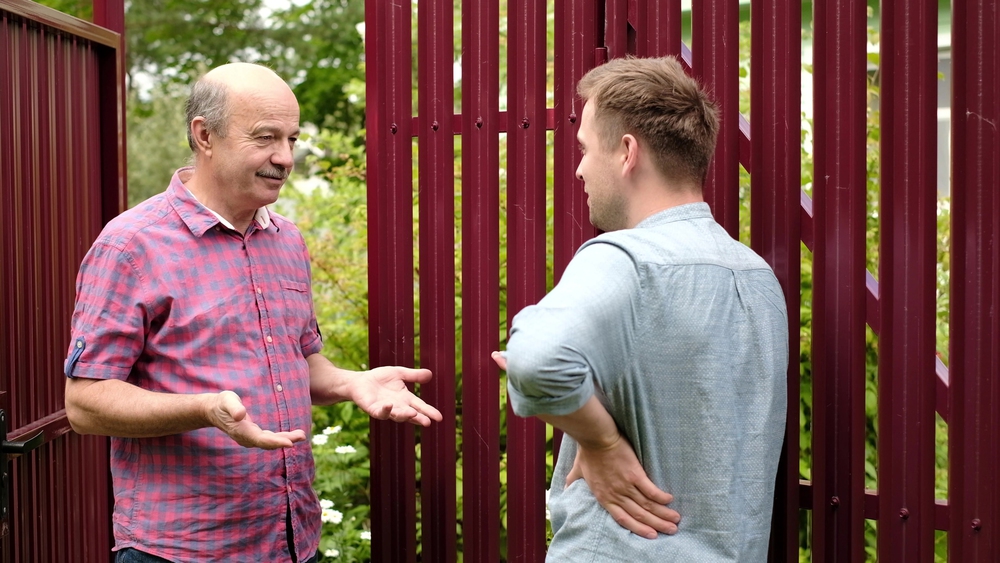
Making genuine connections with people living nearby transforms your accommodation into a temporary home within a community. Simple gestures like sharing meals, helping with tasks, or participating in informal gatherings create mutual relationships. These connections often continue through social media and future visit invitations.
Cultural etiquette mastery
Learning proper social behaviors, gift-giving customs, and communication styles demonstrates respect while preventing cultural misunderstandings. Understanding greeting rituals, dining manners, and conversation topics shows genuine interest in local values. This cultural competence opens doors to deeper, more authentic relationships and experiences.
Beyond the tourist trail

This transition from surface-level tourist travel to immersive cultural exchange is a basic transformation in the way we engage with foreign travel. These longer-term relationships have lasting effects on both the visiting and host populations through understanding and respect. Traditional tourism tends to reinforce cultural divides, but immersive stays eliminate these through common day-to-day experiences.
The bonds that are established through genuine cultural exchange last well beyond leaving, establishing worldwide networks of connection and comprehension. Contemporary travelers increasingly look for these substantive connections, understanding that the richest mementos are the people and the view gained through being in the neighborhood overseas.
More from Travel Pug

- 20 Best Beach Towns in the Carolinas
- 13 Destinations Where Tourists Regularly Regret Their Trip
- 20 Things You Actually Get in First Class
- 20 Small Airports With Aviation Museums
- 20 Places in the U.S. That Are Perfect for a Reset Trip
Like Travel Pug’s content? Follow us on MSN.