

Planning a trip with your pet need not feel like trying to solve a blindfolded maze. With proper preparation and the correct attitude, you can take what would otherwise feel like a logistical nightmare and turn it into a seamless experience that is enjoyable for you and your pet alike. The trick is planning and taking your pet’s needs as seriously as your own travel needs.
Below is a list of 20 useful tips that will guide you in becoming an expert at pet travel and building unforgettable experiences together.
Research destination pet policies
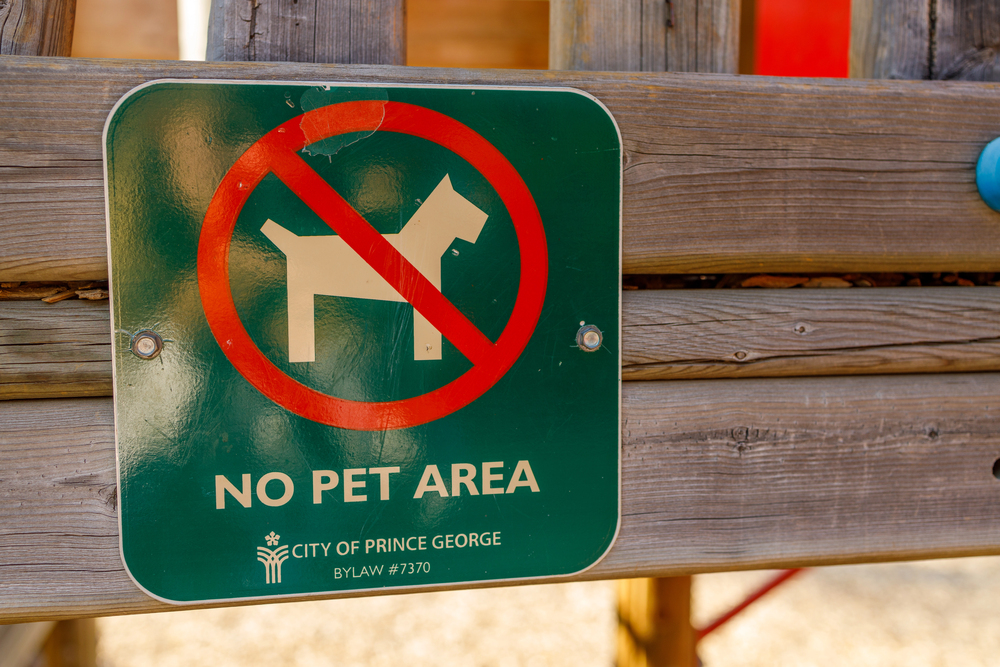
Every location has different rules about four-legged visitors, and these regulations can make or break your vacation plans. Some beaches welcome dogs with open arms, while others impose strict seasonal restrictions or require permits. National parks often have specific trails where pets are allowed, though many wilderness areas keep them off-limits to protect local wildlife.
Visit your veterinarian first
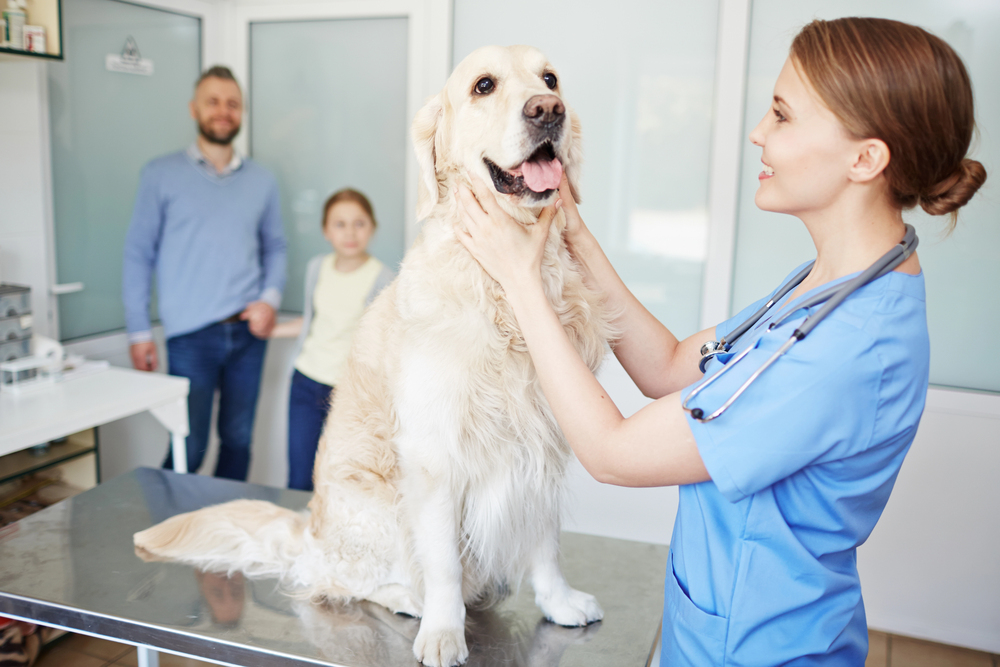
Think of this appointment as your pet’s passport interview – it’s that important for international travel and many domestic destinations. Your veterinarian will ensure that vaccinations are current, provide health certificates if needed, and may recommend preventive treatments for parasites common in your destination area. They can also prescribe motion sickness medication if your pet tends to get queasy during car rides.
Update identification information immediately
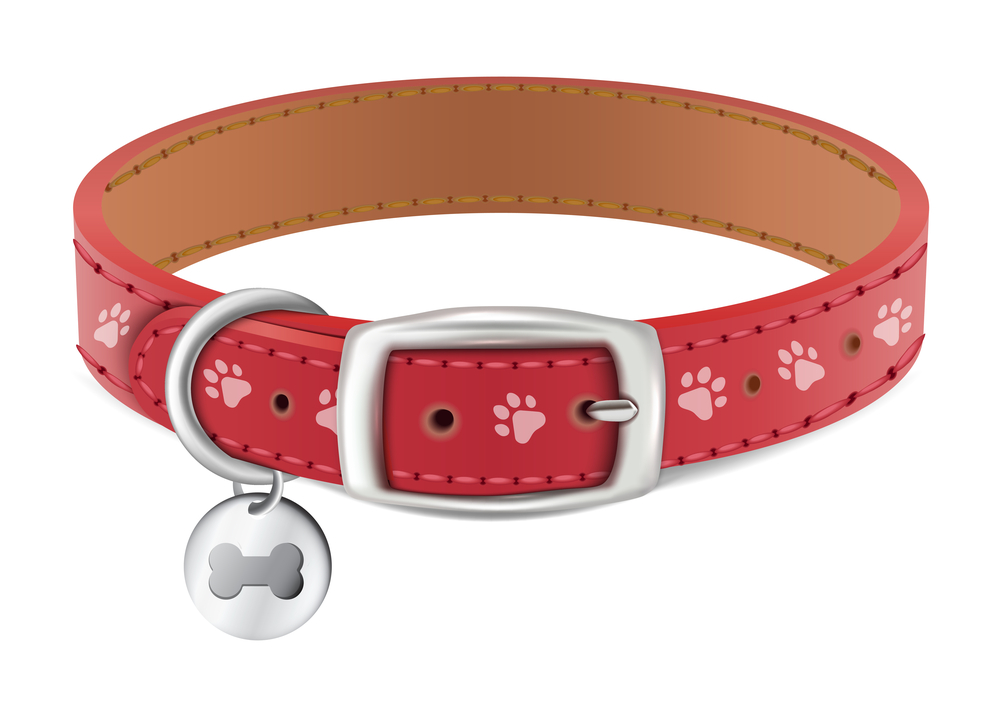
A collar tag with outdated contact information is about as useful as a chocolate teapot when your pet goes missing in an unfamiliar place. Make sure tags include your cell phone number and consider adding your destination address or hotel information. Microchip registration should also reflect current contact details, since this permanent identification often becomes the lifeline for lost pets.
Pack familiar comfort items

Your pet’s favorite blanket or squeaky toy works like a security blanket in human terms – providing emotional comfort when everything else feels strange and new. These familiar scents can reduce anxiety significantly during travel and help your pet settle into temporary accommodations more quickly. Even something as simple as their regular food bowl can make a hotel room feel more like home.
Choose the right carrier carefully
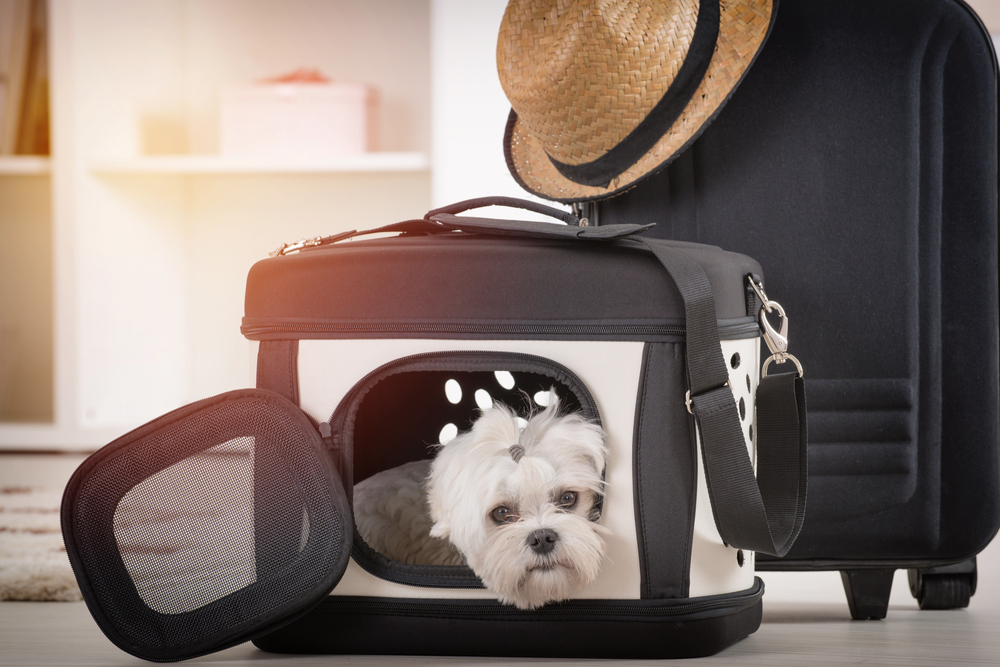
Not all pet carriers are created equal, and the wrong choice can turn your journey into a stress-filled ordeal for everyone involved. The carrier should be large enough for your pet to stand, turn around, and lie down comfortably, yet secure enough to keep them safe during unexpected stops or turbulence. Soft-sided carriers work well for cabin travel, while hard-shell versions offer better protection for cargo transport.
Practice carrier training beforehand
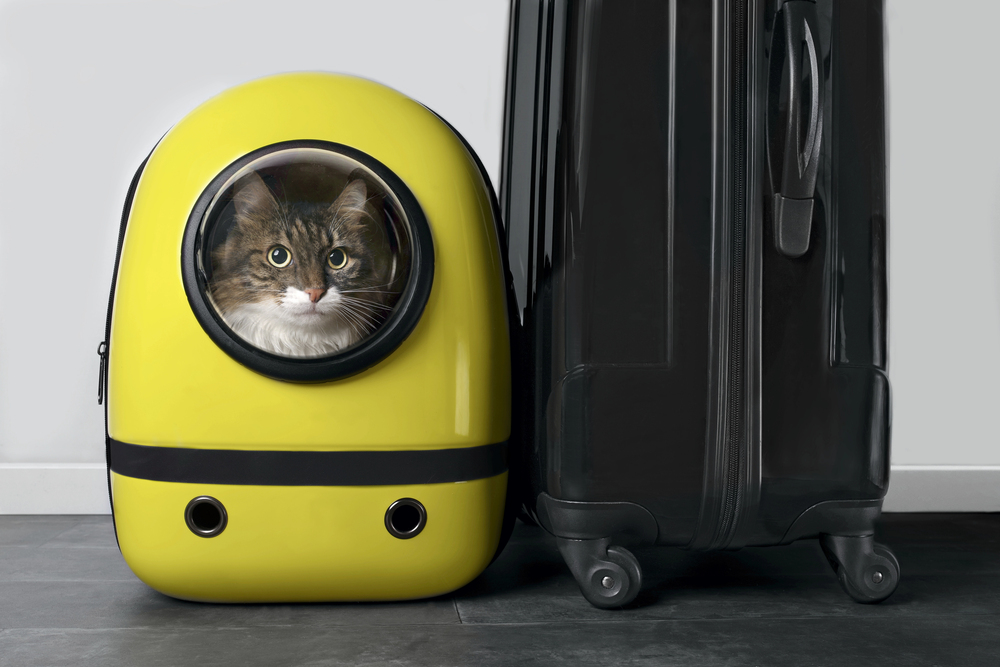
Expecting your pet to love their carrier on travel day without prior introduction is like asking someone to enjoy a roller coaster when they’re afraid of heights. Start by leaving the carrier open in your home with treats and toys inside, allowing your pet to explore it voluntarily. Gradually increase the time they spend inside with the door closed, then take short car rides to build positive associations.
Plan feeding schedules strategically

Timing meals around travel can prevent messy accidents and reduce motion sickness, much like how athletes time their nutrition around competitions. Feed your pet a light meal three to four hours before departure, avoiding heavy foods that might upset their stomach during the journey. Pack enough of their regular food for the entire trip, since dietary changes can cause digestive issues when combined with travel stress.
Research pet-friendly accommodations thoroughly
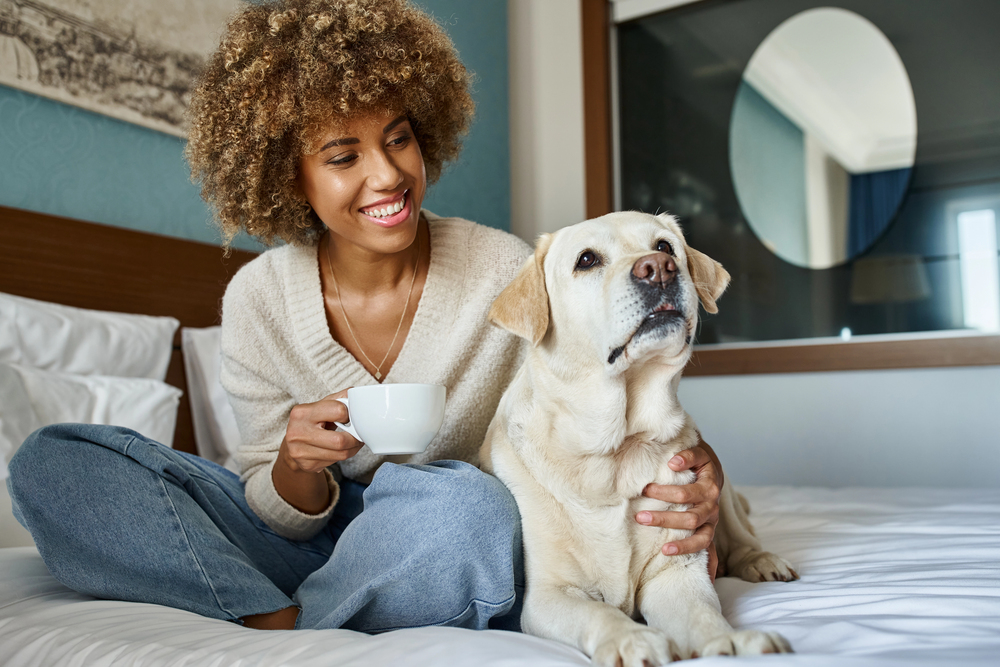
The term ‘pet-friendly’ can mean wildly different things depending on where you’re staying. Some hotels roll out the red carpet with pet beds, treats, and designated walking areas, while others simply tolerate pets with hefty fees and strict restrictions. Read recent reviews from other pet owners and call directly to confirm policies, fees, and available amenities before making reservations.
Pack a comprehensive emergency kit
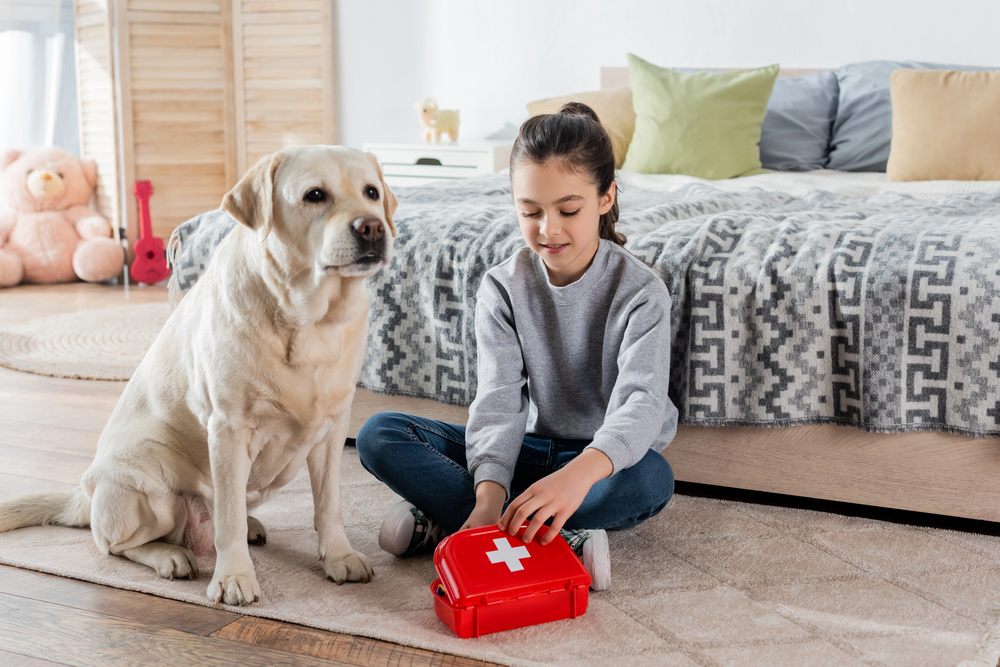
This isn’t just about band-aids and antiseptics – though those are important too. Include copies of vaccination records, your vet’s contact information, and details about any medications your pet takes regularly. Add a recent photo of your pet to help with identification if they get lost, plus enough medication for the entire trip with a few extra days’ supply as backup.
Consider pet travel insurance

Medical emergencies don’t take vacations, and veterinary care in unfamiliar locations can be surprisingly expensive. Travel insurance for pets can cover emergency treatments, unexpected boarding costs if your return is delayed, and even lost pet recovery services. Some policies also include coverage for trip cancellation if your pet becomes ill before departure.
Plan frequent rest stops
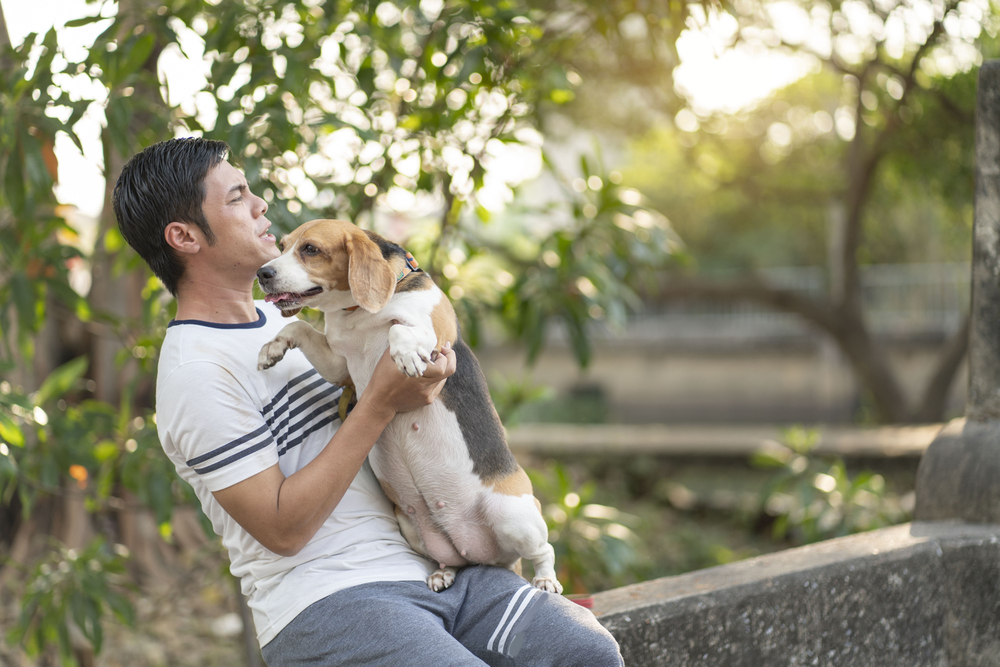
Long stretches without breaks can be torture for pets who need to stretch, relieve themselves, and burn off nervous energy. Plan stops every two to three hours during road trips, choosing locations where your pet can walk safely on leash and access fresh water. These breaks also give you time to check on your pet’s comfort level and adjust travel conditions if needed.
Bring water from home

Sudden changes in water sources can upset sensitive stomachs faster than you can say ‘road trip disaster.’ Pack enough familiar water for at least the first few days of your trip, allowing your pet’s system to gradually adjust to local water sources. This simple precaution can prevent digestive issues that might otherwise derail your vacation plans.
Research local veterinary services

Knowing where to find emergency veterinary care is like having a safety net – you hope you’ll never need it, but you’ll be grateful it’s there if you do. Research after-hours clinics and emergency hospitals near your destination, saving their contact information in your phone. Some areas have limited veterinary services, especially in remote locations or small towns.
Keep important documents organized
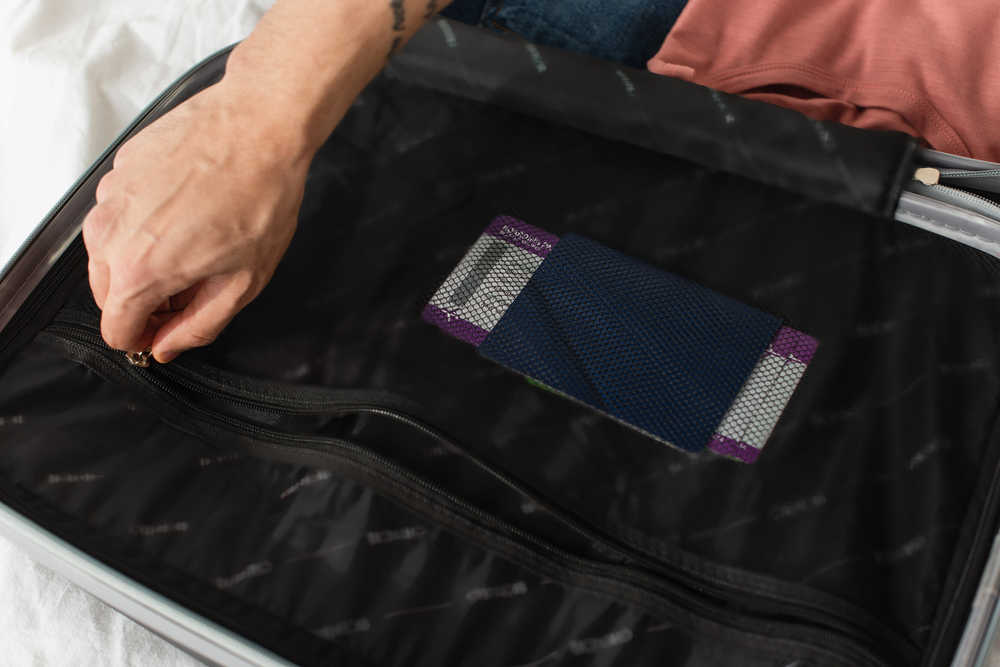
Fumbling through scattered paperwork while dealing with a stressed pet and impatient officials is nobody’s idea of fun. Create a dedicated folder or digital file containing health certificates, vaccination records, travel permits, and emergency contact information. Keep physical copies separate from digital versions, since technology sometimes fails at the worst possible moments.
Consider your pet’s personality
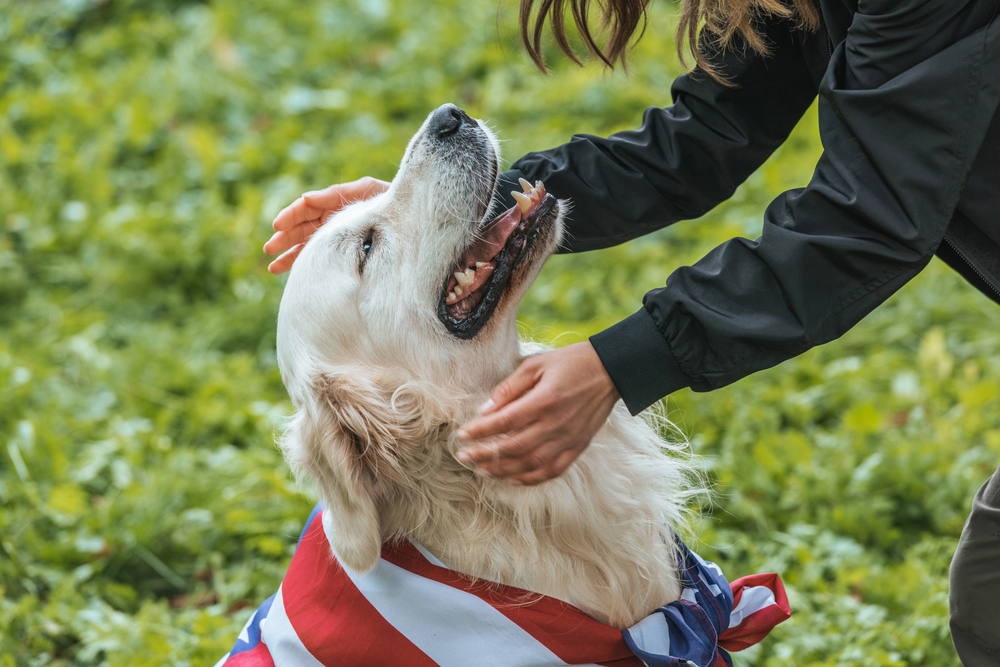
Some pets thrive on adventure and new experiences, while others prefer the predictability of home routines. Anxious or elderly pets might benefit from calming supplements or shorter travel distances, whereas energetic young animals might need extra exercise before departure. Tailor your travel plans to match your pet’s temperament rather than forcing them into situations that cause excessive stress.
Pack adequate cleanup supplies
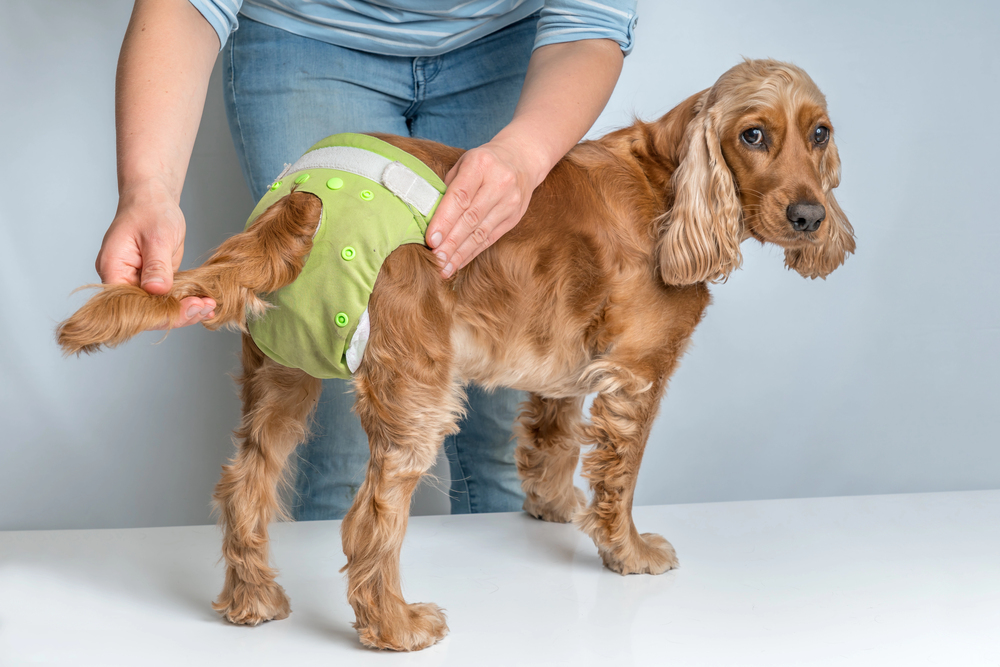
Accidents will happen, particularly with anxious pets or new foods. Bring additional waste bags, paper towels, enzyme cleaners, and disposable gloves to clean up unexpected messes efficiently and completely. Some pet-friendly accommodations have pet-damage cleaning fees, so it’s best to come prepared to save money and face.
Research transportation regulations
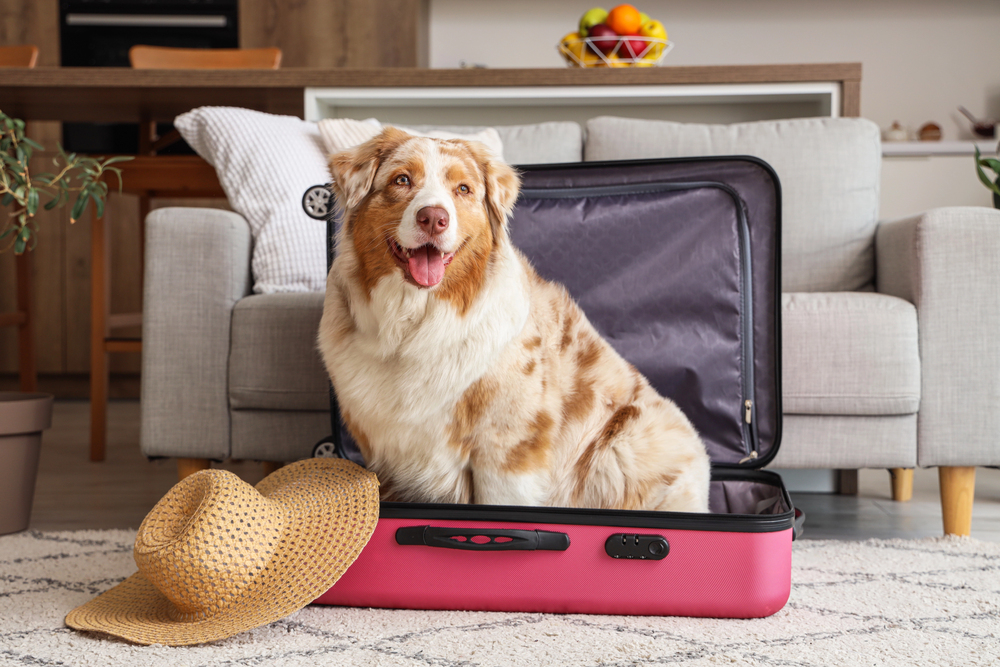
Airlines, trains, and buses all have their own pet travel policies, and those policies shift more frequently than fashion. Certain breeds are banned from air cargo by some airlines because they have breathing problems, and others have temperature restrictions depending on the season. Look up current policy far ahead of time, as pet-admitted transportation is usually in short supply.
Plan your arrival logistics
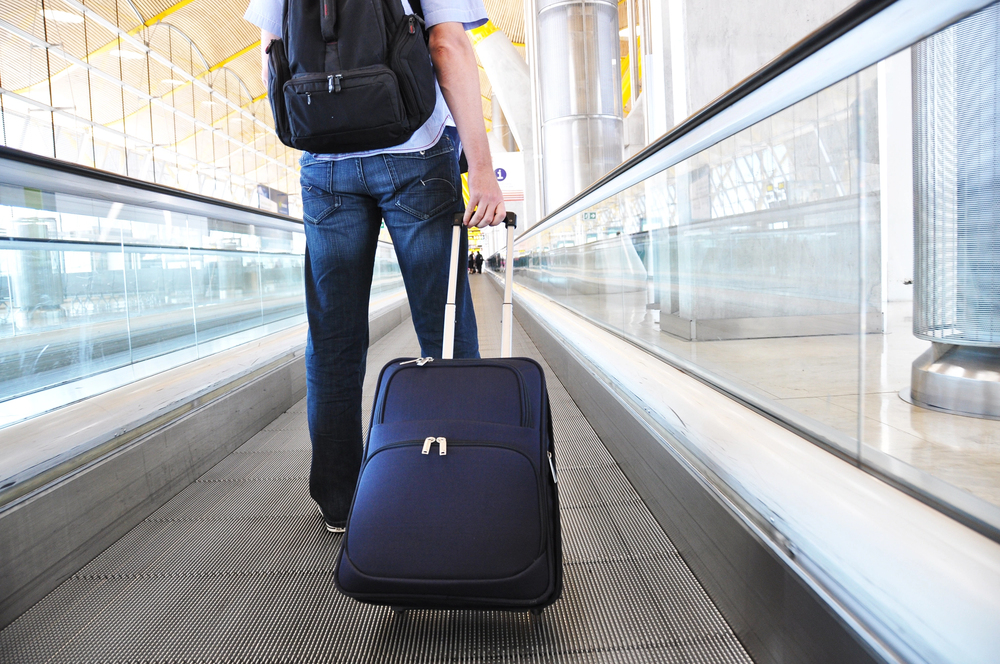
Showing up at the end of your journey with a frazzled pet, dealing with suitcases, and attempting to find your way around in unfamiliar territory can overwhelm even the most efficient travelers. Whenever possible, plan your arrival time in daylight hours, and map out the airport, train station, or hotel layout in advance. This reduces disorder and allows your pet to settle in more rapidly.
Prepare for weather variations

Weather changes can affect pets more dramatically than humans, since they can’t adjust their clothing or seek shelter independently. Pack appropriate gear, such as cooling mats for hot climates, sweaters for cold destinations, or protective booties for rough terrain. Monitor weather forecasts and adjust your plans if conditions become dangerous for your pet’s breed or health status.
Create multiple backup plans

Travel rarely goes exactly according to plan, and having alternatives ready can save your sanity when things go sideways. Research backup accommodations that accept pets, identify alternative routes in case of road closures, and know your options if flights get cancelled. Flexibility becomes your superpower when traveling with pets who depend on you for their safety and comfort.
Adventures worth remembering
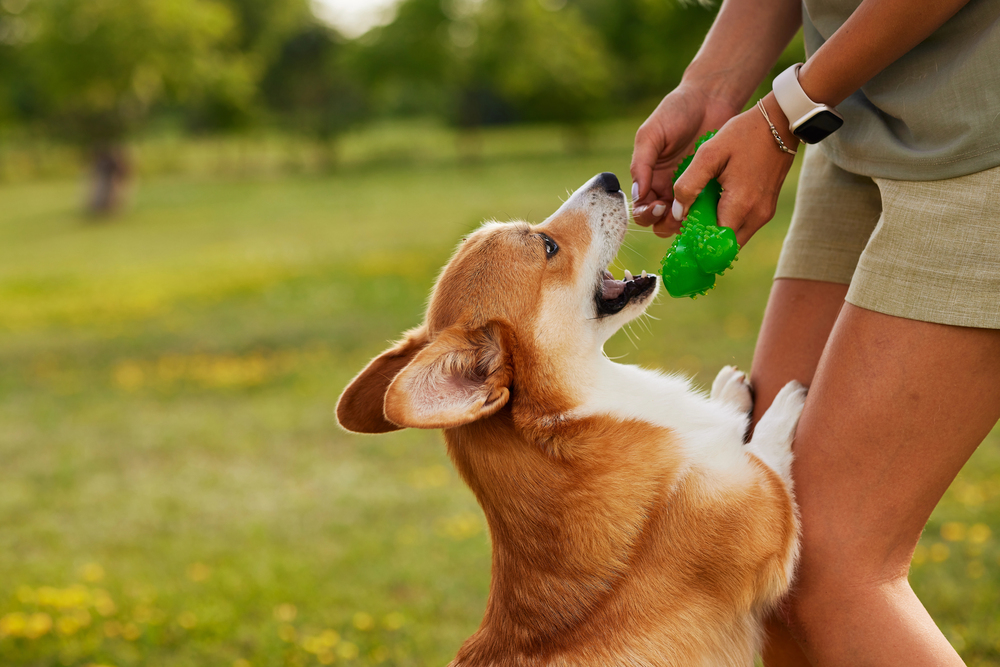
The added work of pet travel is repaid in memories that will last a lifetime and enhanced relationships with your animal friend. What was once considered an ordeal becomes second nature with time, opening up the globe to destinations and activities to experience together.
Pet travel has never been easier, with more and more companies aware that pets are members of the family and are entitled to holiday experiences as well. The upfront investment in good preparation and quality travel equipment lays the groundwork for years of worry-free adventures that enrich your life and that of your pet.
More from Travel Pug

- 20 Best Beach Towns in the Carolinas
- 13 Destinations Where Tourists Regularly Regret Their Trip
- 20 Things You Actually Get in First Class
- 20 Small Airports With Aviation Museums
- 20 Places in the U.S. That Are Perfect for a Reset Trip
Like Travel Pug’s content? Follow us on MSN.