

Cemeteries across America are more than just places of final rest. They serve as unintentional nature preserves, living museums, and places for meditation where quiet seems deliberate. Some attain a state of peace that turns sorrow into reflection. These are a few of the most tranquil cemeteries in the US, each offering a deep sense of tranquility to visitors.
Green-Wood Cemetery
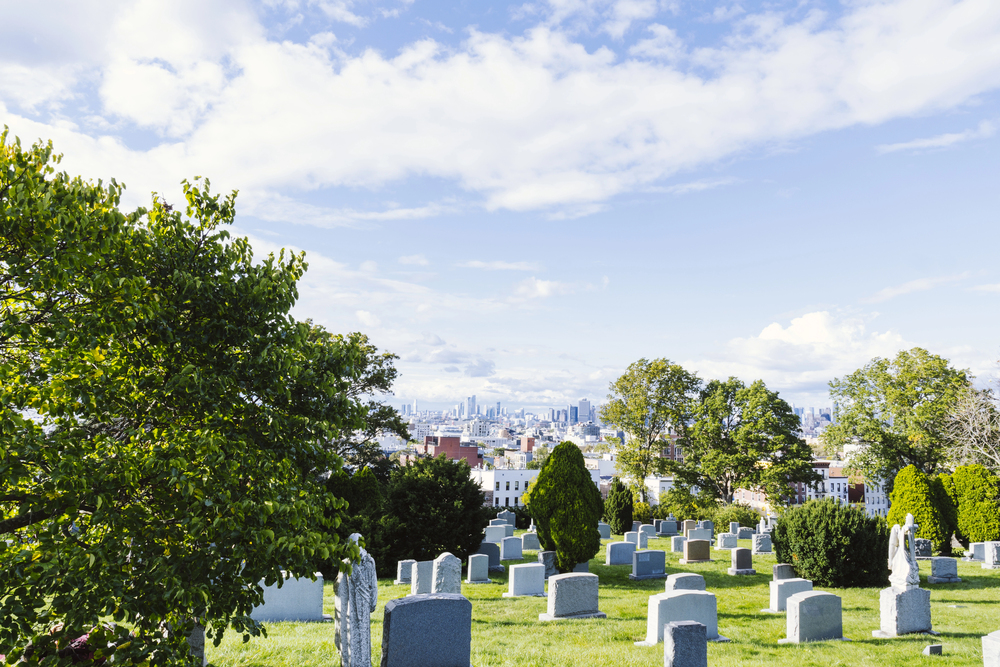
Brooklyn’s Green-Wood sprawls across 478 acres of rolling hills that overlook New York Harbor and the Statue of Liberty in the distance. Founded in 1838, this National Historic Landmark pioneered the rural cemetery movement in America. Glacial ponds reflect weeping willows. Parrots—yes, actual wild parrots—nest in the gothic arches near the main entrance, their green feathers a startling contrast against the grey stone.
The grounds hold over 560,000 graves, yet visitors often wander for hours without encountering another soul. Paths wind through valleys where the city noise fades to nothing.
Bonaventure Cemetery
Savannah’s Bonaventure sits on a bluff above the Wilmington River, draped in Spanish moss that hangs like curtains from centuries-old live oaks. The cemetery gained fame through the book Midnight in the Garden of Good and Evil, but its serenity predates any publicity. Established in 1846 on the site of a former plantation, the Victorian-era statuary creates shaded corridors beneath the canopy.
Bird songs dominate the soundscape here. The river breeze carries salt air through the magnolias, and azaleas explode in color each spring against the white marble monuments.
Like Travel Pug’s content? Follow us on MSN
Mount Auburn Cemetery
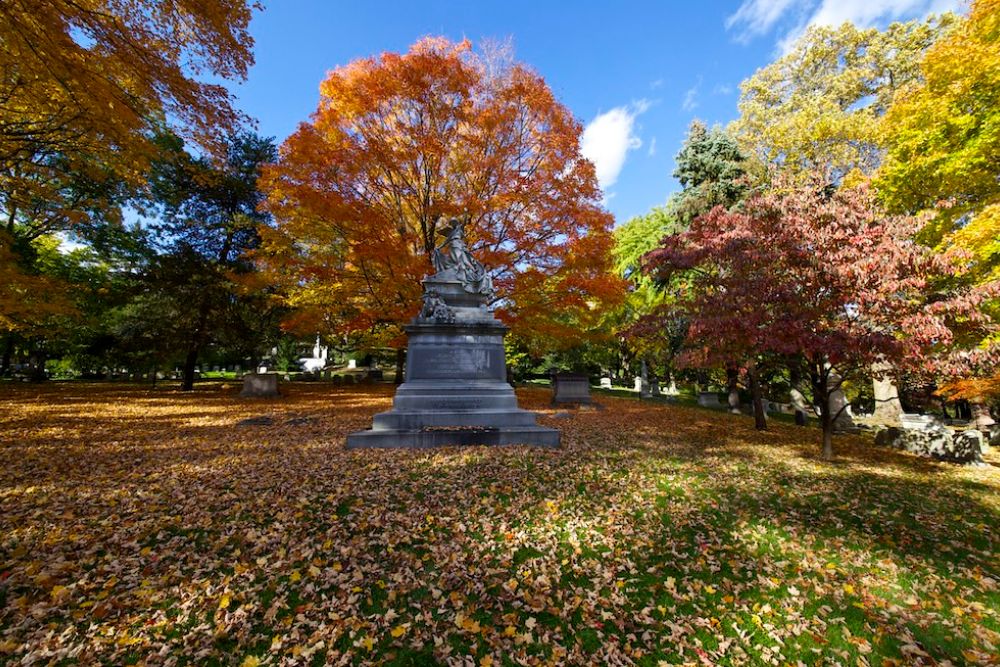
Cambridge, Massachusetts claims America’s first garden cemetery, established in 1831. Mount Auburn set the template that others would follow: winding paths, ornamental trees, and integration with the natural landscape rather than dominance over it. The 175 acres function as an accredited arboretum with over 5,000 trees representing 630+ species.
Still, the design never overwhelms. Chapel Hill provides views of the Boston skyline while remaining remarkably quiet despite its proximity to Harvard Square.
Hollywood Forever Cemetery
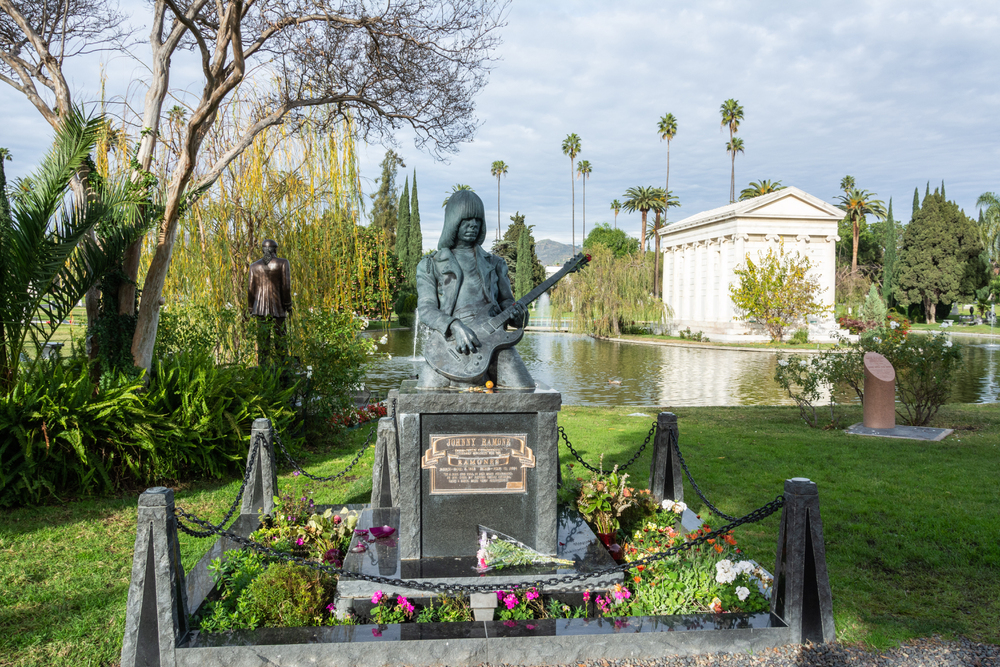
Hollywood Forever defies expectations for a Los Angeles cemetery. Founded in 1899, it rests behind Paramount Studios and hosts outdoor movie screenings during summer months—yet manages to maintain pockets of genuine tranquility. The grounds feature a lake where peacocks roam freely, their calls echoing across the water.
Tall palm trees sway above the graves of Hollywood legends. The contrast works. And somehow, even with tourists snapping photos at Rudolph Valentino’s crypt, corners of the cemetery remain untouched by the commotion.
Laurel Hill Cemetery
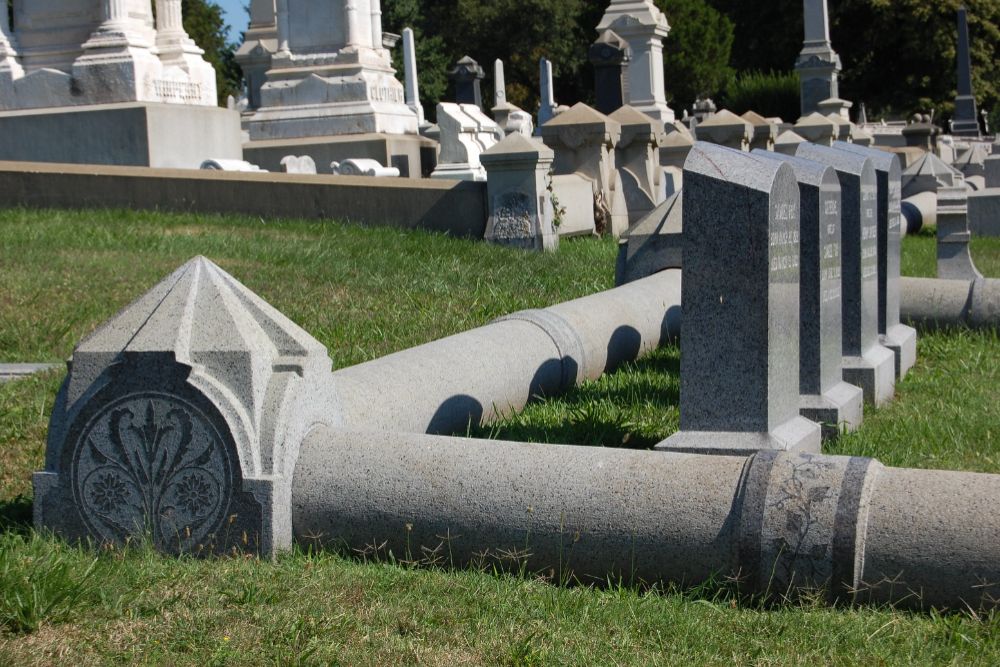
Philadelphia’s Laurel Hill occupies a dramatic ridge above the Schuylkill River, established in 1836 as the second rural cemetery in America. The Victorian monuments cascade down terraced hillsides toward the water. Gothic Revival structures punctuate the landscape—octagonal gazebos, Egyptian Revival gates, classical temples.
But what creates the serenity here isn’t architecture. It’s the river itself, flowing past largely unchanged since the cemetery’s founding. Water sounds mask the distant highway traffic, creating an acoustic buffer that feels almost engineered.
Like Travel Pug’s content? Follow us on MSN
Congressional Cemetery

Washington D.C.’s Congressional Cemetery might seem an unlikely candidate for serenity, but the 35-acre site on the banks of the Anacostia River surprises visitors. Established in 1807, it serves as the only cemetery in the nation chartered by Congress. Over 60,000 people rest here, including J. Edgar Hoover, John Philip Sousa, and multiple senators.
The K9 Corps—a volunteer dog-walking program—brings unexpected life to the grounds. Watching golden retrievers trot past sandstone cenotaphs at sunset somehow enhances rather than disrupts the peace.
Forest Lawn Memorial Park
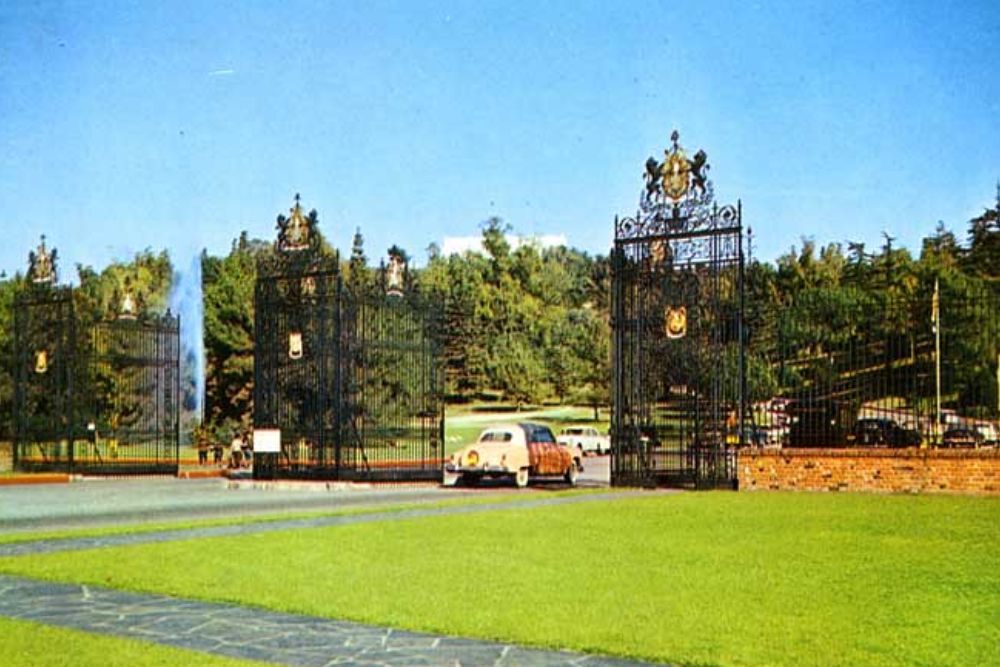
Glendale, California’s Forest Lawn spans 300 acres of manicured hillsides with views stretching to downtown Los Angeles on clear days. Founded in 1906 by a group of businessmen, it later transformed under Hubert Eaton’s vision of a cemetery without visible monuments—a “memorial park” concept that revolutionized the industry.
The grounds include:
- Full-scale replicas of European churches
- Stained glass recreations of Leonardo da Vinci paintings
- Rolling lawns where flush bronze markers replace upright headstones
- Gardens divided by theme and denomination
Critics sometimes call it ‘Disneyfied’. But walk the grounds on a Tuesday morning, and the silence speaks for itself.
Sleepy Hollow Cemetery
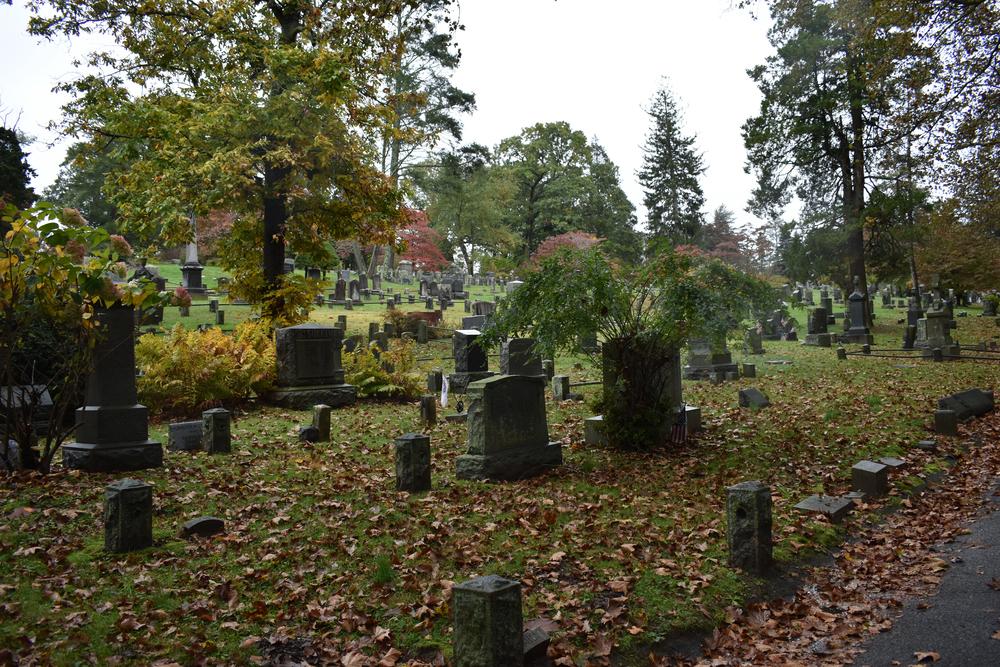
Concord, Massachusetts houses the final resting place of American literary giants on a wooded ridge called Author’s Ridge. Thoreau, Emerson, Alcott, and Hawthorne all lie within yards of each other beneath simple stones. Established in 1855, the cemetery extends across 90 acres of New England woodlands.
Visitors leave pencils and pens on Thoreau’s grave—a tradition that seems fitting. The gesture adds warmth to the solemnity. Fallen leaves blanket the paths in autumn, muffling footsteps until walking feels like floating.
Like Travel Pug’s content? Follow us on MSN
Magnolia Cemetery
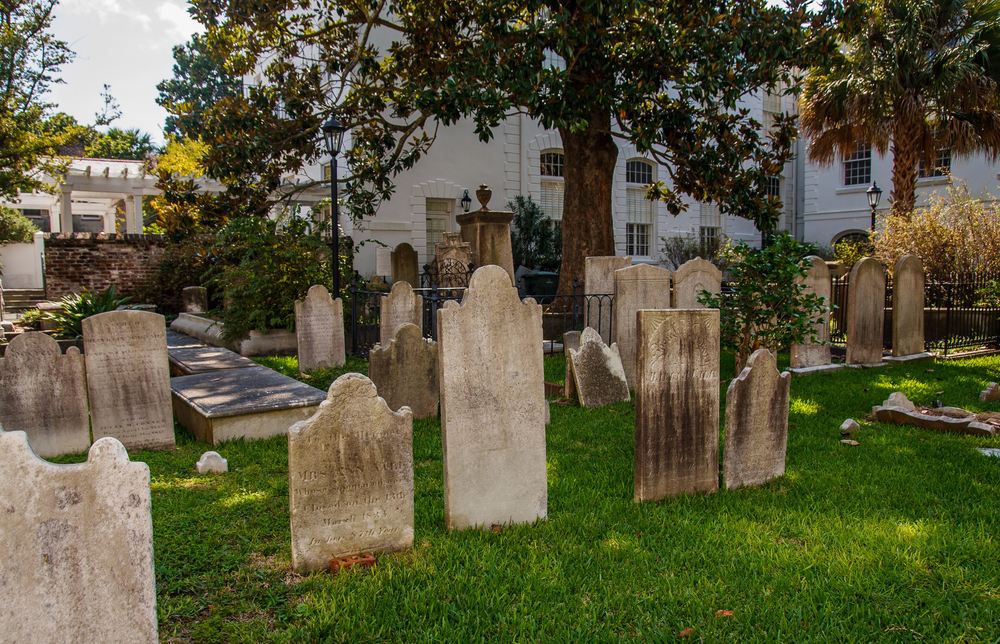
Charleston’s Magnolia Cemetery traces back to 1850, replacing the city’s overcrowded church graveyards. The 92 acres border the Cooper River, with live oaks forming natural archways over crushed-shell paths. Confederate soldiers fill entire sections, their graves marked by simple stones that time has weathered smooth.
Still, history doesn’t dominate here. The egrets do. They nest in the marsh at the cemetery’s edge, their white forms gliding between monuments like ghosts in daylight.
Spring Grove Cemetery and Arboretum
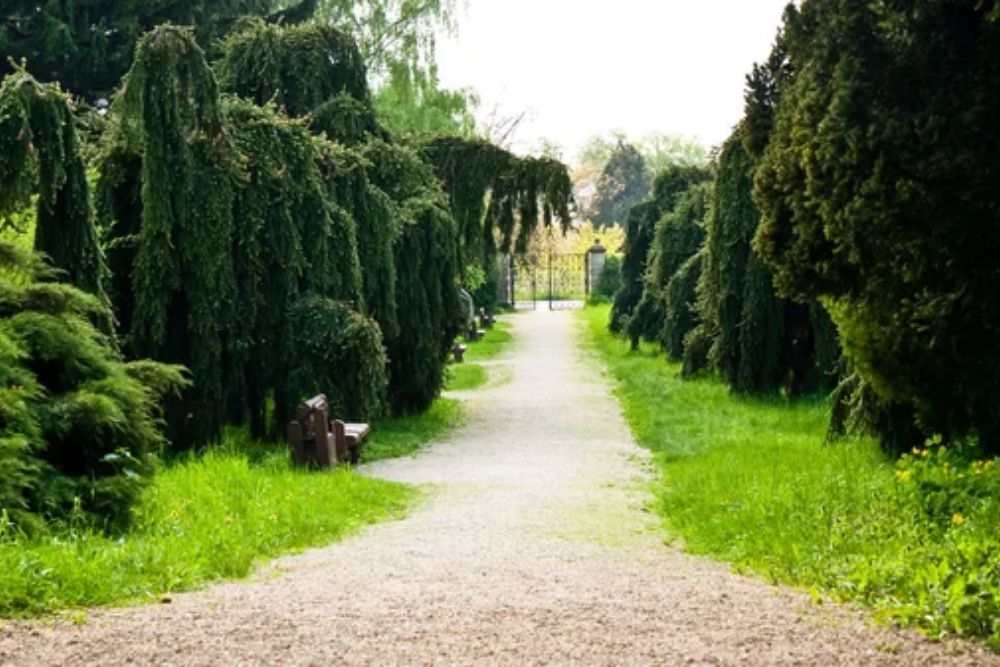
Cincinnati’s Spring Grove covers 733 acres, making it one of the largest cemeteries in America. Founded in 1845, it holds National Historic Landmark status and functions as a fully accredited arboretum. The landscape architecture rivals any botanical garden, with 19 lakes, fountains, and bridges connecting themed garden sections.
The sheer scale works in its favor. You can drive for fifteen minutes without retracing your route. The Norman Chapel rises from a hilltop like something transplanted from the English countryside, and on foggy mornings, the illusion becomes complete.
Cave Hill Cemetery
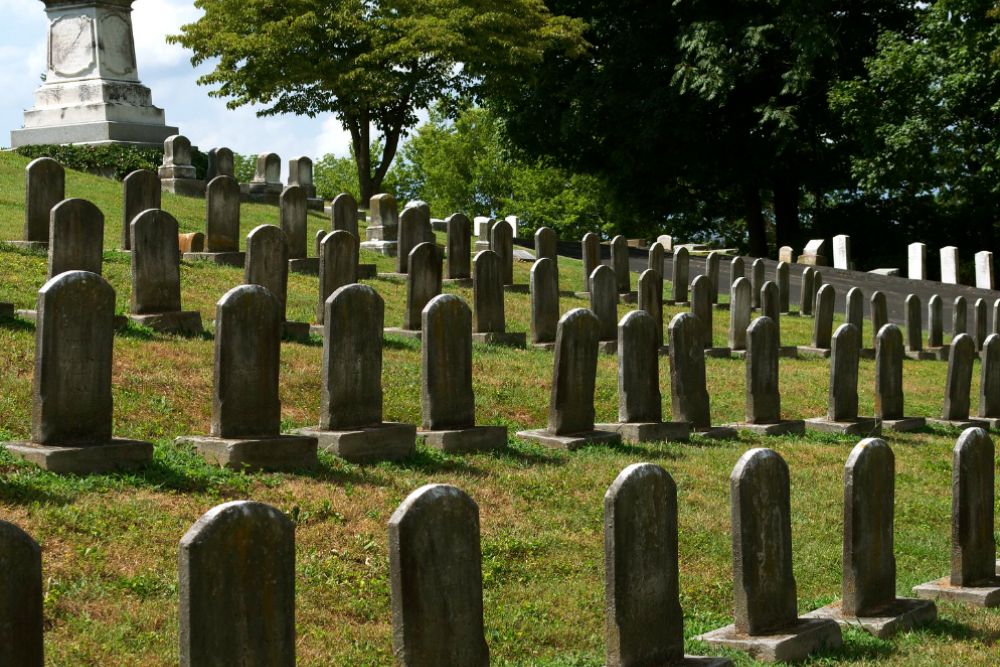
Louisville’s Cave Hill has sheltered visitors since 1848 across 296 acres of rolling hills and mature hardwoods. The name comes from a natural cave on the property, though the cave itself rarely sees visitors. Colonel Sanders rests here, his monument topped by a bronze bust that local folklore claims gets stolen and returned with suspicious regularity.
But forget the famous residents. The real draw is the arboretum designation—over 500 species of trees and shrubs create a canopy so dense that summer afternoons feel twenty degrees cooler inside the gates than outside.
Like Travel Pug’s content? Follow us on MSN
Oakwood Cemetery
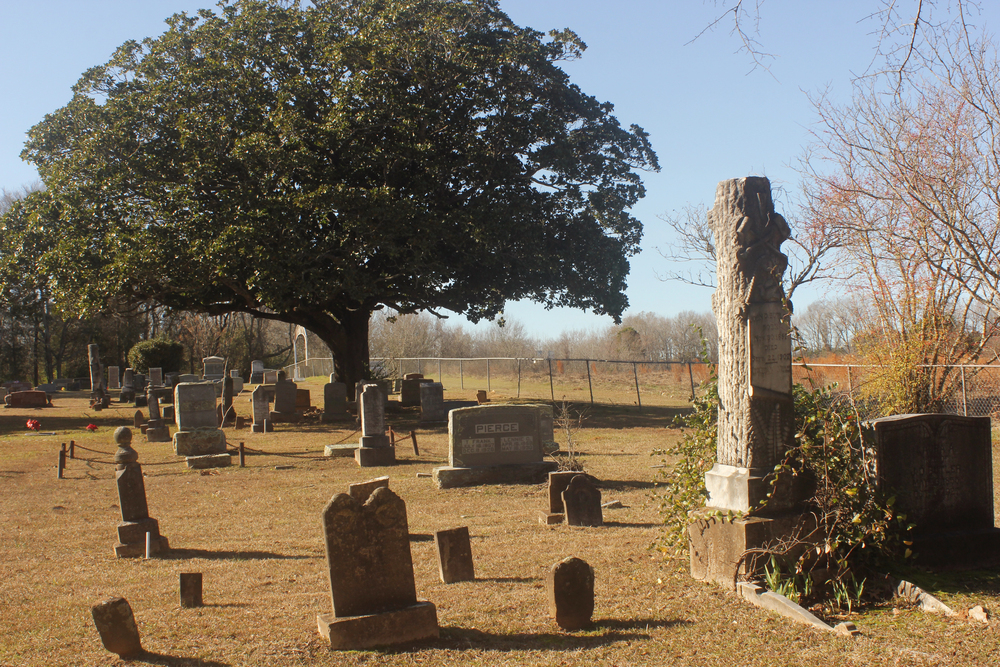
Syracuse, New York’s Oakwood Cemetery sprawls across 160 acres of glacially sculpted terrain. Established in 1859, it functions as both cemetery and sculpture park, with monuments ranging from modest markers to elaborate mausoleums that could house small families. The landscape design by Howard Daniels incorporated existing topography rather than flattening it.
Winter transforms Oakwood into something almost Scandinavian. Snow mutes the already quiet grounds, and the bare tree branches create geometric patterns against grey skies that feel purposeful, even artistic.
Elmwood Cemetery
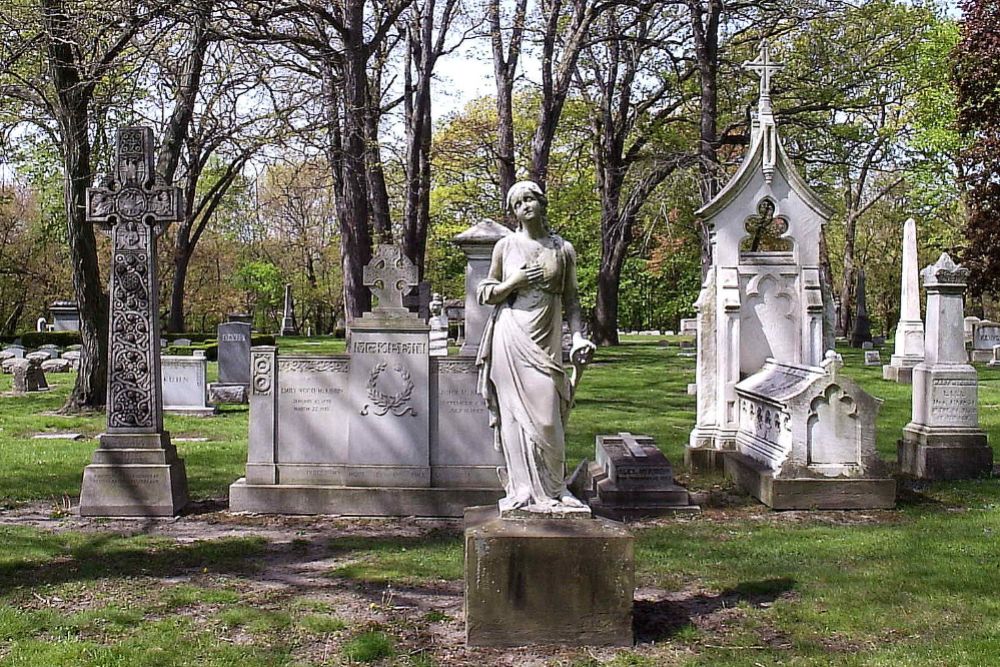
Memphis’ Elmwood dates to 1852 and contains 80 acres of what was originally rural land outside the city limits. Now surrounded by urban sprawl, the cemetery maintains its 19th-century character through aggressive preservation of its Victorian landscaping. Ancient magnolias—some planted at the cemetery’s founding—tower over brick pathways.
The Memphis Botanic Garden sits adjacent, and the boundary between cemetery and garden blurs intentionally. Butterflies don’t respect property lines, and neither should mourners seeking solace.
Mountain View Cemetery

Oakland, California’s Mountain View occupies 226 acres with panoramic views of San Francisco Bay. Frederick Law Olmsted designed portions of the grounds in 1865, applying the same principles he’d use later for Central Park. The cemetery sits on hillsides steep enough that some sections require stairs rather than paths.
Those stairs lead to vantage points where the entire Bay Area spreads below. Not great for wheelchair access. But undeniably serene when fog rolls through the gates at dawn.
Like Travel Pug’s content? Follow us on MSN
Green Mount Cemetery
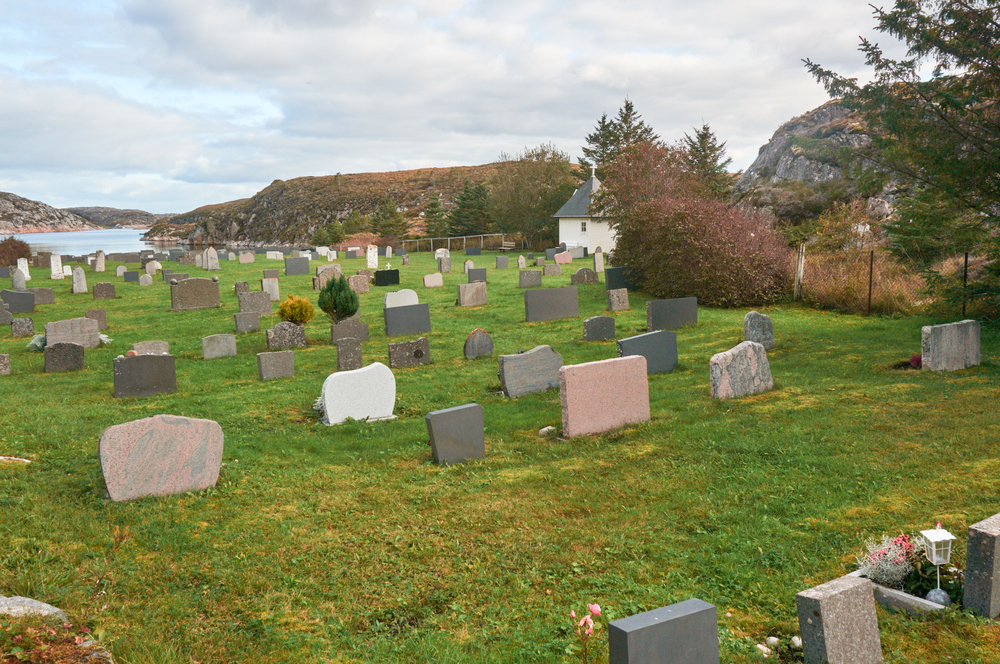
Baltimore’s Green Mount was established in 1838, one of the earliest garden cemeteries in America. The 68 acres contain some of the finest funerary architecture on the East Coast—Gothic Revival chapels, Egyptian Revival monuments, and neoclassical mausoleums that would impress in any museum. The Booth family plot is intentionally unmarked, a curious absence in such an otherwise well-documented landscape.
The gates close at dusk. That enforced boundary between day and night adds to the sense of sanctuary—once those iron gates swing shut, the world outside ceases to matter.
A place for the living

Beyond their architectural beauty or historical significance, these cemeteries have more in common. They provide something that is becoming more and more uncommon: the freedom to slow down without feeling guilty. There is no rationale, no output, and no goal other than existence itself to follow their paths. That could be their best present.
More from Travel Pug

- 20 Best Beach Towns in the Carolinas
- 13 Destinations Where Tourists Regularly Regret Their Trip
- 20 Things You Actually Get in First Class
- 20 Small Airports With Aviation Museums
- 20 Places in the U.S. That Are Perfect for a Reset Trip
Like Travel Pug’s content? Follow us on MSN