

Tokyo pulls at travelers like gravity. The city’s reputation for safety makes it a magnet for women exploring on their own, and that reputation holds up under scrutiny. You can walk most neighborhoods after dark without watching your back constantly, which makes planning easier and stress lower.
But even in one of the world’s safest cities, some districts feel more comfortable than others. Understanding the landscape helps you pick where to stay and where to spend your time.
Asakusa’s Temple District
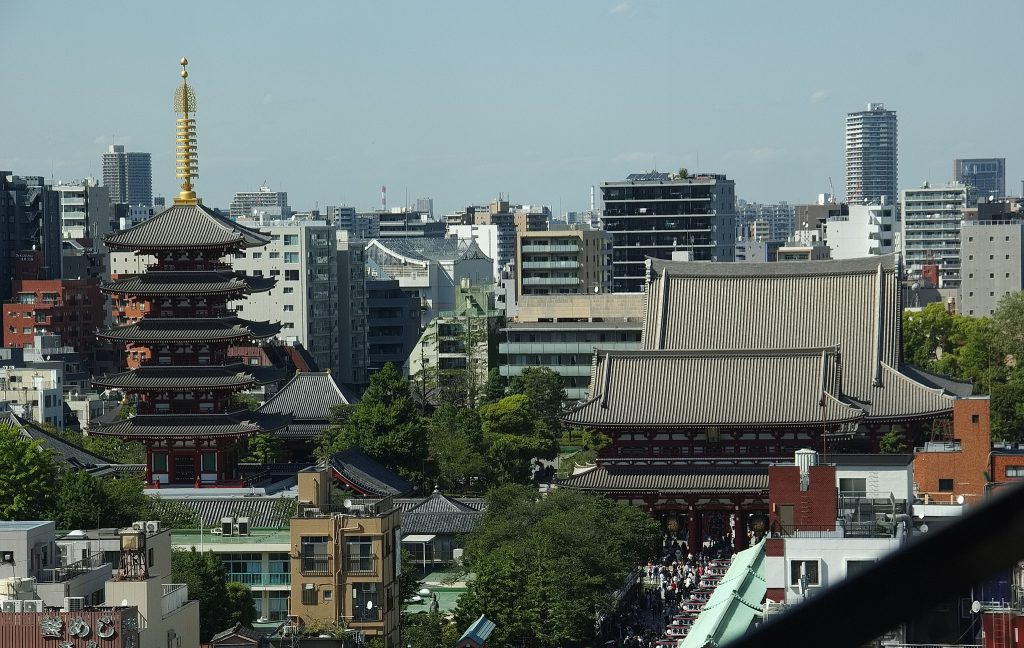
The eastern ward surrounding Sensoji Temple keeps a traditional pace. Narrow streets wind past family shops that have occupied the same corners for generations.
Tourist police patrol the temple grounds regularly, and the area stays well-lit even after most attractions close. Hostels cluster along the main streets here, and the neighborhood offers affordable options without sacrificing security.
The river path provides a scenic route back to accommodations, though stick to the lit pathways rather than venturing into alleys after midnight.
Ginza’s Upscale Streets
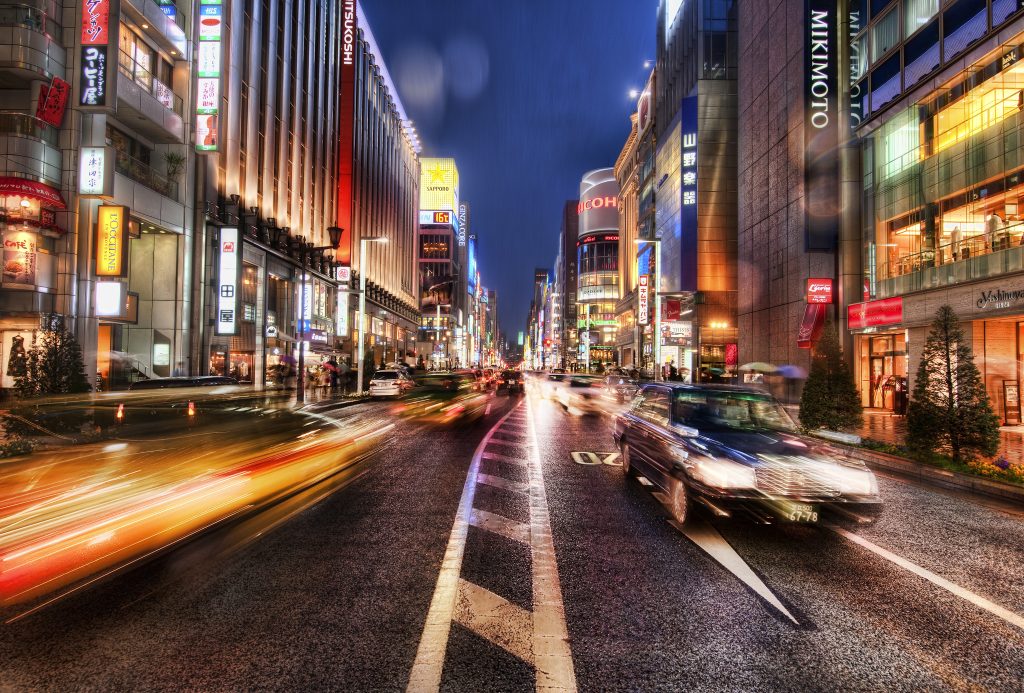
This shopping district carries Tokyo’s highest price tags and lowest crime rates. The peaceful atmosphere comes partly from the affluent residents who live here and partly from the strong police presence protecting luxury storefronts.
Walking these streets feels remarkably calm despite the crowds during business hours. After dark, the area empties but maintains its safe character. Women eating alone in Ginza’s restaurants receive the same attentive service as large parties.
Shibuya Beyond the Crossing
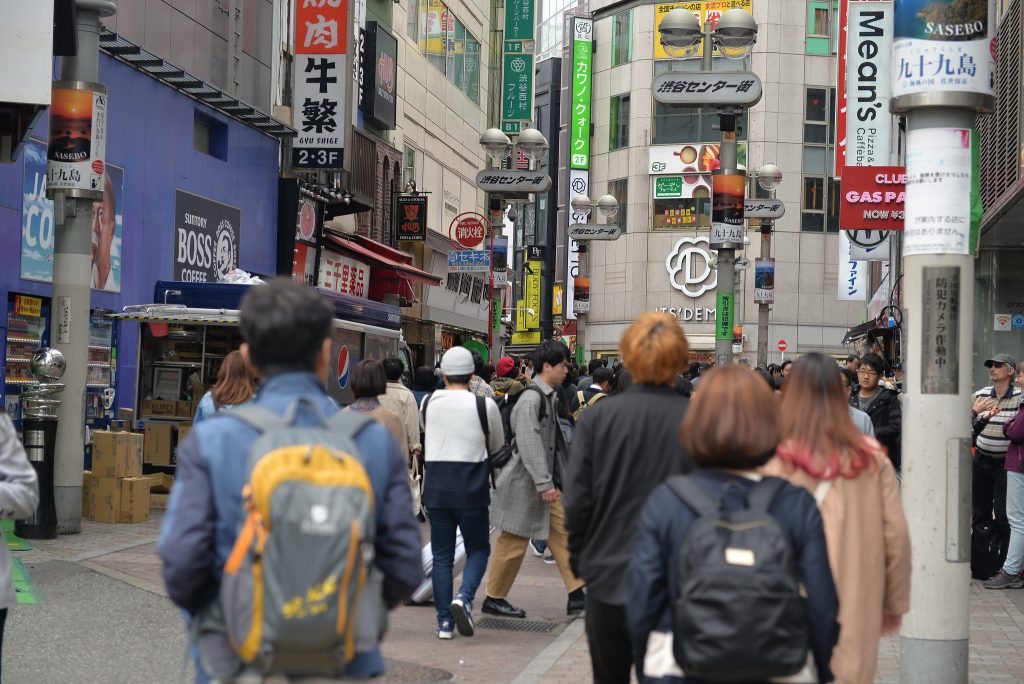
The famous scramble intersection draws massive crowds, but the surrounding neighborhood offers more than photo opportunities. The Sakuragaoka area west of the station attracts local students and maintains an active street life late into the evening.
Station staff work around the clock and can provide directions if you get turned around. The strong police presence near the crossing extends into the residential blocks nearby. Shopping fills the daylight hours, while bars and restaurants keep the sidewalks populated after sunset.
Ikebukuro for Budget Travelers
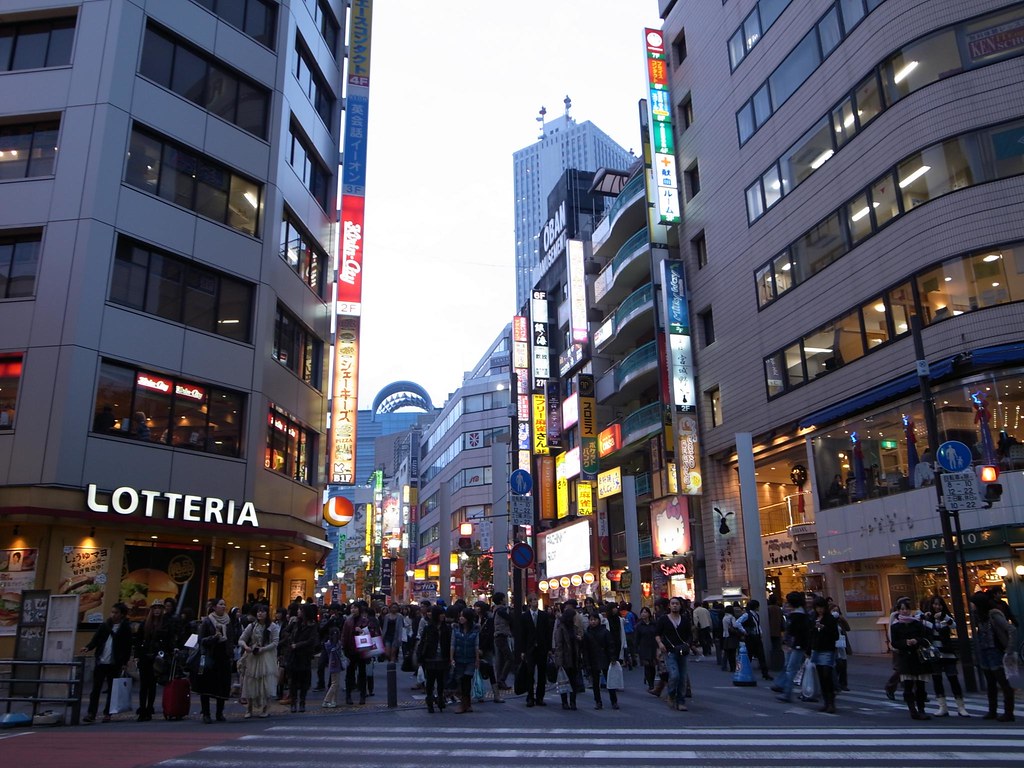
This district attracts fewer tourists than Shinjuku or Shibuya, which translates to lower accommodation costs. The east exit area features bright storefronts, security cameras on every corner, and police boxes spaced regularly along the main streets.
Women-only dorms cluster in this neighborhood, offering budget-conscious travelers secure places to sleep. The station provides direct train connections north and west, and late-night trains return from other districts until well past midnight.
Local residents create a neighborhood feel that busier tourist areas lack.
Yanaka’s Old Tokyo Charm
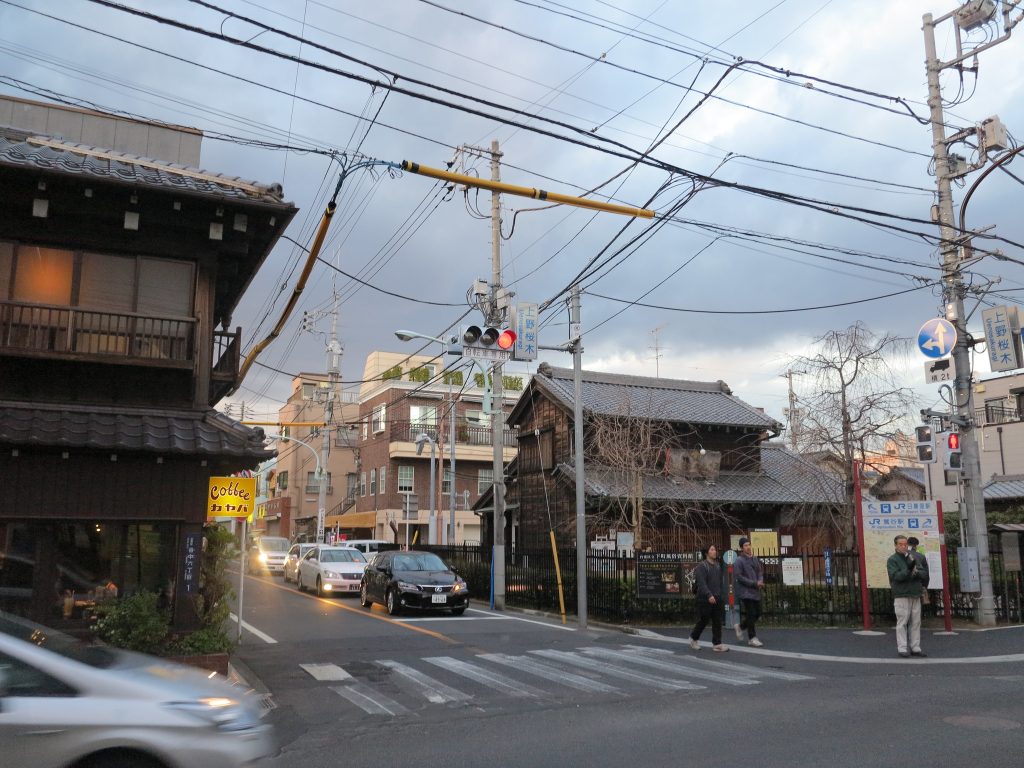
Walk north from Ueno Park and you step into streets that survived the fire bombings of World War II. Temple bells mark the hours, and the shopping street draws locals rather than tour groups.
The peaceful atmosphere here comes from the residential character rather than tourist infrastructure. Crime stays exceptionally low in this traditional neighborhood.
The Yanaka Cemetery provides a surprisingly serene walking route between districts. Small shops close early, so this area works best for travelers who prefer quiet evenings over nightlife.
Harajuku’s Fashion Hub
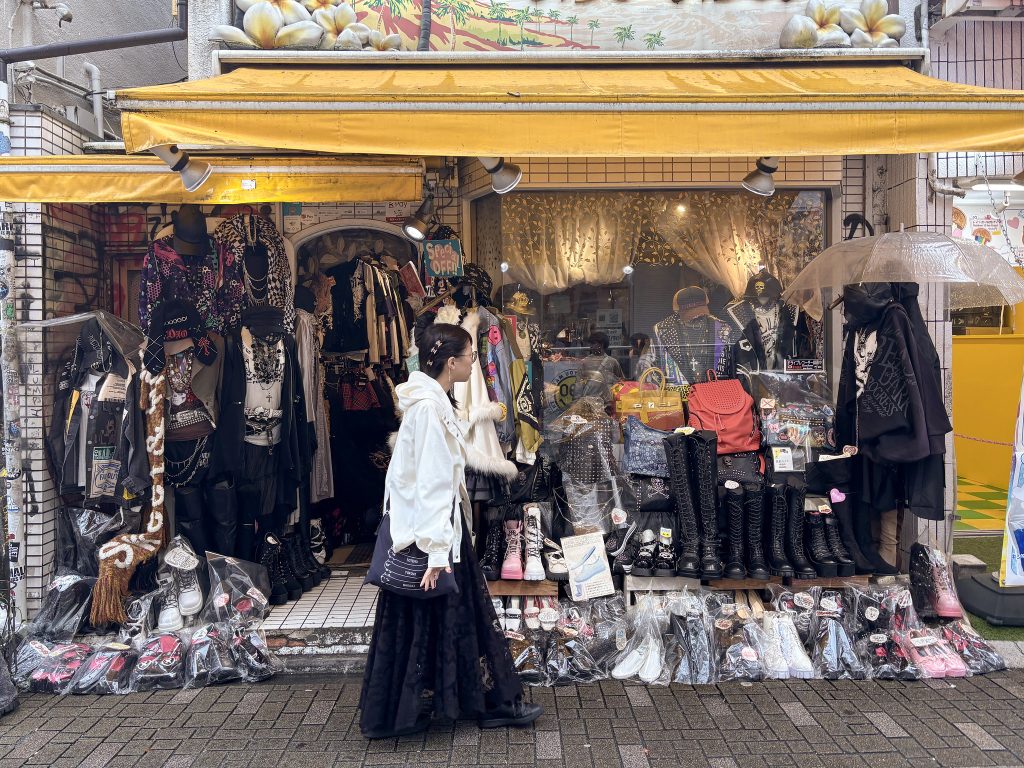
Takeshita Street packs teenagers into a narrow corridor of boutiques and crepe stands, but step away from the main drag and the neighborhood opens up. The area surrounding Meiji Shrine maintains extensive green space despite sitting in the city center.
Fashion boutiques line Omotesando Avenue, creating a shopping experience that rivals Ginza at slightly lower prices. The crowds thin after shops close, but the area maintains good lighting and regular police presence.
Women shopping alone blend into the scene completely.
Shinjuku South of the Station
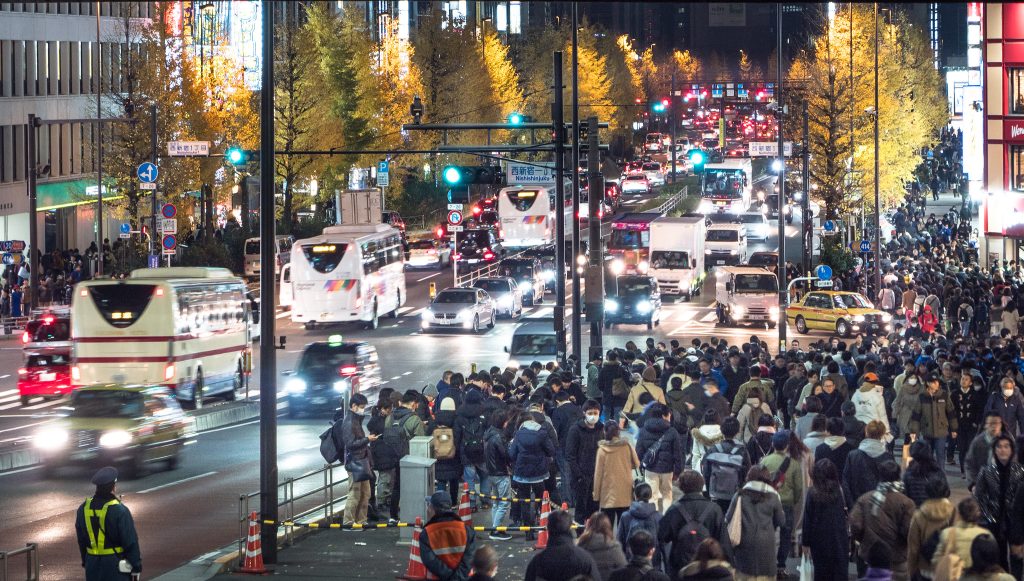
The entertainment district north of Shinjuku Station carries a rowdy reputation after dark, but the blocks south of the tracks tell a different story. Quieter residential streets sit just minutes from the main terminal, offering proximity to transportation without the neon chaos.
Many hostels choose these addresses specifically to balance convenience with peace. The neighborhood maintains the safety standards Tokyo delivers across most districts while avoiding the late-night crowds that make northern Shinjuku less comfortable for solo travelers.
Nakameguro’s Riverside Walk
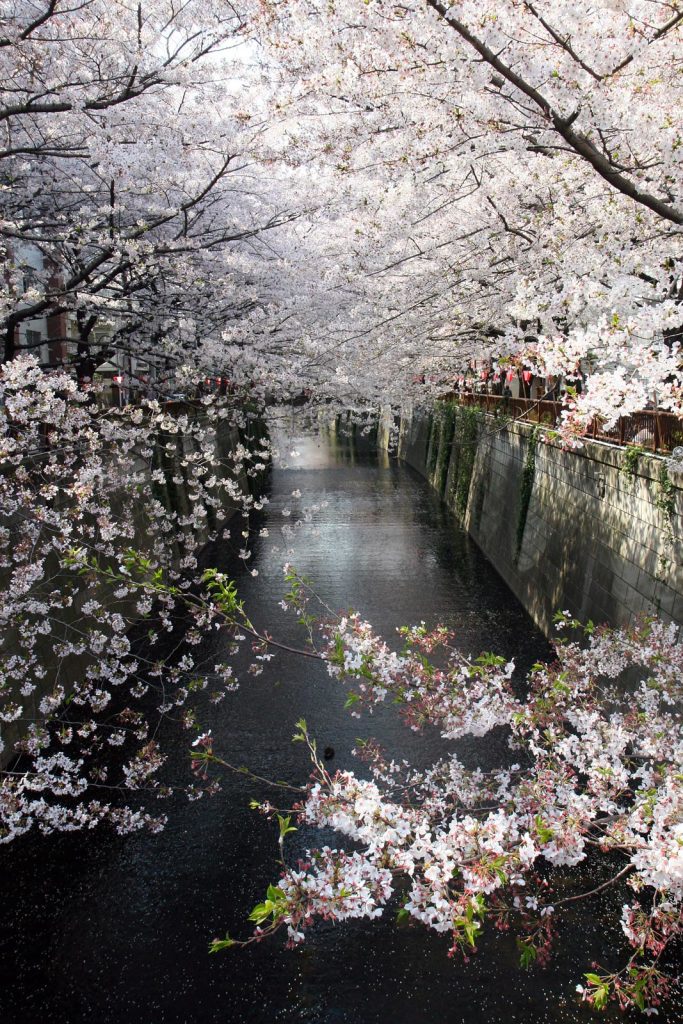
This neighborhood rarely appears on first-time visitor itineraries, which keeps the crowds manageable. The canal provides a tree-lined walking path that locals use for evening strolls.
Small bars and cafes cater to neighborhood residents rather than tourists. The atmosphere leans toward residential calm. Women living in Tokyo choose this area for its safety and walkability, and those qualities serve travelers equally well.
The cherry trees that line the canal create spectacular spring scenery without the crushing crowds that descend on more famous viewing spots.
Ueno Park’s Museum Quarter

The massive park anchors a neighborhood that blends cultural attractions with local life. Museums cluster around the green space, and the morning market near Ueno Station draws vendors selling fresh fish and produce.
Crime rates stay low despite the area’s popularity. The station sees heavy foot traffic throughout the day, which means help stays available if needed. Evening walks through the park feel safe when you stick to lit pathways.
The neighborhood works well as a base for exploring Tokyo while maintaining a less frenetic pace than central districts.
Kichijoji’s Village Feel
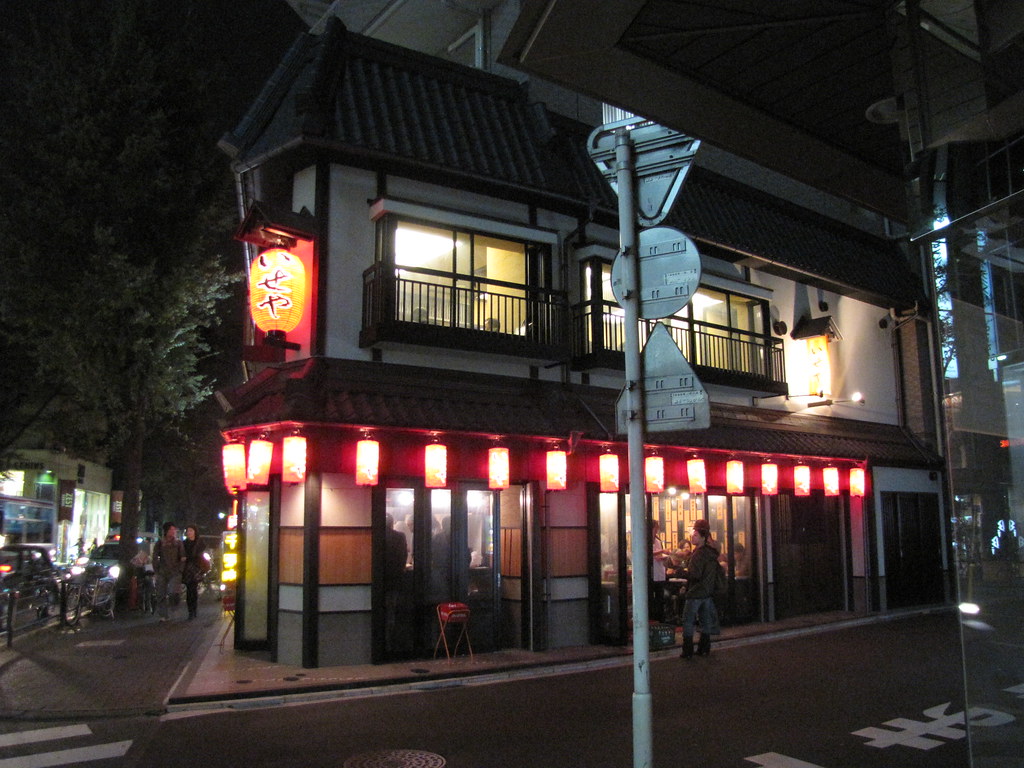
This western ward sits about twenty minutes from Shinjuku on the Chuo Line but maintains a distinct character. Inokashira Park provides green space for picnics and paddleboats, while the shopping streets offer everything from vintage clothing to live music venues.
Locals rate Kichijoji highly for livability, which translates to safe streets and welcoming businesses. The neighborhood draws fewer foreign tourists, so expect to practice more Japanese here than in central districts. Women traveling alone report feeling completely comfortable exploring the area day or night.
Meguro’s Residential Calm
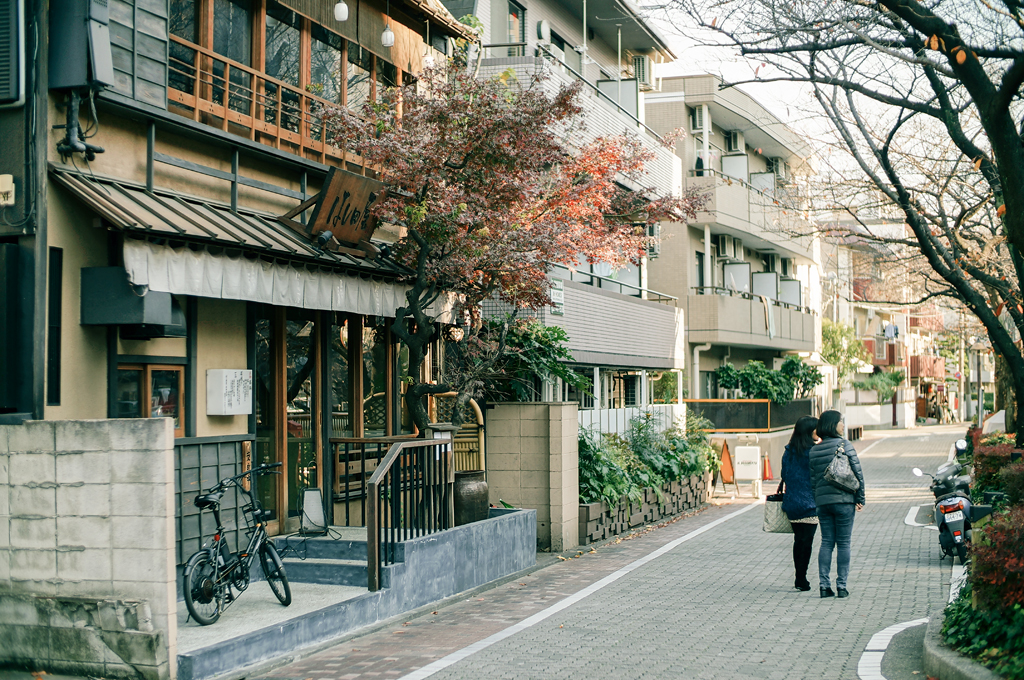
Positioned south of Shibuya, Meguro offers quiet streets and local restaurants without sacrificing access to central Tokyo. The neighborhood attracts long-term residents rather than short-term visitors, which creates a stable, safe environment.
Small cafes stay open late without the pressure to turn tables quickly. Walking these streets provides insight into how Tokyo residents actually live rather than how the city presents itself to tourists.
The district maintains excellent train connections while feeling removed from tourist chaos.
Odaiba’s Waterfront Escape
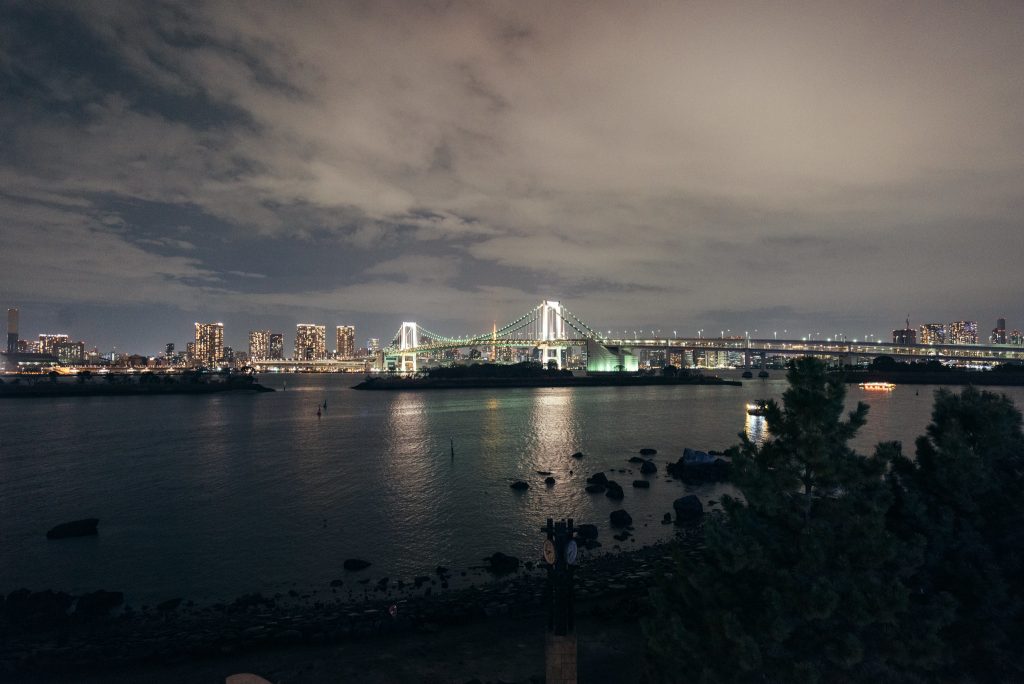
This artificial island in Tokyo Bay creates a different experience entirely. Beaches, shopping malls, and the giant Gundam statue draw families during the day. The area empties after attractions close, but security remains tight around the commercial properties.
Getting here requires the monorail or water bus, which adds travel time but removes you from the density of central Tokyo. The Rainbow Bridge provides stunning night views, and the open waterfront feels less claustrophobic than packed urban streets.
Solo travelers seeking space rather than crowds find this district appealing.
Daikanyama’s Bookstore Culture
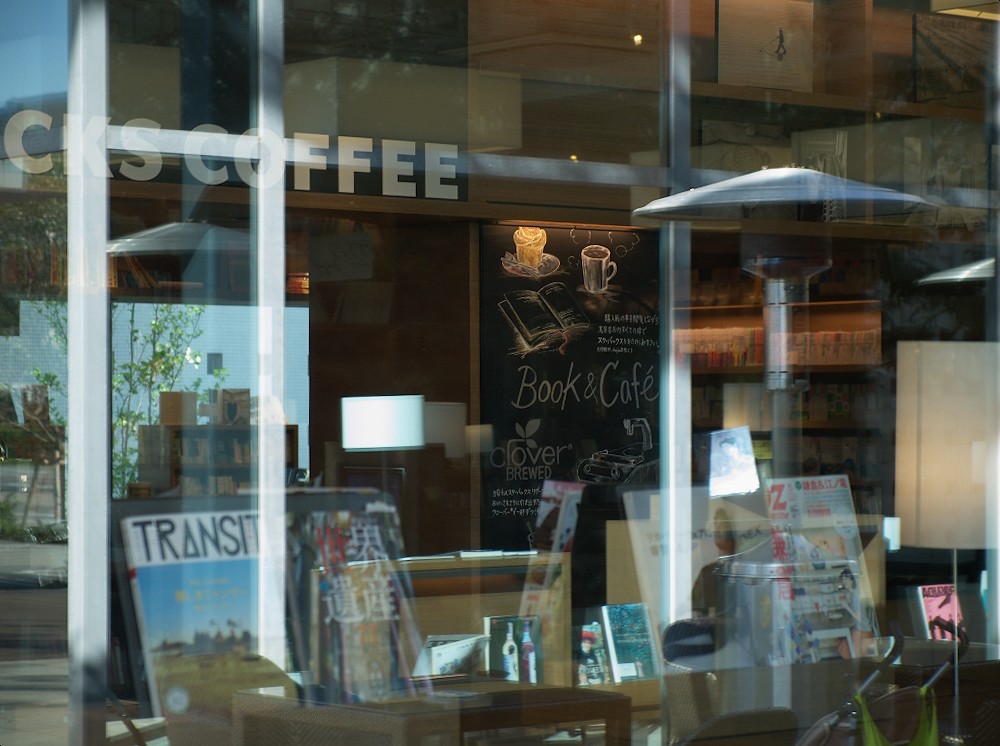
Just one stop from Shibuya on the Toyoko Line, this neighborhood maintains an entirely different atmosphere. The famous T-Site bookstore complex anchors an area filled with design shops and specialty cafes.
Streets stay quiet even during busy shopping hours. The neighborhood attracts a creative crowd interested in design and literature.
Solo travelers can spend hours in the bookstore’s reading lounges without feeling rushed. The area maintains strong safety standards while offering a more sophisticated atmosphere than the youth-focused energy of nearby Shibuya.
Setagaya’s Family Streets
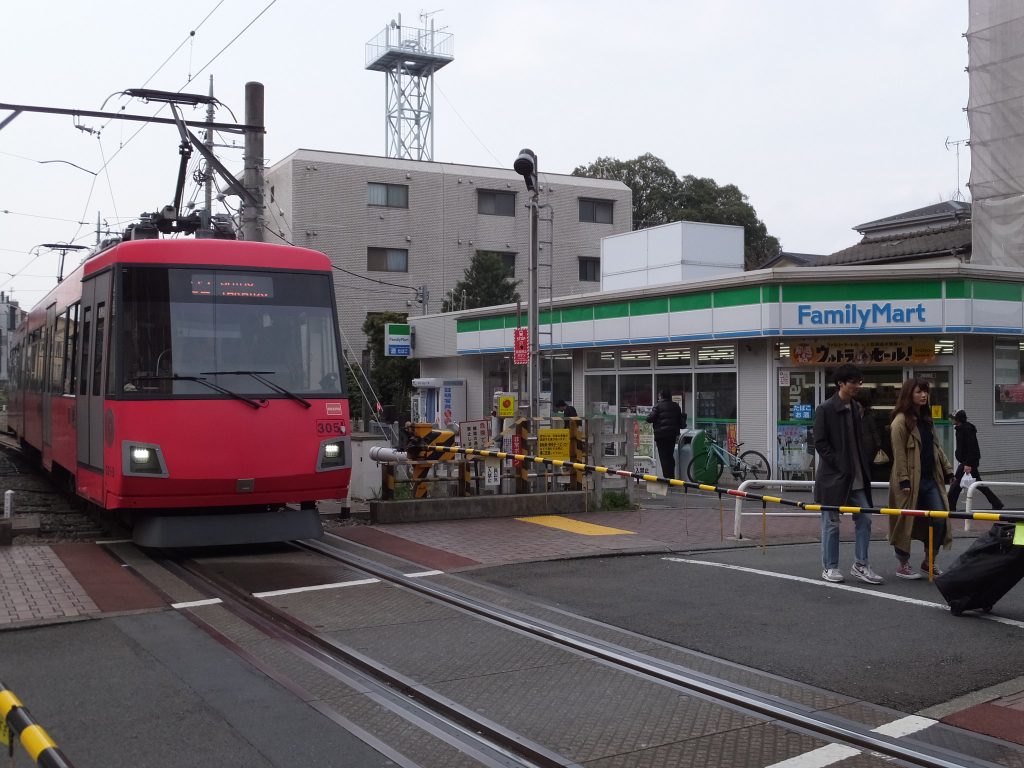
This busy district stretches far out from downtown Tokyo – each part keeps its own vibe. Over in a peaceful spot, where visitors seldom go, there’s Gotokuji Temple hiding quietly among tons of maneki-neko figures.
Residential lanes twist through tiny green spaces while local stores dot the corners. This spot fits folks looking to see real Tokyo life instead of just tourist spots.
Crime rates remain low no matter where you go in the district, yet the calm rhythm gives a break from busy city scenes.
Finding Your Comfort Zone

Tokyo’s safe image holds true when you’re actually there. Many areas are totally fine for women traveling alone, while public systems make it easy to get around on your own. Still, what feels comfortable varies from person to person.
Some go for Shibuya’s hustle, since being lost in a crowd feels freeing. Meanwhile, plenty choose Yanaka’s calm lanes, given how temple chimes echo through slow afternoons.
You’ll get either option – and every spot tucked around them. Match your vibe to a district, then let Tokyo roll out ahead.
More from Travel Pug

- Underrated Italian Towns That Beat the Tourist Crowds
- Las Vegas Tourist Traps to Skip
- Prettiest Towns in Every US State
- 18 passport-free countries for Americans
- Signs Your Cruise Is Not Worth The Cost
Like Travel Pug’s content? Follow us on MSN.