

Hotel rooms can feel sterile and impersonal—especially after a long day of travel or when staying somewhere for an extended period. That generic beige decor and the faint smell of industrial cleaning products don’t exactly scream “welcome home.”
The good news? Transforming a bland hotel room into a cozy personal space doesn’t require much effort or money. With a few simple adjustments and the right mindset, it’s possible to create an environment that feels familiar and comforting, no matter the distance from your actual home.
Whether it’s a frequent business trip or an extended vacation, these strategies work for any type of stay. Here is a list of 15 ways to make any hotel room feel more like your own space.
Bring your own pillow

Your pillow is one of the most personal items used every day—yet hotel pillows rarely match what you’re accustomed to at home. Packing your own means getting the same neck support and familiar scent that helps with better sleep.
Even if it takes up luggage space, the improvement in sleep quality makes it worthwhile.
Adjust the lighting

Harsh overhead lights can make any space feel clinical. Switch them off and use bedside lamps instead, or bring a small portable lamp to create softer, warmer lighting.
Many hotels also have dimmer switches that guests overlook—so it’s worth taking a moment to explore your lighting options.
Unpack your clothes

Living out of a suitcase makes anyone feel like they’re camping rather than settling in. Taking ten minutes to hang clothes in the closet and put folded items in drawers signals to the brain that this isn’t just a quick stopover.
This simple act shifts the mindset from temporary visitor to actual resident.
Set up a photo or two

A small framed photo of loved ones—or even a printed snapshot—can instantly personalize the space. Prop it on the nightstand or dresser to create a visual reminder of home.
Digital photo frames work well, too, if cycling through multiple images is preferred.
Control the temperature

Hotel rooms are notorious for being either too hot or too cold, and the right temperature is crucial for comfort. Spending a few minutes figuring out the thermostat and adjusting it makes a difference.
If the system’s confusing or broken, calling the front desk for help is perfectly reasonable.
Bring a familiar scent

Scent has a powerful connection to memory and comfort. Pack a small candle, essential oil roller, or room spray in a favorite fragrance—even something as simple as regular hand lotion can make the space smell more personal.
The olfactory system doesn’t lie when it comes to creating familiarity.
Rearrange the furniture

Most hotel rooms have furniture arranged in predictable ways that prioritize cleaning efficiency over comfort. If the chair faces the wrong direction or the desk feels awkwardly placed, move things around.
Creating a layout that works for specific habits makes the room feel less generic.
Use your own toiletries

Hotel soap and shampoo get the job done, though they don’t smell or feel like the products used at home. Bringing personal toiletries adds familiarity to morning and evening routines.
Plus, it’s better for the environment than using those tiny plastic bottles.
Bring a throw blanket

Hotel bedding is designed to be practical and easy to clean, which often means it feels stiff and impersonal. A soft throw blanket from home can drape over the bed or chair, adding both warmth and a pop of personal style.
It also provides something cozy to curl up with while watching TV.
Set up a snack station

Hotels charge outrageous prices for mini-bar items, and room service gets expensive fast. Bringing snacks and setting them up on the desk or dresser creates a sense of abundance and control—plus it means having something familiar when hunger strikes at odd hours.
There’s something comforting about knowing exactly what’s available without checking a menu.
Play your own music

The silence in hotel rooms can feel eerie, especially for those used to background noise at home. Using a portable speaker or phone to play favorite music or podcasts helps.
The familiar sounds create an acoustic environment that feels more personal and less like a temporary box.
Establish a routine

Following the same routines done at home helps the brain adjust to new spaces. Making morning coffee the same way, doing usual stretches, or reading before bed—just like at home—creates consistency.
Familiarity breeds comfort even when surroundings are unfamiliar.
Open the curtains during the day

Natural light transforms the mood of any room while helping regulate circadian rhythms. Many people automatically keep hotel curtains closed for privacy, but opening them during daylight hours makes the space feel more alive.
They can always be closed again in the evening when privacy matters.
Claim a workspace

For those working during their stay, designating a specific area for laptops and materials helps maintain boundaries. Clearing off the desk completely and arranging it just right creates mental separation between relaxation time and productive time.
The psychological impact of a dedicated workspace shouldn’t be underestimated.
Use the ‘do not disturb’ sign
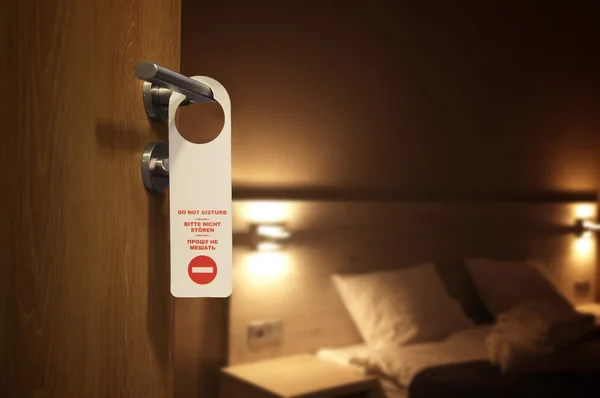
Housekeeping interruptions can shatter any sense of privacy and control over the space. If daily cleaning isn’t needed, hanging the sign and maintaining the room independently keeps things exactly as they were left.
This level of control mirrors what happens at home.
From ancient inns to modern comfort
Travelers have been trying to make temporary lodgings feel more welcoming for thousands of years, from Roman inns to medieval taverns. The difference now? More tools and tricks at our disposal to customize environments quickly.
What hasn’t changed is the human need for familiarity and comfort, regardless of distance from home. These small adjustments bridge the gap between ‘just passing through’ and actually feeling settled, proving that home is less about the walls around you and more about the personal touches created within them.
More from Travel Pug

- Underrated Italian Towns That Beat the Tourist Crowds
- Las Vegas Tourist Traps to Skip
- Prettiest Towns in Every US State
- 18 passport-free countries for Americans
- Signs Your Cruise Is Not Worth The Cost
Like Travel Pug’s content? Follow us on MSN.