

Florida’s gentle giants have captured hearts for generations. These slow-moving marine mammals seek warm waters during winter months, creating spectacular viewing opportunities across the Sunshine State.
From natural springs to power plant outflows, manatees gather in predictable spots where temperatures stay above 68 degrees. Whether you’re hoping to observe them from a boardwalk or paddle alongside them in a kayak, the state offers experiences for every comfort level.
Here is a list of 19 remarkable places where you can encounter these beloved creatures in their natural habitat.
Crystal River
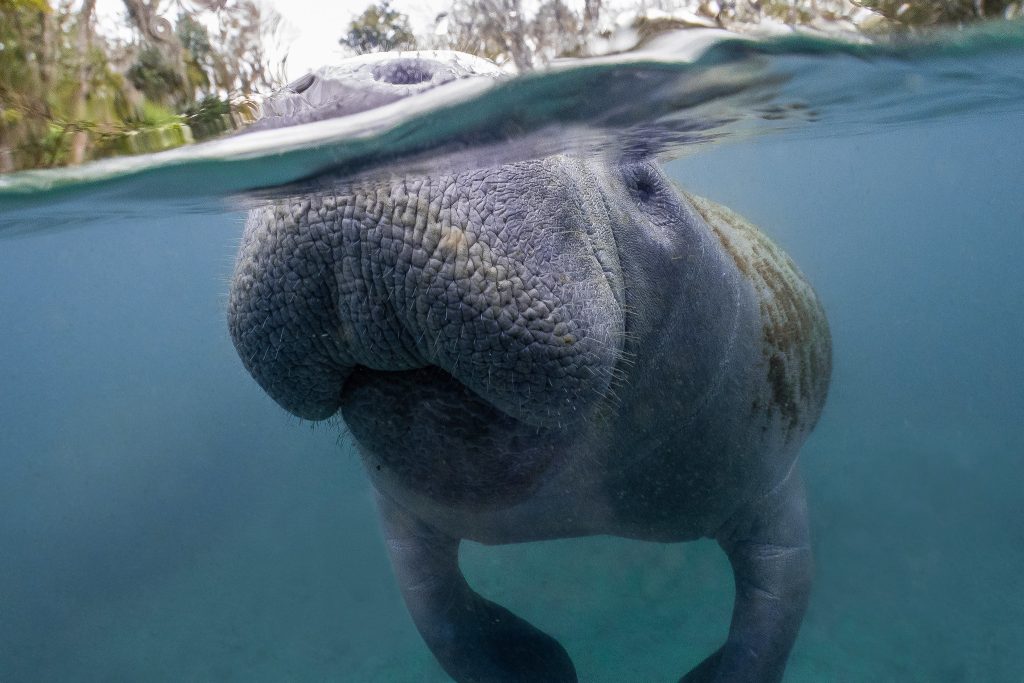
The undisputed manatee capital of the world sits on Florida’s Nature Coast. Kings Bay attracts hundreds of manatees each winter, making it the only place in America where swimming with these creatures is legal.
Tour operators launch from the bay daily during manatee season, which runs from November through March.
Three Sisters Springs
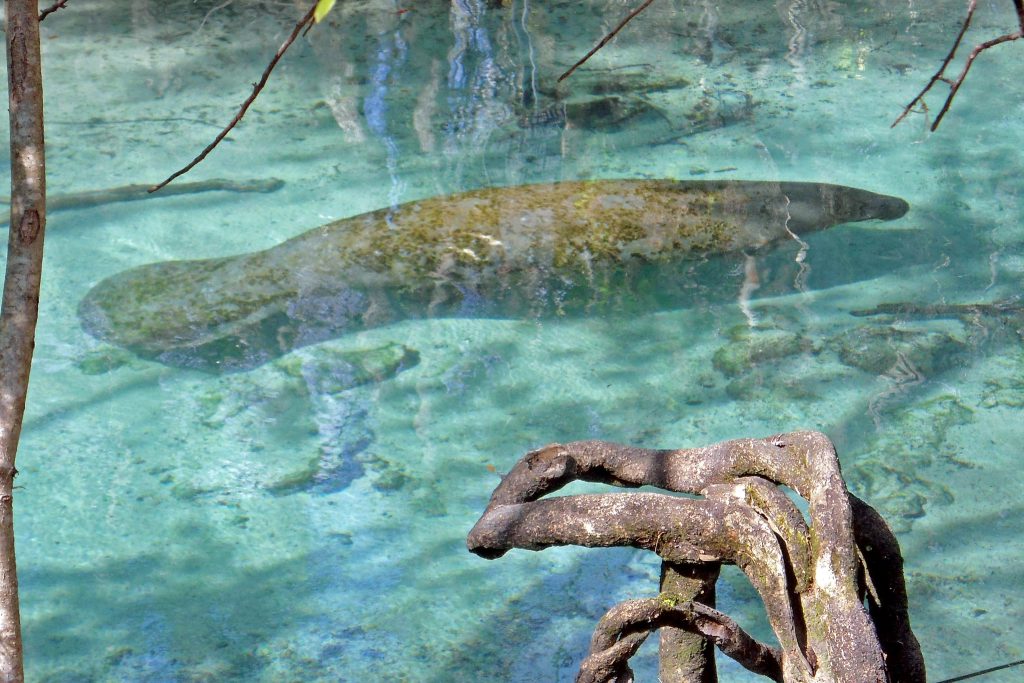
This protected refuge within Kings Bay provides a sanctuary for manatees seeking warmth. The springs pump out 72-degree water year-round, creating an irresistible draw when Gulf temperatures drop.
Boardwalks allow visitors to observe animals without disturbing them during peak season.
Blue Spring State Park
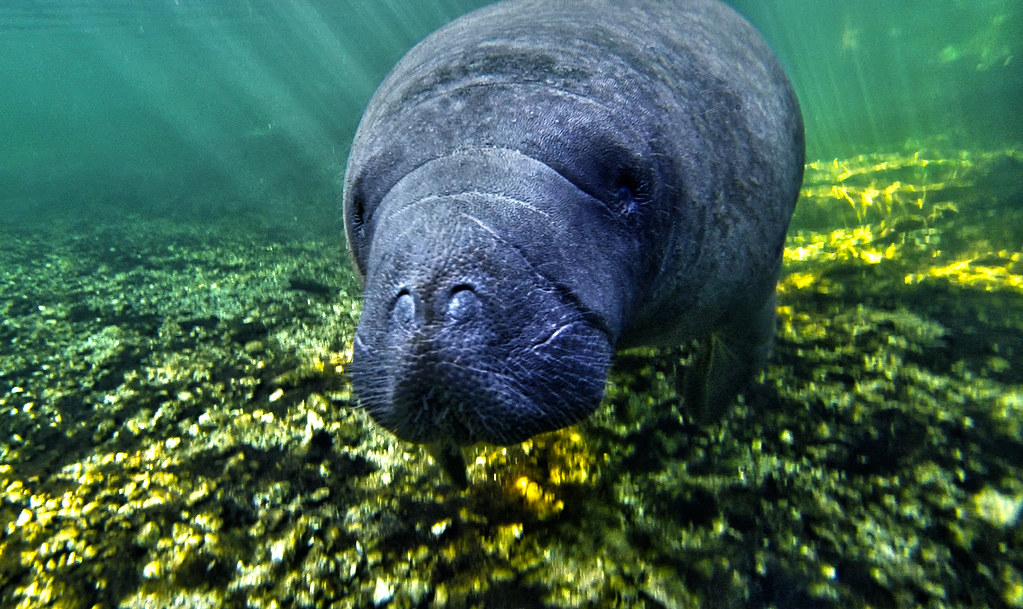
Roughly 600 manatees cram into this spring’s warm waters on the coldest winter days. The park near Orange City has documented the same individual manatees returning for over 30 years, creating a living database of these animals’ lifespans.
A half-mile boardwalk puts you right above where manatees rest and socialize.
Homosassa Springs Wildlife State Park
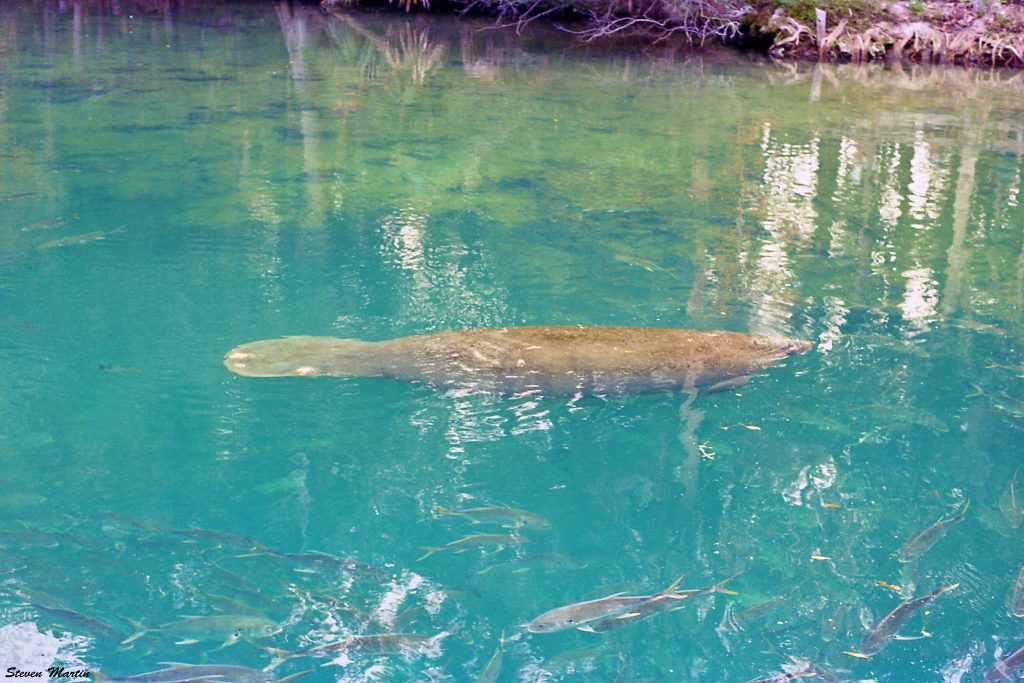
Unlike most springs, this one functions as both a natural habitat and a rehabilitation center. You can walk through an underwater observatory called the Fish Bowl, putting you literally at eye level with manatees swimming past.
The park houses permanent resident manatees who can’t survive in the wild due to injuries.
Lee County Manatee Park
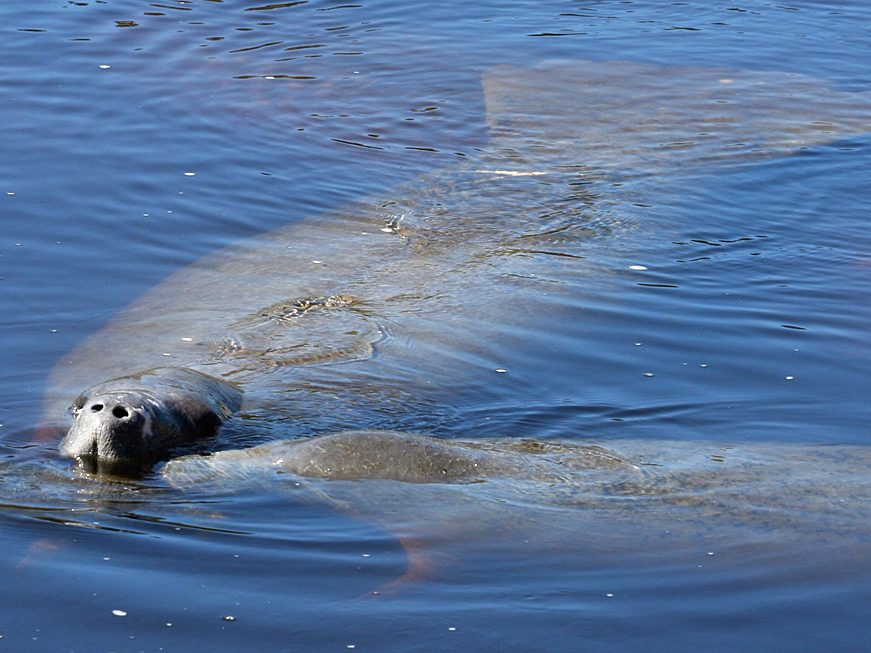
Another power plant outflow site, this Fort Myers location draws manatees to the warm waters of the Orange River. The FPL discharge canal maintains temperatures that keep manatees comfortable even when the Gulf turns chilly.
Educational pavilions dot the park, where naturalists answer questions and help spot manatees.
Weeki Wachee Springs State Park
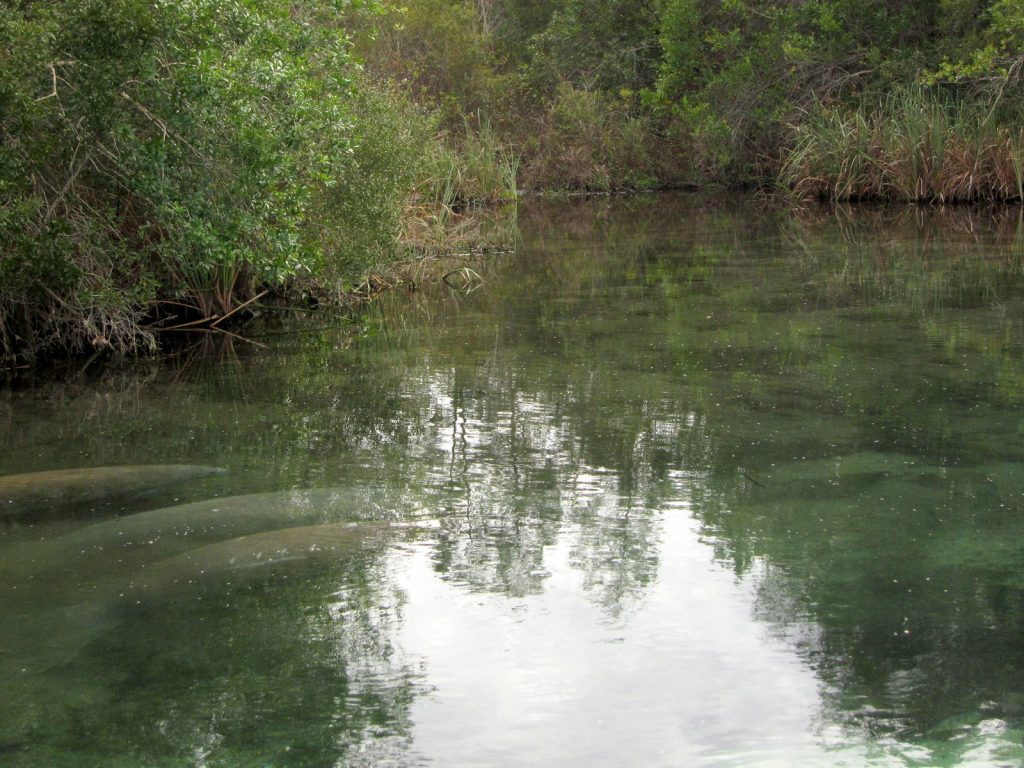
The famous mermaid shares these waters with real-life manatees who drift past during river tours. Spring-fed Weeki Wachee River maintains consistent temperatures that attract manatees throughout the cooler months.
Glass-bottom boat rides and kayak rentals let you explore 7 miles of pristine river.
Silver Springs State Park
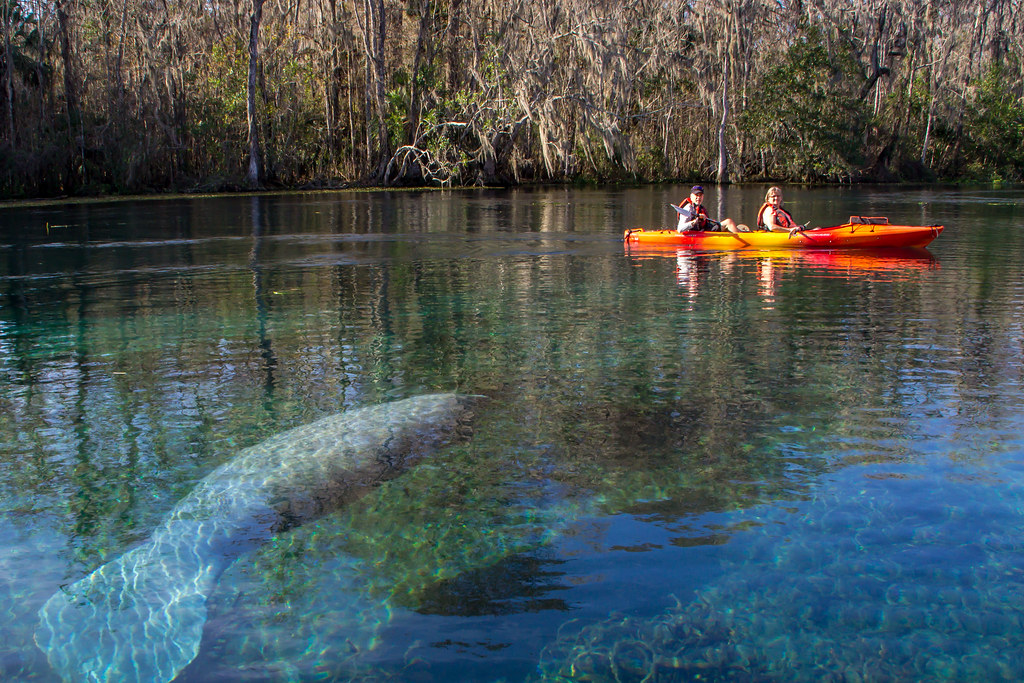
The largest artesian spring system in the world pumps out 550 million gallons daily. Glass-bottom boats have been floating over these springs since 1878, and manatees have likely been visiting just as long.
The Silver River connects to the Ocklawaha River, creating a corridor that manatees travel regularly.
Manatee Lagoon
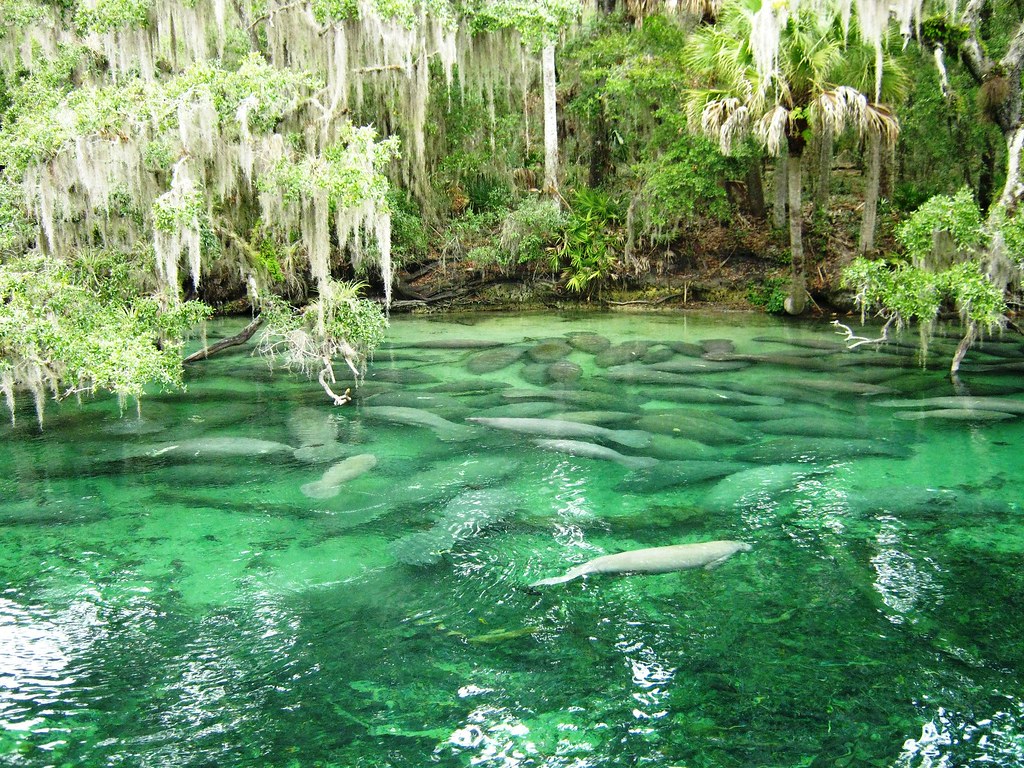
This Riviera Beach education center overlooks the Lake Worth Lagoon’s FPL discharge. Interactive exhibits teach manatee biology and conservation while the real animals float just beyond the windows.
The facility opened in 2016 specifically to provide public access to this manatee hotspot.
Merritt Island’s Haulover Canal
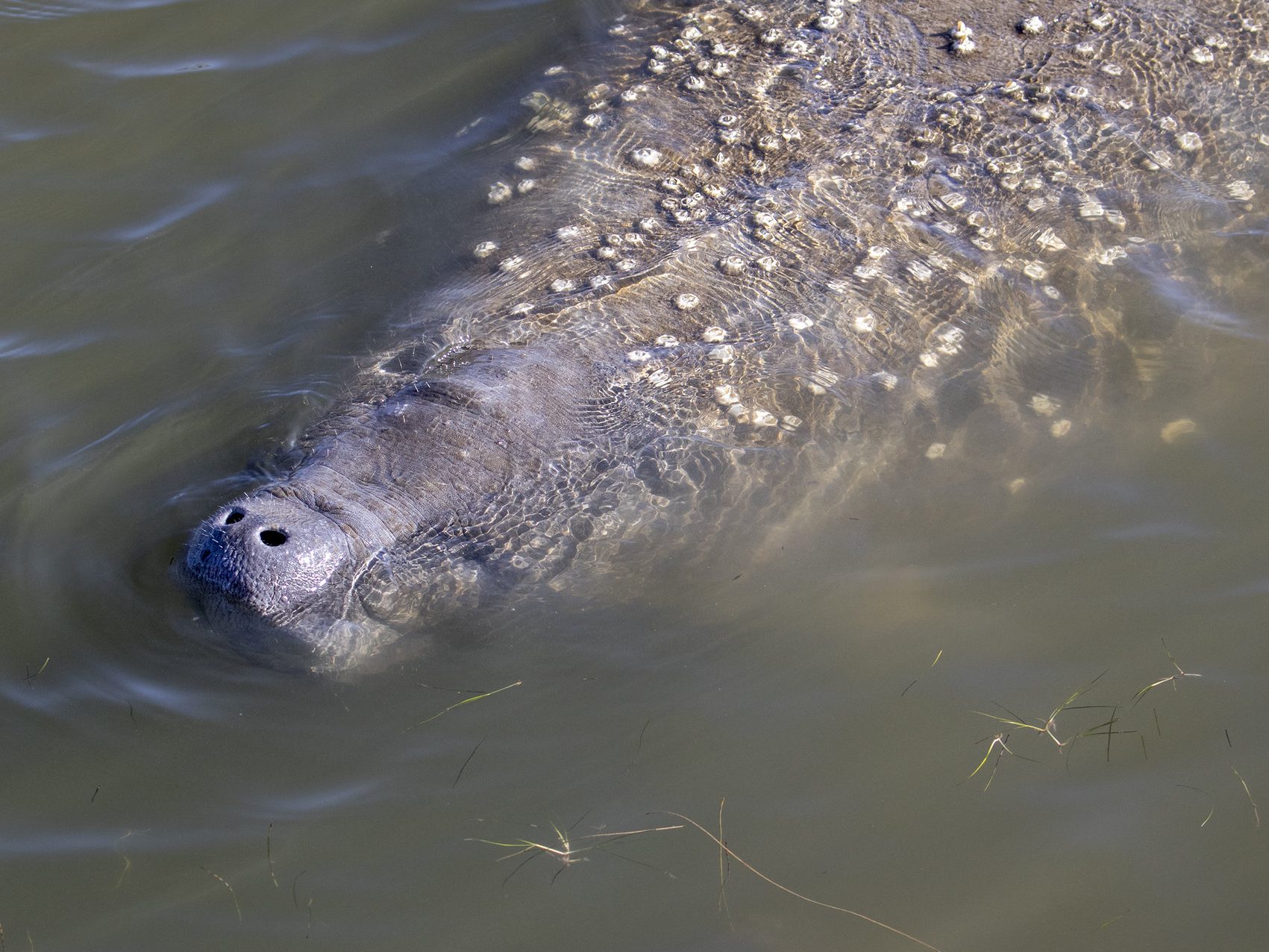
The narrow waterway connecting Mosquito Lagoon to the Indian River becomes a manatee highway during winter. Paddlers and boaters pass within feet of these creatures as they navigate the shallow canal.
The Haulover Canal sits within the Canaveral National Seashore, where development restrictions keep the area pristine.
Homosassa River
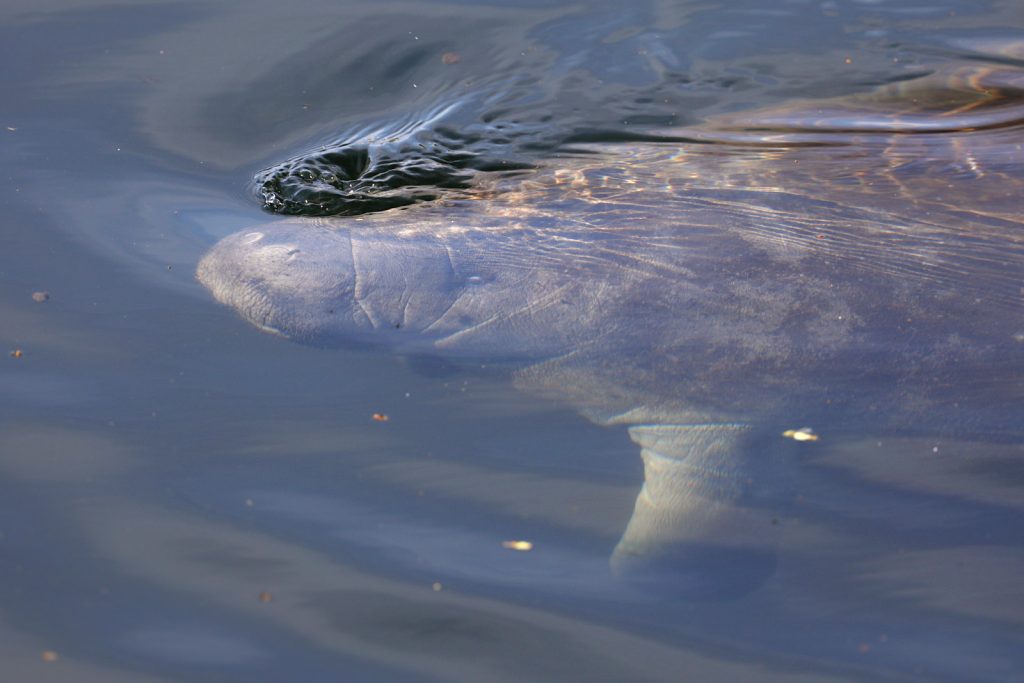
This spring-fed river connects Homosassa Springs to the Gulf of Mexico across 8 miles of protected waterway. Manatees use it as a commuting route between feeding grounds and warm-water refuges.
Kayak outfitters line the riverside, offering rentals and guided tours.
Fort De Soto Park
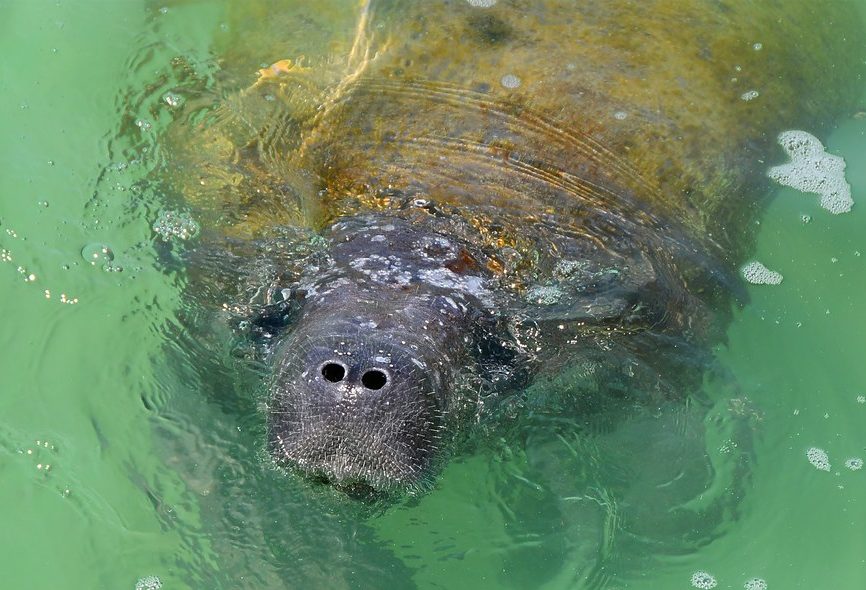
The Tampa Bay area’s barrier islands create protected shallows where manatees graze on seagrass beds. This Pinellas County park offers multiple access points to these productive feeding areas.
While you won’t find the concentrated numbers seen at spring sites, you’ll spot manatees in a more natural setting.
ZooTampa at Lowry Park
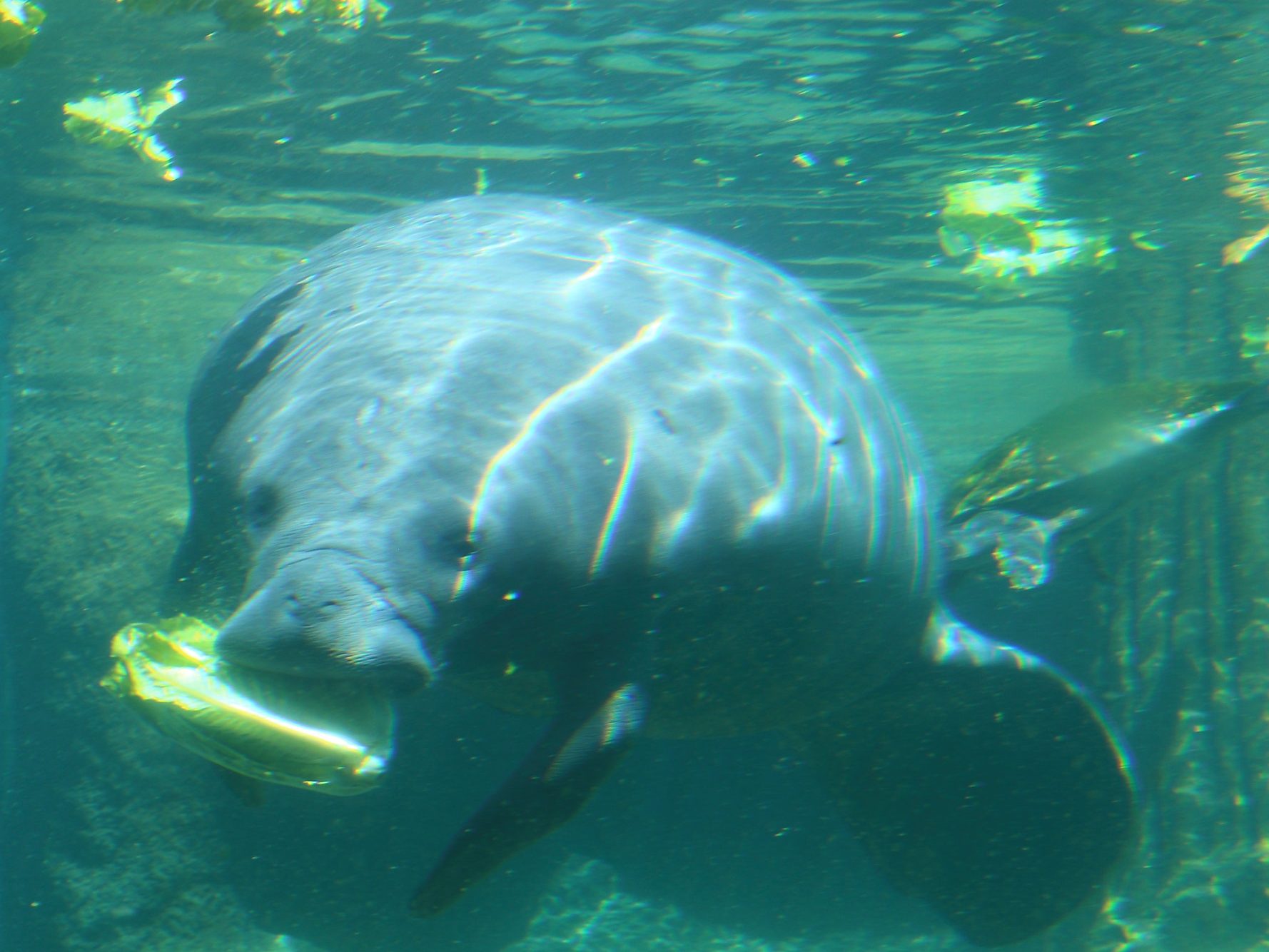
The David A. Straz Jr. Manatee Critical Care Center treats injured and orphaned manatees before releasing them back to the wild. Underwater viewing windows let you watch rehabilitating animals as they recover.
The facility has returned over 30 manatees to Florida waters since opening.
Mote Marine Laboratory
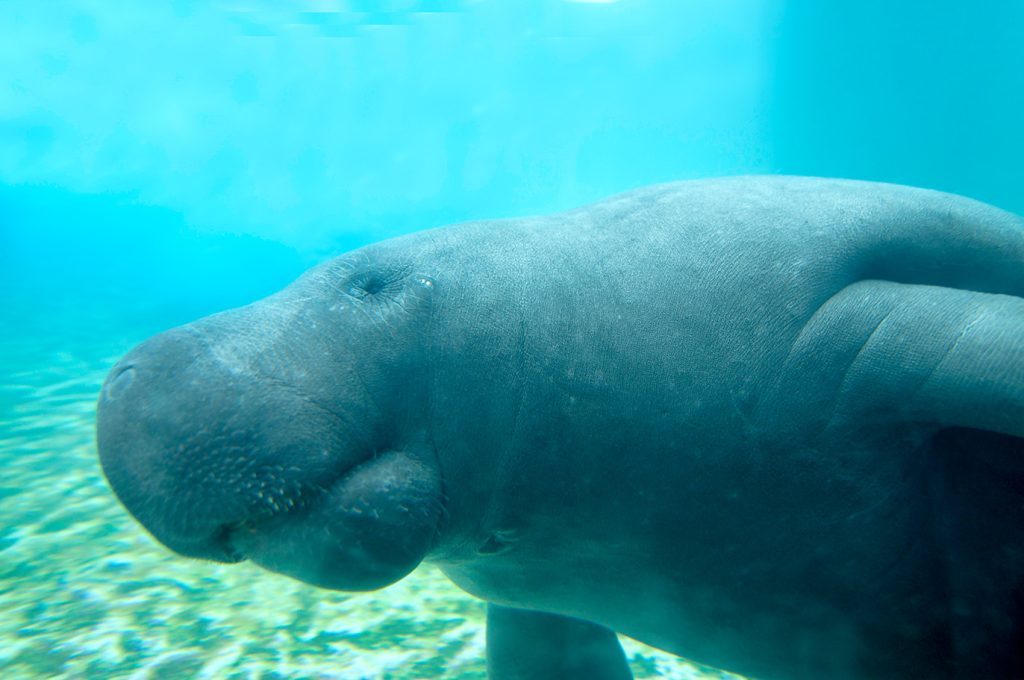
Sarasota’s research aquarium houses two resident manatees — Hugh and Buffett — who serve as ambassadors for their species. Both animals have conditions that prevent their release into the wild.
The aquarium’s touch tank and interactive exhibits teach manatee anatomy and behavior.
Fanning Springs State Park
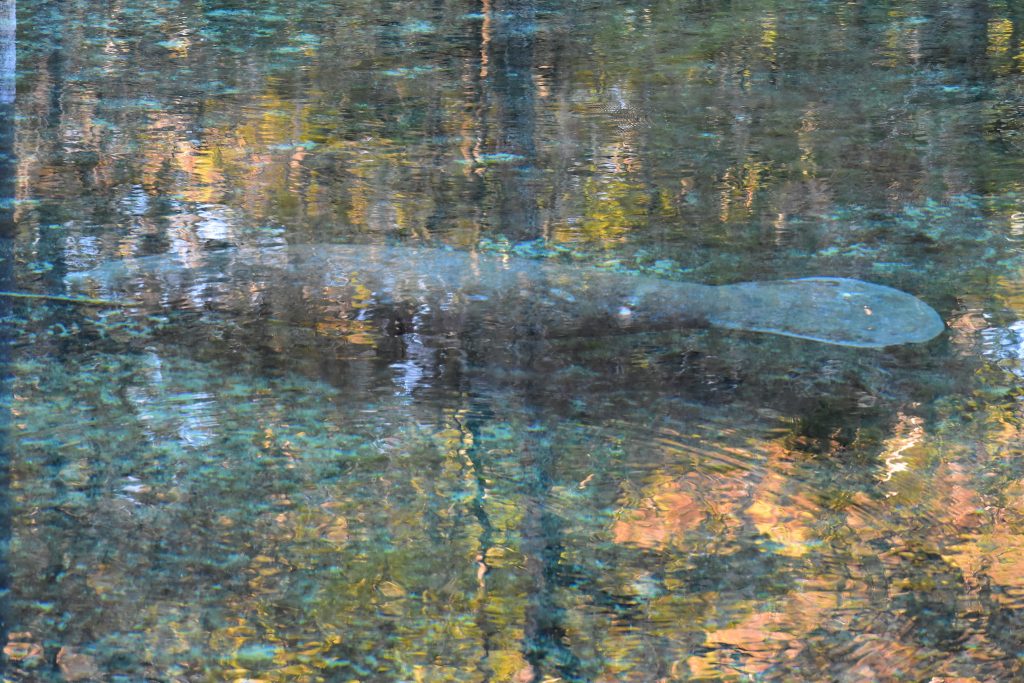
This Suwannee River spring maintains a constant 72 degrees, creating a winter refuge that manatees have used for thousands of years. The spring’s basin offers excellent visibility for observing these creatures from the boardwalk above.
Swimming is allowed when manatees aren’t present, giving you a chance to experience the same waters they frequent.
Wakulla Springs State Park
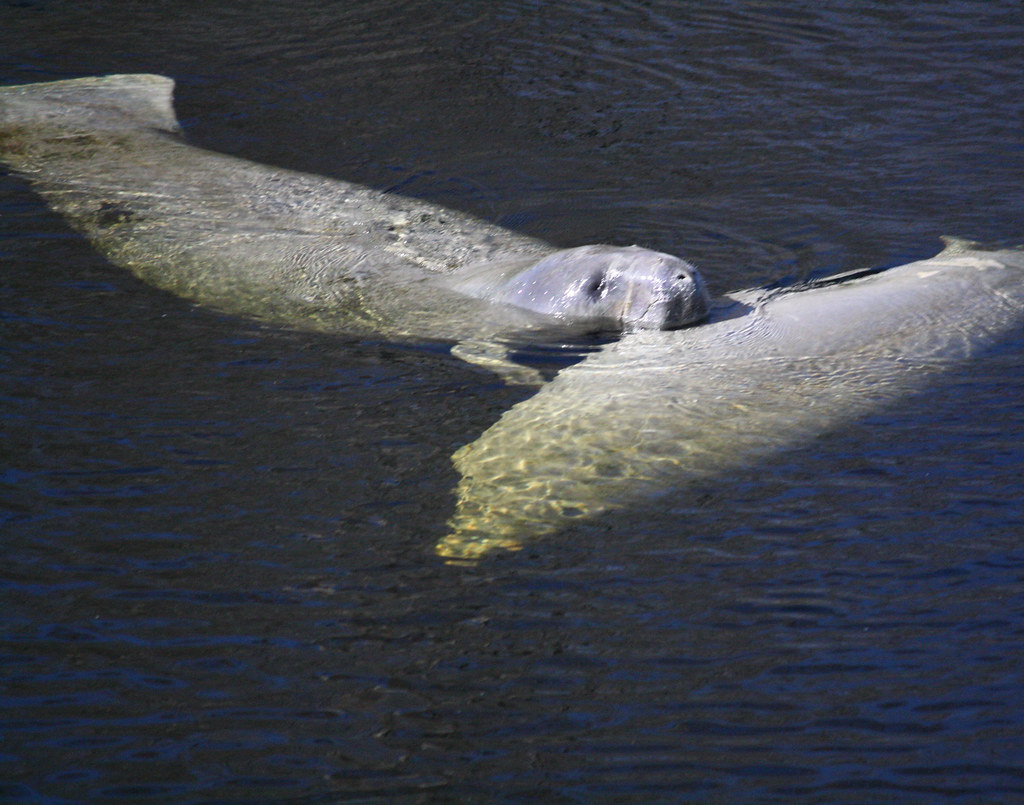
One of the world’s deepest freshwater springs creates a massive pool that attracts both manatees and tourists. Glass-bottom boat tours glide over the spring’s limestone formations while guides point out wildlife.
Henry the pole-vaulting manatee became famous here decades ago for his habit of boosting himself out of the water.
Silver Glen Springs
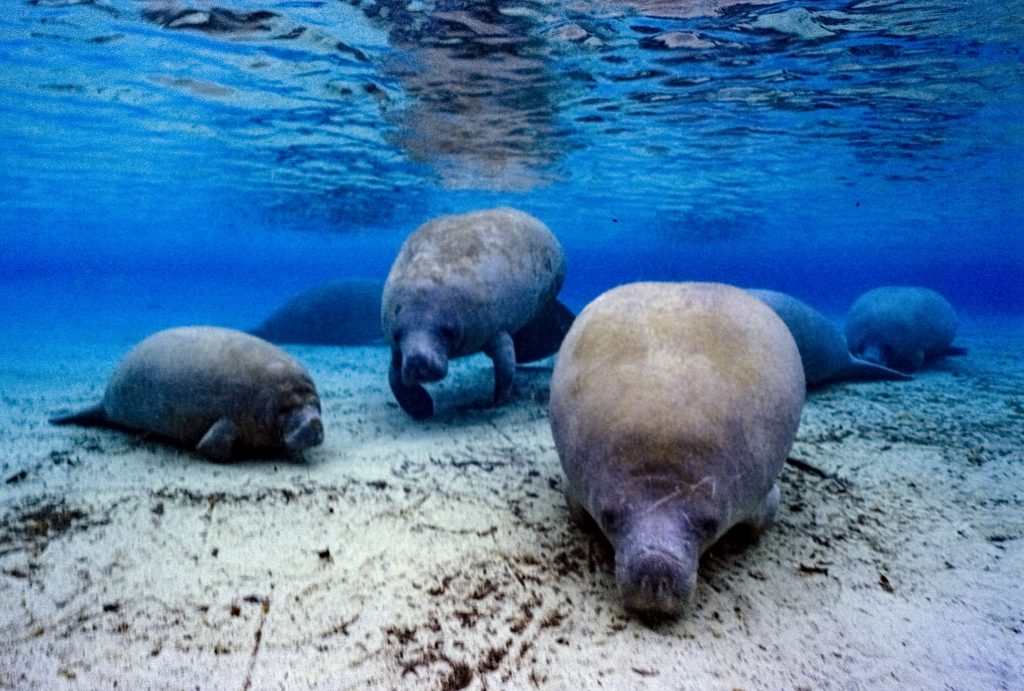
This Ocala National Forest spring feeds into Lake George through a short, spring-fed run. The 72-degree water draws manatees when temperatures drop, creating viewing opportunities from both shore and kayak.
The spring’s remote location means smaller crowds compared to more famous sites.
Robinson Preserve
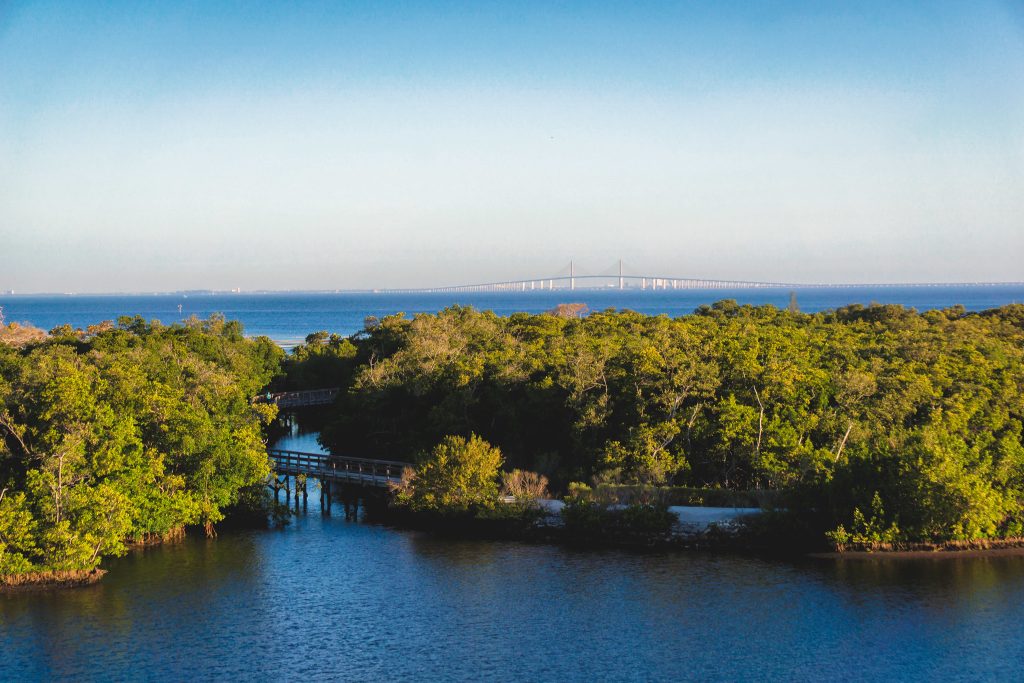
Manatee County’s largest preserve offers 7 miles of kayak trails through mangrove tunnels and tidal creeks. The preserve’s location on the Manatee River makes it prime habitat for the county’s namesake animals.
An observation tower provides bird’s-eye views across the wetlands where manatees feed.
Salt Springs
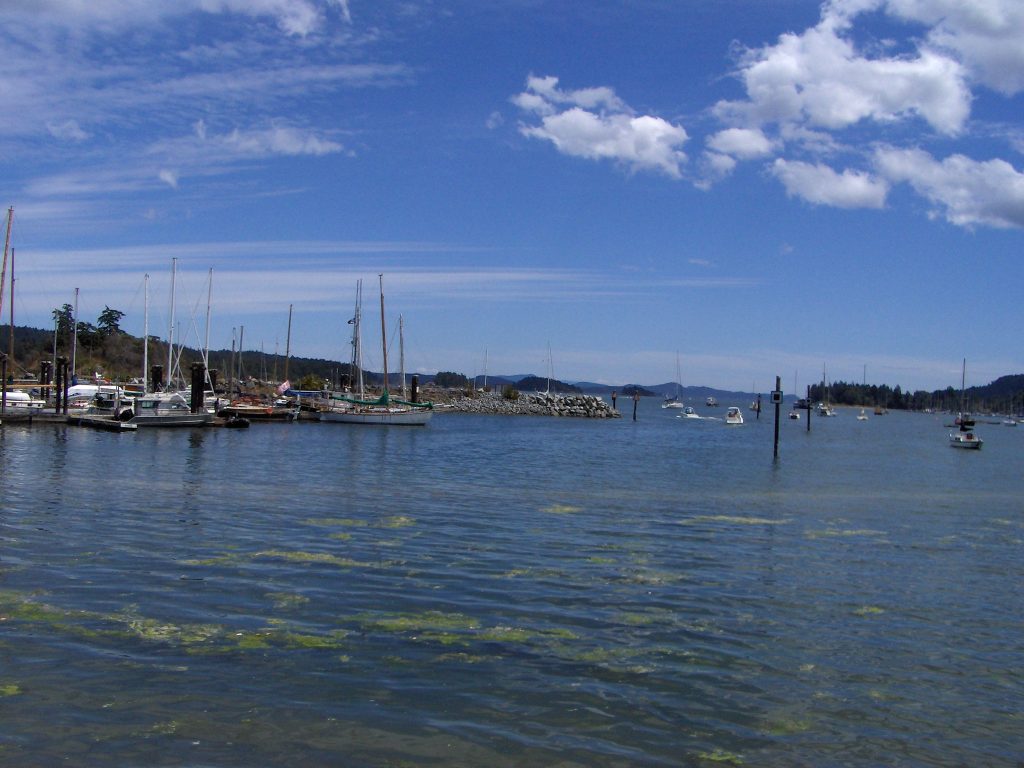
The Ocklawaha River receives a constant flow from this massive spring in the Ocala National Forest. Manatees travel upriver during cold weather, though they appear less predictably than at some other locations.
The springs support a full-service recreation area with camping and swimming.
SeaWorld Orlando
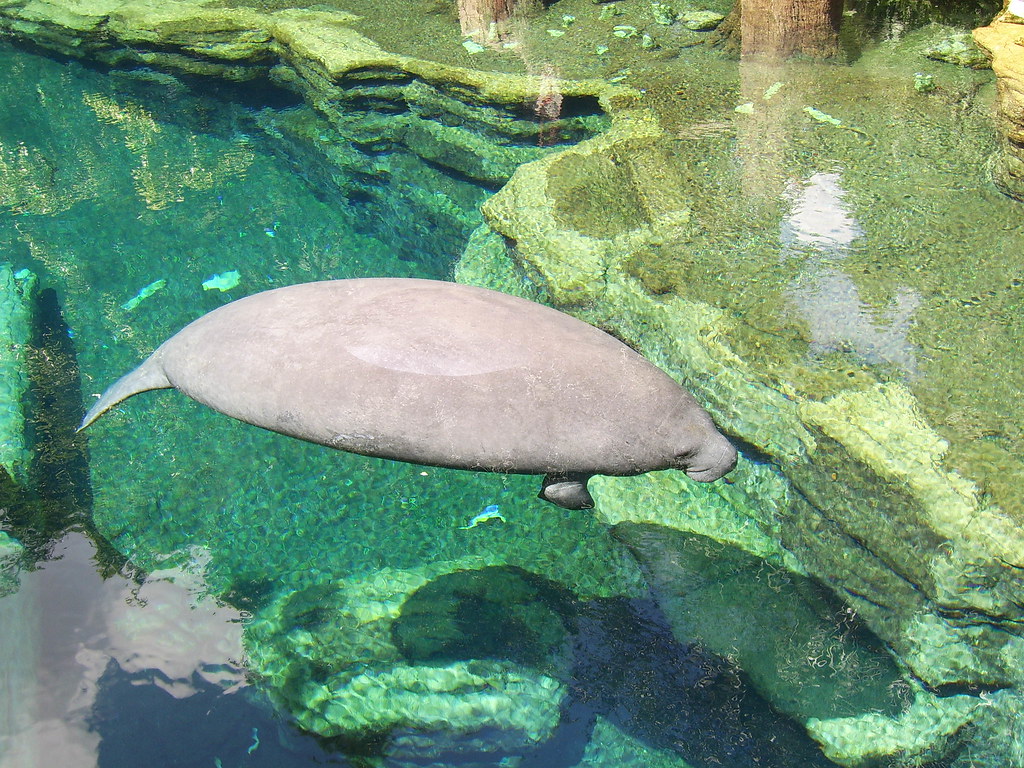
The theme park’s Manatee Rehabilitation Area provides critical care for sick and injured animals. Underwater viewing lets you observe these patients as veterinarians work to prepare them for eventual release.
SeaWorld has treated over 400 manatees since establishing its rescue program.
Where gentle giants roam
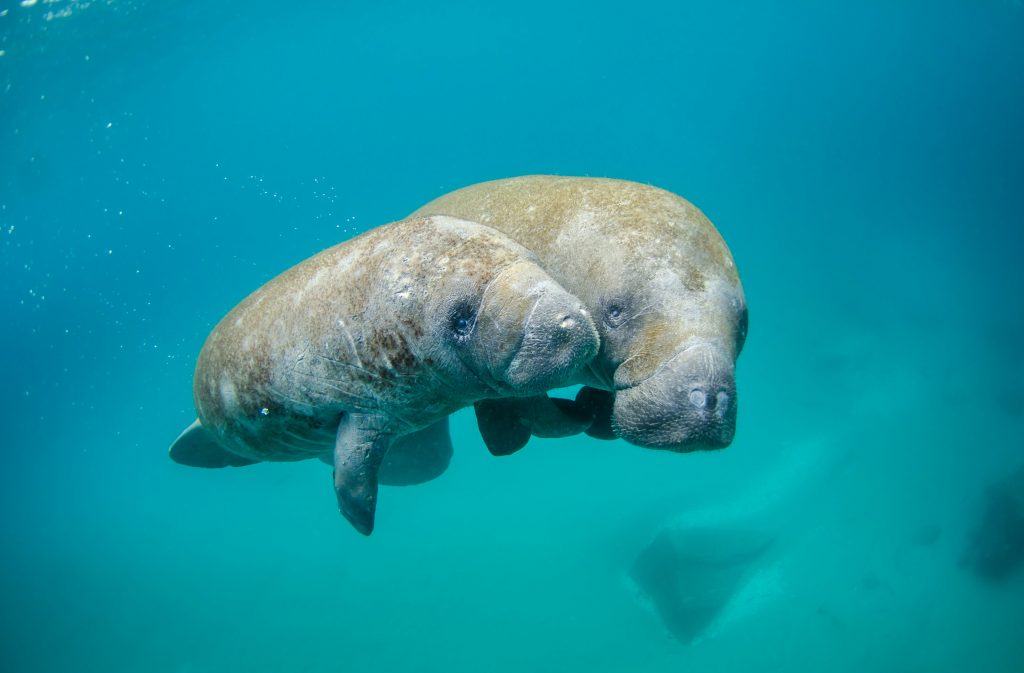
Florida’s network of springs, rivers, and coastal waters creates an ecosystem perfectly suited for manatee survival. These locations represent decades of conservation efforts that pulled manatees back from the brink of extinction.
The state’s population has rebounded from fewer than 1,000 individuals in the 1970s to over 8,000 today. Yet threats persist — boat strikes, habitat loss, and red tide events continue to challenge these animals’ recovery.
Visiting these sites supports local economies that have embraced manatee tourism as an alternative to development.
More from Travel Pug

- Underrated Italian Towns That Beat the Tourist Crowds
- Las Vegas Tourist Traps to Skip
- Prettiest Towns in Every US State
- 18 passport-free countries for Americans
- Signs Your Cruise Is Not Worth The Cost
Like Travel Pug’s content? Follow us on MSN.