

Historic cities weren’t built for buses. They were built for people — narrow cobblestone streets, hidden courtyards, and centuries-old alleyways that no motor vehicle can squeeze through.
That’s exactly why walking tours consistently deliver a richer, more authentic experience than their bus-bound counterparts.
Here are 15 reasons why walking tours beat bus tours in historic cities.
You actually see the details
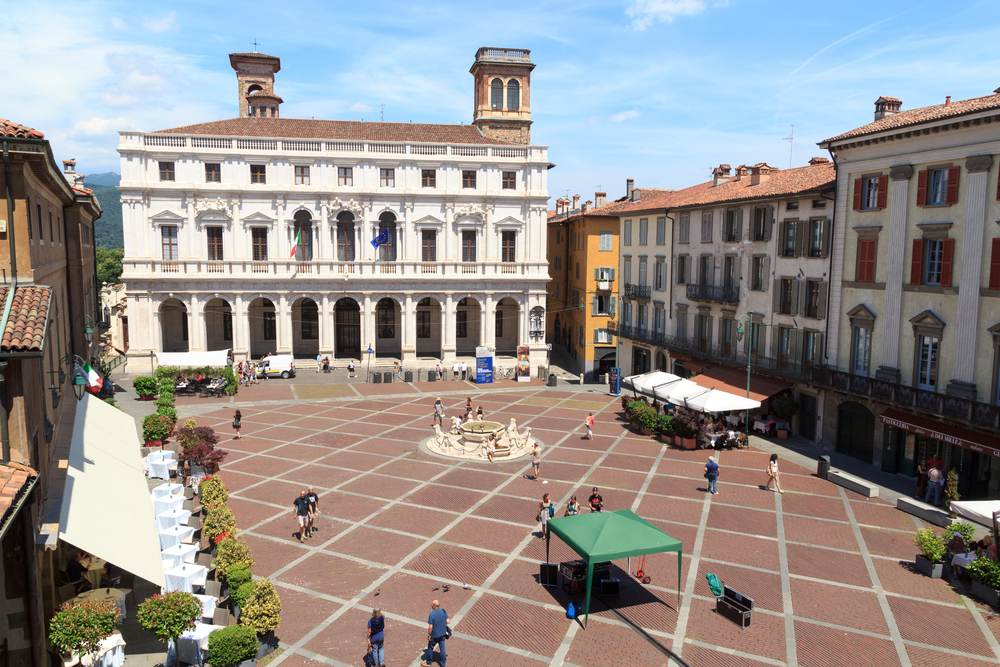
Architecture in historic cities is packed with stories that play out at eye level — carved stone faces above doorways, Roman numerals etched into cornerstones, and ironwork that dates back centuries. From inside a bus, those details blur past the window before you even register they exist.
Walking puts you close enough to notice the things that make a city genuinely interesting.
Hidden alleys stay hidden on a bus

Some of the best spots in cities like Prague, Lisbon, and Naples are tucked into passages so narrow that even a small car wouldn’t fit. A walking tour can take you through the kind of backstreets and courtyards that buses simply can’t reach.
That’s often where the real character of a city lives — not on the main boulevard.
You absorb the atmosphere

The smell of fresh bread from a bakery, the sound of a street musician playing around a corner, the feel of uneven cobblestones underfoot — these are the things that make a city memorable. A bus seals all of that out behind glass and air conditioning.
Walking puts you inside the city rather than just passing through it.
Guides can answer questions in real time

On a bus tour, your guide is usually speaking into a microphone from a seat while traffic crawls along. On a walking tour, you can stop, ask a question, and get a proper answer right in front of the thing you’re curious about.
That kind of spontaneous interaction tends to produce the most interesting information.
The pace is human

Buses move on a schedule, which means stops are timed and crowds pile out together at the same designated spots. Walking tours move at a pace that allows for lingering — pausing in a square, doubling back to look at something again, or just taking a moment to take in a view.
Historic cities reward exactly that kind of unhurried exploration.
You remember more
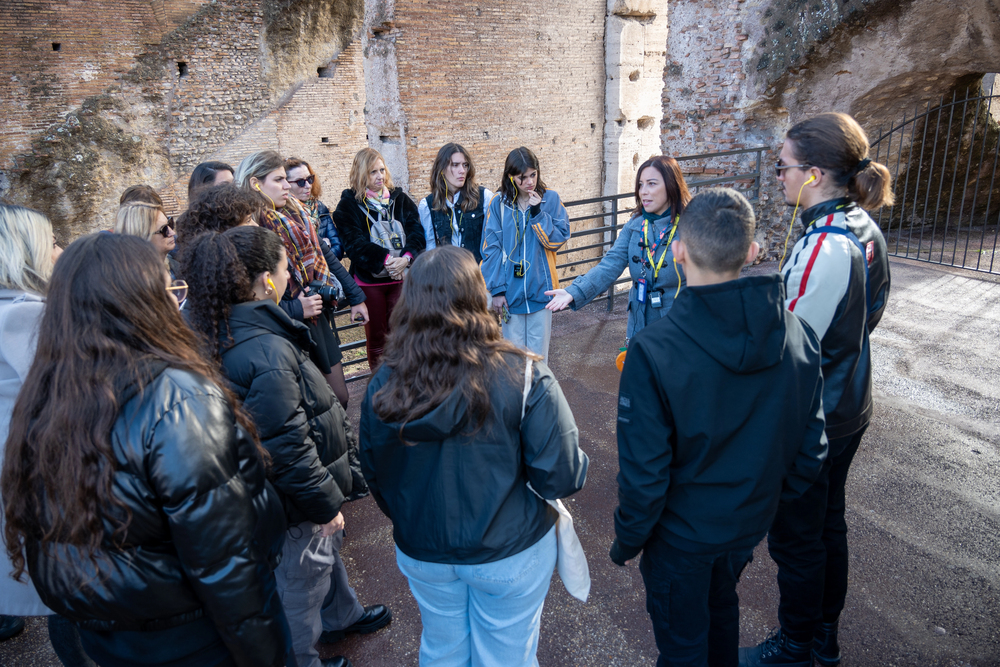
Studies on experiential learning consistently show that people retain information better when they’re physically engaged in an environment. Walking through a neighborhood while hearing its history creates stronger memory anchors than hearing commentary through headphones while seated.
The effort of moving through a place is part of what makes it stick.
Local guides know what’s off-script

A good walking guide in a historic city usually has personal connections to the place — they grew up there, studied its history, or have spent years walking the same streets. That leads to the kind of local knowledge that no bus tour script includes, like which café has been in the same family for four generations or where a famous resident used to live.
Those details rarely make it onto a laminated route map.
You can actually photograph what you want

On a bus tour, you’re shooting through a window at a moving target, hoping the light cooperates and nothing blocks the frame. Walking tours let you stop, frame a shot properly, and move around a subject without seventeen people jostling for the same window seat.
For anyone who travels with a camera, that flexibility makes a real difference.
Crowds feel different on foot

Buses drop large groups at the same high-traffic spots at predictable times, which means you’re often competing with several other tour groups at the most popular landmarks. A walking tour can time its route to avoid the peak rush at major sites, or simply take a different approach to the same history through a quieter street.
That breathing room changes the whole experience.
Historic cities have walking infrastructure built in

Places like Florence, Dubrovnik, and Edinburgh’s Old Town were designed long before the automobile existed, and their layouts reflect that. Wide plazas, pedestrian-only zones, and interconnected squares are all meant to be moved through on foot.
Bus tours often have to work around these cities rather than through them.
You get a real sense of scale and distance
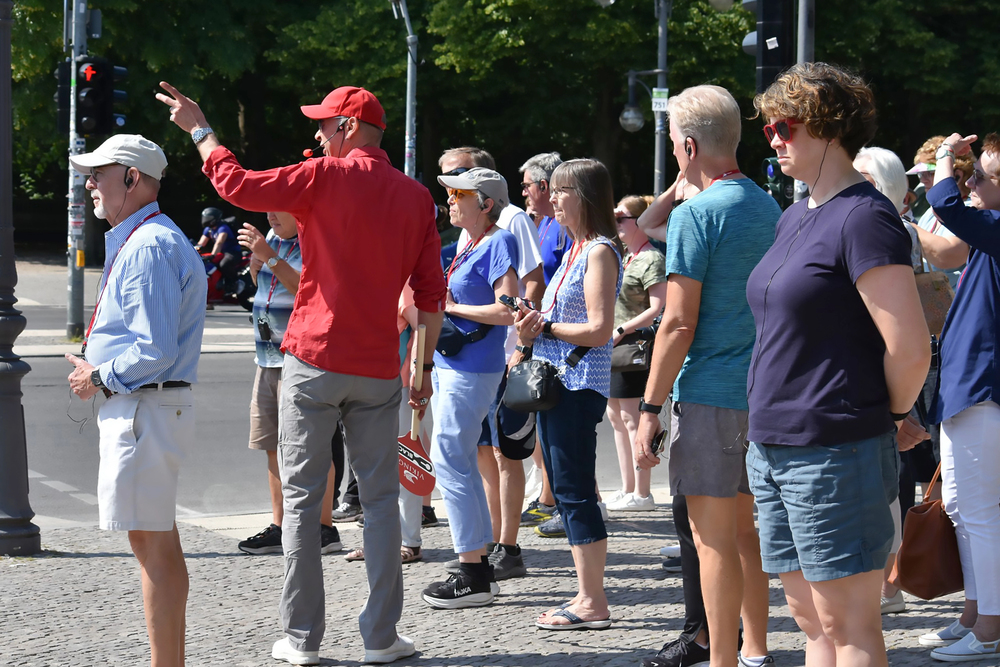
One of the most disorienting things about bus tours is that they compress a city in ways that distort your sense of it. Neighborhoods that feel far apart on the route map are often just a short walk from each other, and walking makes that clear.
Understanding how a city fits together spatially is part of understanding the city itself.
Unexpected discoveries are part of the deal

Walking creates the conditions for spontaneous finds — a small museum you didn’t know existed, a market that happens to be setting up, a monument tucked into a corner that isn’t on any major tour. Buses follow fixed routes, which means they also follow fixed limitations.
The unexpected stuff is often the most memorable part of any trip.
It’s easier on your schedule

Bus tours typically have fixed departure times, set durations, and strict return points. A walking tour is generally more flexible, often finishing in a central location that lets you immediately continue exploring on your own terms.
That kind of schedule freedom suits independent travelers who like to keep their day open-ended.
You get genuine exercise

This might sound minor, but spending two hours walking through a historic city means you’ve covered real ground — often three to five miles — while also learning something. That’s a genuinely good use of time compared to sitting in traffic on a coach.
Many travelers find that the physical engagement also improves their mood and overall enjoyment of the destination.
The connection to history is more direct

Standing in the exact spot where something significant happened is a very different experience from rolling past it in a vehicle. When a guide points to a wall and says an execution took place right there in 1589, being on foot and within arm’s reach of that wall carries weight that a bus window simply can’t replicate.
Historic cities hold their history in their surfaces, and walking is how you actually touch it.
The streets are the story

Bus tours were designed for convenience, and they deliver on that. But historic cities weren’t built to be convenient — they were built to be lived in, layer by layer, over hundreds of years.
Walking tours work the way these cities were meant to be experienced: one street at a time, at a pace that lets the history catch up to you. The bus will get you around.
Walking will actually get you there.
More from Travel Pug

- Underrated Italian Towns That Beat the Tourist Crowds
- Las Vegas Tourist Traps to Skip
- Prettiest Towns in Every US State
- 18 passport-free countries for Americans
- Signs Your Cruise Is Not Worth The Cost
Like Travel Pug’s content? Follow us on MSN.