

Europe’s rail network is one of the best in the world — full stop. It connects hundreds of cities with a speed and reliability that most roads just can’t match.
Whether you’re bouncing between countries or sticking to one region, the train handles a lot of the heavy lifting that a rental car would turn into an unnecessary headache.
Here are 14 reasons why taking the train in Europe is the smarter move for most travelers.
No driving on unfamiliar roads
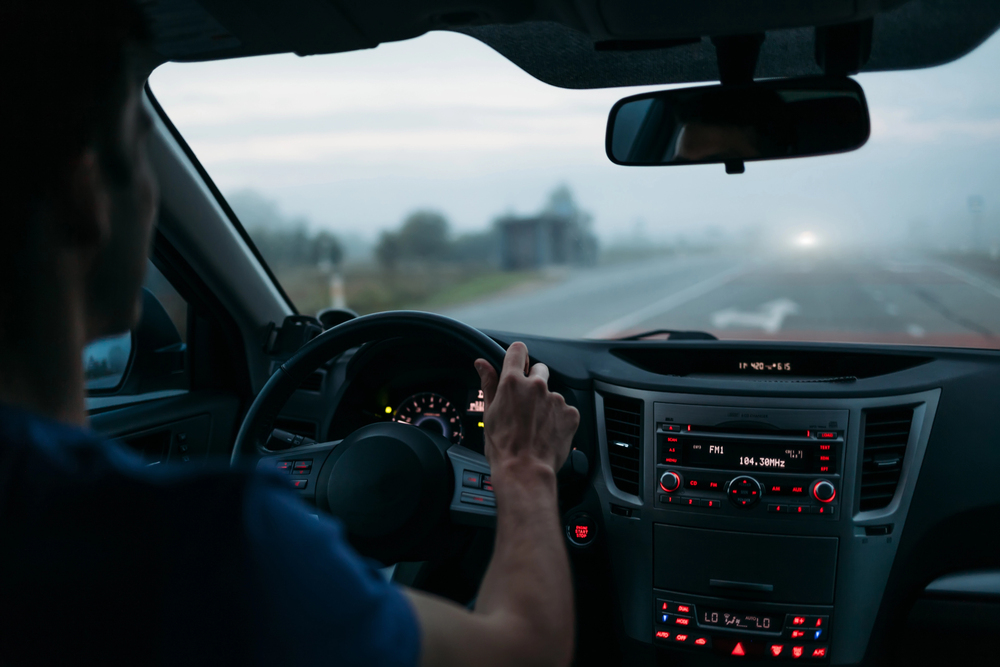
Navigating a foreign country behind the wheel sounds fun in theory. In practice, you’re stuck in a roundabout in Lyon with four lanes of very opinionated French drivers and a GPS that just told you to turn left into a wall.
European road rules vary by country, signage isn’t always obvious, and plenty of city centers have restricted zones that trigger automatic fines if you accidentally drive through them — which happens more often than rental companies will bother warning you about.
City-center arrivals

Trains drop you directly into the heart of the city — usually within walking distance or a short metro ride from wherever you’re staying. Rental cars mean arriving at some airport lot or suburban garage and then grinding through traffic just to actually reach your destination.
It’s an extra layer of hassle that train travelers don’t deal with.
No parking nightmare

Finding parking in Rome, Amsterdam, or Barcelona is genuinely exhausting. It’s its own kind of endurance sport.
Train travelers skip all of it — no circling the block, no overpriced garages, no coming back to find a ticket tucked under your wiper or, worse, no car at all.
High-speed connections
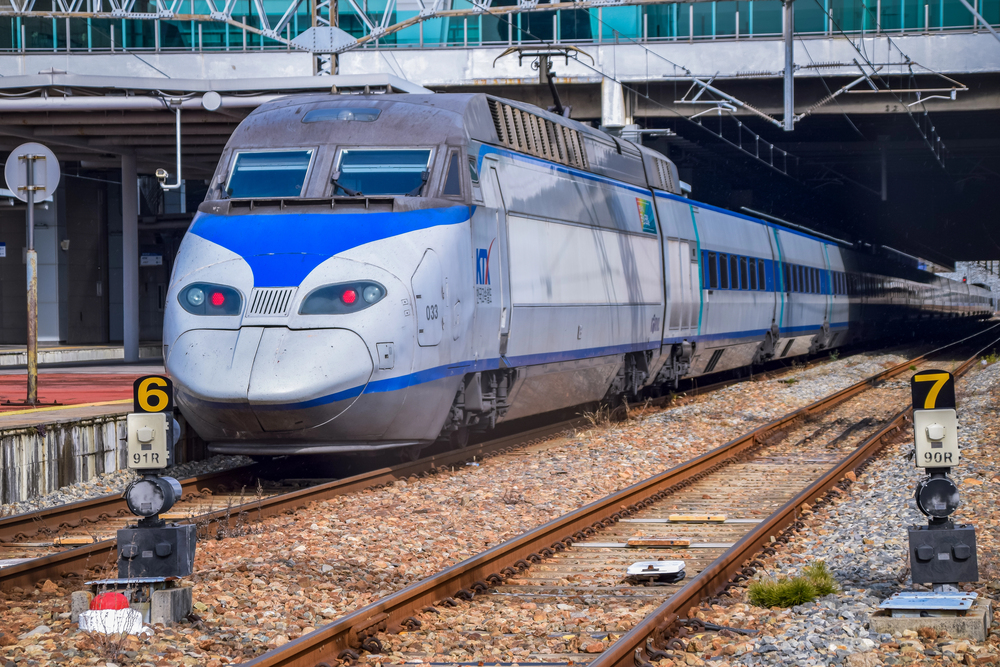
European high-speed rail is seriously fast. The Eurostar gets you from London to Paris in about two hours and fifteen minutes.
Spain’s AVE trains hit speeds of up to 193 miles per hour. For a lot of city pairs, the train beats flying once you actually account for airport check-in, security lines, and the time it takes to get from the airport into the city center.
Scenic routes you’d miss by highway

Some of the best scenery in Europe is only really visible from a train window. The Bernina Express cuts through the Swiss Alps in a way no motorway can touch.
The Cinque Terre coastal route in Italy, the Bergen Railway in Norway — these aren’t just transport options, they’re part of the trip. A highway overpass doesn’t give you that.
No fuel costs or tolls

Fuel in Europe costs noticeably more than what most American travelers are used to, and toll roads across France, Italy, and Portugal add up faster than expected. A train ticket covers the journey from start to finish.
No surprise charges at the booth, no standing at a confusing pump trying to figure out which nozzle fits the rental.
Easier border crossings
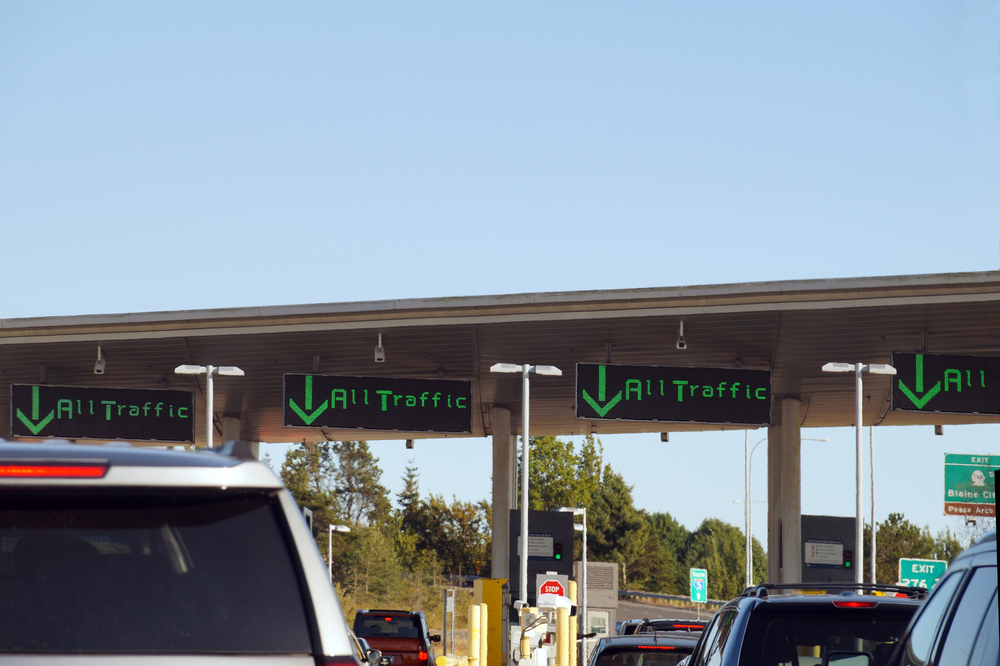
Crossing between countries by train — especially within the Schengen Area — is almost effortless. You sit there.
The train crosses. That’s mostly it.
Driving a rental car across borders is a different story: some companies restrict which countries you can take their vehicles into, and insurance coverage gets murky fast.
You can actually enjoy the journey
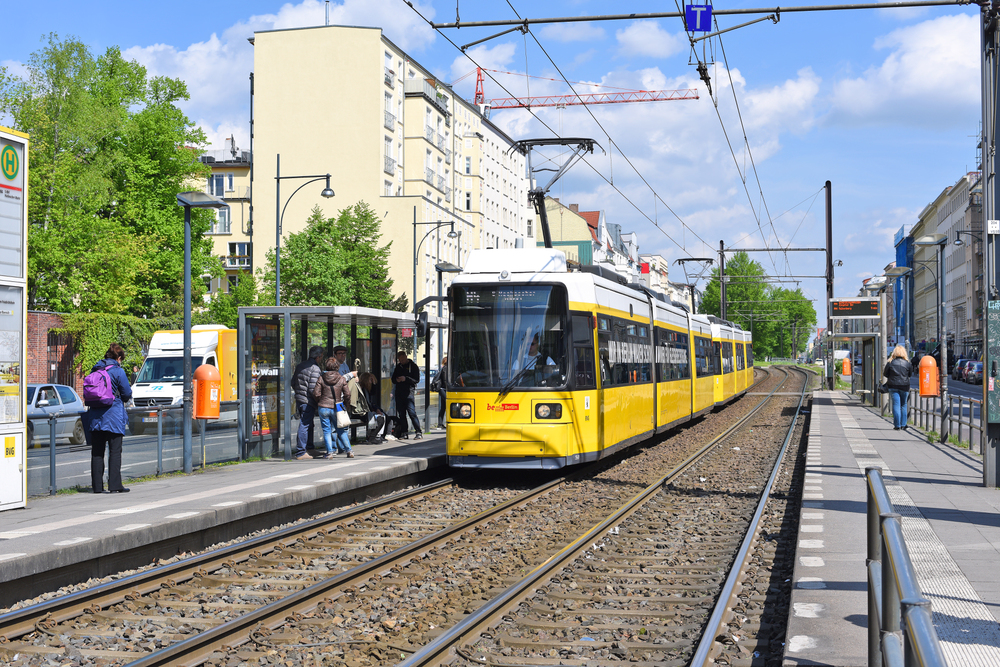
On a train, you can read, sleep, eat, or stare out the window without consequences. Nobody’s white-knuckling it through mountain passes or squinting at two GPS apps simultaneously while the person in the passenger seat insists they know a shortcut.
The journey stops being a logistical obstacle and starts being part of the trip.
More environmentally friendly

Rail travel produces significantly fewer carbon emissions per passenger than driving, and far less than flying. The gap widens further when you consider that many European rail operators run on renewable energy.
For travelers who care about their footprint, the train is the obvious choice — and it’s not particularly close.
Alcohol is welcome on board

This one’s underrated, especially when traveling with a group. You can board a European train with a bottle of local wine, open it at your seat, and have a genuinely good time — because nobody has to drive.
That option disappears the moment someone has to navigate a rental car through rural Tuscany after dinner.
Luggage handling without the car Tetris

Train travel doesn’t require you to pack like you’re solving a geometry problem. Bags go in the overhead rack or the dedicated luggage area at the end of the carriage.
There’s no cramming everything into a boot that’s two sizes smaller than your group collectively imagined when you booked a ‘mid-size’ vehicle.
Reliable schedules

Swiss trains are famously punctual. Austrian and Dutch rail isn’t far behind.
When delays do happen, they’re usually announced clearly with alternatives available. That’s a different experience from sitting in construction traffic on a single-lane road somewhere in rural Portugal with no real idea when things will move again.
Booking is straightforward
Platforms like Rail Europe, Trainline, and individual national rail sites make buying tickets fairly painless. You pick your route, choose a seat, pay, and you’re done.
Compare that to the rental car counter experience — age restrictions, credit card holds, damage waiver upsells, and a stack of fine print that nobody has time to read.
Night trains save time and money

European night trains have made a real comeback. Nightjet routes now connect cities across Austria, Germany, Switzerland, and beyond.
You board in the evening, sleep in a couchette or a private cabin, and wake up somewhere new — transport and accommodation rolled into one. For long distances, it’s one of the most practical options on the continent.
The tracks still win

Europe built itself around rail long before highways were a thing, and it shows. The continent’s network covers over 200,000 miles of track, reaching small towns and major capitals with the same ease.
For travelers who want to move efficiently, comfortably, and without the logistical pile-on that comes with a rental car, the train isn’t just a good option — it’s usually the right one.
More from Travel Pug

- Underrated Italian Towns That Beat the Tourist Crowds
- Las Vegas Tourist Traps to Skip
- Prettiest Towns in Every US State
- 18 passport-free countries for Americans
- Signs Your Cruise Is Not Worth The Cost
Like Travel Pug’s content? Follow us on MSN.