

A resort sells freedom, and then publishes rules about how that freedom works. The rules sit on a policy page few guests open before booking.
They tend to surface at the front desk, the pool deck, or the restaurant door.
None of these restrictions is unusual, and most exist for good reasons. Their effect on a vacation depends on whether they arrive as a surprise.
Age Minimums Reshape Family Plans

Spas, adult pools, and kids’ clubs often set age limits, and the numbers differ from one resort to the next. A club that accepts children from age four will not take a three-year-old, and a spa that admits guests from sixteen can exclude a teenager.
Parents counting on a morning of child care can find the door closed to their own child. Age rules may also vary by activity, supervision requirements and time of day, so check the policy for each facility.
Dress Codes Apply at Dinner
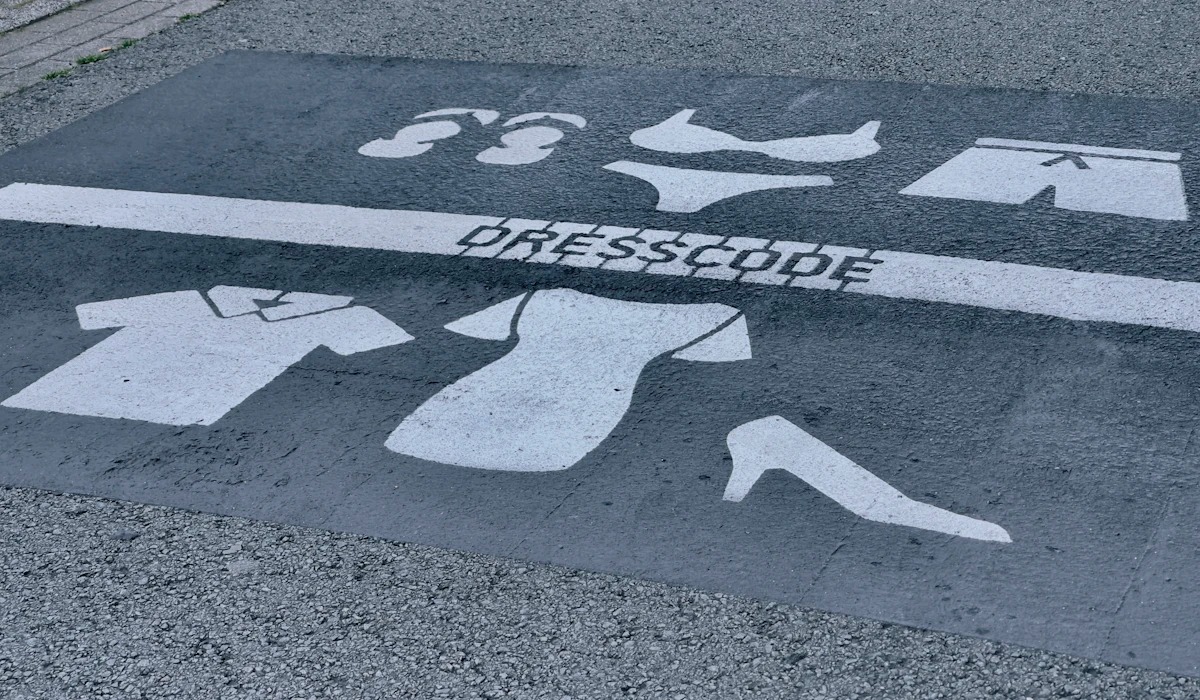
Some dining rooms require long pants, closed-toe shoes, or collared shirts after a certain hour, and beachwear is rarely acceptable. Guests in sandals have been redirected to the buffet at resorts that enforce the rule.
Packing one dressier outfit protects the reservation. Requirements can differ between restaurants, so check the dress code for the specific venue.
Specialty Restaurants Need Reservations Early
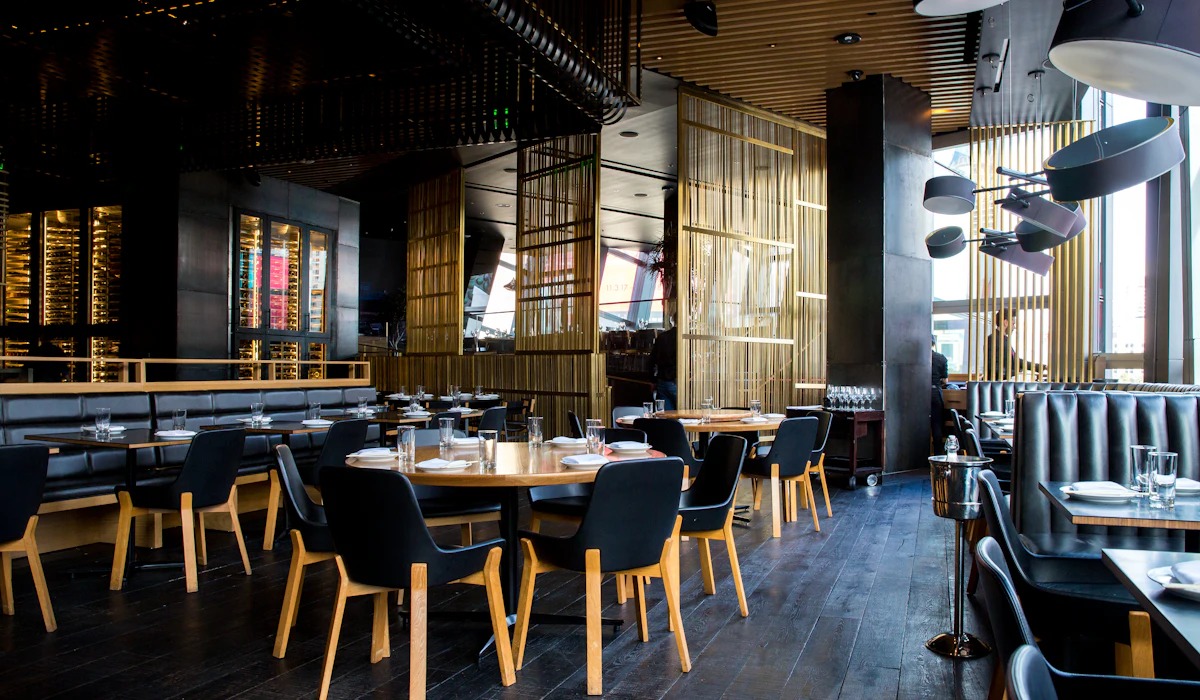
At resorts where dinners at the premium restaurants are included, booking windows can open on arrival day or a few days before, and prime hours fill fast. Late arrivals can find the schedule full for the entire stay.
Some properties allow reservations before arrival, while others use different booking windows depending on the package or membership level. Checking the booking process before travel helps determine whether a preferred dining time is available.
Day Guests and Visitors Face Wristband Rules

All-inclusive properties typically require wristbands for entry to pools, bars, and beach areas, and visitors without them may be turned away or required to purchase a day pass. A friend staying elsewhere may be allowed in only with a paid day pass, if at all.
A meetup at the resort can become a meetup at the gate.
Pool Chair Policies Fight the Towel Reservation

Many resorts remove towels left on empty chairs after a stated period to stop chair hoarding. The policy varies by property, and enforcement ranges from strict to loose.
A sunrise towel drop can backfire when staff clear the chairs and the guest returns to a bare lounger. Some properties allow a short absence, while others prohibit reserving chairs with personal belongings.
Outside Food and Drinks Are Often Banned

Coolers, bottles, and picnic baskets are common targets of resort rules, especially at beaches managed by the property. Security can ask guests to leave items at the gate.
Packing a snack for the beach can mean carrying it back to the room. Restrictions may differ for sealed water, food needed for medical reasons, baby supplies and items purchased outside the resort, so check before packing.
Check-In and Checkout Windows Are Firm
Standard check-in is commonly in the afternoon and checkout in late morning, and a red-eye arrival can leave a family waiting hours with luggage. Early check-in and late checkout, when offered, usually depend on availability and sometimes cost extra.
Asking about luggage storage solves part of the problem. Some properties also offer paid guaranteed early check-in or late checkout, but these arrangements should be confirmed in advance.
Maximum Occupancy Counts Everyone

Rooms carry limits on total guests, and some resorts count infants toward the limit. A cot or crib may be offered, but a fifth person in a four-person room can require a second room.
Booking by headcount rather than bed count avoids a late-night upgrade. Occupancy rules and whether infants count toward the limit depend on the property’s safety requirements and room category.
Quiet Hours Can Shut Down the Evening

Many properties enforce quiet periods late at night, and balcony conversations, speakers, and hallway gatherings can draw a knock. Repeated disturbances may lead to warnings, charges or other consequences under the property’s rules.
A celebration planned in a room is safer moved to a lounge.
Drone and Photography Rules Limit Content

Drones are frequently banned on resort grounds, and professional photo shoots, including wedding portraits, often need a permit and a fee. Staff may ask guests to land a drone or stop a tripod shoot.
Rules can also cover commercial filming, outside photographers and photography in shared spaces. Contacting guest services ahead of time clarifies what is allowed.
Holiday Weeks Come With Minimum Stays

Around major holidays and peak events, resorts may require stays of several nights, which can invalidate a short-trip plan. A promotional rate may exclude those dates entirely.
Dates should be checked against the resort’s calendar before a package is booked. Minimum-stay requirements can also vary by room type, rate plan and booking channel.
Damage Deposits Freeze Spending Money

Some resorts hold an incidental deposit on a card at check-in, and the hold can remain for days after departure. Debit cards expose cash directly, and a hold on a card with a low limit can block purchases.
Learning the amount in advance prevents an awkward decline at the bar. The time it takes for a hold to disappear depends on the resort’s processing and the card issuer.
Water Sports Close in Wind

Kayaks, paddleboards, snorkel trips, and boat rentals are suspended when conditions change, often on short notice, and refunds depend on the operator. A fixed-date excursion can vanish on a windy morning.
Building a backup day into the schedule protects the plan. Some operators offer refunds or rescheduling for weather cancellations, while others apply different terms depending on the activity and booking conditions.
Renovations Can Close Facilities

Pools, restaurants, and beach clubs shut for maintenance or refurbishment, and the notice may appear only on a resort page that few guests check. Websites can list amenities that are temporarily unavailable.
Recent reviews may flag closures, but contacting the resort directly is the better way to confirm which facilities will be operating during the stay.
The Rules Behind the Welcome

A resort’s rules are written for the average stay, and few vacations are average. A family with a toddler, a couple celebrating an anniversary, and a group of friends all collide with different clauses.
The clauses themselves are rarely hidden, only unread.
A ten-minute scan of the policy page, plus one call or message to the front desk, resolves most of the problems above. It turns the rules from obstacles into a map of what the stay can actually include.
That is a better use of ten minutes than an argument at check-in.
More from Travel Pug

- Underrated Italian Towns That Beat the Tourist Crowds
- Las Vegas Tourist Traps to Skip
- Prettiest Towns in Every US State
- 18 passport-free countries for Americans
- Signs Your Cruise Is Not Worth The Cost
Like Travel Pug’s content? Follow us on MSN.