

Retirement often comes down to a short list of errands repeated for decades: groceries, prescriptions, banking, haircuts, library books. In some towns, those stops sit within a few blocks of each other. In others, each one needs a drive.
The places below were built or grown around a center, and the pattern shows on a map. Each offers a main street or village core where some everyday needs and local services cluster, and a walk can double as an errand.
Celebration, Florida
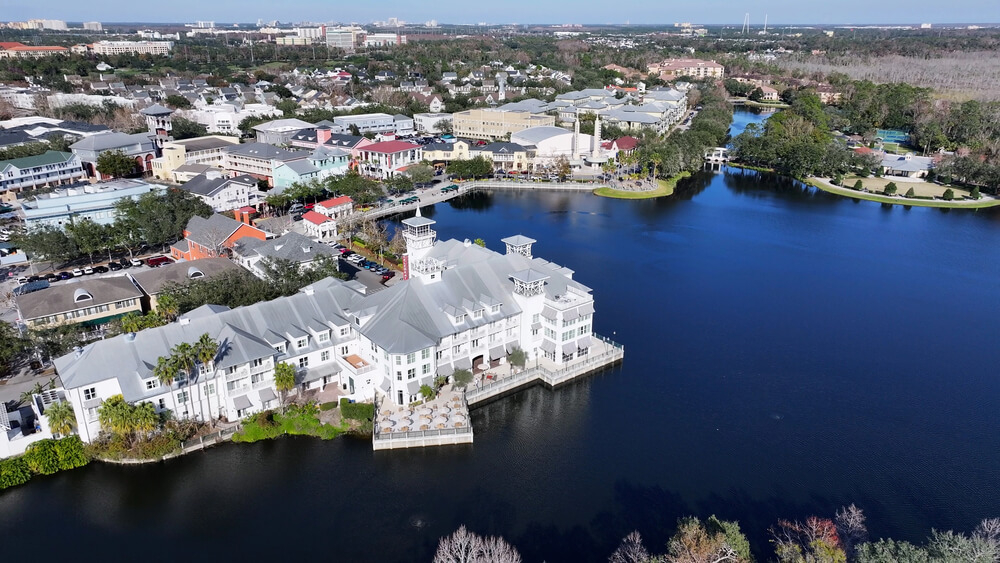
Opened in 1996 by the Walt Disney Company, Celebration was designed around a lakeside town center of shops, restaurants, and civic buildings. Homes radiate outward within a short walk of that core.
The deliberate planning is the point: porches, sidewalks, and a downtown that many residents can reach on foot, depending on where they live.
Venice, Florida
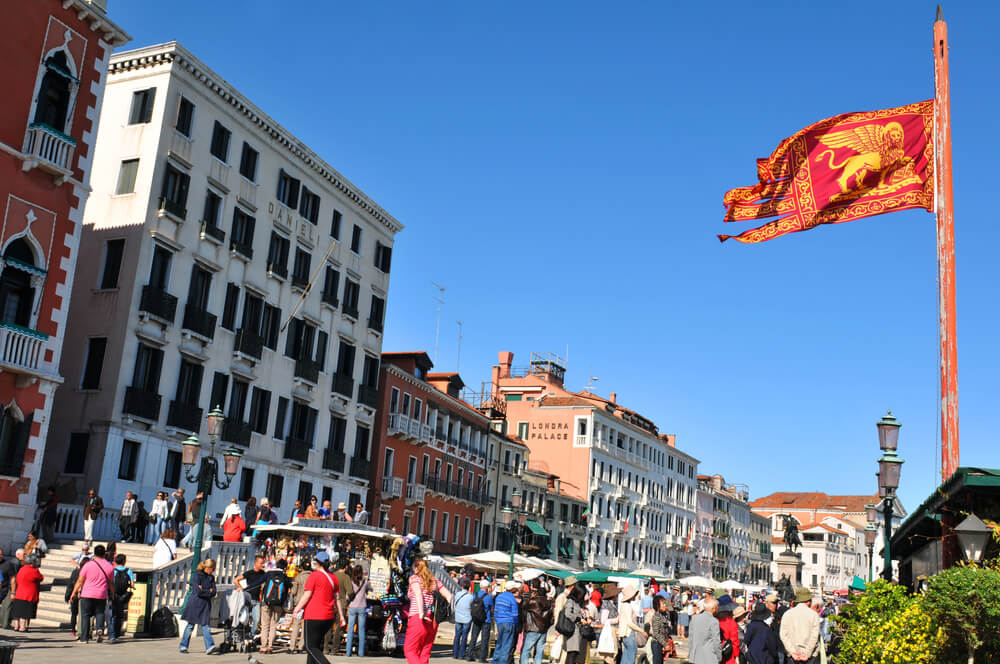
Venice was planned in the 1920s by the Brotherhood of Locomotive Engineers, which left the city with Italian-inspired architecture and a tidy grid. Venice Avenue forms the downtown spine, and the Legacy Trail gives walkers and cyclists a long, flat route.
The Gulf beaches are close.
Naples, Florida
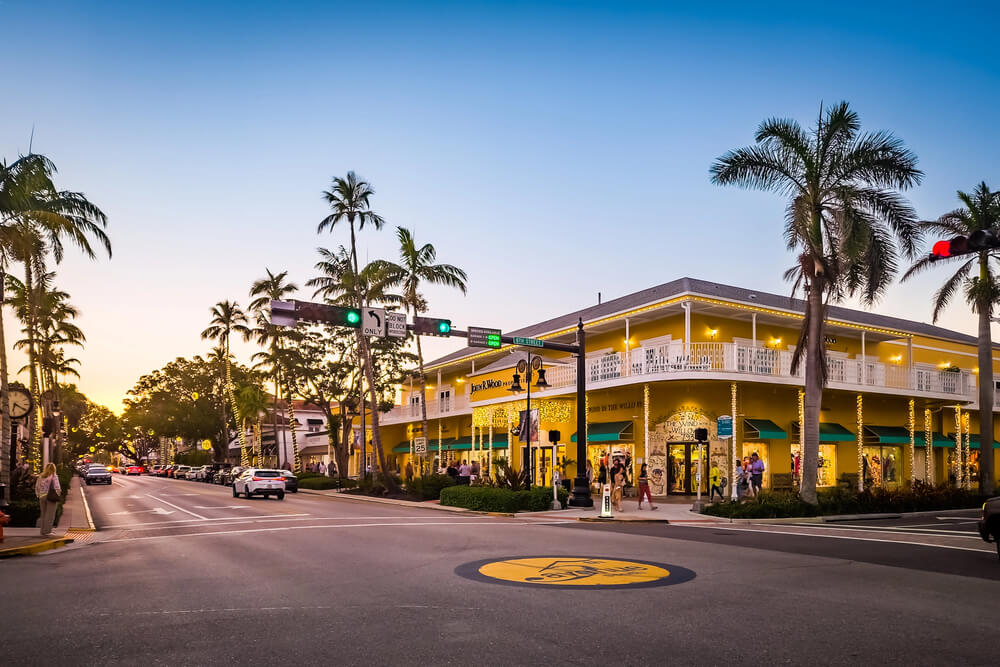
Naples keeps its center along Third Street South, a district of shops and restaurants shaded by trees. The Naples Pier, first built in 1888, extends into the Gulf near the downtown area.
The compact old town is easy to cover on foot.
Pinehurst, North Carolina
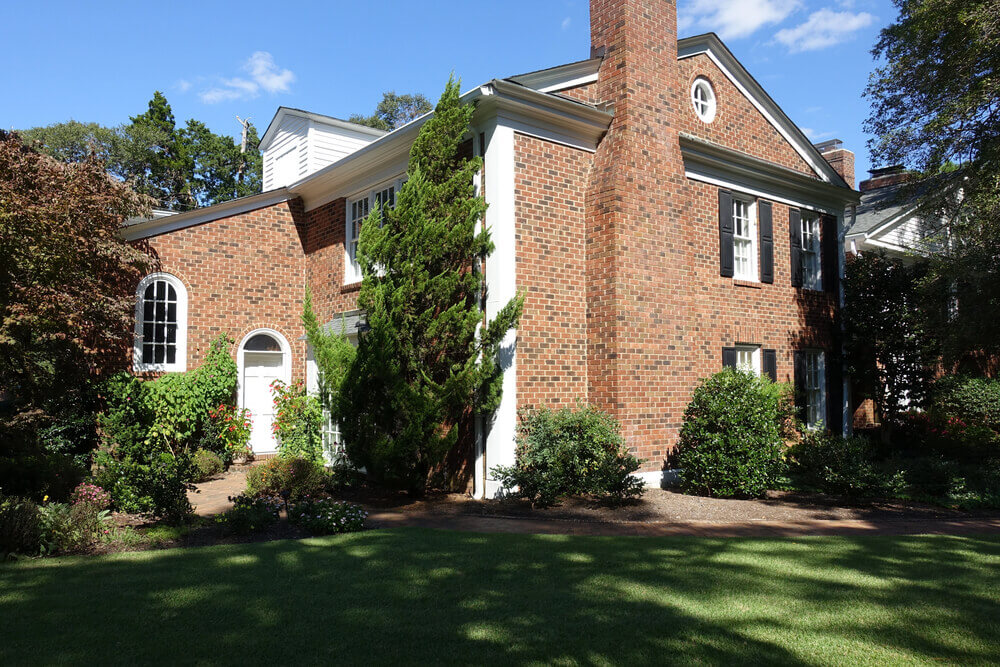
James Walker Tufts founded Pinehurst in 1895, and the village was laid out by the firm of Frederick Law Olmsted. The Village Green and a cluster of shops sit within walking distance of many homes.
Golf shapes the town’s identity, but the walkable center serves everyone.
Davidson, North Carolina
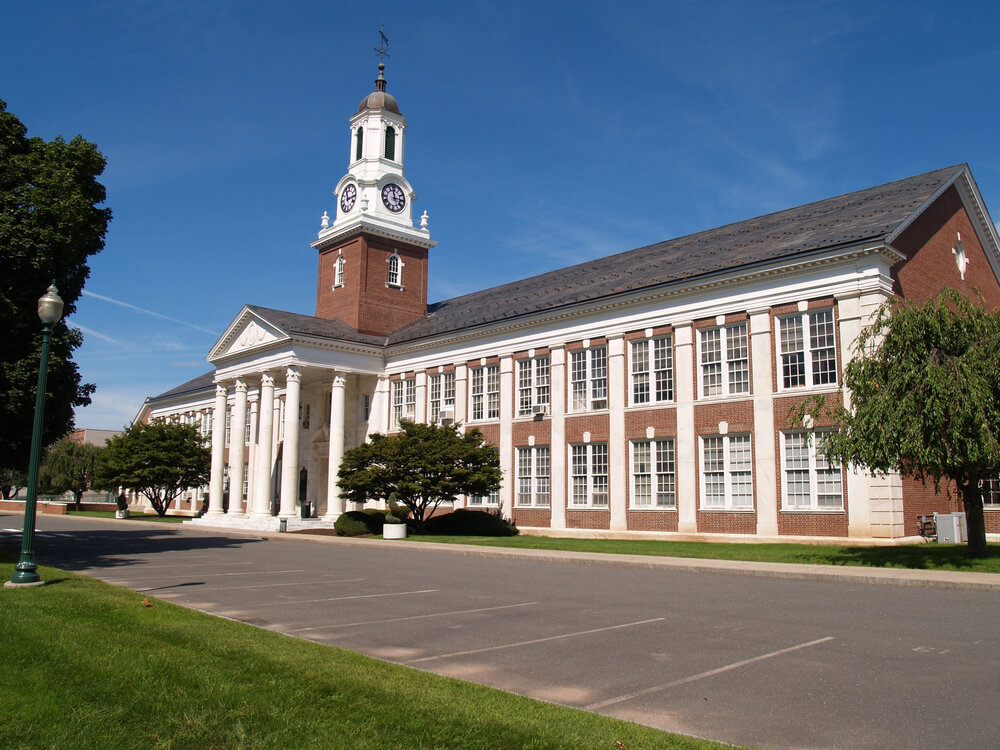
Davidson College, founded in 1837, sits beside a small Main Street of shops and cafés. Lake Norman lies minutes away, and greenways link neighborhoods to the center.
The town combines college culture with a compact, easy-to-navigate core.
Hendersonville, North Carolina
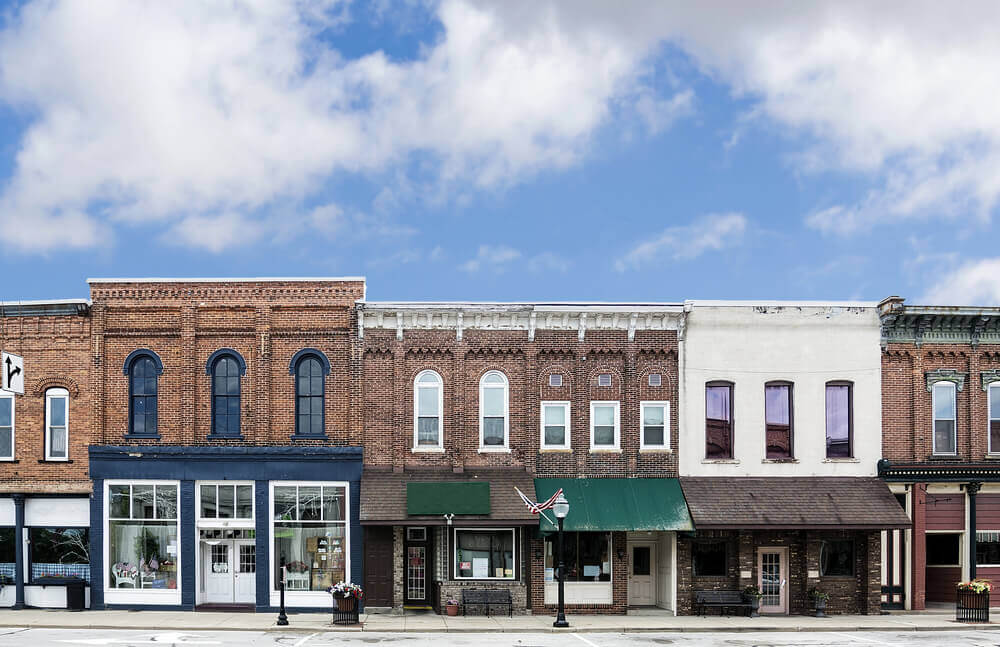
Hendersonville’s Main Street is notable for its landscaped median and its mix of shops, restaurants, and services. The North Carolina Apple Festival fills the street each Labor Day weekend.
The surrounding mountains offer outdoor recreation, while the downtown’s compact layout makes it easy to cross on foot.
Lititz, Pennsylvania
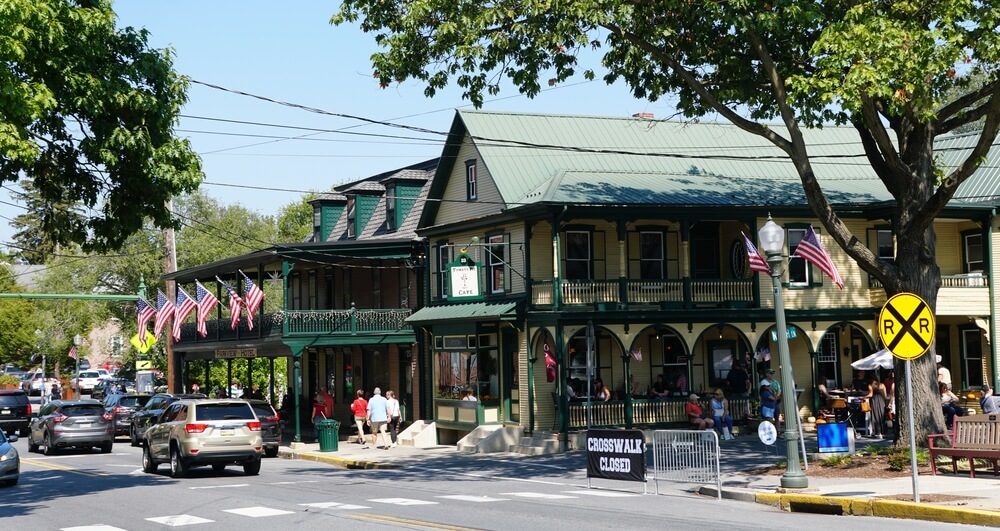
Moravian settlers founded Lititz in 1756, and the town has kept a tidy, walkable center ever since. The Julius Sturgis Pretzel Bakery has been baking since 1861, and Lititz Springs Park offers shade and a stream at the edge of downtown.
The small scale makes everyday trips short.
Easton, Maryland
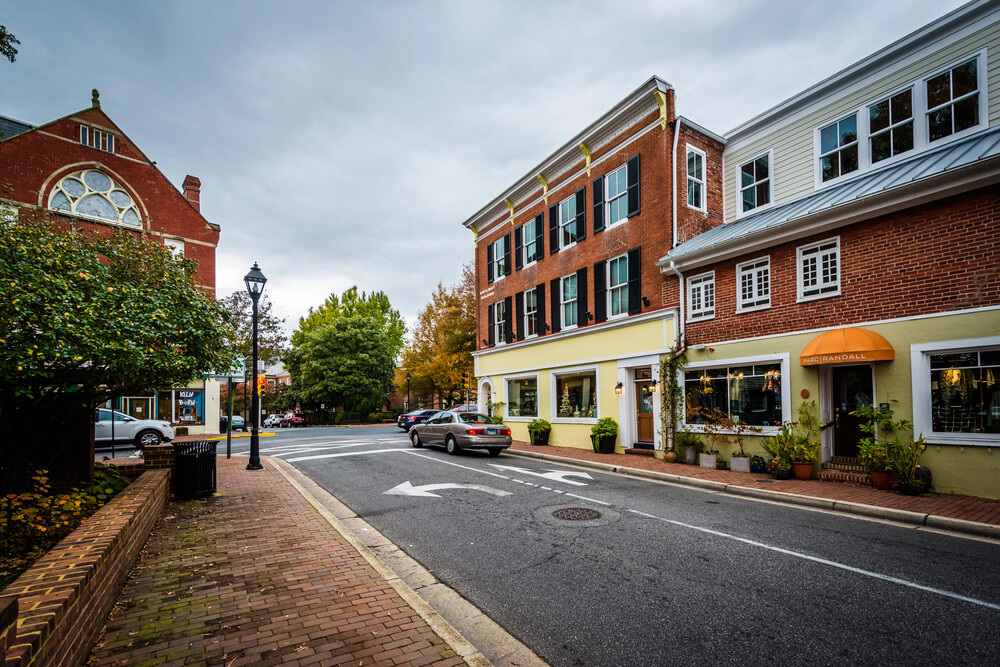
Easton, the seat of Talbot County, holds a historic downtown with the Avalon Theatre, which opened in 1921. The Waterfowl Festival, a local tradition since 1971, draws visitors each fall.
Shops, banks, and restaurants cluster along Washington Street and its neighbors.
Chestertown, Maryland
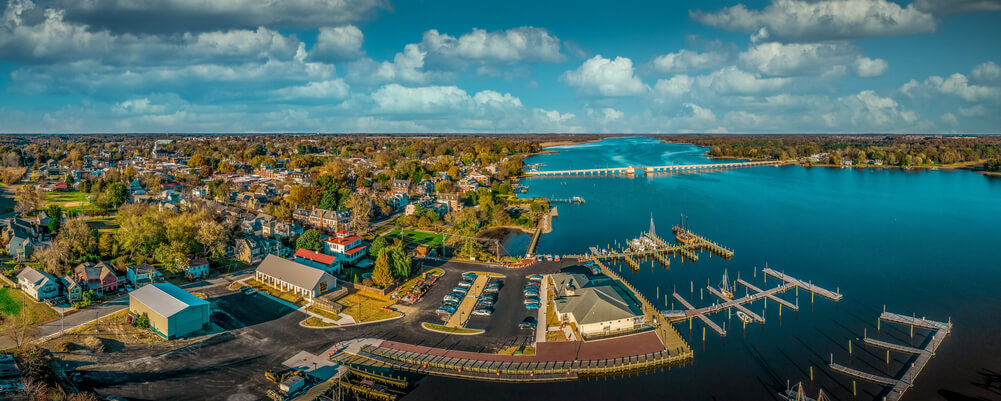
Washington College, founded in 1782, sits at the edge of Chestertown’s historic district along the Chester River. High Street and the waterfront hold shops and cafés within a short stroll.
In May, a festival commemorates the town’s 1774 tea protest with a reenactment.
Lewes, Delaware
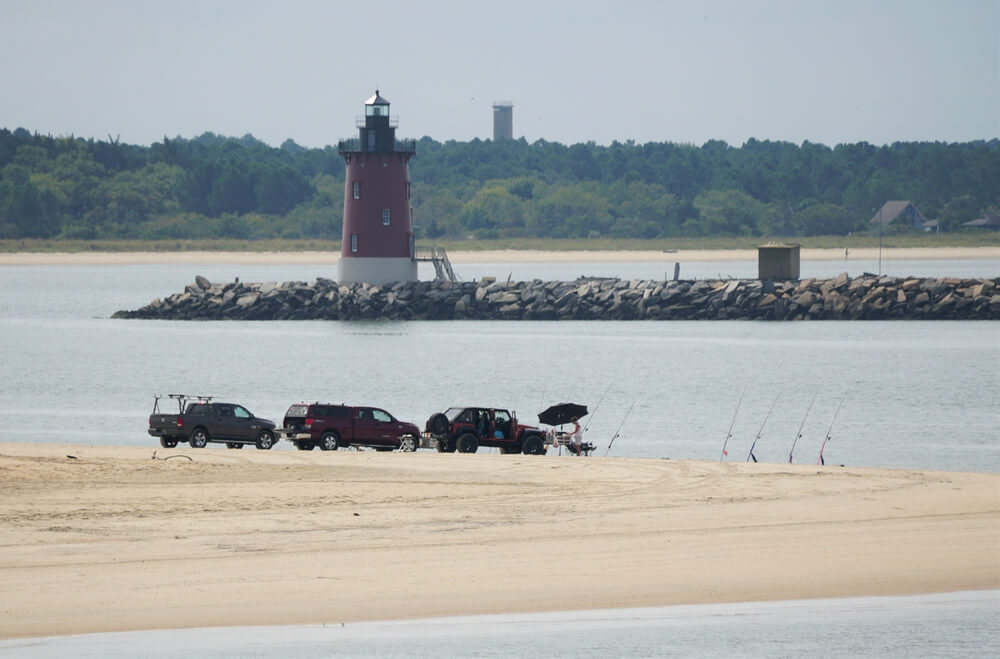
Lewes calls itself the First Town in the First State, a nod to Delaware’s early ratification of the Constitution. The Zwaanendael Museum, built in 1931, and the canal front give the center character.
Cape Henlopen State Park offers beaches and trails a short ride away.
Rehoboth Beach, Delaware
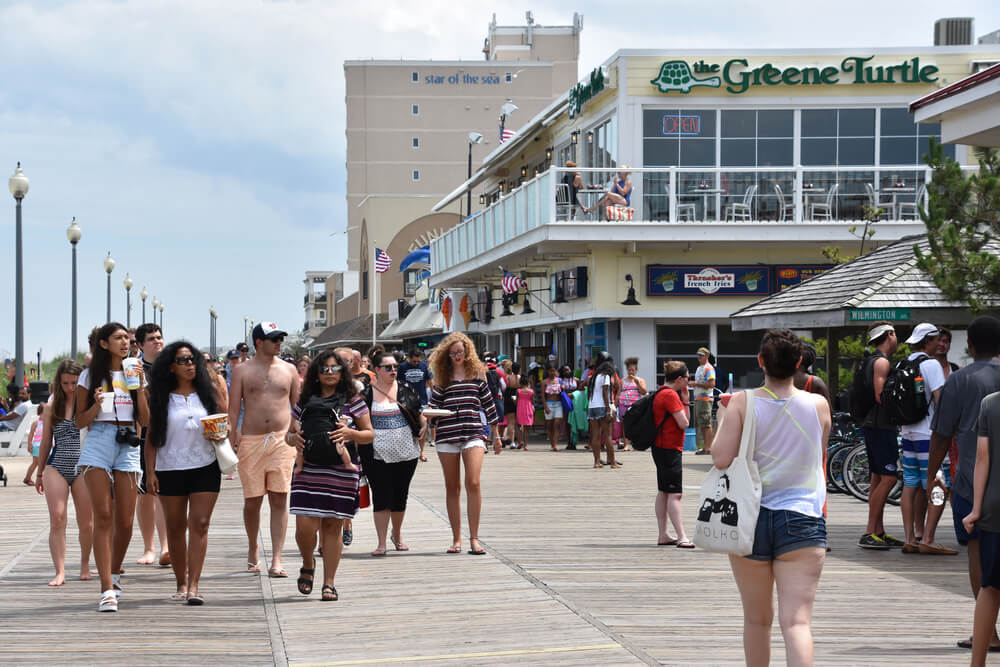
Rehoboth Beach is built around a boardwalk and Rehoboth Avenue, a short strip of shops and restaurants that runs from the shore. Delaware has no sales tax, which can lower the cost of everyday purchases.
The beach town calls itself the Nation’s Summer Capital.
Saratoga Springs, New York
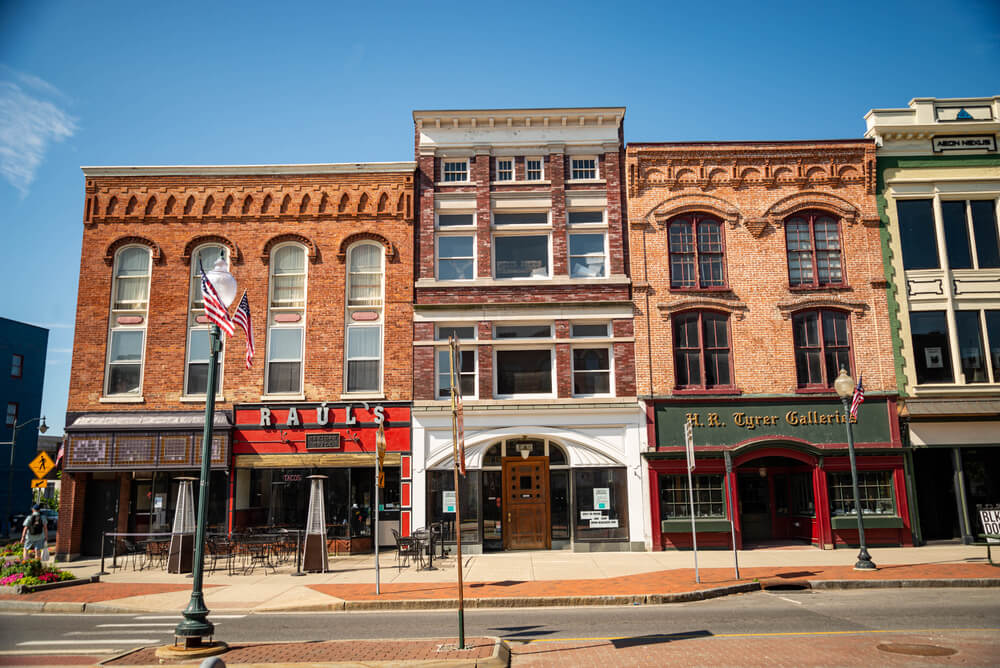
Saratoga Springs combines natural mineral springs, Congress Park, and a lively Broadway lined with shops. The Saratoga Race Course, which opened in 1863, draws crowds each summer.
Winters are cold, but the downtown stays active throughout the year.
Mystic, Connecticut
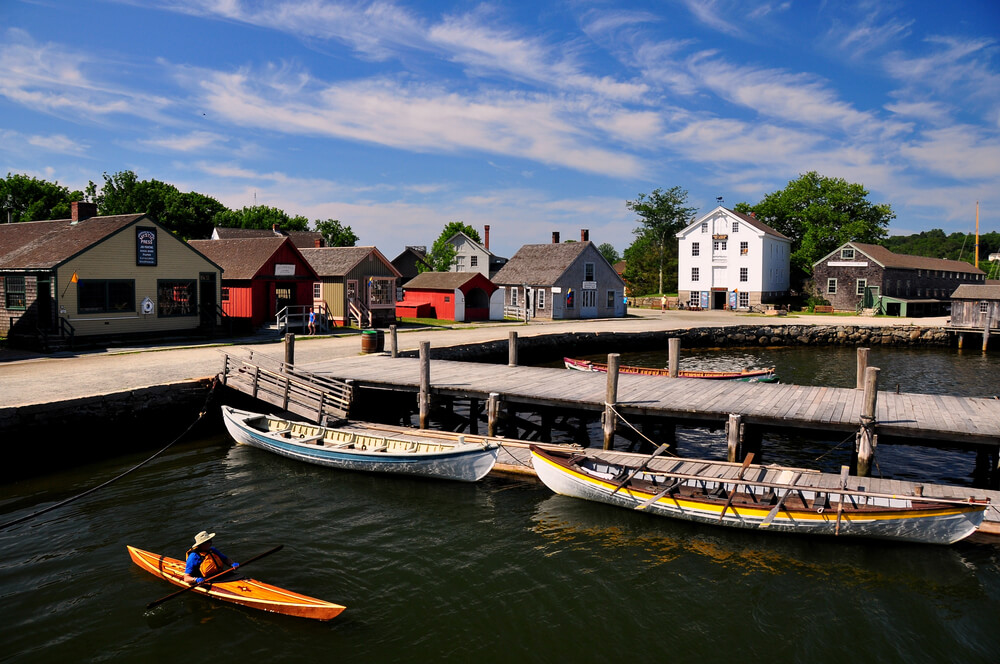
Mystic grew up around shipbuilding, and the Mystic Seaport Museum preserves that heritage, including the Charles W. Morgan, an 1841 whaling ship.
A drawbridge on Main Street opens for boats and pauses traffic. The village center is small enough to cross in minutes.
Ashland, Oregon
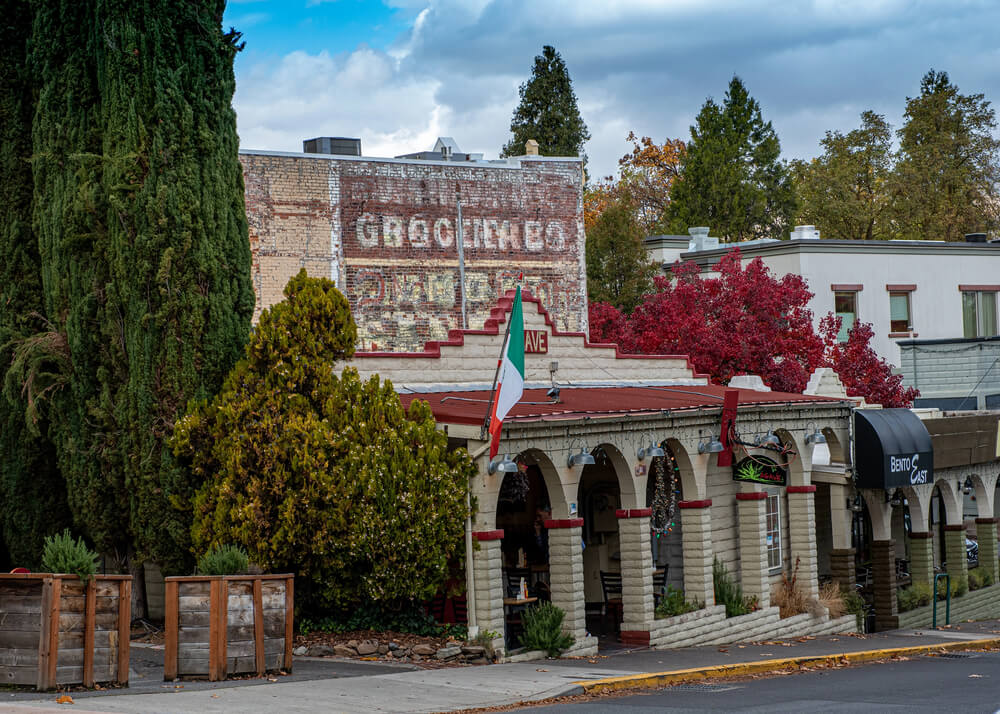
Lithia Park winds from the downtown plaza into a wooded canyon, and the Oregon Shakespeare Festival, founded in 1935, keeps theater at the heart of the town. Southern Oregon University adds to the cultural mix.
A compact center makes walking an easy habit.
The Quiet Convenience of a Center
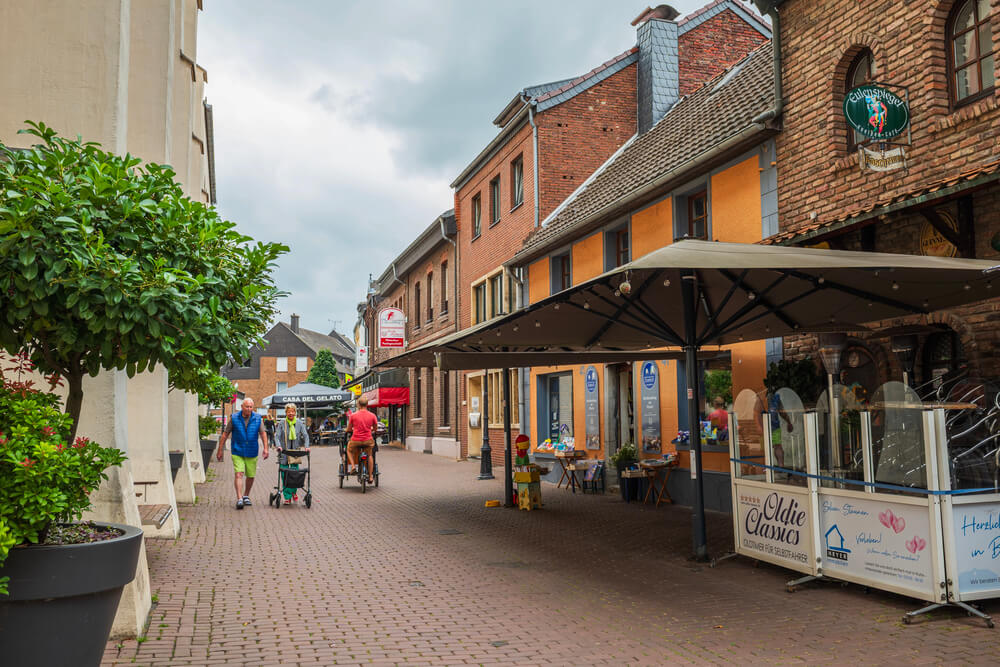
A town with a working center takes small burdens off daily life. Errands become walks, and walks become conversations. The effect builds slowly, and it matters more with each passing year.
The towns above show that this model comes in many forms, from planned communities to centuries-old villages. What they share is a core that still functions.
For anyone weighing a move, a few mornings spent running errands on foot will say more than any brochure. It’s also worth checking whether the specific home you’re considering is close to a full-service grocery store, pharmacy, bank, and other necessities, rather than assuming the downtown has everything.
More from Travel Pug

- Underrated Italian Towns That Beat the Tourist Crowds
- Las Vegas Tourist Traps to Skip
- Prettiest Towns in Every US State
- 18 passport-free countries for Americans
- Signs Your Cruise Is Not Worth The Cost
Like Travel Pug’s content? Follow us on MSN.