

Bali’s emerald rice terraces aren’t just for Instagram photos. These meticulously carved landscapes double as some of the island’s most rewarding hiking destinations, where ancient farming traditions meet trails that wind through valleys, across rivers, and up hillsides with views that’ll make you forget about the beach entirely.
Whether you’re after a leisurely morning stroll or a proper trek through working farmland, Bali’s rice terraces deliver. Here is a list of 15 rice terraces in Bali perfect for hiking.
Tegallalang Rice Terraces
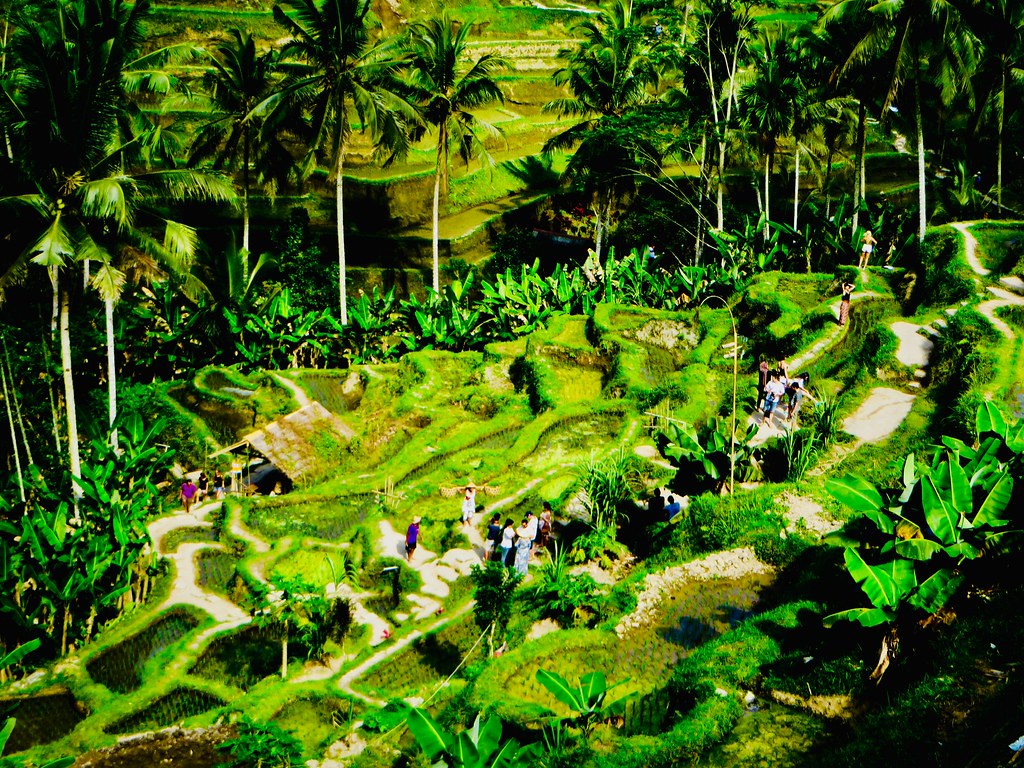
Just 20 minutes north of Ubud, Tegallalang has earned its reputation as Bali’s most photographed rice terrace for good reason. The terraces cascade down steep hillsides in dramatic layers, creating what looks like a giant green staircase.
Multiple trails zigzag through the paddies, ranging from easy 30-minute walks to longer routes that take you deep into the valley. The paths are well-maintained and clearly marked, though you’ll share them with plenty of other visitors during peak hours.
Getting there early, ideally before 9 AM, means better light for photos and fewer crowds blocking the trails.
Jatiluwih Rice Terraces
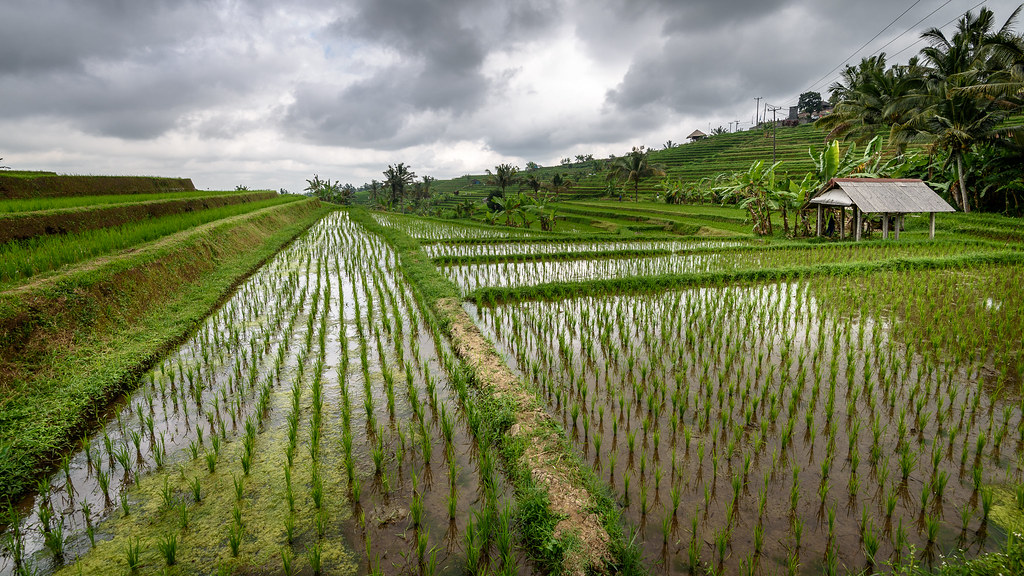
Sprawling across 1,500 acres in Tabanan Regency, Jatiluwih lives up to its name, which translates to ‘truly beautiful.’ This UNESCO World Heritage site offers the most extensive rice terrace trekking in Bali, with paved paths that wind through seemingly endless green fields backed by Mount Batukaru.
Four different walking routes are available, ranging from easy one-hour strolls to challenging five-hour treks that cover several miles. The trails here feel less commercial than Tegallalang, with actual farmers working the fields rather than posing for tips.
You’ll pay a small entrance fee, but the infrastructure is solid and the paths are accessible for most fitness levels.
Sidemen Rice Terraces
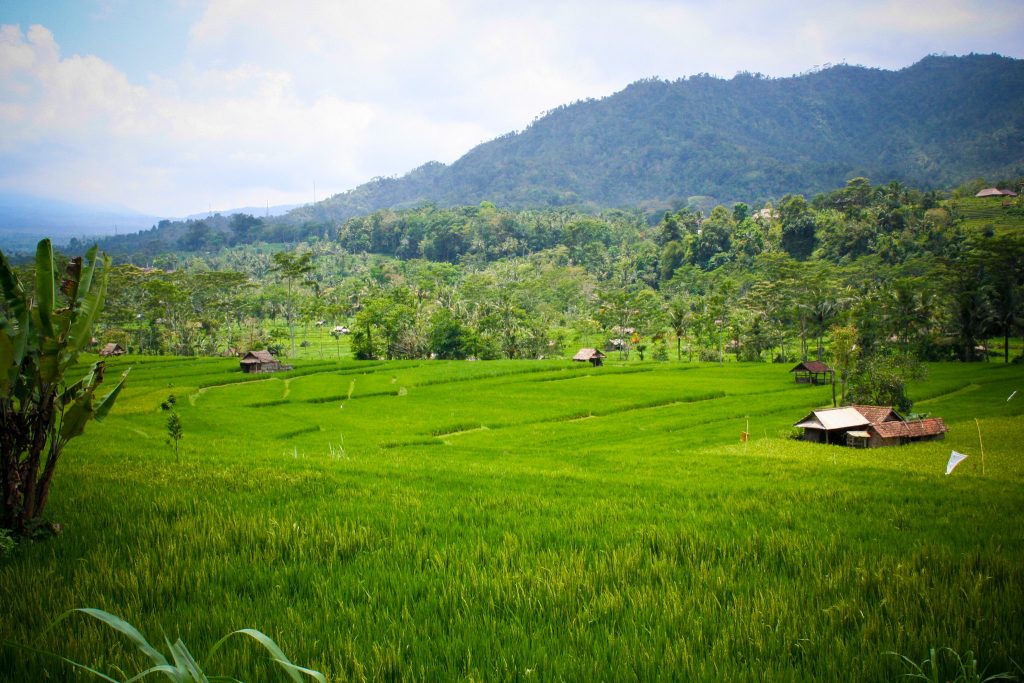
East Bali’s Sidemen valley offers a more rugged trekking experience than the manicured paths near Ubud. The trails here aren’t always clearly marked, which is exactly why hiring a local guide makes sense.
These treks typically last two to three hours and involve river crossings where you’ll wade through ankle-deep water, mud trails that require decent footwear, and narrow ridges between paddies. The payoff is massive: Mount Agung looming in the background, minimal tourist interference, and genuine interactions with farmers who actually live and work here.
Guides from Sidemen Trekking know routes that don’t appear on any map.
Campuhan Ridge Walk
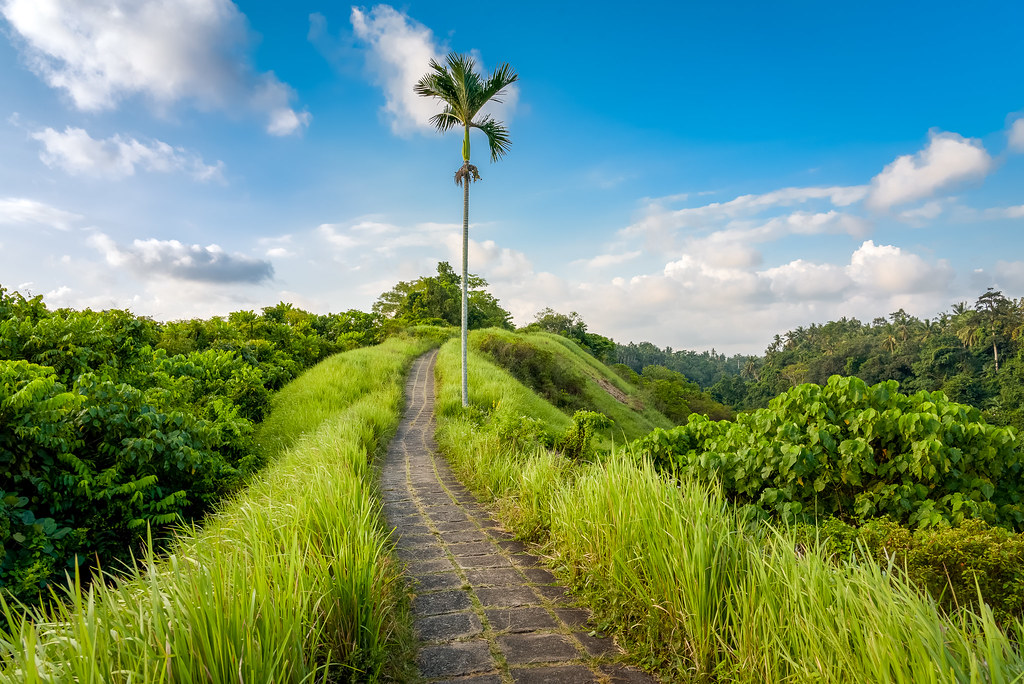
Right on Ubud’s doorstep, the Campuhan Ridge Walk delivers an easy two-mile trail along a narrow ridge between two rivers. The paved path makes this accessible for just about anyone, though it gets exposed to the sun with minimal shade, so early morning or late afternoon walks are most comfortable.
Rice fields appear about halfway along the trail as you venture past the main ridge section into Bangkiang Sidem village. The walk takes about an hour each way if you’re moving at a steady pace, but most people stretch it to two hours with photo stops and a break at Karsa Cafe at the far end.
Munduk Rice Terraces
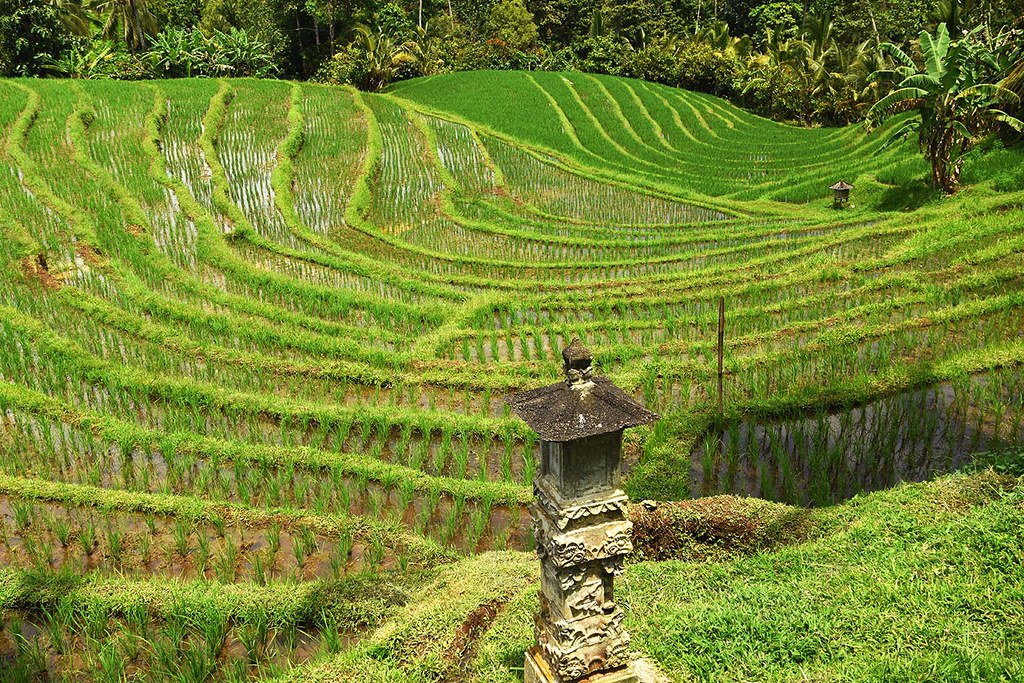
Situated in Bali’s cooler northern highlands, Munduk’s rice terraces benefit from mountain air and misty mornings that create an atmospheric hiking environment. The terraces here are interspersed with coffee plantations and tropical jungle, making the scenery more varied than the pure rice paddy landscapes elsewhere.
Several trails connect the rice fields with nearby waterfalls, particularly around Gobleg and Gesing villages. The elevation here sits over 3,000 feet, so temperatures run cooler and the terrain includes more hills than the flatter southern regions.
AllTrails lists multiple routes in the area, including loops that combine rice terraces with waterfall visits.
Belimbing Rice Terraces
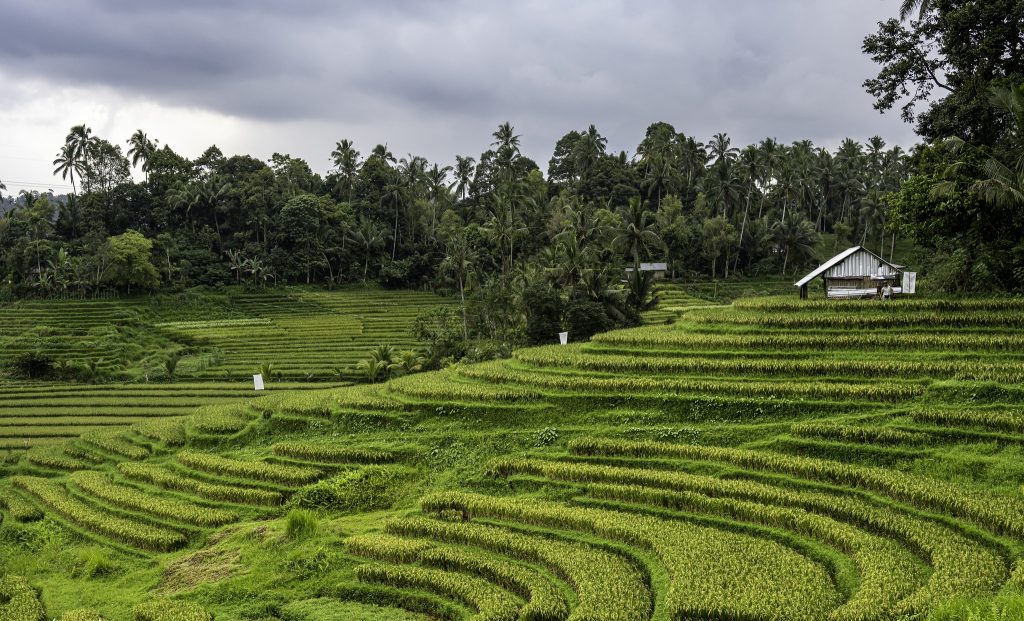
Located in Pupuan district near the larger Jatiluwih complex, Belimbing offers wide green terraces with Mount Batukaru as a dramatic backdrop. This area sees far fewer tourists than the Ubud region, creating opportunities for peaceful hikes where you might have entire sections to yourself.
Rice paddy trekking is the main draw here, with trails that let you walk right through working fields where farmers use traditional methods passed down through generations. The best time to visit is early morning or late afternoon on clear days, as fog often rolls in during the rainy season and obscures the mountain views.
The nearby Mekori Forest also hosts a population of monkeys if you’re interested in wildlife.
Rendang Rice Terraces
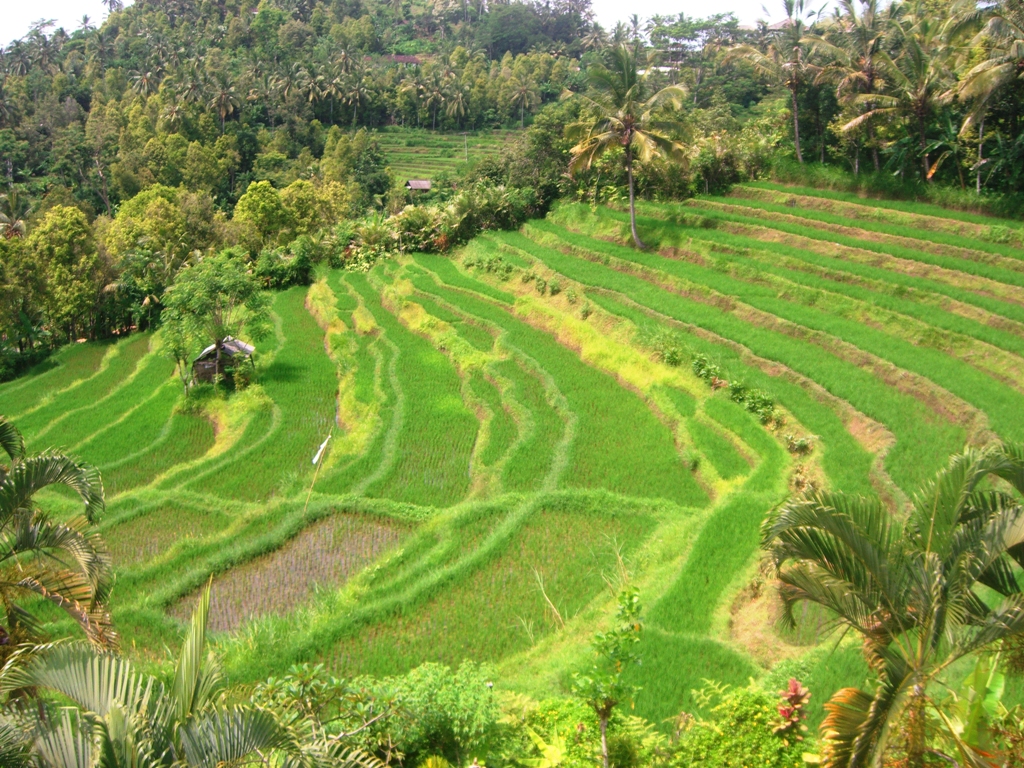
East Bali’s Rendang area delivers some of the most dramatic mountain backdrops for rice terrace hiking, with Mount Agung’s volcanic peak dominating the skyline. These terraces remain relatively undeveloped for tourism, so there’s no set entrance point or official trails.
Instead, you explore the rice fields surrounding Rendang village, branching out wherever looks interesting. This freedom means you’ll encounter local farmers going about their work rather than tourist infrastructure.
The terraces here cascade down hillsides with unique land contours that create visually striking patterns. Early morning visits reward you with sunrise light hitting the mountain while mist lifts from the valleys.
Kerobokan Rice Terraces
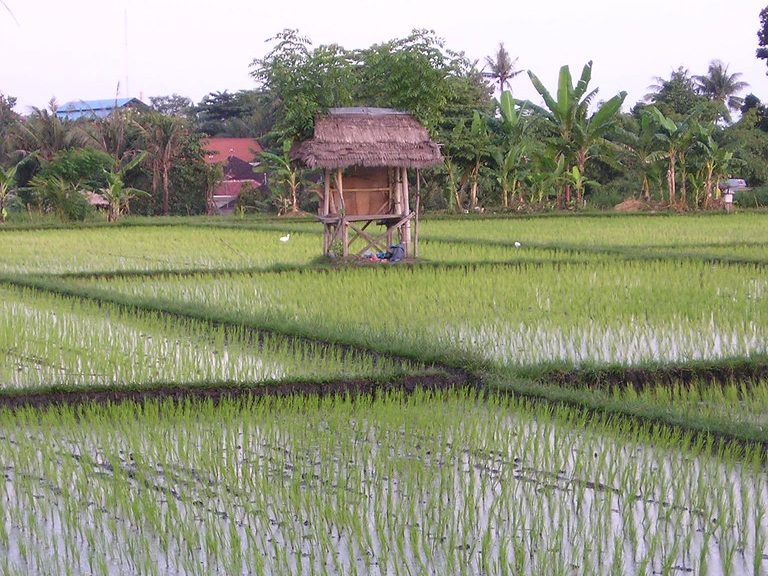
Hidden in plain sight near the tourist areas, Kerobokan’s rice terraces offer a two to three-mile trek that most visitors never discover. Local tour operators run guided walks that begin in Kerobokan village and wind through the surrounding paddies, using the tops of terrace walls as pathways.
You’ll cross rivers on bamboo bridges built by farmers and learn about the ancient Subak irrigation system that’s been functioning for over 1,000 years. The trek includes a visit to a local Subak temple where water priests manage the community’s agricultural calendar.
Wearing shoes you don’t mind getting wet is essential, as the route involves walking through shallow water in several spots.
Pupuan Rice Terraces
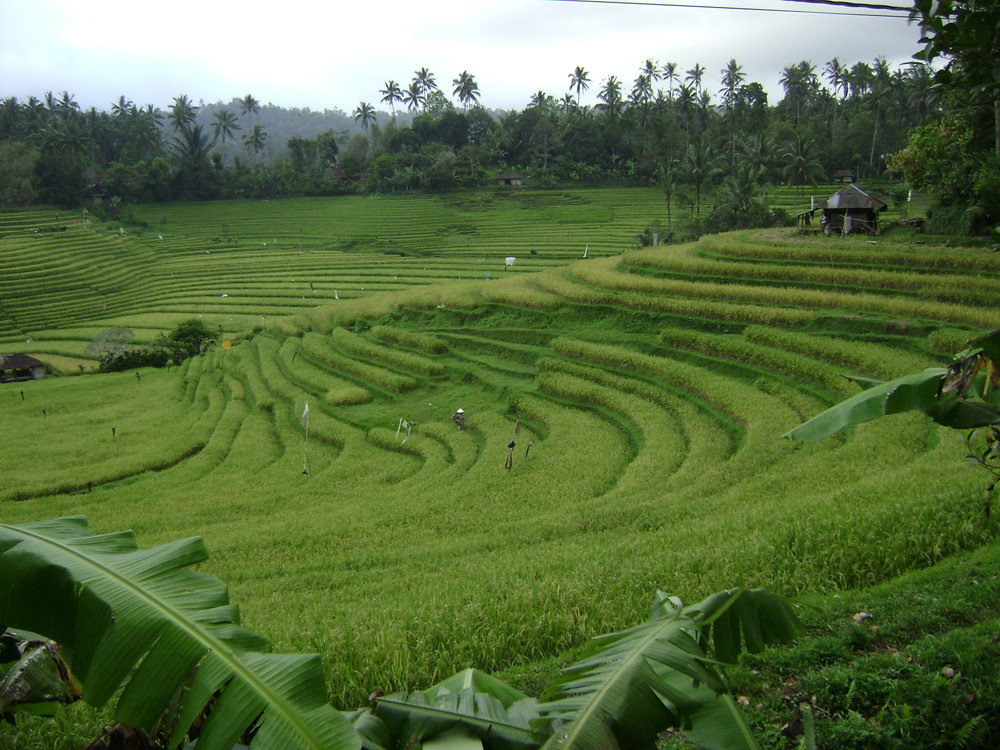
West Bali’s Pupuan district features rice terraces that roll across gentle hills surrounded by coffee, clove, and cocoa plantations. The combination of crops creates a patchwork landscape that differs from pure rice terrace areas.
Hiking here means exploring dirt roads and paths that wind through fields where farmers cut rice with traditional sickles called anggapan. The terraces work best as a scenic road trip destination, with multiple viewpoints along the main road where you can park and hike into the fields.
The drive itself from Denpasar takes about two hours, passing through small villages and untouched countryside that feels worlds away from Seminyak’s beach clubs.
Pejeng Rice Fields
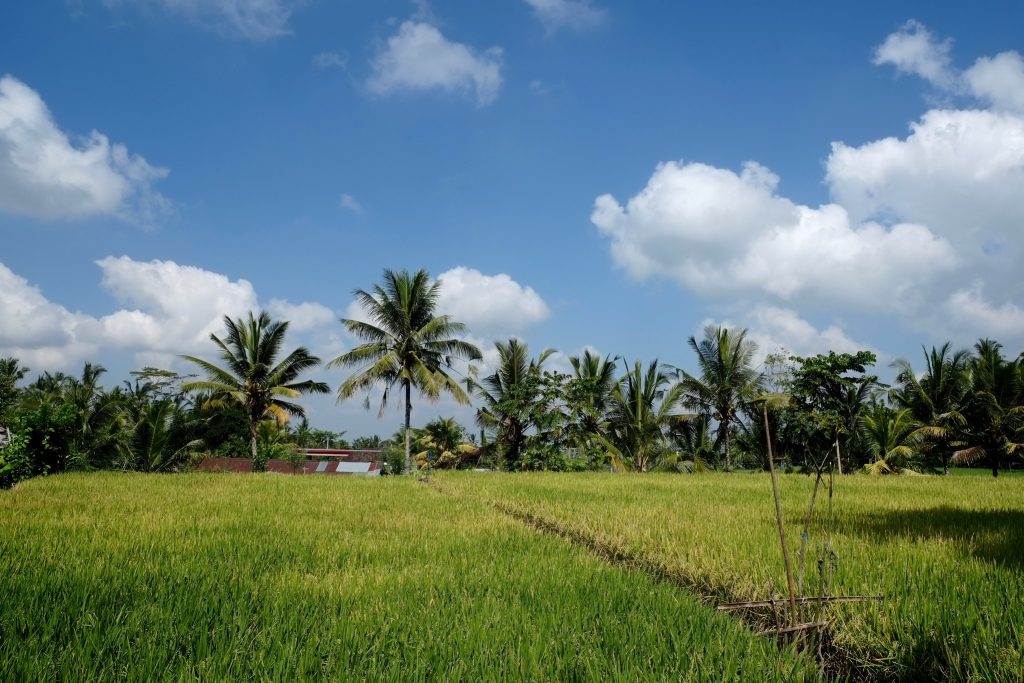
A 15-minute drive from Ubud’s center, Pejeng offers a quieter alternative to the nearby Tegallalang crowds. The rice terraces here are popular with hikers who want accessible trails without the commercial infrastructure.
Paths wind through traditional farming landscapes where the focus remains on agriculture rather than tourism. You won’t find cafes with rice field views or Instagram swing setups, just working paddies and the occasional farmer who might wave as you pass.
The area sits close to cultural sites like Goa Gaja elephant cave and Tibumana waterfall, making it easy to combine rice terrace hiking with temple visits.
Kastala to Tenganan Trek
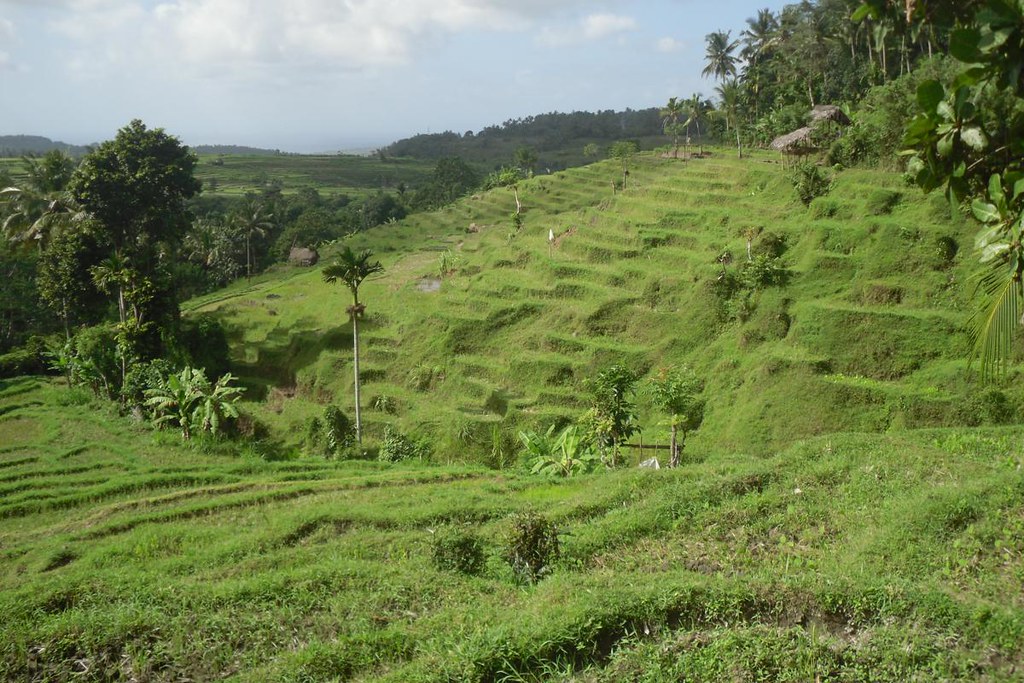
This two to three-hour hike in East Bali connects two villages through some of the island’s most remote rice terraces. Starting from either Kastala or the ancient village of Tenganan, the route climbs through tropical forest before emerging into rice fields with mountain views.
The trail isn’t heavily trafficked, so expect minimal tourist encounters and maximum solitude. The path requires moderate fitness as it involves elevation gain and uneven terrain, but the tropical garden sections feel like walking through a Tarzan movie set with vines hanging from fruit trees and dense vegetation.
Early morning starts help you beat the heat and catch the best light in the terraces.
Ceking Rice Terrace
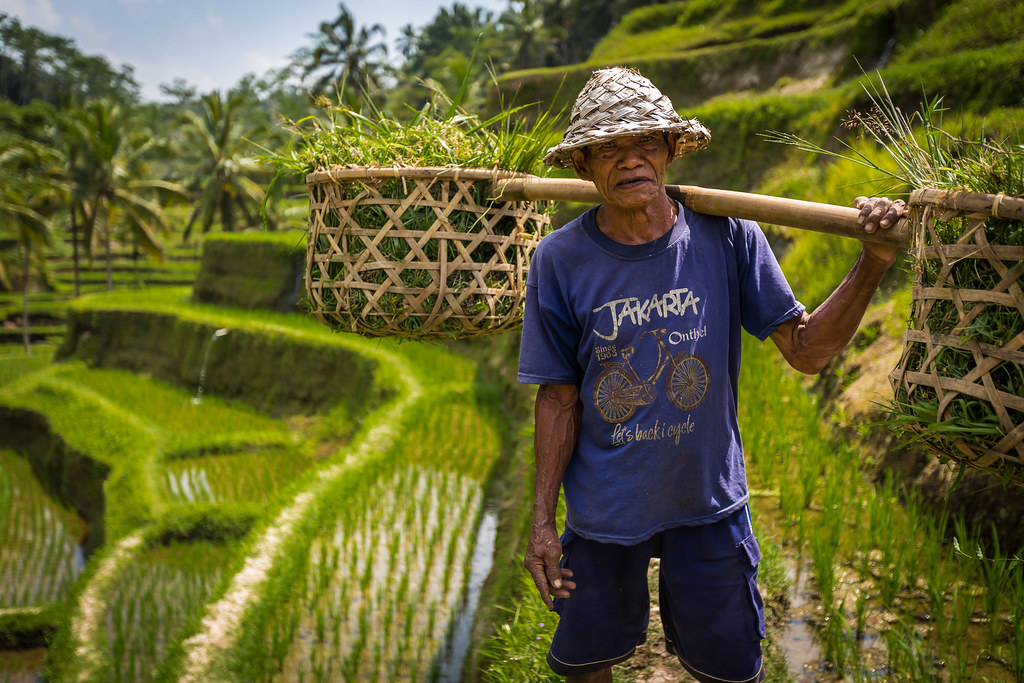
Often mentioned alongside Tegallalang since they’re essentially the same terrace system, Ceking deserves its own recognition for the trails on the northern end of the complex. The layered design here creates dramatic visual impact, with each terrace level providing different perspectives as you hike up and down the paths.
Several cafes and restaurants have terraces overlooking the fields, letting you rest with a cold drink while taking in the views. The trail system includes some steep sections, so hiking boots or shoes with good grip make more sense than flip-flops, despite what you might see other tourists wearing.
Tirta Gangga Rice Terraces
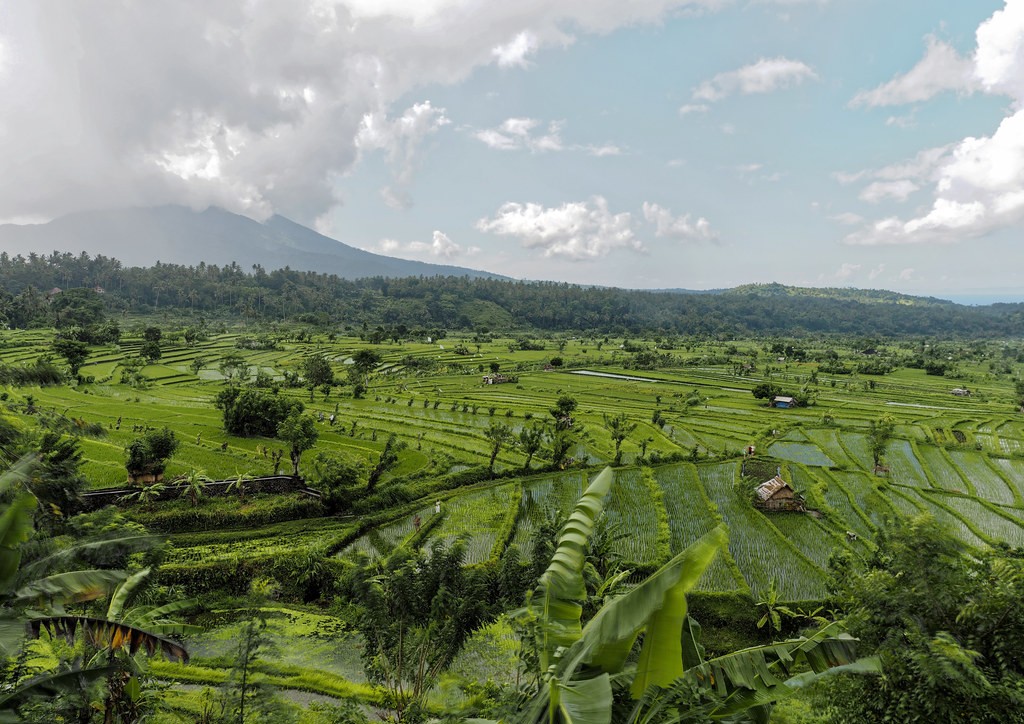
East Bali’s Tirta Gangga area combines rice terrace hiking with the famous water palace nearby. The rice fields surrounding the palace offer walking trails with minimal commercialization compared to Ubud’s terrace destinations.
Local farmers welcome visitors who want to walk through their fields and often share information about their farming methods and the cultural significance of rice cultivation. The terraces here benefit from the ancient irrigation systems that also feed the water palace’s pools and fountains.
Village-hopping tours are available if you want a guided experience that includes learning about local traditions firsthand.
Pererenan Rice Fields
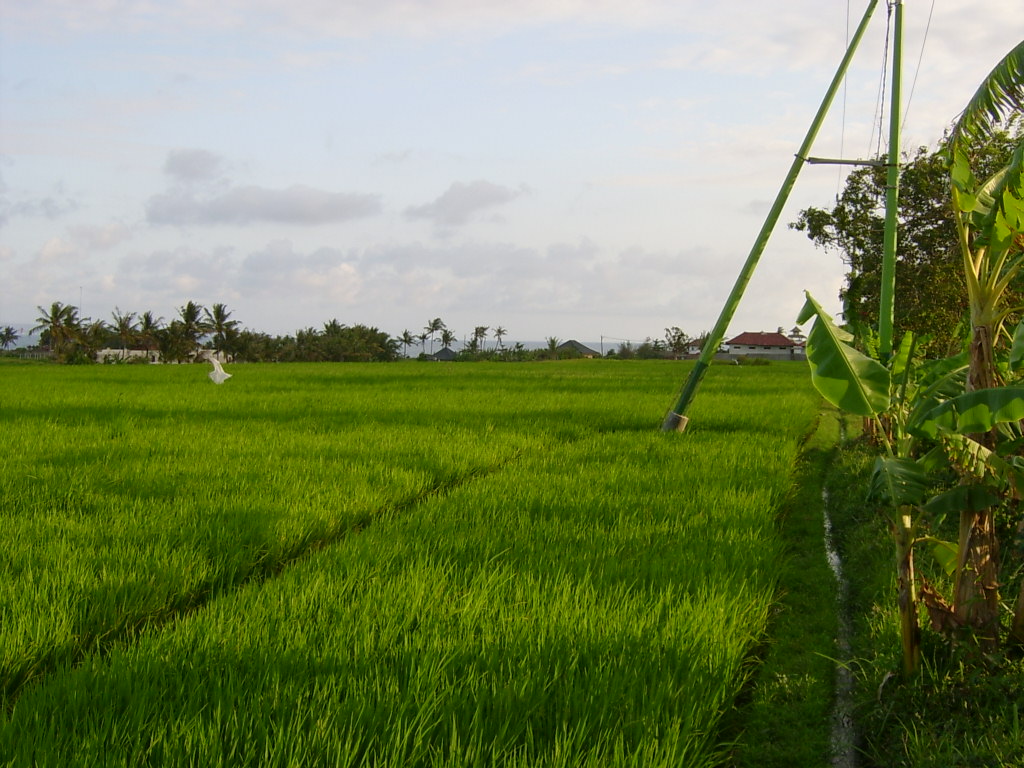
Just minutes from Canggu’s surf breaks, Pererenan provides a rice field walking along Jalan Sempol and Jalan Babadan, which both cut through active paddies. The fields here look similar to Ubud’s terraces but with fewer crowds and a more relaxed atmosphere.
Horse riding tours are popular in this area, combining rice field exploration with beach rides on nearby black sand shores. The terraces offer panoramic views of both Mount Agung and Mount Batukaru on clear days, creating a unique perspective where you can see multiple volcanic peaks from the same spot.
The proximity to Canggu means you can easily fit a morning rice field walk into a beach-focused itinerary.
Wanagiri Rice Fields
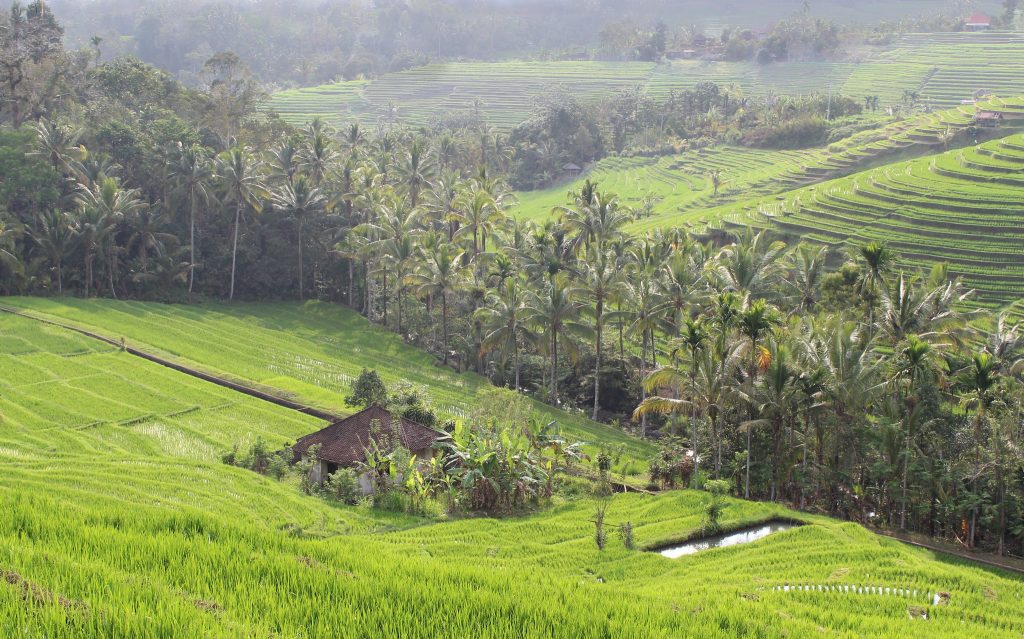
In northern Bali, within the quiet village of Wanagiri, lie stretches of rice terraces near the well-known Hidden Hill site – ideal for extended visits. Beyond the green paddies unfold sweeping sights: two large lakes, Buyan and Tamblingan, framed by distant peaks.
Scattered across the landscape are designated areas for photographs – some feature suspended swings, others raised decks – all placed to capture bold backdrops. Movement through the area involves minimal effort; slopes stay mild, pathways remain clear.
Temperatures here feel noticeably cooler than in lower regions, allowing steady movement under sunlit skies when coastal zones grow stifling.
Beyond the trails
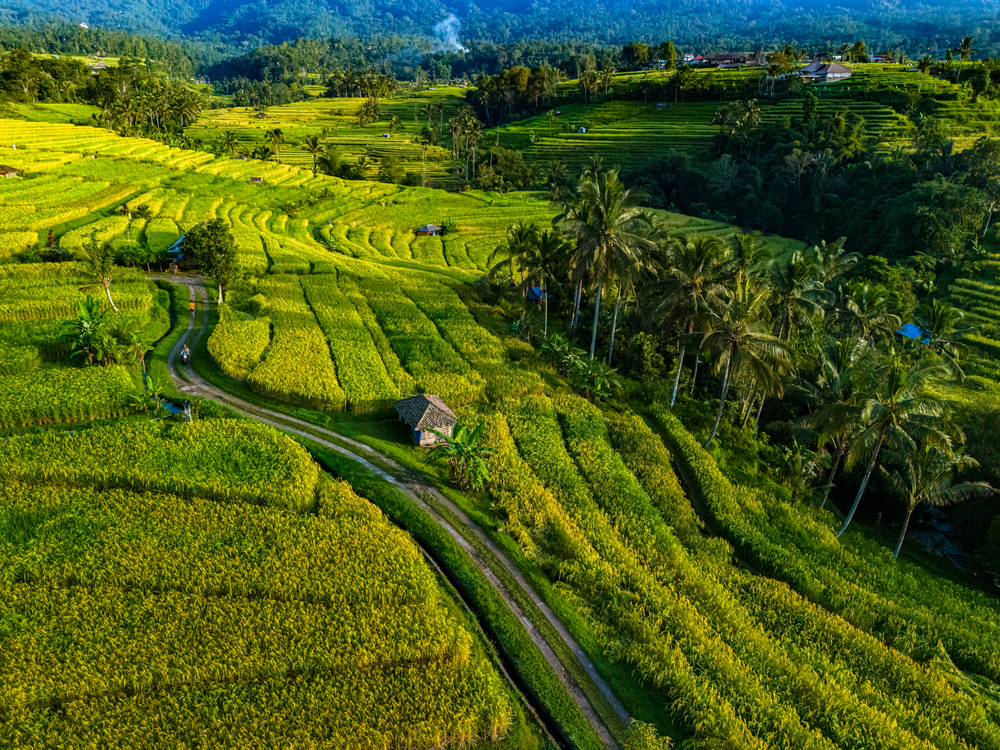
Away from paths less traveled, rice fields across Bali reveal a world past coasts and shrines. Fifteen treks highlight farmland still alive with routine labor, guided by customs centuries old.
One after another, these stepped plots differ – Jatiluwih rises with recognized scale, while Sidemen holds steady in raw, earthy truth – offering quiet invitations to step outside expected routes.
More from Travel Pug

- Underrated Italian Towns That Beat the Tourist Crowds
- Las Vegas Tourist Traps to Skip
- Prettiest Towns in Every US State
- 18 passport-free countries for Americans
- Signs Your Cruise Is Not Worth The Cost
Like Travel Pug’s content? Follow us on MSN.