

With an area of more than 27,000 square miles in the American Southwest, the Navajo Nation is the largest Native American reservation in the country. For the indigenous people who still farm on the canyon floors, tend sheep in the desert, and uphold cultural traditions that date back hundreds of years, the vast area serves as both land and habitat.
We are expected to listen to each house and stone on the tour with respect because they serve as a reminder that we are in a place where the majesty of nature and the richness of culture coexist. Here is a list of 15 beautiful locations in the Navajo Nation that you should visit and respect, among the imposing sandstone monuments and hallowed cliff dwellings.
Monument Valley
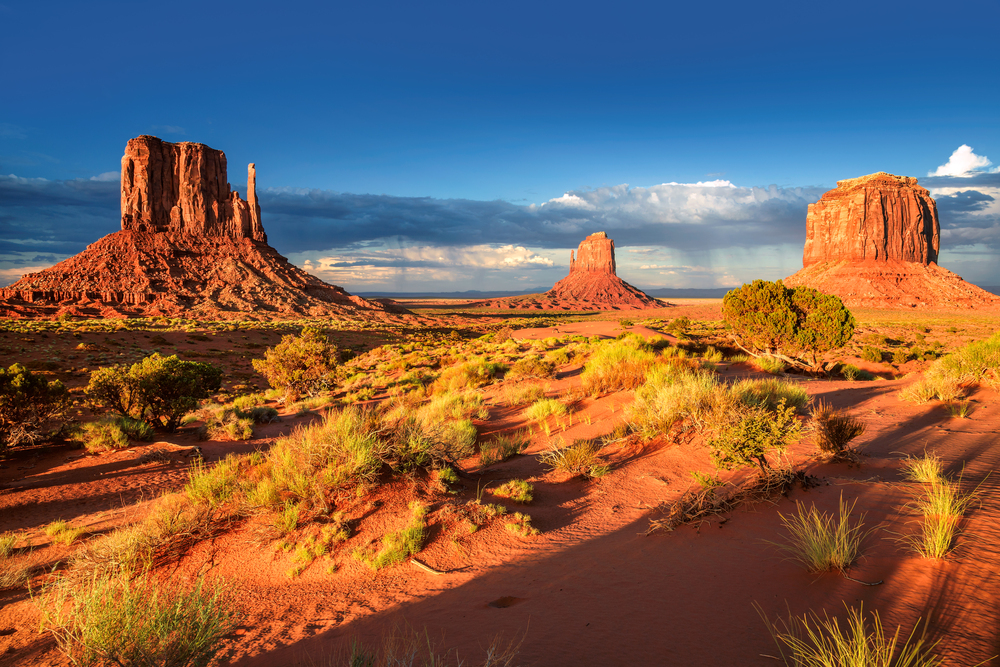
The desert floor’s rust-hued buttes, spread across a 17-mile scenic loop, have been a symbol of the American West. Their appearance in numerous films and photos has been ongoing since the valley was first discovered by Hollywood in 1939.
However, the scale of the loop is not the only thing that makes this scenic tour very special—some of the formations go almost 1,000 feet high—and the fact that Navajo families still live in this valley. You will traverse the loop road, which is not paved, at your own speed, and there will be 11 designated viewpoints for you to stop at, each revealing a different aspect of the giant rocks.
Sunlight moving over the sandstone changes the personality of the valley during the day, changing it from burnt orange at sunrise to deep crimson at sunset.
Canyon De Chelly
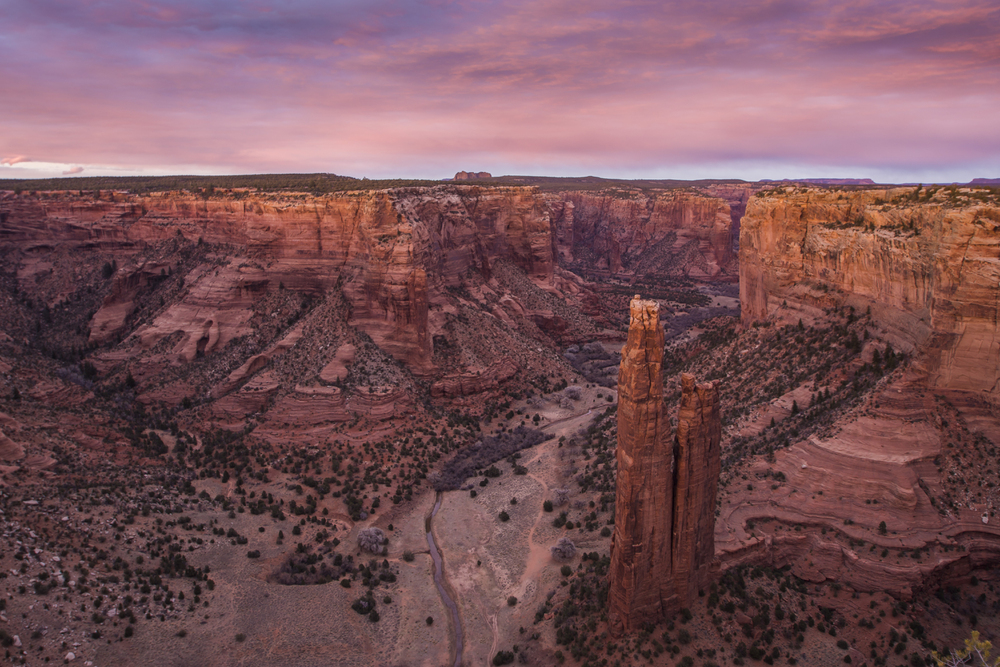
Unlike most national monuments, this one pulses with contemporary life as Navajo families continue farming and raising livestock on the canyon floor just as their ancestors did. The National Park Service manages visitor access, but the land itself belongs to the Navajo Nation—a unique arrangement that keeps this a living landscape rather than a preserved relic.
Two rim drives offer nine overlooks where you can peer down at ancient Puebloan ruins and modern hogans from heights reaching 1,000 feet. To actually enter the canyon requires a Navajo guide, maintaining the privacy and sanctity of the families who make this their home year-round.
Antelope Canyon
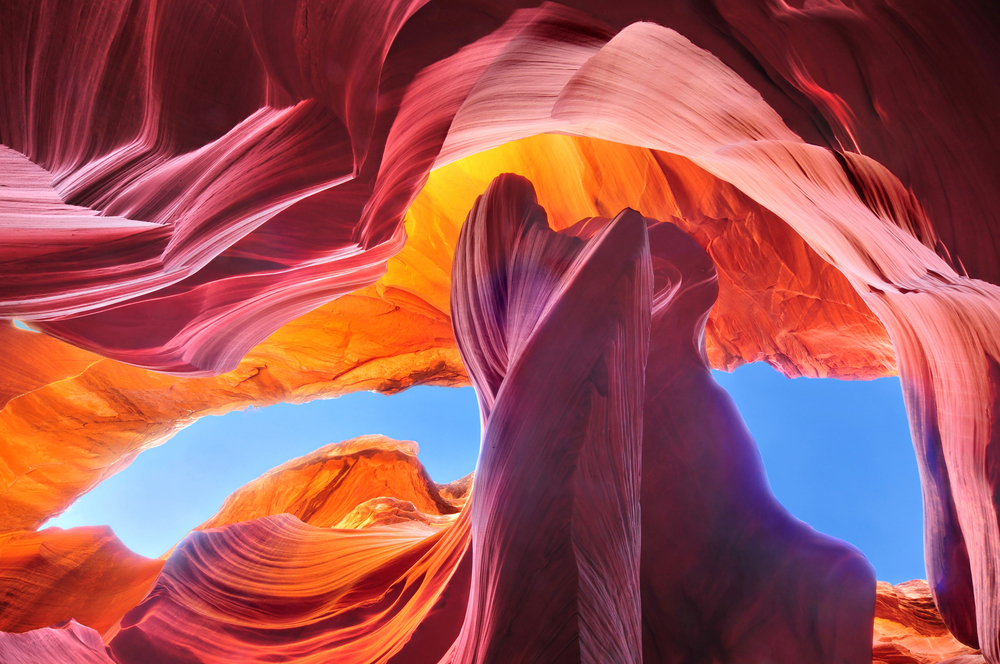
The slot canyon’s fame comes from those ethereal light beams that photographers chase during midday hours, when sunlight filters down through narrow openings and illuminates the swirling sandstone in shades of orange, pink, and purple. Upper Antelope Canyon sits at ground level and offers easier access, making it the more popular choice for families and visitors with mobility concerns.
Lower Antelope Canyon demands more effort—you’ll descend metal staircases and navigate tighter passages—but rewards you with equally stunning curved walls and fewer crowds. Every visitor must travel with a Navajo guide and pay both an entrance permit and a tour fee, as this sacred land requires proper interpretation and protection.
Four Corners Monument
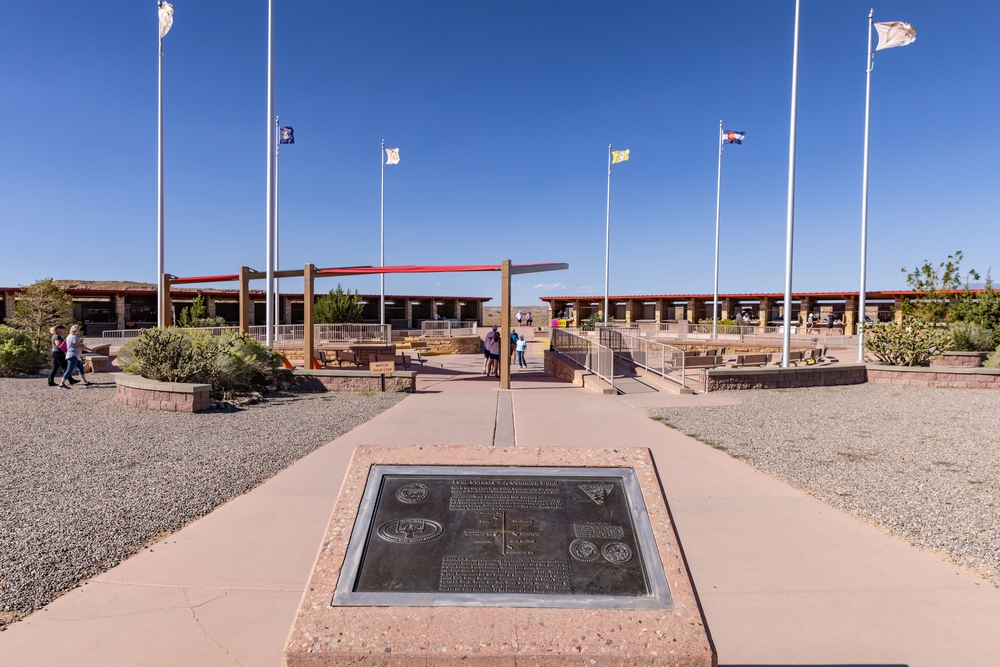
Standing at this bronze disk embedded in granite lets you plant your limbs in four states simultaneously—Arizona, Utah, Colorado, and New Mexico—making it the only point in America where state borders create such a perfect intersection. The monument marks more than just geographical boundaries; it sits at the junction of the Navajo Nation and the Ute Mountain Ute Tribe’s lands, representing the region’s complex political geography.
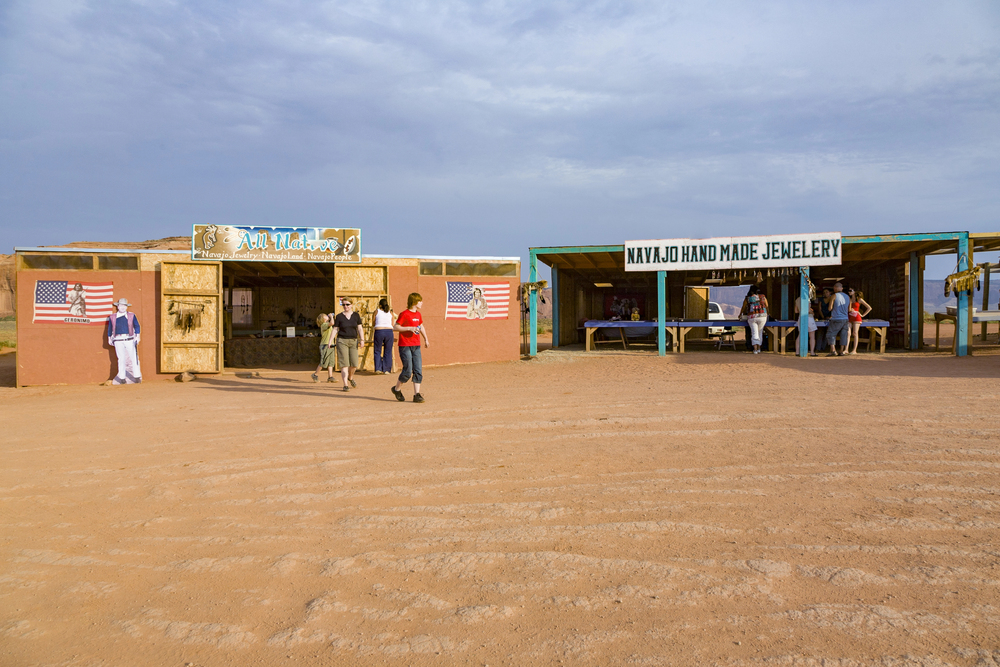
Navajo and Ute artisans set up vendor booths around the monument, selling handcrafted jewelry, woven rugs, and traditional foods, providing both authentic souvenirs and direct support to Native families. The remote location means there are no services nearby, so bring water and snacks for the visit.
Little Colorado River Gorge
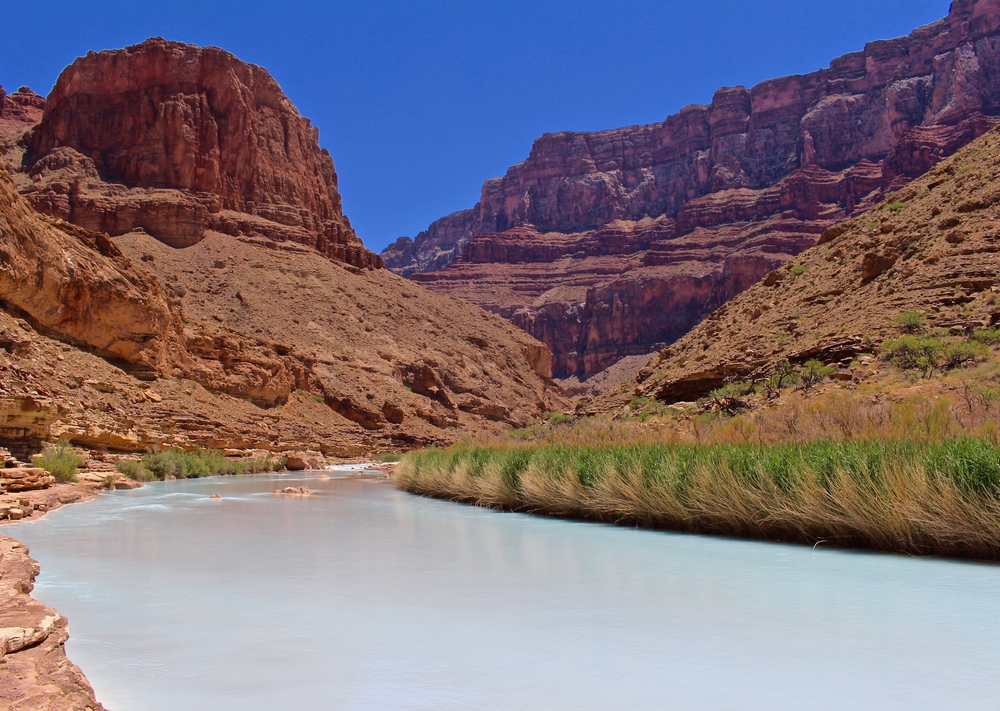
This 3,000-foot-deep chasm offers Grand Canyon-caliber views without the overwhelming crowds, sitting just east of the national park on Navajo land. The mineral-rich waters of the Little Colorado River transform seasonally, brilliant turquoise in summer months when calcium carbonate saturates the flow, then shifting to reddish-brown during other seasons as sediment dominates.
Blue-railed viewing platforms extend over the gorge edge, providing safe vantage points to appreciate the layered limestone cliffs above and massive sandstone formations below. Navajo vendors often sell jewelry and crafts in the parking area, offering one of the most authentic shopping experiences you’ll find in the region.
Navajo National Monument
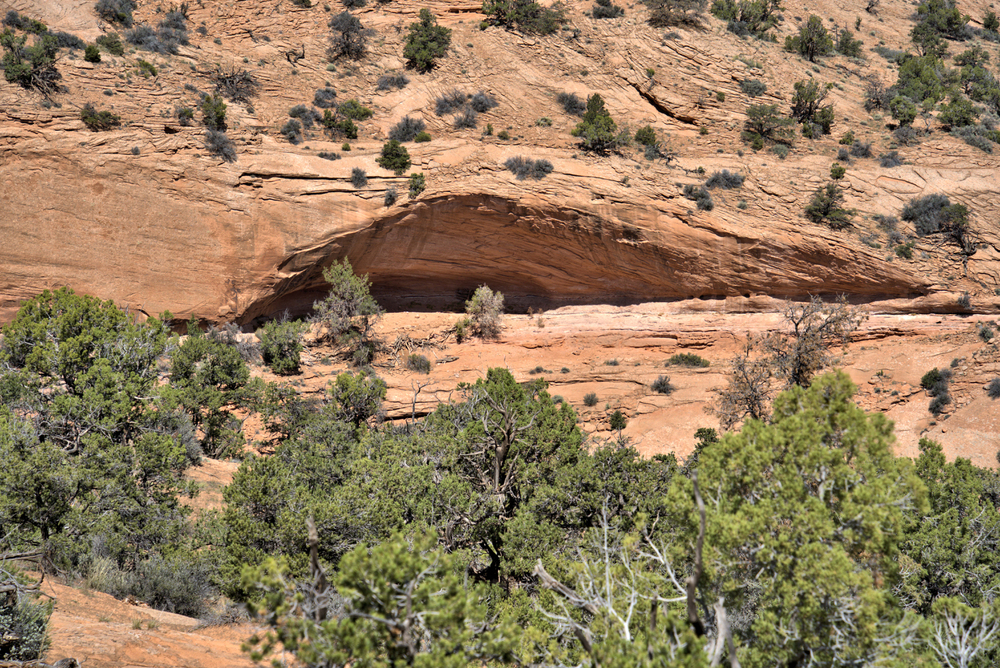
Three well-preserved cliff dwellings hide within this monument’s boundaries, though only Betatakin remains accessible to visitors through ranger-led tours. The Sandal Trail offers the easiest approach—a paved 1.3-mile round-trip that ends at an overlook where you can peer across Betatakin Canyon at the 135-room dwelling tucked into a massive alcove 450 feet high and 370 feet across.
For a closer encounter, join the strenuous five-mile guided hike that descends into the canyon and approaches the dwelling itself, built by Ancestral Puebloans between 1267 and 1286. The site preserves not just ancient architecture but also the spiritual connections that modern Hopi, Zuni, and Navajo people maintain with these ancestral places.
Keet Seel
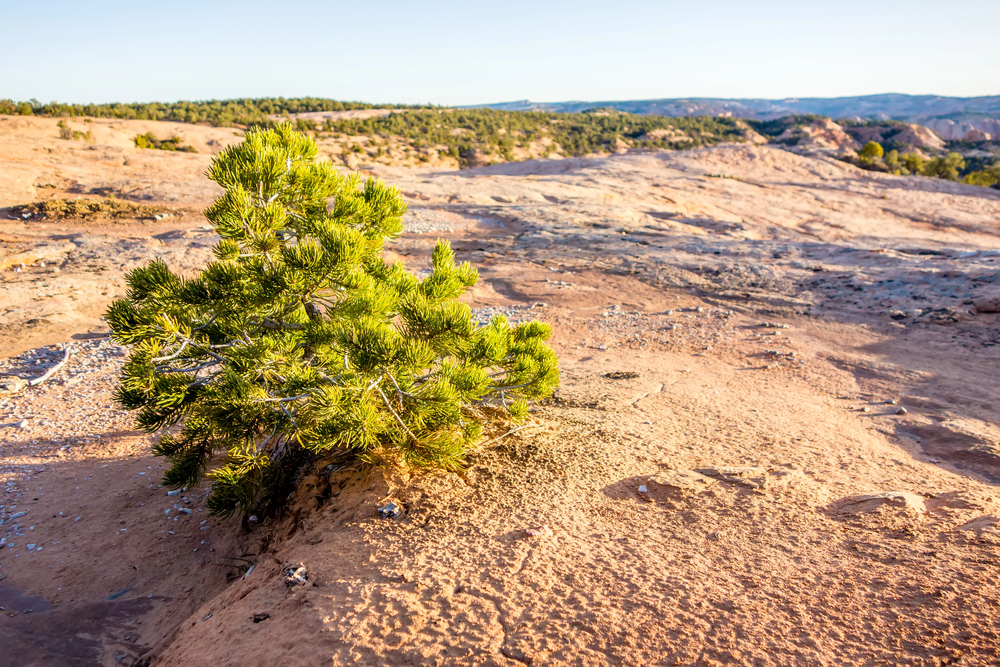
Getting to this largest and best-preserved cliff dwelling in the Southwest requires serious commitment—a 17-mile round-trip hike through Tsegi Canyon that includes multiple stream crossings, steep switchbacks, and enough elevation change to test your endurance. Only 20 hikers per day receive permits, and you’ll need to attend a mandatory orientation session the day before your trek.
The payoff makes the journey worthwhile: 160 rooms and six kivas that housed up to 150 people at the settlement’s peak around 1270, all remarkably intact after more than seven centuries. Rangers lead small tours through the dwelling itself, where you can climb ancient ladders and walk streets that once bustled with Ancestral Puebloan families.
Hubbell Trading Post
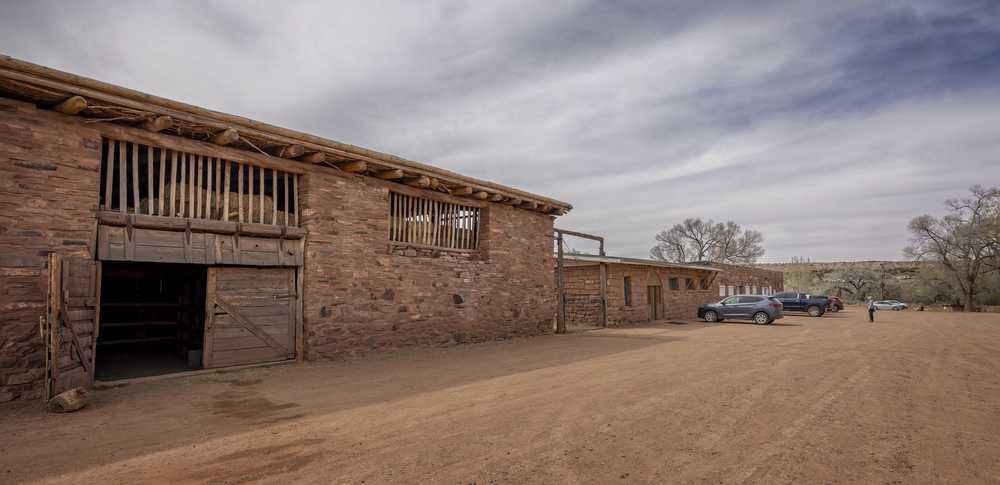
John Lorenzo Hubbell opened this trading post in 1878, and it’s been conducting business continuously ever since—making it the oldest operating trading post on the Navajo Nation. Walking through the squeaky wooden floors of the ‘bullpen’ feels like stepping into frontier history, with rugs stacked floor-to-ceiling, silver jewelry glinting in display cases, and the same basic layout that welcomed traders 140 years ago.
The Western National Parks Association now operates the post, maintaining the Hubbell family’s tradition of fair dealing and support for Navajo artists. Beyond the trading post itself, you can tour the Hubbell family homestead with its barn, chickens, Navajo Churro sheep, and the hilltop cemetery where John Lorenzo Hubbell rests alongside his Navajo friend Many Horses.
Window Rock
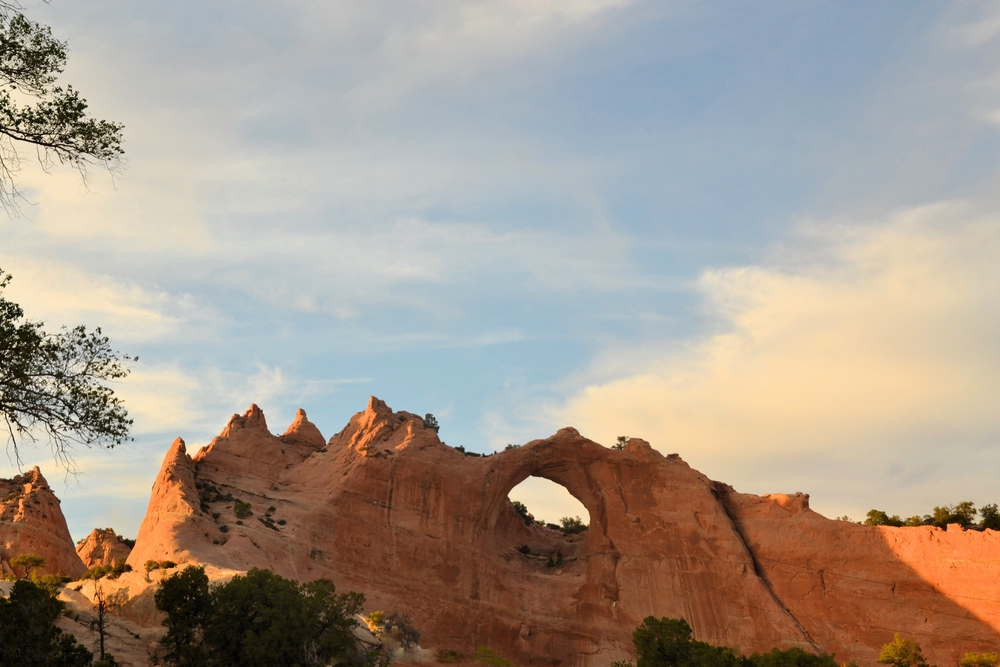
The graceful sandstone arch that crowns the Navajo Nation’s capital served as a sacred site long before government buildings sprouted beneath it—medicine men once collected ceremonial water from a pool below the 200-foot formation. The tribal park at the base of the arch now includes a Veterans Memorial honoring Navajo Code Talkers, whose unbreakable communications code helped the Allies win World War II in the Pacific theater.
A bronze statue depicts a Code Talker with his 32-pound radio, surrounded by steel pillars inscribed with veterans’ names and a healing sanctuary for quiet reflection. The arch itself remains off-limits to climbing, preserving both the formation’s physical integrity and its spiritual significance to the Navajo people.
The Mittens
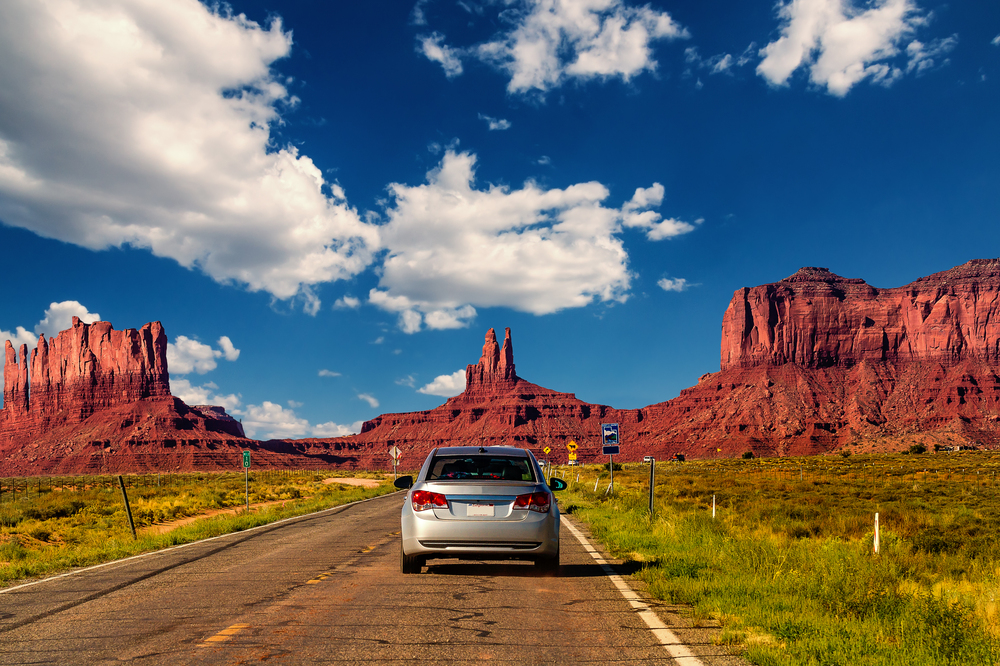
These twin buttes stand like giant hands of stone reaching toward the sky, their ‘thumbs’ pointing inward when viewed from the south—a formation so iconic that it’s become virtually synonymous with Monument Valley itself. The East and West Mittens form a triangle with nearby Merrick Butte, creating the classic vista that greets visitors at the Monument Valley Visitor Center.
You’ll spot the Mittens from multiple points along the valley loop drive, and they’re particularly photogenic during golden hour when low-angle sunlight illuminates the red sandstone. Navajo tradition views these formations as the hands of a deity, adding layers of spiritual meaning to their already impressive physical presence.
John Ford’s Point
The legendary director chose this promontory for filming because it offers one of the most sweeping panoramas in Monument Valley—a vista so perfect that it’s been featured in classics like ‘Stagecoach’ and ‘The Searchers.’ The overlook sits along the valley loop drive, providing easy access to views that stretch across the desert floor to distant buttes and mesas.
A traditional Navajo hogan, often with a mounted rider in traditional dress, creates photo opportunities that connect past and present. The point’s name honors Ford’s role in bringing Monument Valley to worldwide fame, though the land and its stories belong firmly to the Navajo families who’ve lived here for generations.
White House Ruins Overlook
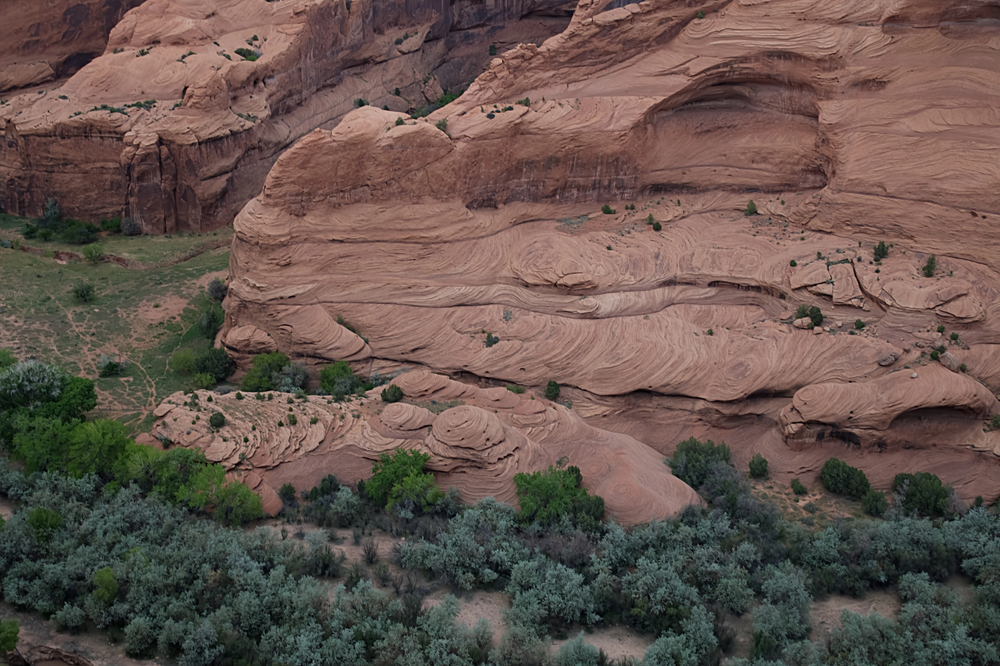
The South Rim Drive of Canyon de Chelly leads to this overlook, where you can gaze down at one of the canyon’s most photographed dwellings—a multi-story structure built both on the canyon floor and tucked into the cliff face above. The ruins get their name from the white plaster that once covered the upper dwelling’s walls, still visible today against the red sandstone backdrop.
The overlook trail itself remains closed for safety concerns, but the rim viewpoint still provides clear sightlines to this Ancestral Puebloan village that thrived here between 1060 and 1275. Bring binoculars or a zoom lens to appreciate the architectural details from your perch 550 feet above the canyon floor.
Mummy Cave Overlook
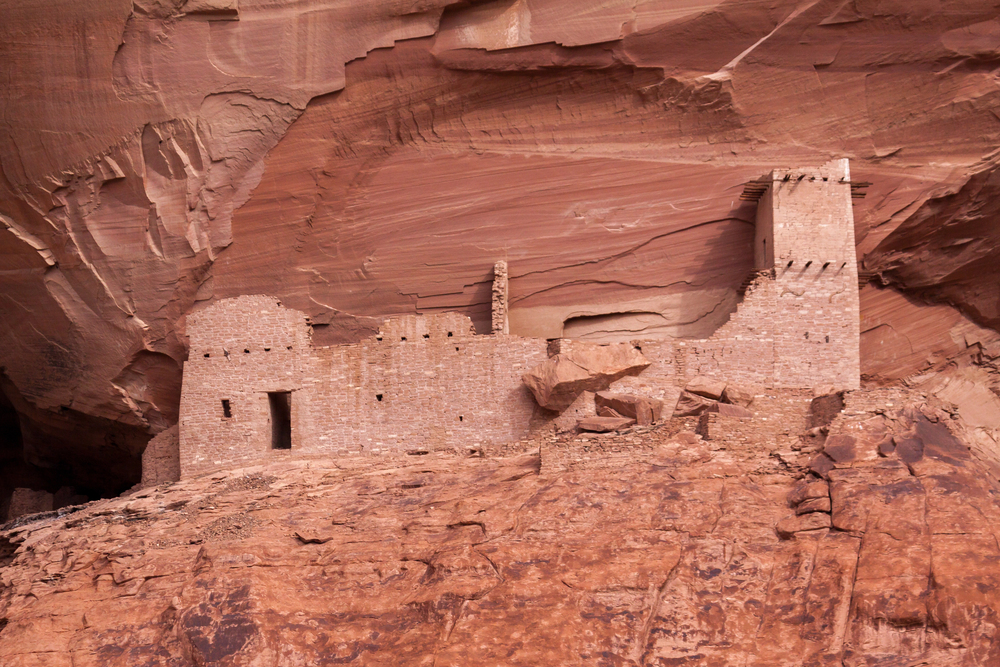
— Photo by phil_bird
This sprawling ruin stretches across three alcoves in Canyon del Muerto, representing nearly a thousand years of continuous occupation by Ancestral Puebloans. The eastern alcove contains a distinctive three-story tower whose purpose still puzzles archaeologists—defensive lookout or ceremonial space remains debated.
The site earned its name when 1880s archaeologists discovered two mummies in deteriorating burial cists below the ruins, leading expedition leader James Stevenson to christen the entire side canyon ‘Canyon del Muerto’ or Canyon of the Dead. Much of the original plaster still clings to the dwelling’s walls, a testament to the dry climate and protective overhang that have preserved this site better than most.
Three Sisters
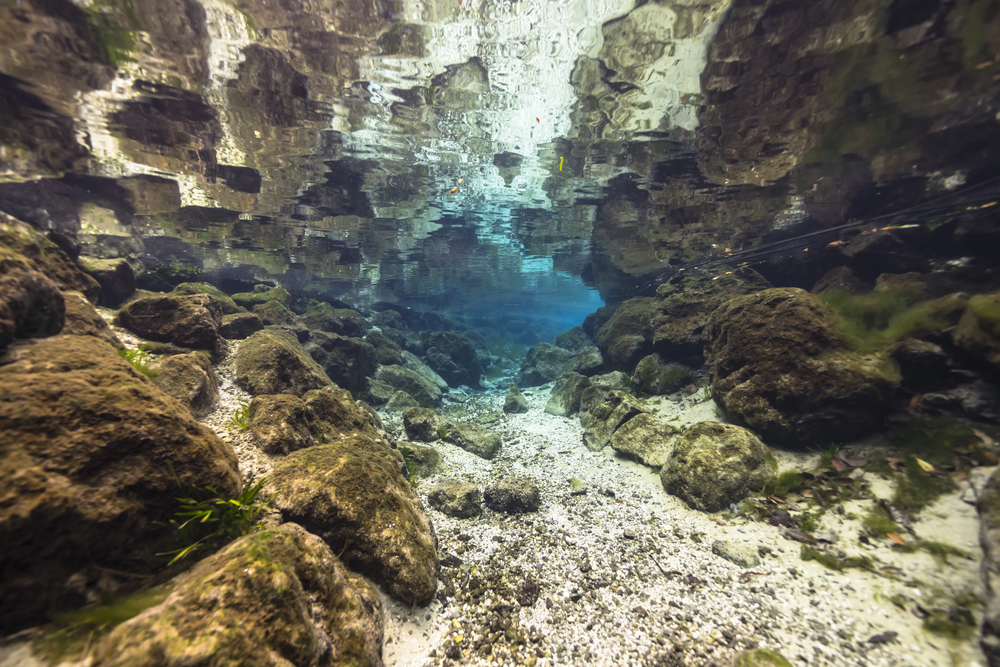
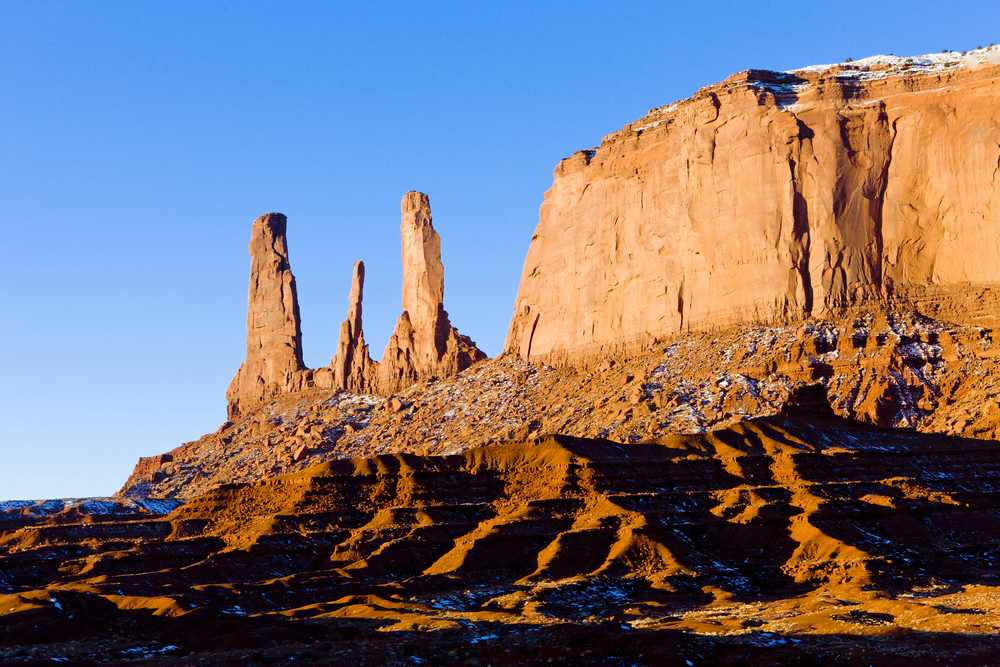
Their name, which alludes to their alleged resemblance to three nuns standing together, comes from the fact that three thin sandstone spires rise side by side from the valley floor, resembling figures in long robes. The Three Sisters method of co-planting corn, beans, and squash, which Navajo farmers have used for centuries, is linked to the formation, which has deep cultural significance in Navajo tradition.
This formation can be seen along the loop drive in Monument Valley, where it is one of the more noticeable spires amid a landscape full of amazing geology. The spires look stunning in photos at any time of day, but their vertical drama is highlighted by side lighting at sunrise or sunset.
Totem Pole
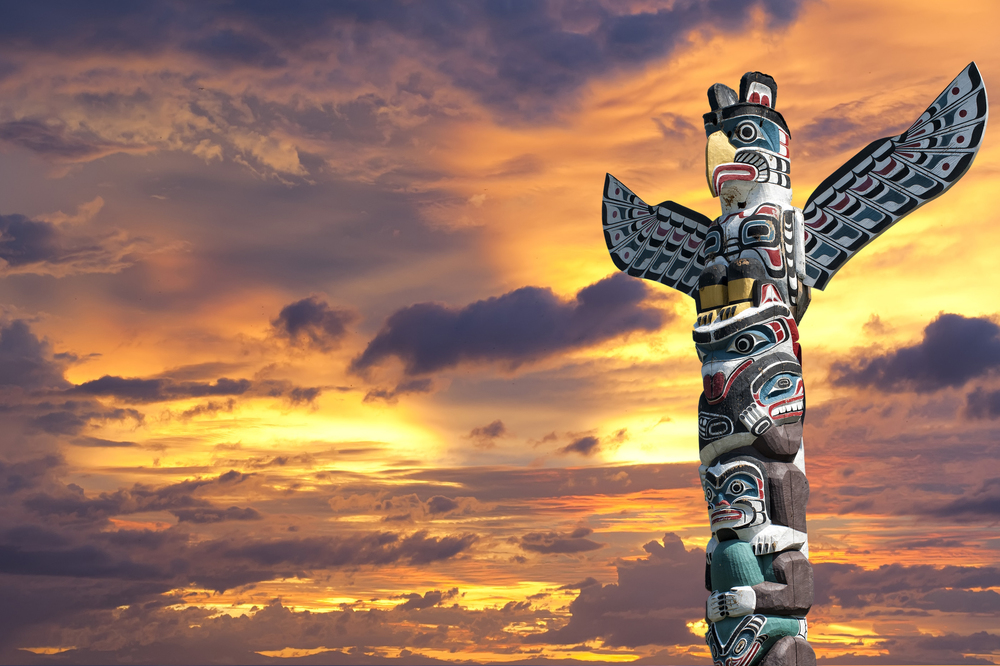
This impossibly thin 450-foot spire rises from the valley floor like a needle pointing at the sky, so narrow that it seems to defy gravity with every passing windstorm. The formation gained fame when Clint Eastwood climbed it in the 1975 film ‘The Eiger Sanction,’ though actual climbing is now prohibited to protect both the fragile rock and its cultural significance.
The Totem Pole sits near another prominent formation called Yei Bi Chei, creating a dramatic pairing that can only be accessed through guided Navajo tours into the backcountry beyond the public loop drive. The formations’ names connect to Navajo ceremonial traditions, reminding visitors that these aren’t just geological curiosities but sacred features in a living spiritual landscape.
Respecting The Land That Sustains A Nation
The locations mentioned above are not only appreciated by tourists, but they continue to be a part of the Navajo life, religion, and identity in 2025 just as they have been for many generations. When you go to these places, your behavior either respects or disrespects the culture that has cared for these areas for centuries.
This means observing the rules that indicate where you are allowed to go, hiring Navajo guides when required, buying directly from Native artisans when possible, and being mindful that you are a visitor on someone else’s land. The Navajo Nation allows access to these remarkable sites as a gesture of goodwill; showing real respect will keep these wonders open for the next generation of travelers and, at the same time, will be a benefit to the tribes living on the land.
More from Travel Pug

- Underrated Italian Towns That Beat the Tourist Crowds
- Las Vegas Tourist Traps to Skip
- Prettiest Towns in Every US State
- 18 passport-free countries for Americans
- Signs Your Cruise Is Not Worth The Cost
Like Travel Pug’s content? Follow us on MSN.