

Florida’s coastline tells a story of conquest, conflict, and colonial ambition spanning over 450 years. From the Spanish who first claimed this land to the British, back to the Spanish, and finally to the Americans, each power left behind fortifications that still stand today.
These aren’t just piles of old stones—they’re time capsules where you can walk the same ramparts soldiers once patrolled, peer through gun ports aimed at long-vanished enemies, and imagine the boom of cannons echoing across the water.The Sunshine State boasts more historic forts than almost any other state, which makes sense when you consider its strategic position guarding shipping lanes, harbors, and the entrance to the Gulf of Mexico.
Here is a list of 15 historic forts in Florida worth exploring.
Castillo de San Marcos
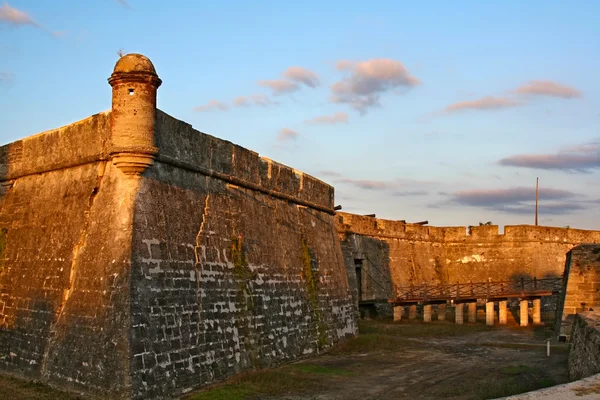
This massive stone fortress in St. Augustine is the oldest masonry fort in the continental United States, with construction beginning in 1672. The Spanish built it from coquina, a unique local limestone made of compressed shells that actually absorbed cannonballs rather than shattering under impact—a happy accident of geology that saved the fort during multiple sieges.
You can explore the gun deck, peer into the dark powder magazine, and watch reenactors fire replica cannons that’ll make your chest vibrate.
Fort Jefferson
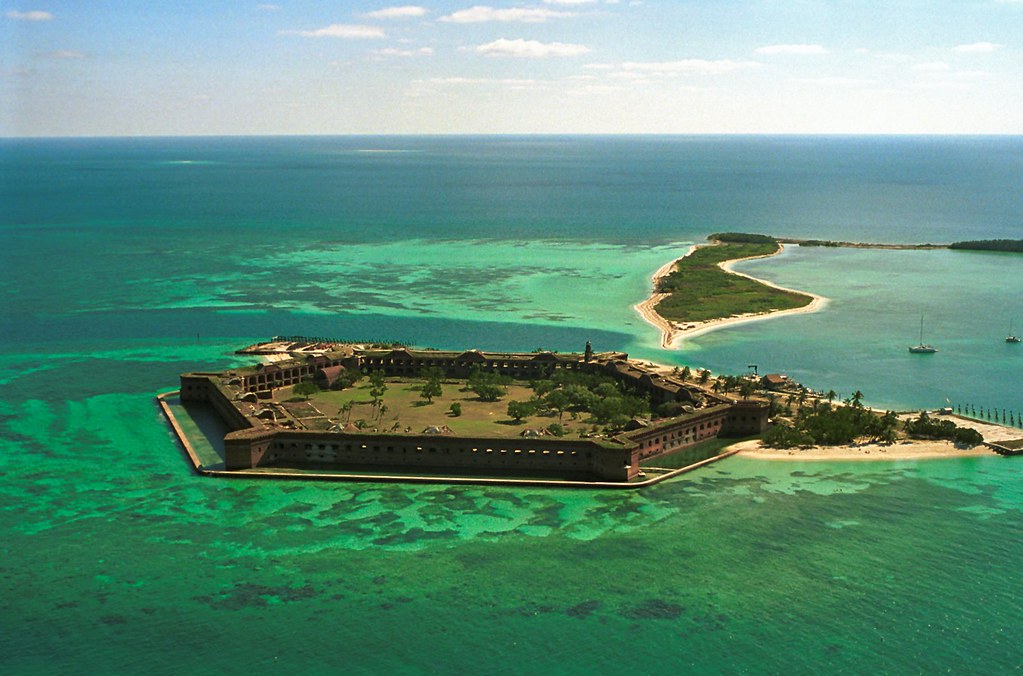
Sitting 70 miles west of Key West in the Dry Tortugas, this hexagonal giant is the largest brick masonry structure in the Americas, with over 16 million bricks. The U.S. started building it in 1846 to control the Gulf of Mexico and the straits to Cuba, but the fort was never actually finished or fully armed despite 30 years of construction.
Dr. Samuel Mudd, the physician who set John Wilkes Booth’s broken leg after Lincoln’s assassination, served four years of hard labor here before earning a pardon for helping during a yellow fever outbreak.
Fort Pickens
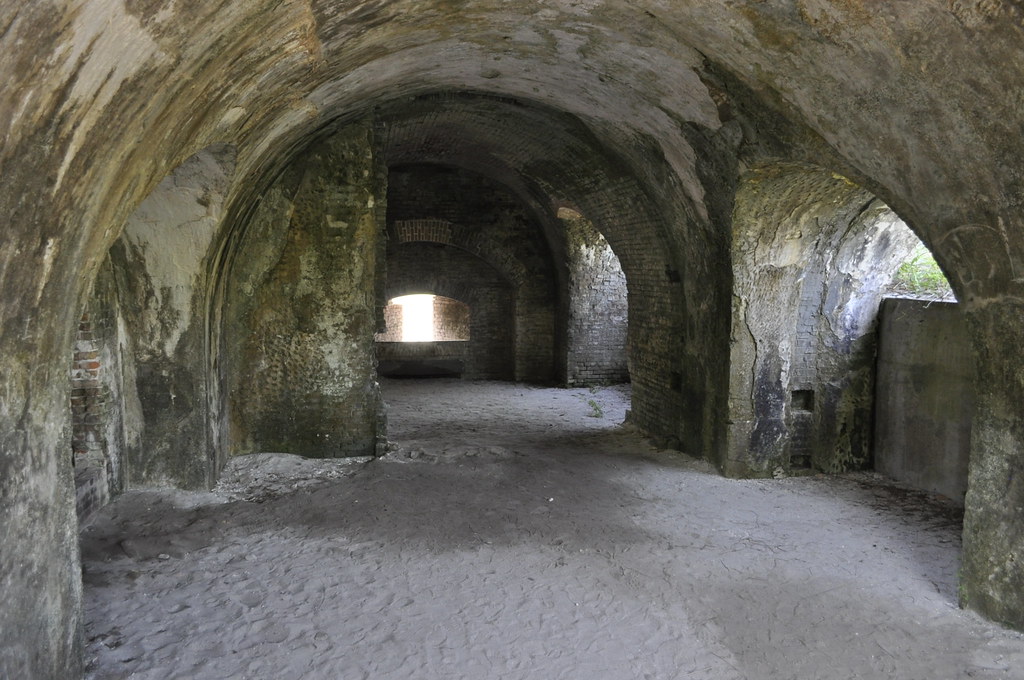
This pentagonal fort on Santa Rosa Island near Pensacola went up between 1829 and 1834 as part of America’s coastal defense system. Unlike most Southern forts, it remained in Union hands throughout the entire Civil War and even held the famous Apache leader Geronimo as a prisoner from 1886 to 1888.
The fort’s massive walls and dark corridors feel genuinely eerie, especially in the underground rooms where you can still see original graffiti left by soldiers over a century ago.
Fort Clinch
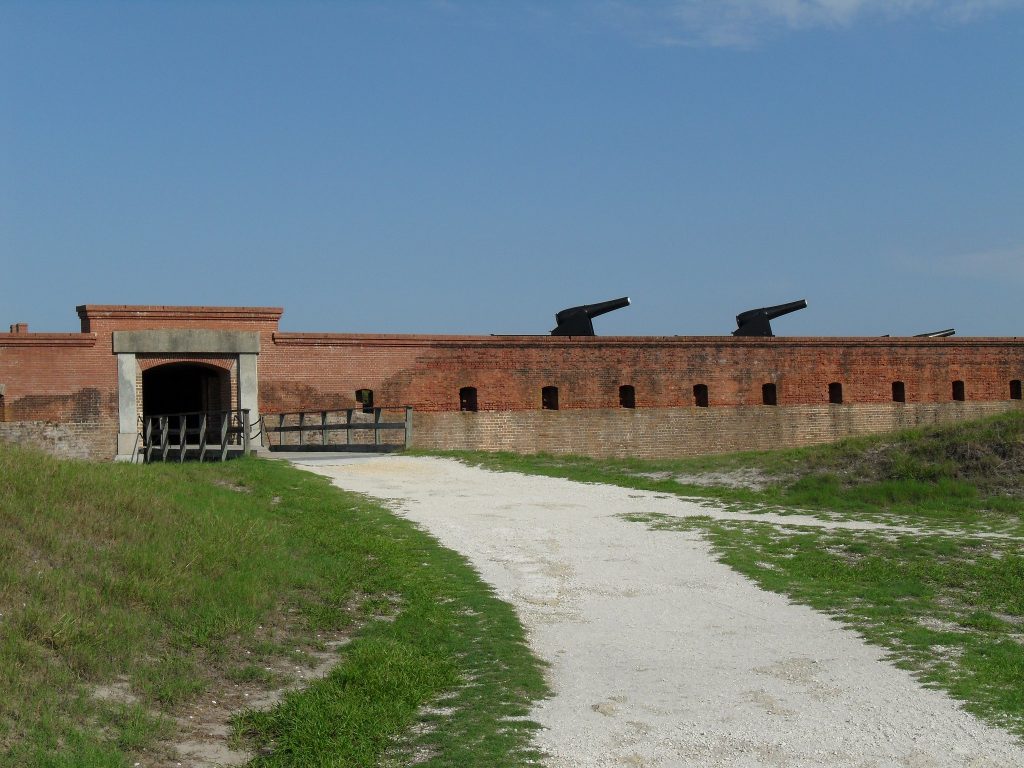
Named after General Duncan Lamont Clinch, who fought in the Seminole Wars, this five-sided brick fort on Amelia Island was started in 1847 but never completely finished. Confederate troops briefly occupied it in 1861 before abandoning it to Union forces, who used it as a base for the blockade of Southern ports.
Today it’s one of the best-preserved 19th-century forts in the country, with staff in period uniforms recreating garrison life so convincingly you half expect them to ask you for the password.
Fort Zachary Taylor
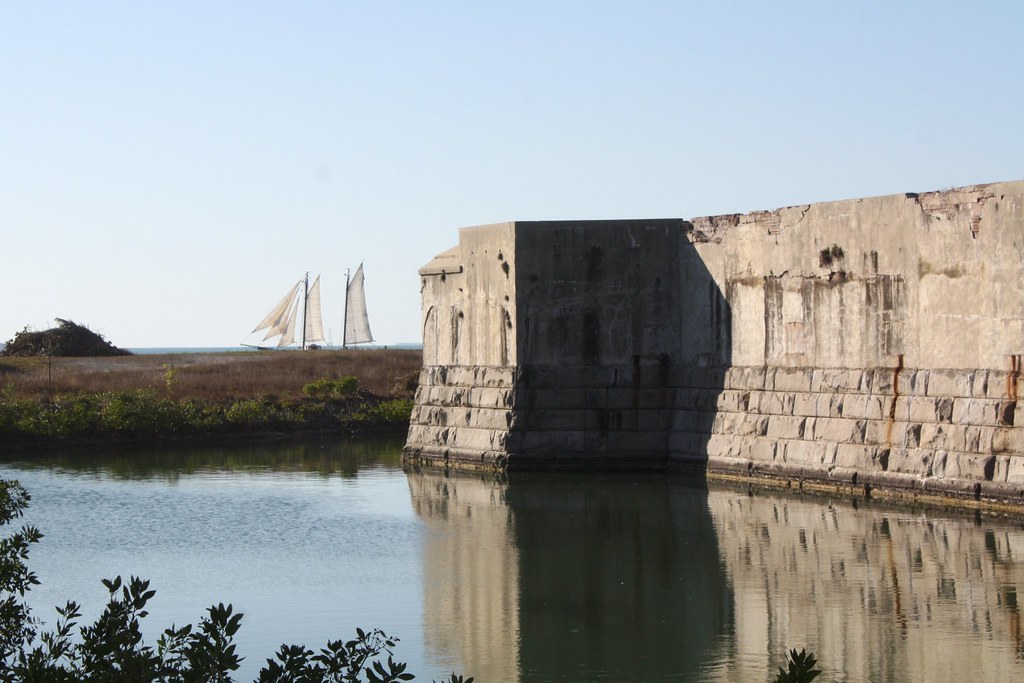
Key West’s main defensive position from 1845 onwards, this fort played a crucial role in the Union’s blockade of Confederate shipping despite Florida being a Confederate state. The fort held the Civil War’s largest collection of cannons and weapons, many of which were buried and forgotten until archaeologists rediscovered them in 1968.
The beach on the fort’s grounds consistently ranks among America’s best, which means you can combine history lessons with some quality beach time.
Fort De Soto
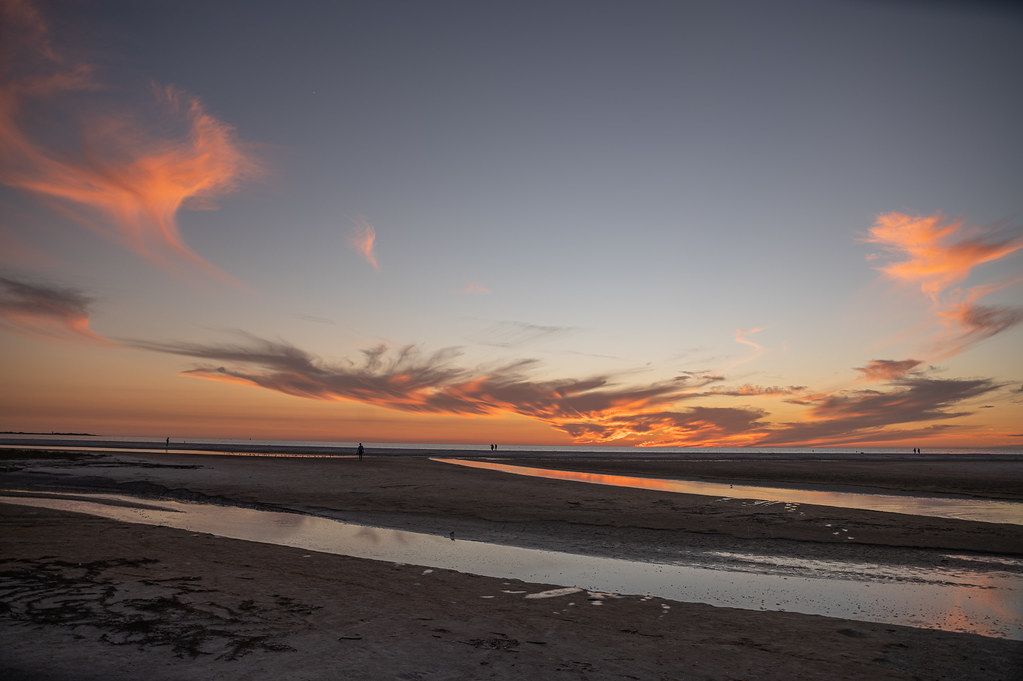
Built on Mullet Key at the mouth of Tampa Bay between 1898 and 1906, this fort represented the military’s shift to modern concrete construction and disappearing gun carriages. The fort never saw combat but served as a training facility during World War I and a harbor defense post during World War II.
Four of the original 12-inch mortars still sit in their original positions, aimed out toward the shipping channel they once protected.
Fort Matanzas
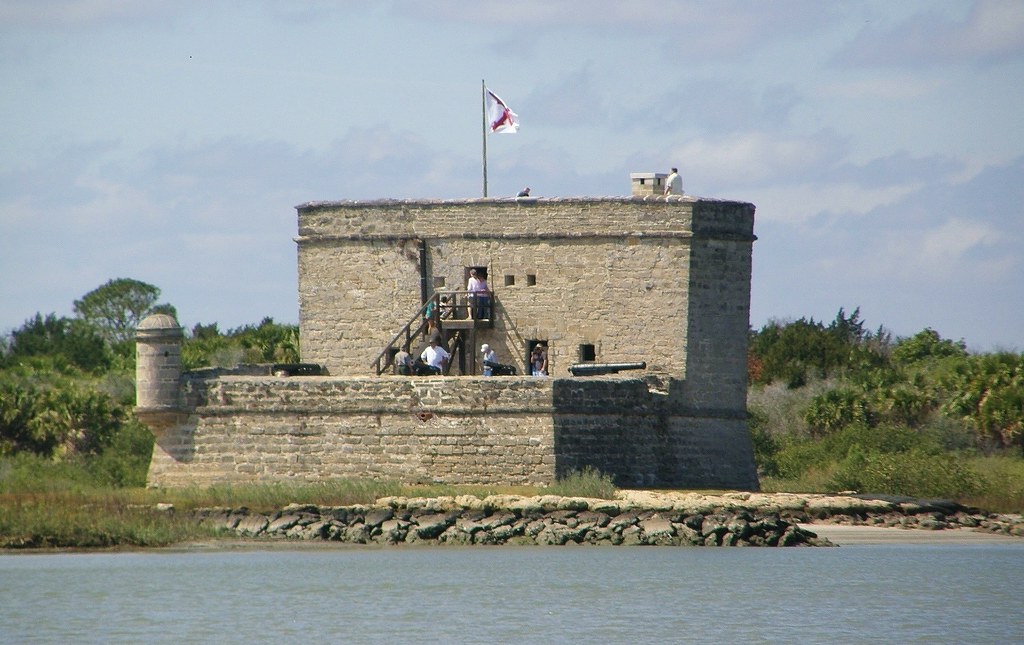
The Spanish constructed this small stone watchtower in 1742 on Rattlesnake Island, about 14 miles south of St. Augustine, after the British nearly snuck up on the city through the Matanzas Inlet. The name translates to ‘slaughters’ in Spanish, referring to an event in 1565 when the Spanish massacred French soldiers at this spot.
You need to take a free ferry to reach the fort, and once there, you can climb to the gun deck for views of the inlet and Atlantic Ocean.
Fort Mose
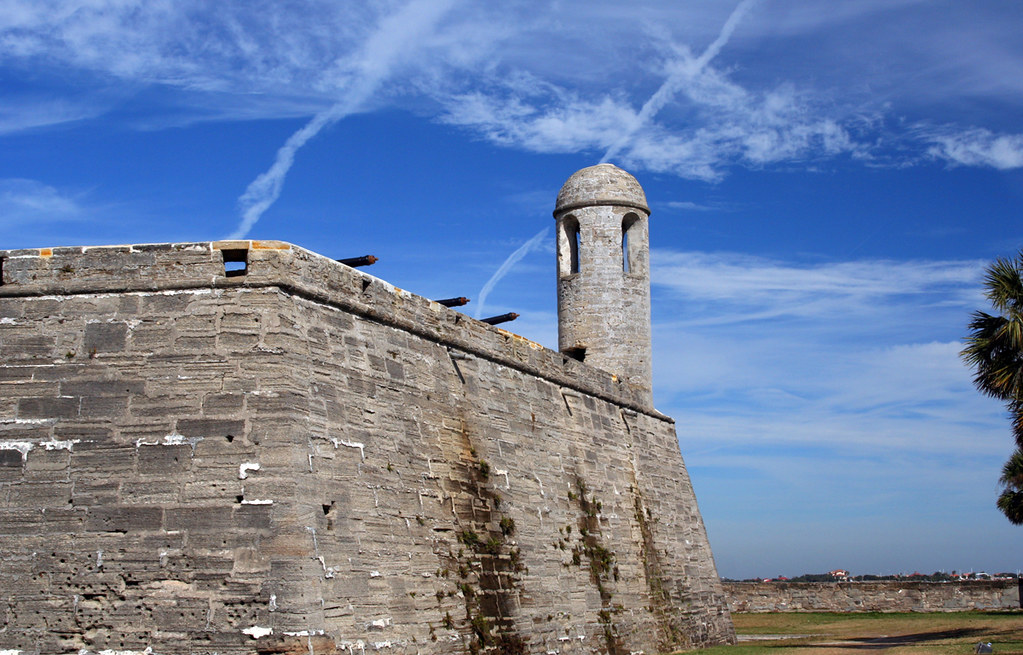
Established in 1738 just north of St. Augustine, this fort holds massive historical significance as the first free African settlement in what would become the United States. The Spanish offered freedom to enslaved people who escaped from British colonies and converted to Catholicism, and Fort Mose became their armed community.
Though the original wooden fort is long gone, the site includes a museum and reconstructed earthworks that tell this often-overlooked chapter of American history.
Fort Barrancas
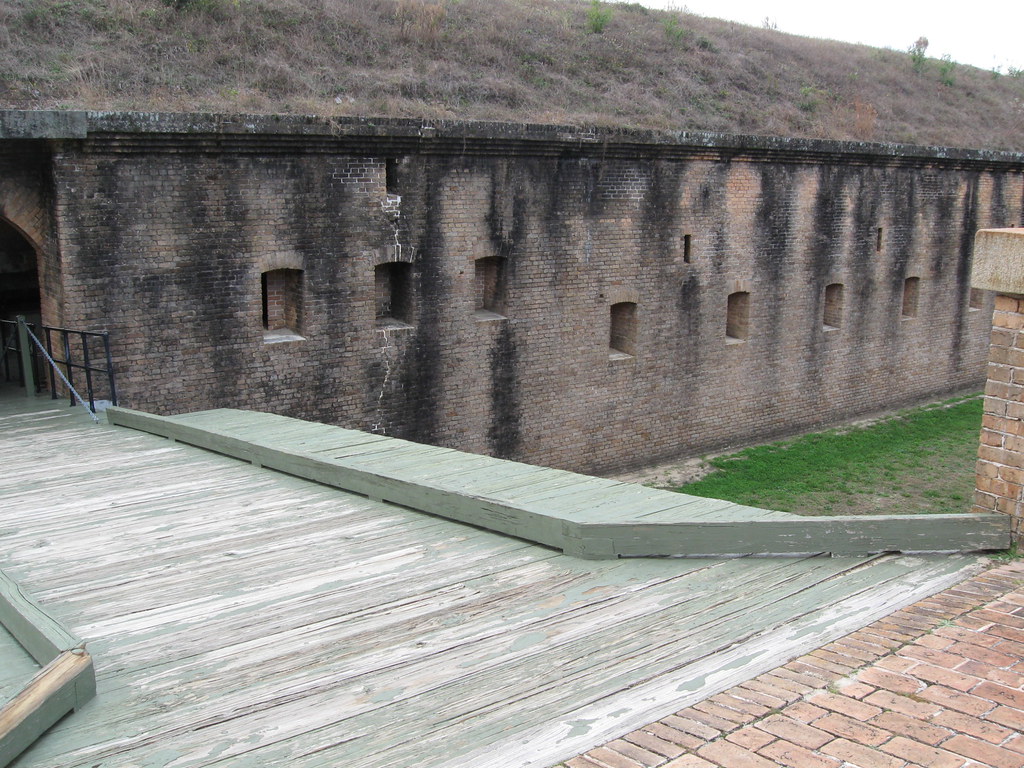
Perched on a bluff overlooking Pensacola Bay, this fort actually represents three different defensive positions built between 1797 and 1844 by the Spanish, British, and Americans. The current brick structure dates to the 1840s and includes a water battery at sea level connected to the main fort by a tunnel and a covered walkway.
The fort’s design showcases the transition between old-style fortifications and modern defensive architecture, with both traditional walls and earth-covered structures meant to absorb artillery fire.
Fort Caroline
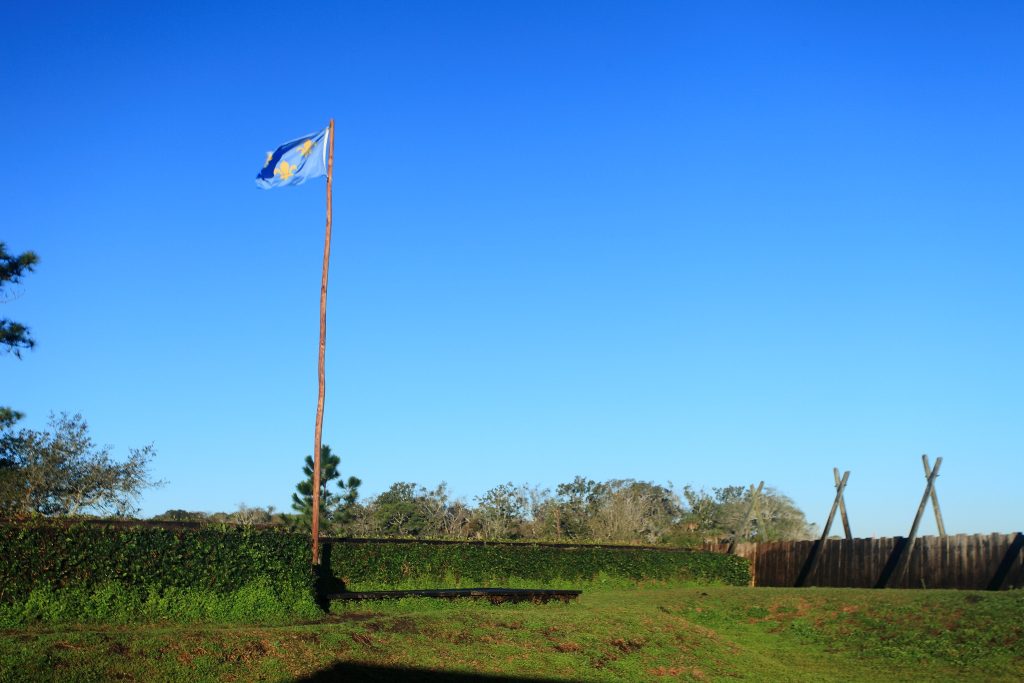
The French built the original Fort Caroline in 1564 near the mouth of the St. Johns River in Jacksonville, making it one of the earliest European settlements in Florida. Spanish forces under Pedro Menéndez de Avilés wiped out the French garrison in 1565, and the Spanish then occupied and rebuilt the fort.
What you’ll see today is a 1960s reconstruction about one-third the size of the original. Still, it gives you a solid idea of 16th-century military architecture and the brutal early competition for control of Florida.
Fort Cooper
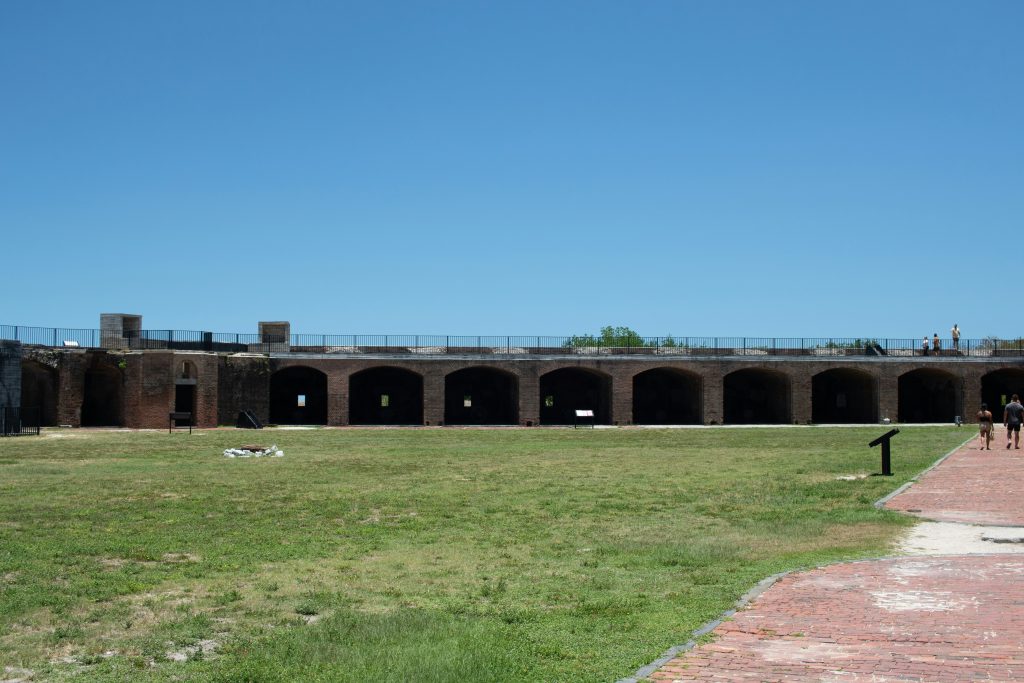
This Second Seminole War fortification near Inverness started as a temporary camp in 1836 when a company of Alabama volunteers got pinned down by Seminole warriors for several days. The soldiers built log breastworks and dug a well that still exists, and they held out until reinforcements arrived.
The fort site is now a state park with a small interpretive center and trails through the hammock forest where the siege took place.
Fort Foster
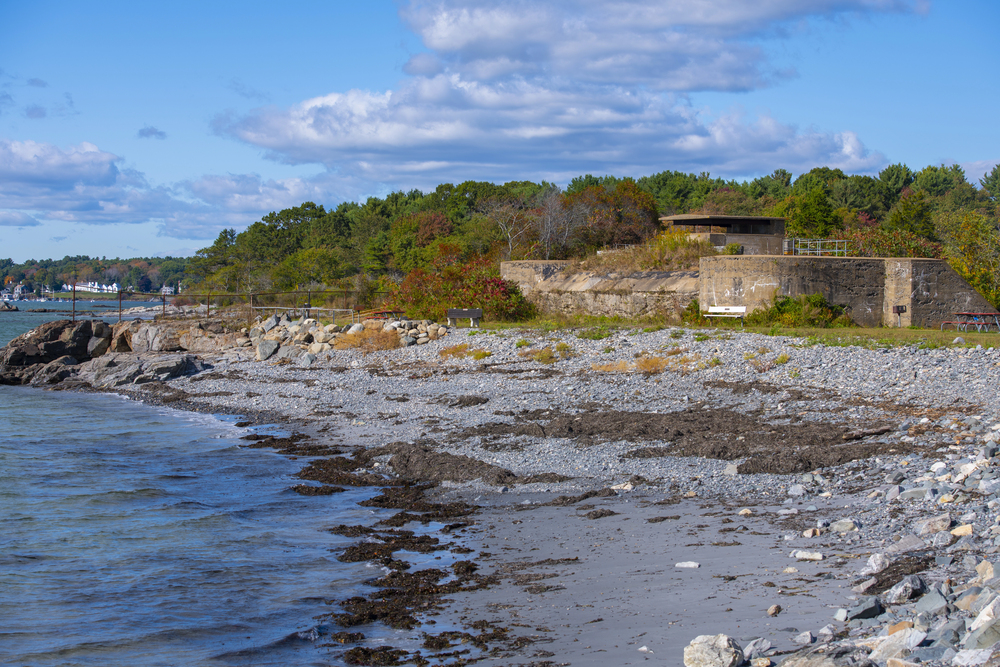
Built in 1836 during the Second Seminole War on the east bank of the Hillsborough River, this timber fort served as a supply depot and staging area for military operations. Named after Lieutenant Edward Foster, who died defending the fort, the original structure is gone, but the site includes interpretive displays explaining its role in the conflict.
The location near the river made it strategically important for moving troops and supplies into Florida’s interior during the Second Seminole War.
Fort Christmas
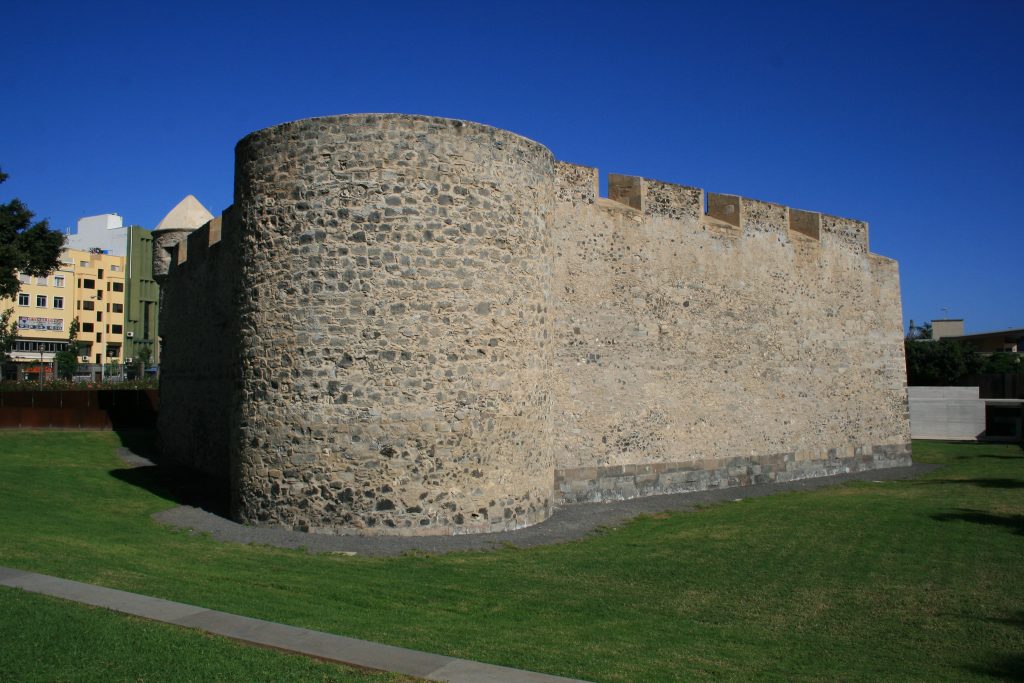
Established on December 25, 1837, this Second Seminole War fort in eastern Orange County earned its festive name from the date of construction rather than any holiday cheer. The original pine log stockade protected settlers and served as a supply point during military campaigns against the Seminole.
A replica fort built in the 1970s includes period buildings and a museum displaying frontier life and military equipment from the 1830s.
Fort Dade
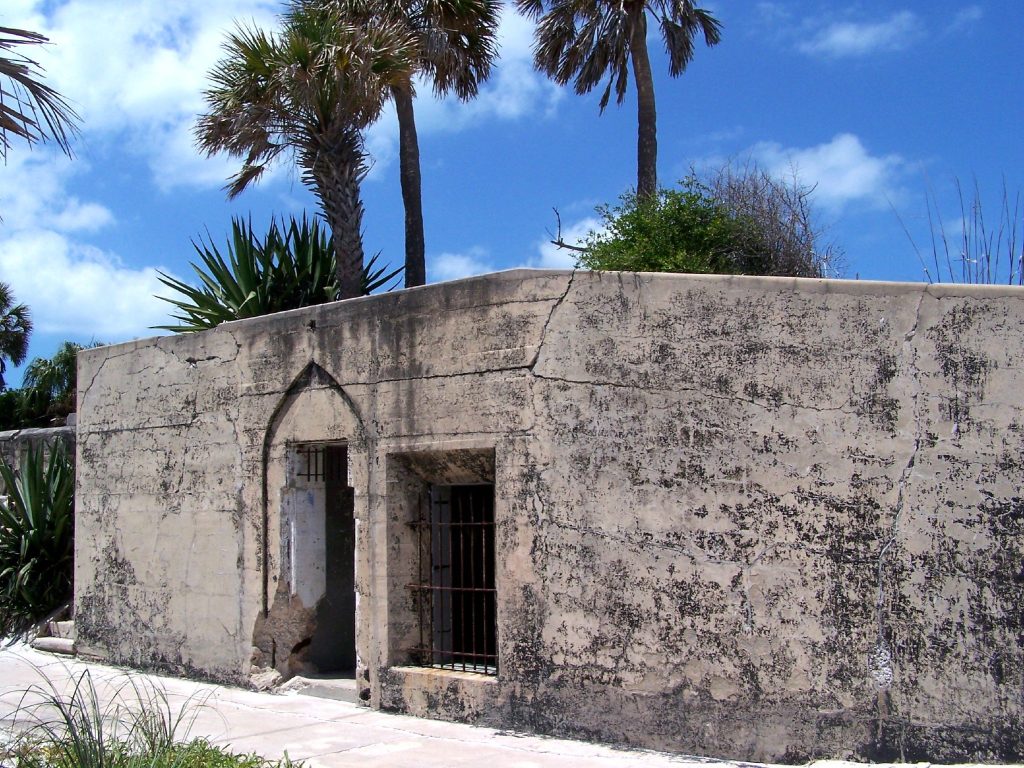
This brick and concrete fortification on Egmont Key at the entrance to Tampa Bay went up between 1898 and 1906, following the same coastal defense plans that created Fort De Soto. The fort housed over 300 troops during the Spanish-American War and included a lighthouse that still operates today.
Most of the buildings are now ruins, gradually being reclaimed by vegetation and beach erosion, giving the island an abandoned, end-of-the-world atmosphere that’s cool to explore.
Fort King
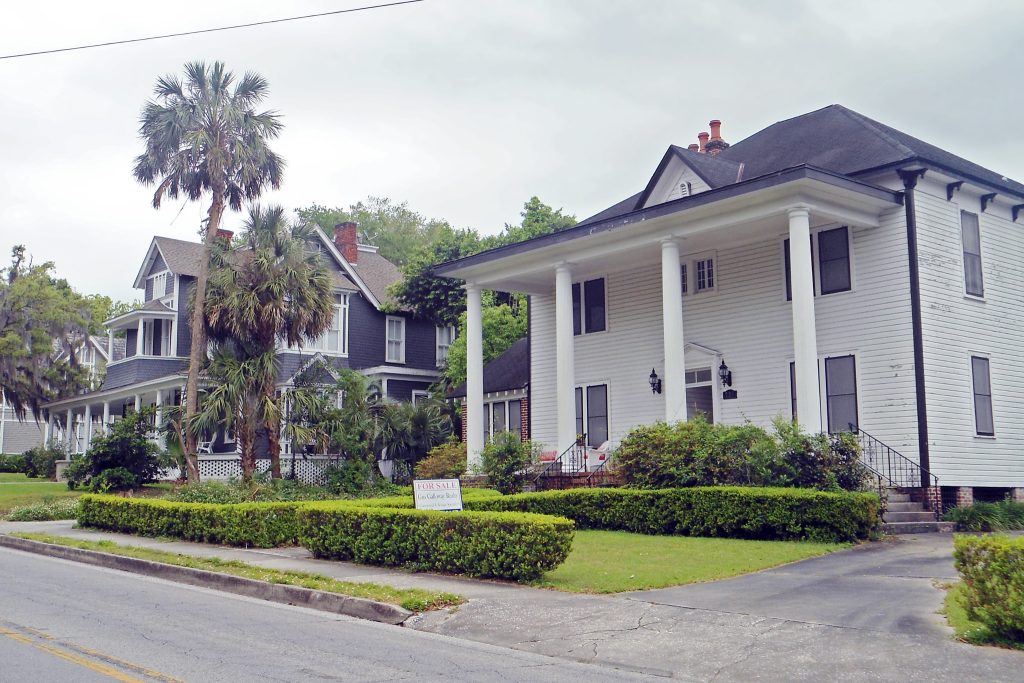
The U.S. Army established this installation in 1827 near present-day Ocala as headquarters for the Indian Agency that dealt with the Seminole. The fort gained notoriety as the starting point of the Second Seminole War when Major Francis Dade and his column of 110 soldiers left here in December 1835, heading for Fort Brooke in Tampa—they were ambushed and nearly wiped out in what became known as the Dade Massacre.
Though the original structures are gone, a reconstruction and heritage park mark the site and interpret this volatile period in Florida’s history.
From cannons to cameras
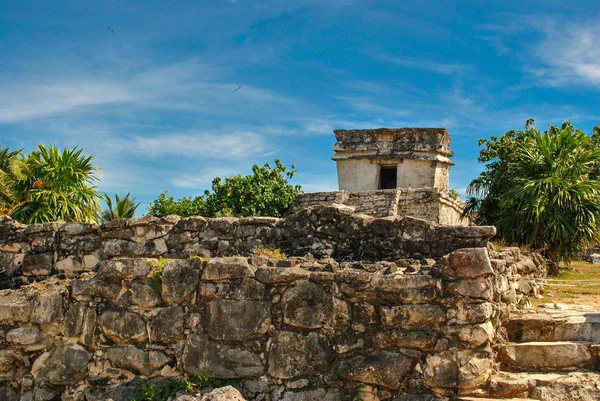
These fortifications mapped out centuries of conflict that shaped Florida from a contested frontier into a state, and the evolution of military architecture they represent stretches from medieval-style castles to modern concrete bunkers. Walking through them connects you to soldiers who sweated through Florida summers in wool uniforms, sailors who watched for enemy ships on the horizon, and prisoners who counted days on cell walls.
The forts remain standing not just as tourist attractions but as reminders that Florida’s beaches and theme parks sit on ground that was once fiercely fought over, and the people who built and defended these walls helped write the story of who got to call this place home.
More from Travel Pug

- Underrated Italian Towns That Beat the Tourist Crowds
- Las Vegas Tourist Traps to Skip
- Prettiest Towns in Every US State
- 18 passport-free countries for Americans
- Signs Your Cruise Is Not Worth The Cost
Like Travel Pug’s content? Follow us on M