
Travel insurance is a safety net, a form of protection that enables you to board an aircraft with confidence.
You believe it will save the day when things go wrong — covering everything from lost luggage to unexpected medical bills.
Yet hundreds of tourists discover annually that their policy contains more gaps than cover, and they’re left with bills they assumed would be paid for.
The devil is in the details, and insurance companies have mastered fine print that protects their bottom line over your vacation.
Here are 15 warning signs that your travel insurance will leave you hanging when you need it most, and what creates those feared claim denials.
Adventure sports aren’t included

Regular travel insurance covers your proposed bungee jumping or scuba diving adventure as if you were trying to BASE jump off Mount Everest.
These policies actually exclude what insurers refer to as “high-risk activities” — which might include surprisingly low-key activities such as skiing, snorkeling, or just taking a moped ride.
You’ll have to have specialized coverage or policy riders that list these activities; otherwise, that shattered leg from a ski accident is your problem and yours alone.
Alcohol was involved

That harmless piña colada with lunch might ruin your whole case if you end up needing medical care or getting into an accident later.
Insurance adjusters look at police reports and doctors’ records for any indication of intoxication, and one drink can be sufficient cause for denial if they find it was the cause of your accident.
The bar for “intoxication” is different from company to company, but it’s almost never where you’d think it would be.
You’re missing key documents

Asking for a claim with no receipts, police reports, or medical records is like appearing in court with no evidence.
Insurance providers need a lot of documentation to confirm your loss did happen and was for the amount you’re claiming, yet most travelers think an explanatory email will be enough.
That hotel you had to leave because of a hurricane needs a formal notice of closure, and that camera you had stolen needs a police report 24 hours after the theft in most jurisdictions.
The fine print wasn’t read
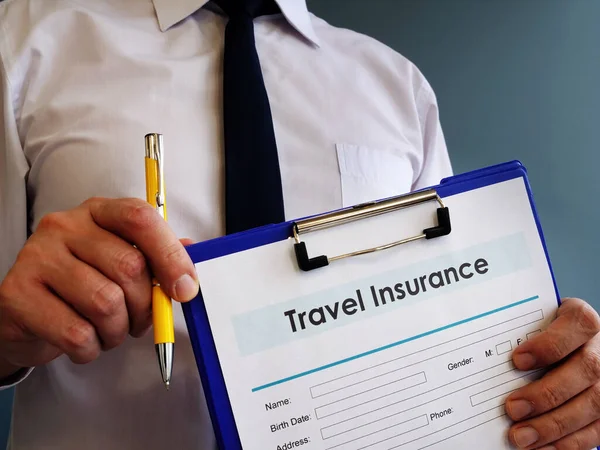
Travel insurance policies run 20–30 pages of dense legal language that practically begs to be ignored, though buried within those paragraphs are the exact circumstances that void your coverage.
Travelers routinely discover too late that their “comprehensive” policy excludes the scenario they’re experiencing, whether it’s a specific illness, a particular type of travel delay, or coverage limits far below their actual costs.
Reading the full policy document feels tedious, but it’s the only way to know what you purchased.
Wrong coverage type selected

Buying basic medical coverage when you need trip cancellation protection is like bringing a knife to a gunfight.
Insurance comes in multiple flavors — medical-only, trip cancellation, comprehensive, and cancel-for-any-reason — and choosing the wrong type leaves obvious gaps despite spending money on a policy.
Many travelers grab the cheapest option without understanding that “travel insurance” isn’t a one-size-fits-all product.
Credit card coverage seemed sufficient

Credit cards offer travel protections that sound impressive in the promotional materials, but these benefits typically come with significant limitations and exclusions.
Coverage might only apply if you charged the entire trip to that specific card, or it might exclude common scenarios like trip cancellations due to work obligations.
Relying solely on credit card benefits without understanding the fine print leaves many travelers underinsured and overconfident.
Claims weren’t filed promptly

Insurance companies impose strict deadlines for claim submissions — often 20–90 days after an incident — and reject late filings without much sympathy.
Many travelers wait until after their trip to deal with paperwork, only to discover they’ve missed the window for reimbursement entirely.
Some policies even require notification within 24–48 hours of certain events like trip cancellations or travel delays, turning a simple oversight into an expensive mistake.
Pre-existing conditions weren’t waived

Most policies automatically exclude pre-existing medical conditions unless you purchase a waiver, which typically requires buying insurance within a specific timeframe and meeting other criteria.
Travelers with any health conditions often assume they’re covered for unrelated emergencies.
Yet, insurance companies investigate medical histories thoroughly and will deny claims if they find any connection to past conditions.
That waiver costs 10%–15% of your premium, but your coverage is worthless without it.
The policy has low limits

A policy with a $10,000 medical coverage limit sounds reasonable until you need an emergency surgery abroad that costs $75,000.
Many budget policies impose caps that seem adequate until you’re facing real-world medical or trip cancellation expenses, and the difference comes straight from your pocket.
Travelers often shop by premium price rather than coverage limits, creating a false sense of security that shatters during actual emergencies.
Mental health isn’t covered

Travel insurance treats mental health issues very differently from physical ailments, with most policies explicitly excluding coverage for anxiety, depression, or panic attacks that might force you to cancel a trip.
Even if you have a documented mental health condition, the chances of getting reimbursement for related trip disruptions hover near zero.
This exclusion catches many travelers off guard, especially given how common travel-related anxiety has become.
Natural disasters were foreseeable
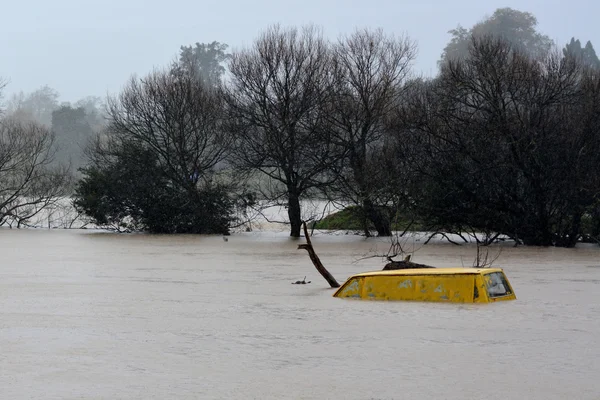
Hurricane season runs from June through November in many popular destinations.
If a storm disrupts your August Caribbean cruise, insurance companies may deem it a “foreseeable event” and deny your claim.
Once a storm forms and gets named by meteorologists, coverage for that storm typically ends since it’s now a “known event.”
The window between “unforeseeable natural disaster” and “you should have known better” can be narrow.
You didn’t seek treatment

Waiting until you return home to see a doctor about that injury sustained abroad might seem practical.
Still, it gives insurance companies an easy reason to question whether the injury happened during your trip.
Most policies require you to seek appropriate medical care during your travels and obtain documentation from foreign medical providers.
Skipping treatment might save you hassle in the moment, though it could cost you the entire claim later.
Acts of war are excluded

Political instability, civil unrest, terrorism, and military actions fall under exclusions that insurance companies enforce rigorously.
If riots break out in your destination city or a terrorist attack occurs, you might assume your policy covers evacuation or trip cancellation, but standard policies almost universally exclude these scenarios.
Specialized political evacuation coverage exists, though it’s rarely included in typical travel insurance packages.
Pandemic clauses apply

The events of 2020 transformed travel insurance overnight, with companies adding pandemic-specific exclusions that remain in effect today.
Most policies now explicitly exclude coverage for any named pandemic or epidemic, including trip cancellations due to border closures or quarantine requirements.
Some policies offer limited pandemic coverage through add-ons, but the base policies largely leave travelers exposed to disease-related disruptions.
Valuables exceed limits

That engagement ring, worth $15,000, probably isn’t covered under your travel insurance’s baggage protection, which might cap valuable items at $500 to $1,000 each.
Cameras, jewelry, electronics, and other expensive gear often require separate riders or schedulers to receive adequate coverage, while travelers assume their “baggage coverage” handles everything in their suitcase.
The difference between actual value and policy limits can be staggering.
Looking back and moving forward

The business of travel insurance relies on confusion and optimism, counting on consumers who buy policies without reading them and never make claims.
What was originally a simple idea — cover yourself against unexpected travel issues — has become an intricate web of exclusions, sub-limits, and small print that takes detective work to decipher in its entirety.
Firms have discovered that loose advertising jargon sells policies and precise exclusions preserve profits, generating an apparatus where “comprehensive coverage” can be anything but comprehensive.
Such trends did not occur by chance but through several decades of insurers sharpening their policies to reduce payments while maximizing premium income.
The disparity between what travelers anticipate and what policies really provide only grows larger, so it is more necessary than ever to approach insurance shopping as the serious financial choice that it is and not a box to check off before vacation.
More from Travel Pug

- Underrated Italian Towns That Beat the Tourist Crowds
- Las Vegas Tourist Traps to Skip
- Prettiest Towns in Every US State
- 18 passport-free countries for Americans
- Signs Your Cruise Is Not Worth The Cost
Like Travel Pug’s content? Follow us on MSN.