

Italy’s hosting of the 2026 Winter Olympics has put the country’s incredible ski scene in the global spotlight. The Games are spread across Milan and the stunning Dolomites, with venues scattered throughout northern Italy’s most spectacular mountain regions.
This creates a unique opportunity for visitors to combine watching world-class athletes compete with experiencing some of Europe’s best skiing. The resorts near Olympic venues offer everything from glacier skiing to charming alpine villages, and many are connected through the massive Dolomiti Superski network.
Whether you’re planning to attend the Games or just want to ski where champions have carved their turns, these mountains deliver unforgettable experiences. Here is a list of 15 ski resorts in Italy near the Olympics.
Cortina d’Ampezzo
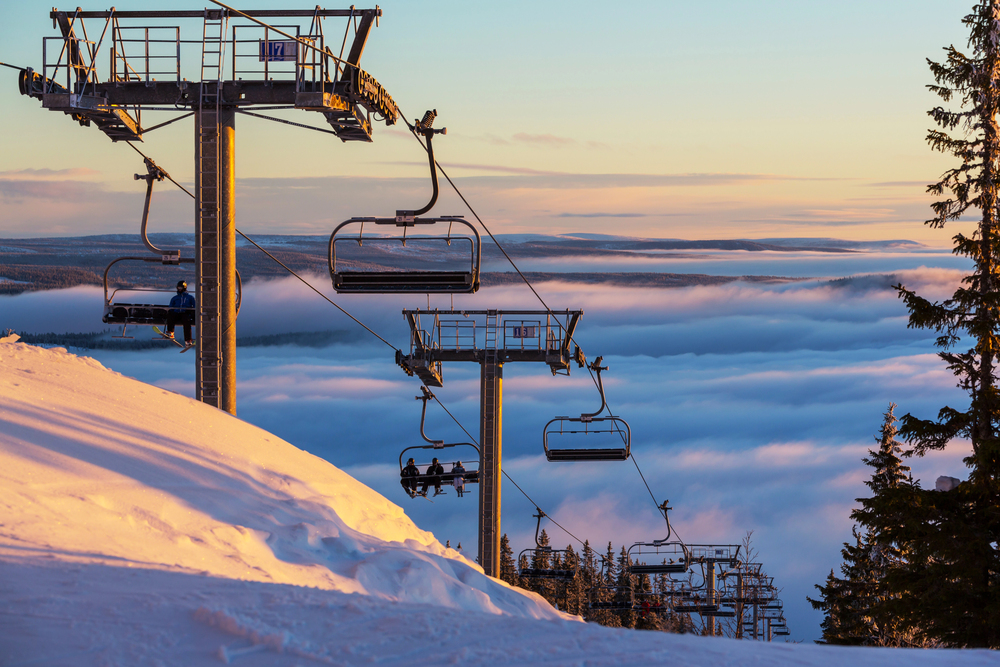
Known as the Queen of the Dolomites, Cortina is one of two official host cities for the 2026 Winter Olympics. The resort previously hosted the 1956 Winter Games and maintains that glamorous, upscale reputation with chic boutiques and elegant cafés lining its pedestrian streets.
Cortina will host women’s alpine skiing on the legendary Tofane slopes, plus bobsled, luge, skeleton, and curling events. The skiing here is massive, with access to the entire Dolomiti Superski network covering over 745 miles of terrain across 12 resorts.
The Olympia delle Tofane run has been a permanent fixture on the women’s World Cup circuit since the early 1990s, so you can literally ski the same slopes where Olympic medals will be won.
Bormio
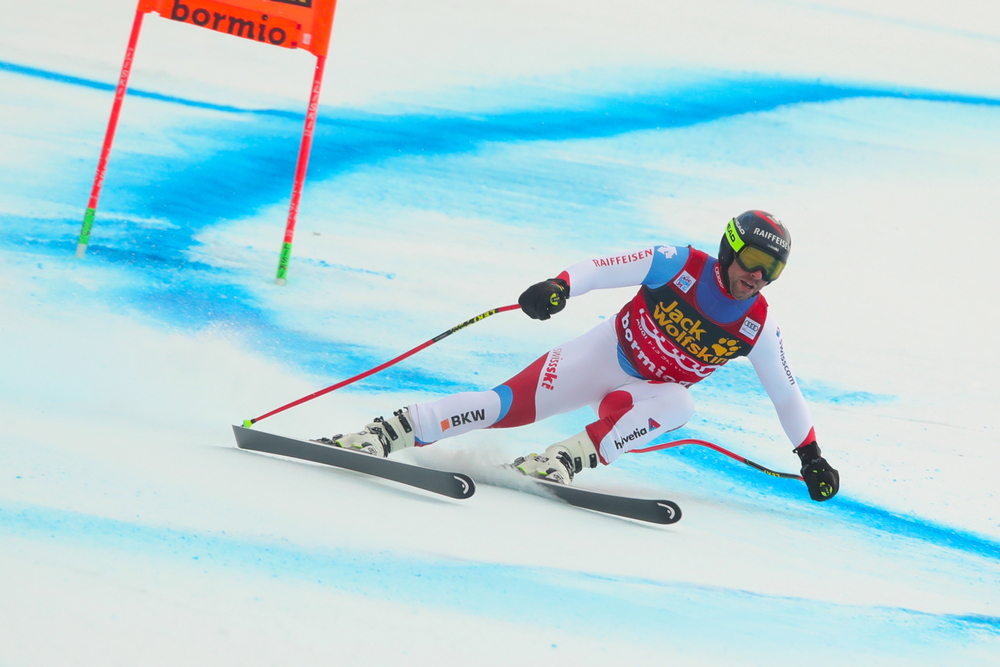
This historic spa town in the Valtellina Valley has been attracting visitors since Roman times thanks to its natural hot springs. Bormio will host all the men’s alpine skiing events during the Olympics on the infamous Stelvio slope, which is genuinely one of the gnarliest courses in the world.
The run features a vertical drop exceeding 3,000 feet and gradients hitting 73 percent in some sections, making it a rite of passage for serious skiers. The resort offers 36 miles of slopes with a good mix for intermediates and families, though only about nine percent of the terrain is designated for experts.
After a day on the mountain, you can soak your tired muscles in one of three elegant thermal spas fed by mineral-rich springs.
Livigno
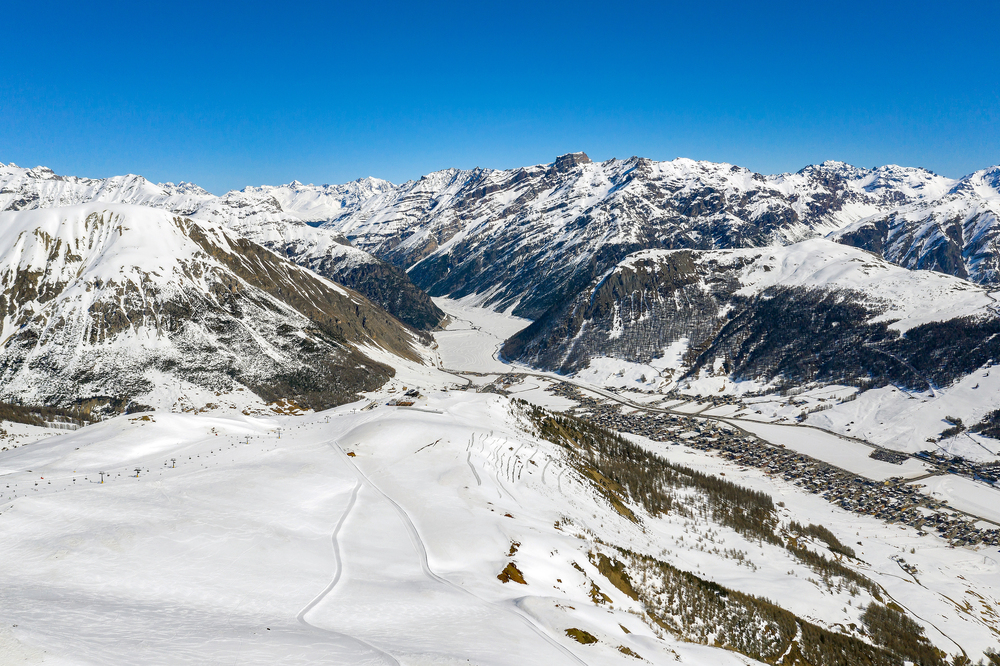
Perched on a remote high-altitude plateau near the Swiss border, Livigno has a reputation as the party capital of the Italian Alps. This duty-free zone will host 26 Olympic medal events, including all freestyle skiing and snowboarding competitions like halfpipe, big air, and slopestyle.
The Mottolino SnowPark is recognized as one of Europe’s best terrain parks, featuring massive jumps that allow athletes to perform mind-bending tricks. Beyond the Olympic venues, Livigno offers extensive skiing across two main areas with plenty of blue and red runs for recreational skiers.
The village comes alive at night with bars and clubs that keep going until dawn, and the tax-free status means everything from ski gear to meals costs less than neighboring resorts.
Val di Fiemme
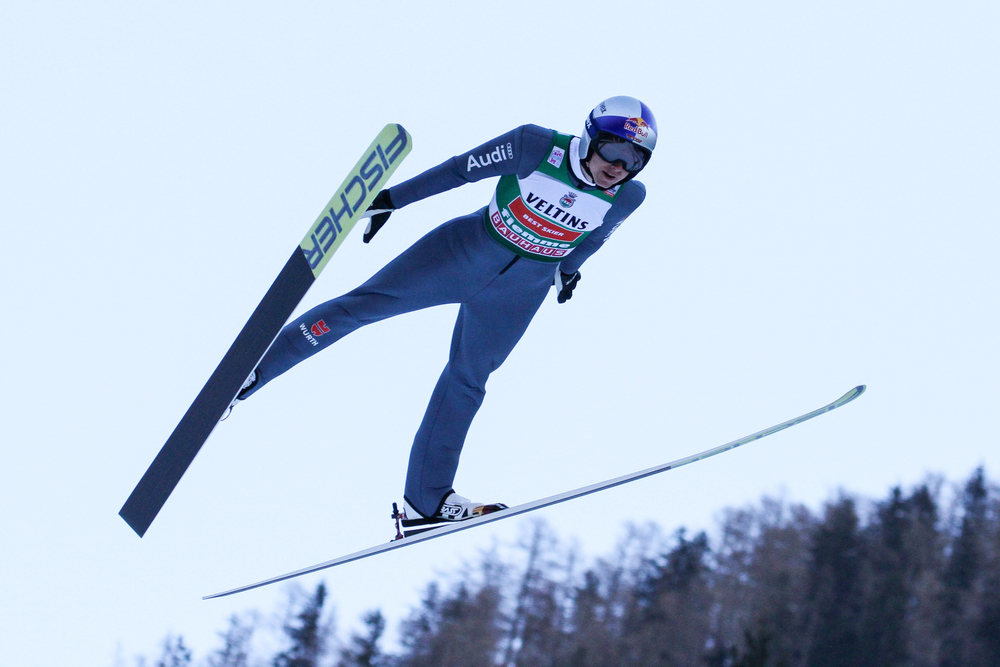
This valley in the Trentino province will handle all the Nordic events, with Tesero hosting cross-country skiing and Nordic combined while nearby Predazzo takes care of ski jumping. The Tesero Cross-Country Skiing Stadium is renowned among Nordic enthusiasts and has hosted the famous 70km Marcialonga race since 1971.
What makes Val di Fiemme special for alpine skiers is its access to excellent terrain at Alpe Cermis, Latemar, and Val di Fassa, all connected through the Dolomiti Superski pass. The timing of Olympic events here works perfectly for visitors since ski jumping competitions happen in the evening under floodlights, leaving your days free for exploring.
The villages maintain an authentic mountain atmosphere with lower accommodation prices compared to Cortina.
Anterselva
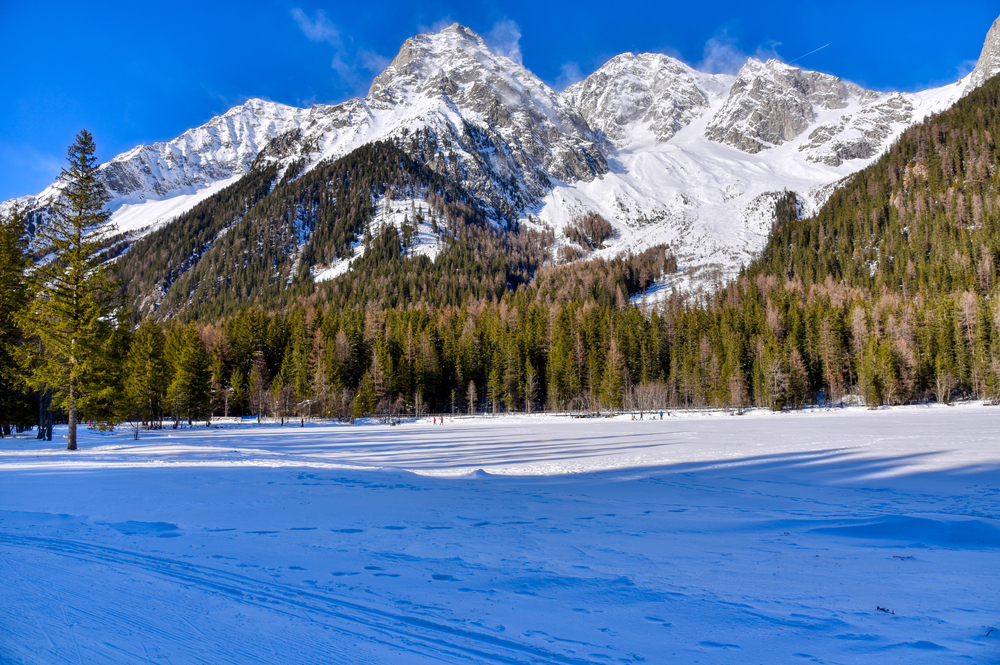
Also known by its German name Antholz, this quiet valley near the Austrian border is Italy’s premier biathlon destination. The resort has hosted World Cup biathlon competitions for decades and will continue that tradition during the Olympics.
The area is largely unknown to international skiers unless they’re biathlon fans, which means it stays refreshingly uncrowded. Anterselva spreads across three main villages connected by a road running up the valley, with traditional wooden chalets and Tyrolean churches creating postcard-perfect scenery.
The resort offers over 37 miles of cross-country skiing tracks through pristine landscapes, making it ideal for Nordic enthusiasts or anyone seeking a peaceful alpine escape.
Val Gardena
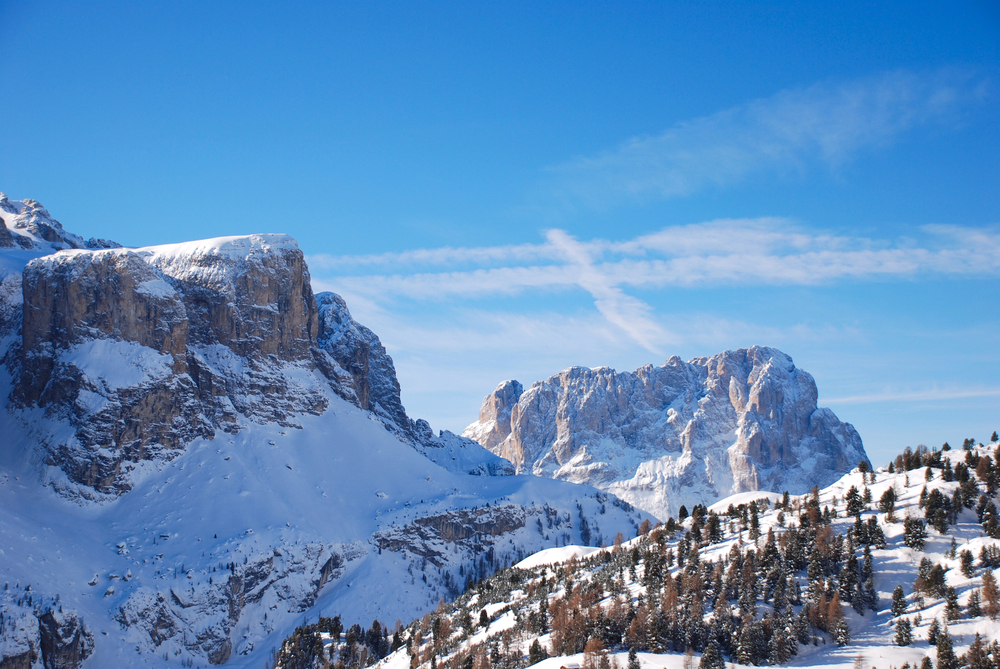
This is the most traditional ski resort in the Dolomites and consistently receives top ratings from skiing publications worldwide. Val Gardena spans three villages—Selva, Ortisei, and Santa Cristina—with 109 miles of local slopes plus direct access to 311 miles within the Dolomiti Superski region.
The resort hosts the annual men’s World Cup downhill race on the legendary Saslong slope, and it won’t be affected by Olympic restrictions, so all lifts stay fully open during the Games. Val Gardena’s longest run, La Longia, stretches over six miles with a vertical drop exceeding 4,000 feet from Seceda down to Ortisei.
The area is perfect for groups with mixed abilities since each village has gentle nursery slopes plus challenging terrain for experts.
Alta Badia
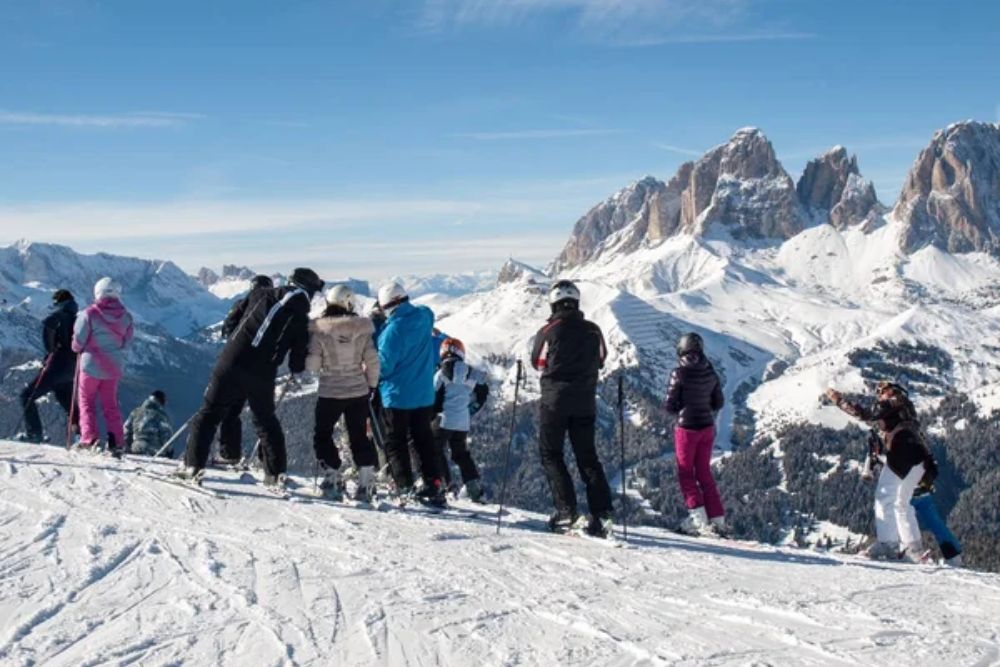
Nestled at the base of the Sella massif, Alta Badia has earned its reputation as the culinary epicenter of the Alps. Six charming villages—Corvara, Colfosco, La Villa, Badia, San Cassiano, and La Val—make up this resort where Michelin-starred restaurants operate alongside mountain huts serving decadent lunches.
The skiing covers 80 miles of perfectly groomed terrain, with 68 percent designated for beginners and intermediates, making it exceptionally family-friendly. Alta Badia forms the northeastern corner of the famous Sellaronda circuit and hosts a World Cup giant slalom race each December on the challenging Gran Risa slope.
The local culture is Ladin, and many residents still speak this ancient language alongside Italian and German.
Arabba-Marmolada
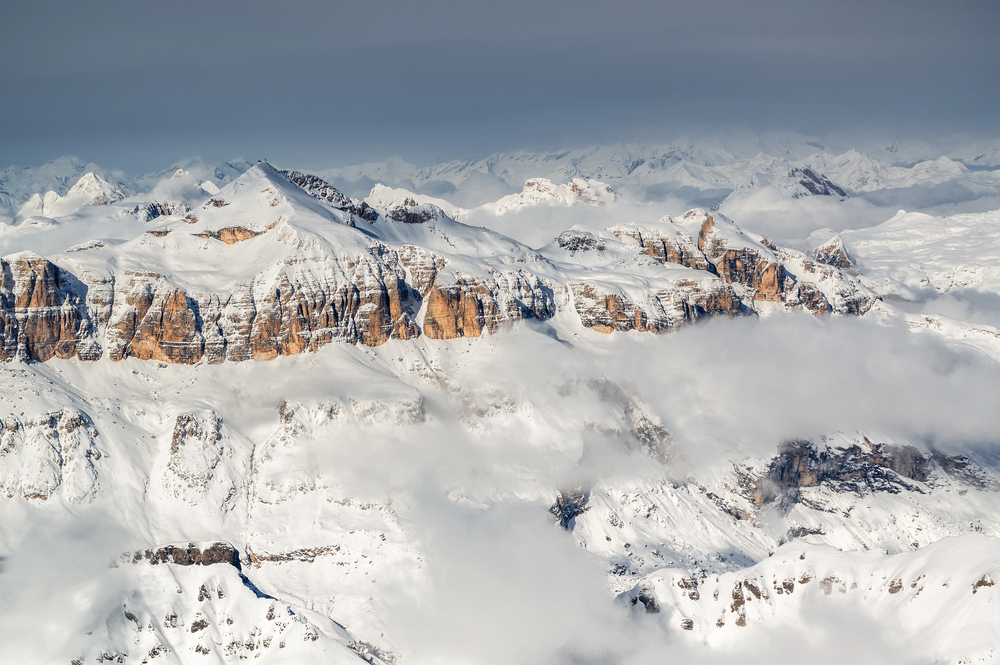
Small but mighty, Arabba offers only 39 miles of local terrain but makes up for it with the steepest slopes and most reliable snow in the Dolomites. The resort sits at the foot of the Marmolada glacier, the highest peak in the Dolomites at nearly 11,000 feet, which means season-long snow coverage.
A three-stage cable car climbs to the glacier’s summit where you can ski La Bellunese, one of the longest runs in the Alps with over 7 miles and 5,900 feet of vertical drop. The north-facing slopes from Porta Vescovo into Arabba village are genuinely challenging black runs that rival anything at Cortina.
Arabba serves as a central hub for the Sellaronda circuit and the Great War ski tour, which connects to historic battlefields and relics from World War I.
Val di Fassa
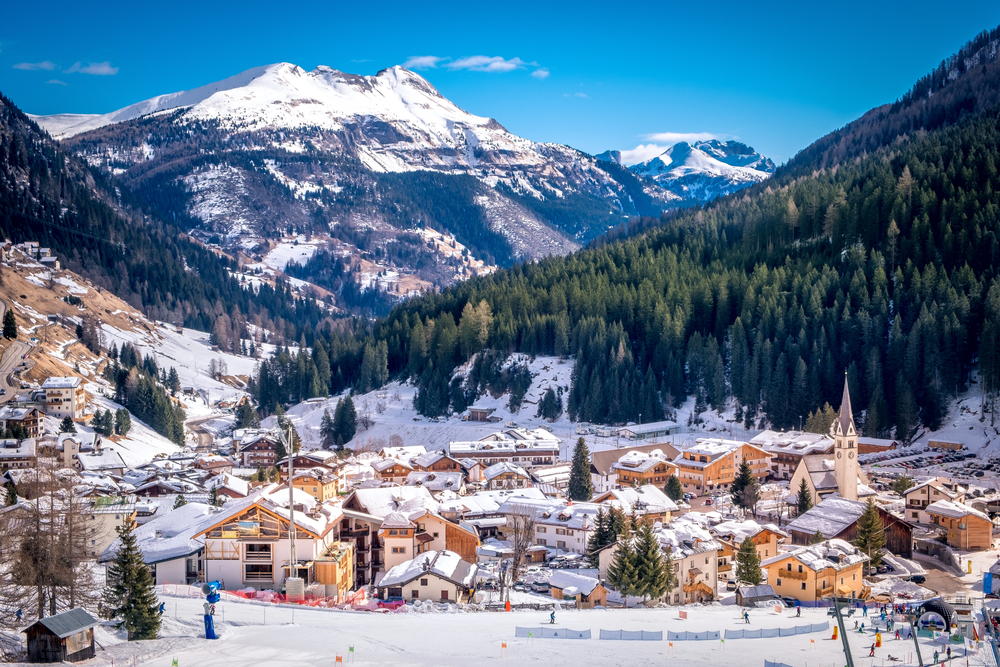
This valley connects seamlessly with Val Gardena and Alta Badia, giving skiers access to hundreds of miles of interconnected terrain. Val di Fassa includes resorts like Canazei, Campitello, and Alba, each with its own character but all sharing dramatic views of the Sella massif.
The area is part of both the Sellaronda circuit and the larger SkiRama Dolomiti network covering 238 miles across eight resorts. While Val di Fassa won’t host Olympic events, it makes an excellent base with lower prices than Cortina and quick access to Olympic venues in Val di Fiemme.
The valley maintains strong Ladin traditions with hearty mountain cuisine and genuine alpine hospitality.
Madonna di Campiglio
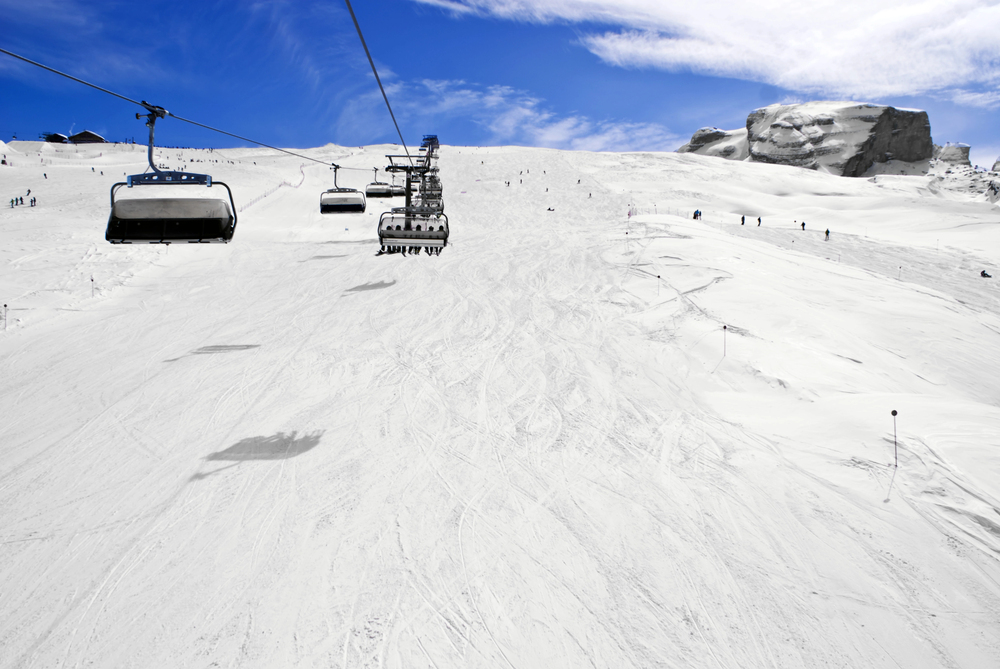
Located in the Adamello Brenta Nature Park, this high-altitude resort combines stylish elegance with excellent skiing. Madonna di Campiglio is part of the SkiRama Dolomiti network with 97 miles of interconnected runs across three ski areas.
The resort sits at 5,000 feet, ensuring reliable snow throughout the season, and offers a good balance of terrain for all abilities. Beyond skiing, the area provides fantastic opportunities for cross-country skiing and winter hiking through the protected nature park.
The town itself has a sophisticated atmosphere with upscale hotels and restaurants, though it’s more laid-back than Cortina’s celebrity-filled scene.
San Vigilio di Marebbe
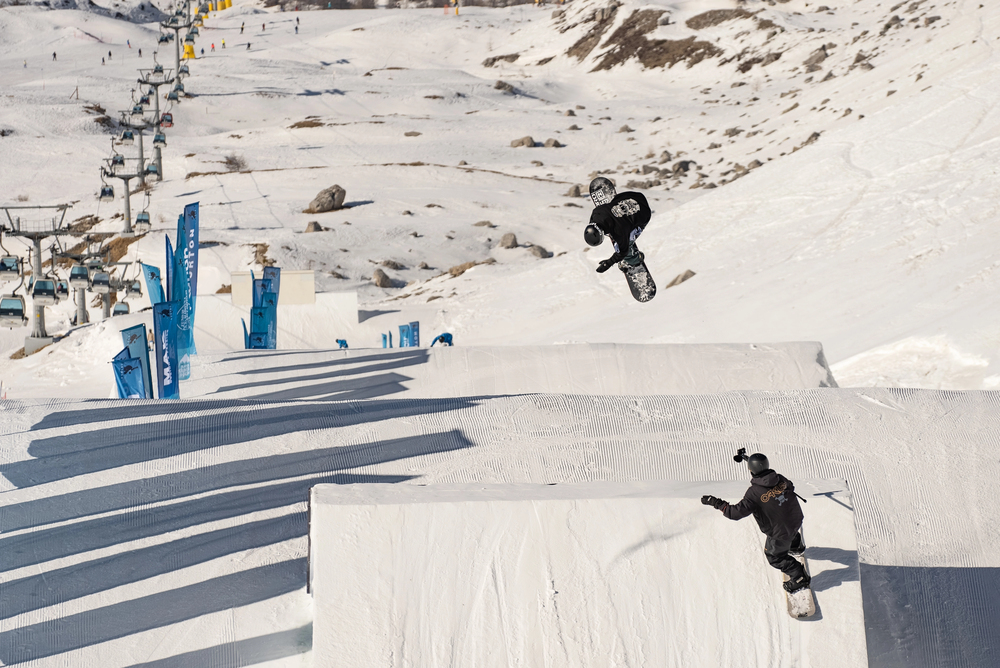
This smaller resort in the Piz de Plaies area will have limited restrictions during the Olympics, with only two slopes reserved for athlete training until 10 a.m. from February 9-16. The rest of the terrain stays fully accessible to the public throughout the Games.
San Vigilio connects directly to the Alta Badia ski area and the Sellaronda circuit, giving visitors access to far more terrain than its modest size suggests. The village maintains an authentic South Tyrolean character with traditional architecture and family-run accommodations.
It’s particularly good for families and intermediate skiers who want to explore the Dolomites without the crowds and prices of more famous resorts.
Moena
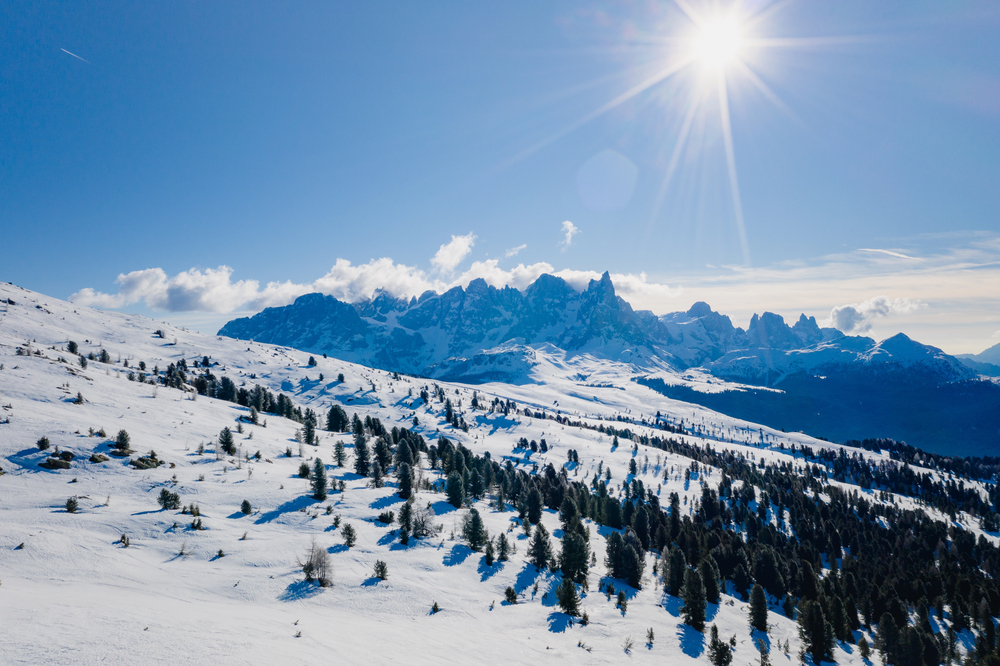
Tucked in the Val di Fassa valley with a population around 2,000, Moena serves as an Alpine Training Center for the Italian State Police. The San Pellegrino Pass connects Moena to neighboring villages, creating excellent access across the Dolomiti Superski region.
Cross-country enthusiasts can explore tracks through snow-covered forests at Centro del Fondo Alochet. Moena is about an hour’s drive from Cortina, making it a smart base for watching Olympic events while enjoying significantly lower accommodation costs.
The old Turchia district features decorative barns, wooden sculptures, and traditional architecture that gives the village authentic charm away from the tourist spotlight.
Courmayeur
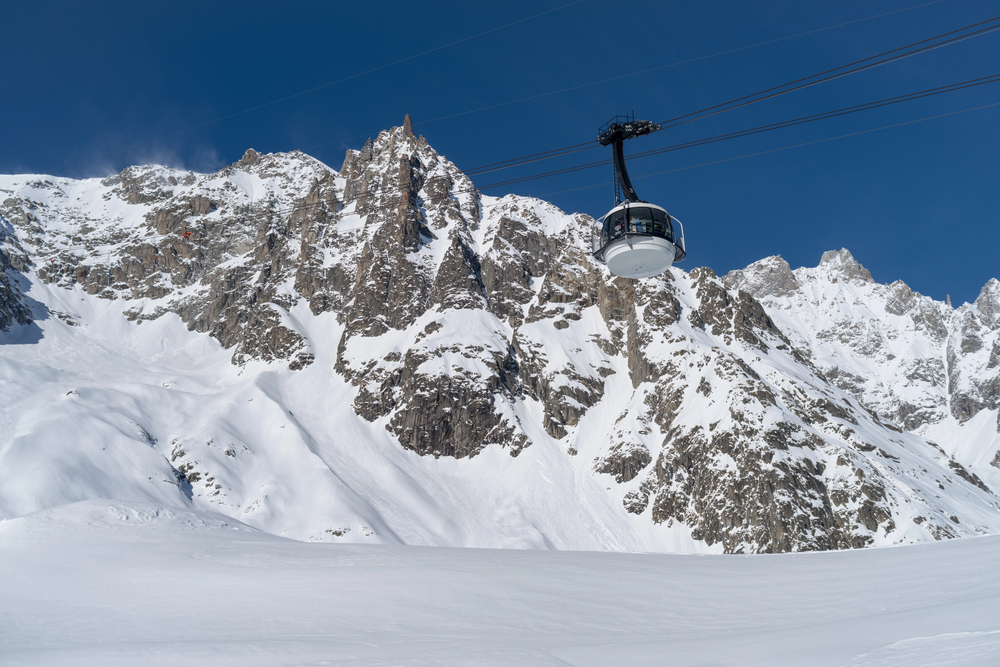
While not in the Dolomites, Courmayeur sits on the Italian side of Mont Blanc near the French border and tunnel, making it accessible from Olympic venues. This glamorous resort attracts the beautiful people from Milan and Turin on weekends, but the skiing genuinely lives up to the hype.
The Funivie Monte Bianco cable car climbs to the ridge line where snow-capped peaks stretch to the horizon in every direction. Expert skiers can hire guides to tackle unmarked routes from the Arp when conditions permit.
The village combines high-end shopping and dining with a working mountain town atmosphere, and it’s been a winter sports destination for over a century.
Cervinia
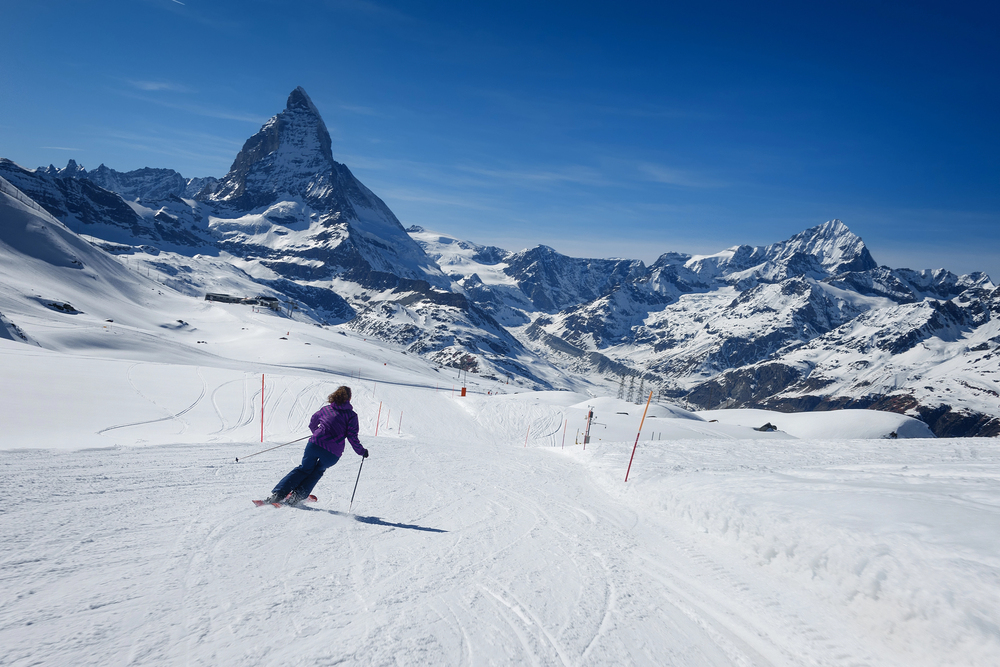
With Switzerland’s Zermatt nearby, Cervinia presents broad, mild inclines suited to those learning or building skills. Sunlight lasts across much of the year here, supporting a descent stretching 21 kilometers – from Plateau Rosa all the way into the valley floor.
Zermatt restricts automobiles; however, visitors may drive directly into Cervinia, which comes at lower expense without sacrificing sightlines of the iconic peak. Weekends bring motion to central areas, particularly around dining spots and drink venues near ski exits.
Elevation ensures consistent snow coverage between November and May, while experienced riders might opt for passes allowing access into neighboring Swiss territory.
Kronplatz
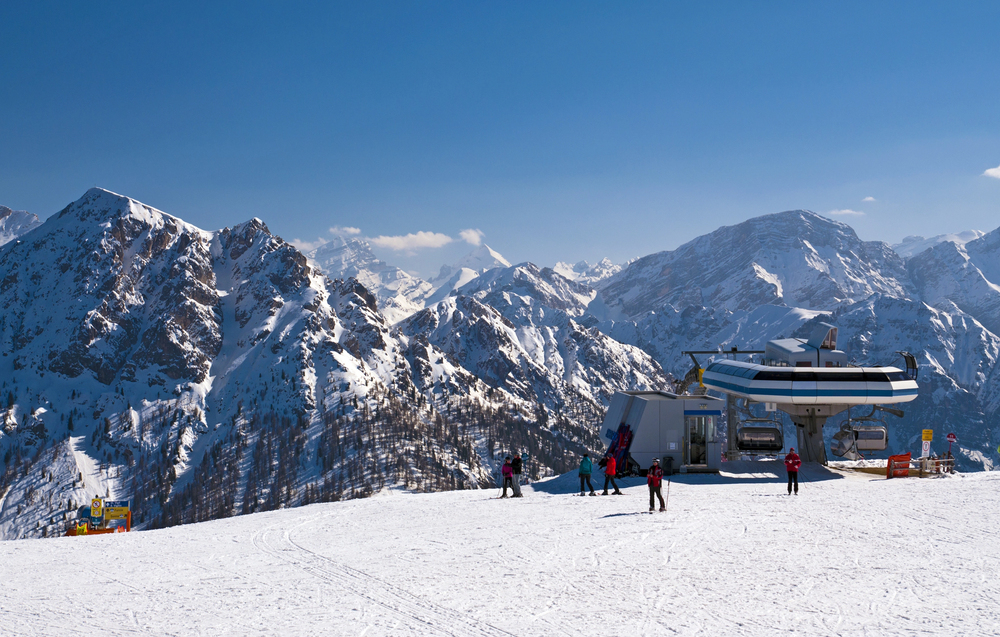
Located about 19 miles north of Alta Badia near Brunico, Kronplatz is easily reached by local bus from other Dolomites resorts. This modern ski area is known for its wide, perfectly groomed cruising runs and efficient lift system.
The summit plateau offers 360-degree views of the surrounding Dolomite peaks, and the skiing caters primarily to intermediates who enjoy carving turns on immaculate corduroy. Kronplatz has invested heavily in snowmaking technology, ensuring consistent conditions throughout the season.
While it’s not part of the Dolomiti Superski pass, it makes a worthwhile day trip for anyone based in the Alta Badia or Val Badia areas.
Where The Mountains Meet Olympic Glory
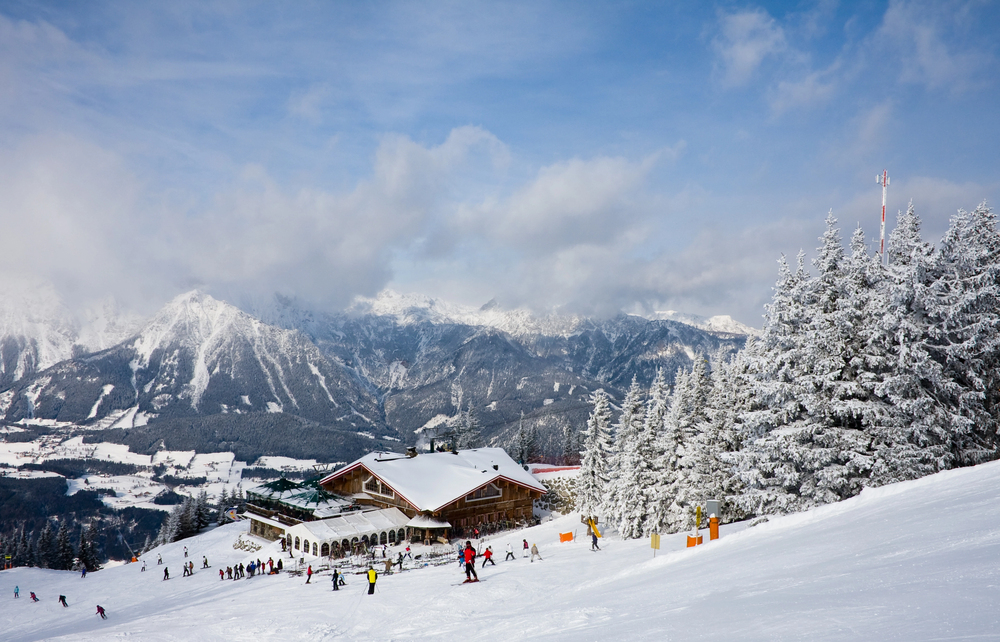
Beyond medals and podiums, the 2026 Winter Olympics bring new energy to Italy’s alpine regions. Years of preparation have sharpened resort capabilities – facilities modernized, transit refined.
Once the crowds fade, improvements remain, serving visitors well into the future. Not merely snow-covered peaks, these areas offer deep traditions paired with seamless access.
From sweeping descents in the Dolomites to quiet evenings warmed by natural springs, moments take shape slowly here. Few mountain destinations blend athletic ambition so closely with enduring charm.
After flames dim and ceremonies conclude, what stays behind is more than concrete or steel – it is possibility. Skis glide where history runs deep, and comfort follows effort without delay.
Each turn on packed slopes carries echoes of grand events, yet feels personal, intimate. Olympic focus may pass, but the sense of place lingers, shaped differently now, quietly elevated.
More from Travel Pug

- Underrated Italian Towns That Beat the Tourist Crowds
- Las Vegas Tourist Traps to Skip
- Prettiest Towns in Every US State
- 18 Passport-Free Countries for Americans
- Signs Your Cruise Is Not Worth The Cost
Like Travel Pug’s content? Follow us on MSN.