

A library is often the first building a small town builds to last. It usually outlives the mill, the depot, and the department store, and it tends to be the best-kept address on the block. In many places, it also holds far more than a town of its size would seem to need.
The towns below pair a notable library or archive with the ordinary streets of a small place. None has a skyline, and most have a main street with a modest grid of houses behind it. What they have in common is a reading room that punches above its weight.
Derby Line, Vermont
The Haskell Free Library and Opera House was built so that Americans and Canadians could share it, and it sits directly on the border between Derby Line and Stanstead, Quebec. The opera house opened in 1904 and the library in 1905, and a black line on the reading room floor marks the boundary.
The main entrance is on the American side, while the international border runs through the building. The unusual arrangement remains one of the library’s defining features.
Peterborough, New Hampshire
In 1833, residents of Peterborough voted at a town meeting to spend $66.84 on books, drawn from the town’s share of a state fund. The decision made the Peterborough Town Library an early and often-cited example of a library supported by public taxation.
It is widely recognized as the first free public library in the United States supported by taxation. The building overlooks the Contoocook River and remains a notable part of town life.
West Branch, Iowa
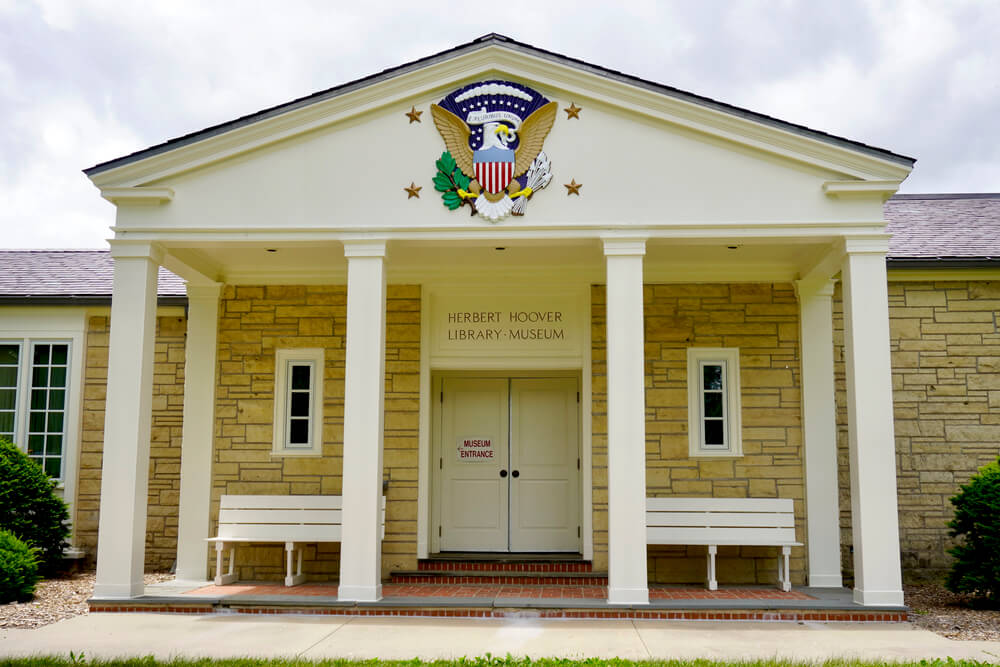
West Branch had 2,509 residents in the 2020 census and is the birthplace of Herbert Hoover. The Hoover Presidential Library and Museum was dedicated there on August 10, 1962, Hoover’s 88th birthday, with former President Harry Truman in attendance.
The collection documents Hoover’s life from his Quaker childhood in Iowa to his years in public service.
Abilene, Kansas
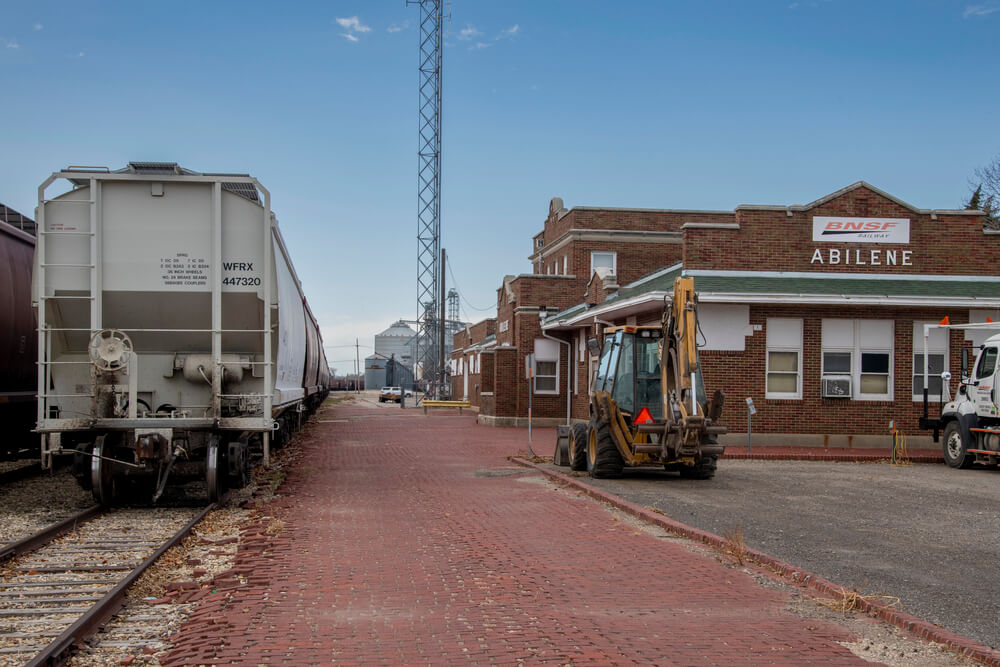
Abilene, with about 6,460 residents, was once a Chisholm Trail cattle town and later the boyhood home of Dwight D. Eisenhower, whose family moved there in 1892.
The Eisenhower Presidential Library and Museum stands on the grounds where he, his wife Mamie, and their first son are buried. Across the street, the Greyhound Hall of Fame adds a distinctly Kansas touch.
Staunton, Virginia
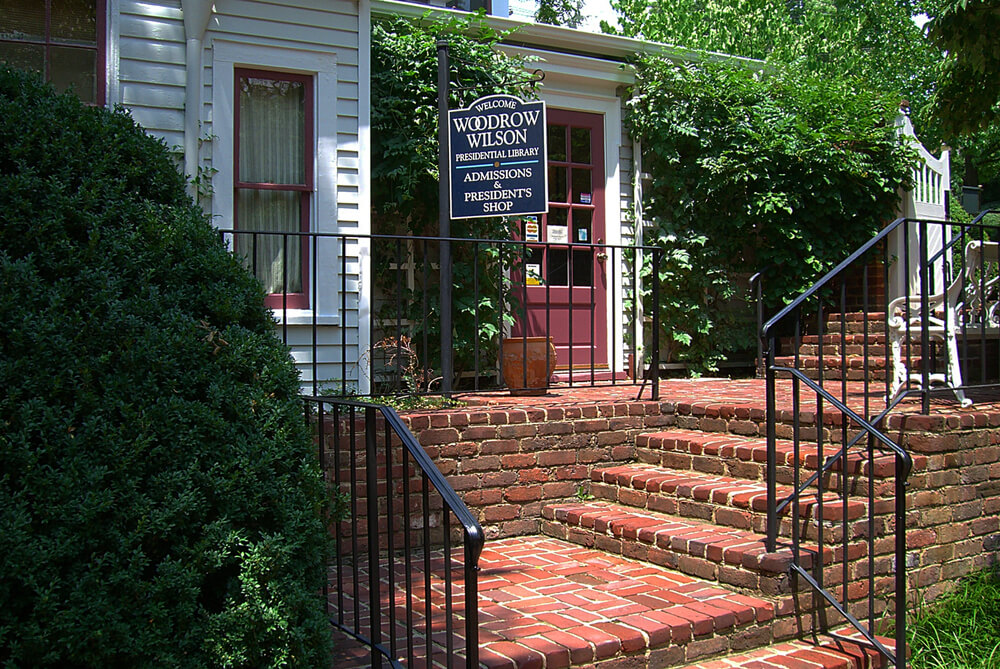
The Woodrow Wilson Presidential Library occupies a historic complex that includes the manse on North Coalter Street, where Wilson was born in 1856. The research library holds papers and materials related to Wilson’s life and presidency, and the complex displays his presidential Pierce-Arrow limousine.
Staunton’s brick downtown and steep hillside streets make the visit part of a longer walk.
Berea, Kentucky

Hutchins Library at Berea College holds special collections devoted to Appalachian life, including pre-publication manuscripts from 27 Appalachian authors and a collection on historian Carter G. Woodson. Researchers can use the reading room to study coal mining, feuds, and folklore of the region.
Berea is a college town with a long tradition of craft and learning.
Corning, New York

The Rakow Research Library, part of the Corning Museum of Glass, is billed as the most comprehensive collection in the world on the art and history of glass. In 1972, flooding from Hurricane Agnes damaged a substantial portion of the library’s collection.
During the recovery, staff worked from an abandoned grocery store across the street.
Ritzville, Washington
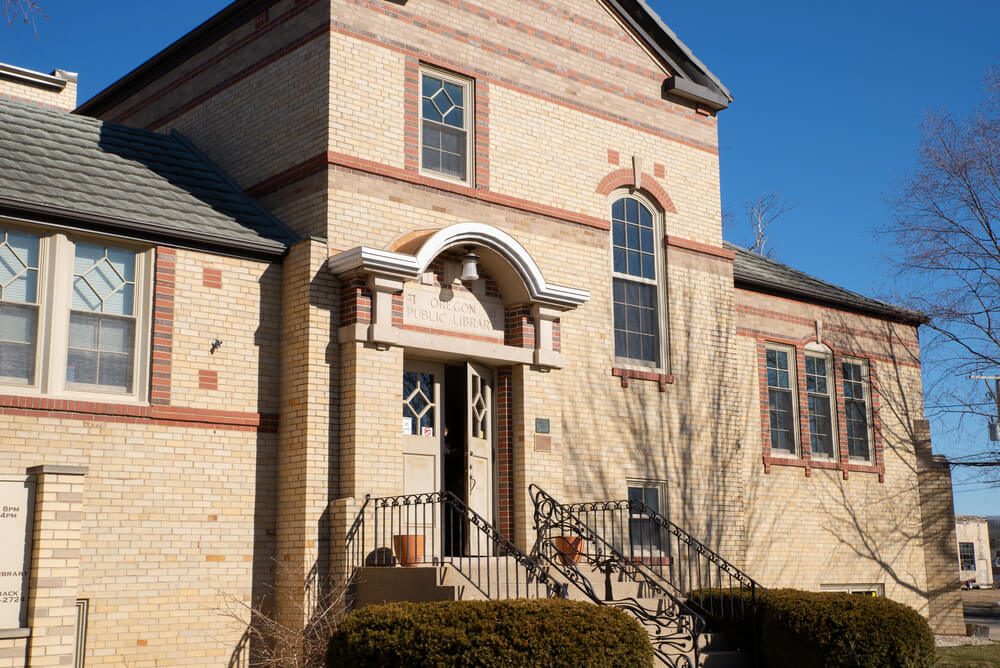
In 1906, Andrew Carnegie pledged $10,000 toward a library for Ritzville, after residents had committed local funds and convinced him to help. At that time, Ritzville was among the smallest towns in the United States to receive Carnegie library assistance.
The Ritzville Carnegie Library is now a listed historic place in the heart of wheat country.
Thorntown, Indiana
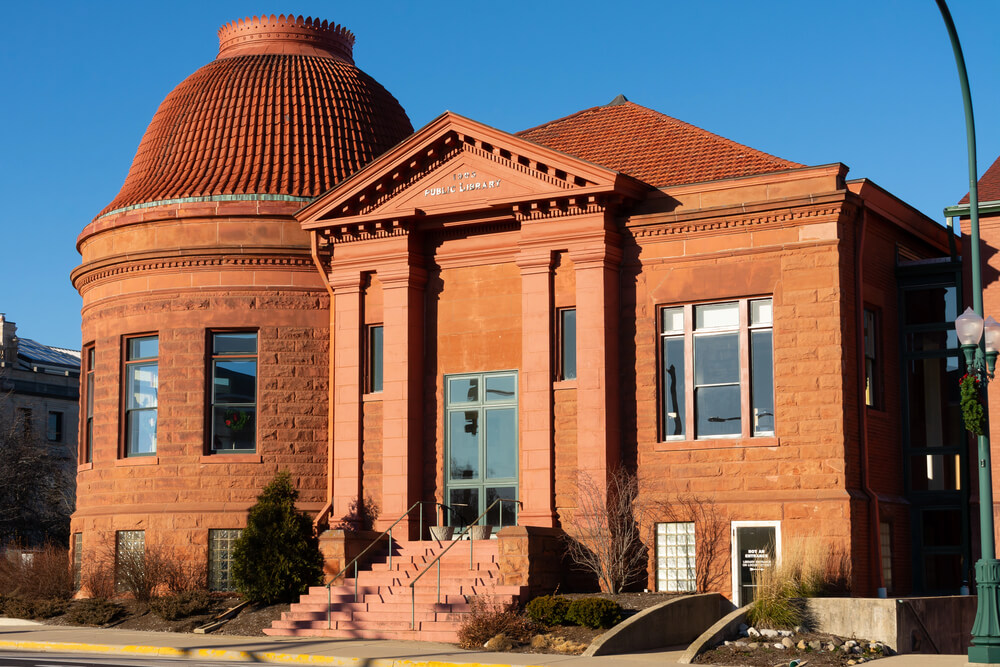
When the Thorntown Public Library was nominated for the National Register of Historic Places, the Boone County town had about 1,400 people. The brown-brick Carnegie building, with a three-bay facade, was funded by a grant that grew from $6,000 to $10,000 when the surrounding township joined the effort.
It is a textbook example of a small-town Carnegie library.
Wilton, New Hampshire
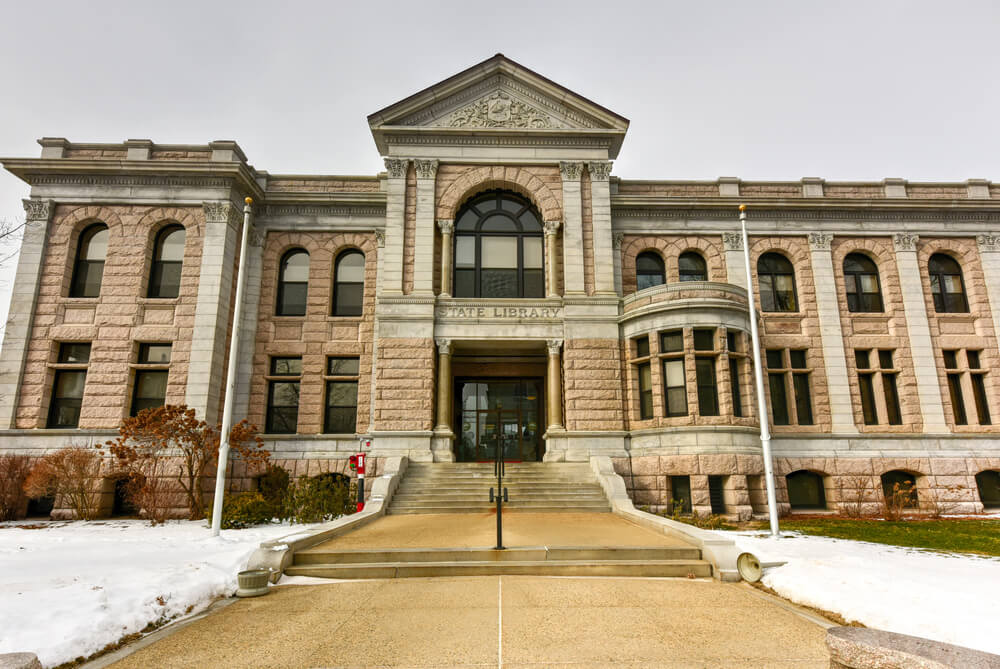
The Wilton Public and Gregg Free Library, completed in 1907, is considered one of the town’s most grand architectural designs. It anchors a small village in the Souhegan River valley.
The building shows how generous benefactors once gave even tiny communities libraries of real distinction.
Dennysville, Maine
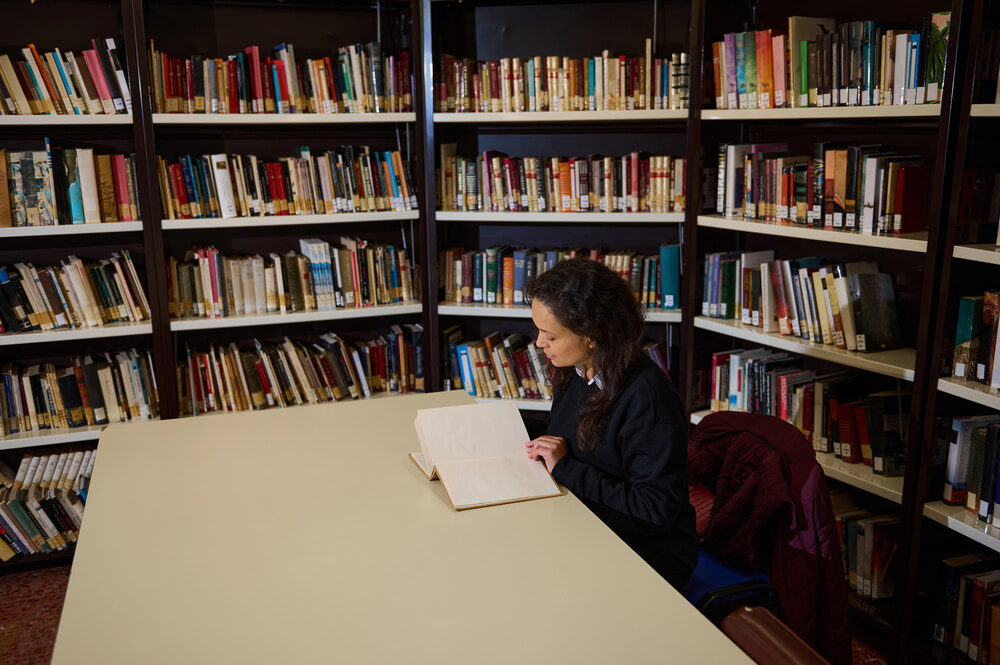
The Lincoln Memorial Library in Dennysville doubles as a small museum, housing town records and local artifacts alongside its books. Dennysville is a tiny village in Washington County, Maine, far from any metropolitan area.
A trip there is as much about the town’s history as about reading.
Whitneyville, Maine
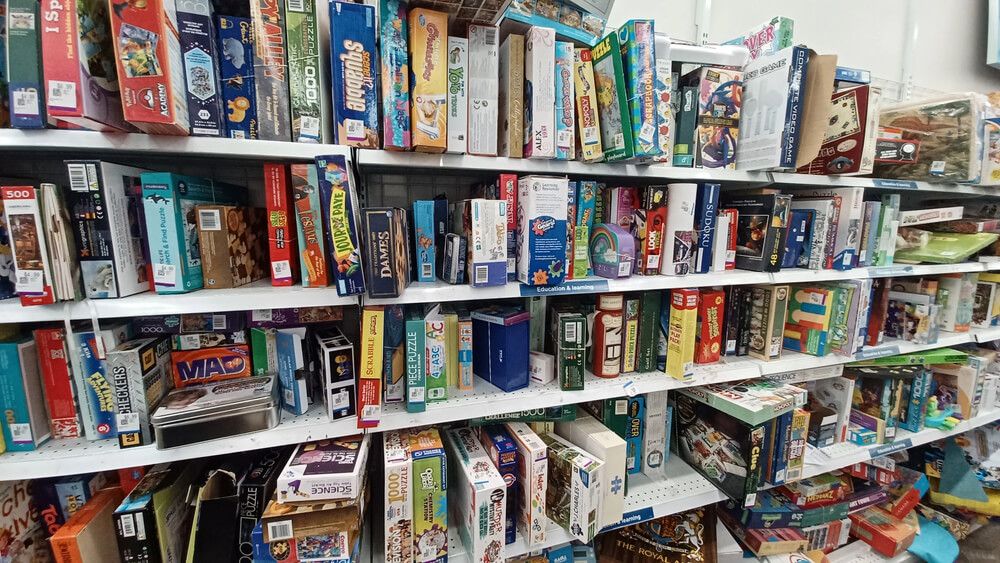
Whitneyville Public Library runs a craft shop alongside its shelves, a sign of how small libraries in rural Maine stretch their budgets and serve as gathering places. The village lies in Washington County, near Machias. In rural communities like this, a library can provide an important public gathering space as well as access to books and information.
North Hampton, New Hampshire
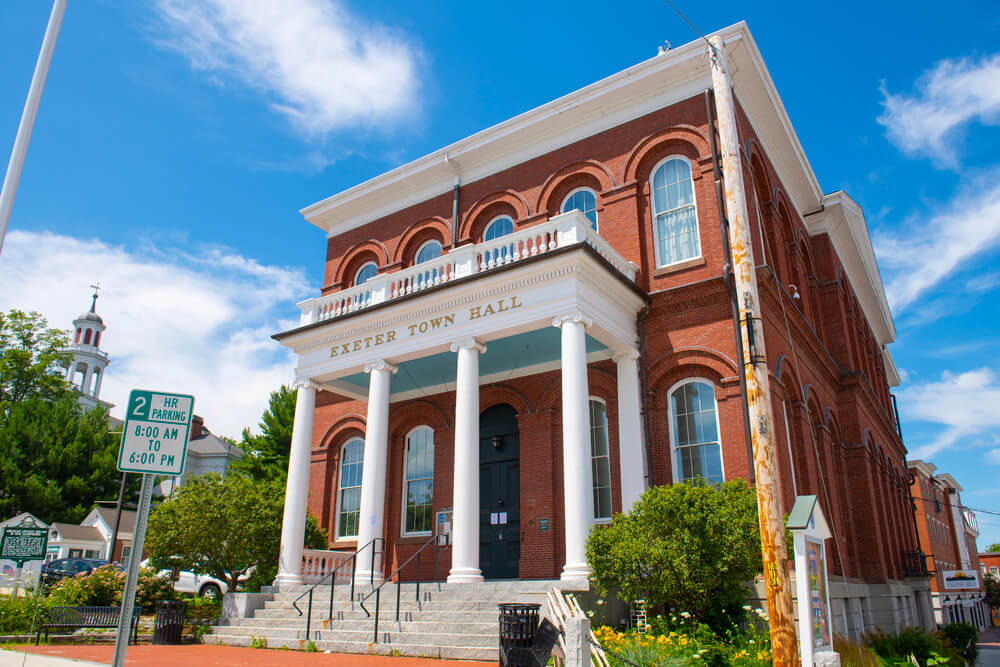
North Hampton established its free public library at a town meeting on March 8, 1892, with the collection first housed in a corner of the Town Hall. State law at the time offered $100 worth of books to towns that created a library.
The collection grew to 1,800 volumes, while the town’s population remained below 750.
Sauk Centre, Minnesota
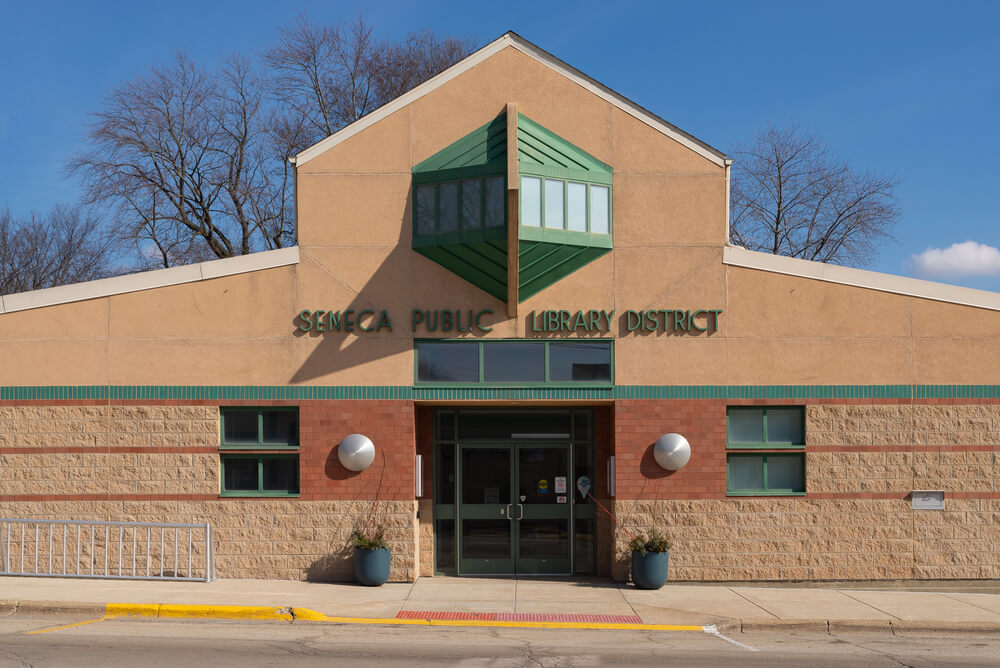
Sinclair Lewis was born and raised in Sauk Centre, and many readers see it as the model for Gopher Prairie, the setting of his 1920 novel Main Street. Library historian Wayne Wiegand studied the town’s public library as one of four emblematic Midwestern small-town libraries in his book Main Street Public Library.
The study shows how such libraries shaped reading habits in rural America.
The Quiet Scale of a Civic Building
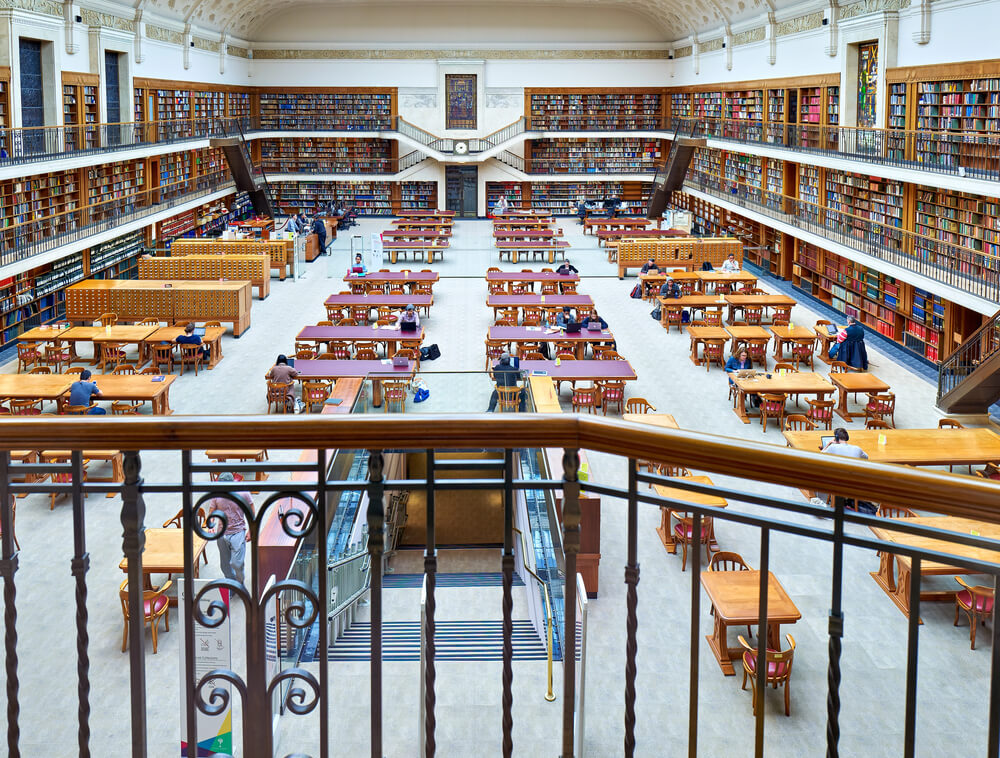
A library in a small town carries more weight than its square footage suggests. It holds the records, the newspapers, the maps, and the quiet that no other local building provides. In many of the places above, it has done so for more than a century.
The pairing of a serious library with ordinary housing is a reminder that cultural life does not require a large city. A single reading room can give a small town depth that a skyline cannot. For anyone who values a long afternoon with a good book, these addresses are worth a closer look.
More from Travel Pug

- Underrated Italian Towns That Beat the Tourist Crowds
- Las Vegas Tourist Traps to Skip
- Prettiest Towns in Every US State
- 18 passport-free countries for Americans
- Signs Your Cruise Is Not Worth The Cost
Like Travel Pug’s content? Follow us on MSN.