

The final evening of a cruise has a strange energy. The buffet is half-empty, the hallways are lined with suitcases, and everyone is trying to squeeze one more good memory out of a ship that will be a gangway away by morning.
Those few hours decide whether disembarkation day feels smooth or frantic. A little planning tonight buys a calmer exit tomorrow, and still leaves room for the fun parts.
Pack the Checked Bags Before the Last Dinner
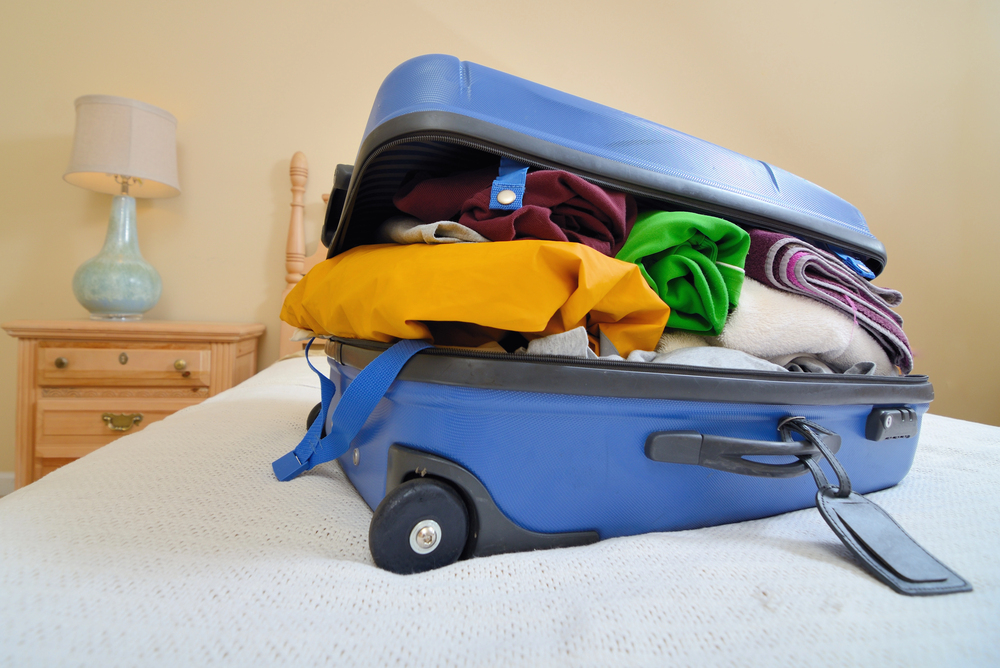
Lines that offer checked-bag service, including Royal Caribbean and Carnival, ask guests to tag their large suitcases and leave them outside the stateroom door during a designated time on the final evening. Crew members collect them overnight and sort them ashore by tag.
Packing before dinner means the suitcases are ready when the deadline approaches. It also leaves the rest of the night free for something more interesting than folding shirts.
Keep a Carry-On Kit for the Morning After

Anything left in the corridor will not be seen again until the terminal, so tomorrow’s essentials need to stay in a separate bag. That means a change of clothes, medications, chargers, toiletries, and anything fragile or valuable.
Travel documents belong in the same bag, since the checked luggage is out of reach until the terminal hall. A small tote tucked under the bed is usually enough.
Read Each Luggage Tag Before It Goes on the Handle
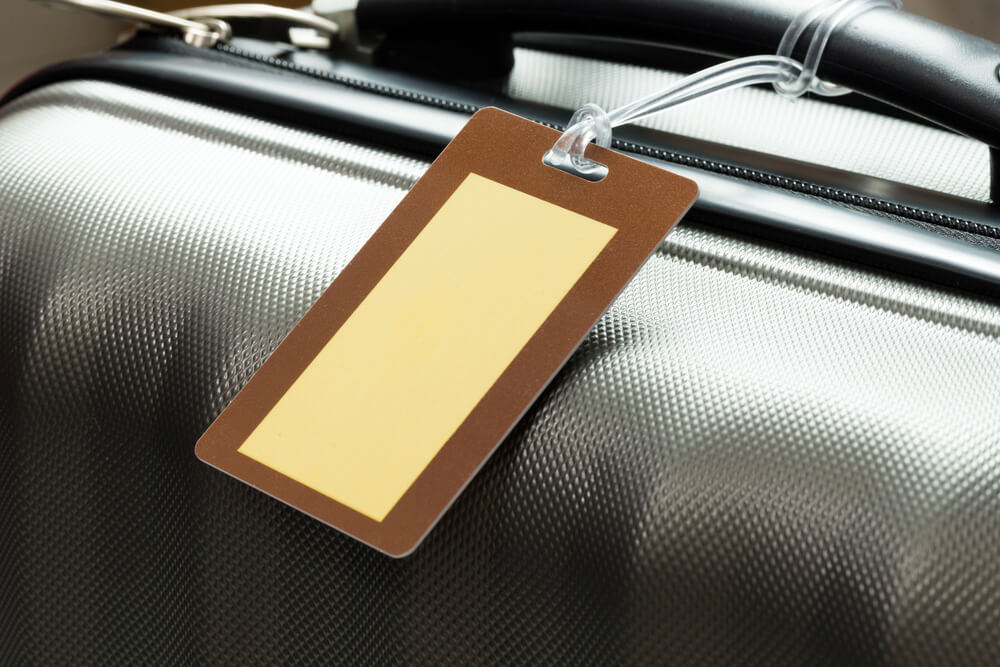
Cruise luggage tags carry identifying and routing information, which may include the guest’s name and stateroom details, and a mismatched or illegible tag can delay a bag. Check the spelling and the cabin number before attaching the tag, and loop it through the handle so it cannot slide off.
A photo of each tagged suitcase also gives a record if a bag goes missing. Old tags from previous voyages should come off entirely, since a stray one can send a bag to the wrong place.
Review the Onboard Account While Guest Services Is Open
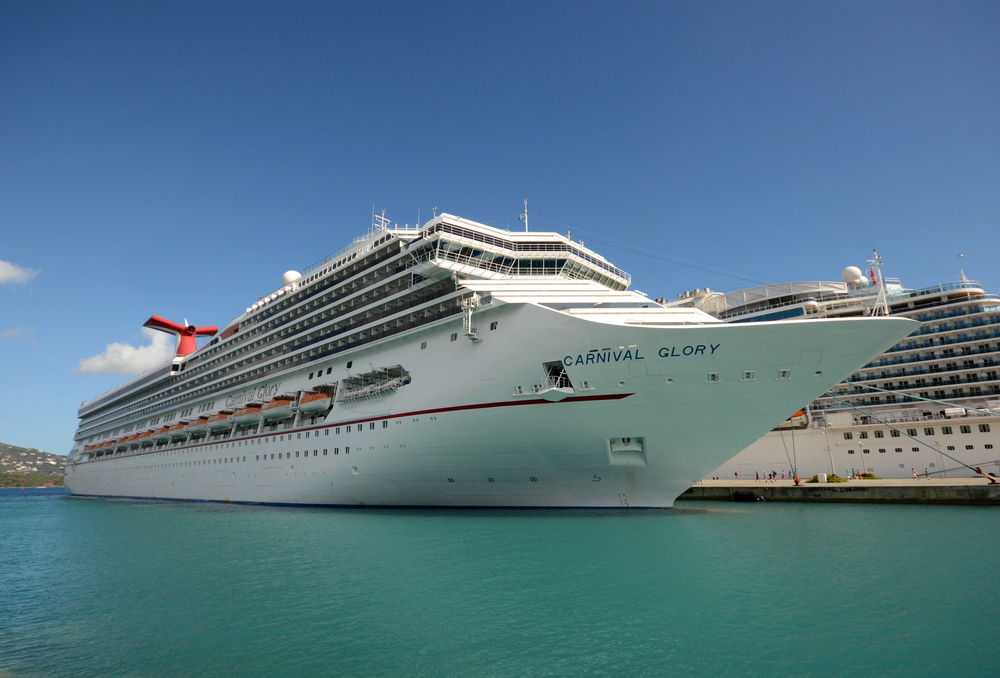
Most ships post a running statement on the stateroom television or in the line’s app, and the final version is typically delivered to the cabin on the last night or morning. Reviewing it before bedtime gives time to catch duplicate drink charges, spa add-ons, or a photo purchase that was never made.
Disputes are easiest to settle at the desk while the staff can still review the details. Waiting until the card statement arrives at home turns a five-minute fix into a long email chain.
Settle Billing Questions in Person, Not From Home

Guest services desks tend to be busiest on the final morning, with lines that rival the buffet at sea-day lunch. Handling any correction the night before keeps tomorrow’s schedule intact.
If a charge cannot be resolved immediately, ask for a printed note or reference number before leaving the desk. That small piece of paper carries more weight than a memory of what a staff member said.
Set Aside Cash for the Crew

Even when gratuities are prepaid, many cruisers still hand a few extra bills to a stateroom attendant, a favorite waiter, or the bartender who learned their order on day two. Additional cash tips are generally optional, and an envelope is an easy way to deliver them on the last night.
Small denominations are more practical than a single large bill that cannot be split among team members. Withdrawing from the ship’s ATM costs a fee, so it helps to plan this before boarding.
Understand How Gratuities Work on Your Line

Policies differ from line to line, and several have changed in recent years, so advice from an earlier cruise may no longer apply. Some lines add daily gratuities to the account automatically, while others handle them differently depending on the fare or service arrangement.
The last night is the right time to confirm what has already been charged to the account and what remains optional. Anyone planning to adjust the amount should do so at guest services before the final statement is closed out.
Burn Through Any Leftover Onboard Credit

Shipboard credit from a booking promotion or a canceled excursion may be nonrefundable, depending on the type of credit and the cruise line, so unused dollars can be effectively wasted. A final stop at the spa boutique, the coffee bar, or the gift shop turns that balance into something tangible.
Duty-free shops may offer last-day promotions, though stock can run thin. Checking the balance on the app early in the evening leaves time to spend it sensibly.
Order the Dinner That Has Been Waiting All Week
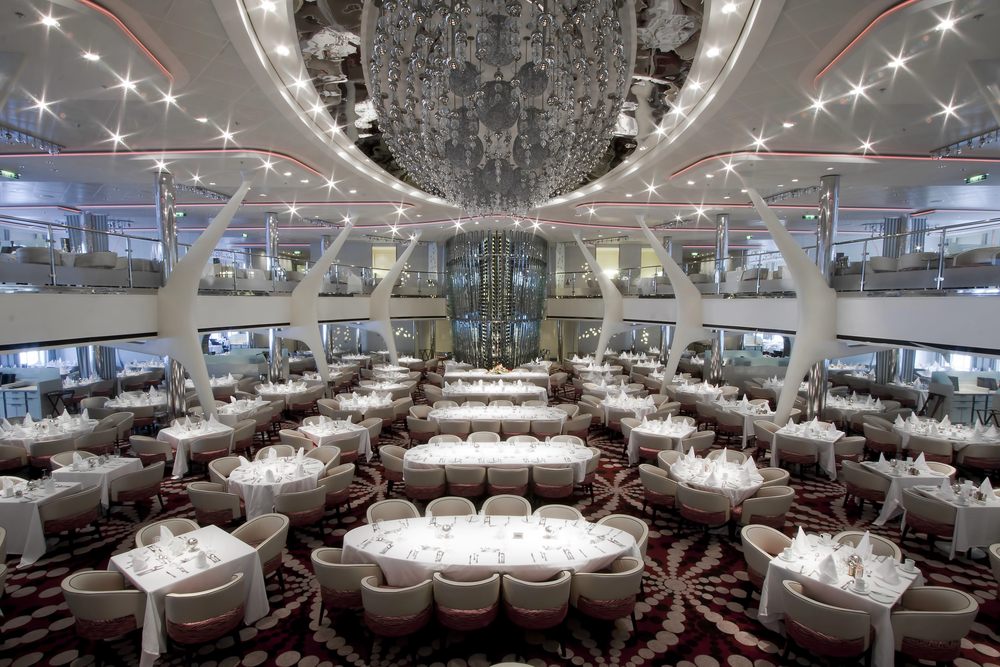
The last night in the main dining room is often the most relaxed, because everyone has already tried the specialty restaurants and the novelty has worn off. This is the time to order the dish that looked tempting three nights ago, or to ask the waiter for a second dessert.
Servers who have spent a week with the same table tend to appreciate a little attention at the end. Requesting a table photo in the dining room is usually welcome and leaves a keepsake of the group.
Write a Thank-You Note for the Dining Team

Comment cards and handwritten notes can help recognize crew members, and some crew members keep them. A short note naming the waiter, assistant waiter, and head waiter helps management identify the people being praised and costs nothing.
Dining rooms typically leave cards on the table or at guest services on the last evening. A sentence about one specific moment, like a birthday cake or a remembered allergy, is more memorable than general praise.
Catch the Last Sunset From the Open Deck

Sunset at sea has no skyline, no buildings, and no cell towers, so the color seems to travel all the way across the water. The forward decks are often quieter than the pool deck, and the aft railings give a view of the wake fading into the dusk.
Arrive about 20 minutes before the scheduled sunset time, which is usually listed in the daily planner. The light after the sun drops below the horizon tends to be the best part, so linger.
Stay Up for the Sail-In

Arrival into port at dawn often means a pilot boarding the ship to guide it into the harbor, although the timing and procedure vary by port. Cruisers who set an alarm and head to the deck can watch the skyline emerge from the dark.
Ports like New York, Miami, and Seattle give a very different view at first light than they do at midday. A coffee from the early-opening cafe and a jacket make the wait comfortable.
Take the Photos You Skipped All Week

Most travelers photograph the sunsets and the buffet but forget the places they walked through a dozen times. The empty atrium, the dining room without crowds, the stateroom corridor, and the view from the balcony all look different when packed up and ready to leave.
Late evening is the best time, because the public areas are quieter and the lighting is usually still on. A single picture of the cabin before the bags leave can anchor the memory of the trip later.
Visit the Photo Gallery Before It Closes

Professional photos taken at embarkation, formal nights, and ports are usually displayed in a gallery, and the availability of unpurchased prints and digital photos after the voyage varies by cruise line. Many lines also allow digital access through the app, which may extend the window for buying.
Browsing the display on the last evening gives time to compare options and sort out a package. Some ships offer final-day promotions, so patience can pay off.
Charge Every Device Overnight

Phones, cameras, power banks, and e-readers should be plugged in tonight, because tomorrow is a long day of lines, customs forms, and ride-share apps. Cruise cabins have limited outlets, and travelers often rely on a single power strip, if permitted by the cruise line.
Some lines prohibit power strips or extension cords, especially those with surge protection. Checking the ship’s rules avoids having one confiscated.
A fully charged phone matters more than usual, since it often holds the boarding pass, flight details, and transport reservations.
Choose a Breakfast Plan for Departure Morning

Many ships offer a door-hanger card for room service breakfast, which is typically filled in and hung outside the cabin the night before. However, room service availability on disembarkation morning varies, and some ships do not offer it at all.
The buffet on the final morning draws a crowd, and the fastest meal is often a quick coffee and pastry grabbed at a smaller cafe. Eating early is wise, since many ships ask cabins to be vacated by a set hour.
A relaxed meal is the best buffer against the hurry of debarkation.
Decide Between Walk-Off and Waiting for a Luggage Group

Lines including Carnival and Norwegian offer a self-assist option that lets guests carry their own bags off the ship, usually leaving earlier than those who rely on tagged luggage. Others assign groups by flight time or tag color, and a late call can mean hours in a lounge.
Choosing the right method depends on how much luggage there is and how early the flight departs. The decision needs to be made tonight, since the instructions are posted in the daily program and on the television.
Confirm Documents and Customs Forms

Passports, birth certificates, and driver’s licenses should be gathered into one place and carried in the hand luggage. Travelers returning to the United States may need to complete a customs declaration, either digitally or on paper, depending on the itinerary and current procedures.
The ship supplies instructions in the final days. A quick review of what was purchased in port helps avoid an awkward surprise at the terminal.
Documents tucked into a zipped pocket cannot be misplaced in the crush of the gangway.
Set Alarms and Check the Debarkation Time

The daily planner for the last day includes the time each group is called to leave, and that time shapes the entire morning. Cabins must be vacated by a deadline, and the announcement is often sent to the stateroom television.
Setting two alarms, one on the phone and one by the bed, guards against a missed call. A glance at the clock before sleep gives peace of mind that tomorrow is under control.
Plan the Ride Home Without Cutting It Close

Cruise lines commonly advise booking flights with enough time after the scheduled arrival to account for disembarkation, customs or immigration, luggage retrieval, and the trip to the airport. Ride-share pickup points near cruise terminals can be crowded, so confirming the meeting spot ahead of time helps.
Anyone with a prearranged transfer should keep the confirmation number and driver contact on hand. The last night is when to check that the plan still holds.
Say Goodbye to the Stateroom Steward

The person who turned down the bed and arranged the towel animals each evening is easy to miss on a crowded last day. A short note and a tip handed over in person or left in an appropriate place ensures the thank-you is delivered.
Many cabin attendants leave their cards or schedules with guests who ask. Leaving the room tidy, with trash gathered and towels stacked, is another courtesy that crew members notice.
Do a Final Sweep of the Stateroom
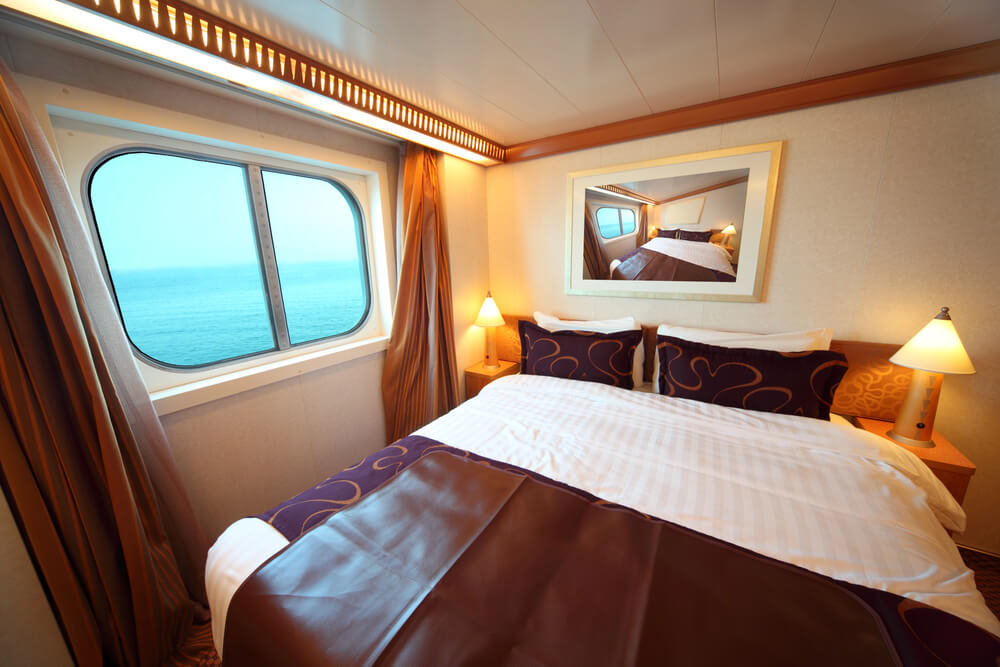
The safe, the drawers, the bathroom shelves, and the space under the bed are where items most often get left behind. Chargers, sunglasses, and passports are common casualties, and none of them can be retrieved quickly once the ship departs.
Checking the balcony and the pockets of hanging clothes takes five minutes. A careful look tonight beats a lost-and-found form tomorrow.
The Value of a Slow Goodbye
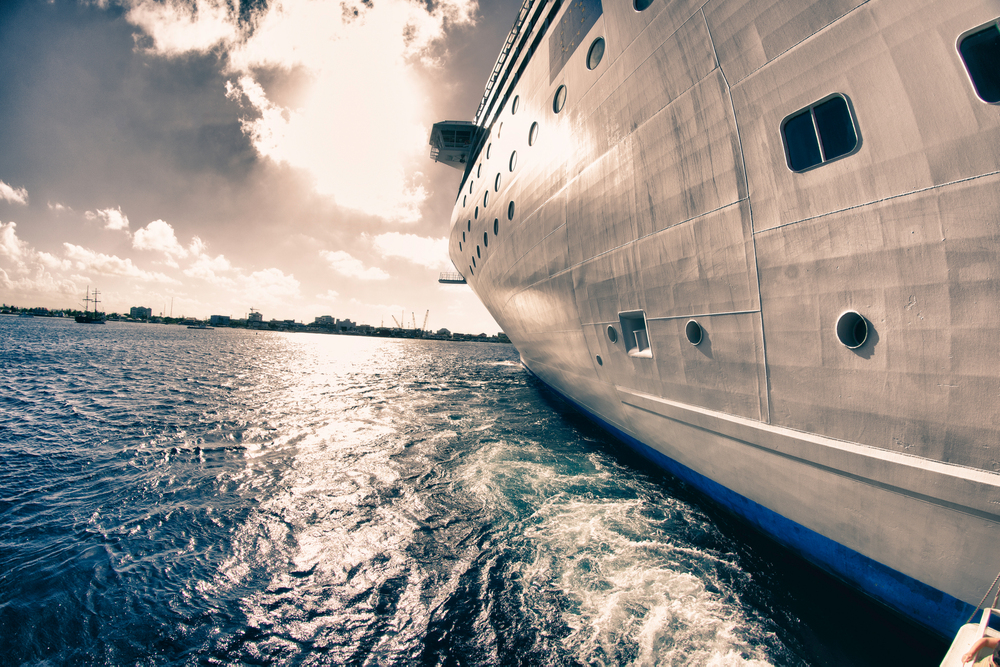
A cruise packs a lot of experience into a few days, and the final evening is the only stretch with nothing left to book. That makes it the right time to look around, say thank you, and see the ship as something other than a means of getting between ports.
The travelers who treat it that way tend to leave with a clearer memory of the trip.
Logistics matter, but they are only the frame around the experience. A neat bag, a settled bill, and an alarm set for the morning are what allow the rest of the night to be unhurried.
The last sunset, the last dinner, and the last lap around the deck are worth more than a perfectly folded suitcase, and a bit of preparation makes room for all of them.
More from Travel Pug

- Underrated Italian Towns That Beat the Tourist Crowds
- Las Vegas Tourist Traps to Skip
- Prettiest Towns in Every US State
- 18 passport-free countries for Americans
- Signs Your Cruise Is Not Worth The Cost
Like Travel Pug’s content? Follow us on MSN.