

South America doesn’t just preserve culture—it collides, fuses, and reinvents it on every corner. From Afro-Brazilian rhythms echoing through colonial plazas to indigenous markets sprawling beneath Spanish baroque churches, the continent’s cultural centers are living laboratories of identity.
Here’s a list of South America’s most compelling cultural clusters, where history refuses to sit still.
Buenos Aires
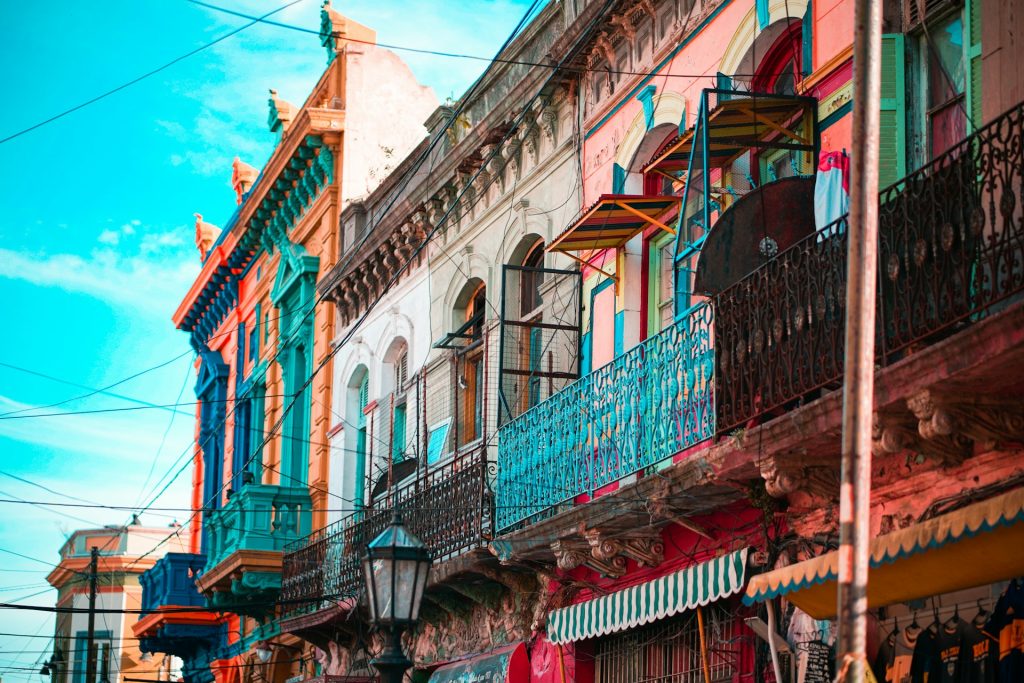
The Argentine capital operates like a European city that wandered into Latin America and decided to stay. French-style boulevards meet Italian immigration heritage, creating neighborhoods where tango was born in working-class bars and still pulsates from basement milongas every night.
The city’s café culture runs deep—porteños spend hours at marble-topped tables, debating everything from football to philosophy over cortados.
Teatro Colón stands as one of the world’s great opera houses. But it’s the street-level culture that defines Buenos Aires: used book markets along corrugated tin stalls, parrillas grilling beef at 2 a.m., walls plastered with political graffiti that changes weekly.
Cusco
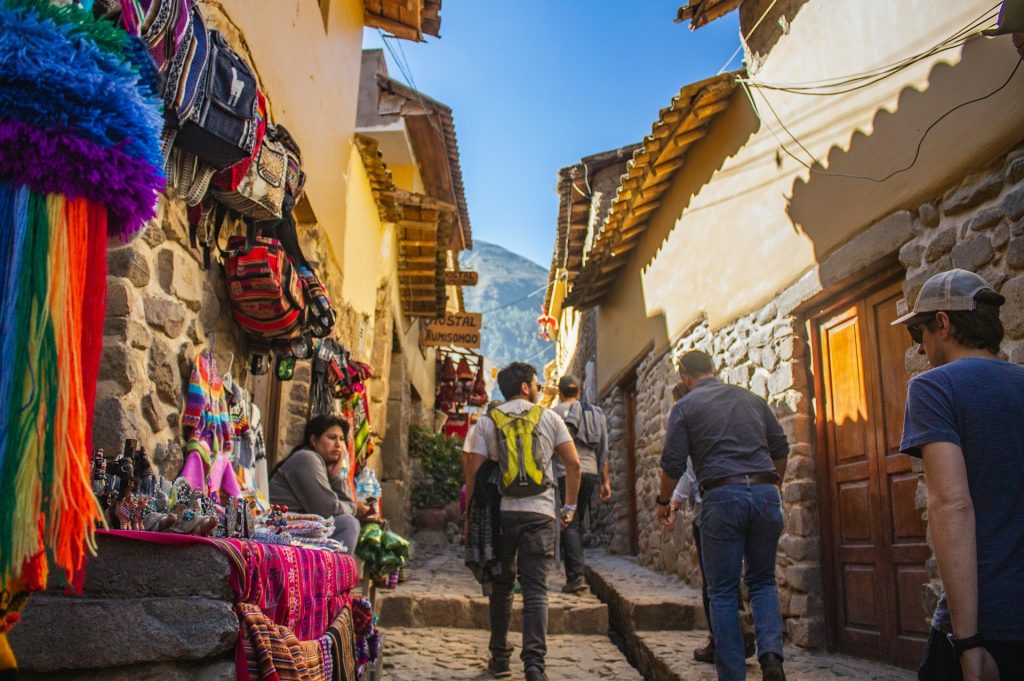
Every Cusco street reveals layers. Inca stonework forms building foundations, Spanish colonial facades rise above, and modern shops occupy the ground floors.
The city served as the Incan Empire’s capital, and that weight still presses into the cobblestones.Plaza de Armas buzzes with a mix tourists rarely expect.
Indigenous women in traditional pollera skirts sell textiles using techniques unchanged for centuries. And the surrounding Sacred Valley communities maintain Quechua as their primary language, keeping pre-Columbian traditions alive despite five centuries of pressure.
Like Travel Pug’s content? Follow us on MSN.
Salvador
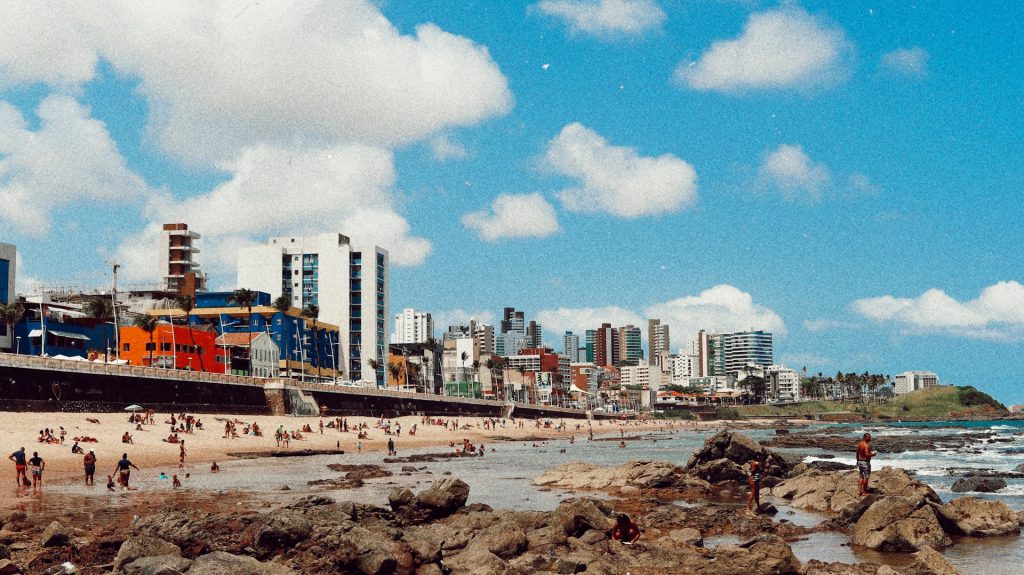
Brazil’s first capital pulses with Afro-Brazilian soul. The Pelourinho district—a UNESCO World Heritage site—showcases Portuguese colonial architecture painted in yellows, blues, and pinks that seem to vibrate in the tropical heat.
But the real cultural force here is African heritage, preserved and transformed by descendants of enslaved peoples who make up roughly 80% of Salvador’s population.Candomblé temples operate openly. Capoeira circles form spontaneously in squares, the martial art disguised as dance still practiced exactly where it was created.
Olodum drum corps rehearse for Carnival year-round, their rhythms shaking the colonial facades. The smell of acarajé—black-eyed pea fritters fried in dendê oil—drifts from street vendors’ carts.
Cartagena
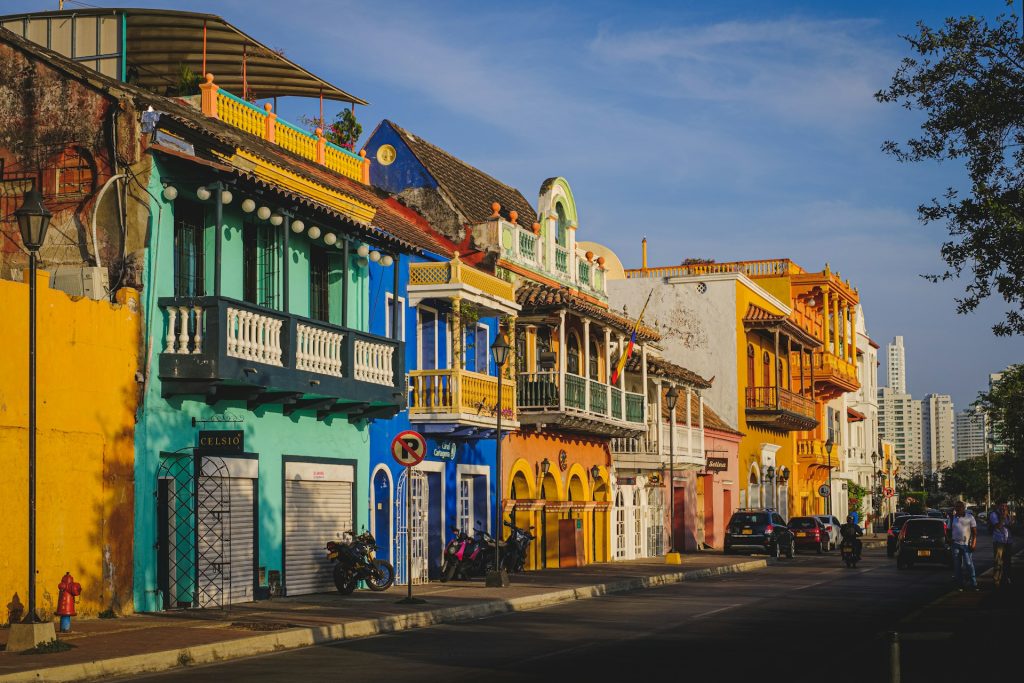
The walled city feels like a fortress that learned to party. Spanish colonial architecture dominates the old town, where bougainvillea cascades over balconies and horse-drawn carriages clatter across Plaza de Santo Domingo. Cartagena survived pirate attacks, naval sieges, and the brutal machinery of the slave trade—the city was a major entry point for enslaved Africans into South America.
That history created a unique Caribbean-Colombian fusion. Palenqueras in bright dresses balance fruit baskets on their heads, descendants of escaped slaves who formed free communities. The city’s musical traditions blend African drums with Spanish guitars and indigenous flutes.
Valparaíso
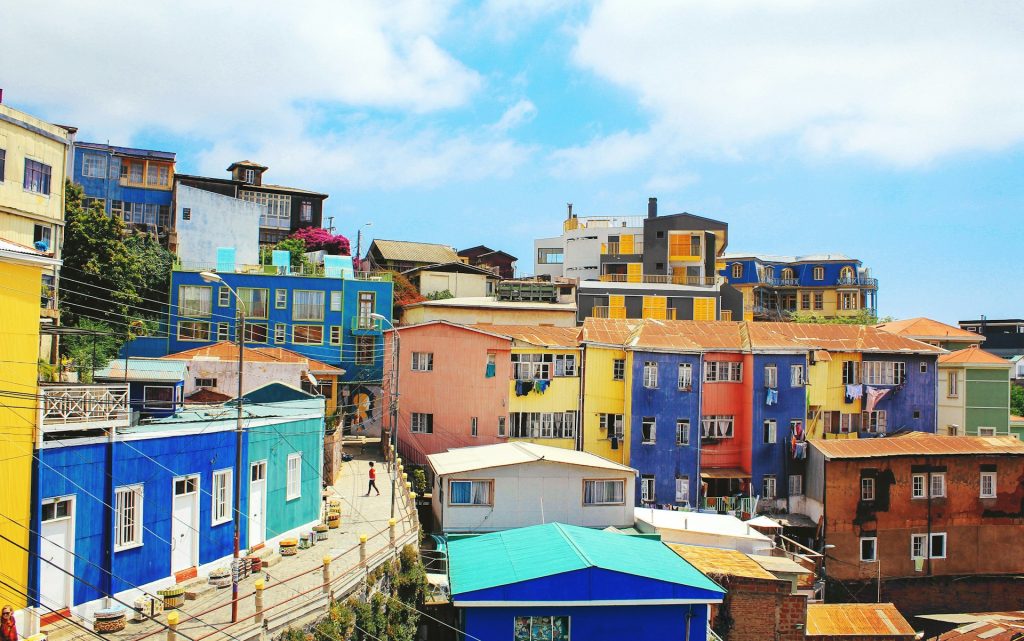
Chile’s port city sprawls across 42 hills like a bohemian experiment in vertical living. Funiculars—most dating to the early 1900s—haul residents up impossibly steep streets where every surface becomes a canvas. Street art here isn’t decoration. It’s conversation.
The city attracted European immigrants, political exiles, and artists who couldn’t afford Santiago. That mix created neighborhoods with distinct personalities: Cerro Concepción’s Victorian houses turned galleries, Cerro Alegre’s jazz bars, the working port below where fishermen still haul catches directly to market stalls.
Like Travel Pug’s content? Follow us on MSN.
Quito
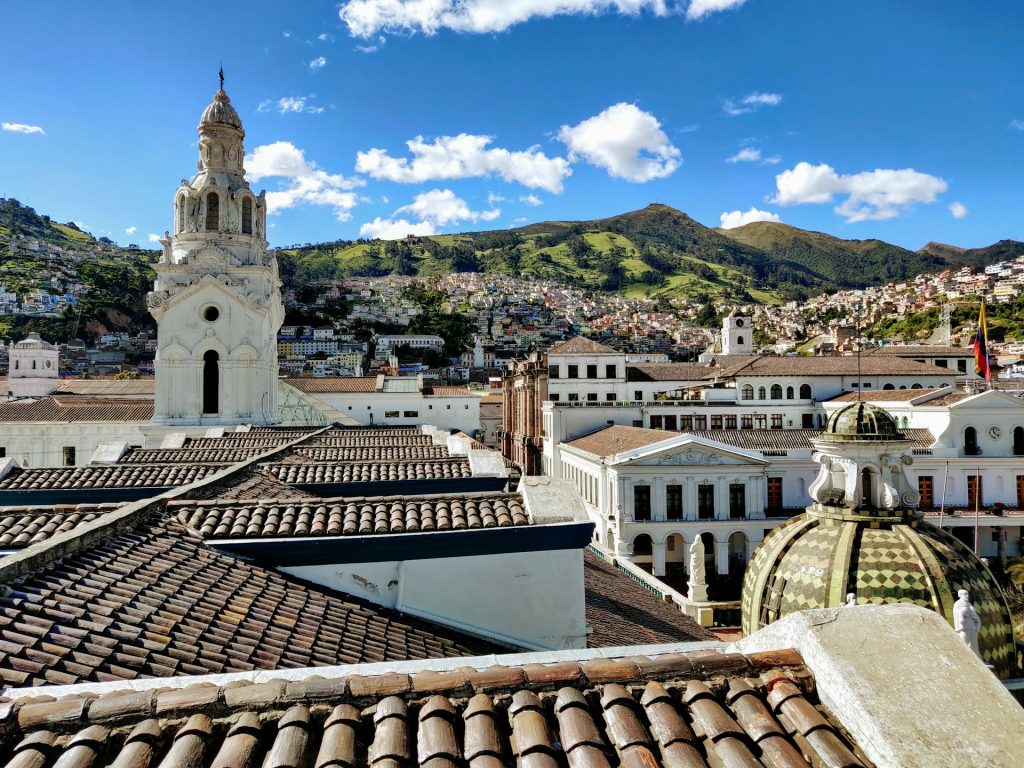
Ecuador’s capital sits at 2,850 meters, sprawling through an Andean valley where pre-Columbian, colonial, and modern cultures exist simultaneously. The historic center—Latin America’s largest and best-preserved—contains baroque churches so ornate they seem to drip gold. Because they literally do. Tons of gold leaf.
But step outside the colonial core and indigenous markets take over. Otavalo merchants sell textiles every Saturday in gatherings that predate the Spanish conquest. Quichua remains widely spoken. The city’s cultural tension is its strength: ancient traditions refusing to become museum pieces.
La Paz
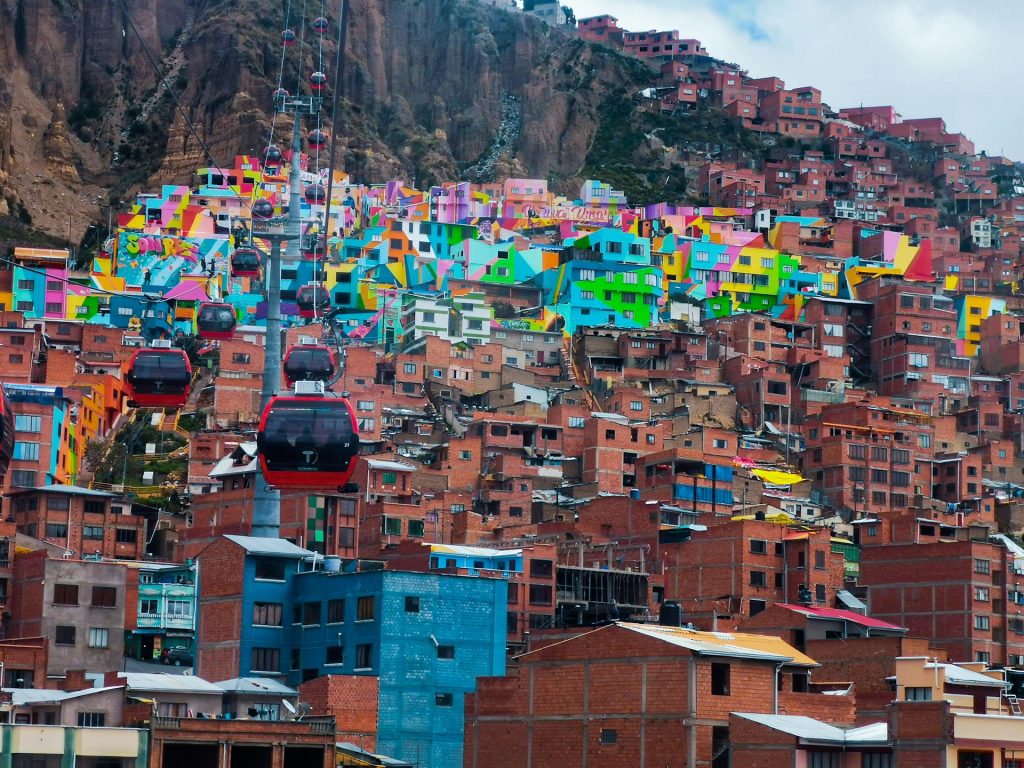
The world’s highest administrative capital doesn’t apologize for its contradictions. Indigenous Aymara culture dominates despite centuries of marginalization, and cholitas in bowler hats and layered skirts now run businesses, practice law, and compete in lucha libre wrestling matches.
The Witches’ Market sells llama fetuses for construction site offerings alongside tourist trinkets. Cable cars—the Mi Teleférico system—connect the high-altitude city center to El Alto above, providing daily commuters with genuinely stunning views. Traditional apthapi communal meals happen in office lunch rooms. La Paz doesn’t separate indigenous and modern. It insists they’re the same thing.
Ouro Preto
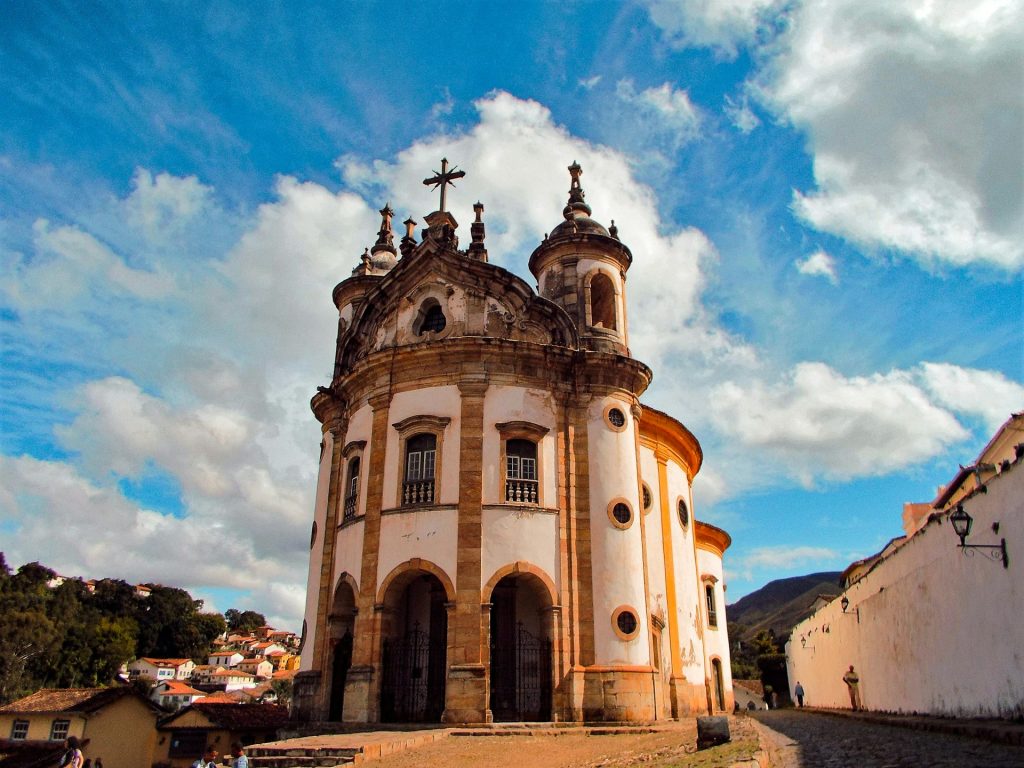
This Brazilian mountain town exists because of an 18th-century gold rush that funded Portugal’s royal excesses and created baroque architecture so excessive it borders on deranged. Churches compete for ornamental supremacy: São Francisco de Assis contains Aleijadinho’s sculptures, considered masterpieces of colonial art created by a self-taught artist working despite degenerative disease.
The streets are too steep for comfort and too narrow for modern traffic. Which preserved everything. Students from the federal university occupy colonial buildings, keeping the town alive rather than letting it fossilize into a museum.
Like Travel Pug’s content? Follow us on MSN.
Olinda
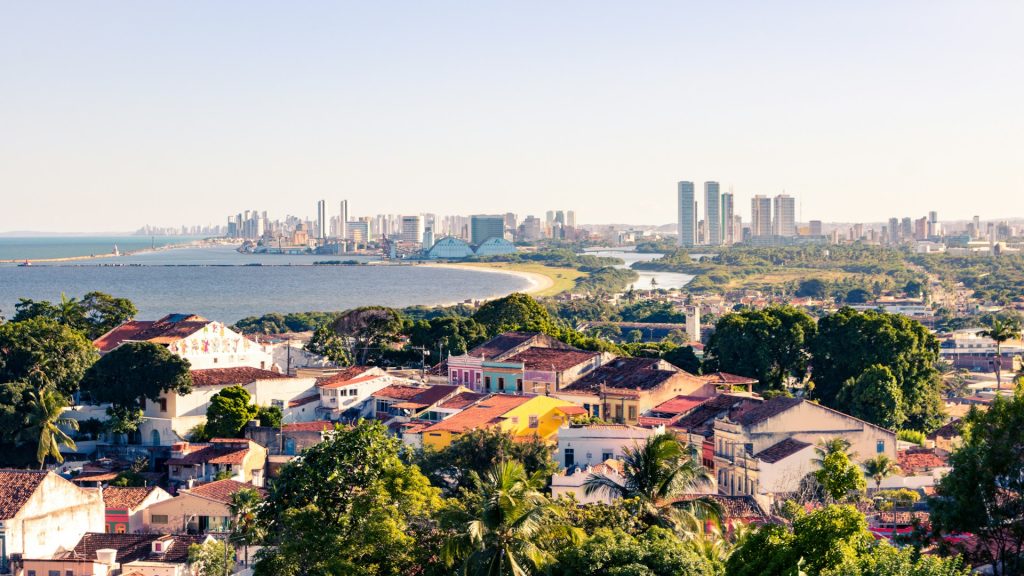
Carnival was born in multiple places, but Olinda perfected the neighborhood version. This colonial Brazilian town north of Recife explodes every February with street parties where giant puppets tower over revelers and frevo dancers spin umbrellas while performing moves that seem physically impossible.
The rest of the year, Olinda remains an artists’ colony. Galleries and workshops occupy colonial houses. The historic center—another UNESCO site—allows residents to actually live in 16th-century buildings rather than turning them into hotels. Churches perch on hills offering views across red tile roofs to the Atlantic.
Sucre

Bolivia’s constitutional capital earned its “White City” nickname from limestone buildings that glow in the high-altitude sun. The city preserves colonial architecture more completely than almost anywhere else in South America, but it’s not a relic.
Indigenous Quechua culture thrives in daily markets and traditional textile production. The city’s university—founded in 1624—makes Sucre a center of Bolivian intellectual life. And it was here that Bolivia declared independence, making the city’s historical significance both colonial and revolutionary.
Medellín
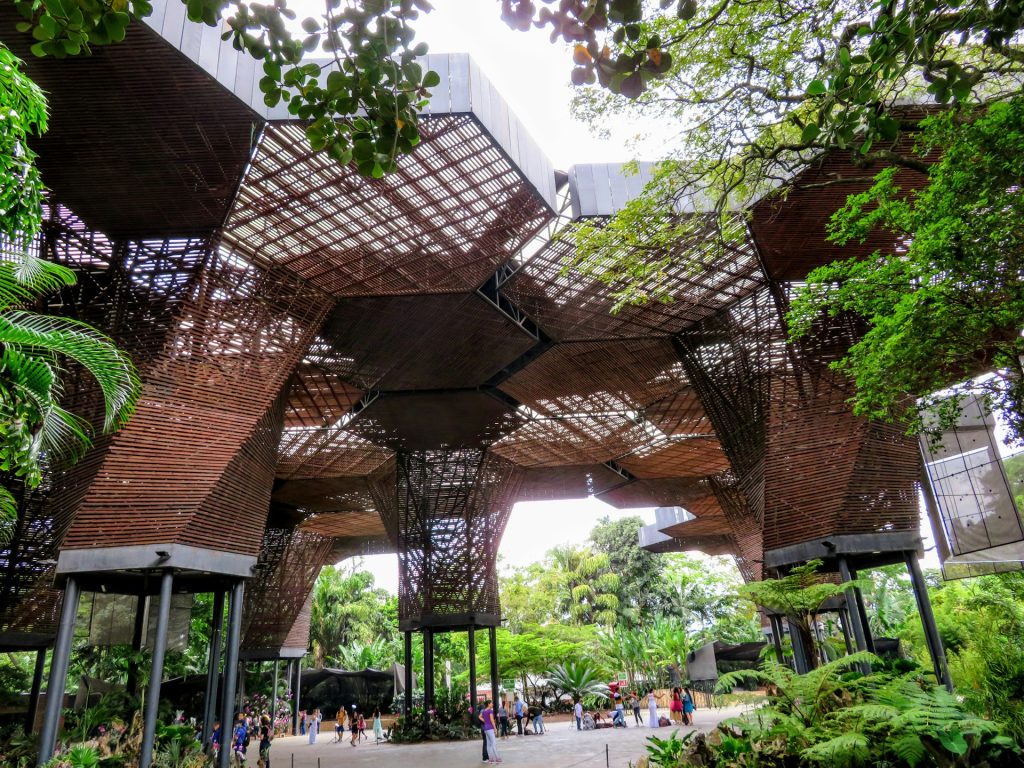
Colombia’s second city transformed from cartel violence to urban innovation in a single generation. That transformation included culture. The city invested in:
- Library parks in former conflict zones
- Metro cable cars connecting hillside barrios to city services
- Public art installations and museums in working-class neighborhoods
- Annual flower festival celebrating paisa heritage
Botero donated 23 of his signature rotund sculptures to Plaza Botero. The transformation isn’t complete or perfect. But Medellín’s cultural shift—from violence to civic pride—might be the most dramatic in South America.
Like Travel Pug’s content? Follow us on MSN.
San Telmo
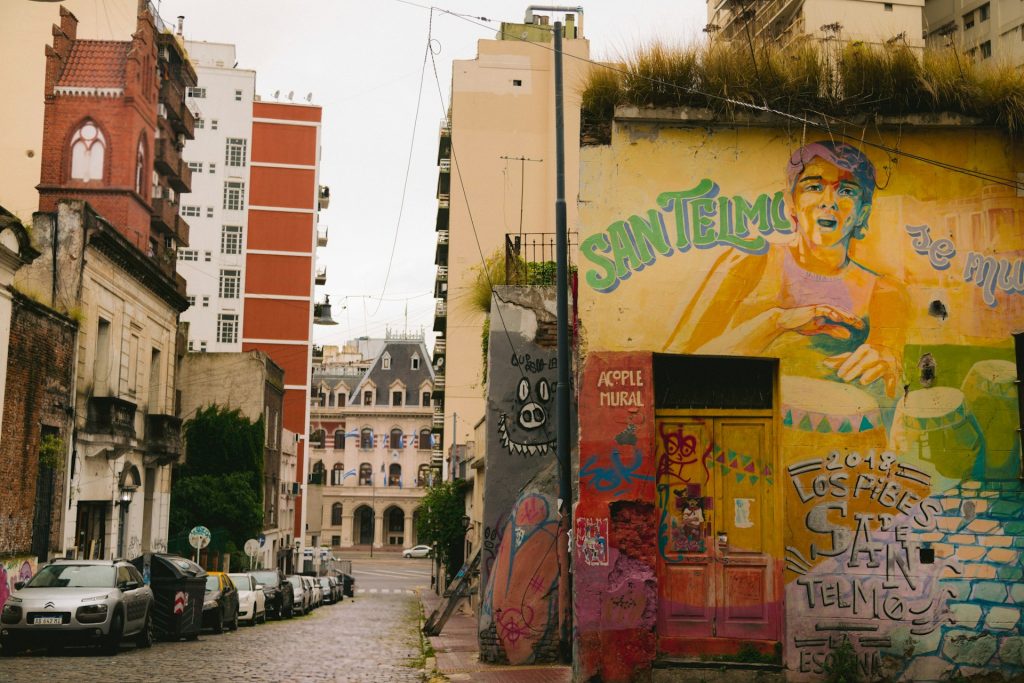
Buenos Aires appears twice because the city contains multitudes. If downtown Buenos Aires is European grandeur, San Telmo is the neighborhood where that grandeur aged into bohemian charm. Every Sunday, the antique market takes over Plaza Dorrego, vendors selling everything from vintage cameras to mate gourds under trees where tango dancers perform for coins tossed into upturned hats.
The neighborhood’s conventillos—tenement buildings where Italian and Spanish immigrants crowded—now house artists’ studios and tango schools. Fileteado porteño signs—that distinctly Buenos Aires decorative style—still advertise butcher shops and corner bars unchanged since the 1950s.
Paraty

This Brazilian colonial port town was designed to handle gold shipments from Minas Gerais to Portugal. Then the gold ran out and Paraty fell asleep for about 150 years. Which saved it.
The entire historic center remains car-free, its white colonial buildings with multicolored trim surrounding cobblestone streets that flood during high tide—an original drainage design still functioning after three centuries. The town now hosts a major literary festival and serves as a base for exploring the surrounding Atlantic rainforest and beaches. Still smells like salt water and history.
Potosí

The mountain that looms over this Bolivian city—Cerro Rico—contained so much silver that it funded the Spanish Empire’s power and, less romantically, killed thousands of indigenous miners forced into labor. Potosí was once one of the world’s largest cities, its wealth creating baroque churches and colonial mansions at 4,090 meters altitude.
The mines still operate. Men still descend into the mountain, now chewing coca leaves and making offerings to El Tío—a syncretic devil figure who rules the underground. The city’s cultural importance isn’t comfortable. It’s a monument to colonial extraction that remains a working mining town, beauty and brutality existing in the same space.
Like Travel Pug’s content? Follow us on MSN.
Arequipa

Peru’s second city sits in the shadow of three volcanoes, its historic core built from white volcanic sillar stone that gives buildings a luminous quality. The Santa Catalina Monastery occupies an entire city block—a 16th-century convent where nuns lived in near-total isolation, creating a city within a city complete with streets, plazas, and brightly painted walls.
Outside the monastery, Arequipa maintains a distinct regional identity. The city’s cuisine—especially its picanterías serving rocoto relleno and chupe de camarones—has UNESCO recognition. And the surrounding Colca Valley remains home to Quechua and Aymara communities maintaining pre-Columbian agricultural terraces.
Montevideo
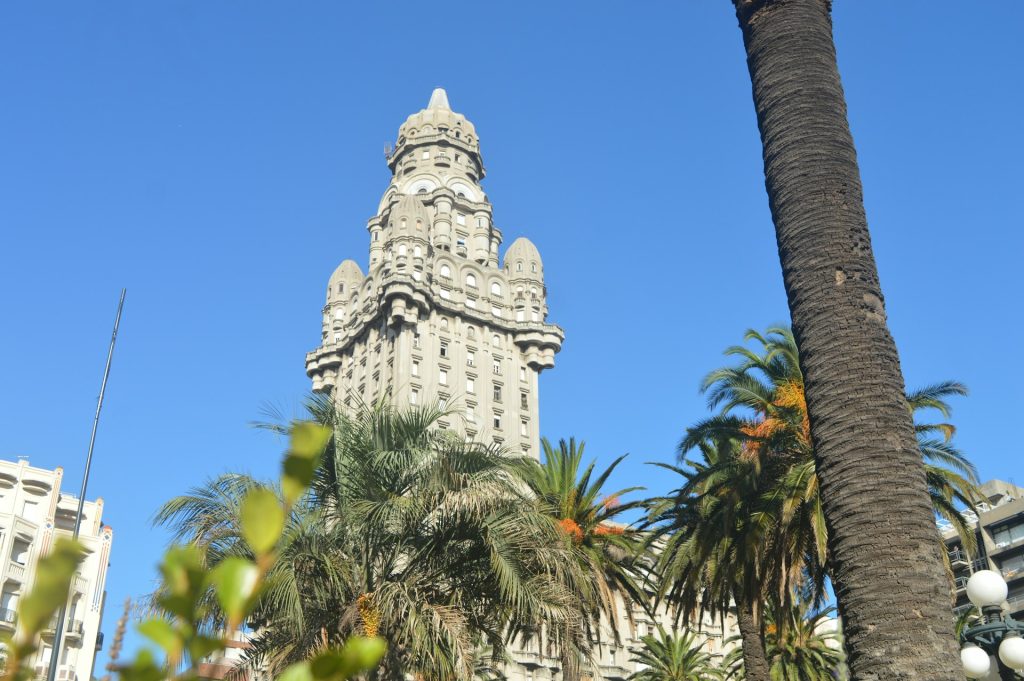
Uruguay’s capital gets overlooked between Buenos Aires and Brazilian beach cities, which suits montevideanos fine. The city shares tango heritage with Buenos Aires but claims to have invented the dance first—a dispute that will never resolve. The Ciudad Vieja mixes colonial architecture with art deco buildings and street markets where mate gourds outsell coffee cups.
Candombe drums echo through Barrio Sur and Palermo neighborhoods every weekend, Afro-Uruguayan communities maintaining African rhythms brought by enslaved peoples. The city operates at a slower pace than its neighbors, which feels intentional rather than sleepy.
Where culture refuses to freeze
These clusters don’t preserve culture like specimens in formaldehyde. They live it, argue with it, remix it into something new while keeping one foot planted in centuries-old traditions. That’s what makes them matter.
Like Travel Pug’s content? Follow us on MSN.
More from Travel Pug

- 20 Best Beach Towns in the Carolinas
- 13 Destinations Where Tourists Regularly Regret Their Trip
- 20 Things You Actually Get in First Class
- 20 Small Airports With Aviation Museums
- 20 Places in the U.S. That Are Perfect for a Reset Trip
Like Travel Pug’s content? Follow us on MSN.