

American cities pulse with creativity in forgotten warehouses and century-old storefronts. What were once industrial wastelands have become outdoor galleries where murals tower five stories high and every corner reveals a new installation.
Below are the most artistic neighborhoods across the United States—places where culture wasn’t imported but grew organically from abandoned spaces and resilient communities.
Bushwick
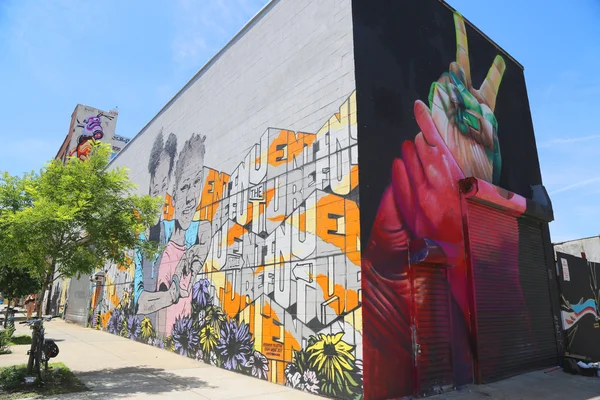
The Bushwick Collective stands as the heart of Brooklyn’s street art scene, founded in 2012 by local resident Joseph Ficalora as a curated collection of murals created by both local and international artists. Walk down any alley here and you’ll find garage doors transformed into canvases. Once a working-class industrial area, Bushwick began its transformation in the 2000s when artists settled here because of affordable rents.
And the art keeps changing. Every year, the Bushwick Collective Block Party invites the best street artists from around the globe to create new murals while featuring musical performances and food trucks, drawing thousands to the neighborhood. The coffee tastes better when surrounded by 40-foot portraits.
Williamsburg
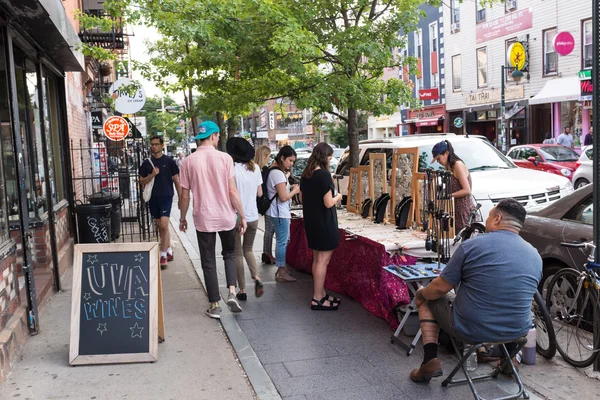
Artists like Roa, Buff Monster, and Shepard Fairey have contributed to Williamsburg’s outdoor gallery, creating a neighborhood that blends industrial grit with high art. What sets Williamsburg apart is its ability to blend the old with the new, with artists often incorporating the architecture of the neighborhood into their pieces. The texture of crumbling brick becomes part of the composition.
Williamsburg is home to some of the best bars and nightclubs in Brooklyn, making it perfect for young professionals who commute into Manhattan but want to live where creativity feels alive after dark.
Wynwood
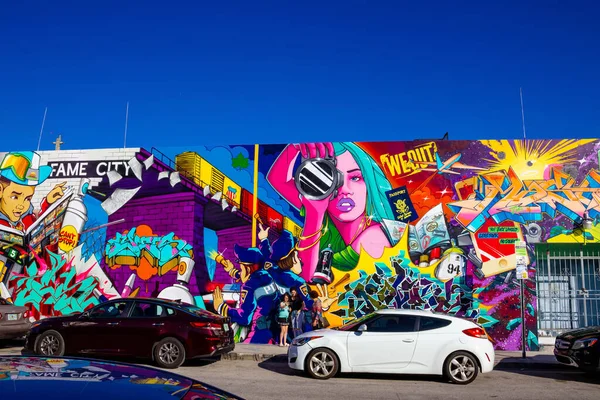
Tony Goldman bought his first building in Wynwood in 2004, and owned nearly two dozen properties by 2008. His vision transformed Miami’s former garment district into what some call the hippest neighborhood in America. Artists from around the world have contributed to the Wynwood Walls, which have been covered by media such as the New York Times and the BBC, bringing international attention to the destination.
The neighborhood sprawls beyond designated gallery spaces. Wynwood boasts a diverse mix of creative businesses ranging from visual artists and designers to craft distillers and brewers, winemakers, and small-batch coffee roasters. You can stumble into a mural unveiling, then grab tacos from a food truck parked beneath a four-story goddess.
.
RiNo
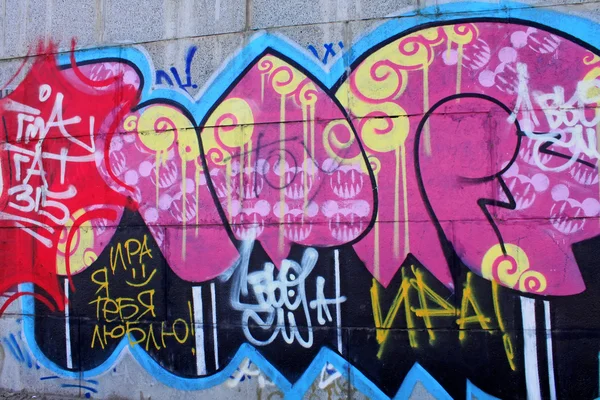
Denver’s River North Art District earned its nickname and mascot—look for creative rhinos everywhere. Historic warehouses and factories now house jazz bars, restaurants, brewpubs, art galleries and working studios. Each year RiNo hosts an event called Crush, where artists come together to create eclectic wall murals, livening up the neighborhood and adding a splash of color to the otherwise bland landscape.
The food scene rivals the art. James Beard award-winning chef Alon Shaya satisfies cravings for Israeli food at Safta Restaurant, while conveyor belt sushi at Sushi-Rama RiNo delivers high-quality food in an approachable manner. Art and craft beer share equal billing here.
Deep Ellum
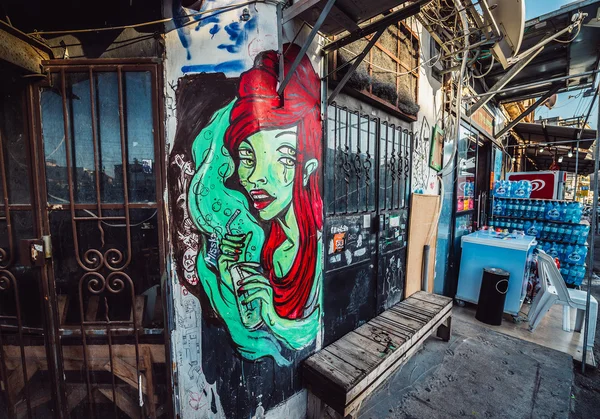
Deep Ellum, established in 1873, is a historic Dallas neighborhood known for its mix of residential and commercial spaces, originally called “Deep Elm” for its central location along Elm Street just east of downtown Dallas. Since its founding over 150 years ago, Deep Ellum is the home of art and culture deep in the soul of Dallas.
The Deep Ellum Community Arts Fair highlights the incredible diversity, creativity, and DIY ingenuity that defines the spirit of this historic neighborhood—a free three-day celebration spanning six blocks and three stages. Could be worse. At least the parking’s decent compared to Brooklyn.
Mission District
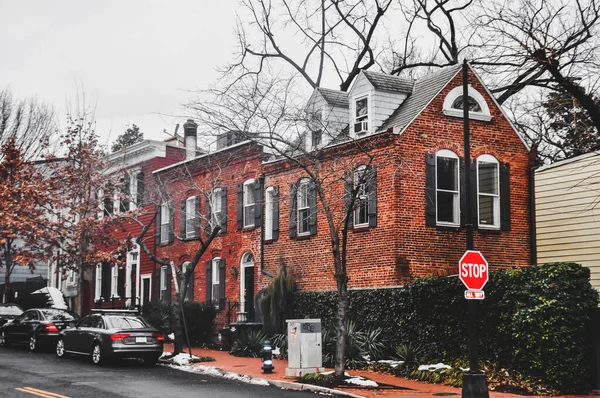
The Mission District is historically one of the most notable centers of San Francisco’s Chicano/Mexican-American community. Murals first appeared along Balmy Alley in the mid-1980s as an expression of outrage over human rights violations and political corruption in Central America. The art here doesn’t whisper—it shouts about gentrification, immigration, and survival.
Clarion Alley is known for community and arts activities, with more than 700 murals created since 1992, speaking to community concerns of social, economic, and environmental justice. The Women’s Building displays perhaps the most ambitious mural: seven women worked with more than 50 volunteers to create the 12,000-square-foot MaestraPeace mural, incorporating images representing the variety of cultures, accomplishments, and belief systems of women throughout the world.
Marigny
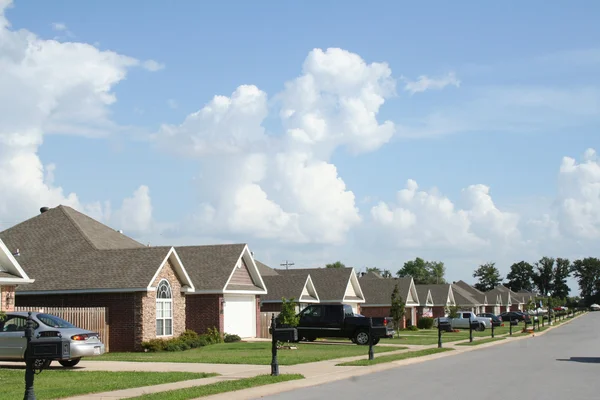
Bernard de Marigny developed this neighborhood in 1806 by selling his plantation into subdivisions. Today, the Faubourg Marigny is filled with stunning and well-preserved historical buildings and landmarks, originally a residential neighborhood filled with Creole cottages. Wrought iron decorates shotgun houses painted in colors that defy good taste—peacock blue, hot pink, lime green.
Frenchmen Street is the beating heart of the district, featuring a dazzling array of music clubs, tantalizing restaurants, cozy cafés, and quirky small businesses. The trumpet solo drifting from the bar? That’s free.
Bywater
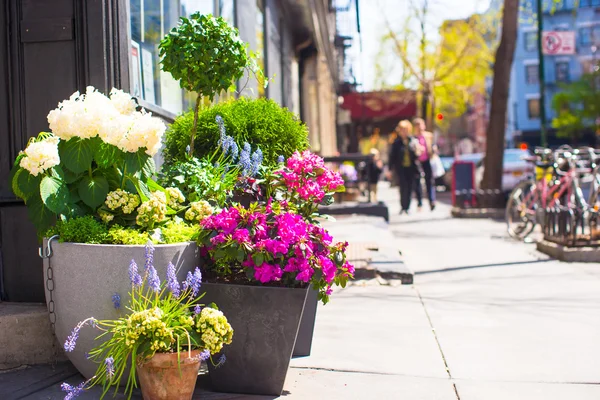
The Bywater Historic District brims with charm and vibrant energy, where the seamless blend of residential, agricultural, and industrial origins remains delightfully evident. Industrial buildings near the Mississippi River, now transformed into a mix of long-standing businesses and trendy art studios, reflect New Orleans’ enduring connection to the river.
But there’s an edge here. A vibrant art scene with local artisans’ galleries, funky live music venues, and art markets embodies the essence of these adjacent neighborhoods downriver from the French Quarter. The neighborhood serves crawfish by the pound and street art by the block.
Roosevelt Row
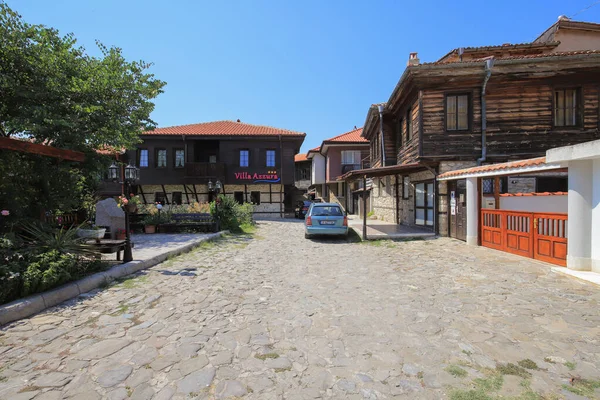
Phoenix wouldn’t seem like an arts mecca, yet Roosevelt Row proves otherwise. Roosevelt Row is downtown Phoenix’s walkable arts district, home to art galleries, restaurants, bars and boutique shops in a landscape dotted by colorful street art. Roosevelt Row’s transformation began in the late 1980s and early 1990s when artists reclaimed neglected buildings for studios and exhibitions, with the May 1994 inaugural First Friday Art Walk forming the nucleus of its cultural resurgence.
Local artists such as La Morena, Ashley Macias, Thomas “Breeze” Marcus, and Lalo Cota have helped to make downtown Phoenix a beautiful, expressive place to be. The desert heat makes afternoon gallery-hopping an endurance sport, but the murals glow at sunset.
River Arts District
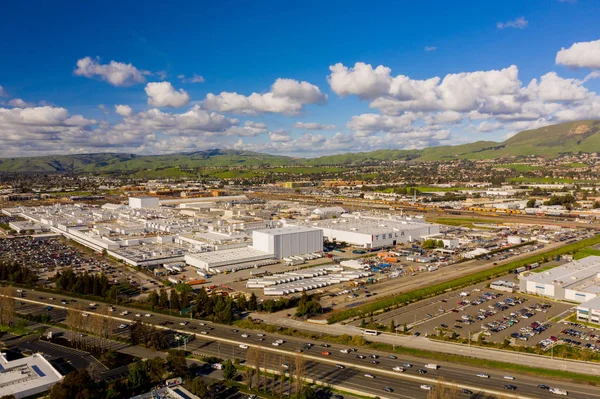
Artists had moved into abandoned buildings in Asheville’s riverfront in the 1970s, and the non-profit RiverLink began working to save the buildings. The neighborhood started revitalizing in the 1980s when local artists sought cheap rent and large studios along the French Broad River. Now, the River Arts District is a vibrant community of over 700 artists, collectives, and galleries.
Take an afternoon or week-long painting or pottery class at studios in the River Arts District, with group or private lessons designed for beginners and experienced artists. You’ll leave with a souvenir you actually made, probably lopsided but yours.
Capitol Hill
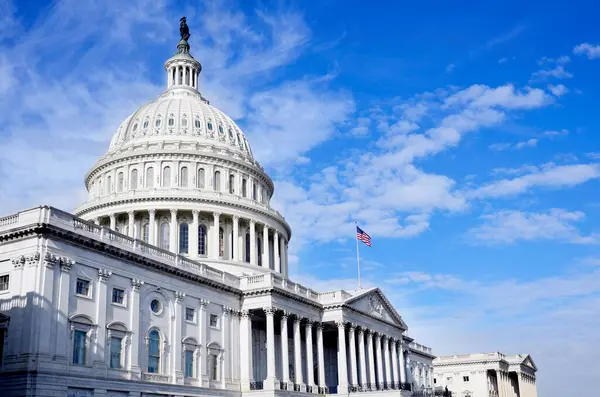
Capitol Hill’s Pike/Pine neighborhood is the densest arts neighborhood in the State of Washington, home to over 40 arts and cultural organizations that have been re-occupying a formerly light industrial area known as “auto row” over the past 35 years. But gentrification threatens everything. Existing arts organizations are under real threat of being displaced by rising rents and redevelopment, with Capitol Hill increasingly perceived as being in danger of losing its soul.
Still, Capitol Hill hosts art walks on second Thursdays, keeping the tradition alive while developers circle.
Fremont
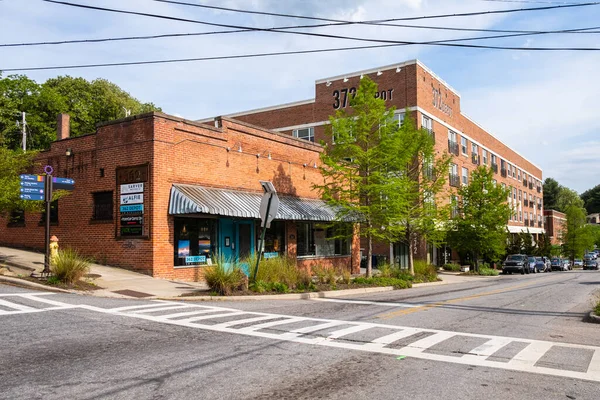
Seattle’s self-proclaimed “Center of the Universe” maintains its quirky reputation. Fremont hosts art walks on first Fridays, celebrating local artists in a neighborhood known for public sculpture and independent galleries. Fremont Abbey Arts Center is a nonprofit community organization presenting intimate seated concerts, modern dance, multi-arts shows, visual, literary, and culinary arts.
The neighborhood’s irreverence shows in every installation—from the famous Fremont Troll lurking under the bridge to smaller pieces tucked in storefront windows.
SoMa
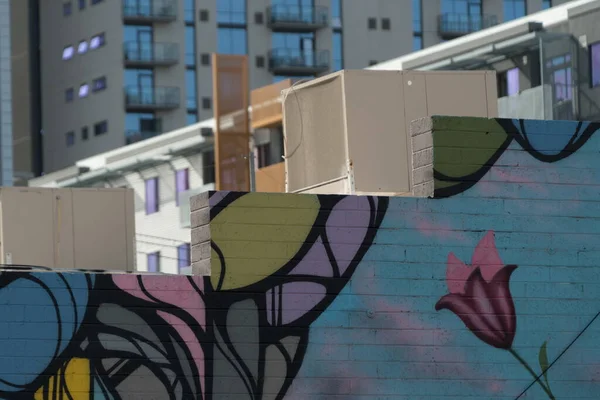
SOMArts Cultural Center is a beloved San Francisco organization that harnesses the power of art as a catalyst for collective liberation and social transformation. South of Market has transformed from industrial warehouses to a hub where affordable and accessible exhibitions and public events serve all, working toward creating a more equitable arts and culture sector.
The neighborhood buzzes with installations that challenge and provoke. Here’s what matters:
- Museums showcasing contemporary work
- Gallery spaces in converted warehouses
- Performance venues hosting experimental theater
- Street-level studios where you can watch artists work
Chelsea
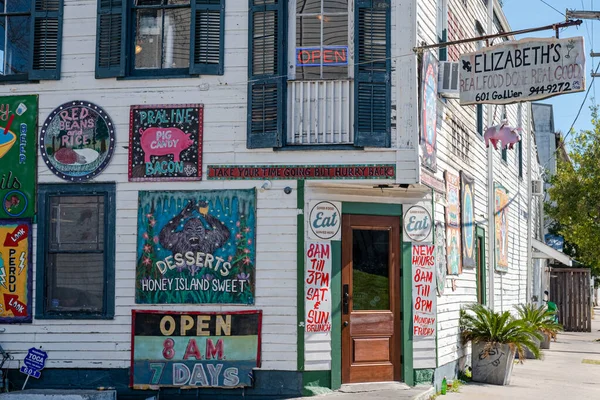
New York’s Chelsea neighborhood redefined what an art district could be. The Chelsea gallery district represents one of numerous clusters of arts and cultural activity in New York, with hundreds of commercial galleries lining the streets between 10th and 11th Avenues. Thursday evenings transform into unofficial art crawls when openings stack up block after block.
The High Line elevated park literally raised the stakes, bringing tourists and higher rents. Galleries now compete with luxury condos for real estate, but the art keeps coming.
Where creativity survives
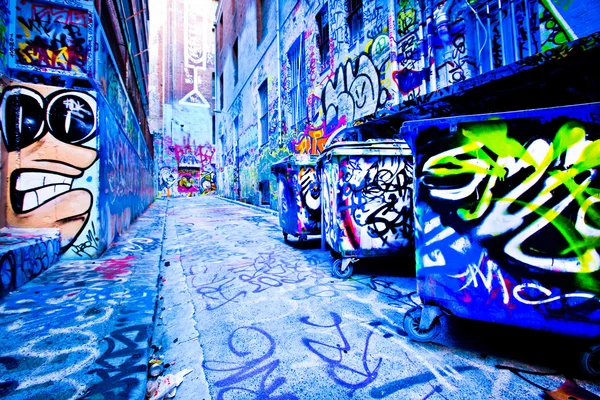
These neighborhoods share common threads: abandoned industrial spaces, affordable rent that attracted risk-takers, and communities that nurtured rather than regulated creativity. Some have gentrified beyond recognition.
Others fight to preserve what made them special. All prove that art doesn’t need permission—it needs space, and artists willing to claim it.
More from Travel Pug

- Underrated Italian Towns That Beat the Tourist Crowds
- Las Vegas Tourist Traps to Skip
- Prettiest Towns in Every US State
- 18 passport-free countries for Americans
- Signs Your Cruise Is Not Worth The Cost
Like Travel Pug’s content? Follow us on MSN.