

Every year, more than 10,000 bicycles are fished from Amsterdam’s canals, yet the city keeps spinning on its watery wheels. Amsterdam’s canal system dates back to the 17th century during the Golden Age, and the canal ring was designated as a UNESCO World Heritage Site in 2010.
Here’s a list of practical tips and hidden strategies that will help visitors navigate these historic waterways without falling into tourist traps or, worse, the water itself.
Book a small-group canal cruise
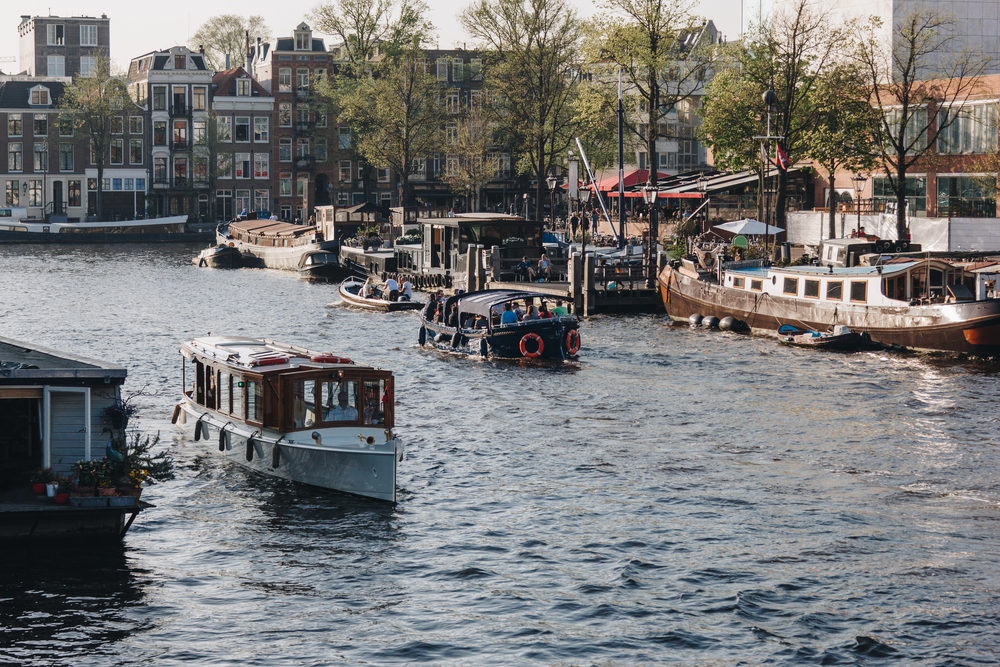
Small-group canal tours with companies like Those Dam Boat Guys offer 90-minute experiences where guides balance humor with historical information. The boats typically allow BYOB. Evening cruises show off buildings lit up against the dark water, their reflections doubling the show.
Standard canal cruises cost between €20–€25 per person in 2025. Worth noting: booking in advance saves money and guarantees a spot on the boat type that suits individual travel preferences.
Explore Herengracht’s Golden Bend
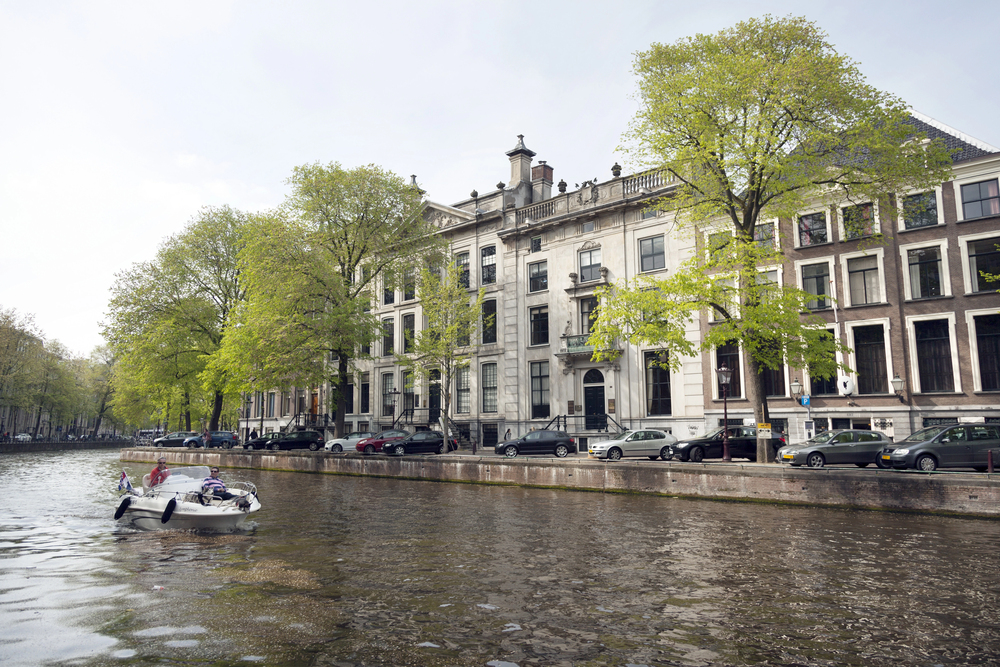
Herengracht, known as the “Gentlemen’s Canal,” features the famous Golden Bend where wealthy merchants and city regents lived. The stretch between Vijzelstraat and Leidsestraat showcases 17th-century mansions, each with unique architectural details. Prestigious hotels like The Hoxton and Waldorf Astoria occupy combined canal palaces in this area.
And these aren’t just pretty facades. Many houses have been transformed into museums and cultural landmarks that offer glimpses into Amsterdam’s Golden Age.
Like Travel Pug’s content? Follow us on MSN.
Rent a pedal boat for active exploration
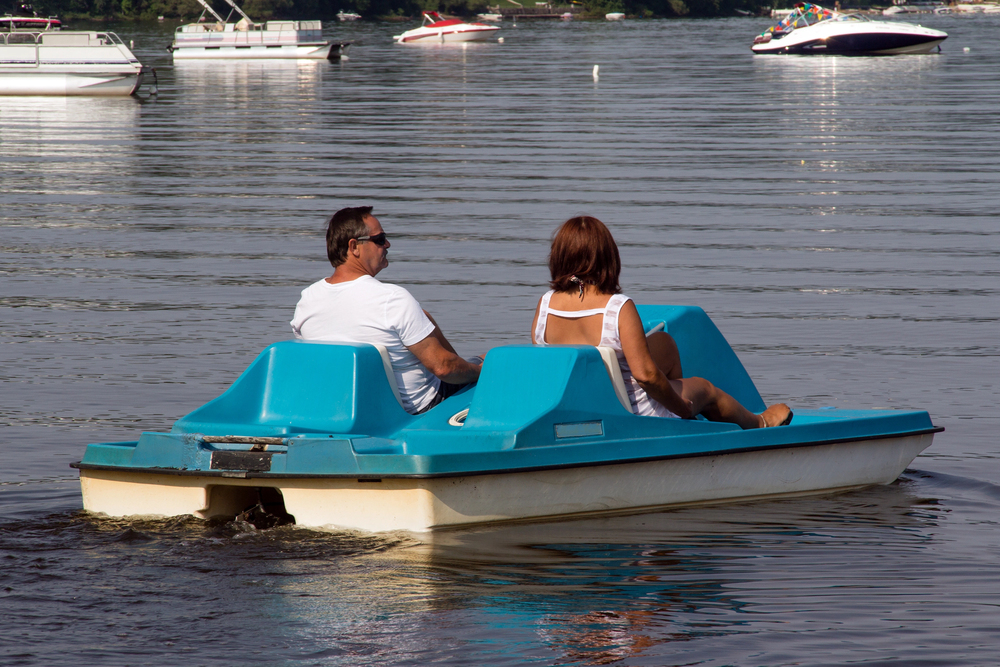
Pedal boats accommodate up to four people and have been a popular attraction since 1984. Multiple departure points exist across the city, including locations near the Rijksmuseum and Leidseplein. Rentals cost less when booked before 12:30, with prices returning to €31.50–€33.50 afterward.
The boats require minimal coordination. Both front passengers should pedal together for easier navigation. No license needed.
Visit Brouwersgracht in the Jordaan
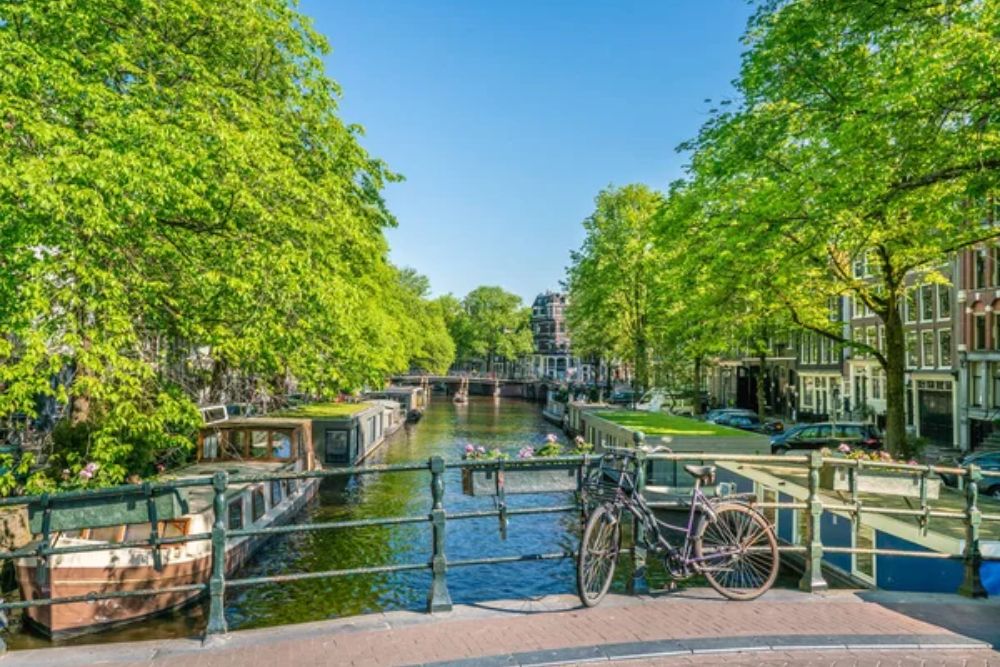
Brouwersgracht, situated in the Jordaan neighborhood, is considered one of Amsterdam’s most beautiful and tranquil canals. Once filled with breweries, the area now features historic canal houses and cafés. Café Papeneiland has served its legendary apple pie since 1642. The 17th-century Noorderkerk church sits nearby.
Still, the neighborhood rewards wanderers. Art galleries and intimate cafés reflect Amsterdam’s bohemian spirit better than the crowded center.
Time visits for spring or early autumn
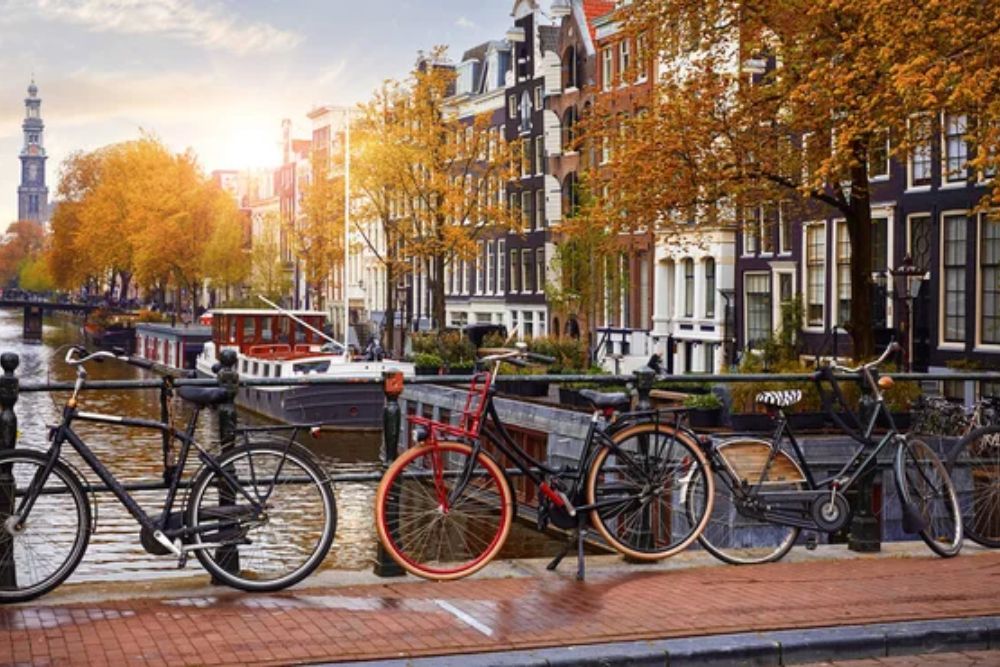
Spring and early autumn offer mild weather and fewer crowds compared to peak summer season. Spring brings the vibrant tulip season and warmer weather, while fall from September to early October provides pleasant conditions with reduced tourist numbers.
Morning cruises offer peaceful starts. Late afternoon captures golden light on the water. But avoid weekends and school holidays when the canals resemble parking lots.
Like Travel Pug’s content? Follow us on MSN.
Photograph the Seven Bridges
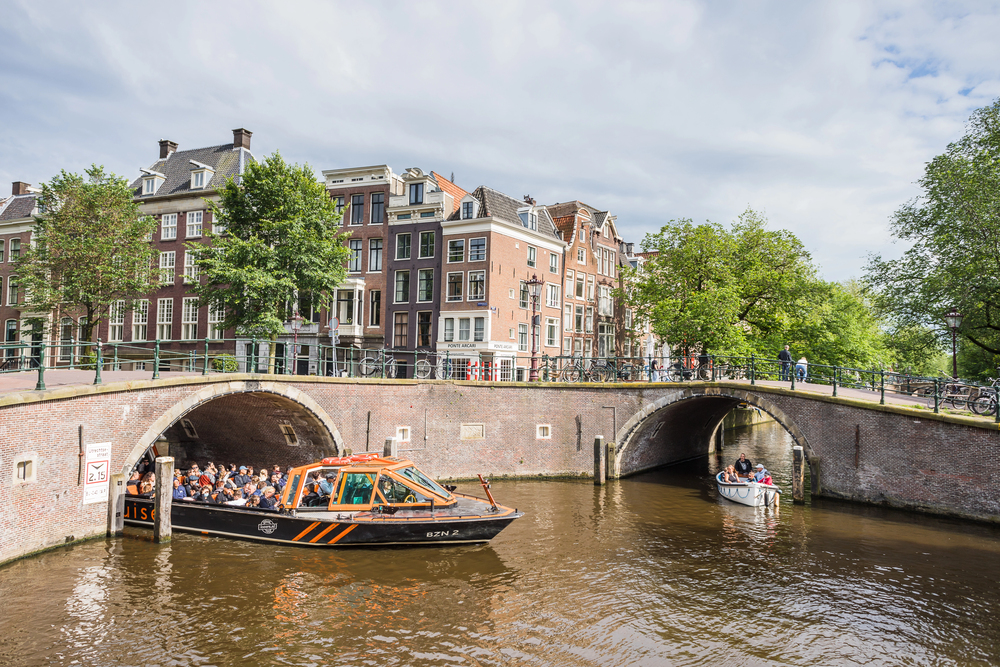
At the intersection of Reguliersgracht and Herengracht, visitors can see seven bridges lined up across Reguliersgracht. Here’s the catch: the view only works from the water level. From the street, trees and sight lines block the full perspective that makes this spot Instagram-famous.
Canal cruise boats slow down at this intersection specifically for photos. The bridges look particularly beautiful when lit up at night. Photographers should request window seats on the Herengracht-facing side.
Self-drive electric boats
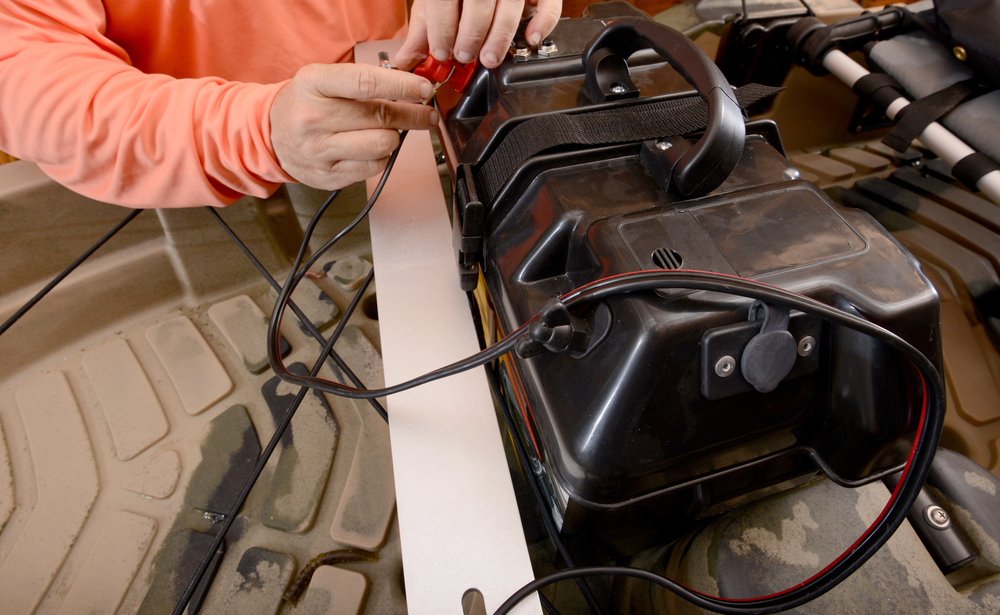
Boat rental companies like Boaty offer electric whisper boats that accommodate six people, starting at €89 for three hours. No boating license required. Companies provide complimentary sailing maps and personal explanations before departure.
Visitors can chart their own routes along the Prinsengracht and Keizersgracht, or venture outside the city center for quieter waters. The boats include cushions and life jackets. Morning rentals save –€10. Just bring snacks and check the weather first.
Experience Prinsengracht’s diversity
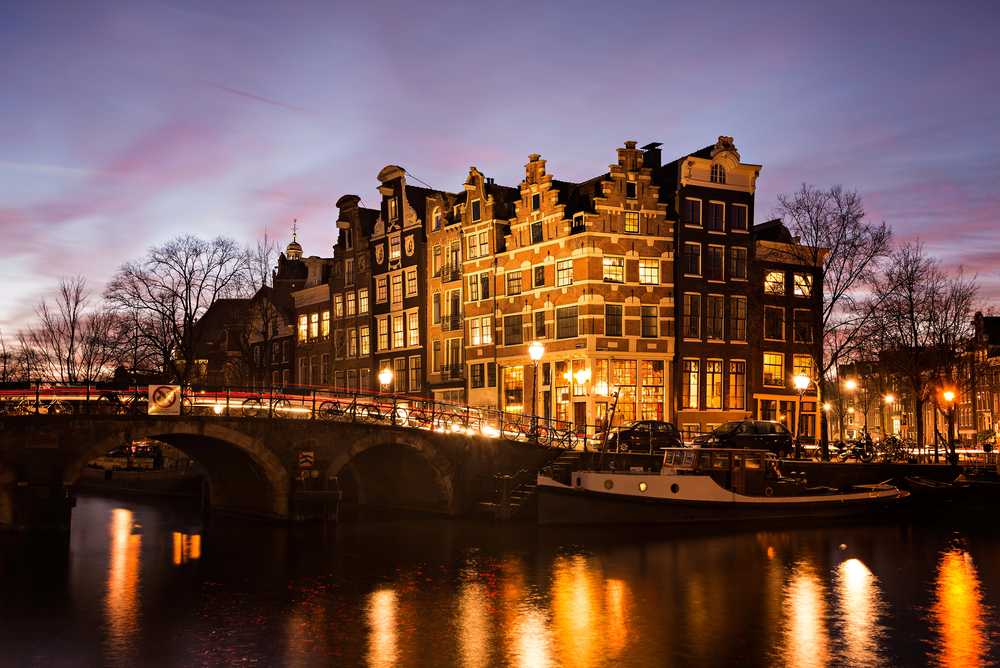
Prinsengracht stretches over 1.9 miles] through Amsterdam’s historic heart and hosts recognizable sites including the towering Westerkerk. The Anne Frank House sits along this canal. During King’s Day celebrations, the canal transforms into a party venue with floating DJs and orange-clad revelers.
The neighborhood changes character every few blocks. Trendy boutiques give way to historic buildings, then shift again into residential stretches where houseboats bob against the quays.
Like Travel Pug’s content? Follow us on MSN.
Visit the Grachtenmuseum

The Grachtenmuseum on Herengracht showcases the complete history of Amsterdam’s canal ring. Purchasing a Netherlands museum pass provides free admission to 500 art galleries and museums throughout the country for an entire year.
The museum explains how 17th-century Amsterdam created its distinctive horseshoe-shaped canal belt during rapid expansion as a major trade center. Good for rainy days.
Try SUP boarding or kayaking

SUP Rental Amsterdam offers stable paddleboards for tours on the Amstel River and Amsterdam canals, with instruction provided for beginners. Active visitors can also go canoeing through the canal ring.
Personal belongings can be stored at dock locations. The activity requires more effort than pedal boats but rewards participants with closer water contact and better arm workouts. Could be worse.
Check out the Magere Brug
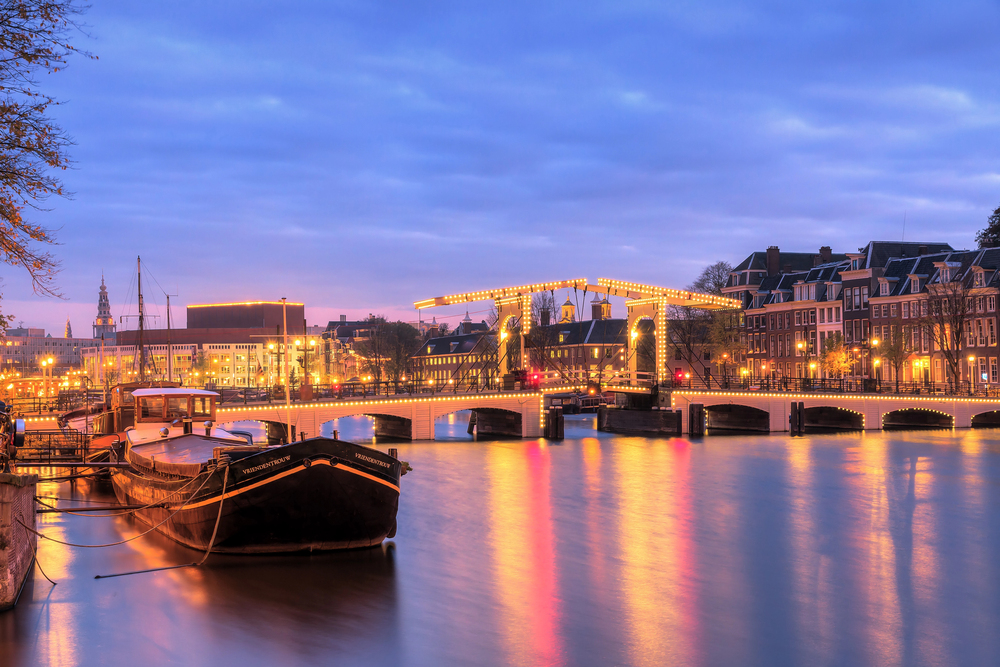
The Skinny Bridge connects the banks of the river at Kerkstraat between Keizersgracht and Prinsengracht, built in 1670 as an Old Dutch double-swipe balanced bridge painted white. Featured in many films, the white-coated drawbridge is easily recognizable and has spawned a legend about two sisters who lived on opposite sides of the river.
The bridge opens periodically for boat traffic. It’s especially beautiful at night with panoramic views. The smell of canal water mixes with stroopwafel from nearby vendors.
Like Travel Pug’s content? Follow us on MSN.
Dine canal-side in style
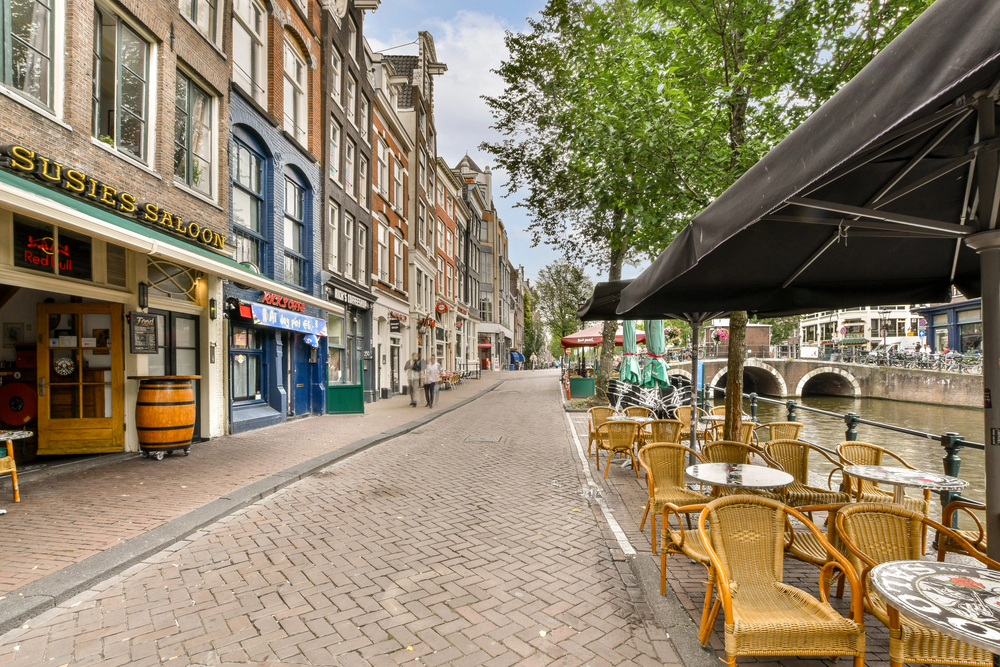
Canal-side dining offers local and international cuisines served with picturesque waterway views, from cozy cafés to elegant restaurants. The Jordaan neighborhood and Museum Quarter areas provide the strongest options for combining food with atmosphere.
Reservations help during peak times. Many establishments offer outdoor seating that lets diners watch boat traffic while eating. Some restaurants occupy converted canal houses with centuries-old interiors.
Tour the Houseboat Museum
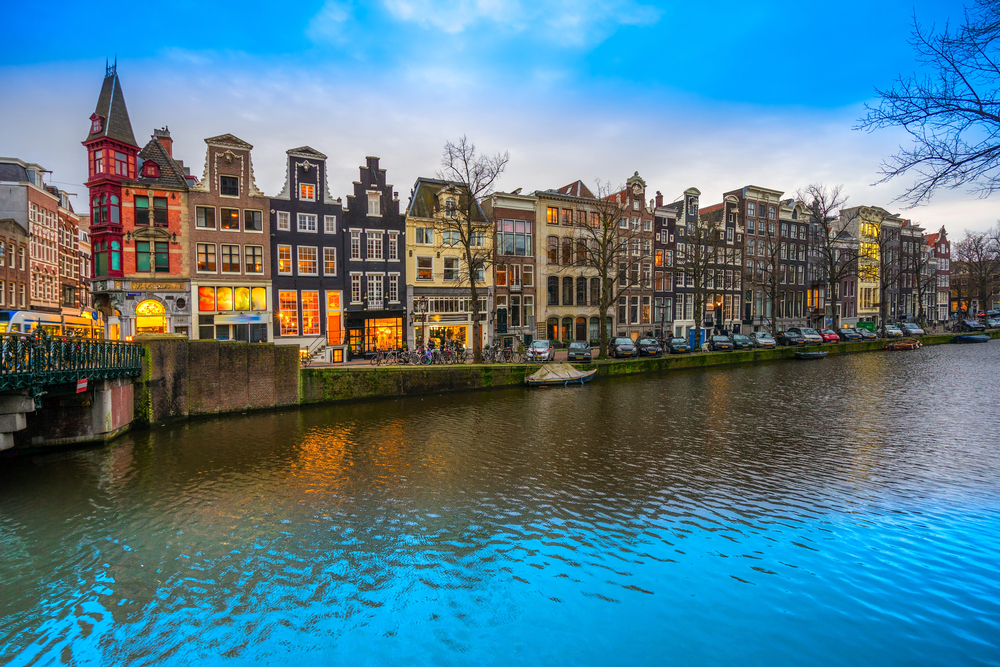
Around 2,500 houseboats line Amsterdam’s canals, with many afloat for more than a century. The Woonbootmuseum shows visitors what houseboat interiors look like.
The floating cat sanctuary, called Poezenboot, on the Singel canal, cares for over 50 cats, offering a quirky alternative to standard tourist attractions. Not everyone’s cup of tea, but memorable.
Walk the canal ring independently
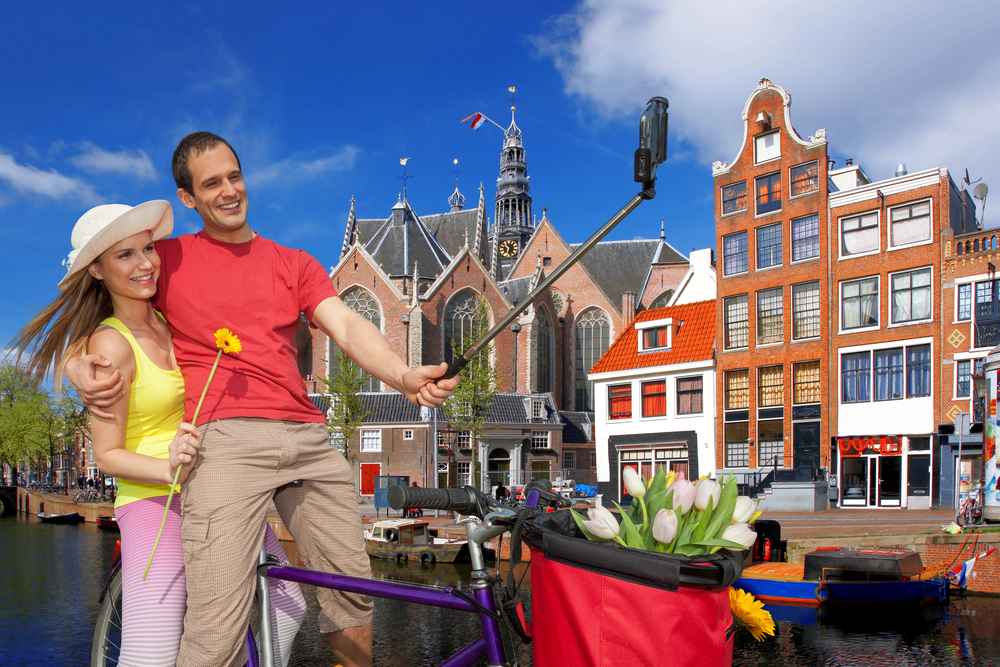
Walking tours allow exploration of the UNESCO World Heritage canal belt at a personal pace, passing elegant houses, hidden museums, and fascinating landmarks. The canal belt forms a horseshoe shape around the city’s heart, with 165 canals stretching over 62 miles combined.
Key walking routes include:
- Starting at Singel (the oldest main canal, once a protective moat)
- Moving through Herengracht and Keizersgracht (wider canals displaying Amsterdam’s wealth)
- Ending at Prinsengracht for the Anne Frank House
The Reguliersgracht offers picturesque bridges and beautiful houses along a quieter route.
Like Travel Pug’s content? Follow us on MSN.
Attend the Amsterdam Light Festival
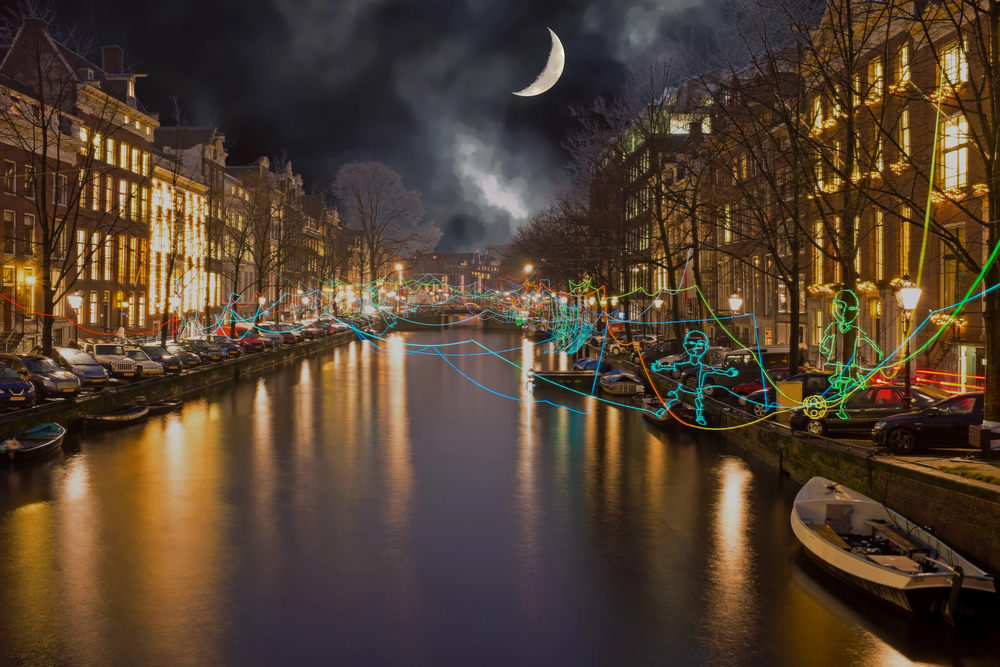
The Amsterdam Light Festival runs from late November through mid-January, featuring illuminated art installations along the canals. Special evening cruises operate during this period, though they book up quickly.
The festival transforms the canal ring into an outdoor gallery. Artists from around the world contribute light sculptures that reflect off the water. Private boats with skippers offer the best viewing angles, and some companies provide discounts for early bookings.
Respect canal etiquette and rules
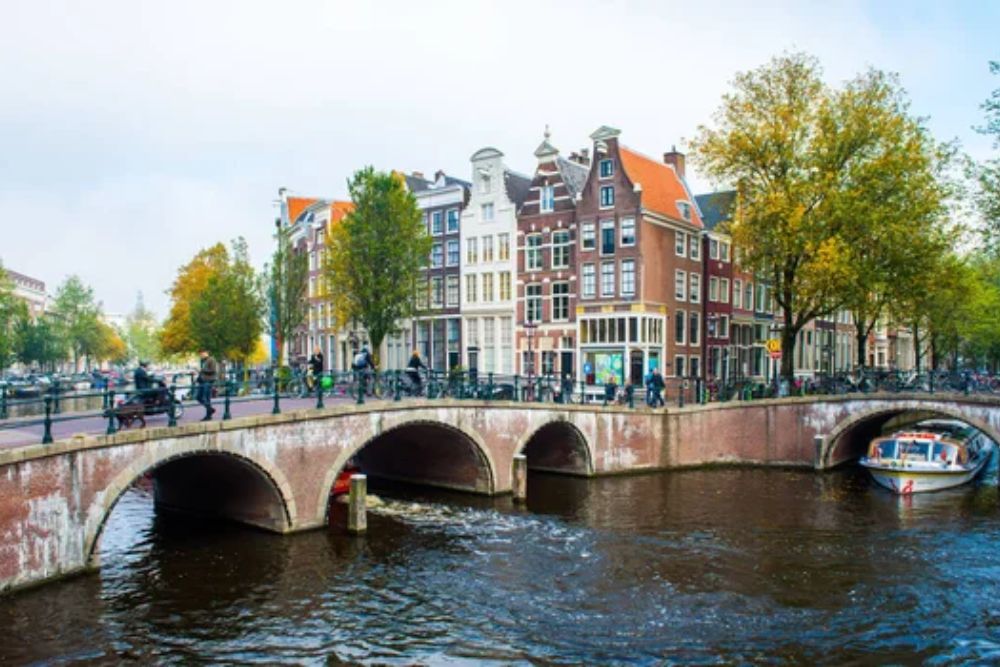
Boaters should stay to the right and yield to larger vessels while following the basic rules of the canal. Jumping off bridges in Amsterdam is prohibited and carries fines of up to €140.
The canals contain both saltwater from the Noordzeekanaal and freshwater from the Rhine via the Amsterdam-Rhine Canal, with an average depth of 2.6 meters. Not ideal for swimming. An annual Amsterdam City Swim event takes place in September, but casual dips aren’t recommended due to water quality.
Final thoughts
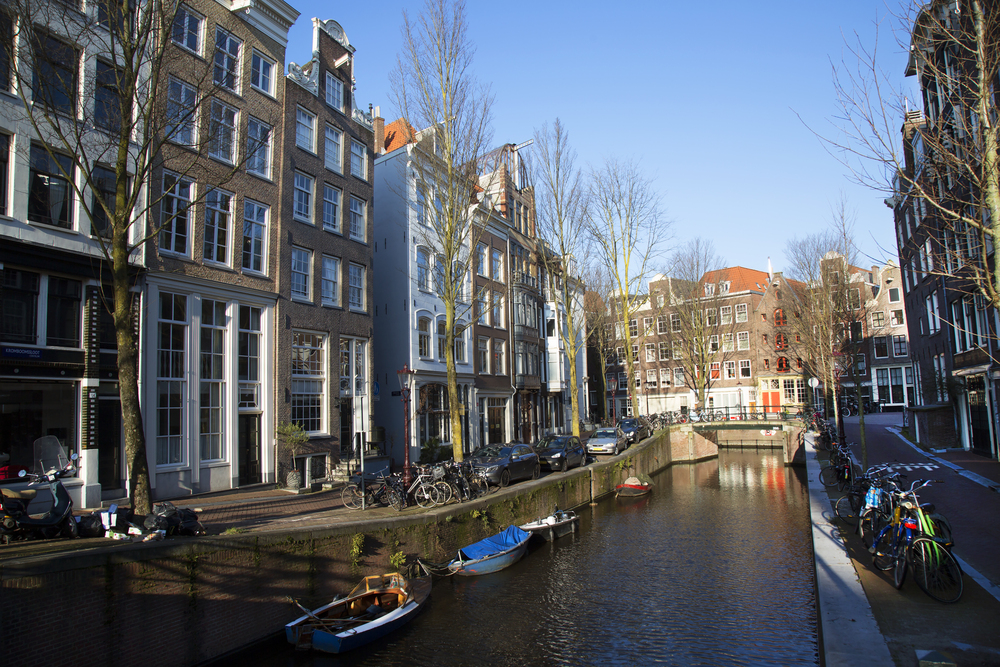
Amsterdam’s 17th-century canal ring represents cultural heritage of exceptional quality, according to the UNESCO World Heritage Commission. The waterways give the city its unique gentle character, free from high-rise buildings in the center.
Visitors who combine multiple exploration methods—boat tours, walking, cycling, pedal boats—see different facets of the same timeless scene.
Like Travel Pug’s content? Follow us on MSN.
More from Travel Pug

- 20 Best Beach Towns in the Carolinas
- 13 Destinations Where Tourists Regularly Regret Their Trip
- 20 Things You Actually Get in First Class
- 20 Small Airports With Aviation Museums
- 20 Places in the U.S. That Are Perfect for a Reset Trip
Like Travel Pug’s content? Follow us on MSN.