

There’s a certain romance to red-eye flights — the idea of boarding a plane after dinner, sleeping through the journey, and waking up in a new city just as the sun rises.
It sounds efficient, almost magical.
But anyone who’s actually done it knows the reality usually involves stiff necks, stale airport coffee at 5 a.m., and that peculiar zombie feeling that lasts until at least noon.
Early morning arrivals, by contrast, might require an ungodly wake-up call and a bleary-eyed drive to the airport before dawn.
Yet they consistently deliver something red-eyes rarely do: a functional first day at your destination.
The difference isn’t just about personal preference or tolerance for discomfort.
It comes down to biology, logistics, and the simple fact that cities are designed for people who operate during daylight hours.
Here’s a closer look at why getting there in the morning tends to work out better than stumbling off a plane in the middle of the night.
Your Body Clock Actually Cooperates
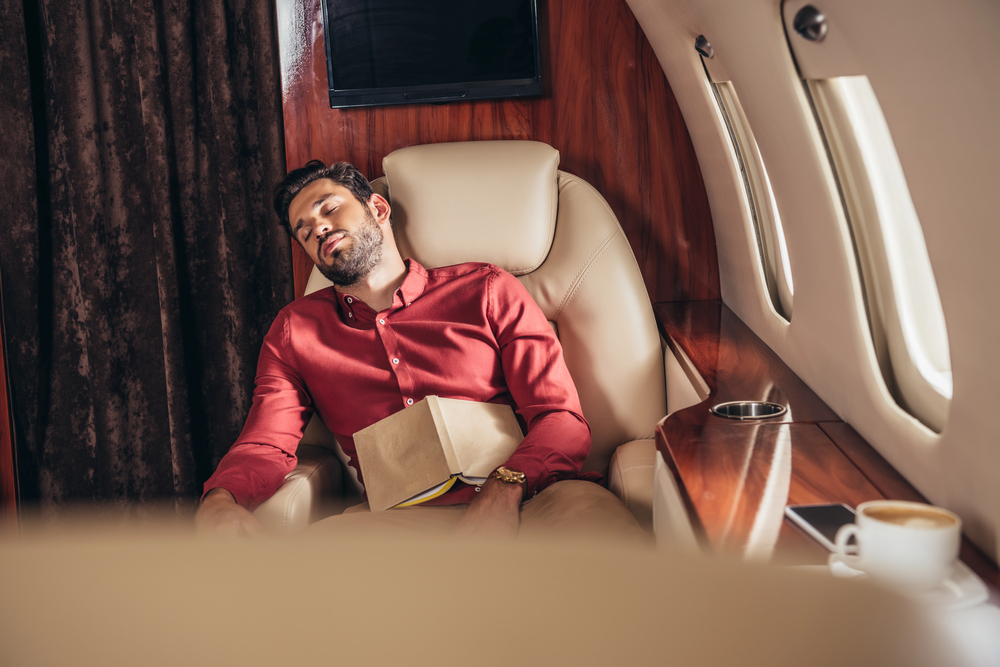
Human circadian rhythms don’t negotiate.
They’re hardwired biological systems that regulate sleep, alertness, and dozens of metabolic processes based on light and darkness.
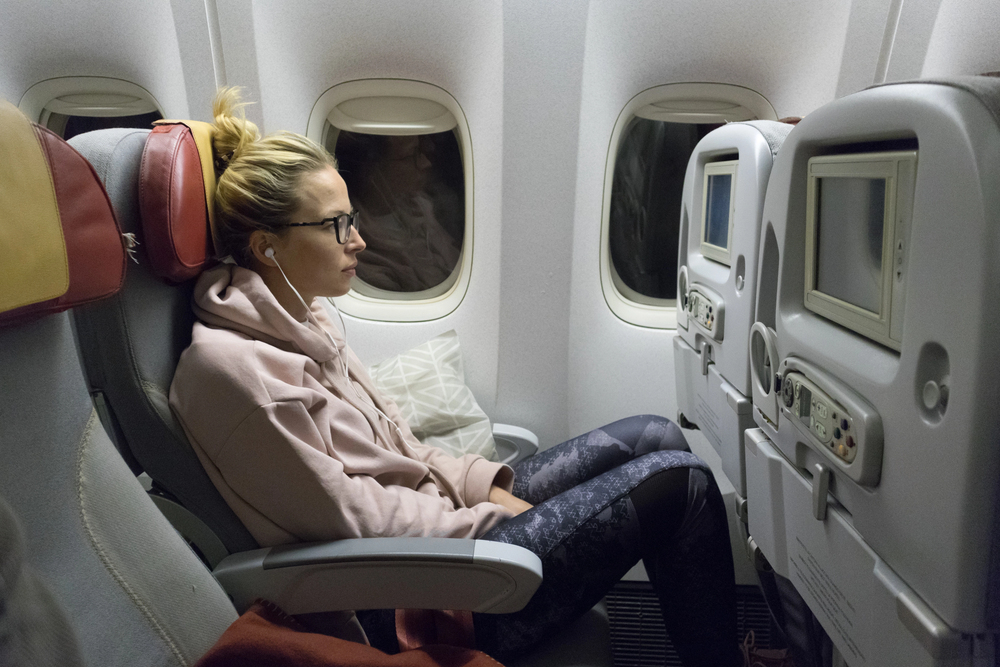
When you take a red-eye, you’re asking your body to sleep in a cramped, noisy, brightly lit cabin while it’s biologically primed to be awake.
Even if you manage to doze off, the sleep quality is abysmal — fragmented, shallow, and nowhere near restorative.
Early morning flights work with your natural rhythms instead of against them.
You go to bed at a reasonable hour the night before, wake up early (admittedly rough, but manageable), and arrive at your destination when your body expects to be awake and functional.
There’s no biological pushback involved.
You might be tired from waking up at 4 a.m., but that’s ordinary fatigue, not the disorienting fog that comes from trying to sleep sitting upright at 35,000 feet.
The jet lag factor matters here too.
Arriving in the morning gives you a full day to adjust to a new time zone naturally.
You can stay active, expose yourself to daylight, and push through until a normal bedtime.
With red-eyes, you’re already starting from a sleep deficit, which makes adapting to time changes that much harder.
The City Is Open for Business

Landing at 6 a.m. means the world is waking up with you.
Coffee shops are brewing their first pots.
Public transportation is running on schedule.
Rental car counters are fully staffed.
These aren’t minor conveniences — they’re the difference between seamlessly transitioning into your destination and killing time in an empty airport terminal wondering if anything will ever open.
Late-night arrivals drop you into a different reality.
Many airport services shut down or operate with skeleton crews.
Ground transportation options thin out considerably.
Ride-share prices surge.
If you’re renting a car, you might find the counter closed entirely, forcing you to wait until morning or navigate confusing after-hours pickup procedures.
Even the city itself feels less accessible.
Restaurants are closed.
Attractions are dark.
If something goes wrong — a reservation mix-up, a navigation error, a mechanical issue — your options for fixing it are severely limited.
Early morning arrivals let you hit the ground running instead of tiptoeing around a sleeping city.
Hotels Actually Want You There
Check-in time at most hotels is 3 or 4 p.m., which creates an awkward gap if you’re arriving on a red-eye at 6 a.m.
Sure, some hotels will let you check in early if rooms are available, but it’s never guaranteed.
More often, you’re stuck storing luggage at the front desk and wandering around half-conscious, waiting for your room to be ready.
Morning arrivals from early flights land you closer to that magic check-in window.
If you take a 6 a.m. departure and fly for three or four hours, you’re arriving around midday or early afternoon — close enough that early check-in becomes much more feasible.
Even if you have to wait an hour or two, it’s manageable because you’re awake, functional, and can grab lunch or explore nearby.
The psychological difference is real.
Walking into a hotel at 10 p.m. after a long day of travel feels like crossing a finish line.
Arriving at 6 a.m., bleary and exhausted, feels like showing up to a marathon before the organizers have even set up the water stations.
You Get a Full First Day

This might be the biggest practical advantage.
When you arrive in the morning, you have an entire day ahead of you.
Time to check into your hotel, unpack, orient yourself to the neighborhood, grab a proper meal, maybe even see a sight or two.
You’re not wasting half your trip sleeping off the journey or recovering from the disorientation of a red-eye.
Business travelers especially benefit from this.
Landing at 8 a.m. means you can reasonably attend an afternoon meeting or client dinner.
You’re present, alert, and capable of making decent impressions.
Compare that to arriving at midnight, stumbling into a hotel, and having to be ‘on’ for a 9 a.m. meeting four hours later.
That’s not business travel — that’s self-sabotage.
Airport Chaos Is More Predictable
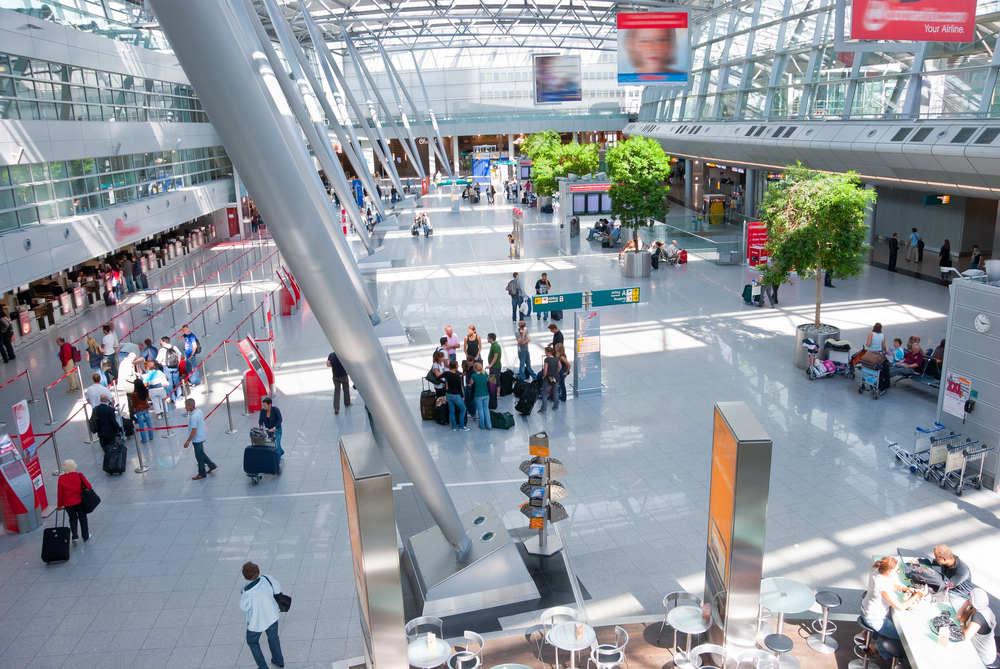
Early morning flights come with their own brand of stress — mainly the alarm clock situation — but airport operations tend to be smoother.
Security lines, while sometimes long, move steadily because they’re staffed for the morning rush.
Flights departing early have fewer delays because they’re not caught in the cascading problems that pile up throughout the day.
Late-night flights, on the other hand, inherit every delay and mechanical issue that’s accumulated since dawn.
That 11 p.m. departure might be using an aircraft that’s already flown three legs today, with tired crew members working their last shift.
Weather delays from earlier in the day ripple forward.
Gates get reassigned.
Passenger patience wears thin.
There’s also something to be said for getting the travel part over with early.
Spending your entire day dreading an evening flight creates low-grade anxiety that colors everything you do.
Knocking out the flight first thing means the rest of your day — even if it’s just arrival day — belongs to you.
Your Body Stays Healthier
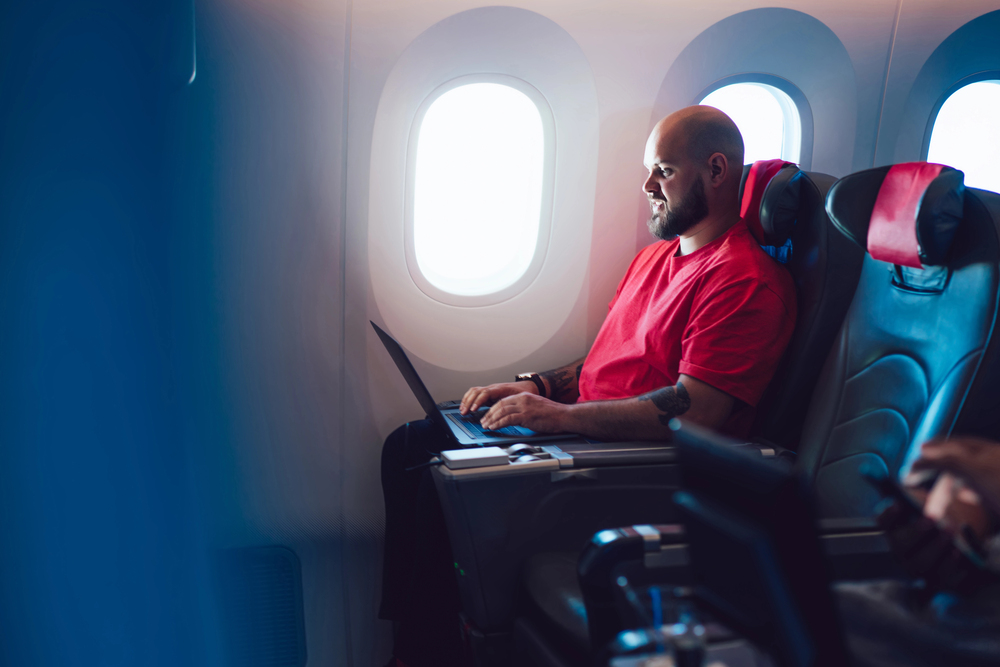
Sitting immobile on a plane for hours increases the risk of deep vein thrombosis, especially on overnight flights when you’re more likely to stay still for extended periods.
Morning flights tend to involve more natural movement — getting up to use the restroom, shifting around, staying generally more alert.
It’s not that red-eyes are dangerous, but the combination of immobility, dehydration, and disrupted sleep isn’t doing your body any favors.
Hydration is easier to manage too.
On morning flights, you’re awake enough to remember to drink water.
On red-eyes, most people either avoid drinking to minimize bathroom trips or fall asleep and forget entirely.
Dehydration amplifies jet lag, headaches, and that general feeling of being wrung out.
Then there’s the immune system angle.
Sleep deprivation temporarily weakens your body’s ability to fight off infections, and airports are notorious germ factories.
Arriving well-rested from a morning flight gives your immune system a better fighting chance than arriving exhausted from a red-eye.
The Price Difference Isn’t Always What You Think
Red-eyes used to be significantly cheaper because fewer people wanted them.
That gap has narrowed considerably.
Budget airlines have made early morning flights more affordable, while business travelers willing to pay for overnight convenience have driven up red-eye prices on certain routes.
Sometimes morning flights are actually cheaper, especially if you’re booking well in advance or traveling on off-peak days.
Even when red-eyes do cost less, the difference is often $50 to $100 — not nothing, but maybe not worth the trade-off when you factor in lost productivity, potential health impacts, and the overall quality of your trip.
There’s also the hidden cost of recovery time.
If a red-eye wipes out your entire first day, you’re essentially paying for an extra day of accommodation or losing a day of vacation.
That zombie half-day might cost more than you saved on the ticket.
Things Go Wrong Less Often

When flight problems happen during the day, solutions are easier to find.
Airlines have full staff available to rebook passengers.
Alternative flights are departing throughout the day.
If you need to rent a car or arrange different transportation, everything is open and operating.
Late-night cancellations or major delays are travel nightmares.
Rebooking options are limited.
Airport hotels fill up fast.
Customer service lines — whether phone or in-person — are understaffed.
You’re stuck in a closed airport, exhausted, with few good options until morning anyway.
Morning departures also mean that if something does go wrong — a missed connection, a personal emergency, a sudden change of plans — you have the rest of the day to sort it out.
You’re alert, businesses are open, and you can actually think clearly enough to make decent decisions.
Where the Night Owls Have a Point
Early morning arrivals aren’t perfect for everyone.
If you’re traveling somewhere for a brief visit and need to maximize time — say, a same-day business meeting across the country — red-eyes can make sense.
You sleep (theoretically) on the plane, arrive, handle your business, and fly home.
No hotel needed.
Some people also genuinely sleep well on planes.
They’re rare, but they exist.
For them, red-eyes can be efficient.
If you’re one of those unicorns who can fall asleep during takeoff and wake up refreshed upon landing, the usual drawbacks don’t really apply.
And yes, there’s something undeniably convenient about leaving after work, sleeping through the flight, and theoretically having a full day ahead.
The concept is sound.
The execution just rarely lives up to the promise for most travelers.
A Pattern Worth Breaking
Travel habits become entrenched quickly.
If you’ve always booked red-eyes because that’s what you’ve always done, or because you assume they’re cheaper or more efficient, it’s worth questioning that pattern.
Most people who switch to early morning arrivals don’t go back, not because they love waking up at 4 a.m., but because they’ve learned the trade-off is worth it.
The travel industry has spent decades selling the red-eye fantasy — sleep on the plane, arrive refreshed, waste no time.
But that’s a marketing pitch, not most people’s lived experience.
Early morning flights might require a slightly earlier bedtime and a brutal alarm, but they deliver something far more valuable: arrival that doesn’t feel like defeat.
You show up tired, sure, but functional.
Ready.
Human.
And in the long run, that makes all the difference.
More from Travel Pug

- Underrated Italian Towns That Beat the Tourist Crowds
- Las Vegas Tourist Traps to Skip
- Prettiest Towns in Every US State
- 18 passport-free countries for Americans
- Signs Your Cruise Is Not Worth The Cost
Like Travel Pug’s content? Follow us on MSN.