

Asia’s ancient temples, street food scenes, and seemingly unreal mountain landscapes attract millions of tourists every year. However, even experienced tourists who believe their customs will transfer easily across borders can be caught off guard by the continent’s size and cultural diversity. From visa errors to temple etiquette errors that get you escorted out by security, these are the most frequent mistakes that can ruin an Asian trip.
Overpacking on low-cost airlines
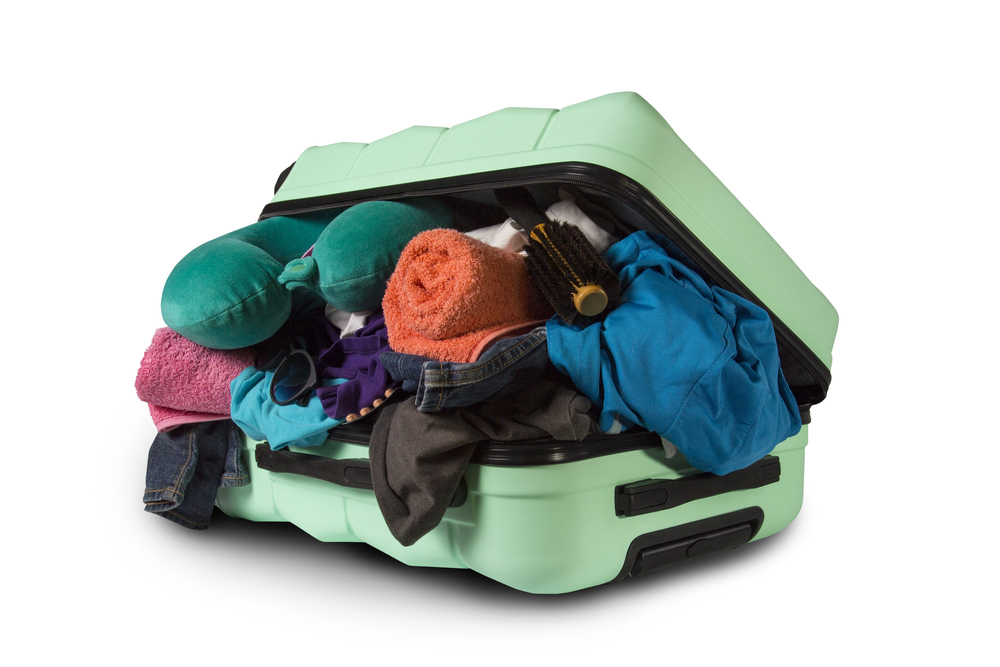
Asian low-cost airlines strictly enforce weight restrictions. AirAsia, Scoot, and Cebu Pacific will charge substantial fees for bags weighing more than 7 kg (15 lb) in the cabin. The initial ticket price might not cover the cost of an extra kilogram. Astute travelers either purchase their baggage allowance online in advance, where it is less expensive, or bring less luggage. Scales at check-in are truthful.
Keeping shoes on indoors
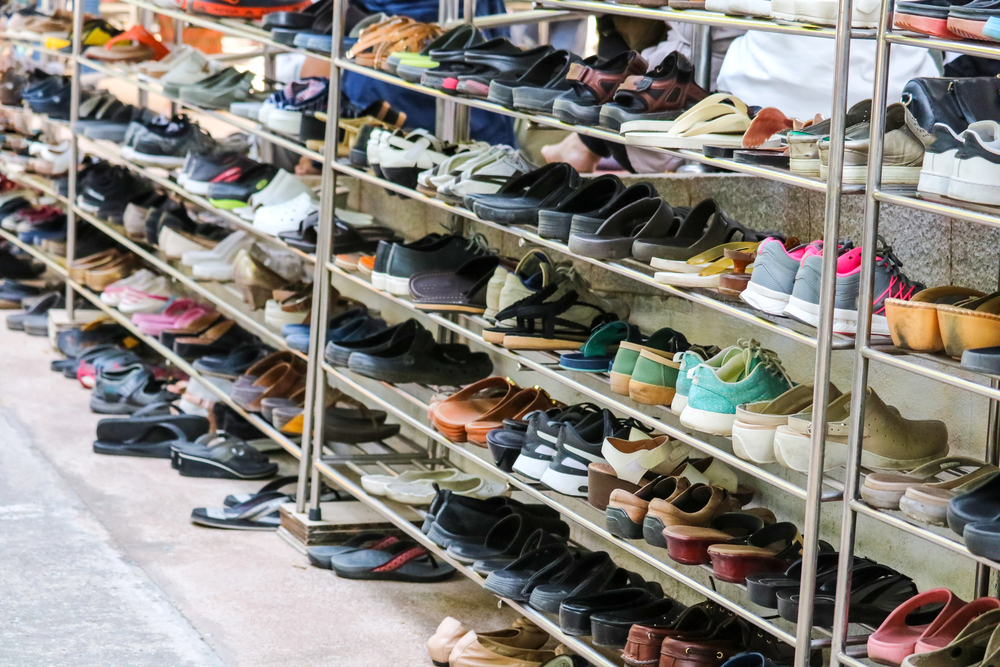
At temple entrances, residences, and even some stores and eateries, people take off their shoes. Seek out shoe racks close to entrances. Observe what the locals do. This holds true for both Thai guesthouses and Japanese ryokans. Indeed, your socks will become soiled. Don’t forget to pack extras.
Assuming everyone speaks English
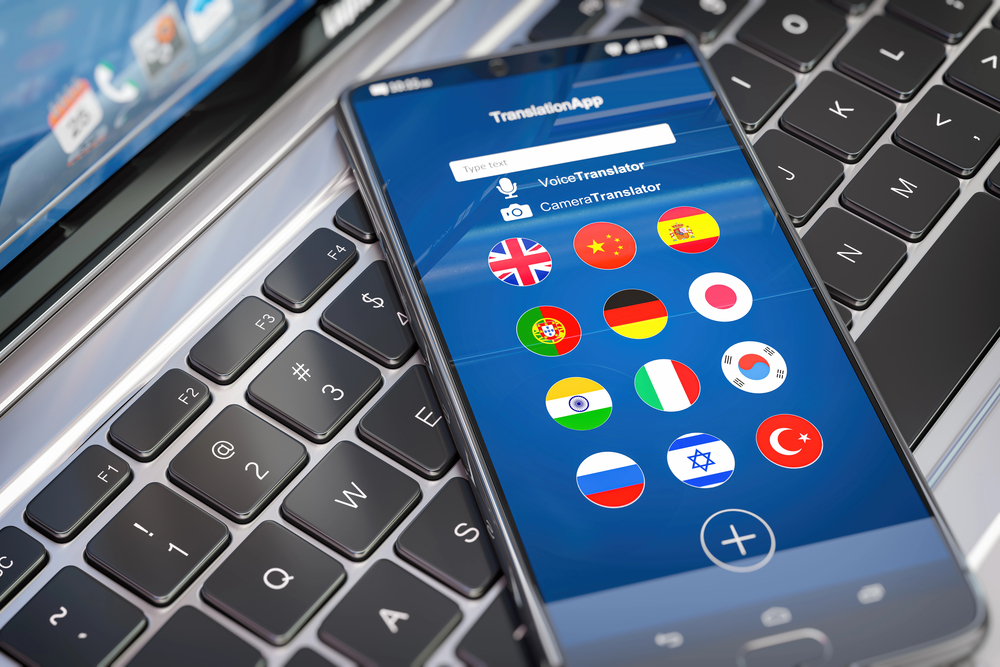
English proficiency varies wildly across Asia. Singapore and Hong Kong? No problem. Rural Vietnam or provincial China? Good luck. Download translation apps before leaving home. Learn basic phrases like “thank you” and “where is the bathroom” in local languages. Point at menu pictures when words fail.
Touching people’s heads

The head is sacred in Buddhist countries. Never pat a child’s head in Thailand or Cambodia, no matter how cute they are. Don’t reach over someone’s head to grab something. Even passing items over someone’s head can cause offense. Just don’t.
Using your left hand for eating or greeting

The left-hand handles bathroom duties in many Asian cultures. Keep it away from food, handshakes, and money exchanges. Right-hand only in India, Indonesia, and Malaysia. Some eateries may not provide cutlery—eating with your hands is standard. But never the left one.
Expecting punctual public transport everywhere

Japanese trains run like clockwork. Indonesian buses? Not so much. Build buffer time into connections in Southeast Asia. That “four-hour” bus ride from Bali to Java might take eight. The ferry schedule in the Philippines is more of a suggestion. Still beats walking.
Not haggling at markets
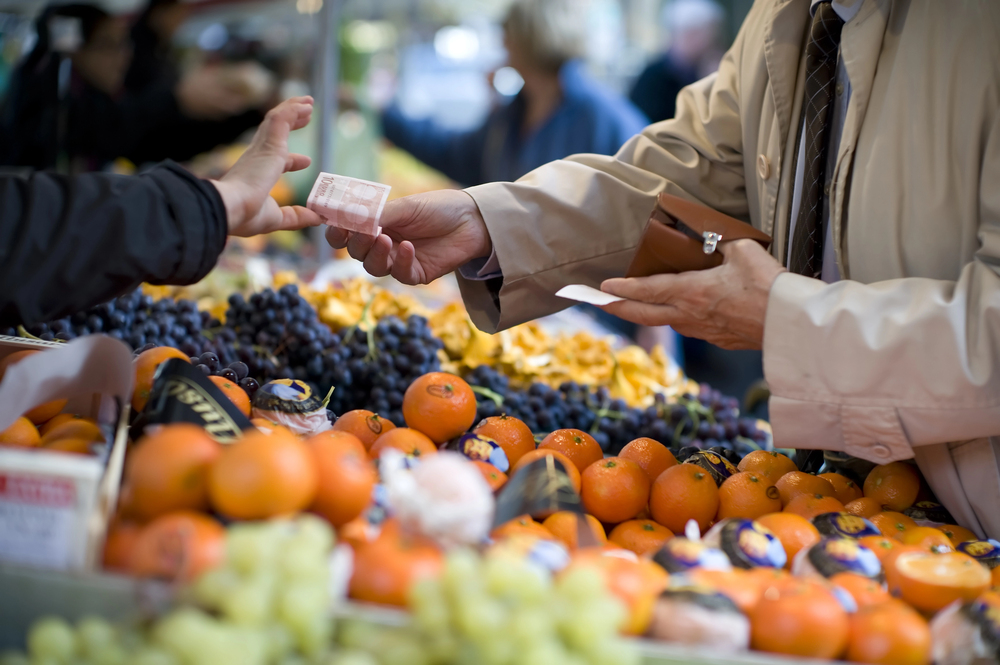
Fixed prices are rare at Asian street markets and many shops. Vendors expect negotiation. Start at half the asking price and work up from there. Walking away often produces sudden discounts. But don’t haggle over pennies—it’s tacky.
Drinking tap water
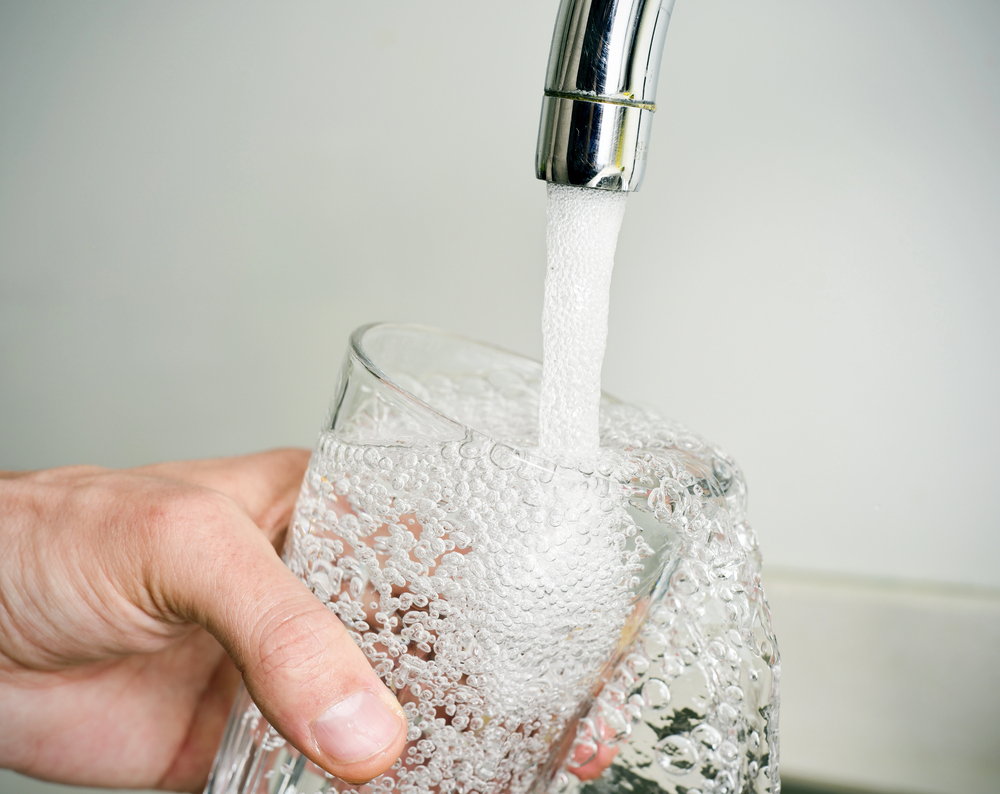
Most Asian tap water isn’t safe for foreign stomachs. Stick to bottled water in: • India and Bangladesh • Most of Southeast Asia • Rural areas everywhere • Even for brushing teeth in some places
Japan, South Korea, Singapore, and Hong Kong have drinkable tap water. When in doubt, buy bottles.
Showing affection publicly

Public displays of affection make locals uncomfortable in conservative countries. Kissing in public can get you arrested in Dubai or fined in Malaysia. Even holding hands raises eyebrows in rural India. Save the romance for private spaces.
Not checking visa requirements
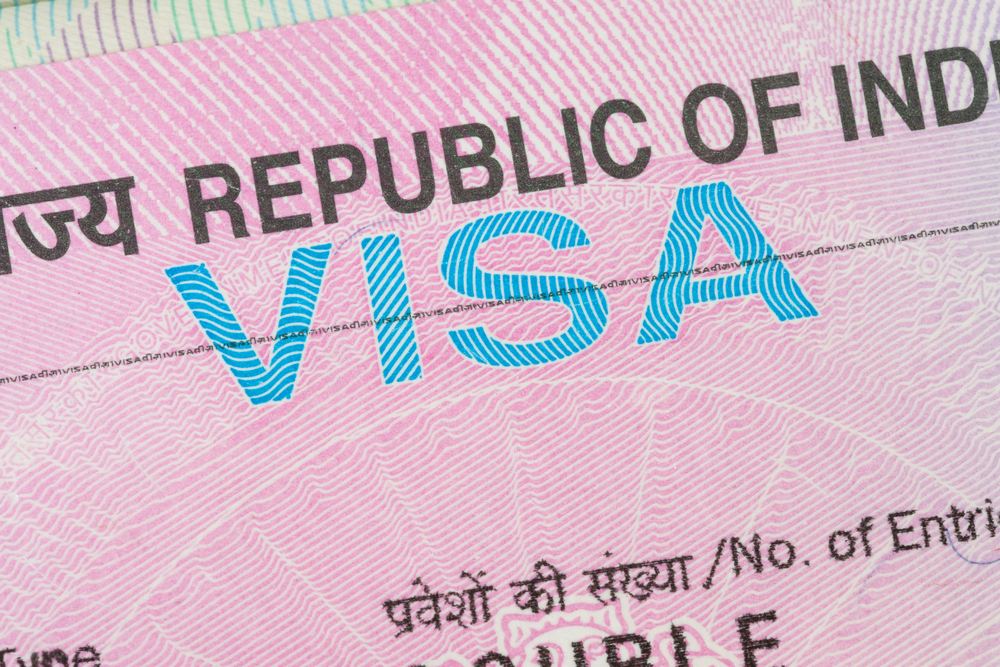
Some countries require visas arranged weeks in advance. Others offer visa on arrival. Requirements change based on nationality. Indians need permits for certain parts of their own country. Check embassy websites, not random travel blogs. Missing paperwork means missing flights.
Pointing with your finger
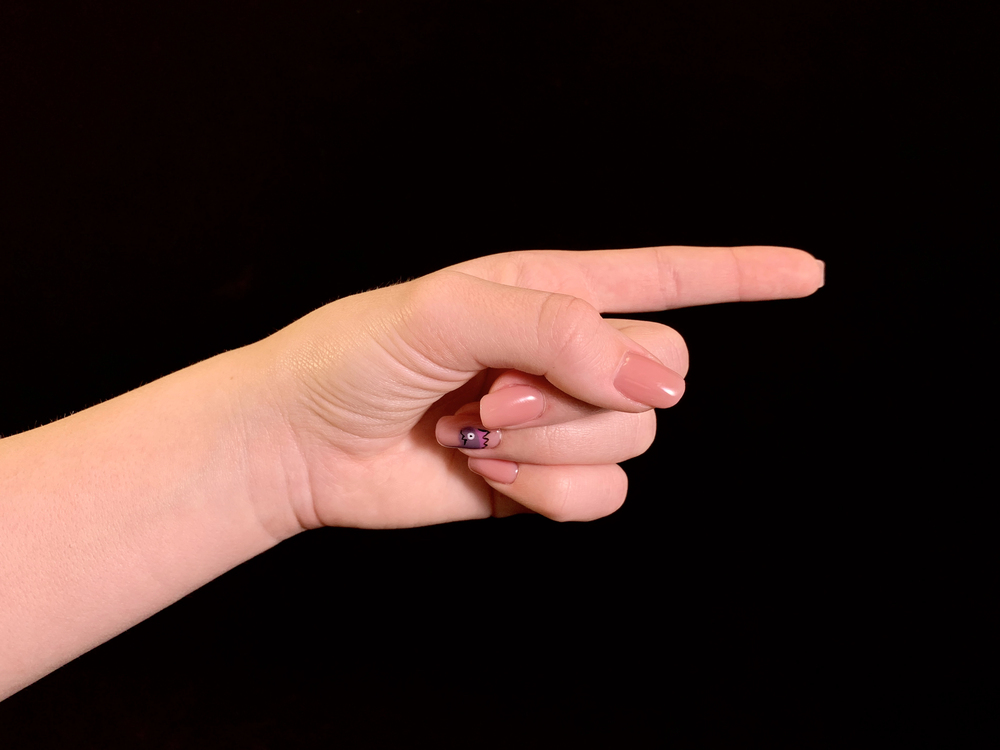
The index finger point is rude across much of Asia. Use an open palm or thumb instead. In the Philippines, people point with their lips. (Yes, really.) Feet are even worse—never point your feet at people or religious objects in Thailand or Laos.
Wearing shorts to temples

Religious sites have dress codes. Shoulders and knees must be covered. No tank tops, short skirts, or torn clothing. Some temples loan sarongs at the entrance. Others just turn you away. The heat doesn’t matter—rules are rules. That stunning Angkor Wat sunrise isn’t worth the argument with guards.
Ignoring monsoon seasons
— Photo by yogendras31
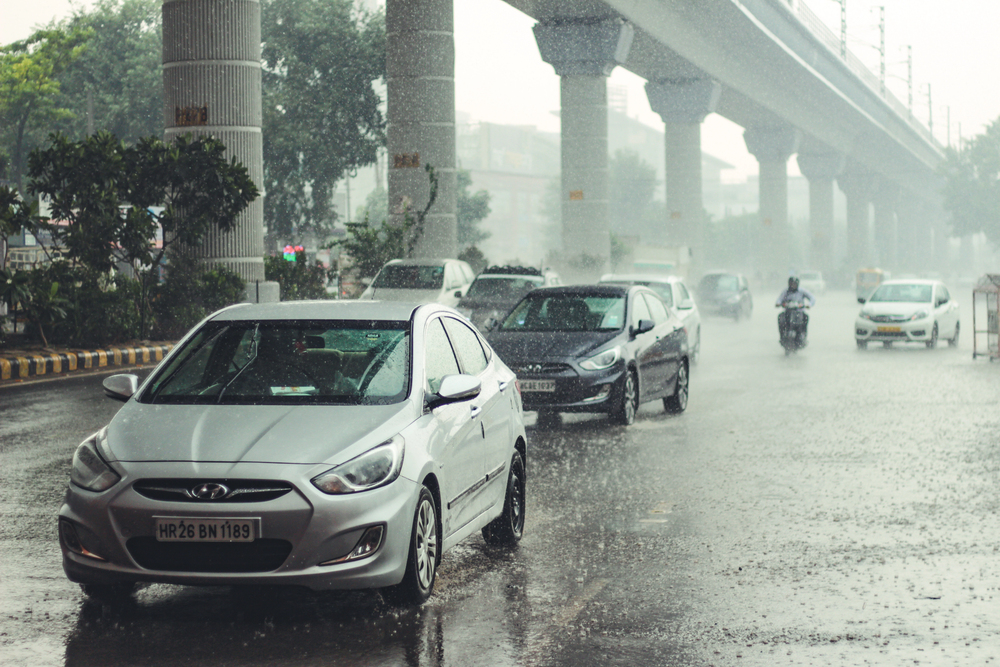
Monsoons flood streets, cancel ferries, and close islands entirely. The timing varies by region. India’s monsoon runs June to September. Thailand’s hits different coasts at different times. Beach paradise can quickly turn into a rain-soaked stay. Research seasonal patterns before booking.
Taking photos without permission
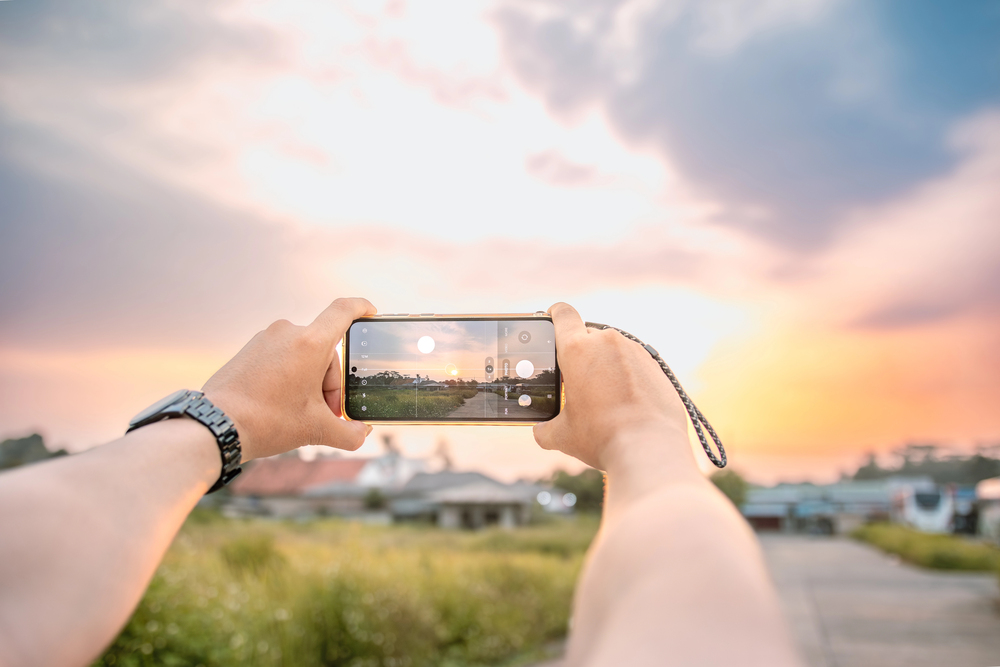
Locals aren’t tourist attractions. Ask before photographing people, especially monks and children. Some temples ban photography entirely. Military installations are always off-limits. In North Korea, photographing poverty can land you in serious trouble. Not worth the Instagram post.
Eating only at tourist restaurants
— Photo by ztudiototo
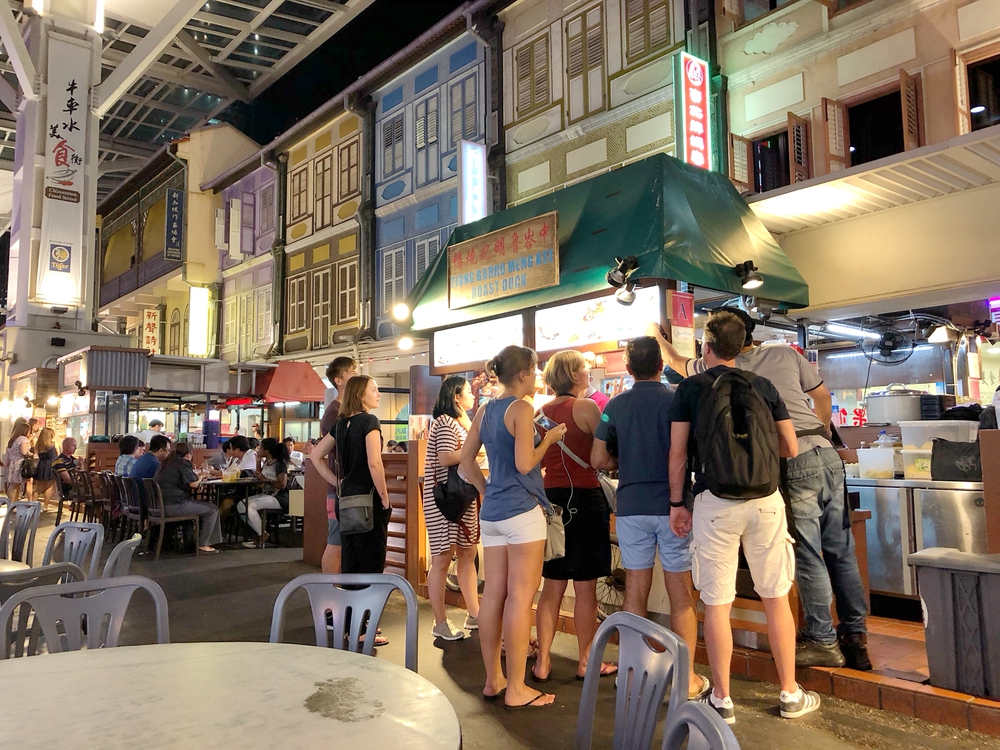
Tourist restaurants charge triple and serve watered-down versions of local dishes. The best food comes from street stalls with plastic stools and no English menus. Follow office workers at lunch. If locals are lining up, the food is good. Your stomach might complain initially, but it adapts.
Not having backup payment methods
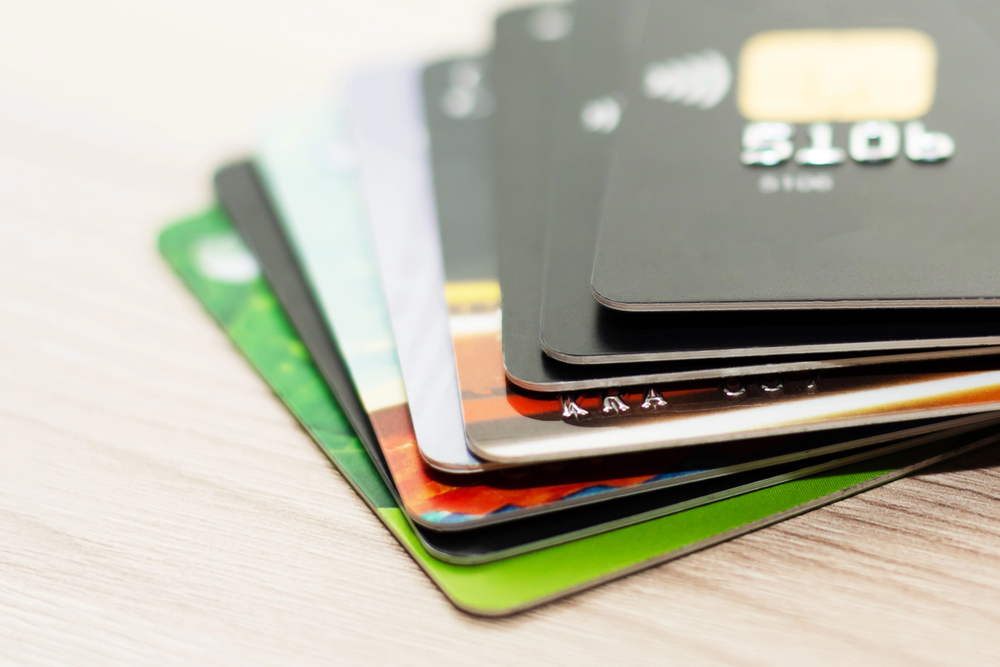
ATMs break down. Cards get skimmed. Some places only accept cash. WeChat Pay dominates China—foreign cards often don’t work. Bring multiple cards, stash emergency dollars, and know where Western Union offices are located. The coconut vendor on the beach definitely doesn’t take Apple Pay.
Expecting western toilets
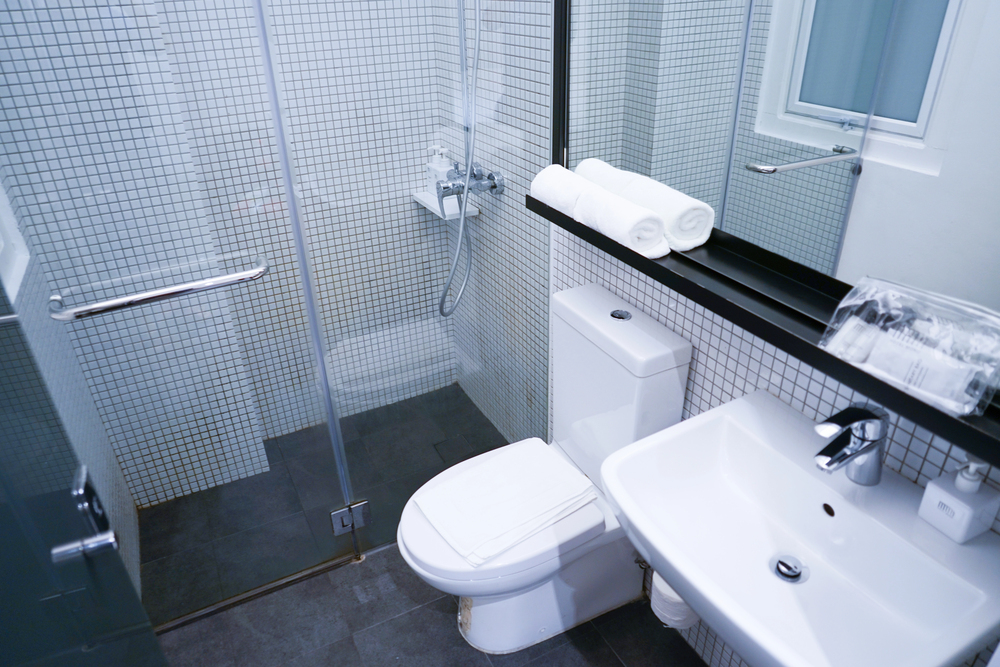
Squat toilets remain standard in much of Asia. Toilet paper is rare—that spray hose isn’t for cleaning the floor. Carry tissues everywhere. And hand sanitizer. Public restrooms in rural areas can be rough. Sometimes a bush looks more appealing. At least the view is better.
Underestimating distances
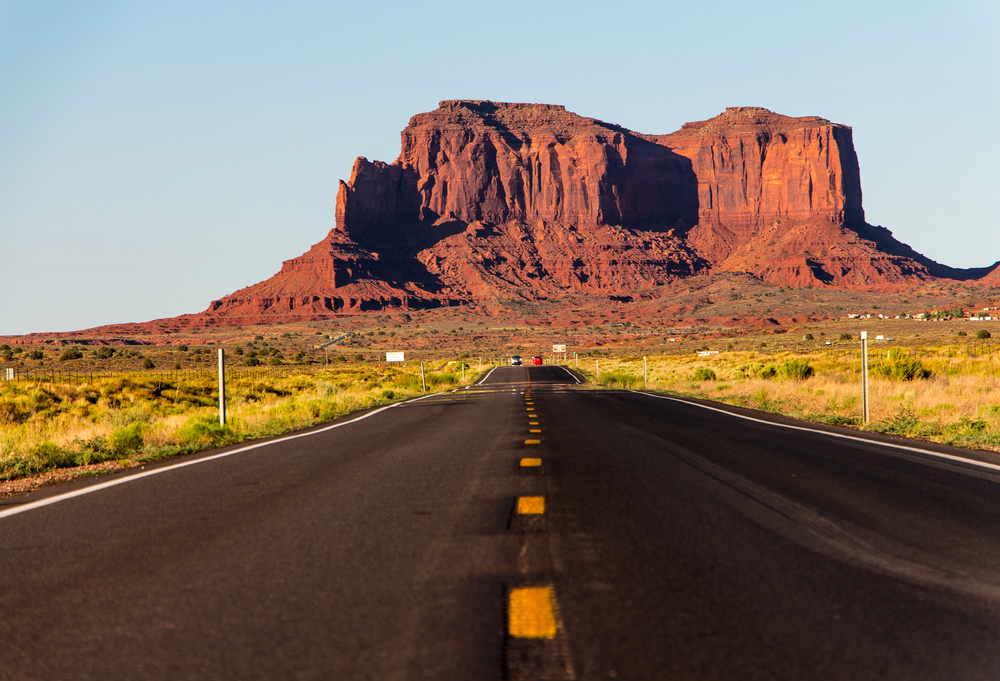
Asia is massive. The train from Beijing to Moscow takes six days. Island hopping in Indonesia can take weeks. That “quick” side trip from Tokyo to Kyoto is 500 kilometers. Maps deceive—always check actual travel times, not just distances. Budget more days than you think you need.
Smart travel means fewer surprises

Avoiding these errors makes the trip go more smoothly, but they won’t completely ruin it. Asia offers experiences that are unmatched elsewhere in the world, rewarding readiness and cultural awareness.
More from Travel Pug

- Underrated Italian Towns That Beat the Tourist Crowds
- Las Vegas Tourist Traps to Skip
- Prettiest Towns in Every US State
- 18 passport-free countries for Americans
- Signs Your Cruise Is Not Worth The Cost
Like Travel Pug’s content? Follow us on MSN.