

Some train rides are just about getting from point A to point B, where you might as well stare at your phone the whole time. Then there are routes where missing the window seat feels like showing up to a concert and facing the wrong direction.
These journeys turn transportation into the main event, with landscapes so stunning that passengers spend hours pressed against the glass. The best scenic routes combine engineering marvels with nature’s greatest hits—mountain passes carved through solid rock, coastlines where tracks hug cliffsides, and vistas that change dramatically every few miles.
Here’s a list of 15 train routes where window seats matter most.
Glacier Express
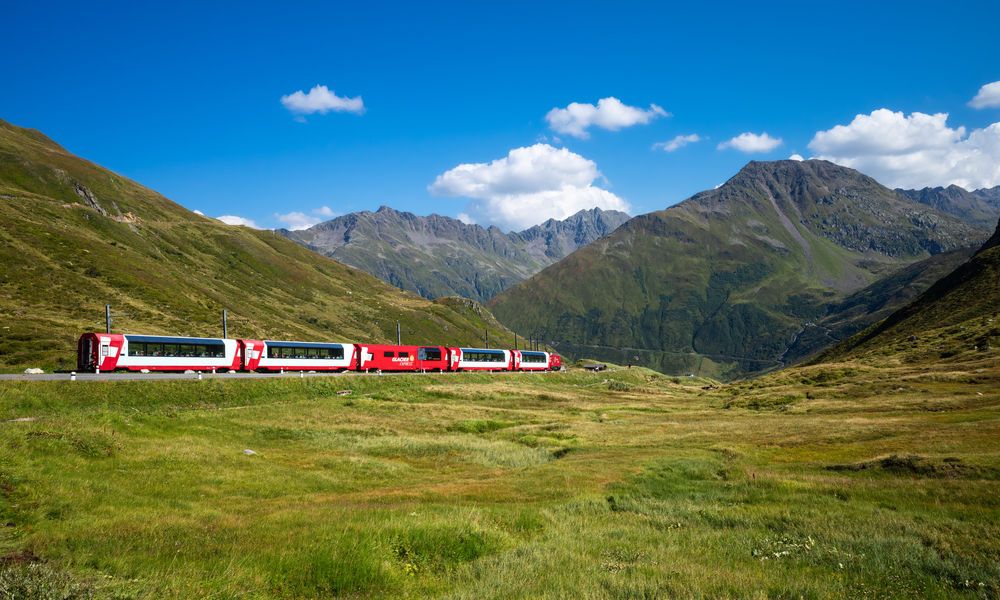
Switzerland’s most famous panoramic train connects Zermatt and St. Moritz through 291 bridges and 91 tunnels over eight hours. The route climbs to the Oberalp Pass at 6,670 feet, offering views of the Matterhorn and Rhine River headwaters through wraparound windows designed specifically for sightseeing.
Panoramic coaches place you inside the landscape rather than just looking at it.
California Zephyr
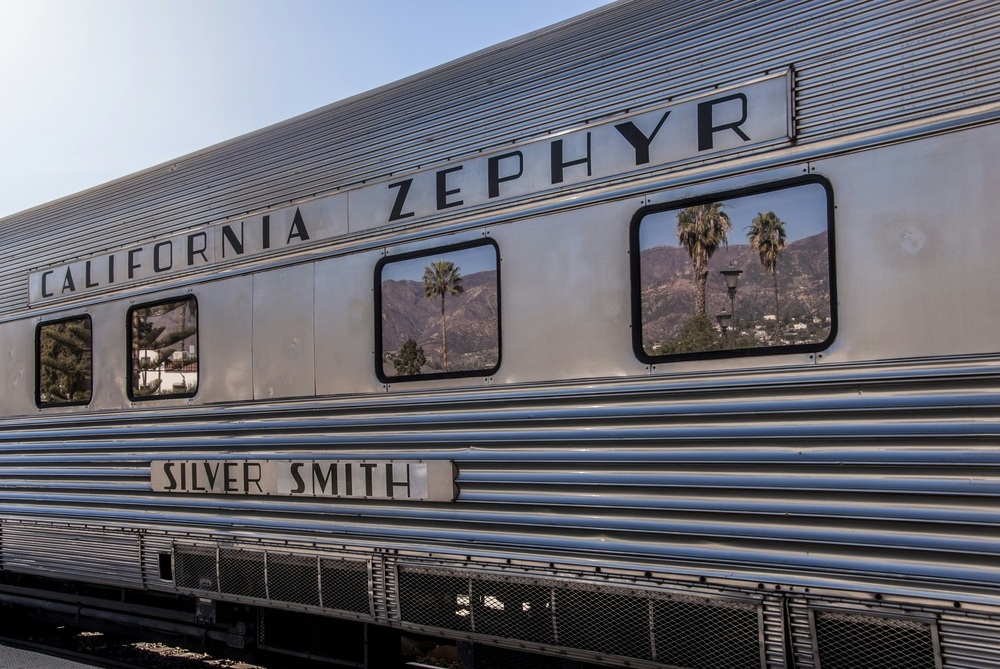
This Amtrak route from Chicago to San Francisco covers 2,438 miles through America’s heartland and mountains. The journey crosses the Rockies through Colorado, revealing canyons and peaks that highways can’t reach.
Observation cars with floor-to-ceiling windows let you track the landscape’s transformation from Midwestern plains to Sierra Nevada passes—the same views that inspired westward migration.
Coast Starlight
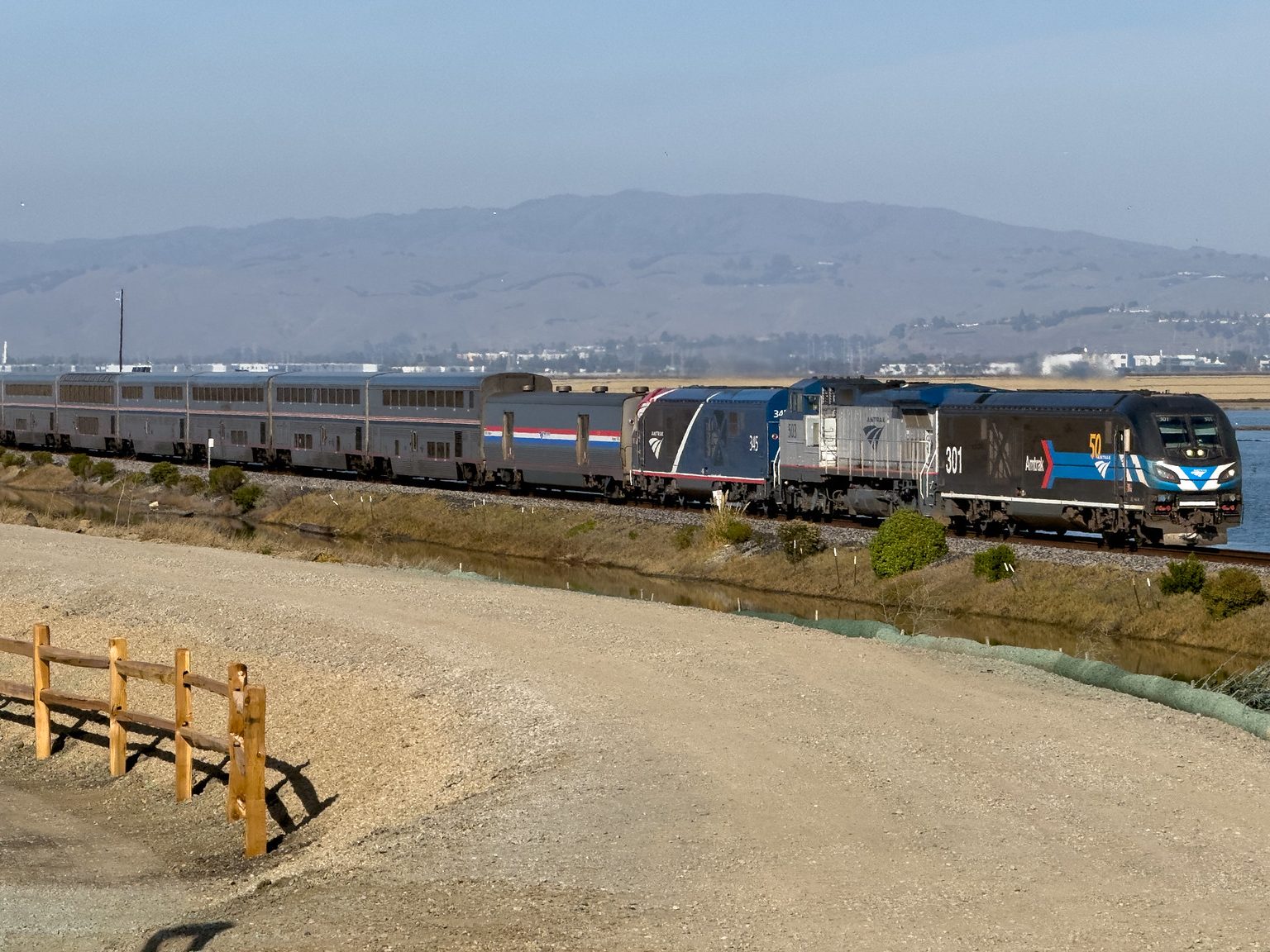
Running between Los Angeles and Seattle, this route hugs the Pacific coastline through California, Oregon, and Washington. The section between San Luis Obispo and Santa Barbara delivers prime ocean views where tracks run within feet of the surf.
Snow-covered Cascade Range peaks appear as you head north, creating a contrast between coastal and alpine scenery within the same journey.
Bernina Express
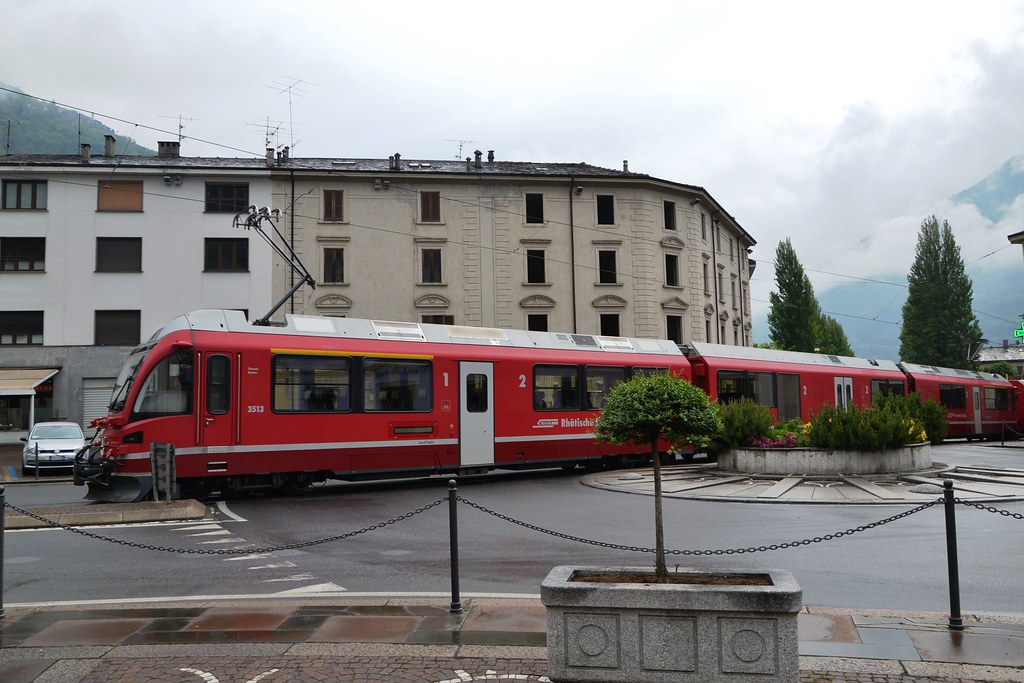
This Swiss route crosses the Alps between Switzerland and Italy without using tunnels or cog railways despite steep gradients. The train spirals upward through stone viaducts before crossing the Bernina Pass at 7,391 feet.
Glaciers, mountain lakes, and alpine villages pass by the oversized windows, with each curve revealing another carefully engineered passage through terrain that seems impossible to cross.
Bergen Railway
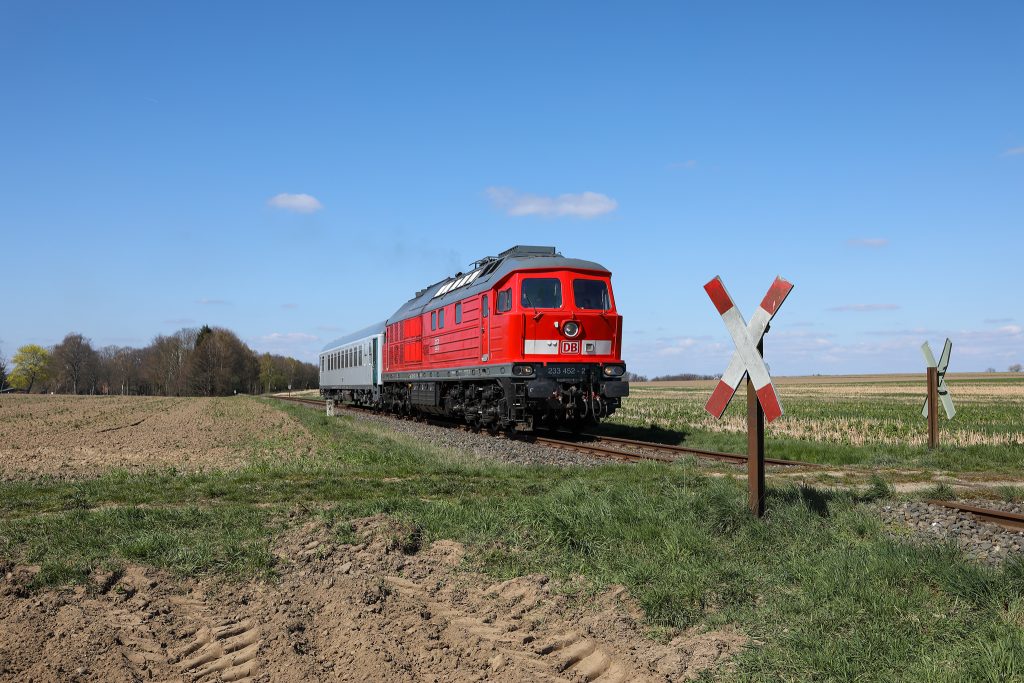
Norway’s route between Oslo and Bergen climbs from sea level to the Hardangervidda mountain plateau—Europe’s highest mainline railway at 4,058 feet. The journey passes frozen lakes, waterfalls cascading down granite cliffs, and the austere beauty of Norway’s treeless high country.
Winter transforms the landscape into a monochrome study in white and gray that’s equally captivating.
TranzAlpine
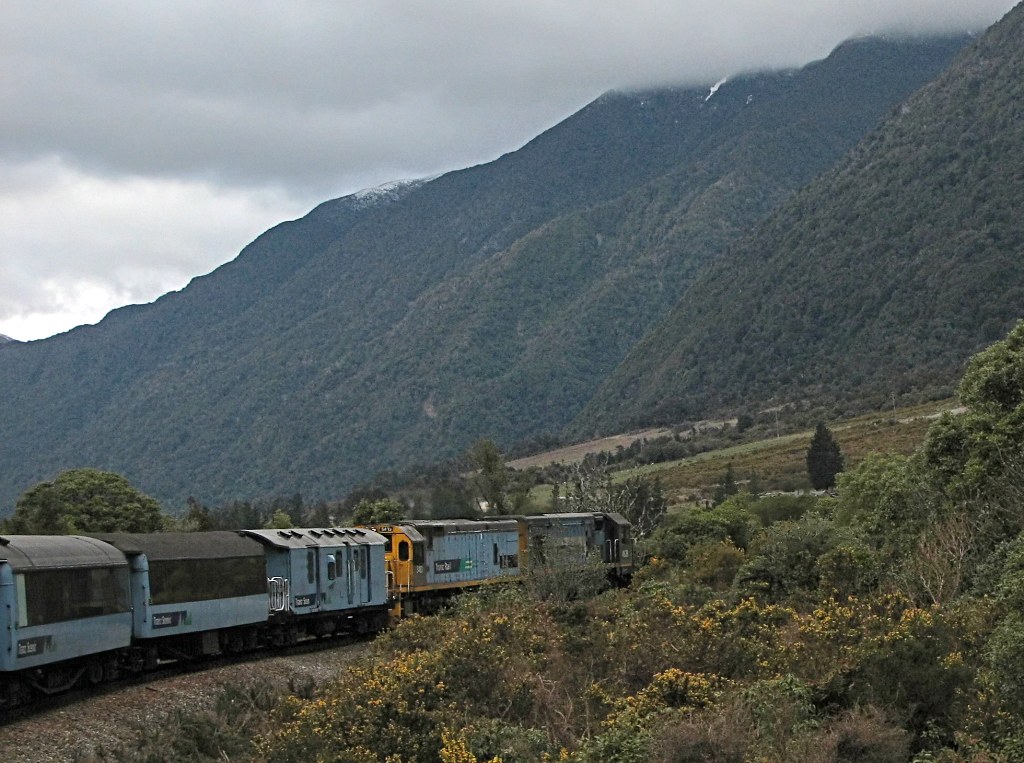
New Zealand’s journey from Christchurch to Greymouth crosses the Southern Alps through the 5.3-mile Otira Tunnel. Open-air observation cars let you feel the mountain air while watching beech forests give way to snow-dusted peaks.
Arthur’s Pass National Park provides the dramatic centerpiece, with river gorges cutting through landscapes that still look wild and untouched.
Empire Builder
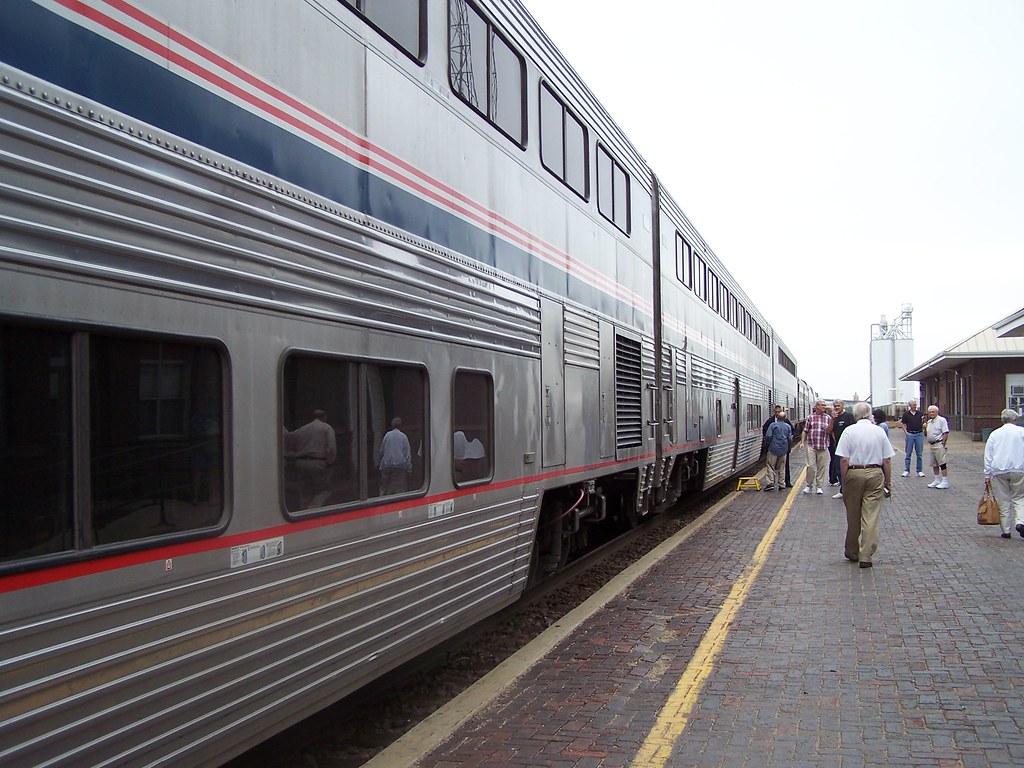
Amtrak’s Chicago-to-Seattle route follows Lewis and Clark’s path through Big Sky Country. The section through Glacier National Park ranks among North America’s most spectacular rail segments, with the train threading between peaks that rise directly from the tracks.
Montana’s vast plains stretch to horizons that seem to curve with the earth’s surface, reminding passengers just how much empty space exists between cities.
Trans-Siberian Railway
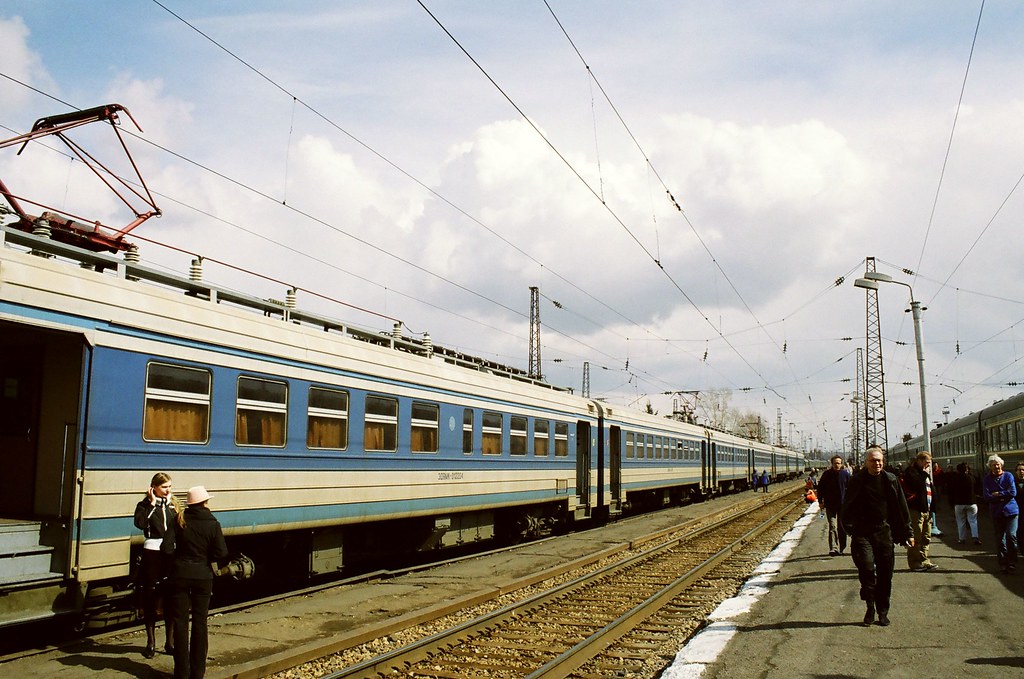
The world’s longest railway journey spans 5,772 miles and eight time zones from Moscow to Vladivostok. Birch forests transition to the taiga, then to the shores of Lake Baikal—the world’s deepest lake, holding a fifth of Earth’s fresh water.
The journey takes seven days, with landscape changes so gradual you barely notice until you’ve traveled a thousand miles.
Rocky Mountaineer
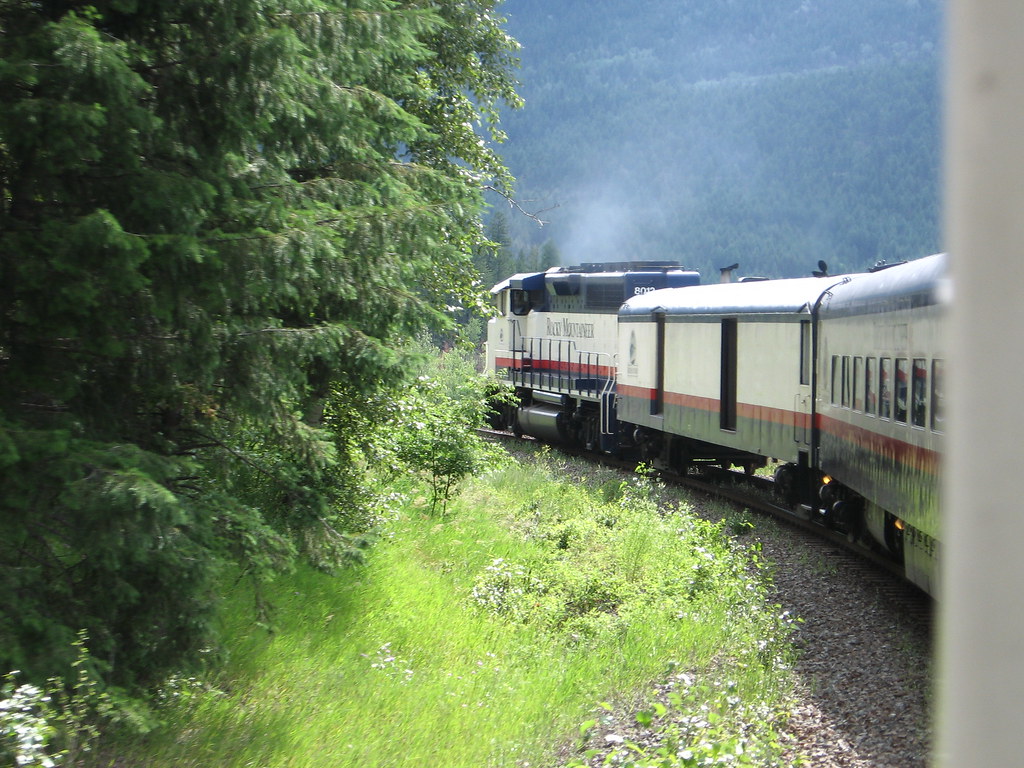
This luxury Canadian route between Vancouver and the Canadian Rockies climbs from coastal rainforest into British Columbia’s interior mountains. Bi-level glass-dome coaches provide 360-degree views as the train follows the Fraser Canyon, where the river has carved spectacular gorges.
Bald eagles shadow the train through sections where cliffs rise thousands of feet from the water.
West Highland Line
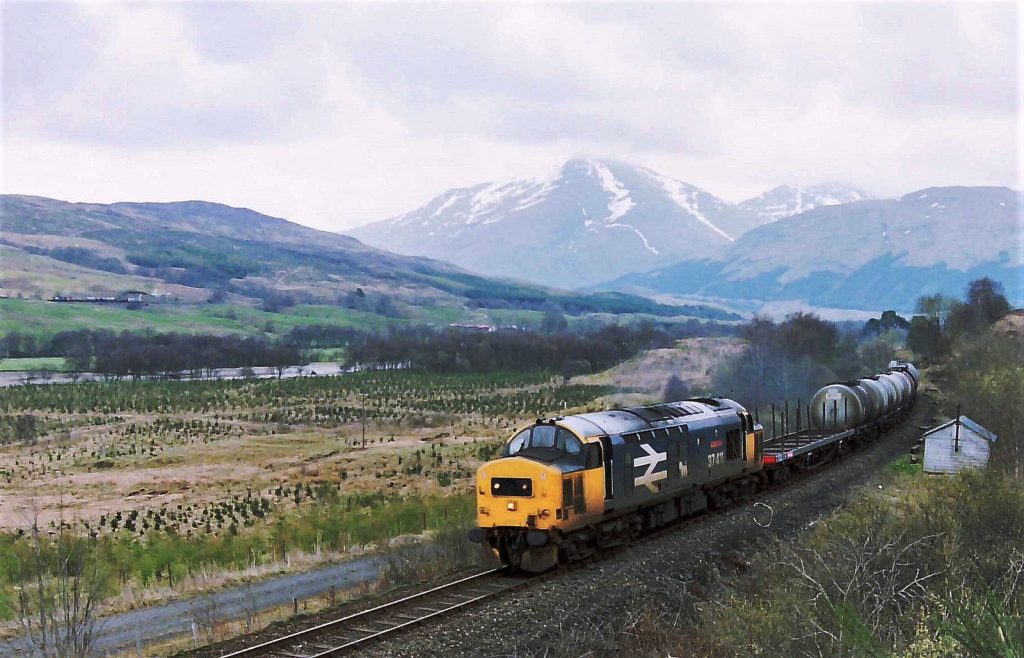
Scotland’s route from Glasgow to Mallaig crosses the Glenfinnan Viaduct—the curved stone bridge made famous by certain wizard movies. The journey traverses desolate moors, passes by lochs that mirror gray skies, and hugs coastlines where seals bask on rocks.
The raw Scottish landscape looks particularly dramatic under cloud cover that filters light into something almost supernatural.
Flåm Railway
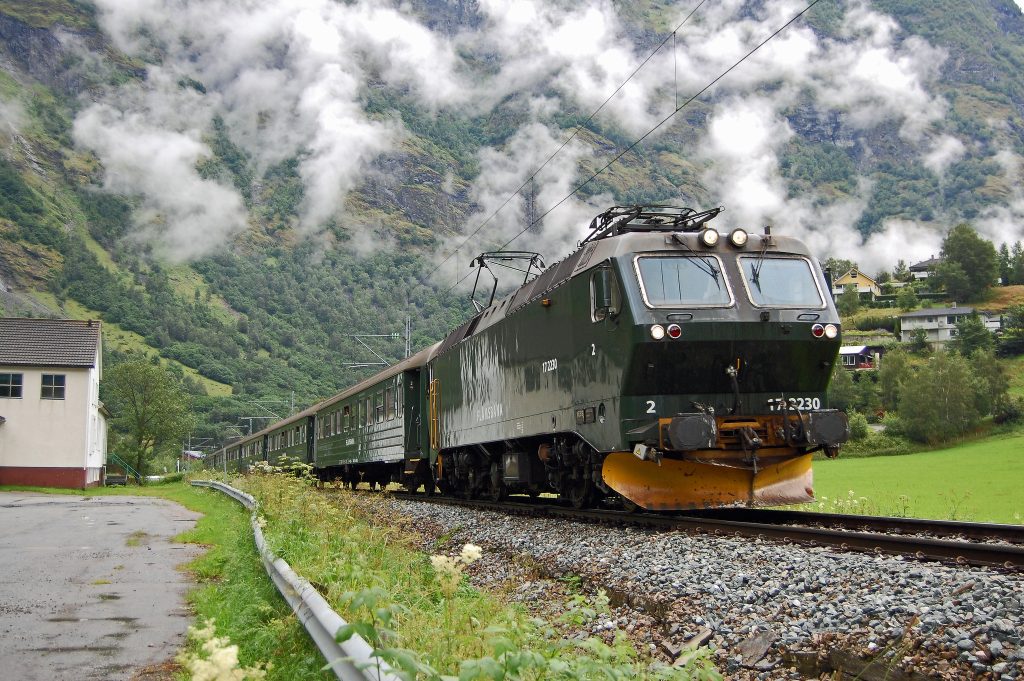
Norway’s steepest standard-gauge railway descends 2,838 feet in 12.4 miles from mountain plateau to fjord. Twenty tunnels spiral through solid rock, with the train making hairpin turns that reveal waterfalls plunging hundreds of feet.
The engineering feat alone impresses, but the views of Aurlandsfjord make passengers forget they’re on what’s essentially an elaborate mountain descent.
The Ghan
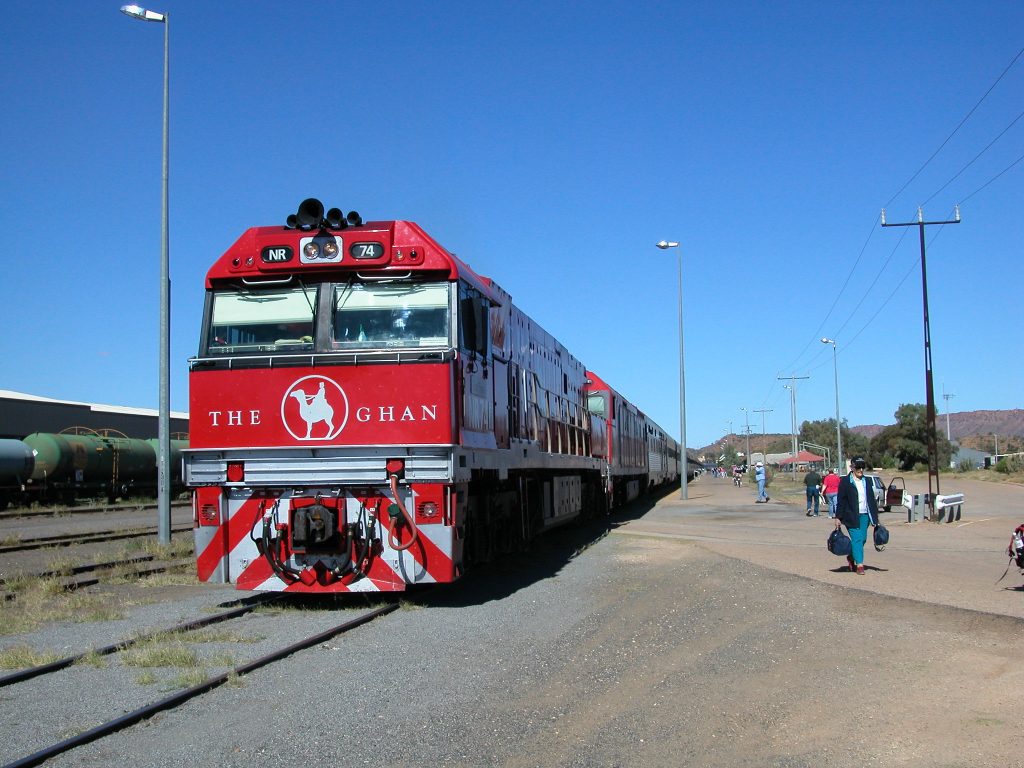
Australia’s legendary route crosses 1,851 miles from Adelaide to Darwin through the Red Centre. The train passes through landscapes so vast and empty that towns become events worth noting.
Outback sunsets paint red earth and spinifex grass in colors that seem too saturated to be real, while occasional rock formations break the horizontal monotony.
Jungfrau Railway
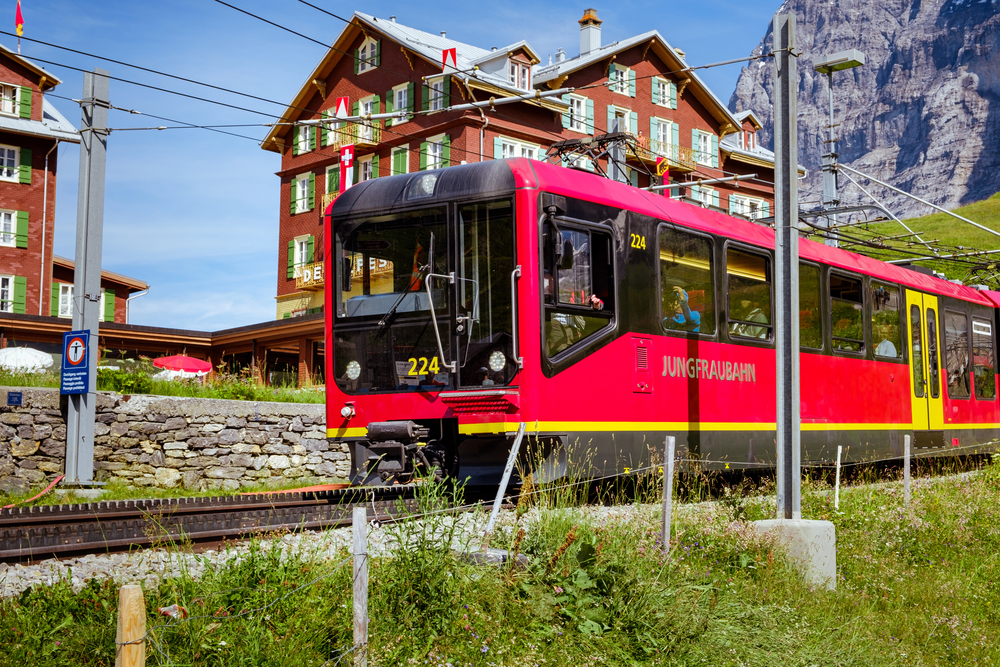
Switzerland’s cogwheel train climbs to Europe’s highest railway station at 11,332 feet on the Jungfraujoch. The journey through the Eiger and Mönch mountains includes viewing galleries carved into the mountain itself.
Year-round snow and ice at the summit contrast sharply with green valleys visible thousands of feet below—a reminder of how quickly altitude changes everything.
Copper Canyon Railway
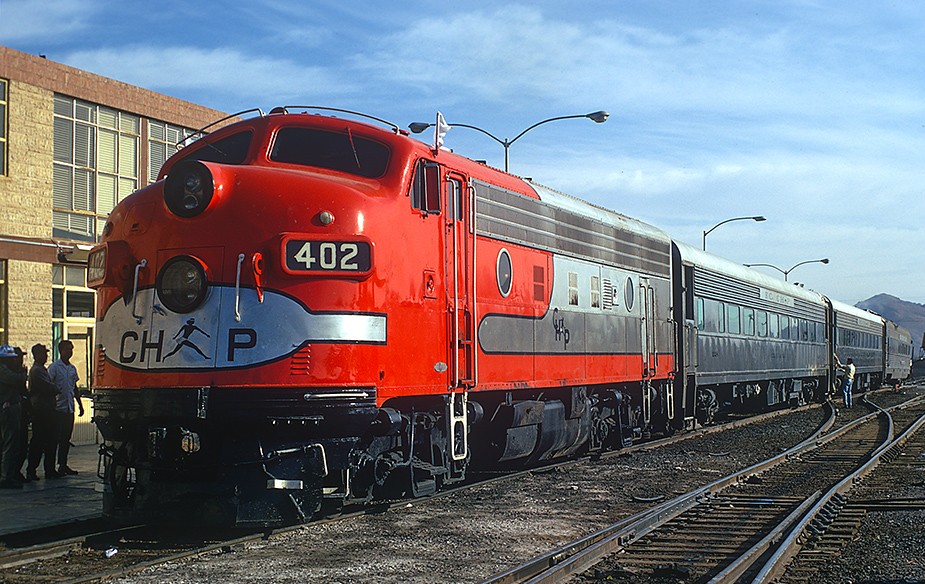
Mexico’s Chihuahua al Pacífico Railway traverses the Sierra Madre mountains through canyons deeper than the Grand Canyon. The route crosses 39 bridges and penetrates 86 tunnels while climbing from sea level to 8,071 feet.
Indigenous Tarahumara communities still inhabit the remote canyon regions, visible from the train as it winds through terrain that remains difficult to access by road.
Darjeeling Himalayan Railway
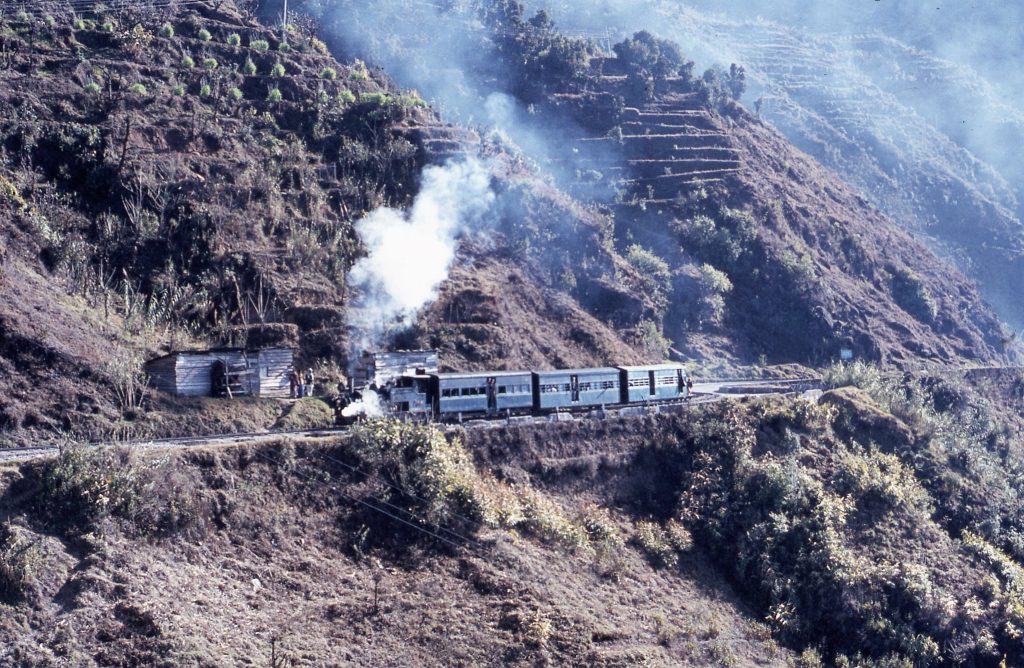
India’s narrow-gauge “Toy Train” climbs 7,218 feet from the plains to Darjeeling through tea plantations and mountain villages. Built in 1881, the route loops and zigzags to gain elevation without modern engineering tricks.
Watching the train navigate hairpin turns from your window seat feels like witnessing impossible geometry made functional.
Views worth the journey

These routes prove that sometimes the destination matters less than what you pass along the way. The window seat transforms from preference to necessity on journeys where missing the view means missing the entire point.
Whether crossing continents or climbing mountains, these trains offer front-row access to landscapes that cameras struggle to capture and highways never reach.
More from Travel Pug

- Underrated Italian Towns That Beat the Tourist Crowds
- Las Vegas Tourist Traps to Skip
- Prettiest Towns in Every US State
- 18 passport-free countries for Americans
- Signs Your Cruise Is Not Worth The Cost
Like Travel Pug’s content? Follow us on MSN.