

Manila’s food scene goes way beyond fancy restaurants and hotel dining. The best meals often come from street vendors, family-run spots that have been around for decades, and markets where locals actually shop.
Filipino food culture centers on eating together and trying different flavors, which means casual spots serve some of the most authentic food you’ll find in the city. Knowing where to eat makes a huge difference in Manila.
Here are 15 casual eats worth trying.
Isaw from street vendors
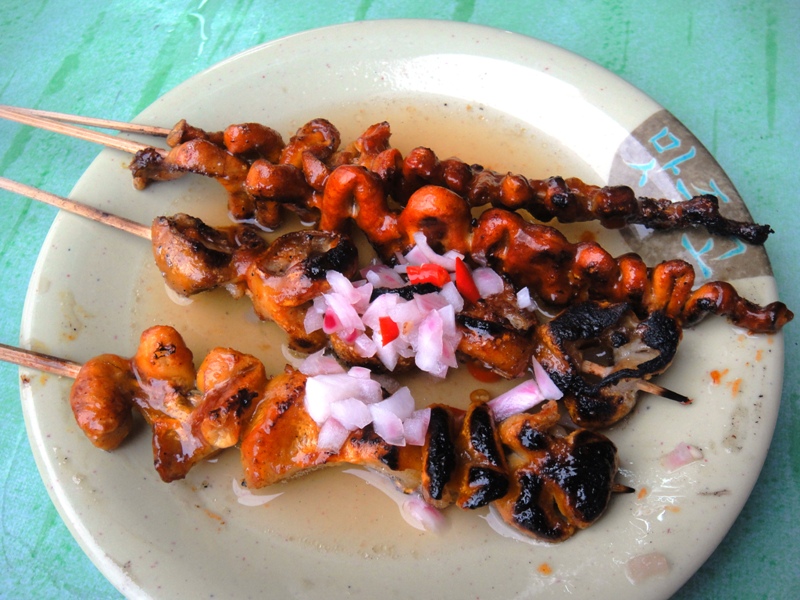
Grilled chicken intestines might not sound appealing until you smell them cooking over charcoal. Street vendors thread the cleaned intestines onto bamboo skewers and grill them until they’re smoky and slightly crispy.
You dip them in spiced vinegar with chilies and onions. The texture is chewy and the flavor is intense—it’s one of those foods that’s way better than it sounds.
The Aristocrat’s barbecue chicken
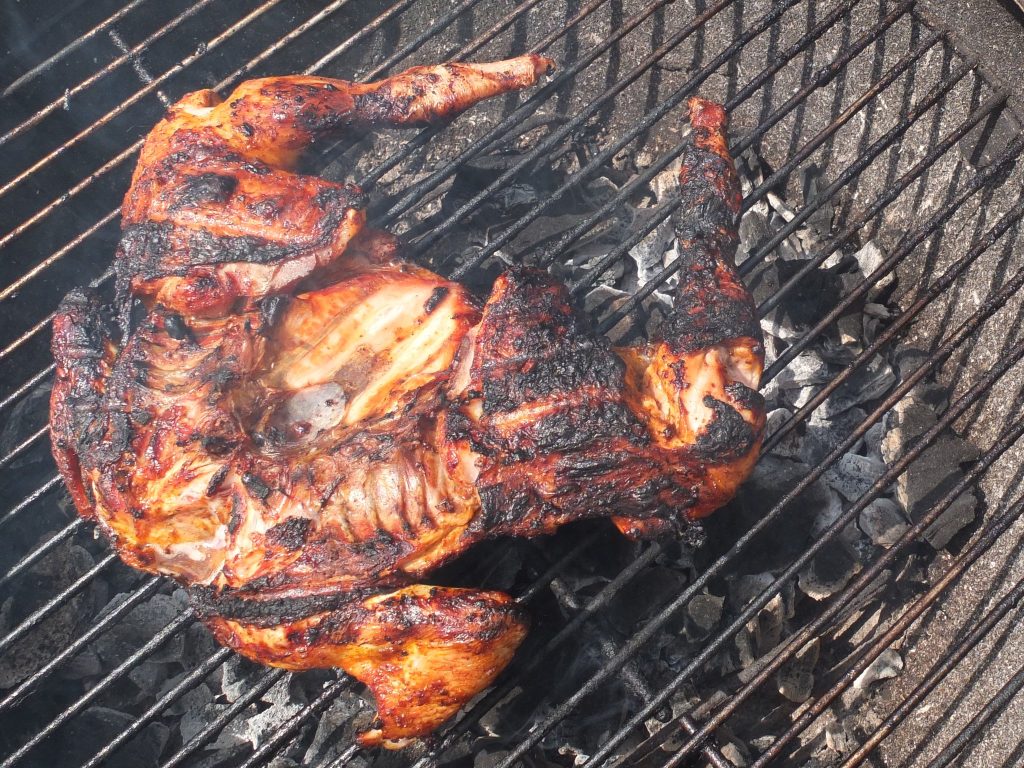
This restaurant has been serving the same barbecue chicken recipe since the 1930s. The place is open 24/7 and locals treat it like an institution.
The chicken gets marinated in a sweet-savory sauce before hitting the grill. It’s not fancy dining—you’re eating in what feels like a large cafeteria—but the chicken has stayed popular for almost a century for good reason.
Manam’s take on Filipino classics
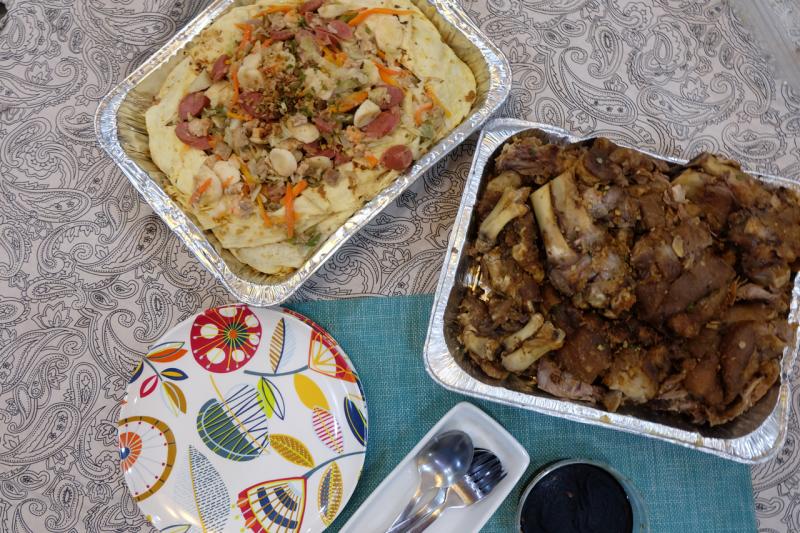
Manam puts creative twists on traditional Filipino dishes without making them unrecognizable. Their pancit palabok, a noodle dish with shrimp sauce, comes with more toppings than the usual version.
The restaurant has several locations around Manila and prices stay reasonable despite the modern interior. It’s become popular with younger Filipinos who want traditional food with updated presentations.
Lumpia at New Po Heng
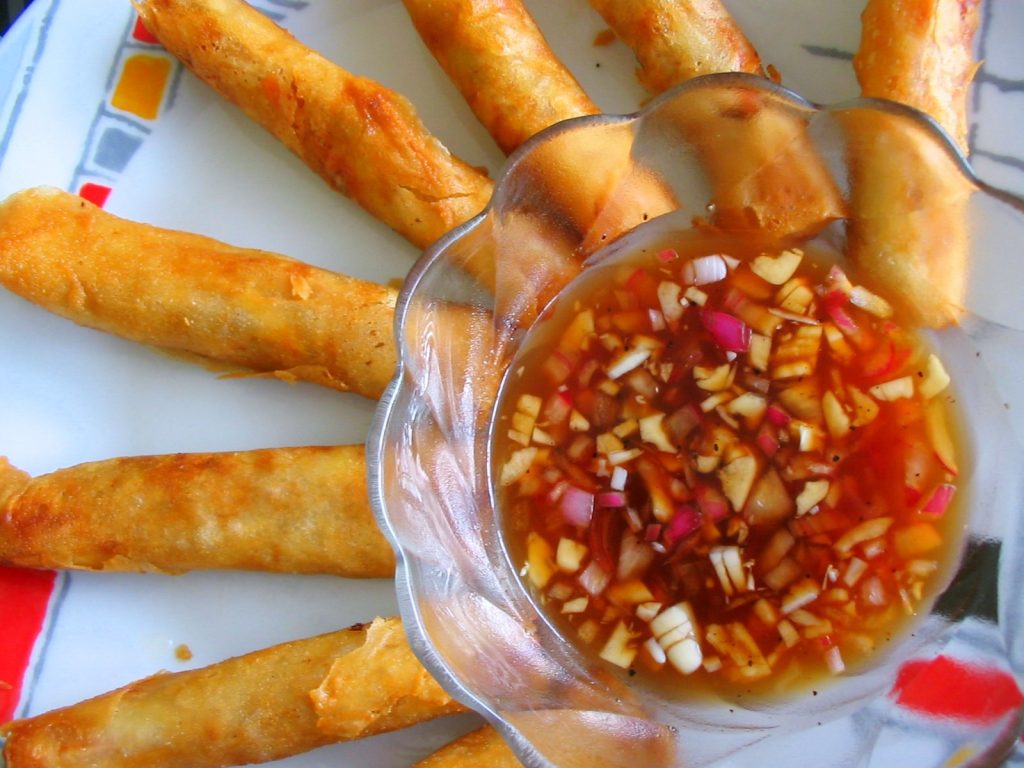
This family-owned spot in Binondo serves fresh spring rolls with vegetables, pork, and shrimp wrapped in a thin crepe. The setup is outdoors and lets you avoid the traffic chaos of inner Binondo.
Fresh lumpia runs about 100 pesos per order and easily feeds two people. The filling is savory and the wrapper is delicate enough that the whole thing comes together without feeling heavy.
Balut from market vendors
This is the adventurous eating option—fertilized duck eggs with partially developed embryos inside. Vendors sell them at markets around the city, especially near Quiapo Church.
You crack open the top, season it with salt and vinegar, then eat the embryo and yolk. It’s a protein-rich street food that Filipinos have eaten for generations, and trying it at least once is part of experiencing Manila food culture.
Kipp’s Chicken at SM Megamall

Hidden in the SM Megamall food court, Kipp’s has been frying chicken since 1981 using a family recipe. The chicken is crispy outside and juicy inside, served with home-style gravy and Spanish rice.
It’s the kind of place locals have been going to since childhood. The food court setting is nothing special, but the chicken is better than what most standalone restaurants serve.
Siomai from Chinatown stalls
These steamed dumplings filled with ground pork, shrimp, and mushrooms are everywhere in Manila, but the versions in Binondo’s Chinatown are different. Vendors sell them fresh throughout the day with chili garlic sauce on the side.
They’re inexpensive, filling, and perfect for eating while walking around the market area.
Halo-halo at The Aristocrat
The same restaurant that does great barbecue chicken also serves halo-halo, a dessert that layers shaved ice with sweetened beans, fruits, flan, and ube ice cream. The name means ‘mix-mix’ in Filipino and you stir everything together before eating.
It’s refreshing in Manila’s heat and has enough different textures and flavors to keep every bite interesting.
Kwek-kwek from street carts
Hard-boiled quail eggs get coated in bright orange batter and deep fried until crispy. Street vendors serve them on sticks with a sweet and spicy dipping sauce.
They’re cheap, satisfying, and common enough that you’ll spot kwek-kwek carts all over the city. The orange color comes from food coloring and makes them easy to identify from a distance.
Lechon manok from roadside stalls
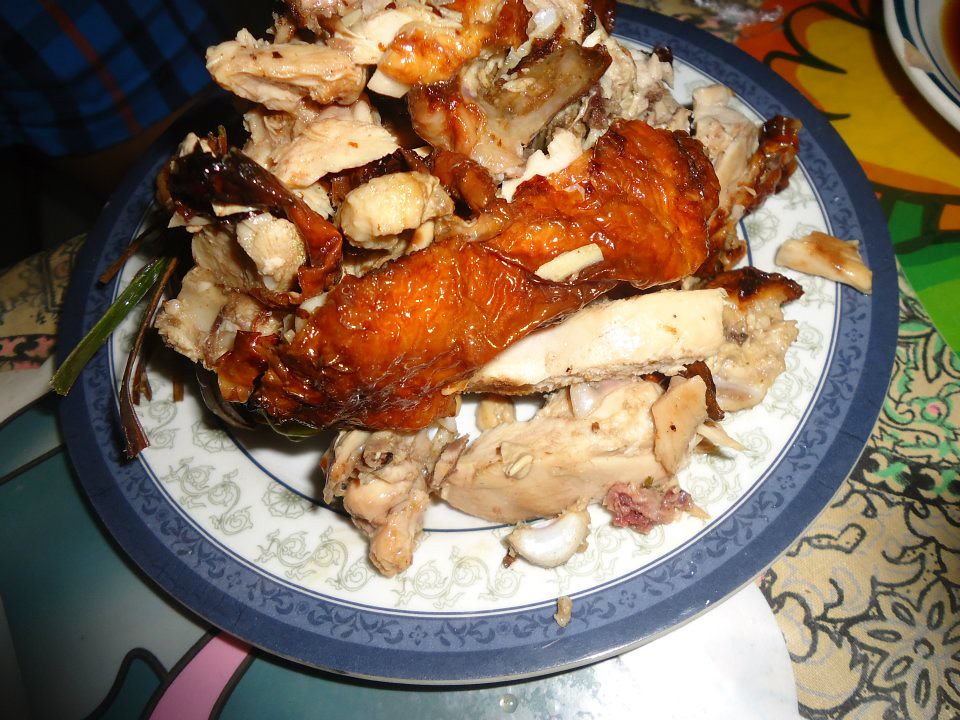
Whole chickens stuffed with lemongrass and rubbed with soy sauce, sugar, and calamansi rotate on spits until the skin turns golden and crispy. Roadside stalls sell these by the piece or half, and the smell of roasting chicken pulls you in from blocks away.
It’s one of those Filipino staples that tastes best from informal vendors rather than restaurants.
Barbecue pork at Mercato Centrale
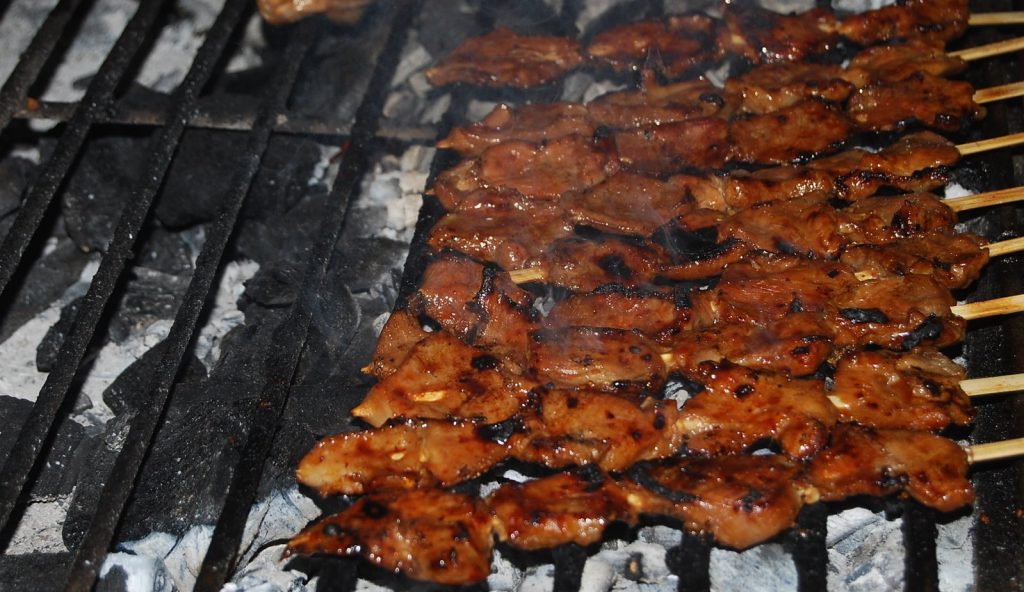
This night market sets up on weekends and has dozens of food stalls. The pork barbecue on sticks is particularly popular—the meat gets marinated in a sweet and savory sauce before grilling.
You can walk around trying different vendors’ versions since each one has slight variations. The market atmosphere adds to the experience.
Kikiam at Angkong’s
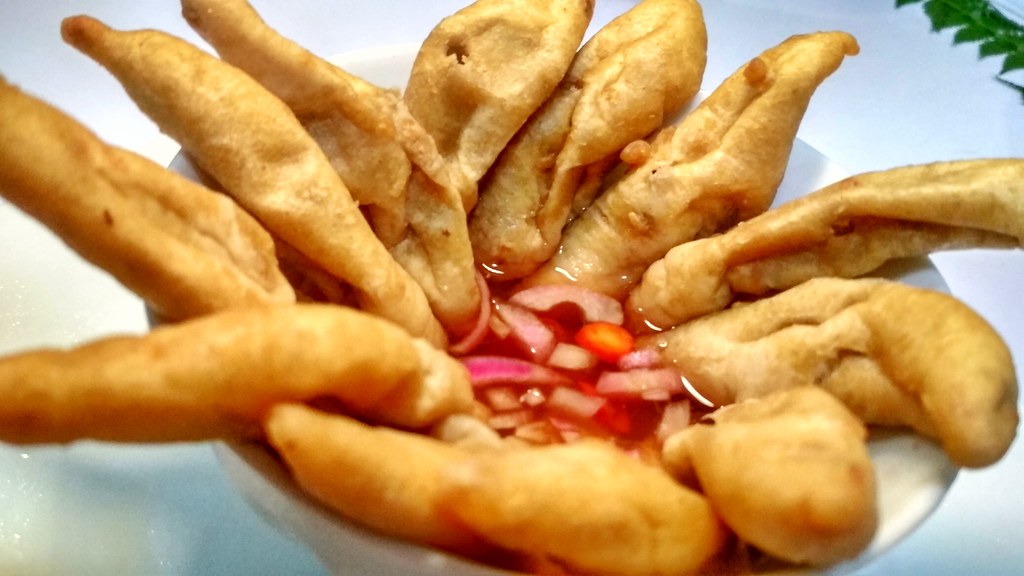
These deep-fried rolls contain minced pork and shrimp mixed with spices and vegetables, wrapped in beancurd sheets. Angkong’s version tastes more authentic to the original Chinese-Filipino style than most places.
They come in trays you can share, and they’re usually served alongside other street food favorites like fish balls.
Chicken skin at street markets
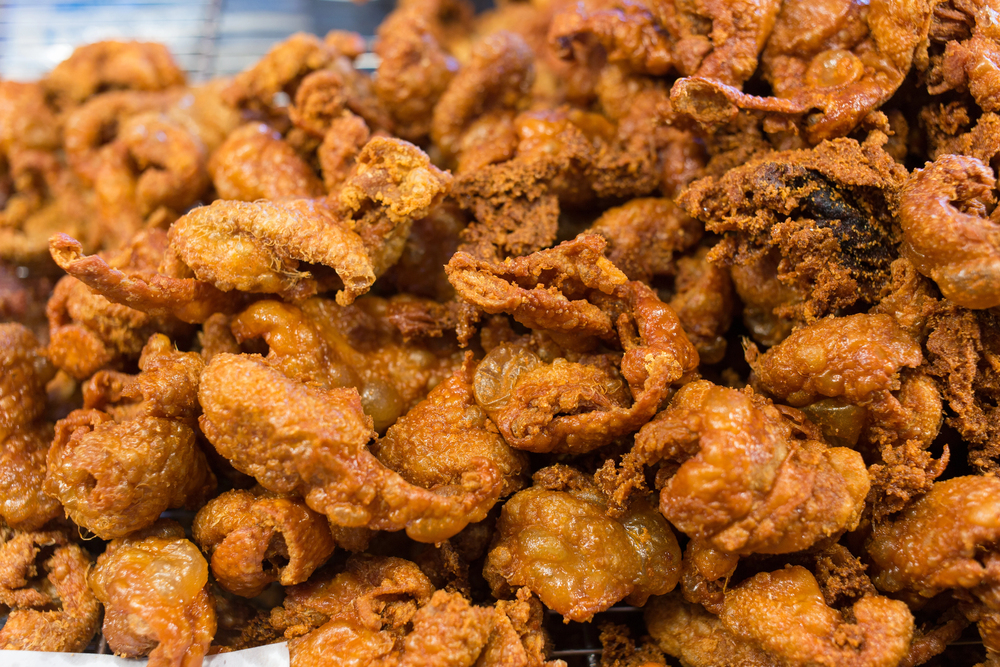
Vendors take chicken skin, season it heavily, put it in a bucket, and shake it until the seasoning coats everything. Then they fry it until it’s incredibly crispy. Garlic parmesan is a common flavor choice.
It’s like eating savory chips but with way more crunch. You’ll find it at various night markets around Manila.
Dried squid at local markets
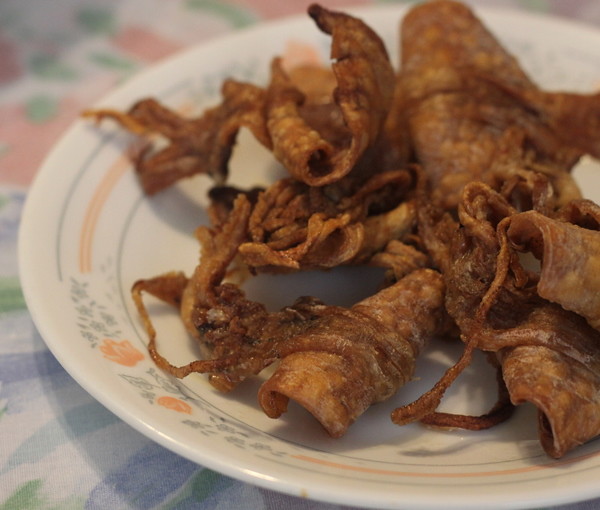
Squid gets dried in the sun, flattened, then grilled when you order it. The result is an intensely chewy snack that you dip in chili vinegar.
It’s not for everyone—the texture takes some getting used to—but it’s a classic Filipino street food found at most traditional markets. Locals eat it while drinking or as a mid-afternoon snack.
Fresh lumpia at Quinta Market
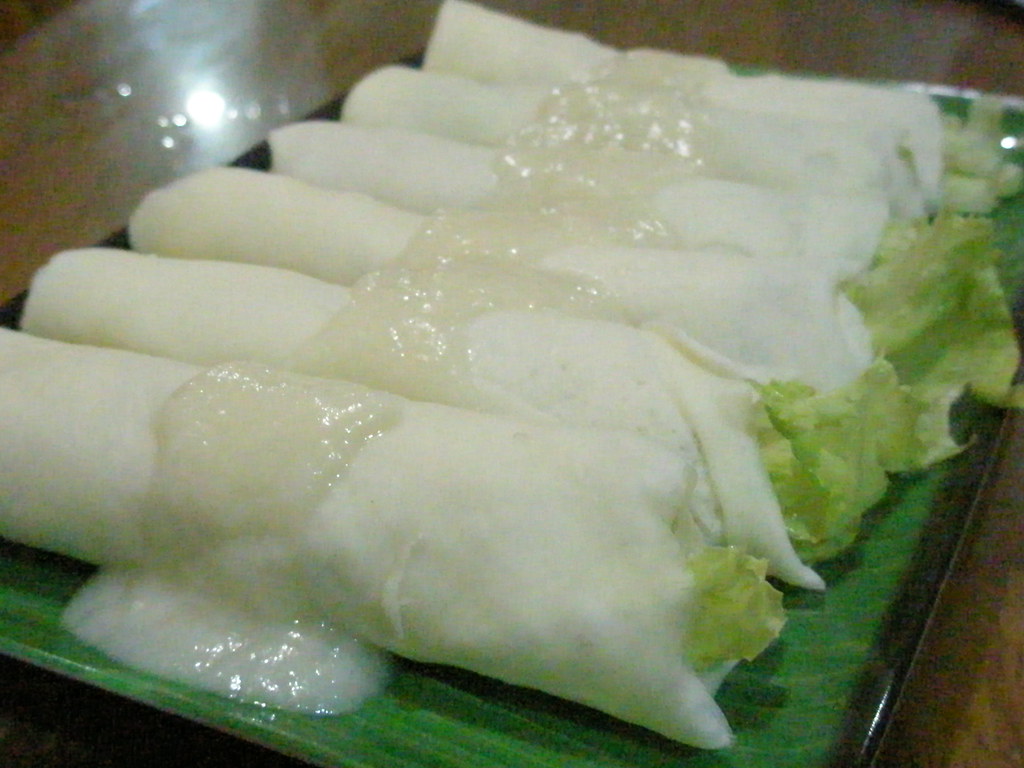
Quinta Market has vendors selling fresh lumpia throughout the day. Unlike fried spring rolls, these stay unfried and focus on fresh vegetables with a savory sauce.
The market itself gives you a look at traditional Filipino market culture—it’s busy, loud, and full of local shoppers rather than tourists.
How Manila eats

Filipinos love food and make eating a social activity that happens multiple times throughout the day. Casual spots dominate the food scene because that’s where people actually want to eat—not necessarily in white-tablecloth restaurants.
Street food and market vendors serve food that’s been refined over generations, and prices stay low enough that eating out is part of daily life rather than a special occasion. The casual eats scattered around Manila offer more authentic flavors than you’ll find in most tourist-focused restaurants, and they give you a genuine taste of how the city actually feeds itself.
More from Travel Pug

- Underrated Italian Towns That Beat the Tourist Crowds
- Las Vegas Tourist Traps to Skip
- Prettiest Towns in Every US State
- 18 passport-free countries for Americans
- Signs Your Cruise Is Not Worth The Cost
Like Travel Pug’s content? Follow us on MSN.