

Turkey’s underground cities rank among the most fascinating architectural achievements in human history. Carved deep beneath the volcanic rock of Cappadocia and other regions, these subterranean labyrinths once sheltered thousands of people from invaders, harsh weather, and religious persecution.
The engineering brilliance behind these cities continues to amaze archaeologists and visitors alike, with intricate ventilation systems, rolling stone doors, and multi-level designs that rival modern bunkers. Here is a list of 20 underground cities in Turkey worth exploring.
Derinkuyu
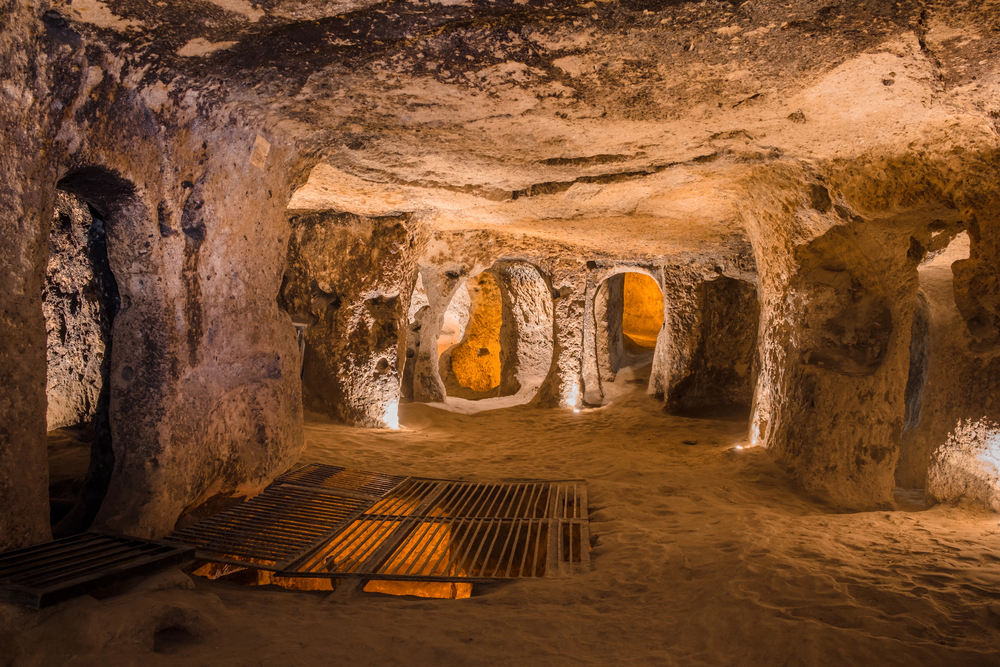
Derinkuyu stands as the deepest underground city ever discovered in Turkey, plunging roughly 280 feet below the surface with at least 18 levels identified so far. Archaeologists believe it could accommodate between 20,000 and 60,000 people along with their livestock and food stores.
The city features an incredibly sophisticated ventilation system with over 15,000 shafts that bring fresh air to even the lowest levels, plus a network of tunnels connecting it to other underground settlements miles away.
Kaymakli
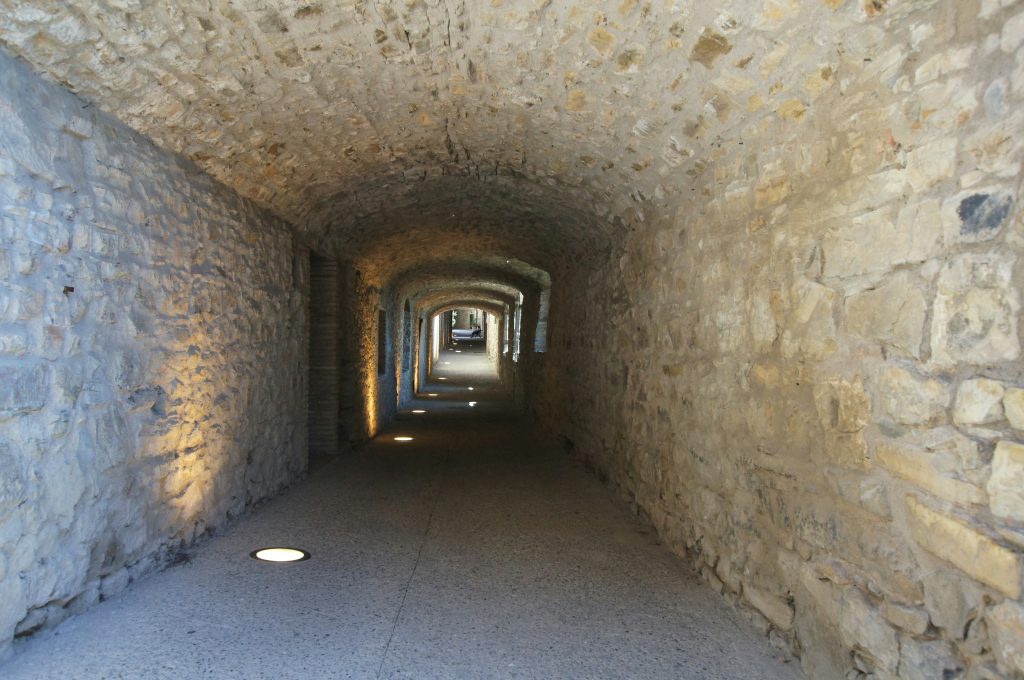
Kaymakli spreads out horizontally rather than vertically, making it one of the widest underground cities in the Cappadocia region. The complex extends across eight levels, though only four are currently open to tourists who want to explore its maze of tunnels, living quarters, and storage rooms.
What makes Kaymakli special is how its narrow passages were designed strategically so defenders could easily block invaders while residents escaped through alternative routes.
Ozkonak
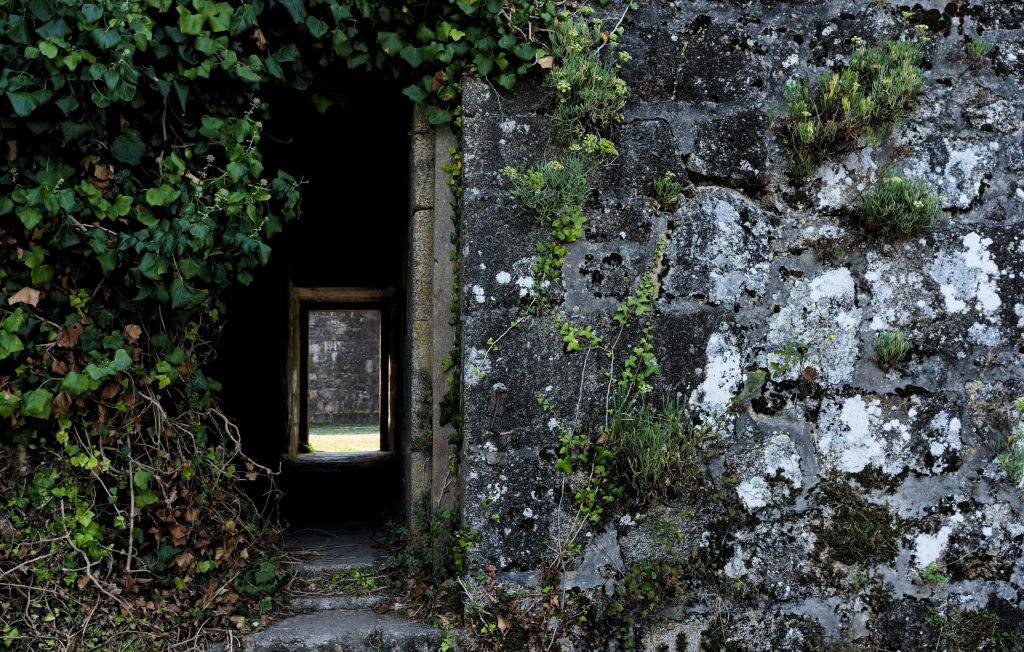
Ozkonak distinguishes itself with a unique defense mechanism: communication holes drilled between floors that allow residents to pour hot oil on intruders from above. Discovered in 1972 by a local farmer, this underground city reaches ten levels deep and could shelter around 60,000 people during times of danger.
The rolling stone doors here are particularly impressive, weighing several tons yet designed to be moved quickly from the inside to seal off sections of the city.
Tatlarin
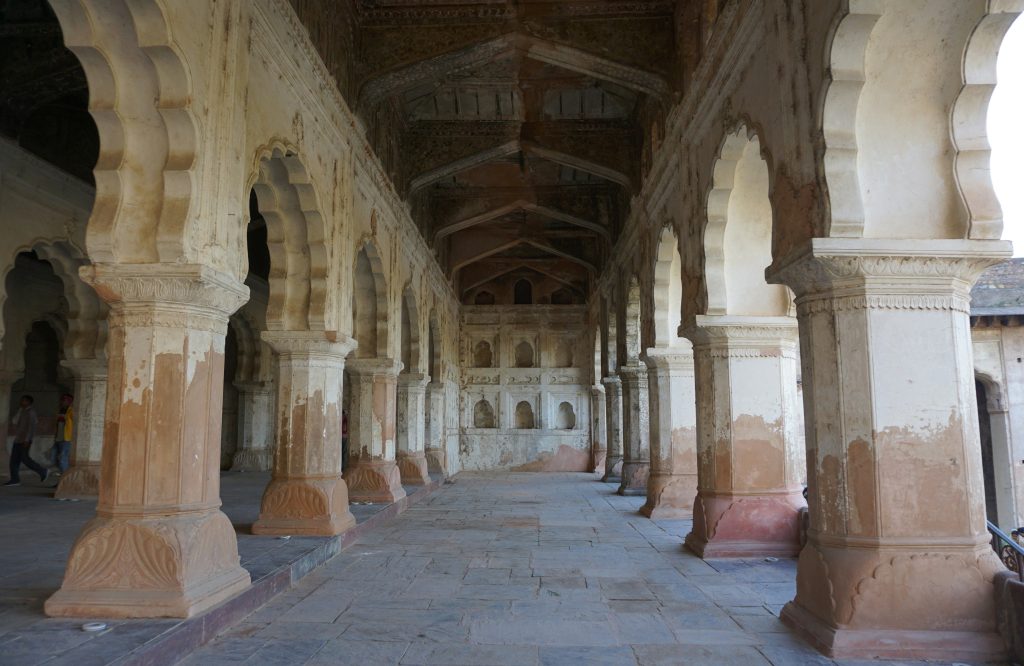
Tatlarin offers a different experience from other underground cities because it served primarily as a monastery complex rather than a residential shelter. The carved rock churches feature beautiful frescoes that have survived centuries underground, and the layout includes a church, kitchen, and living spaces for monks.
Located near the village of Kemerhisar, Tatlarin remains less crowded than the major sites, giving visitors a more intimate look at Byzantine monastic life.
Mazi
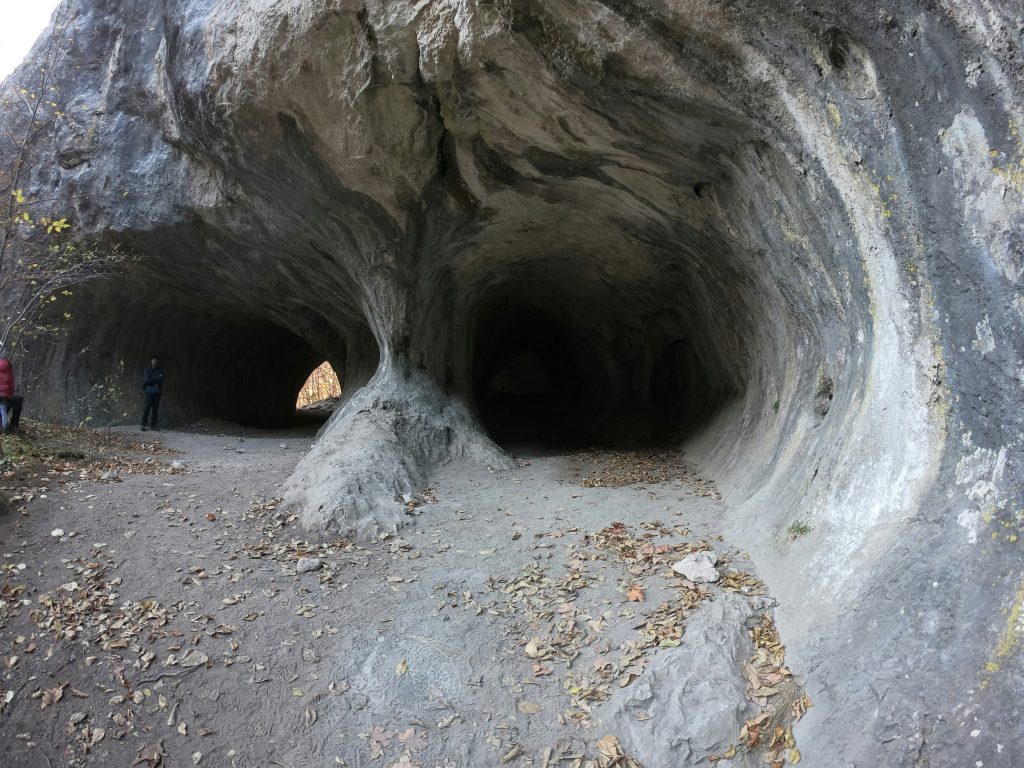
Mazi Underground City surprises many visitors with its well-preserved condition, despite receiving far fewer tourists than Derinkuyu or Kaymakli. The site consists of four levels, including a church, living areas, storage rooms, and even a dungeon carved into the soft volcanic rock.
The ventilation shafts here demonstrate remarkable engineering, as they not only provided fresh air but also served as wells for water collection during sieges.
Ozluce
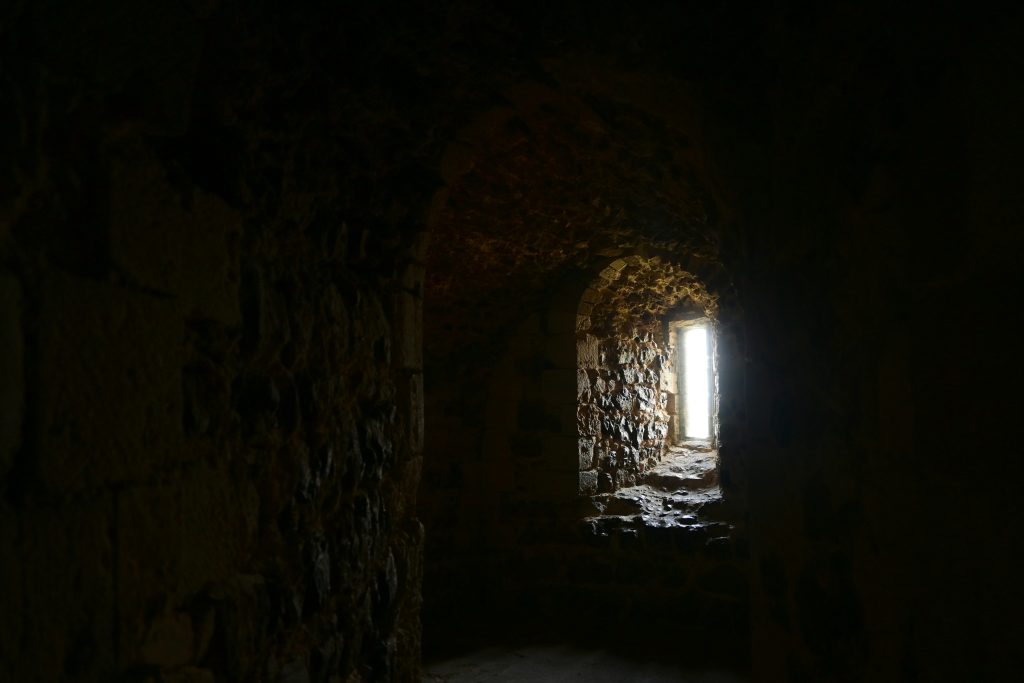
Ozluce remains one of the lesser-known underground cities in Cappadocia, which means you can explore its tunnels without fighting through crowds of tour groups. The city features three main levels with rooms that clearly show different purposes, from family living spaces to communal gathering areas and food storage chambers.
Recent excavations suggest the site may extend much deeper than currently accessible, with blocked passages hinting at unexplored sections below.
Gaziemir
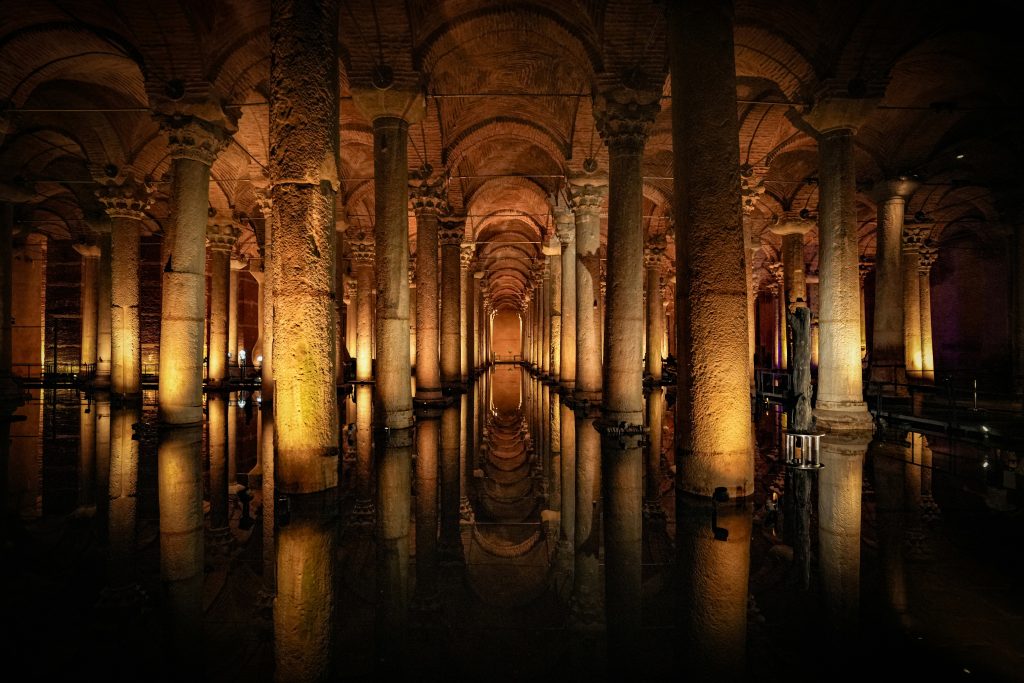
Gaziemir underground city, near the town of Guzelyurt, offers a glimpse into how these subterranean settlements integrated with above-ground life. The complex includes carved staircases, ventilation shafts, and rooms that connect to rock-cut churches on the surface.
Though smaller than Derinkuyu, Gaziemir impresses visitors with its carved stone columns supporting the ceiling and the natural light filtering down through carefully positioned shafts.
Saratli
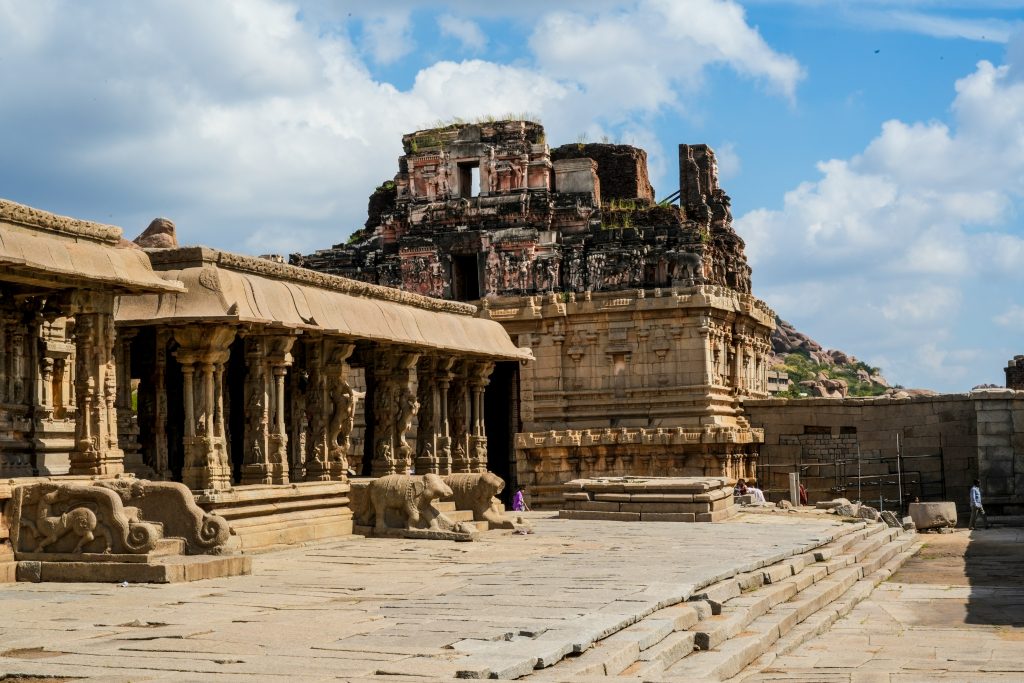
Saratli combines an underground city with a stunning rock-cut monastery known as St. Mercurius, creating a unique historical site in the Guzelyurt area. The underground sections feature the typical defense mechanisms and living spaces, but the real attraction is the Byzantine-era church carved directly into the cliff face above.
Frescoes depicting religious scenes still decorate the walls, and the combination of underground and above-ground architecture shows how communities utilized every aspect of their rocky landscape.
Guzelyurt underground city
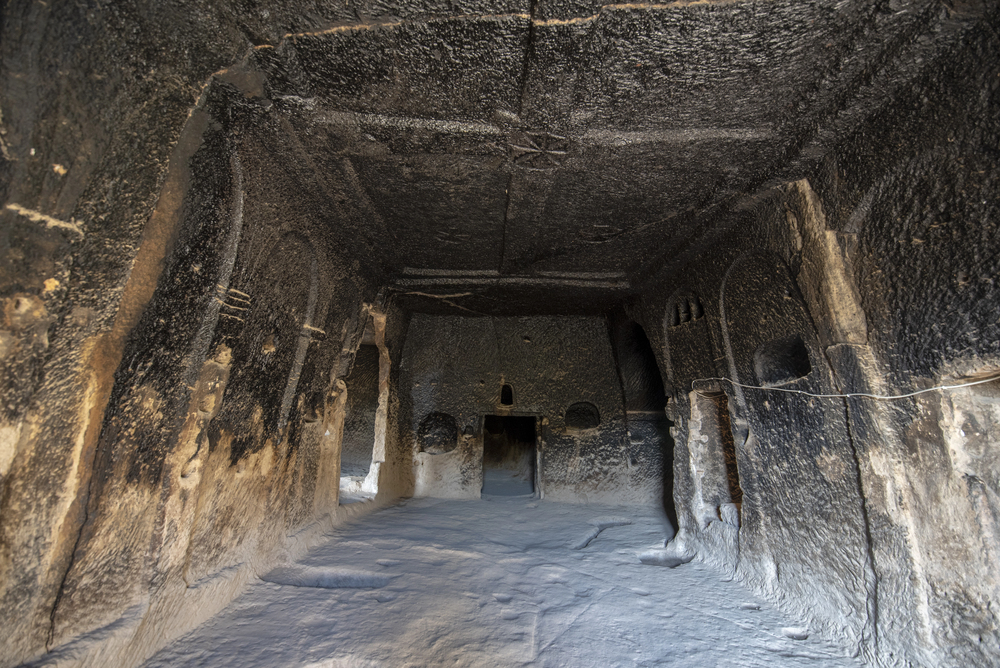
The town of Guzelyurt sits atop an extensive underground network that locals still use for storage and workshops. Unlike tourist-focused sites, parts of this underground city remain integrated into daily life, with shops and restaurants built into the carved rock spaces.
The complex connects to numerous rock-cut churches in the area, forming a broader religious and defensive network that protected Christians during periods of persecution.
Nevsehir underground city
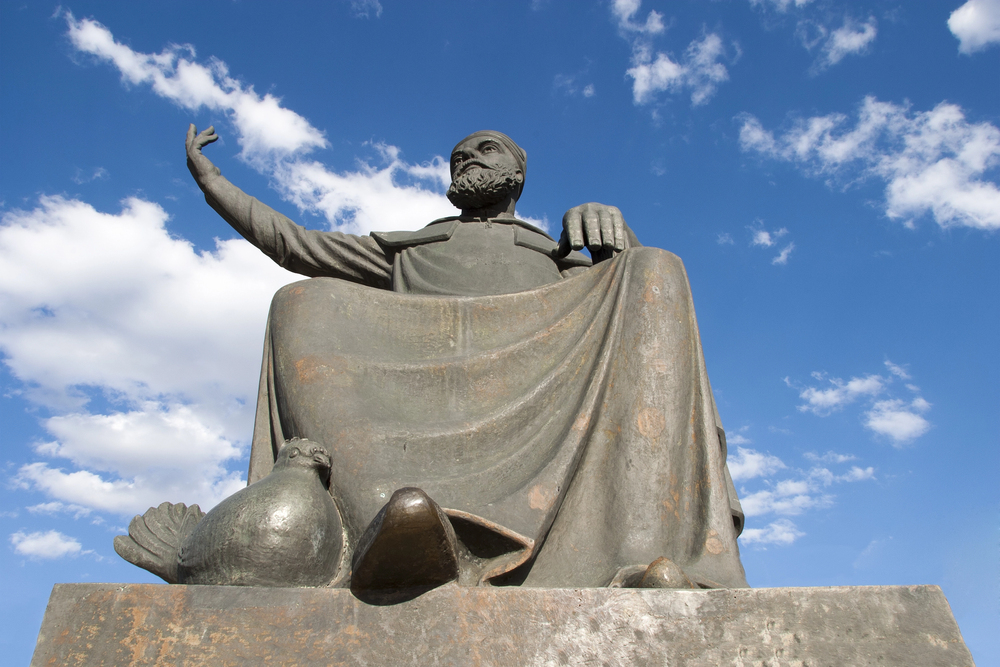
Nevsehir’s underground city was only recently discovered during urban renewal projects in 2014, and archaeologists believe it may be the largest yet found in Turkey. Early estimates suggest the site covers roughly 460,000 square feet and could extend down more than 370 feet, potentially surpassing Derinkuyu in both size and depth.
Excavation work continues, but sections already uncovered reveal churches, storage rooms, and tunnels that connect to other underground cities in the region.
Gokcetoprak
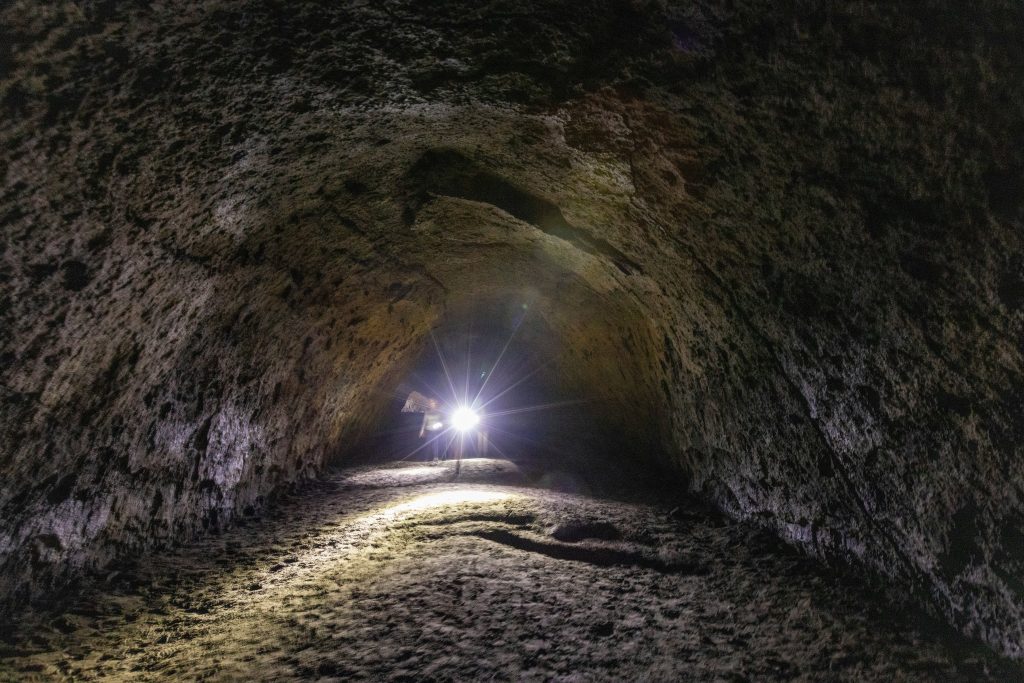
Gokcetoprak offers visitors a chance to see an underground city that hasn’t been heavily restored or modified for tourism. The site features natural cave formations mixed with human-carved spaces, creating an organic feel that shows how ancient people worked with existing geological features.
Three levels are partially accessible, though many passages remain blocked by rubble and require careful navigation with a guide.
Aciksaray
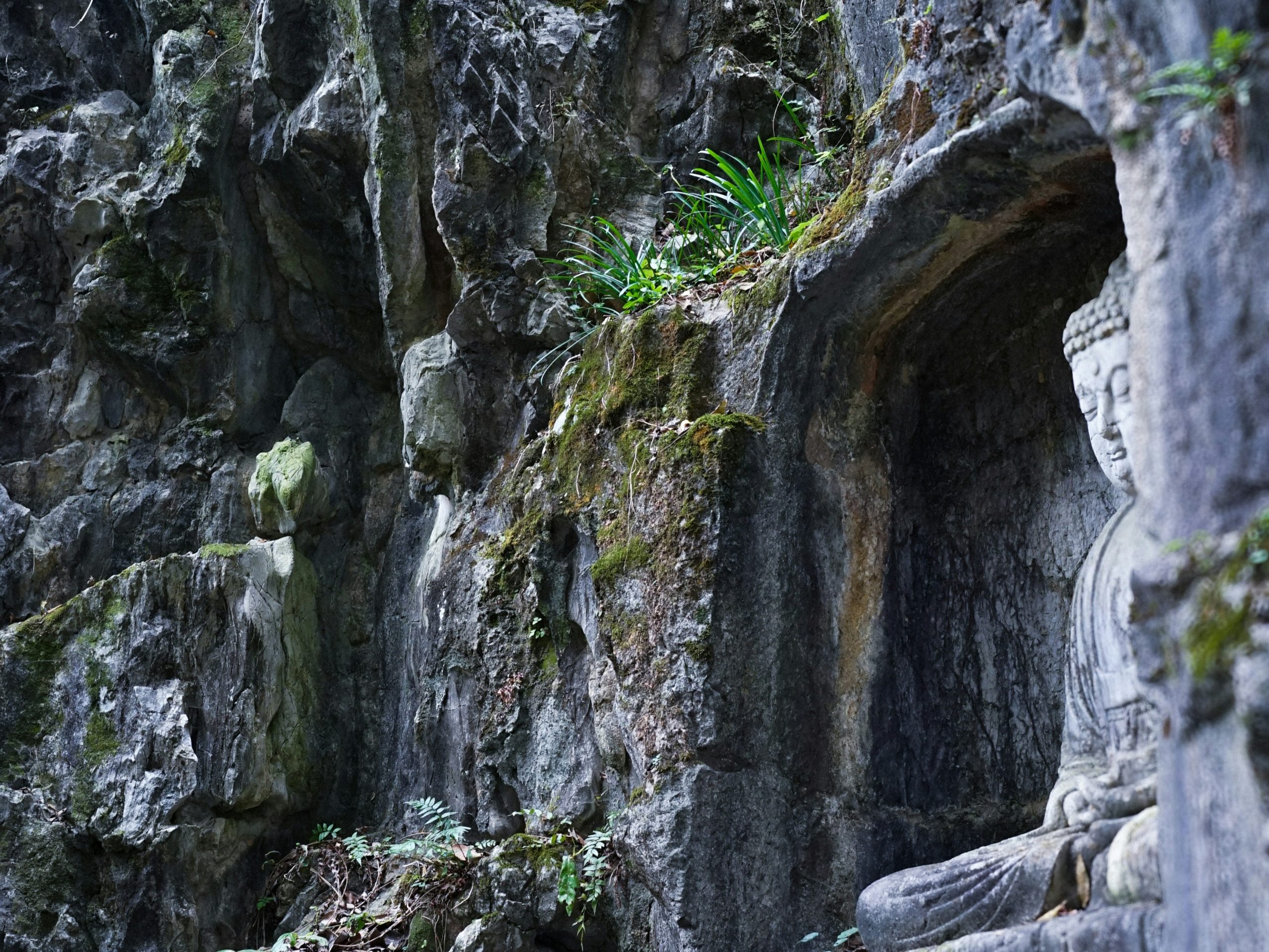
Aciksaray, which translates to ‘open palace,’ presents a fascinating hybrid of underground rooms and above-ground rock-cut structures carved into a steep valley. The site includes churches, monasteries, and residential spaces spread across multiple levels of cliff faces and underground chambers.
Walking through Aciksaray feels like exploring a medieval apartment complex, with rooms stacked vertically and connected by carved staircases and tunnels.
Nar underground city
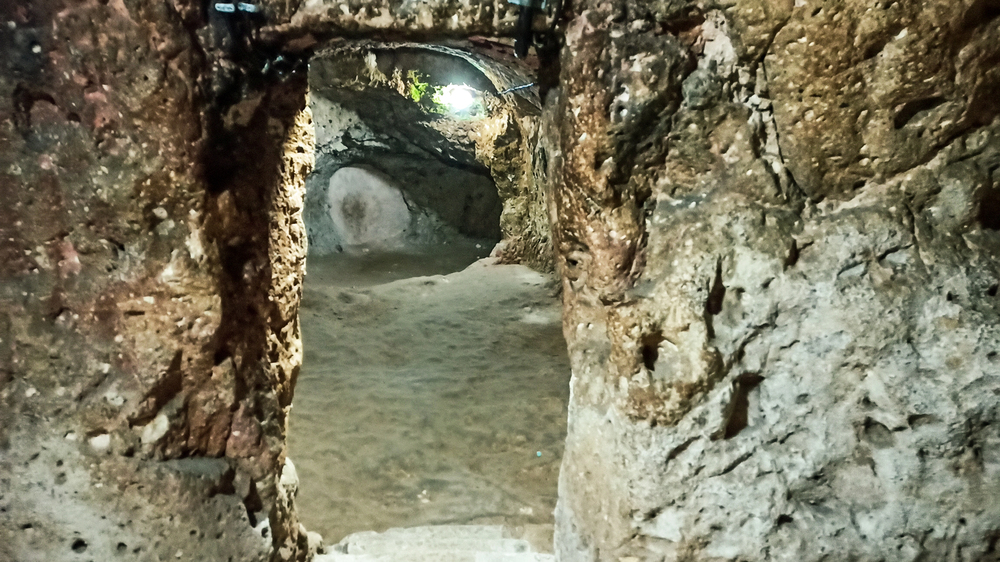
The village of Nar hides an underground city beneath its streets that locals have used for centuries as storage cellars and workshops. Four levels have been identified, featuring the standard defensive architecture with rolling stone doors and narrow passages designed to slow invaders.
What makes Nar interesting is how the underground spaces connect to the village’s rock-cut church, suggesting the entire settlement was planned as an integrated defensive and religious complex.
Sivrihisar
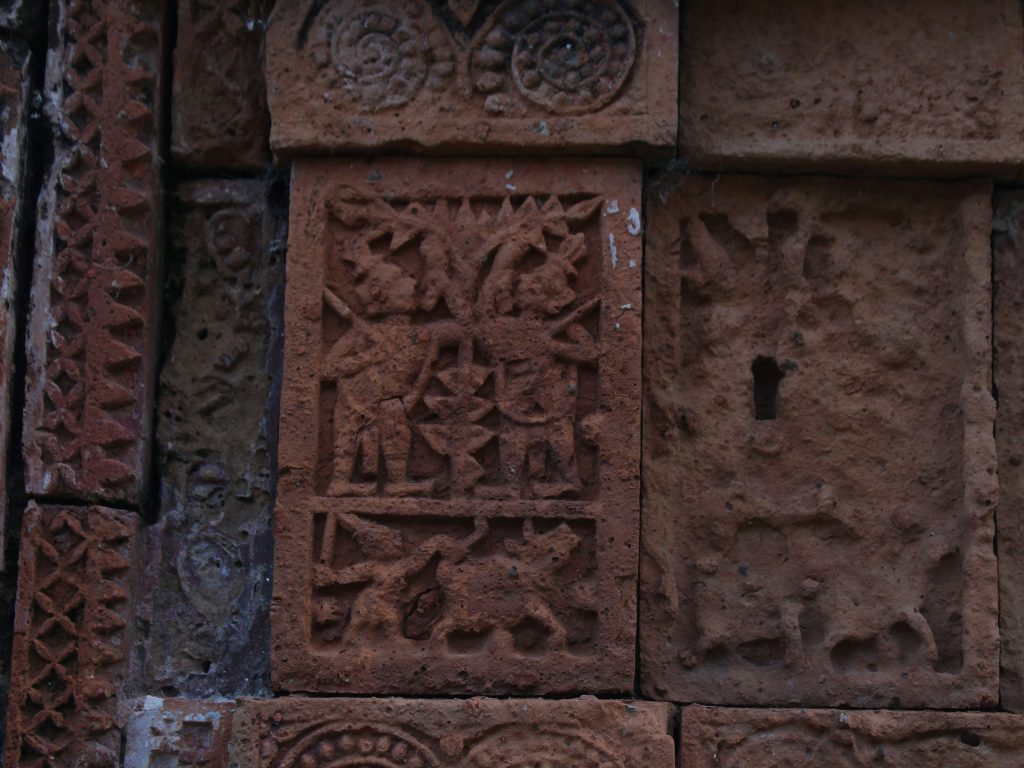
Sivrihisar’s underground city served as a refuge for early Christians fleeing Roman persecution, and the site’s religious character remains evident in its carved crosses and prayer spaces. The complex includes living quarters, storage areas, and a small underground chapel with faint traces of frescoes still visible on the walls.
Located off the main tourist circuit, Sivrihisar requires some effort to reach but rewards visitors with an authentic experience free from commercialization.
Gelveri
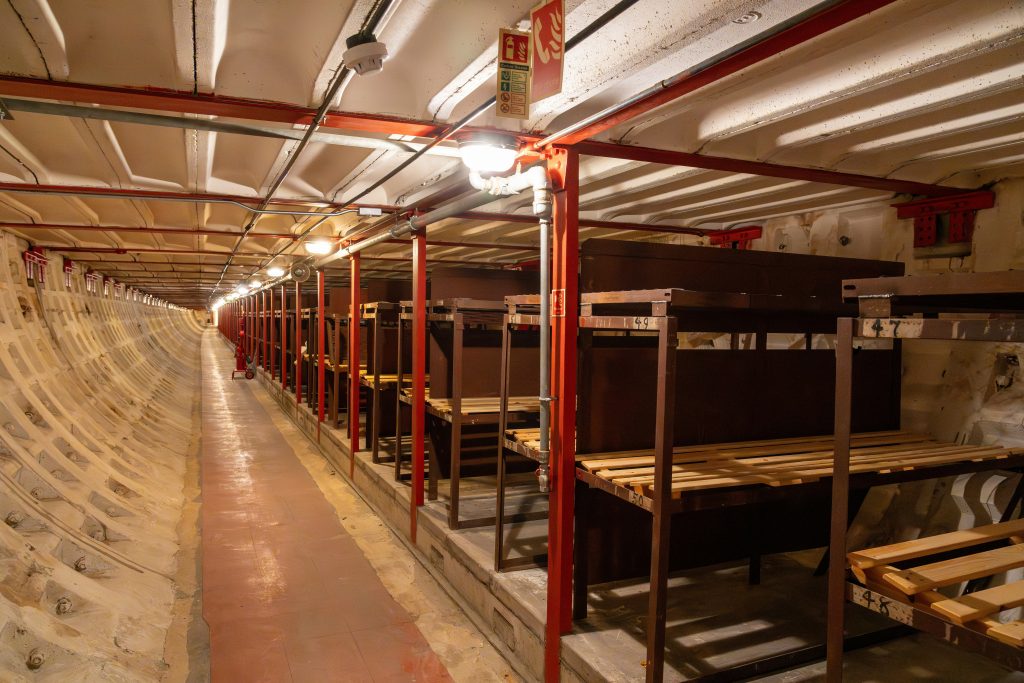
Gelveri underground city connects to the magnificent rock-cut church of St. Gregory Nazianzus, one of the finest examples of Byzantine religious architecture in Cappadocia. The underground sections provided shelter during raids, while the church served as the community’s spiritual center.
The combination of military practicality and religious devotion in one site illustrates how faith and survival intertwined for early Christian communities in the region.
Avanos underground city
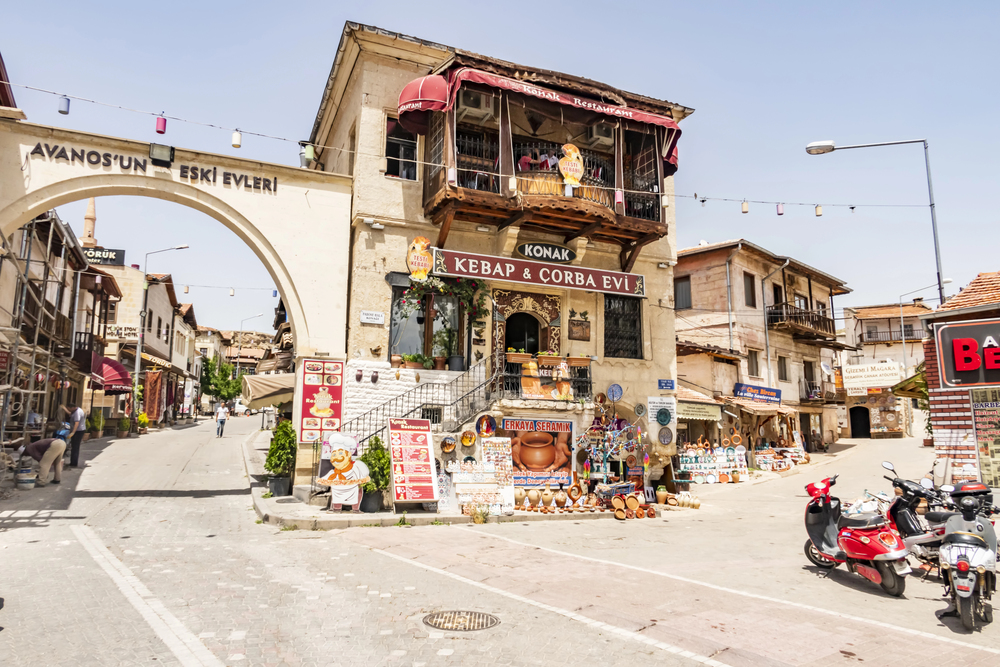
An underground city that the local people have been using and enlarging for thousands of years is situated under the pottery-making town of Avanos. The gentle volcanic tuff made it quite easy to dig, and the different generations of inhabitants tunnelled out new rooms when necessary for various purposes such as storage, workshops, and living areas.
There are parts of the city that belong to the Hittite period, which is why this is one of Turkey’s oldest underground areas that have been in continuous use.
Urgup underground city
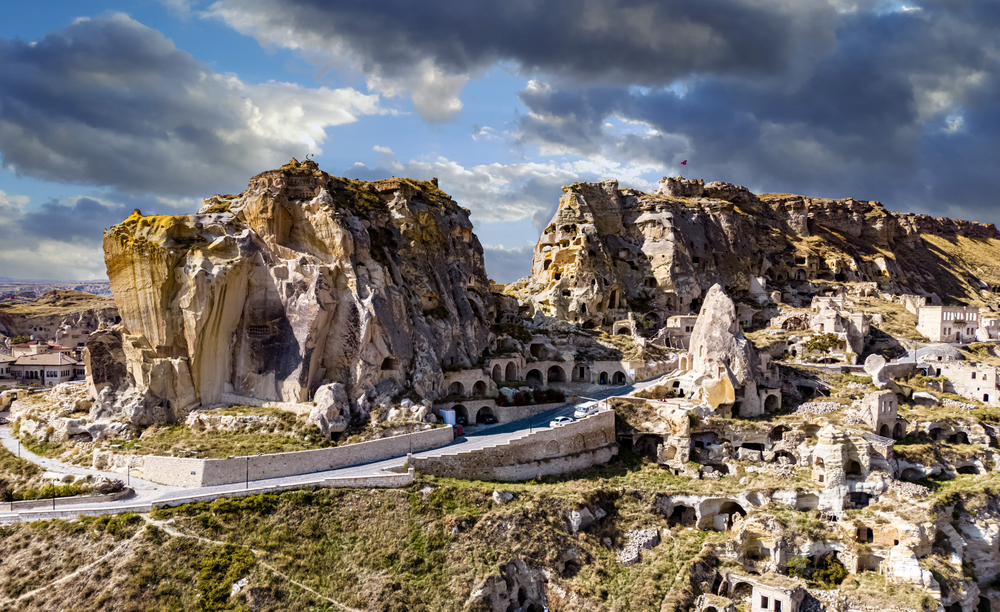
Urgup’s underground sections integrate seamlessly with the town’s famous fairy chimney formations, creating a unique landscape where people lived both above and below ground. The underground city features multiple levels with well-preserved living quarters, stables, and storage rooms for food and wine.
The town’s location made it a strategic point along ancient trade routes, and the underground spaces provided security for merchants and their goods.
Mucur
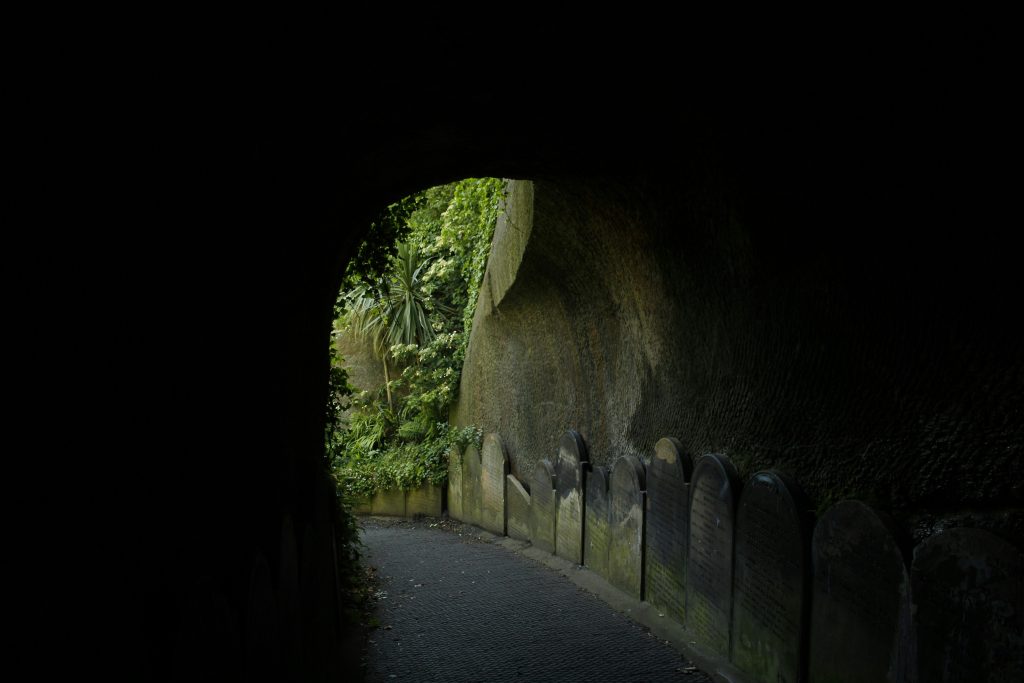
Mucur Underground City demonstrates how rural communities adapted underground architecture to their specific needs, with spaces clearly designed for agricultural storage and animal sheltering. The complex includes large chambers for keeping livestock during the winter months and smaller rooms for storing grain and other provisions.
Though not as grand as Derinkuyu, Mucur shows the practical side of underground living that sustained farming communities through harsh seasons and dangerous times.
Kahramanmaras region underground settlements
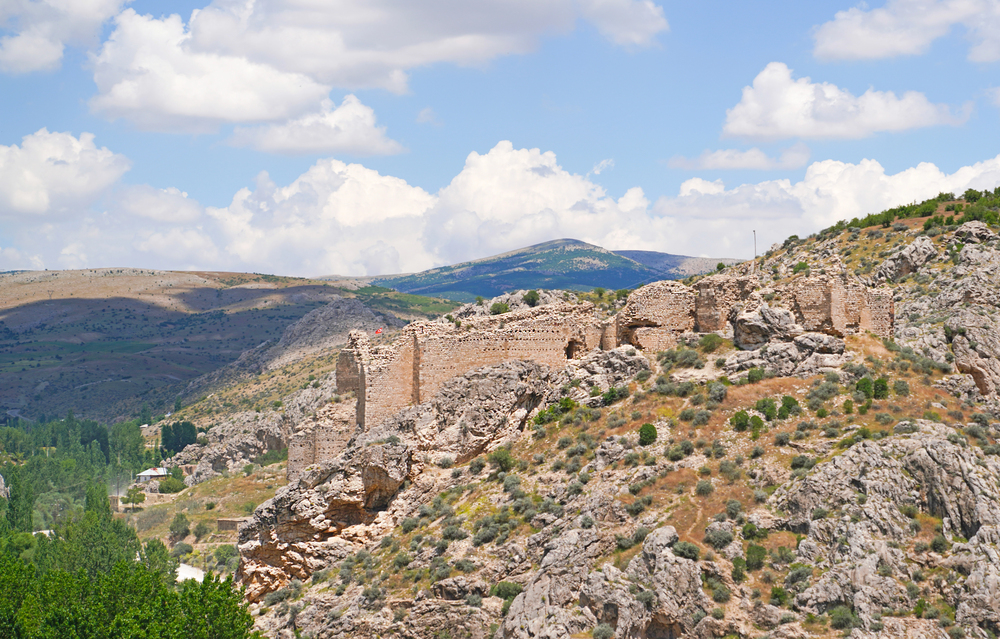
Turkey’s southeastern Kahramanmaras area is rich in small subterranean settlements, but unlike Cappadocia, they are less recognized by archaeologists. Such places are not large city complexes but rather small, family-sized refuges hewn into the hillsides.
They can tell us a lot about the way underground spaces were used for shelter and storage by not only big communities but also ordinary people through the whole course of Turkish history.
Sahinefendi
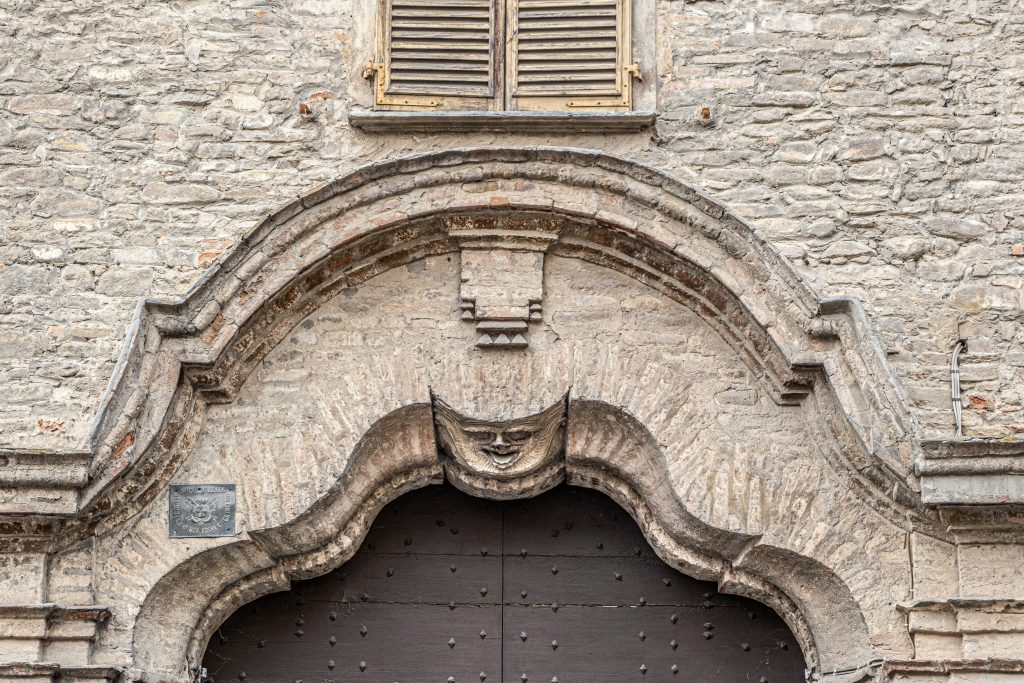
Sahinefendi underground city near Nigde features some of the most elaborate carved stone doors in any Turkish underground site. The doors, carved from single pieces of volcanic rock, could roll across tunnel entrances and be locked from inside using simple but effective mechanisms.
The city also contains a surprising number of carved niches and shelves in the walls, suggesting residents lived here for extended periods rather than using it only as a temporary shelter.
Where ancient refuge meets modern discovery
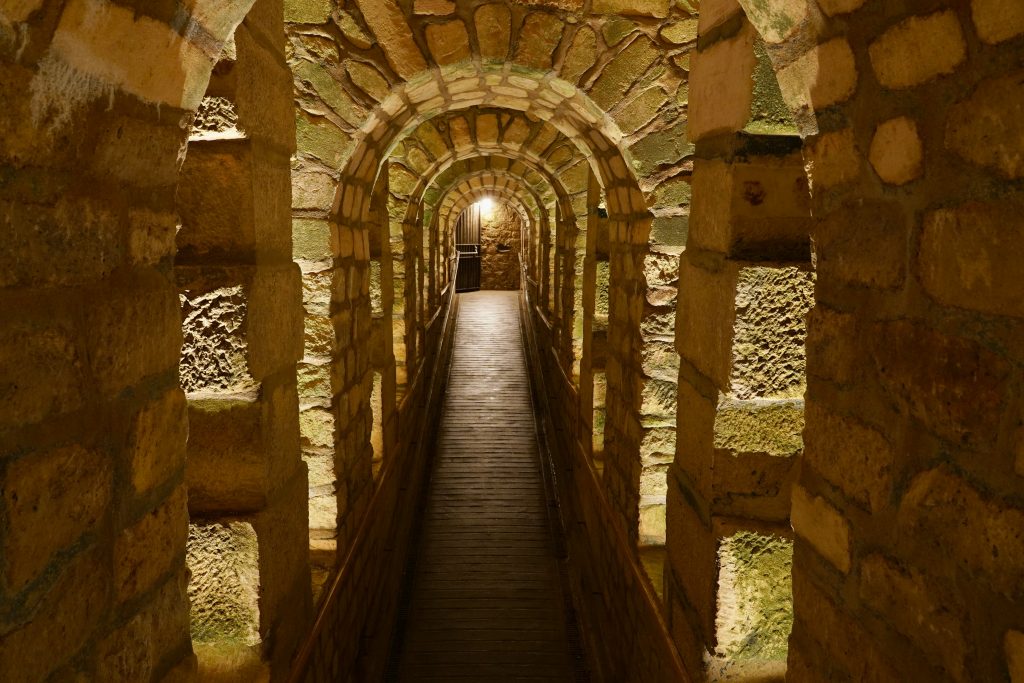
In Turkey today, these underground cities are not only historical curiosities or tourist attractions but also proof of how human creativity can change geological disadvantages into survival advantages, and even more, to convert soft volcanic rock to a protective shelter. Apart from the fact that the archaeological profession has already unearthed the remaining underground complexes that lie under Turkish towns and villages, we are still becoming aware of the vastness and the complexity of these ancient networks.
The underground cities are reminders that when the communities are at the point of being wiped out, they manage to come up with extraordinary adaptations and survive.
More from Travel Pug

- Underrated Italian Towns That Beat the Tourist Crowds
- Las Vegas Tourist Traps to Skip
- Prettiest Towns in Every US State
- 18 passport-free countries for Americans
- Signs Your Cruise Is Not Worth The Cost
Like Travel Pug’s content? Follow us on MSN.