

Modern tourists are frequently in a hurry to visit one attraction after another, ticking off their bucket list as if they were running a marathon with a camera. Slow travel reverses this method by inviting you to stay, take in the scenery, and make real connections with the places you see, rather than just traveling through them.
It’s like changing the number for quality, and the outcomes can be nothing short of life-changing. This approach isn’t just for retirees or digital nomads with endless time.
Anyone can adopt slow travel principles, whether you have two weeks or two months. Here is a list of techniques that will help you master the art of traveling slowly and meaningfully.
Stay longer in fewer places

Slow travel is all about staying put in one place for a long time, instead of moving from city to city every few days. Staying a minimum of one week at each spot gives you the chance to go beyond the pretend tourist area and uncover the beat of town life.
You will find your preferred coffee place, spot some people at the market, and discover secret places that are not listed in any travel books.
Choose ground transportation over flights
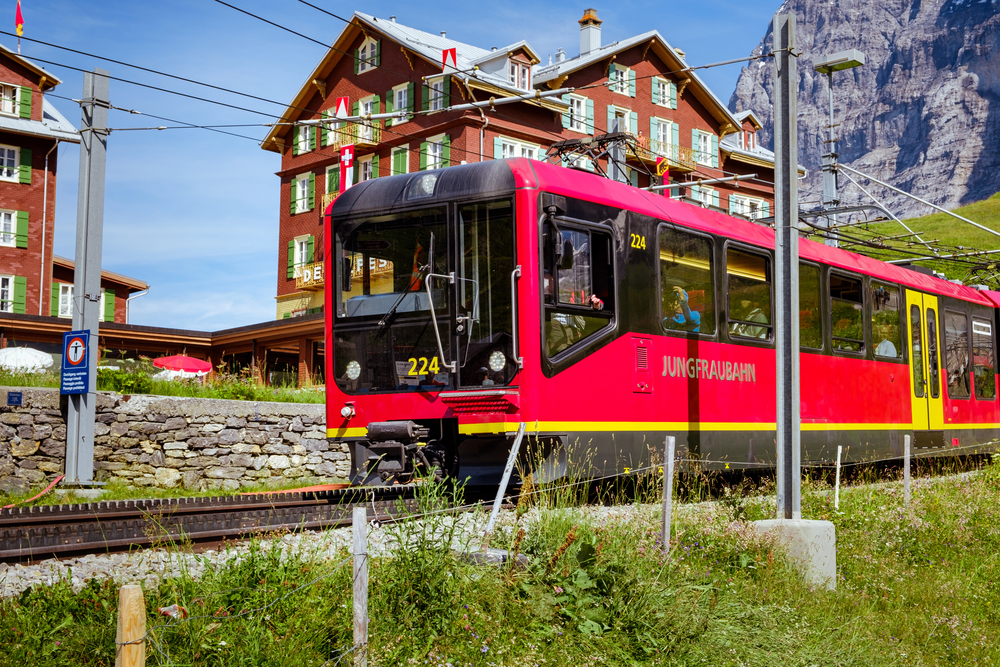
Trains, buses, and even ferries offer more than just transportation—they provide windows into the landscape and culture between destinations. The journey becomes part of the experience rather than dead time to endure.
You’ll watch the scenery change gradually, chat with locals heading home from work, and arrive at your destination with a better sense of where you actually are in the world.
Rent apartments instead of hotel rooms
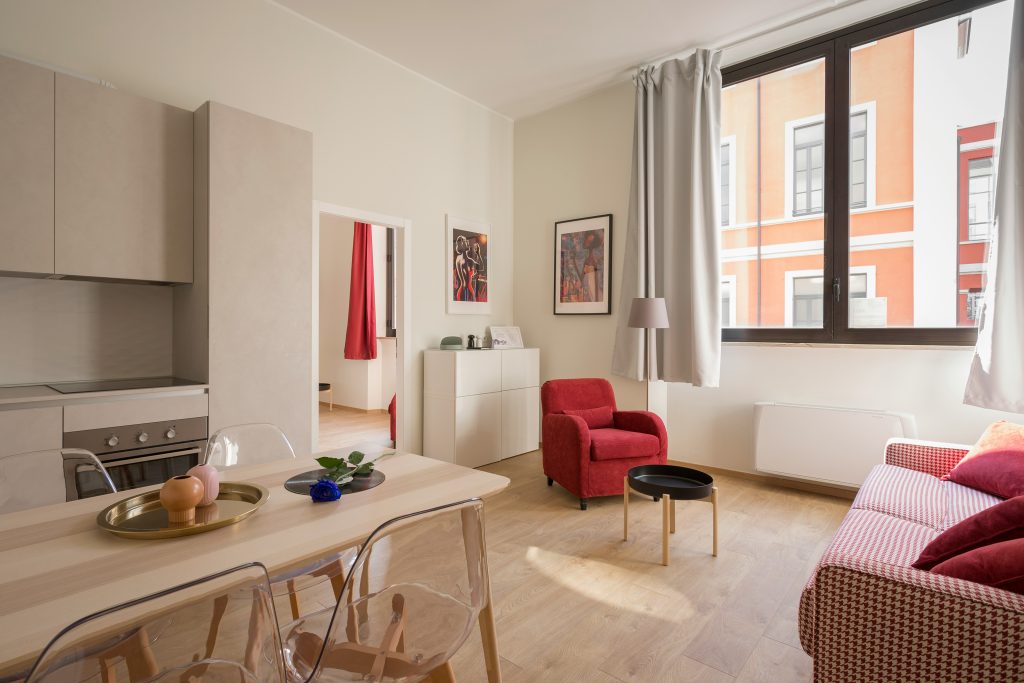
Booking an apartment or long-term rental gives you a home base with a kitchen, living space, and often a neighborhood vibe that hotels can’t match. You’ll shop at local grocery stores, cook regional ingredients, and live more like a resident than a visitor.
The cost savings over hotels can be substantial, especially for stays longer than a week.
Learn basic phrases in the local language

Mastering even a handful of essential phrases transforms your interactions from transactional to personal. Locals appreciate the effort, even when your pronunciation makes them smile, and those small linguistic bridges open doors that remain closed to English-only travelers.
You don’t need fluency—just ‘hello,’ ‘thank you,’ ‘excuse me,’ and ‘where is’ will take you surprisingly far.
Shop at local markets and cook your own meals
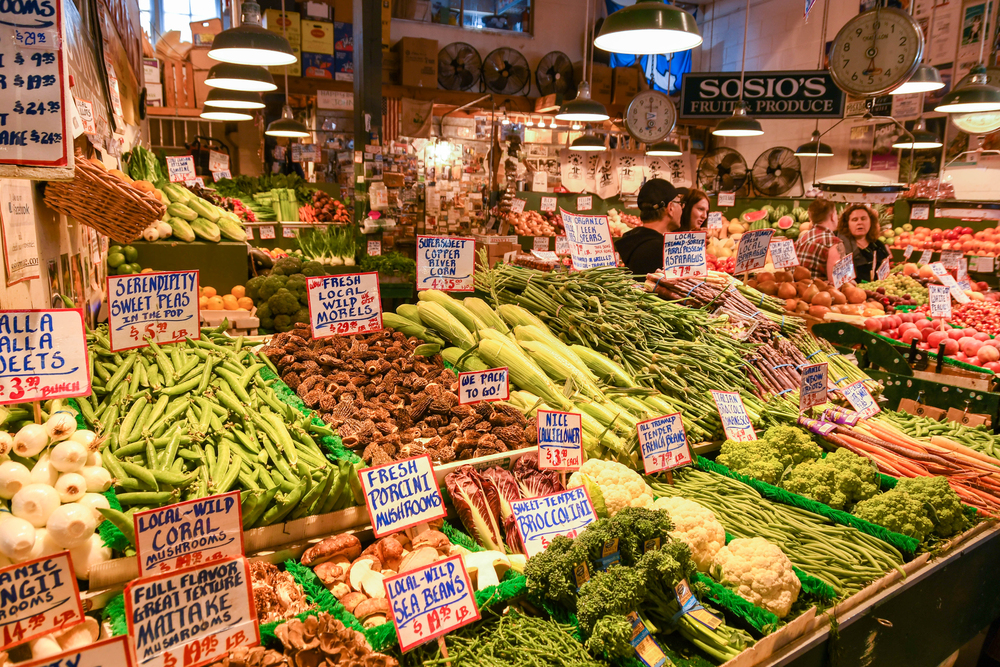
Visiting neighborhood markets connects you directly to regional food culture and the people who grow or make what you eat. Cooking in your rental introduces you to local ingredients and techniques while saving money for experiences that matter more.
Plus, there’s something deeply satisfying about assembling a meal from items you picked out at a bustling market.
Establish daily routines in each location
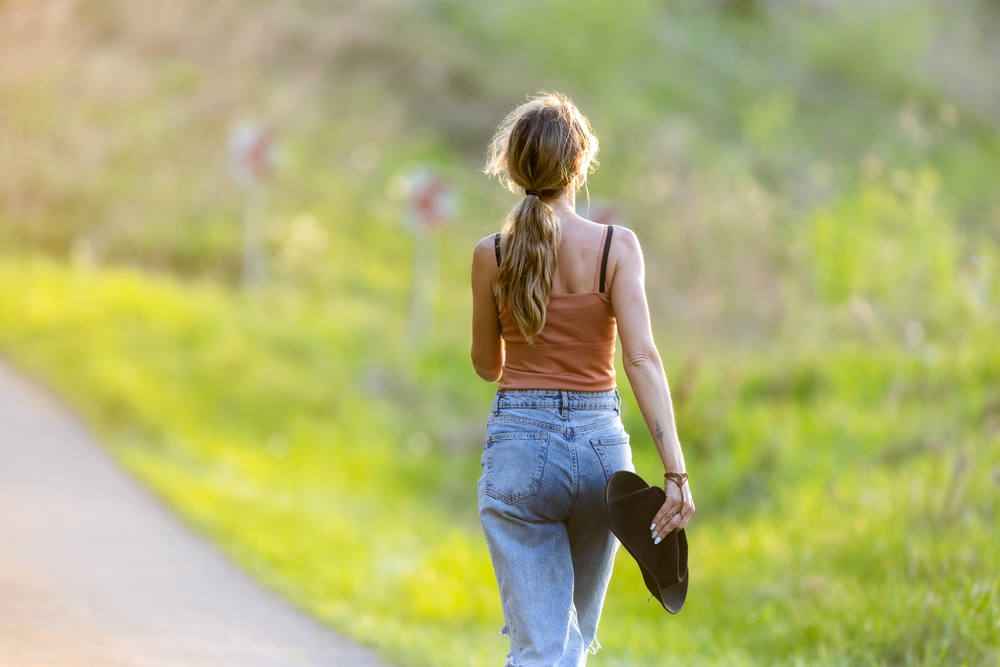
Creating small rituals—morning walks, afternoon coffee at the same cafe, evening strolls through a particular neighborhood—roots you in a place. These routines help you notice the subtle changes and patterns that rushed tourists never see.
You become a temporary local rather than a perpetual outsider.
Skip the famous attractions occasionally
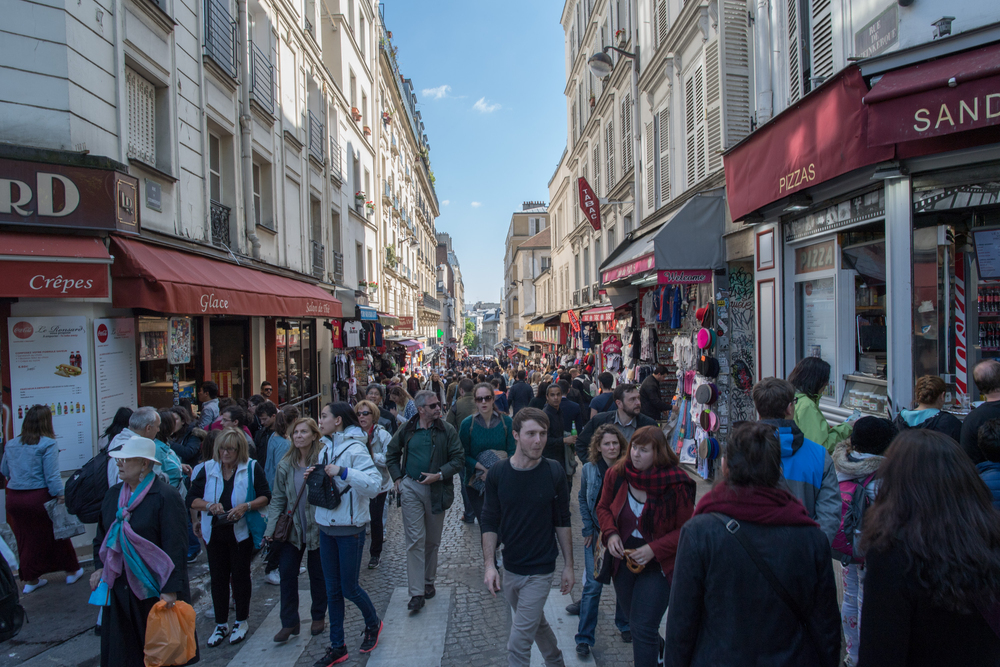
Not every visit needs to include the most photographed landmarks, especially if they mean battling crowds and feeling rushed. Sometimes the neighborhood park, a random side street, or a local community event offers more genuine connection than standing in line for two hours.
The famous stuff isn’t going anywhere, and you might prefer the understated alternatives.
Use public transportation exclusively
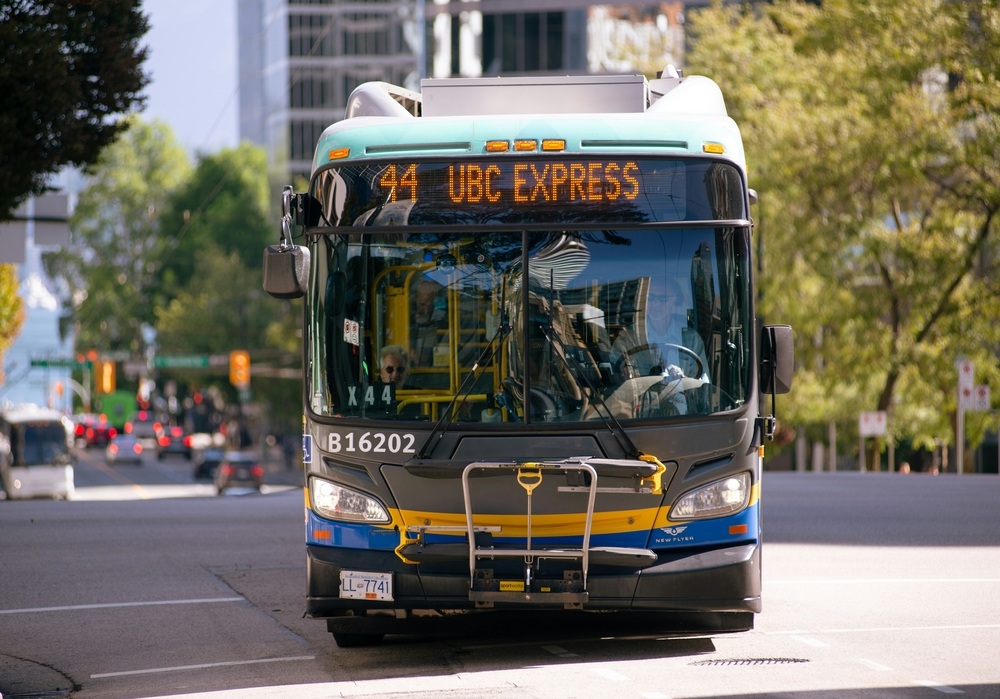
Buses, metros, and trams force you into the daily reality of locals and remove the bubble that taxis and rental cars create. You’ll figure out the ticketing system, learn the routes, and experience the minor frustrations and triumphs of getting around as residents do.
This immersion teaches you more about a place than any tour guide could.
Strike up conversations with locals

A conversation with a shopkeeper, bartender, or person at the bus stop can give insights that are not even disclosed by a travel blog. Generally, people like to speak about their places, suggest off-the-beaten-path spots, or just share their points of view with a visitor who shows curiosity.
What matters here is real interest instead of seeing the locals as human information booths.
Avoid over-planning your itinerary
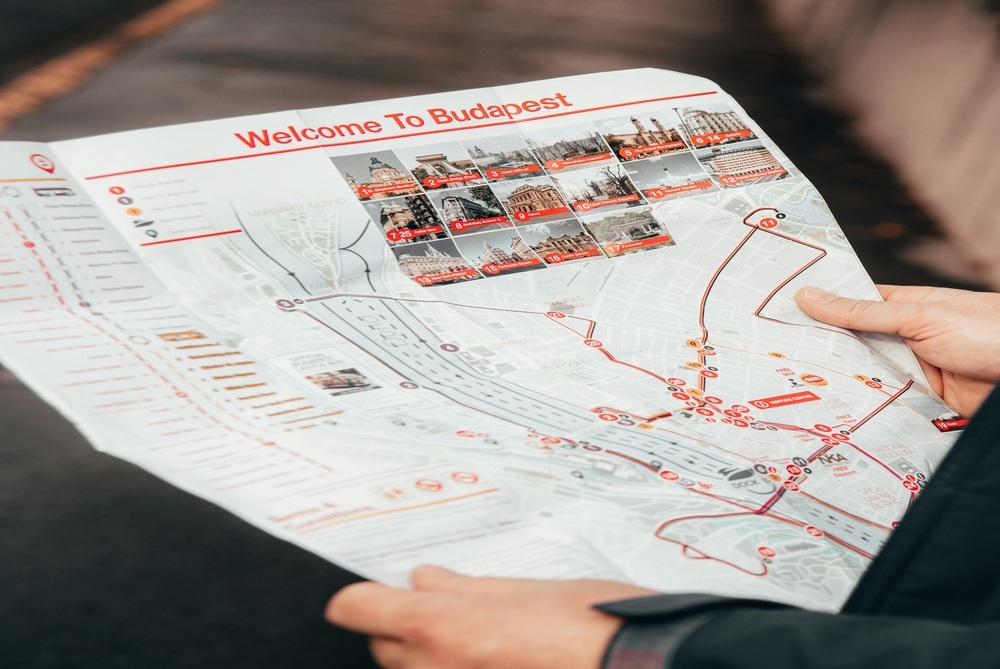
Leaving space in your schedule allows serendipity to work its magic and gives you permission to follow interesting tangents as they appear. That random festival you stumbled upon, or the hiking trail a new friend recommended, can become the highlight of your trip.
Slow travel thrives on flexibility and spontaneous decisions.
Volunteer or take a local class

Getting involved in local activities or learning a local art—pottery, cooking, language—would make you more connected to the place than just visiting the tourist spots. You can come across people with similar interests, give something valuable, and acquire practical knowledge of the area’s culture.
The memories of such experiences will last longer than the photos of the landmarks.
Limit your digital consumption

Constantly checking social media, emails, or travel blogs pulls your attention away from the actual place you’re visiting. Designate specific times for devices and spend the rest truly present with your surroundings.
You’ll notice more, remember more, and feel less like you’re performing your trip for an online audience.
Walk everywhere possible
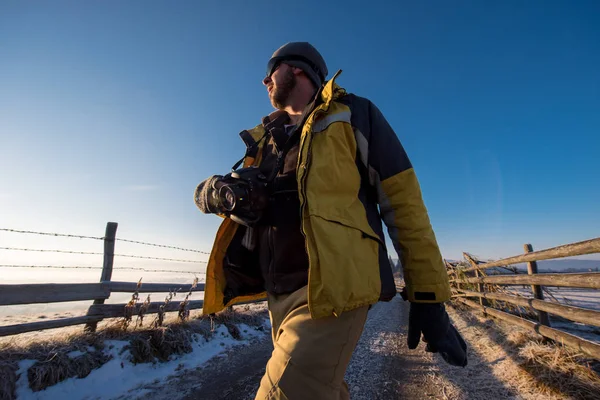
Nothing reveals a city’s character like exploring it on foot, block by block, with no particular agenda. You’ll discover tucked-away cafes, observe daily rituals, and develop an intuitive sense of the city’s layout and personality.
The ten miles you log daily become a moving meditation rather than a fitness chore.
Return to favorite spots multiple times
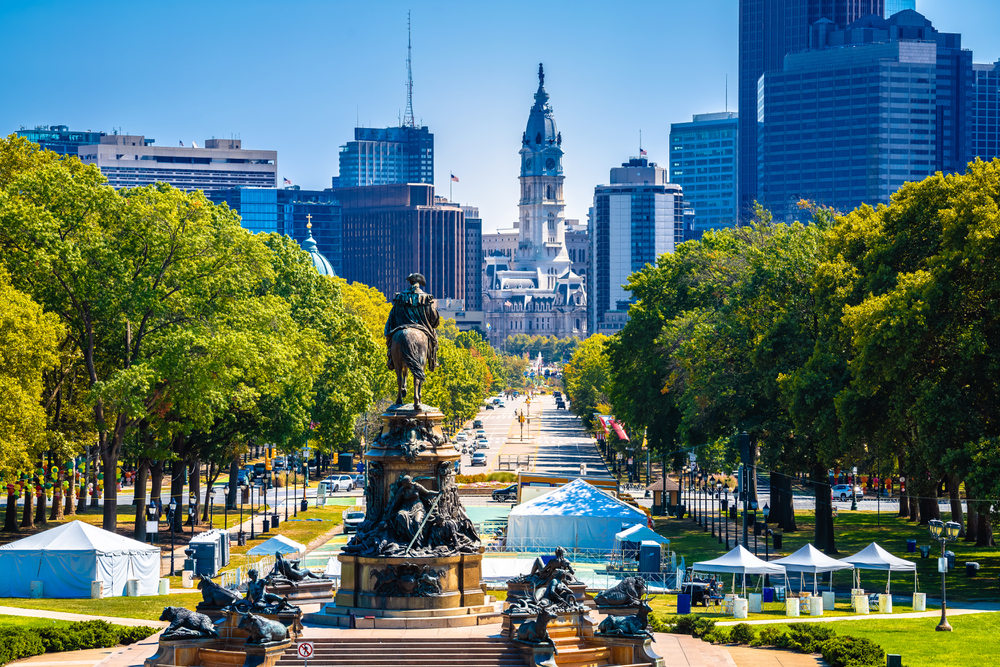
Revisiting the same cafe, park, or viewpoint at different times reveals how places shift with the hour, weather, and day of the week. That morning, the bakery transforms into an evening wine bar, the park fills with different crowds on weekends, and you start recognizing the regulars.
These return visits deepen your relationship with a place.
Travel during the shoulder or off-seasons
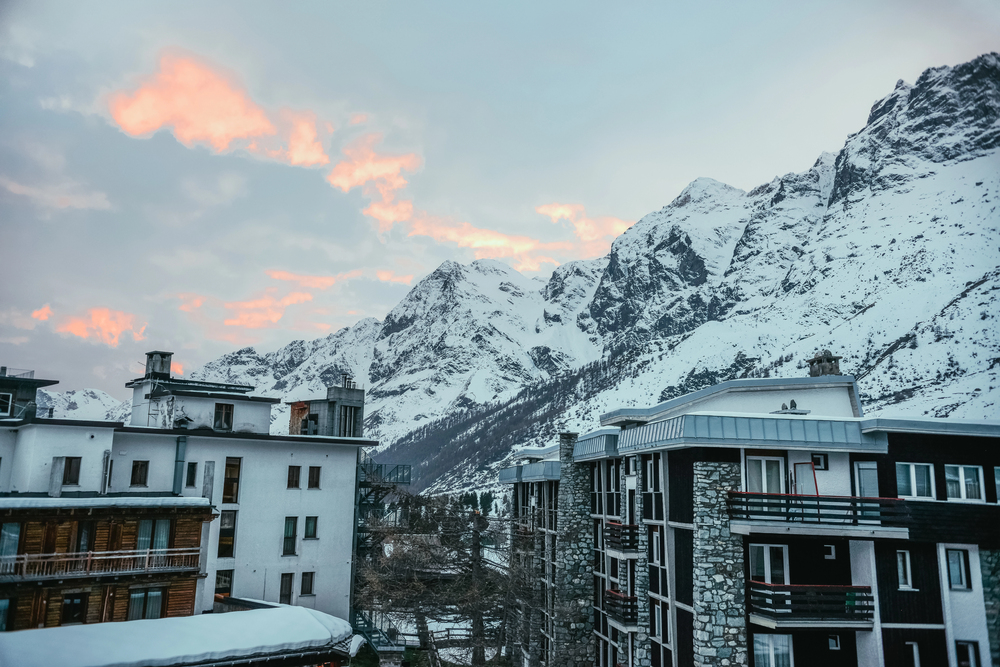
Visiting destinations outside peak tourist periods means fewer crowds, lower prices, and more authentic interactions with locals who aren’t burned out from summer hordes. The weather might be less predictable, but you’ll experience places at a more natural pace.
Locals have more time to chat, restaurants aren’t rushed, and you can actually enjoy popular sites without elbowing through masses.
The quiet revolution

Slow travel is a silent but powerful rebellion against the Instagram and social media-driven craziness, where places are just reduced to the backgrounds of personal photos. The mentioned techniques are not revolutionary—they are just a comeback of the former ways of traveling that were more human and less competitive, thanks to the budget airlines and social media.
As more people start to travel again and popular places fight against overcrowding, slow travel comes in as a green option that is good for both tourists and local people. The planet does not want more and more travelers who just rush through—it wants more and more people who really look and see.
More from Travel Pug

- Underrated Italian Towns That Beat the Tourist Crowds
- Las Vegas Tourist Traps to Skip
- Prettiest Towns in Every US State
- 18 passport-free countries for Americans
- Signs Your Cruise Is Not Worth The Cost
Like Travel Pug’s content? Follow us on MSN.