

The world’s most unusual hotels are not necessarily located in thriving capitals or seaside resort towns. Their very best retreats lie in villages where GPS signal strength fails and the closest neighbors could be grazing sheep or medieval monasteries.
These are villages where heritage has not simply endured modernity — it has been skillfully incorporated into experiences that cannot otherwise be purchased. Still, luxury has not been lost in the bargain. Picture lounging in a secluded hot spring as mountain summits reach up into the clouds, or wine-sipping in a medieval castle only reachable by mule.
A list of 20 surprising luxury retreats hidden in out-of-the-way villages all over the globe, where five-star amenities meet genuine local existence in the most unexpected ways.
Fogo Island‘s fishing village charm
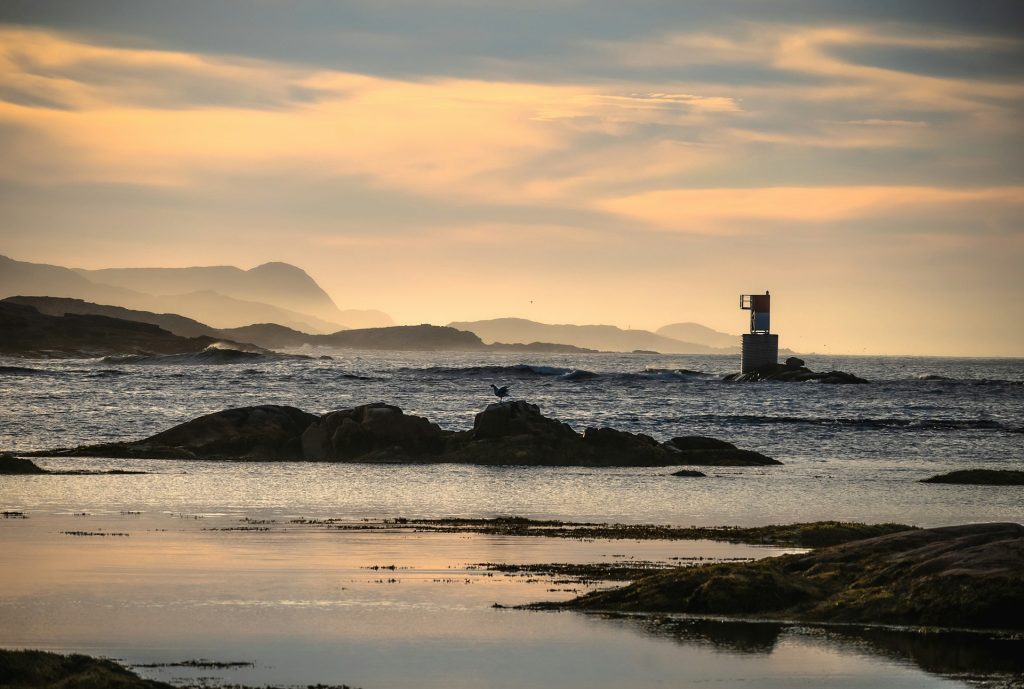
Off the coast of Newfoundland, the village of Joe Batt’s Arm clings to rocky shores where icebergs drift past like slow-motion sculptures. Fogo Island Inn rises on stilts above this fishing community — designed with sharp angles that somehow feel at home against the rugged landscape.
The 29 suites feature floor-to-ceiling windows framing the North Atlantic. Local artisans craft the furniture, filling each room. Guests can even take home the quilts draped across their beds, connecting them to the island’s creative spirit in tangible ways.
Bhutan’s black-necked crane valley
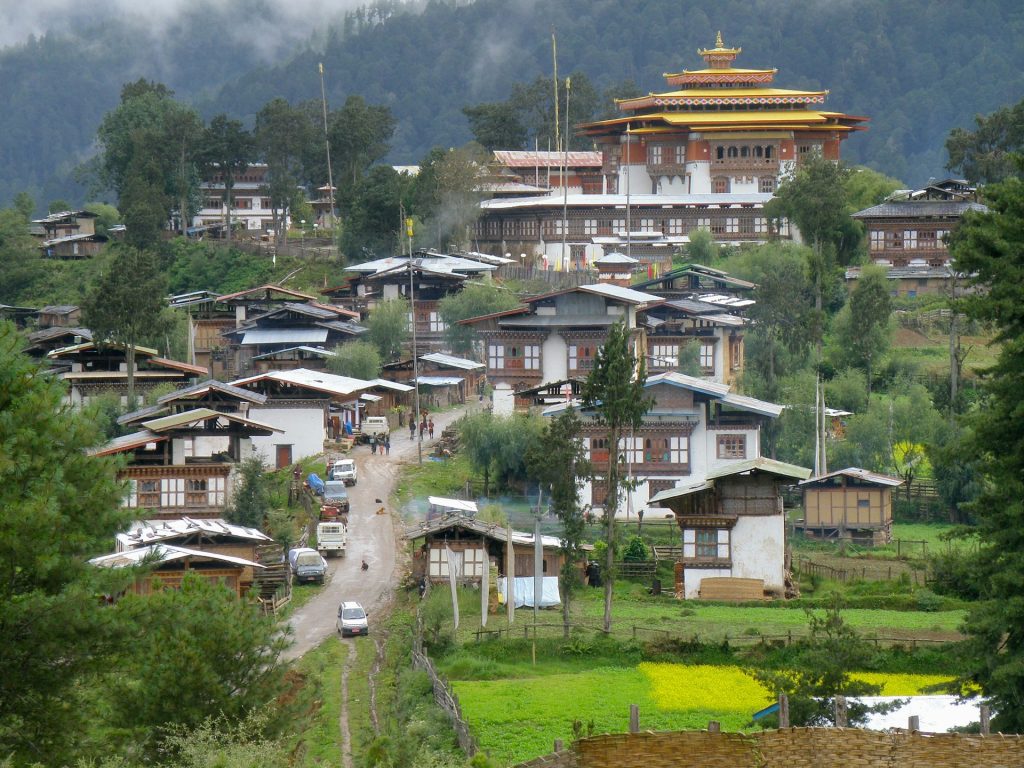
Perched above the Phobjikha Valley at 10,000 feet, Gangtey Lodge offers front-row seats to one of nature’s most elegant migrations. Black-necked cranes descend from Tibet each winter to this glacial valley, where Bhutanese farmhouses dot the landscape like scattered prayers.
The 12-room lodge blends traditional Bhutanese architecture with heated floors and deep soaking tubs — though the real luxury is waking to views of endangered cranes dancing in the morning mist. At the same time, yak herders tend their animals on ancient trails.
Like Travel Pug’s content? Follow us on MSN.
Atlas Mountains meet Berber hospitality
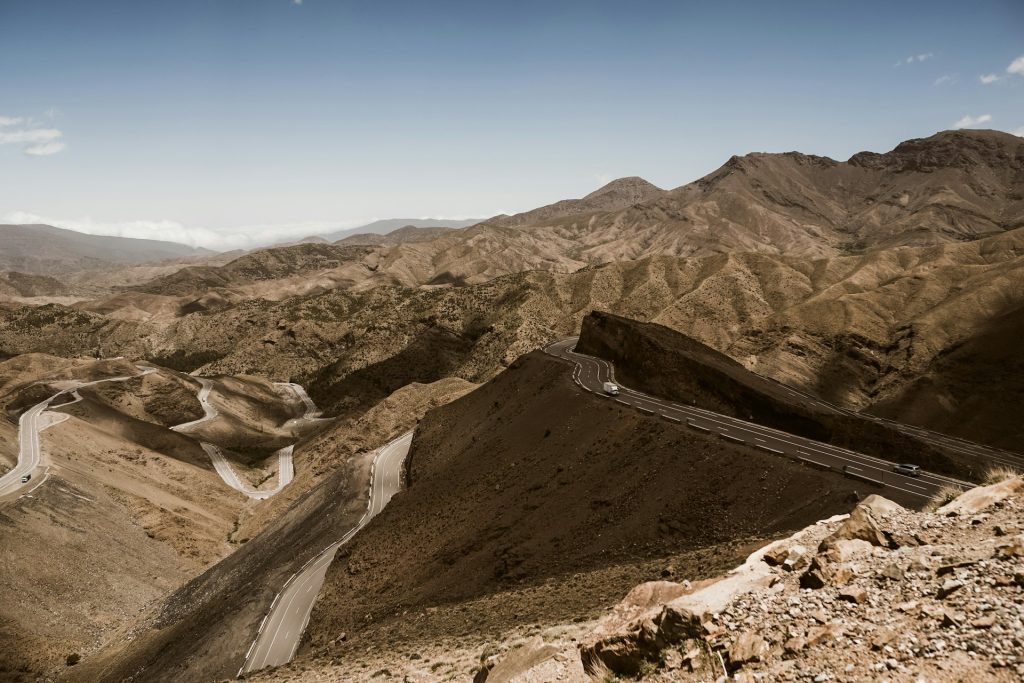
Richard Branson’s Kasbah Tamadot sits in the foothills near Asni, a Berber village that’s been a marketplace crossroads for centuries. The property sprawls across hilltops with infinity pools seemingly suspended above valleys.
Luxury Berber tents feature private jacuzzis with mountain panoramas. At the same time, local villagers staff the kasbah and share their traditions through cooking classes and guided treks — connecting guests to a way of life that’s remained largely unchanged since caravans first crossed these peaks.
Tuscan stone meets modern comfort
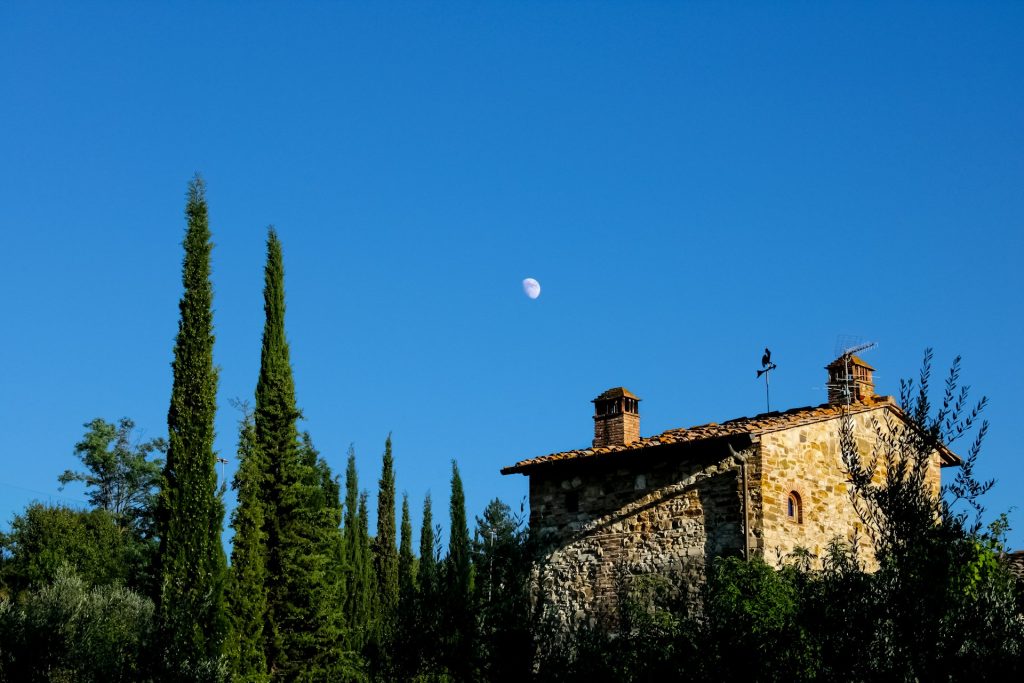
In the heart of Tuscany’s Val d’Orcia, Borgo Santo Pietro occupies 300 acres near the medieval village of Palazzetto. This 13th-century estate has been transformed into a 22-suite sanctuary where organic gardens supply the Michelin-starred restaurant.
A historic chapel hosts intimate concerts, whereas the property’s farm-to-table philosophy extends well beyond meals. Treatments at the spa use herbs grown on-site, and cooking classes take place in kitchens where Tuscan nonnas once prepared family feasts.
Vietnamese terraces and mountain tribes
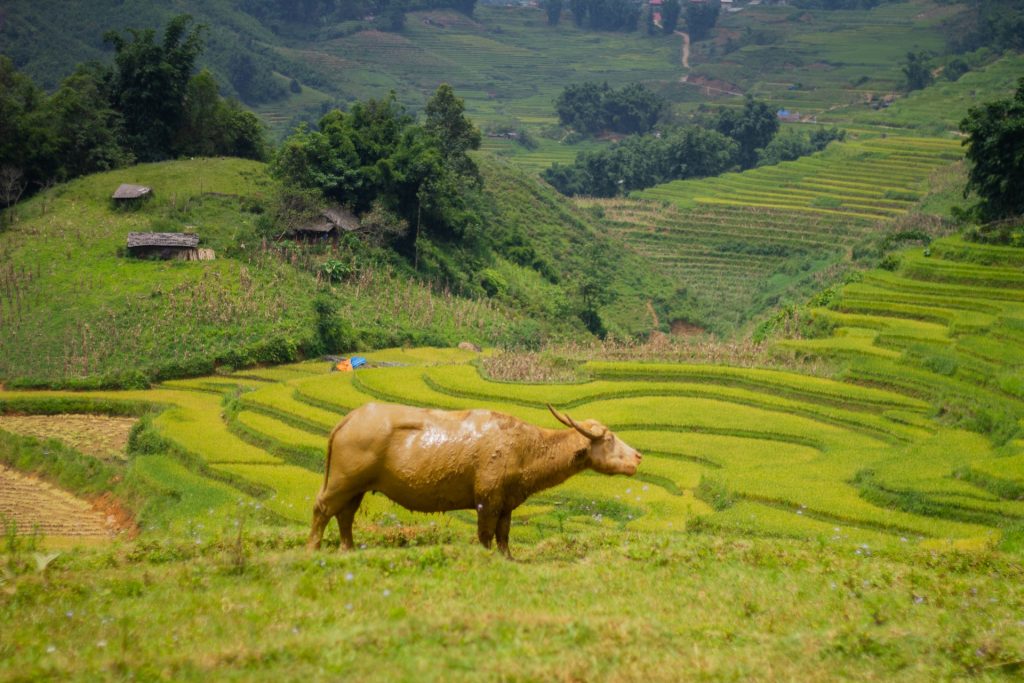
The Topas Ecolodge clings to a hilltop in Vietnam’s Hoang Lien Son Mountains. Twenty-five bungalows with private balconies overlook terraced rice fields that cascade down to H’mong villages below. Getting there requires a scenic train ride followed by a winding mountain road, yet the journey is rewarded with panoramic views that shift with the seasons.
Spring brings emerald paddies, while autumn paints the terraces gold. Each morning, mist rolls through valleys where ethnic minority farmers tend crops using techniques passed down through generations.
Like Travel Pug’s content? Follow us on MSN.
Santorini’s clifftop cave luxury
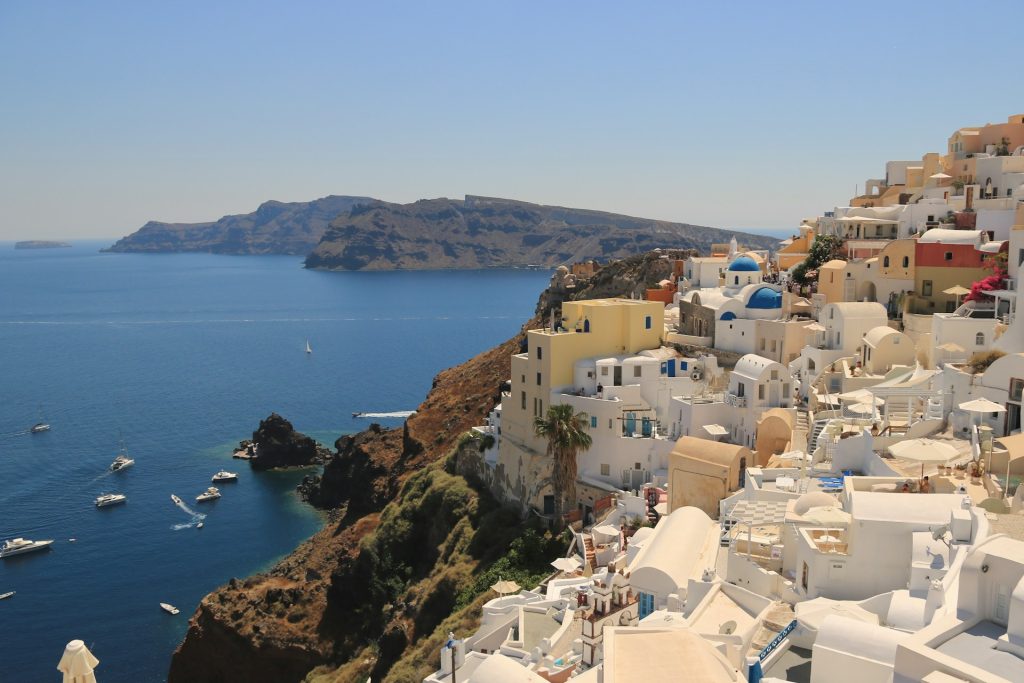
The village of Oia tumbles down Santorini’s caldera in a cascade of whitewashed buildings and blue-domed churches. Canaves Oia has transformed 17th-century wine caves into 18 elegant suites, each carved into volcanic rock with private verandas suspended above the Aegean Sea.
Sunsets here aren’t just beautiful. They’re a daily ritual where the entire village pauses as the sky ignites in shades of orange and pink — a moment best enjoyed from a private plunge pool with champagne in hand.
Patagonian solitude with guided luxury
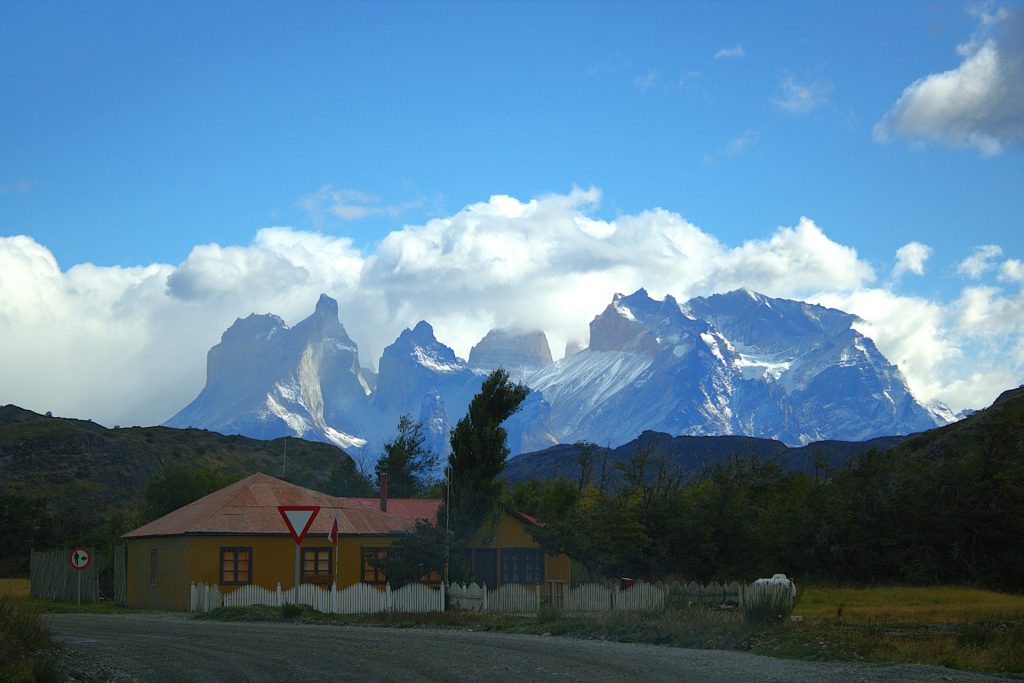
Awasi Patagonia’s 14 villas sit within a private reserve bordering Torres del Paine National Park. Each cabin comes with floor-to-ceiling windows, a private hot tub, and something truly unusual — a dedicated guide and 4×4 vehicle.
Guests aren’t simply staying near one of Chile’s most spectacular landscapes; they’re living within it, with personalized excursions ranging from glacier treks to puma tracking. The nearest settlement is a small estancia village where gauchos still herd sheep across windswept plains much as their ancestors did.
Japanese mountain village serenity
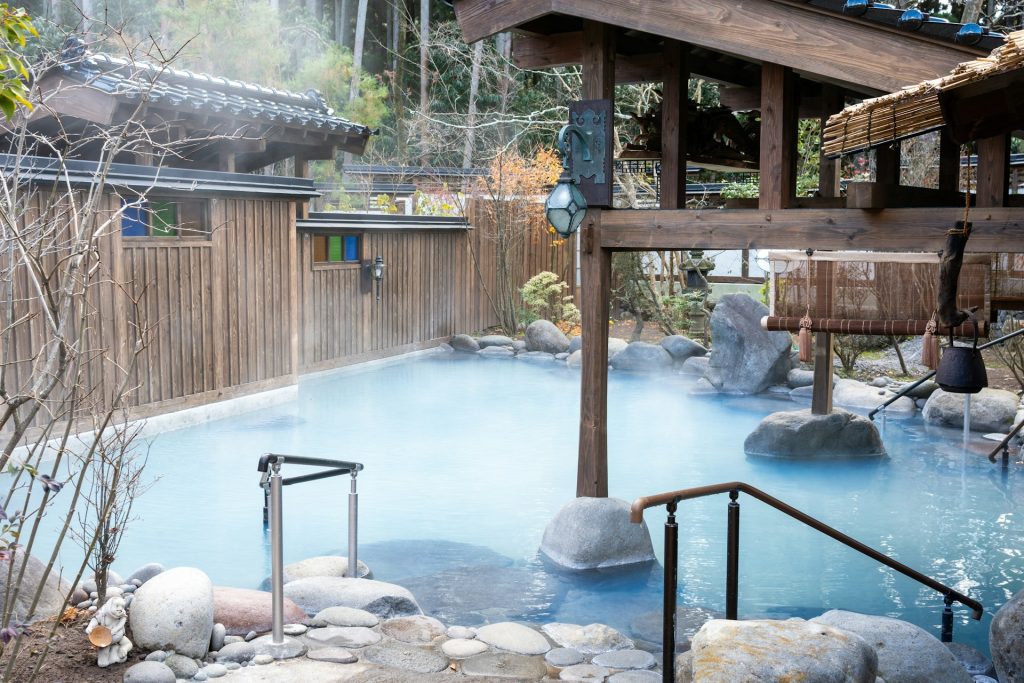
Hidden in Hokkaido’s mountains, Akan Tsuruga Besso Hinanoza overlooks Lake Akan, where Ainu villages preserve indigenous traditions. The ryokan’s 11 suites each feature private open-air hot springs fed by volcanic waters.
Kaiseki meals showcase seafood from local fishermen and vegetables from nearby farms, though winter transforms the landscape into a snow globe. Despite this, the onsen stays steaming hot — creating a surreal contrast between ice-crusted pines and therapeutic mineral waters.
Like Travel Pug’s content? Follow us on MSN.
Irish manor in picture-perfect Adare
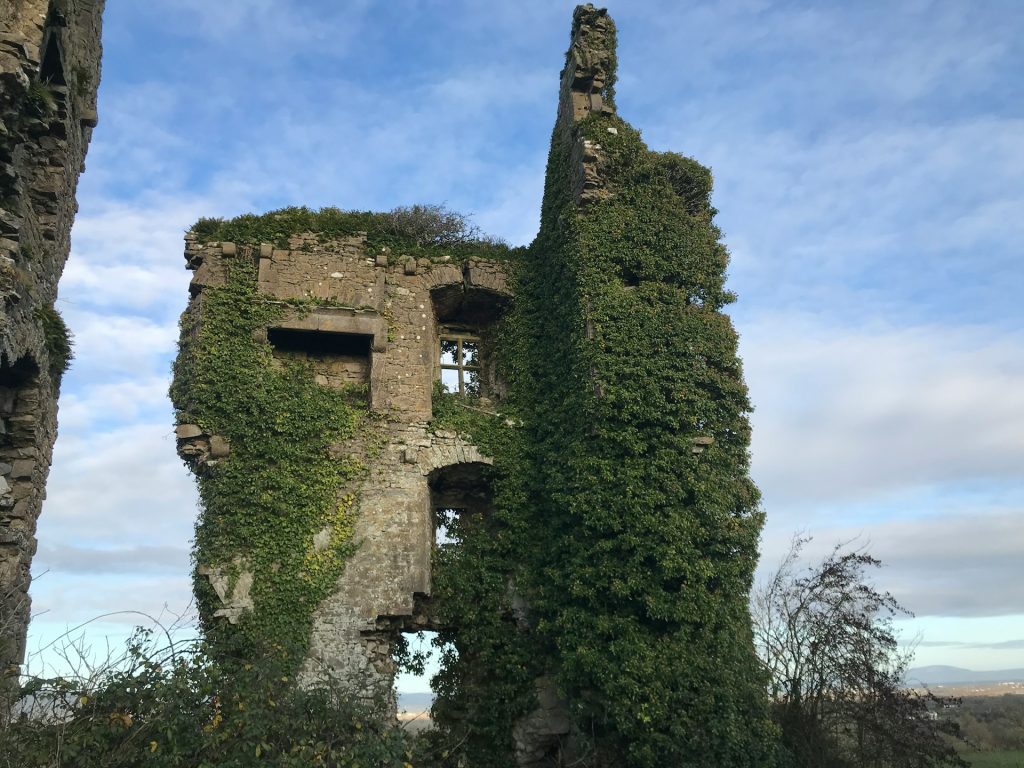
The village of Adare might be Ireland’s prettiest, with thatched cottages lining its single street while the River Maigue flows past medieval ruins. Adare Manor rises above it all — a neo-Gothic castle that’s been transformed into a 104-room resort complete with a Tom Fazio-designed golf course and a spa built into the estate’s former stables.
The manor’s Michelin-starred Oak Room serves modern Irish cuisine. Falconry lessons and archery on the grounds connect guests to aristocratic pastimes, albeit with considerably better plumbing than the original 19th-century occupants enjoyed.
Easter Island’s archaeological luxury
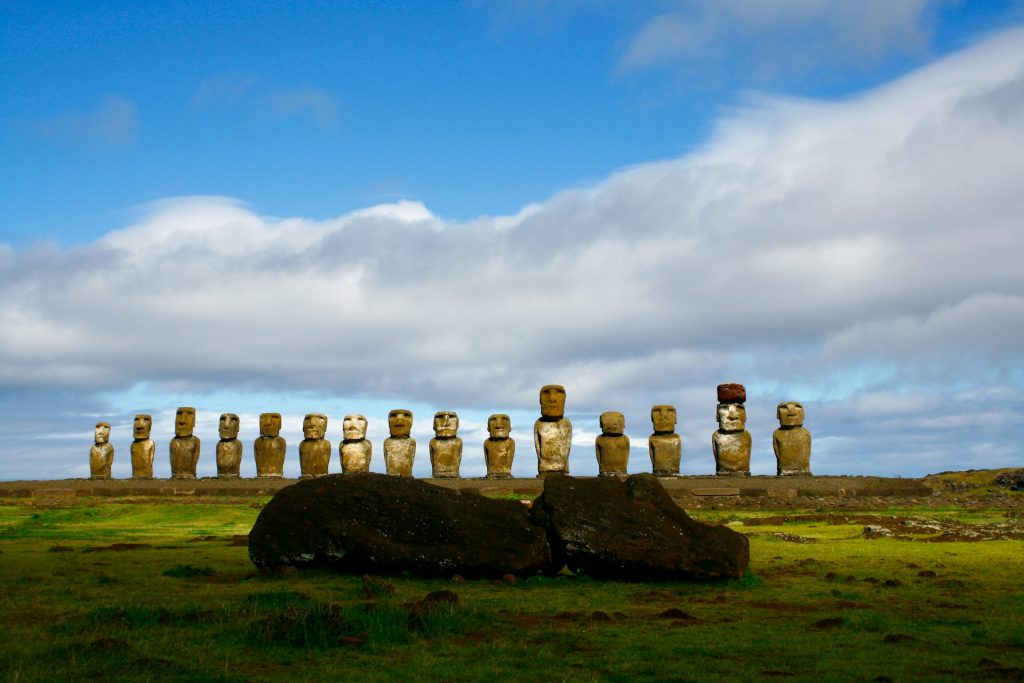
Explora Rapa Nui sits on a hilltop in Te Miro Oone, one of Easter Island’s small villages, where moai statues outnumber residents. The lodge’s 30 rooms feature a minimalist design that doesn’t compete with views of the Pacific stretching to infinity.
Guided explorations reveal the island’s mysteries, from volcanic craters to ancient ceremonial platforms, whereas evenings bring star-studded skies unmarred by light pollution. It’s one of the world’s premier stargazing destinations, where ancient stone faces gaze skyward alongside modern telescopes.
British Columbia’s floating wilderness
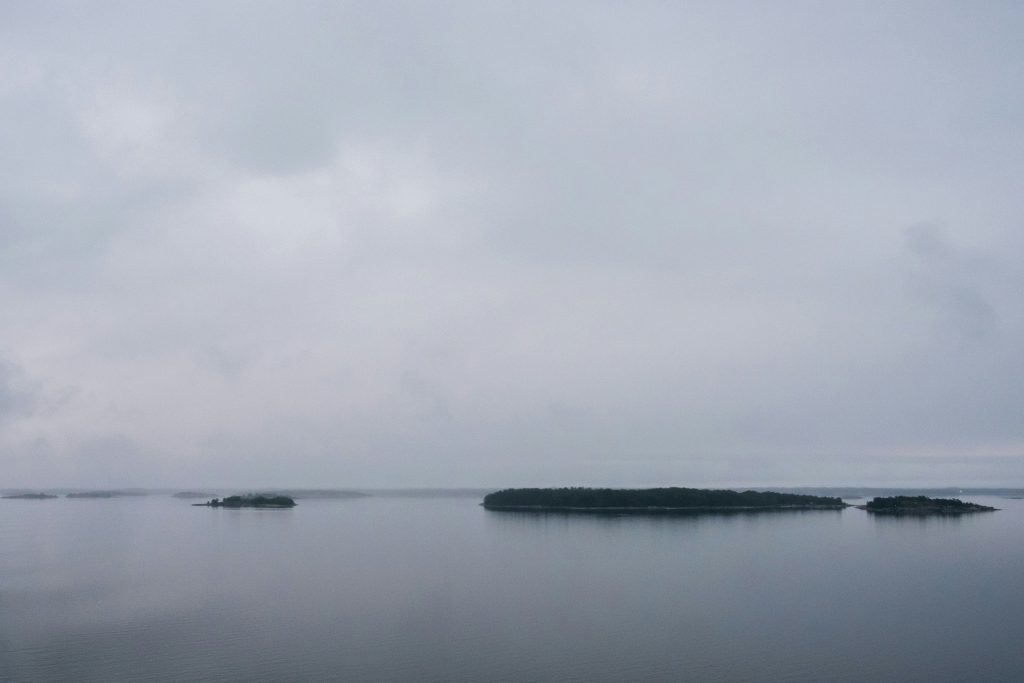
Nimmo Bay Resort floats on a bay surrounded by coastal rainforest, accessible only by helicopter or floatplane from Port Hardy. The main lodge and nine chalets perch above water where grizzly bears fish for salmon, and orcas patrol just offshore.
Two cedar hot tubs steam at the base of a cascading waterfall. Imagine soaking while watching black bears forage along the shoreline or eagles circling overhead, all while chefs prepare fresh-caught salmon and Dungeness crab in the kitchen just steps away.
Like Travel Pug’s content? Follow us on MSN.
Oman’s canyon-edge retreat
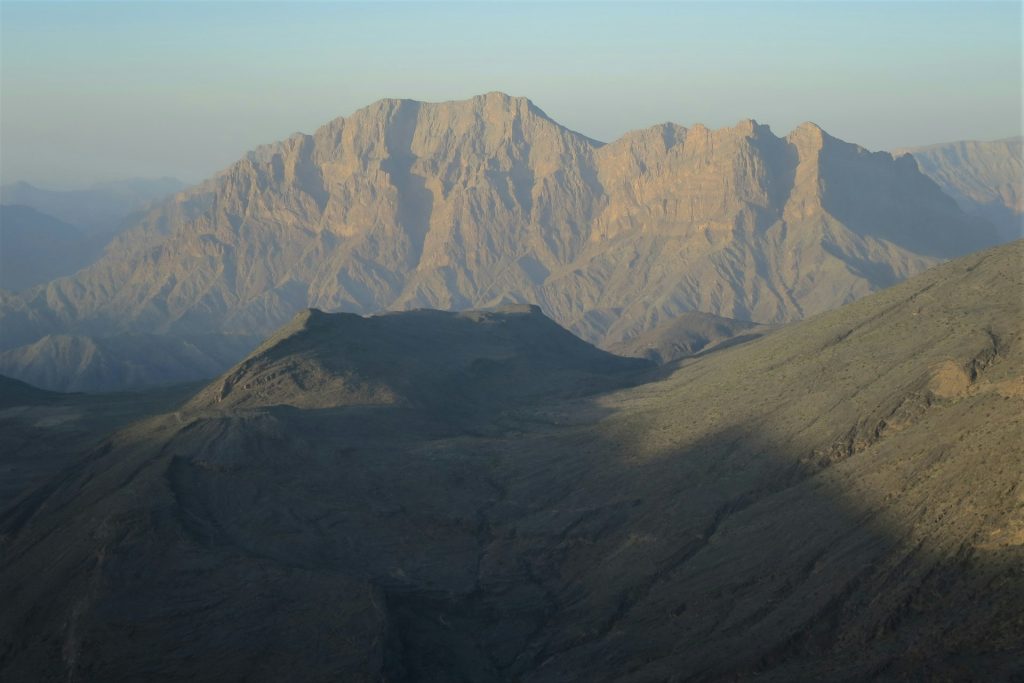
At 6,500 feet above sea level, Anantara Al Jabal Al Akhdar overlooks Oman’s dramatic Al Hajar Mountains from the edge of a canyon. The resort sits near ancient mountain villages where terraced farms have been cultivated for over 2,000 years.
These farms produce pomegranates and roses that supply local markets, still using irrigation systems designed centuries ago. Rooms feature private pools suspended above the abyss, while guided hikes lead to abandoned settlements and the world’s highest zipline — for those who find merely looking down a canyon insufficient.
Bhutan’s five-valley journey
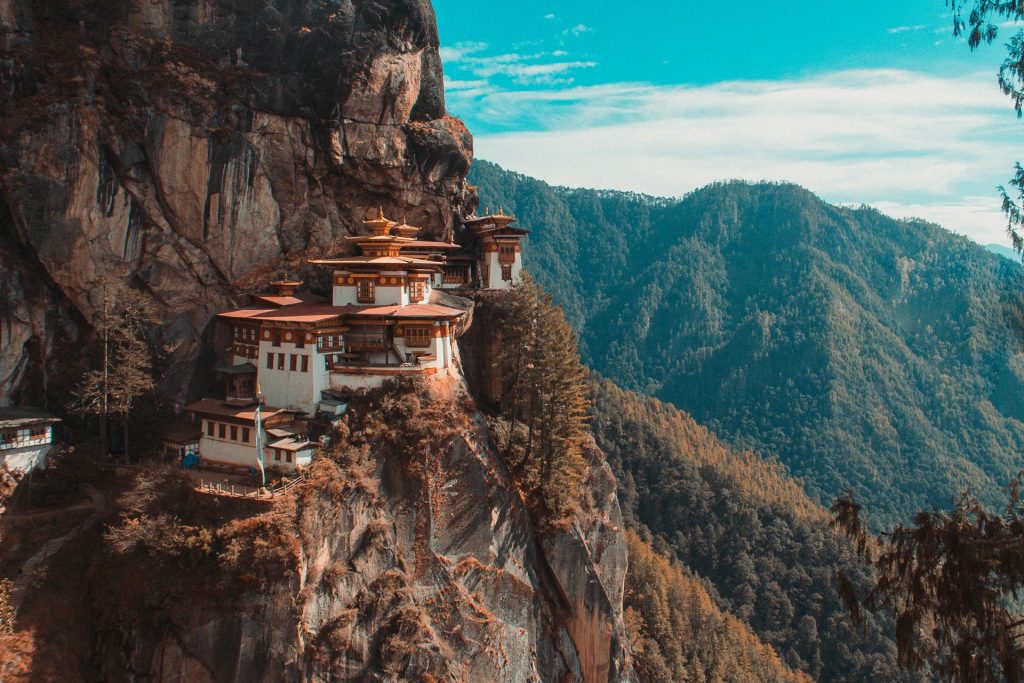
Six Senses Bhutan isn’t one property but five lodges scattered across remote valleys, each near different villages that preserve distinct traditions. Guests journey between Paro, Thimphu, Punakha, Gangtey, and Bumthang.
They stay in stone-and-timber lodges that blend into forest landscapes while offering heated pools, spas, and floor-to-ceiling windows. The concept allows deep immersion in Bhutanese culture, from monastery visits to farmhouse meals, though the lodges themselves cocoon travelers in contemporary luxury between adventures.
Art island meets traditional Japan
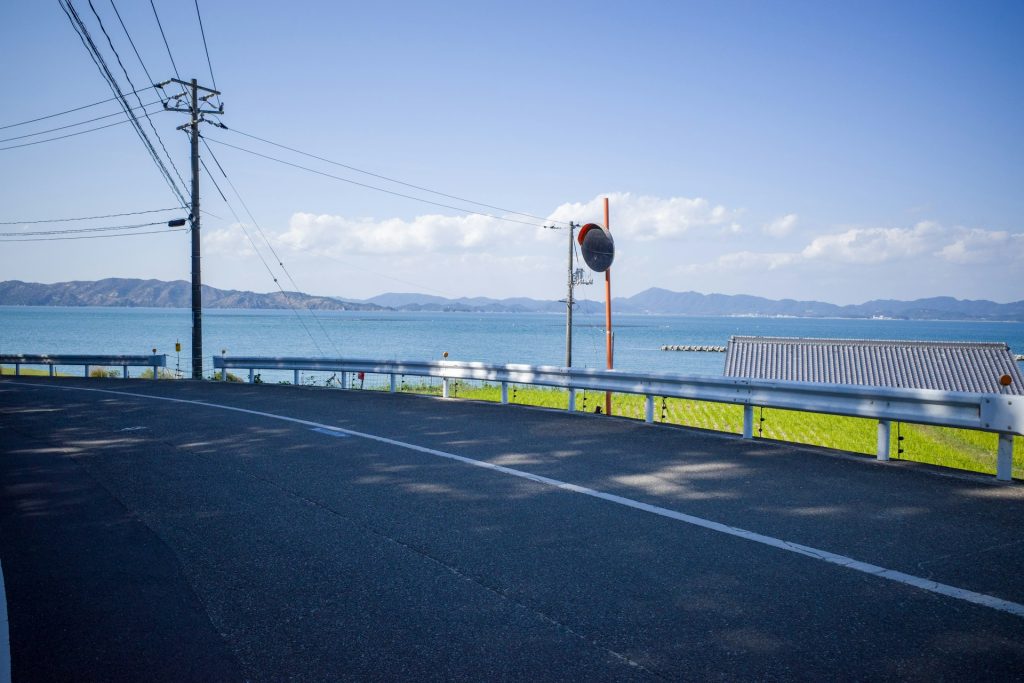
Naoshima Ryokan ROKA sits in a traditional village on Japan’s art island, where contemporary museums coexist with fishing communities. The 11-suite ryokan features open-air baths overlooking the Seto Inland Sea.
Interiors showcase local materials like Awaji earthen walls and handmade Tosa paper, yet they feel thoroughly modern. The village itself functions as an outdoor gallery where art installations nestle between centuries-old homes, blurring lines between preservation and innovation in ways that make both more meaningful.
Like Travel Pug’s content? Follow us on MSN.
Moroccan fortress turned mountain lodge
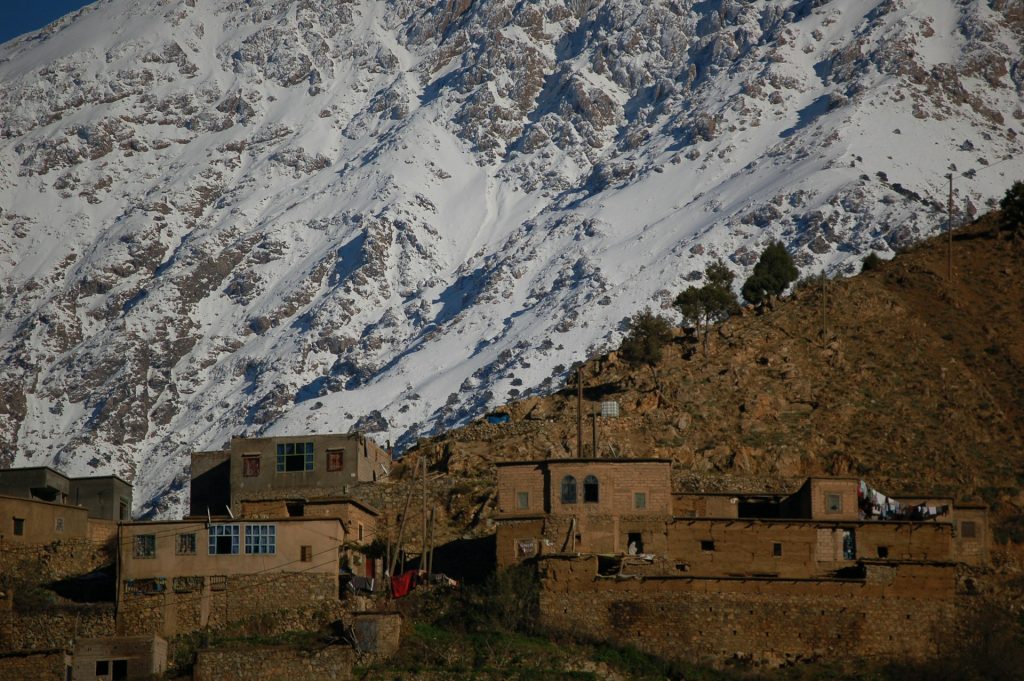
Kasbah Du Toubkal occupies a restored fortress in Imlil, a Berber village at the base of North Africa’s highest peak. The final 15 minutes of the journey must be completed on foot or by mule.
It’s a deliberate disconnect that transforms arrival into ceremony. Martin Scorsese chose this location to double for Tibet in his film ‘Kundun.’ However, the reality needs no Hollywood embellishment when mint tea is served on rooftop terraces overlooking three valleys framed by snow-capped peaks.
Chilean lake meets dramatic peaks
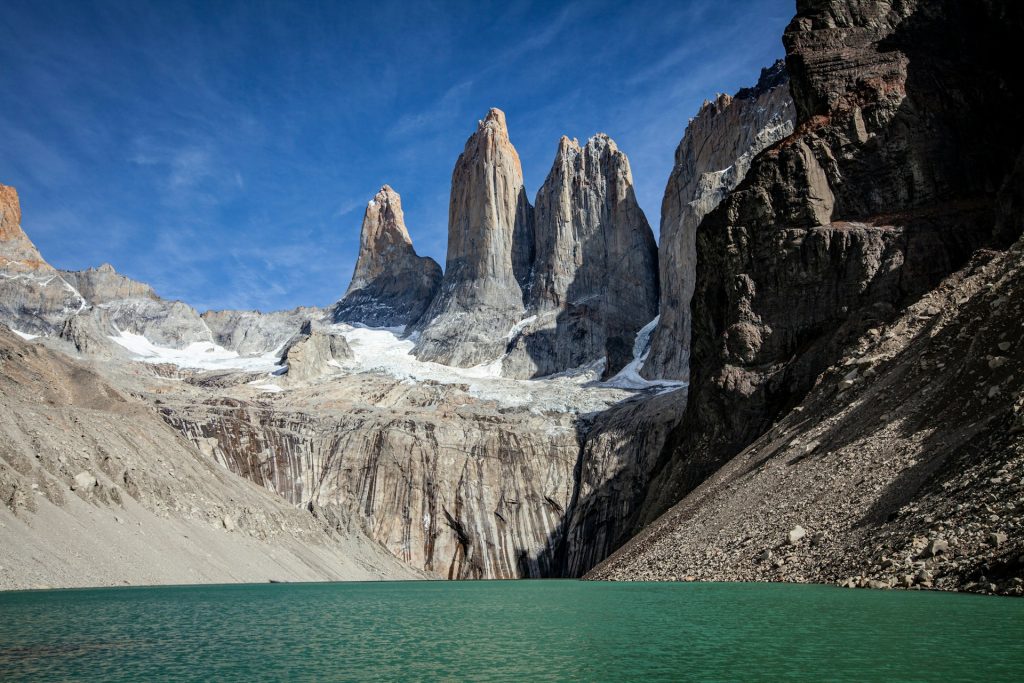
Tierra Patagonia curves along a bluff above Lake Sarmiento like a wave frozen in lenga wood. Its 40 suites offer views of Torres del Paine’s granite towers, whereas the property sits near traditional estancias where gauchos still work the land.
Their techniques haven’t changed for generations. Guided excursions range from gentle lakeside walks to challenging summit attempts, while the spa’s infinity pool and heated outdoor whirlpool provide the perfect counterpoint to Patagonia’s legendary winds.
Himalayan Valley Collection
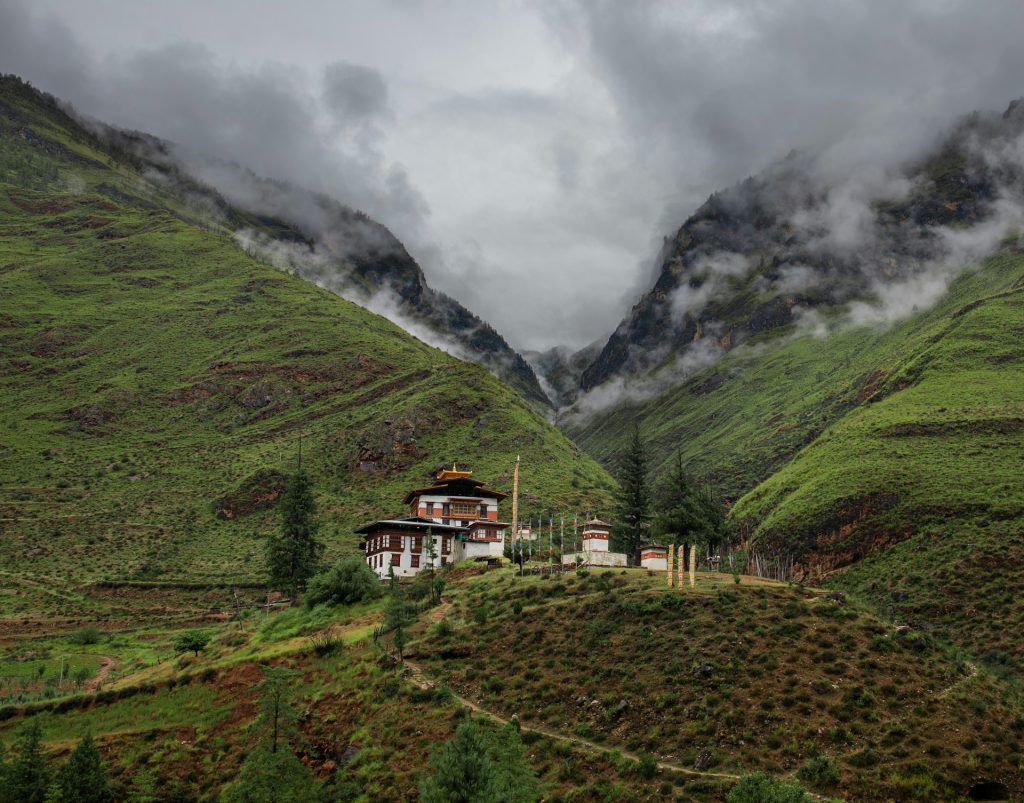
Amankora’s five camps cover Bhutan’s western and central valleys, each close to villages that time appears to have forgotten. The Punakha lodge takes over a 300-year-old farmhouse with a mere eight suites.
Bumthang’s 16-suite lodge has a royal palace adjacent to it, still occupied for ceremonial purposes. Transfers between lodges expose Bhutan’s variety, from the pine woods of Paro Valley to the city temples of Thimphu.
However, each property preserves Aman’s trademark tranquility with heated floors, king-size beds, and wood-burning bukhari stoves.
Like Travel Pug’s content? Follow us on MSN.
Geodesic domes in the Patagonian wilderness
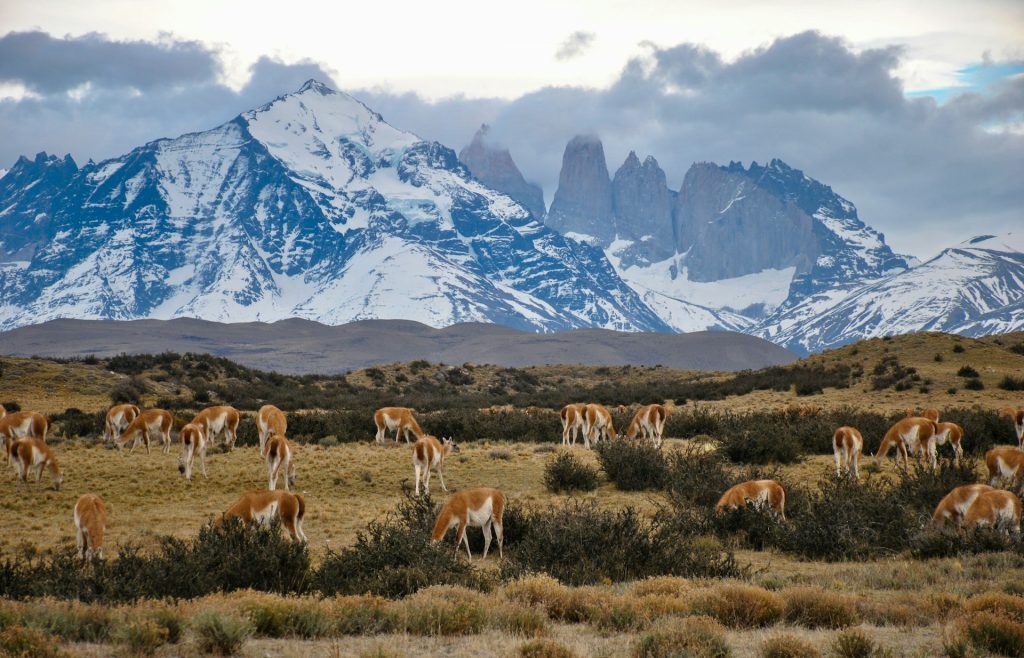
EcoCamp Patagonia pioneered the geodesic dome hotel concept within Torres del Paine National Park, where domes blend into hillsides rather than imposing upon them. The camp sits miles from the nearest village, powered by solar and hydro energy while offering surprisingly plush interiors.
Guests wake to condors circling overhead and guanacos grazing outside. Even so, they still enjoy yoga classes, gourmet Chilean cuisine, and comfortable beds — proving sustainability and luxury aren’t mutually exclusive concepts.
Donegal’s lough-side grandeur
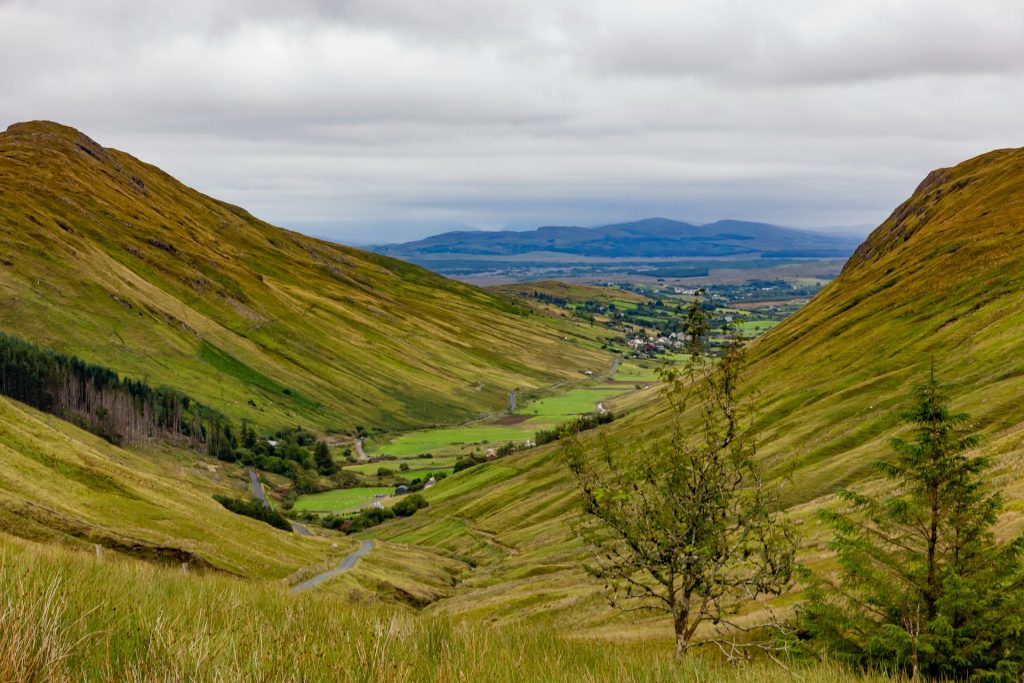
Lough Eske Castle looms over the village of Lough Eske in County Donegal, an area where mountains rise against Atlantic coastlines in dramatic fashion. The 96-room castle combines 15th-century stonework with modern Irish design.
Solis Lough Eske Spa takes in castle gardens and forest trails, while activities include fishing in private loughs as well as horseback rides through valleys. Even with this variety of choices available, guests often find that plain drinking whiskey by the drawing room fire, while rain lashes against the leaded windows, is adventure enough.
Alpine village with Italian flair
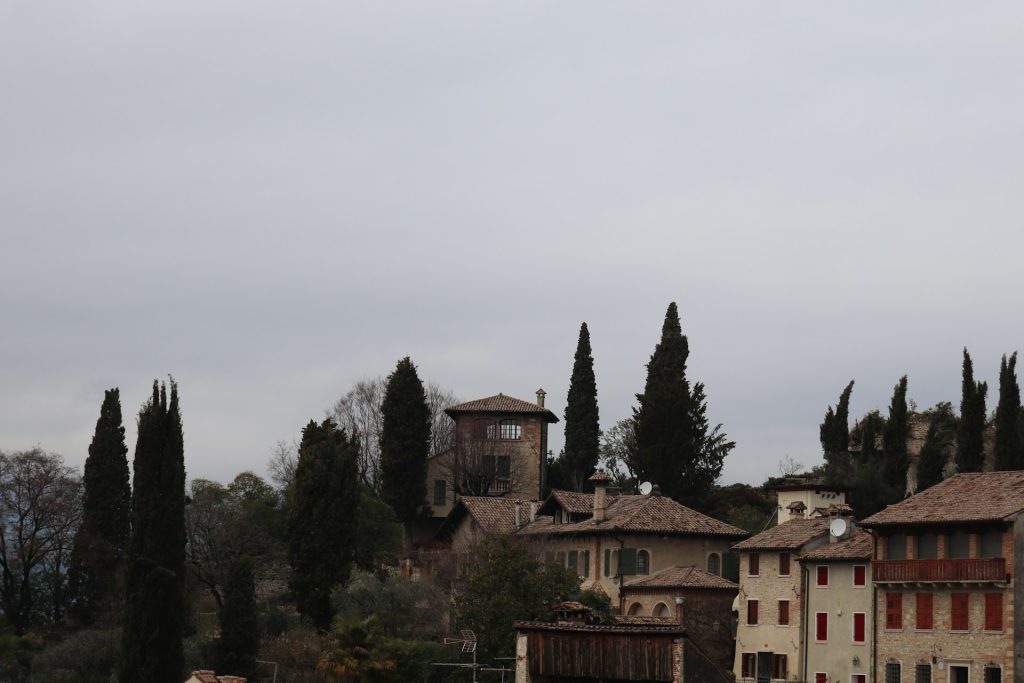
Aman Rosa Alpina occupies a renovated 1939 hotel in San Cassiano, a village in Italy’s Dolomites where hiking trails become ski runs come winter. The property’s 50 rooms showcase Jean-Michel Gathy’s design mastery.
Spaces were expanded to emphasize the luxury of the room rather than merely adding amenities. In summer, wildflower meadows surround the village, while winter brings access to 750 miles of ski slopes, though the private spa and Michelin-starred dining might prove more compelling than conquering peaks.
Like Travel Pug’s content? Follow us on MSN.
Finding luxury in unexpected places
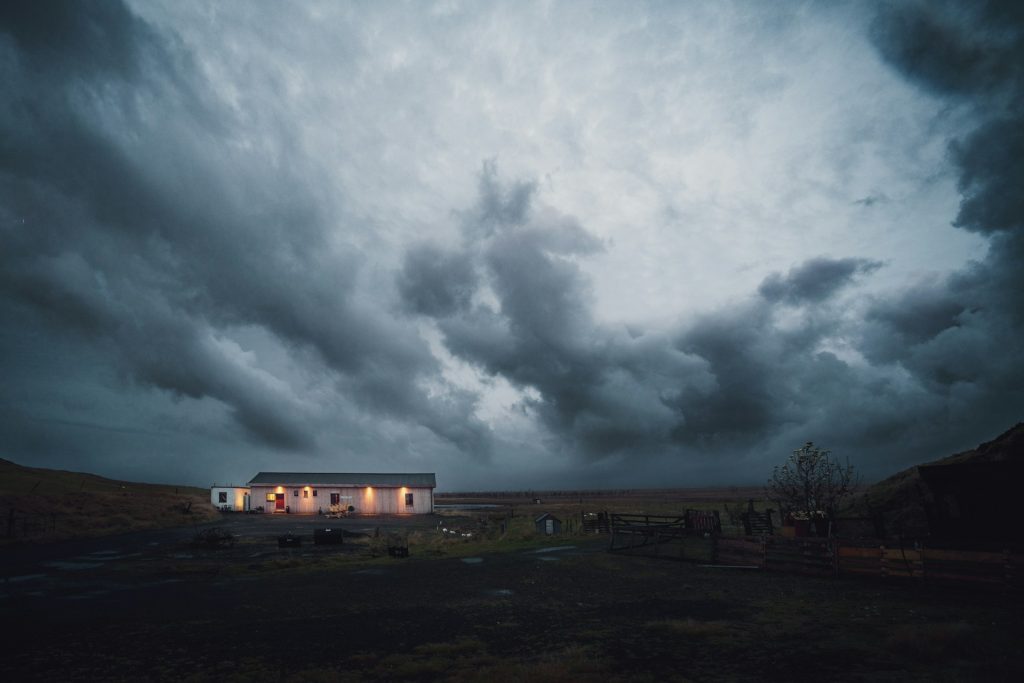
The planet’s greatest hotels don’t make a splash with gilded lobbies and red carpets rolled out across city centers. Rather, they conceal themselves in villages where cobblestone roads wind through to old churches, where people still congregate at weekly markets, and where the pace of life is governed by seasons, not schedules.
These hotels demonstrate that luxury lies not in distance from authenticity. It’s about intensifying the bond with the place while retaining the comfort that makes full enjoyment possible.
Whether a Bhutanese valley accessible by private plane or a Tuscan hamlet via twisting country roads, these isolated villages provide something increasingly scarce: the ability to step entirely out of daily life while being enveloped in superior comfort. The pilgrimage to get to them is part of the change, and the villages themselves are not only places, but gateways to lifestyles most imagined had been lost from the modern world.
More from Travel Pug

- 20 Best Beach Towns in the Carolinas
- 13 Destinations Where Tourists Regularly Regret Their Trip
- 20 Things You Actually Get in First Class
- 20 Small Airports With Aviation Museums
- 20 Places in the U.S. That Are Perfect for a Reset Trip
Like Travel Pug’s content? Follow us on MSN.