

Layovers don’t have to mean hours of staring at departure boards and overpriced airport sandwiches. With a little planning and the right mindset, a six- or eight-hour connection can turn into a mini adventure, complete with sightseeing, local food, and stories worth telling.
Here’s a list of strategies that transform dead time into memorable experiences, even when the clock is ticking.
Research visa requirements ahead of time

Some countries let travelers exit the airport without a visa for short stays, while others require paperwork that takes weeks to secure. Knowing the rules before booking a layover prevents disappointment and wasted time at immigration.
Singapore, for instance, allows visa-free transit for many nationalities, while others demand pre-approval even for a few hours outside the terminal.
Use airport luggage storage
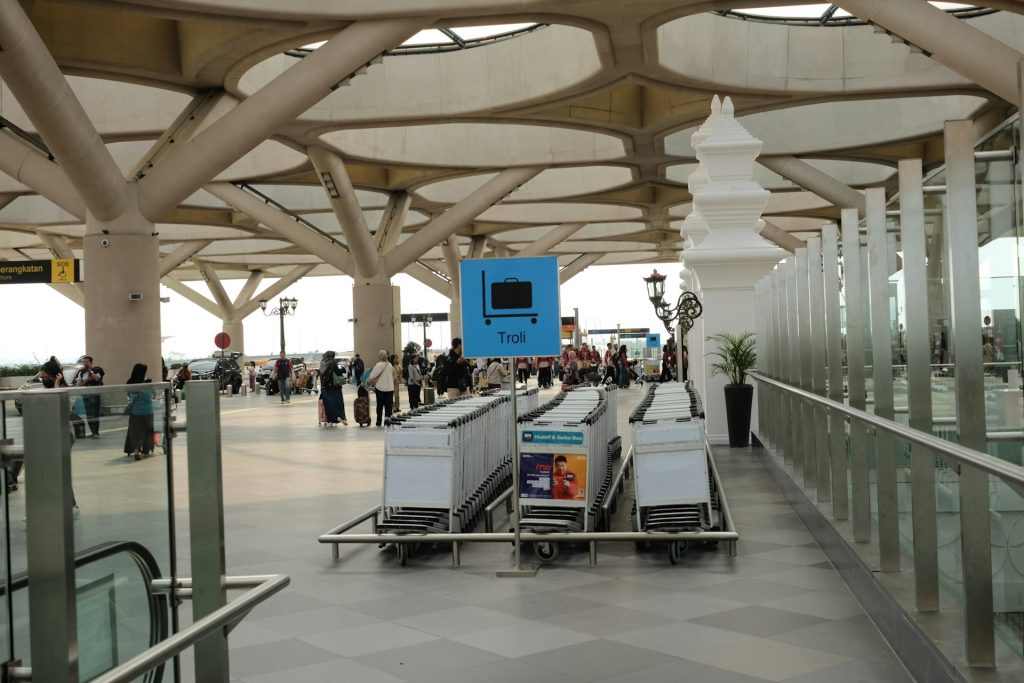
Dragging a suitcase through city streets kills the vibe of a quick exploration. Most major airports offer luggage storage services for a small fee, usually $10 to $20 per bag.
Dropping off bags means moving freely, hopping on public transit, and navigating crowded streets without constantly worrying about belongings.
Like Travel Pug’s content? Follow us on MSN.
Prioritize one or two key sights

Trying to see everything during a layover leads to stress and missed flights. Picking one landmark or neighborhood keeps the outing relaxed and manageable.
A quick visit to Istanbul’s Blue Mosque, a walk along Amsterdam’s canals, or a meal in Taipei’s night market delivers a satisfying taste of a city without the rush.
Check how far the city center is

Some airports sit an hour or more from downtown, which makes leaving impractical for layovers under six hours. But others—like Singapore Changi or Tokyo Haneda—connect to city centers in under thirty minutes.
Calculating travel time before committing to an adventure prevents the panic of cutting it too close.
Book airport lounges for rest time

Lounges aren’t just for business travelers. Day passes cost $30 to $50 and offer showers, comfortable seating, and food that doesn’t taste like cardboard. For layovers where leaving the airport doesn’t make sense, a lounge transforms the wait into something almost pleasant.
Almost.
Like Travel Pug’s content? Follow us on MSN.
Grab local food immediately

Airport food rarely represents a city’s culinary scene. Exiting the terminal and finding a nearby restaurant or street vendor provides an authentic taste of the destination without requiring a long detour.
Even a quick stop at a local bakery or noodle shop beats another sad salad from a chain.
Use apps to find hidden gems nearby

Google Maps and TripAdvisor work anywhere, but apps like Foursquare or local guides curated by residents reveal spots that tourists often miss. A quick search for “best coffee near airport” or “local favorite lunch spot” can uncover places that feel worlds away from the terminal.
Set multiple alarms for the return time

Missing a connecting flight because of a layover adventure is a nightmare. Setting alarms for ninety minutes, sixty minutes, and thirty minutes before needing to be back at the gate builds in cushion time for delays, wrong turns, or unexpectedly slow security lines.
It’s paranoid. But effective.
Like Travel Pug’s content? Follow us on MSN.
Pack a small daypack in a carry-on

A foldable backpack stashed in a carry-on makes it easy to grab essentials—phone, wallet, water bottle—without hauling an entire bag around the city. It’s also useful for stashing snacks or souvenirs picked up during the layover.
Take advantage of free city tours

Some airports in major cities offer free or low-cost guided tours for transit passengers with long layovers. Singapore, Seoul, and Istanbul all run programs that shuttle travelers to key sights and return them in time for their flights.
And they handle the logistics.
Know the security re-entry process
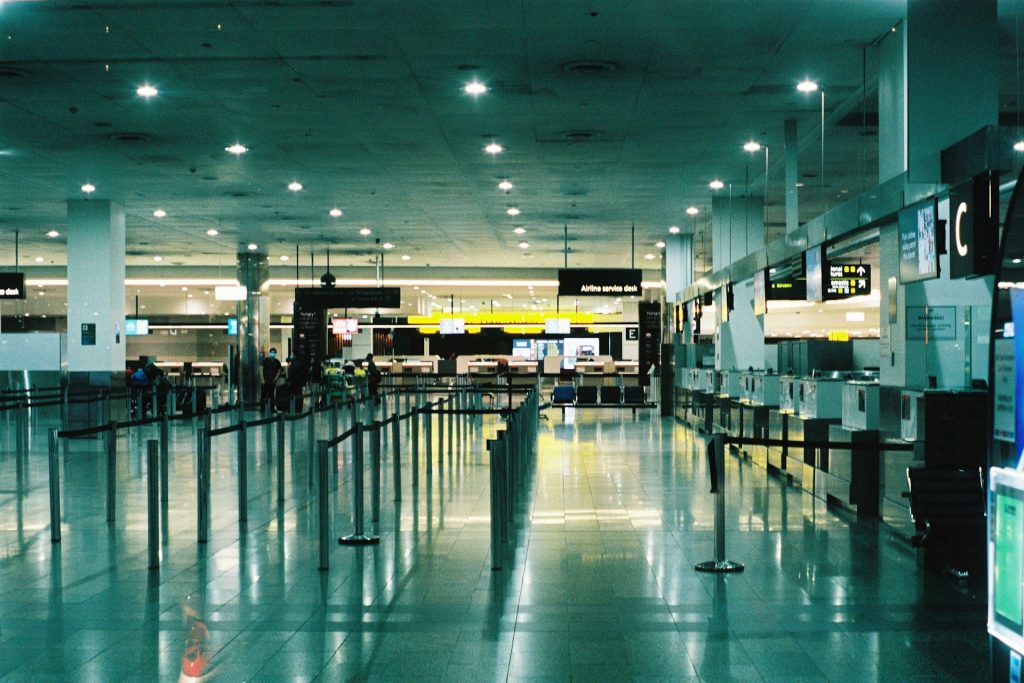
Different airports have different rules for re-entering the terminal after leaving. Some require clearing security again, which can take an hour during peak times. Others have dedicated transit passenger lanes that move faster.
Checking these details ahead prevents frantic sprints through crowded checkpoints.
Like Travel Pug’s content? Follow us on MSN.
Shower at the airport before leaving

Many airports now offer shower facilities for a small fee, usually around $10. Freshening up before heading into the city makes the outing more enjoyable, and showering again upon return helps shake off the grime of travel before boarding the next flight.
Use public transit over taxis

Taxis from airports charge premium rates, while trains and buses cost a fraction of the price and often move faster during rush hour. Plus, navigating public transit in a foreign city feels like a small accomplishment.
The Tokyo Metro is spotless and efficient. Other cities? Less so.
Download offline maps
Cell service outside the airport isn’t guaranteed, especially without a local SIM card. Downloading offline maps of the surrounding area ensures navigation remains possible even without data.
Google Maps allows this with a few taps, and it’s saved more than one layover adventure from going sideways.
Like Travel Pug’s content? Follow us on MSN.
Check if the airport has sleeping pods

For layovers that span overnight hours, sleeping pods offer a private space to rest without booking a hotel. Pods typically cost $15 to $40 per hour and include a bed, charging ports, and sometimes a small desk.
They’re not luxurious, but they beat trying to sleep across three airport chairs.
Keep important documents in one place

Boarding passes, passports, and any transit visas need to stay accessible at all times. A dedicated travel wallet or pouch prevents the panic of digging through bags at security or immigration.
And it keeps everything dry if the weather outside turns.
Look for cultural experiences inside the airport

Some airports double as cultural hubs, with art exhibits, traditional performances, or local craft showcases. Singapore Changi has a butterfly garden and a movie theater.
Seoul Incheon offers a Korean culture museum. Exploring these options works for shorter layovers where leaving isn’t feasible.
Like Travel Pug’s content? Follow us on MSN.
Stretching time without stretching stress

Long layovers don’t have to feel like punishment. These waiting periods can be turned into chances to gather experiences that contribute to the destination by preparing ahead of time and being willing to leave the terminal.
More from Travel Pug

- 20 Best Beach Towns in the Carolinas
- 13 Destinations Where Tourists Regularly Regret Their Trip
- 20 Things You Actually Get in First Class
- 20 Small Airports With Aviation Museums
- 20 Places in the U.S. That Are Perfect for a Reset Trip
Like Travel Pug’s content? Follow us on MSN.