

When James Marshall spotted gold flakes in the American River in 1848, he triggered the largest mass migration in American history. Over 300,000 fortune-seekers flooded into California’s Sierra Nevada foothills, and while most never struck it rich, they left behind something more enduring than gold—entire towns frozen in time.
Here’s a list of Gold Rush towns where visitors can still walk wooden sidewalks, peer into abandoned mines, and touch the weathered walls of saloons where fortunes changed hands over whiskey and card games.
Columbia
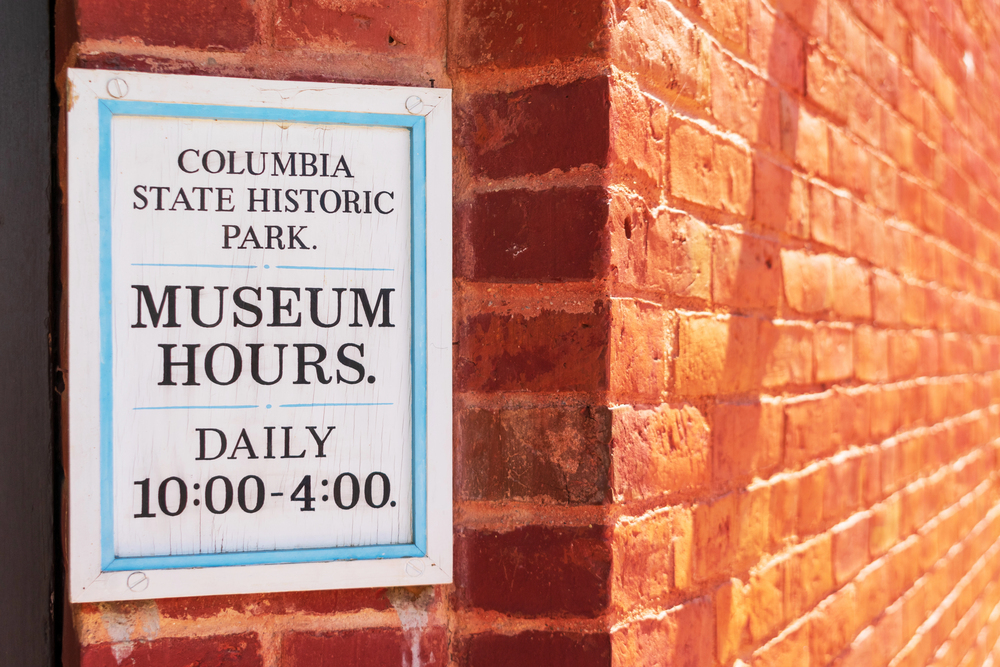
Columbia State Historic Park preserves what was once California’s second-largest city during the Gold Rush. The town produced over $87 million in gold between 1850 and 1870. Visitors walk unpaved streets lined with original brick buildings, many still operating as shops and restaurants.
Stagecoach rides rumble through daily. The Wells Fargo Express office still stands, and costumed docents demonstrate blacksmithing and gold panning techniques that haven’t changed in 170 years.
Bodie
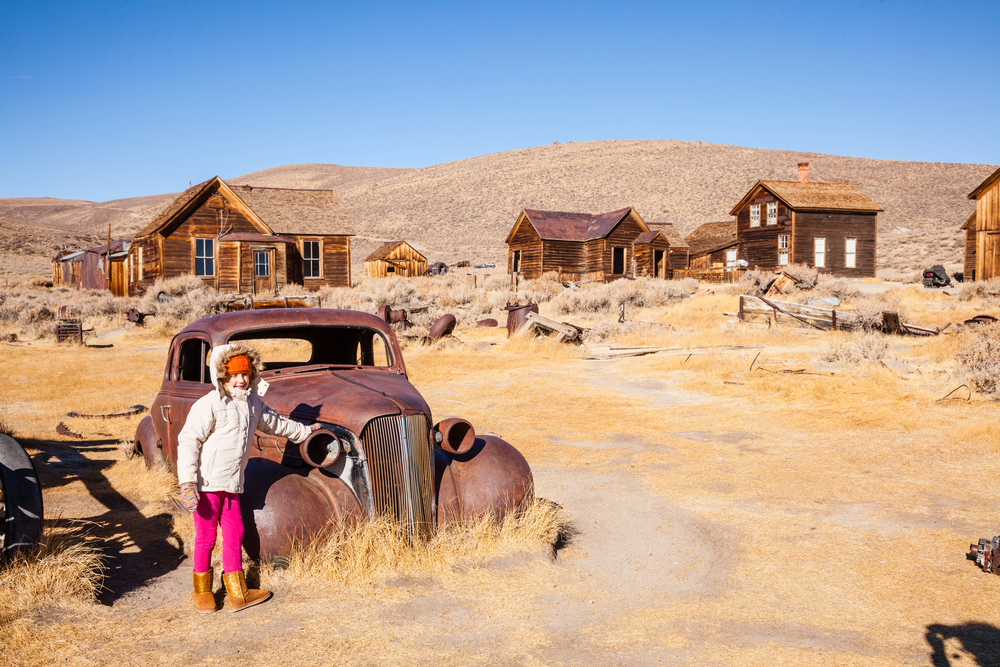
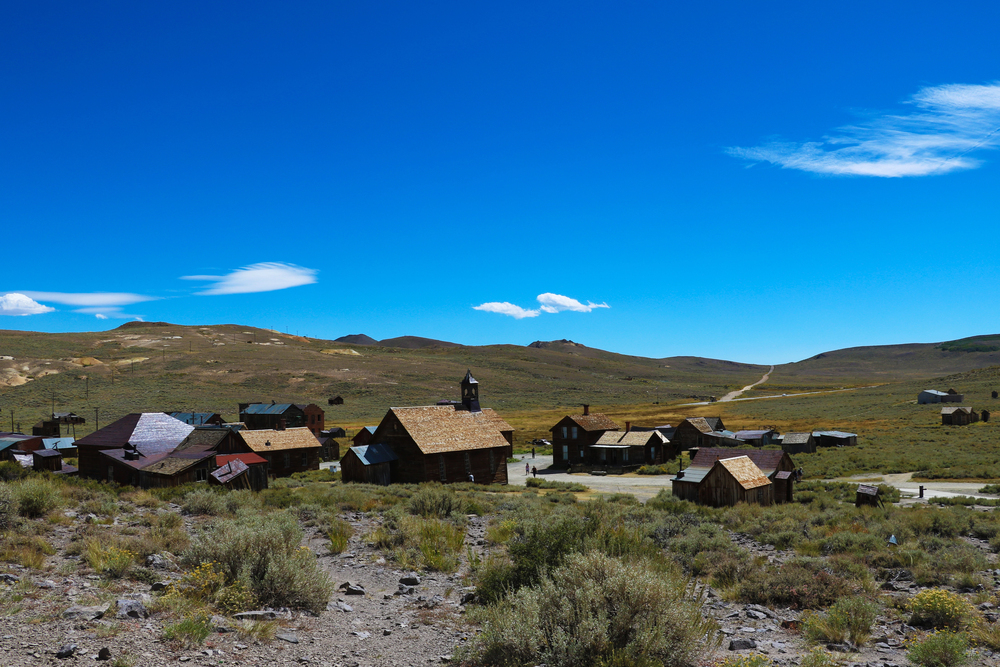
Bodie exists in a state of “arrested decay”—buildings lean at odd angles, but nothing gets restored or removed. At its 1880 peak, roughly 10,000 people lived in this high-desert town. Violence was common. Murders happened weekly.
The Standard Mine and Stamp Mill produced $35 million in gold and silver. Today, 110 structures remain standing. Bottles still sit on bar shelves. Curtains hang in bedroom windows. Winter closes the road, and snow buries the town under several feet of white silence.
Like Travel Pug’s content? Follow us on MSN.
Nevada City
This town never became a ghost. Victorian homes cascade down steep hillsides, and the downtown National Historic Landmark District contains buildings from the 1850s that now house wine bars, bookshops, and art galleries. The Nevada Theatre, built in 1865, remains California’s oldest operating theater.
Gold mining continued here into the 1950s. And the town’s charm attracted a different kind of prospector—artists, musicians, and tech workers seeking mountain life within reach of Sacramento and the Bay Area.
Grass Valley
The Empire Mine in Grass Valley was California’s oldest, largest, and richest hardrock gold mine. It operated for 106 years and produced 5.8 million ounces of gold from 367 miles of underground tunnels. The mine owner’s estate, with its English-style cottage and formal gardens, contrasts sharply with the industrial mining equipment scattered across the property.
Downtown Grass Valley maintains its working-class mining town character. Not a museum piece. The Cornwall miners who immigrated here in the 1800s brought Cornish pasties, and local bakeries still sell them.
Placerville
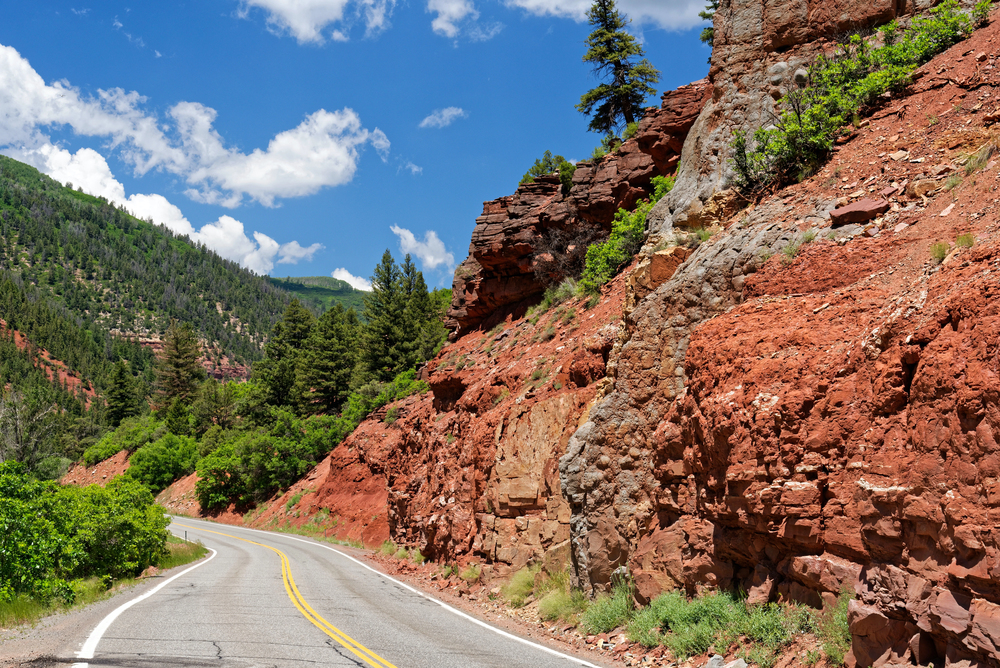
Originally called “Hangtown” after vigilantes strung up three men from an oak tree in 1849, Placerville sits along Highway 50. Main Street climbs a steep grade lined with antique shops and restaurants. A dummy hangs from a second-story beam downtown—a grim reminder of frontier justice.
The town served as a major supply hub. John Studebaker built wheelbarrows here before founding his automobile company. Three separate fires destroyed the town between 1853 and 1856, but brick buildings replaced the wooden ones.
Like Travel Pug’s content? Follow us on MSN.
Auburn
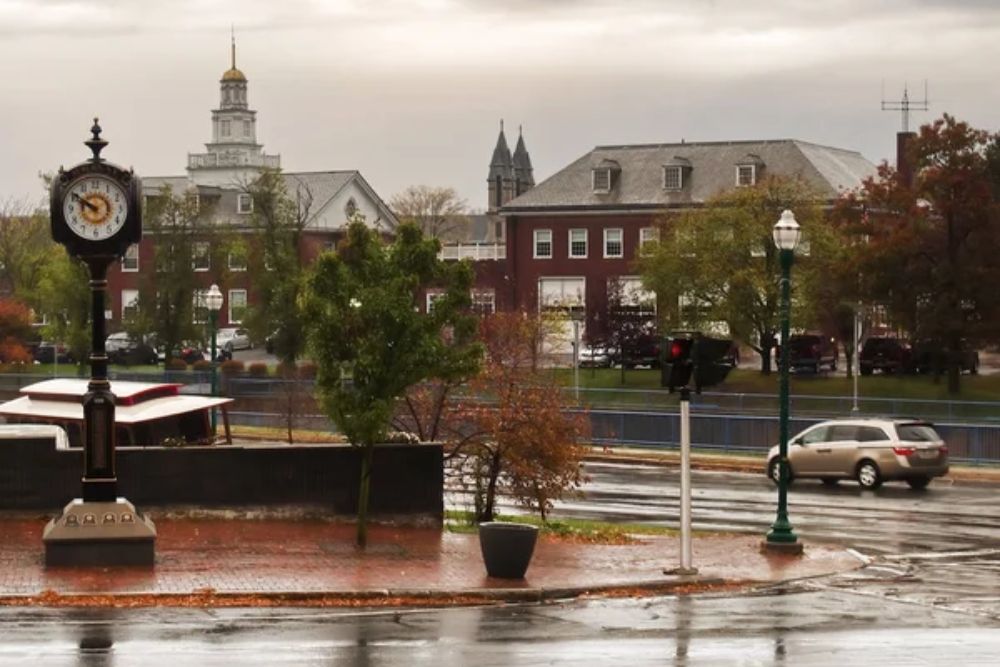
Auburn’s Old Town perches on a bluff above the modern city. The 1849 courthouse still stands—California’s oldest wooden courthouse—and the firehouse museum displays Gold Rush firefighting equipment. The town marks the start of the Western States Endurance Run, a brutal 100-mile ultramarathon through the Sierra.
Interstate 80 roars past below. But climb the hill into Old Town and the freeway noise fades. Wooden sidewalks creak underfoot.
Jackson
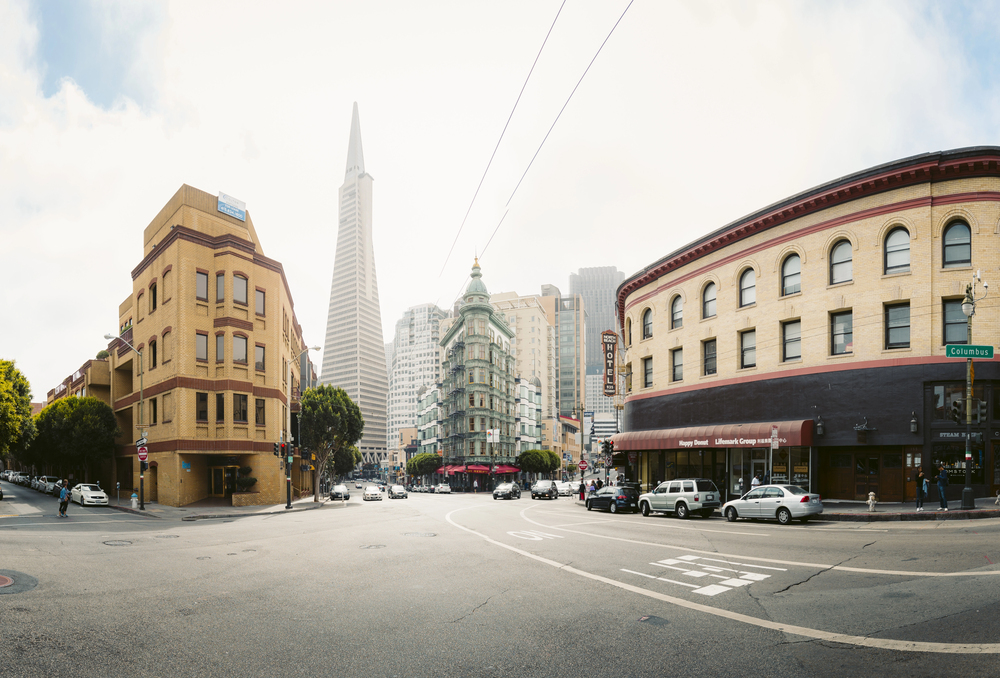
The Kennedy and Argonaut mines made Jackson one of the last active Gold Rush towns. Mining continued until 1942. The Kennedy Mine’s tailing wheels—massive wooden structures that carried waste material across the valley—still dominate the hillside like industrial sculptures.
Downtown Jackson feels lived-in rather than preserved. People actually shop at the stores. The National Hotel, operating since 1862, claims to be California’s oldest continuously operating hotel. Its bar serves local wines and craft beer, though the original back bar remains.
Sutter Creek
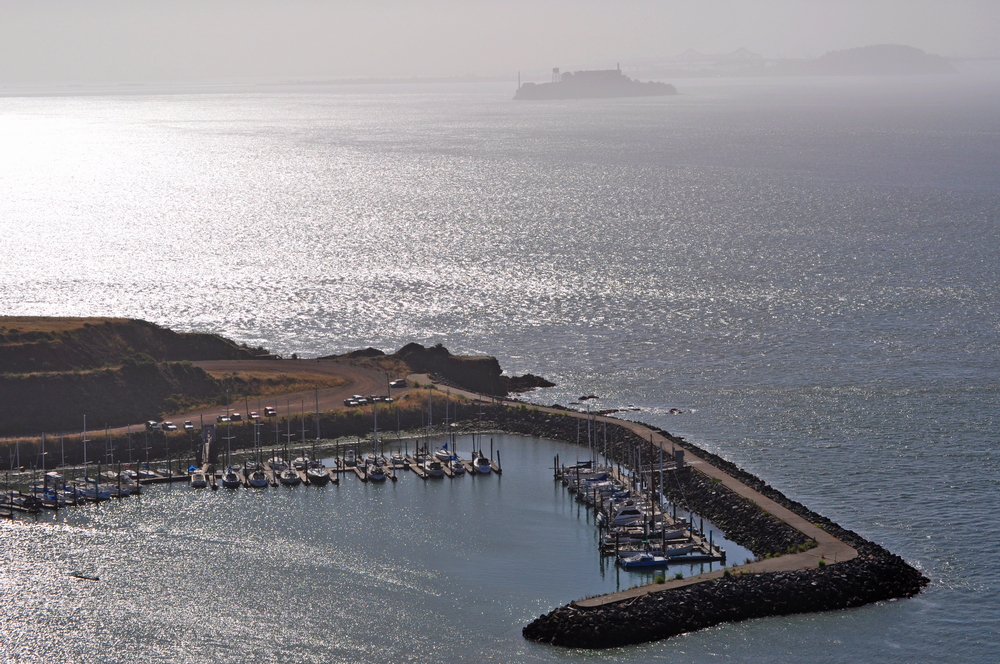
This town takes its preservation seriously. Main Street showcases:
- Original boardwalks with decorative iron columns
- Balconies overlooking the street
- Antique storefronts converted into galleries and tasting rooms
- The Sutter Creek Theatre presenting live performances
The town’s founder, John Sutter, never profited from the Gold Rush that began on his property. He died in poverty. His town, however, thrived.
Bed and breakfasts fill Victorian homes built by mining magnates. Weekends bring Bay Area tourists hunting for antiques and wine.
Like Travel Pug’s content? Follow us on MSN.
Angels Camp
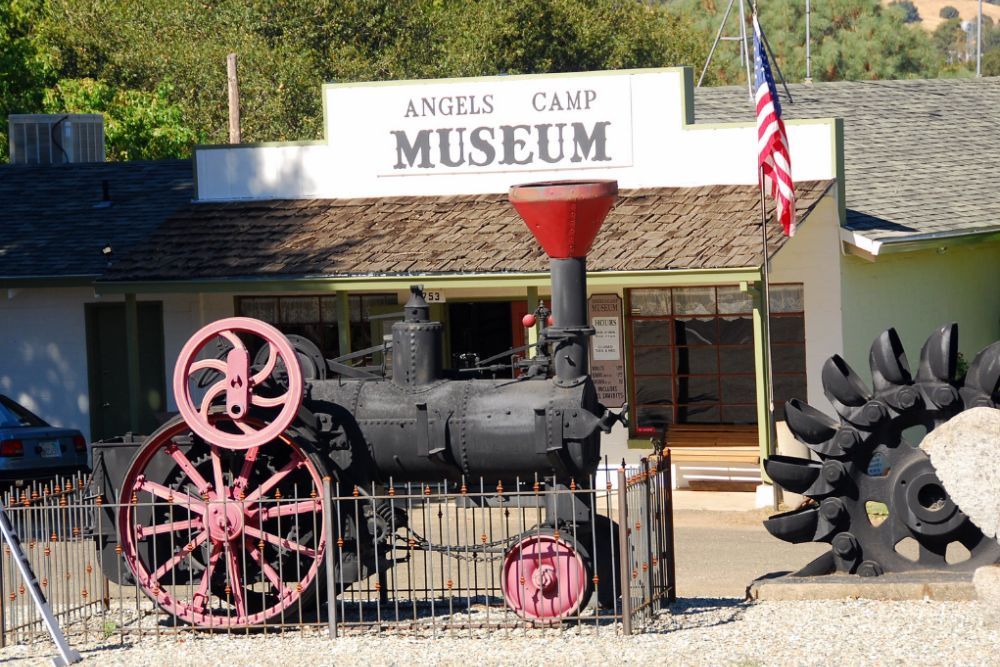
Mark Twain heard a story in a hotel here that became “The Celebrated Jumping Frog of Calaveras County.” The town hosts an annual frog jumping contest every May, and bronze frog statues dot the sidewalks. Angels Camp Museum displays mining equipment, including a stamp mill that crushed ore.
The town sprawls more than most Gold Rush settlements. Modern development blends with historic downtown. Some find it charming. Others think it’s lost its character.
Murphys
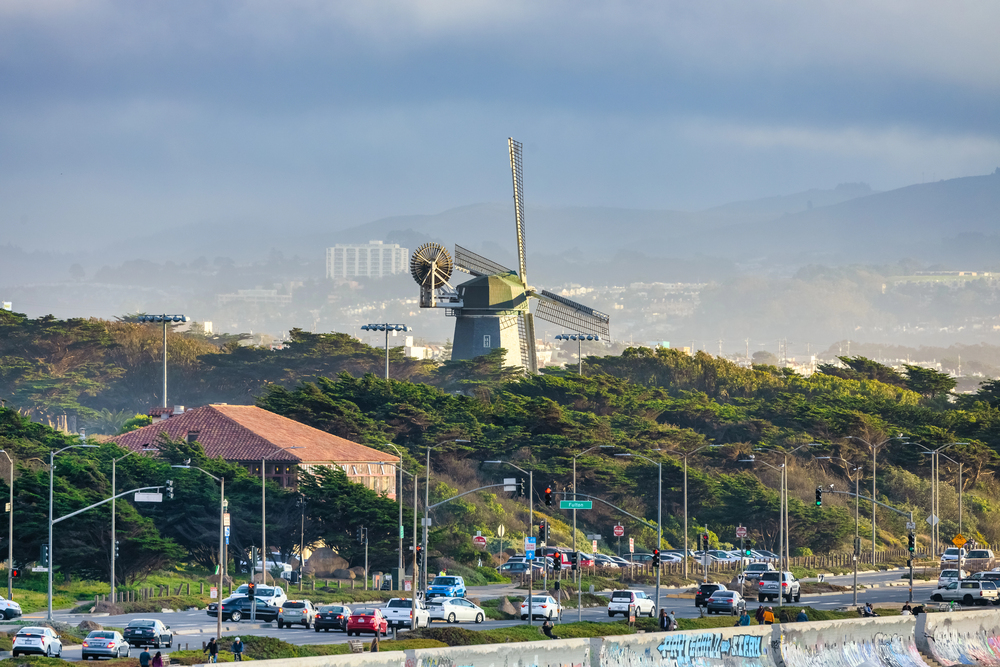
Murphys calls itself the “Queen of the Sierra” and backs up the claim with excellent wine tasting rooms clustered along Main Street. The Murphys Historic Hotel opened in 1856, and its guest register includes Mark Twain, Ulysses S. Grant, and Horatio Alger.
Big trees surround the town. Summer heat drives visitors to nearby Calaveras Big Trees State Park, where giant sequoias provide shade and scale. But Murphys itself stays pleasantly walkable, with outdoor patios perfect for an afternoon glass of Zinfandel—the grape that thrives in Calaveras County’s red soil.
Sonora
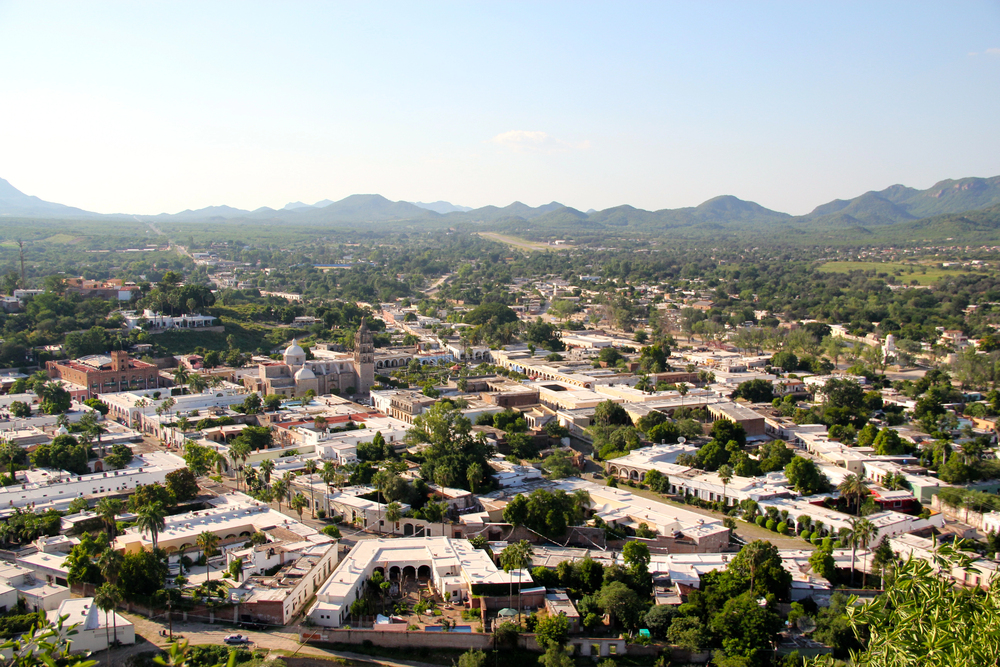
Sonora functions as the Tuolumne County seat, which means government offices occupy some historic buildings while restaurants and shops fill others. The town’s nickname, “Queen of the Southern Mines,” reflects the $50 million in gold extracted from the area. Mexican miners arrived first and named the town after their home state.
St. James Episcopal Church, built in 1859, features a distinctive red door and white clapboard siding. The downtown theater shows movies in an art deco building. Traffic can clog Washington Street during summer tourist season.
Like Travel Pug’s content? Follow us on MSN.
Jamestown

Railtown 1897 State Historic Park sits just outside Jamestown’s compact downtown. The steam locomotives and vintage railroad cars have appeared in over 200 films and television shows, including “Back to the Future Part III” and “Petticoat Junction.” Weekend train rides operate on restored tracks.
Main Street stretches only a few blocks but packs in saloons, boutiques, and the National Hotel. Gold panning remains popular at local streams. Some visitors still find flakes, though nobody’s getting rich anymore.
Volcano
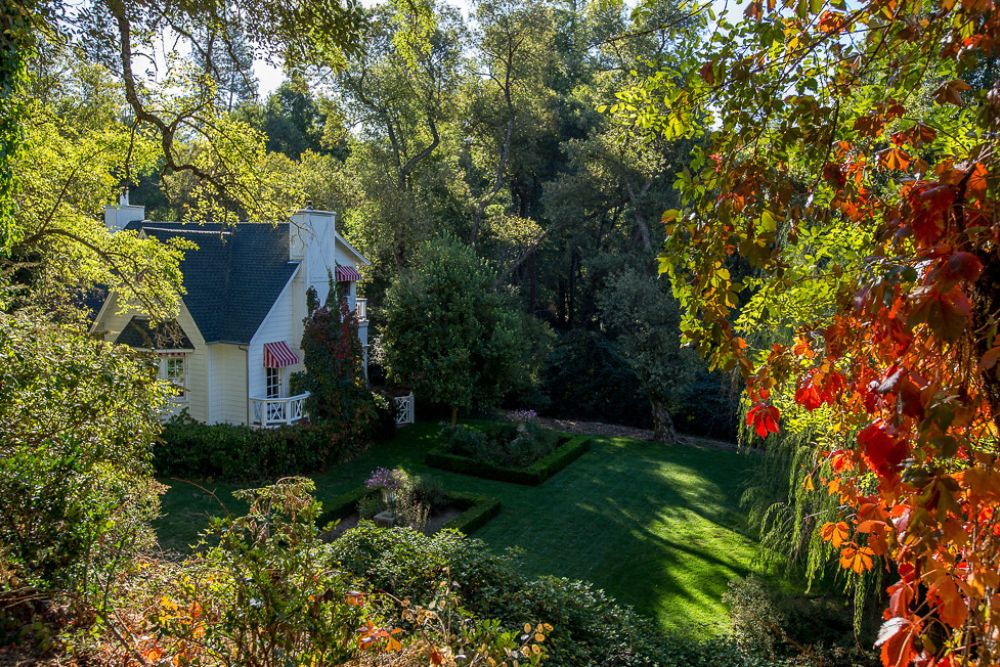
Despite its name, no volcano exists here. The town sits in a bowl-shaped valley that early miners thought was a volcanic crater. Volcano once had 17 hotels, a brewery, and California’s first lending library and astronomical observatory. Now it has about 100 residents.
The St. George Hotel, dating to 1862, opens sporadically depending on ownership. Daffodils blanket the hillsides each spring—over a million blooms planted by settlers homesick for spring flowers. The old limestone building that housed California’s first lending library still stands on Main Street, though it’s been a private residence for decades.
Georgetown

Georgetown rebuilt with brick and iron after fire destroyed its wooden buildings in 1852. The town sits at 2,500 feet elevation, high enough for snow in winter but accessible year-round. The Balancing Rock—a 22-ton boulder perched on a small base—has defied gravity just outside town for centuries.
Most visitors pass through on the way to somewhere else. This keeps Georgetown quieter than other Gold Rush towns. The American River Inn, built in 1863 as a stagecoach stop, now offers bed and breakfast accommodations.
Like Travel Pug’s content? Follow us on MSN.
Downieville
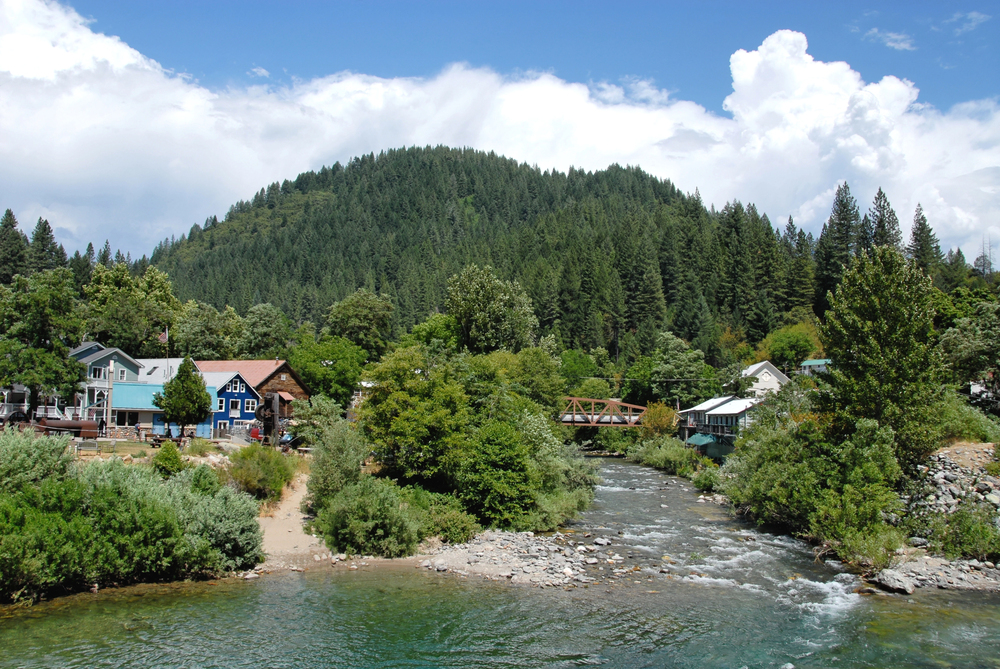
This remote town requires commitment to reach. Highway 49 winds through narrow canyons and follows the Yuba River for miles before reaching Downieville, tucked where the Downie River meets the North Yuba. Mountain biking has replaced gold mining as the economic engine—the Downieville Classic race attracts riders worldwide each summer.
Original buildings line the main street, some tilting toward the river. The Sierra County Courthouse, built in 1854, remains in use. The town’s gallows—last used in 1885—stand behind the courthouse. Only one woman was ever legally hanged in California, and it happened here in 1851.
Coming full circle
Gold brought people to these Sierra foothills, but history keeps them coming back. The towns that survived learned to prospect for tourist dollars instead of precious metal, preserving their bones while adapting their purposes.
And somehow, walking these wooden sidewalks still feels like trespassing on the past.
More from Travel Pug

- 20 Best Beach Towns in the Carolinas
- 13 Destinations Where Tourists Regularly Regret Their Trip
- 20 Things You Actually Get in First Class
- 20 Small Airports With Aviation Museums
- 20 Places in the U.S. That Are Perfect for a Reset Trip
Like Travel Pug’s content? Follow us on MSN.