

Jordan’s deserts are far more than barren wastelands. These ancient lands stretch across three-quarters of the kingdom, each region sculpted by millions of years of geological drama into something utterly mesmerizing. From iron-red valleys framed by towering sandstone to black volcanic fields that crunch underfoot, the country’s arid zones offer landscapes that feel plucked from another planet.
Here is a list of 15 epic desert landscapes in Jordan that showcase the raw beauty and geological wonder of this Middle Eastern nation.
Wadi Rum valley
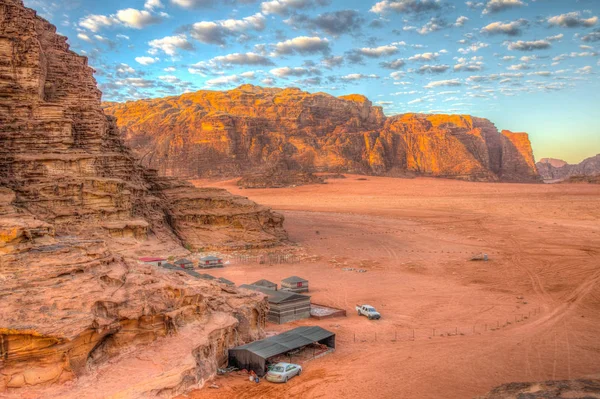
The main valley of Wadi Rum cuts through sandstone and granite in southern Jordan, creating the largest wadi in the country at 280 square miles. Massive rock formations rise straight from the sand, the result of ancient tectonic movement that cleaved the bedrock with almost cubic perfection.
The iron oxide in the rocks paints everything in shades of crimson and rust, which is why locals sometimes call it the Valley of the Moon—though Mars seems more fitting.
Seven Pillars of Wisdom
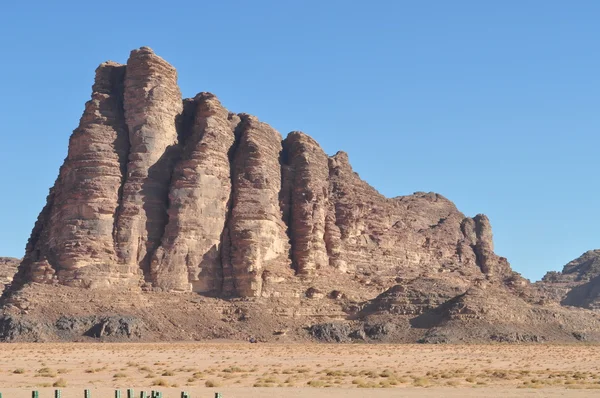
Named after T.E. Lawrence’s famous book, this formation greets visitors near the entrance to the protected area. The sandstone monoliths soar over 5,500 feet high, carved by erosive forces of wind and water over millennia.
At sunset, the pillars glow like they’re lit from within, shifting from orange to deep burgundy as the light fades.
Like Travel Pug’s content? Follow us on MSN.
Um Fruth Rock Bridge
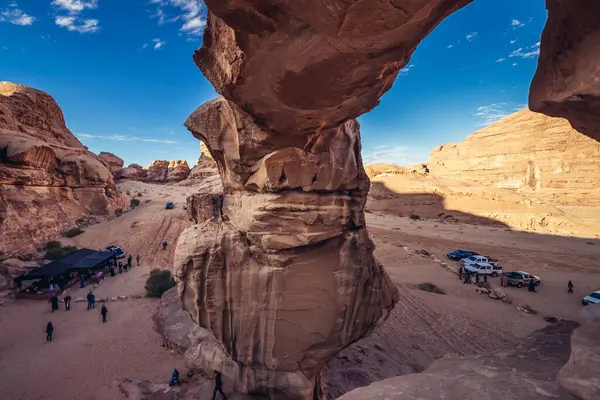
This natural arch stands among the most famous formations in Wadi Rum, accessible during jeep tours. The bridge spans a gap high above the desert floor, and you can actually climb up and walk across it if you’ve got steady nerves.
Beneath your feet, the sandstone feels surprisingly solid despite being worn smooth by countless desert storms.
Burdah Rock Bridge
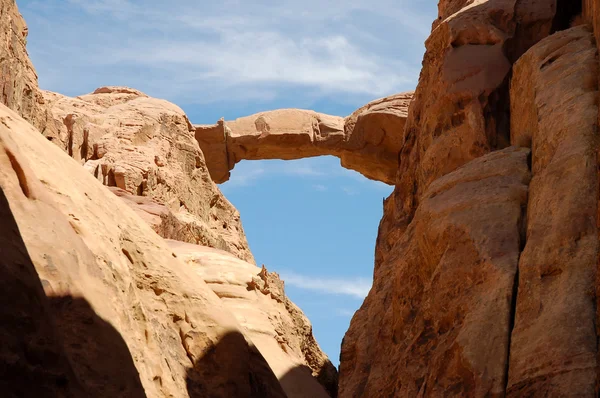
The Burdah Rock Bridge stands as one of Wadi Rum’s most remarkable formations, though reaching it requires serious effort. You’ll need to scramble up steep rock faces using ancient Bedouin climbing routes, yet the view from the top makes every scraped knee worthwhile.
The arch soars so high that standing beneath it feels like being in a stone cathedral built by nature itself.
Al Ramal red sand dune
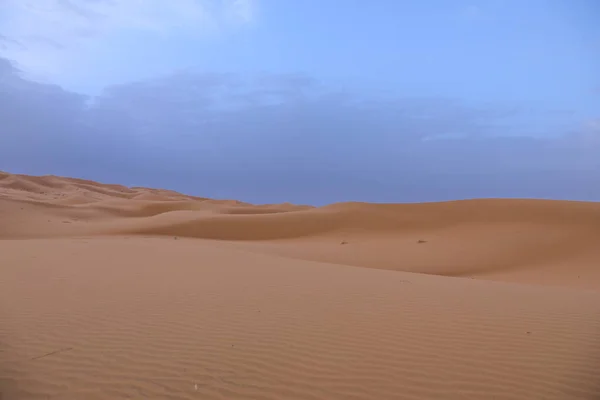
This massive dune is known for its striking red color and challenging climb. The soft sand makes ascending difficult, but reaching the top rewards you with breathtaking panoramic views of the surrounding desert and rock formations.
Locals and visitors alike scramble to the summit before sunset, when the whole desert transforms into a sea of shifting shadows and golden light.
Like Travel Pug’s content? Follow us on MSN.
Lawrence’s Spring
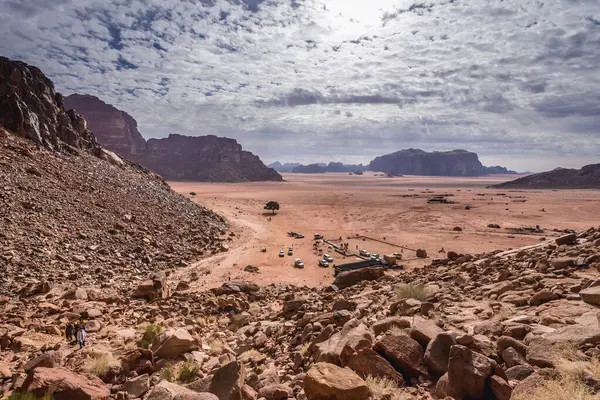
T.E. Lawrence used this spot as a water source during the Arab Revolt, and it’s still tucked into the rocks like a secret. The spring represents one of the most famous sights in Wadi Rum.
You’ll find Nabataean inscriptions carved near the water, proof that people have been seeking this oasis for thousands of years.
Khazali Canyon
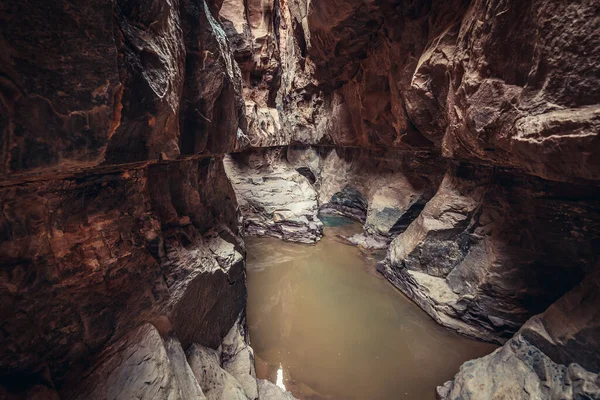
This narrow gorge slices through the sandstone, its walls so close together that you can touch both sides at once in some spots. The canyon features ancient petroglyphs and inscriptions that testify to 12,000 years of human presence.
Inside, the temperature drops noticeably—a welcome relief when the desert sun is blazing overhead.
Jebel Um Ad Dami
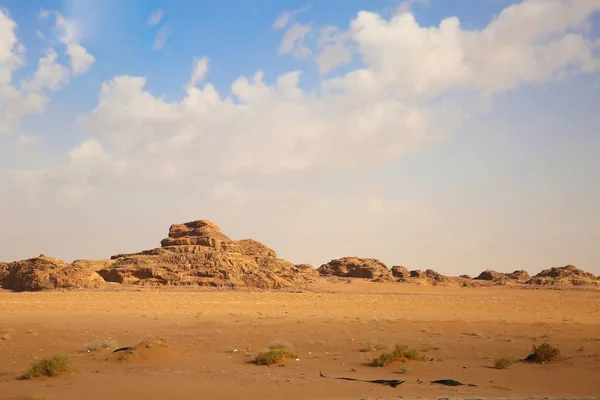
At 6,083 feet, this peak represents Jordan’s highest point, located near the Saudi border. On clear days from the summit, you can see the Saudi desert, the Red Sea, and Egypt’s Sinai Peninsula mountain ranges.
The climb isn’t too technical, but the altitude will leave you breathless in more ways than one.
Like Travel Pug’s content? Follow us on MSN.
Abu Khashaba Canyon
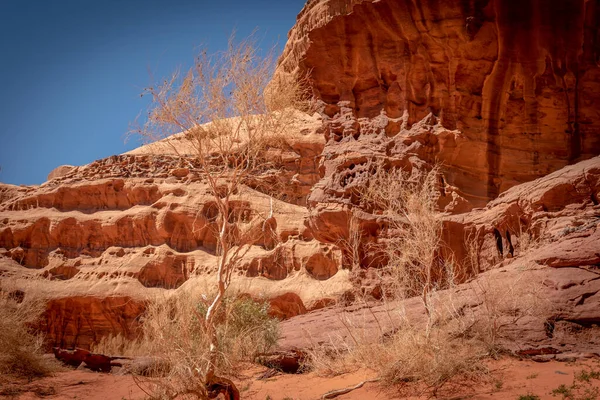
This canyon boasts a unique combination of red and yellow sand, and it’s surprisingly green due to desert bushes and trees. The walls form an hourglass shape with a narrow middle section that requires some scrambling.
Unlike the more famous spots, Abu Khashaba often sits empty of tourists—just you and the wind whistling through the rocks.
Jebel Rum mountain
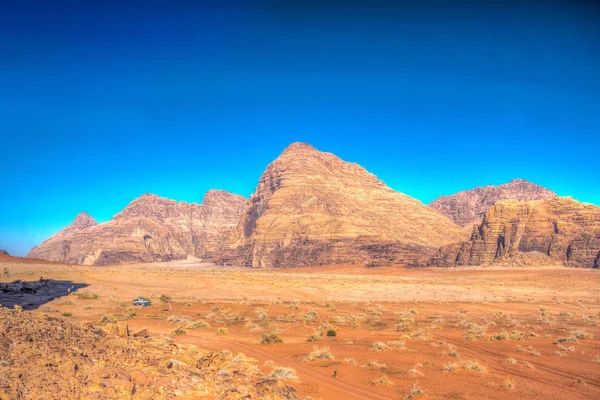
This peak rises to 5,689 feet and forms one side of the main Wadi Rum valley. Rock climbers from around the world come here to tackle routes up the sheer faces, while hikers use Bedouin paths that zigzag up the less vertical slopes.
The mountain’s face glows particularly intensely at dawn, when the first light hits it directly.
Black Desert
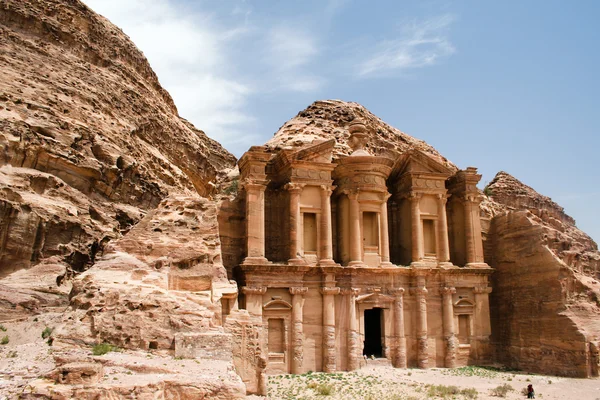
The Northeast Jordanian Basalt Plateau, called Harrat al-Shamah or Black Desert, covers about 4,250 square miles in Jordan. This plateau features many isolated hills and long rows of volcanoes, with elevations ranging from 1,640 to over 3,600 feet.
Walking across it feels otherworldly; the black volcanic rocks crunch beneath your feet and radiate heat even hours after sunset.
Like Travel Pug’s content? Follow us on MSN.
Azraq Oasis
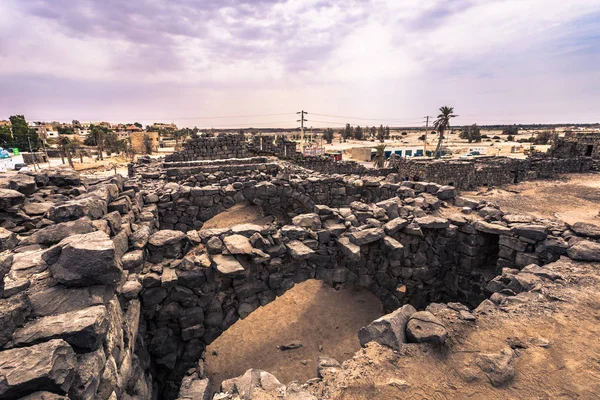
As Jordan’s only oasis, Azraq sits about 62 miles east of Amman at the head of Wadi Sirhan. Lawrence of Arabia used the ancient Qasr Azraq fortress here as his base during the winter of 1917-1918.
Though much of the water has been depleted over decades, the wetland reserve still attracts migratory birds traveling between Asia and Africa.
Hamad Desert plateau
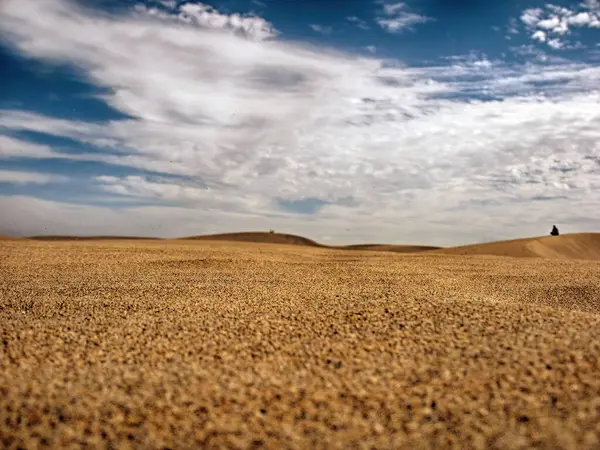
This 2,300- to 3,000-foot-high plateau in the middle of the Syrian Desert consists of a flat, stony semi-desert with limestone bedrock covered in chert gravel. The landscape stretches endlessly in every direction, so monotonous that it becomes almost meditative.
What little rain falls here collects in salt flats, creating temporary mirrors that reflect the enormous sky.
Qasr Burqu area
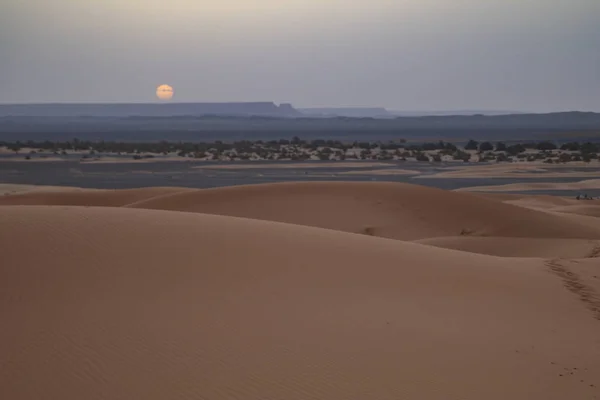
A Roman fortress stands beside an ancient lake at Qasr Burqu, whose waters have sustained human settlement for thousands of years. The black basalt castle rises from the desert floor like something from a fever dream, while the seasonal lake beside it shimmers in improbable blues and greens.
The site later included the construction of a Byzantine monastery and a Mamluk castle.
Like Travel Pug’s content? Follow us on MSN.
White Desert
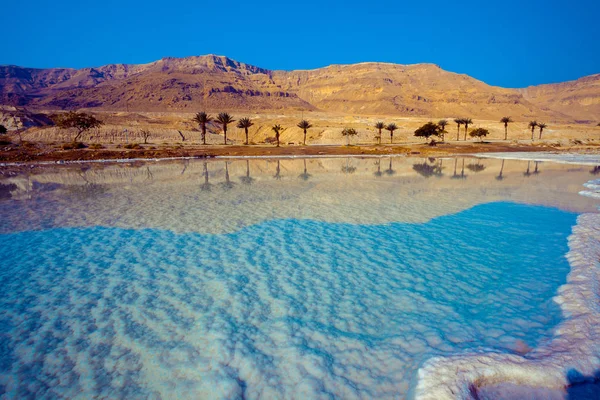
Al Dahek Reserve, known as Jordan’s White Desert, features white limestone formations and fossilized marine life. Shark teeth can be found in a gray stripe in the rock.
The pale stone formations twist into bizarre shapes that look almost like melted ice cream, and walking through them feels like exploring an alien sculpture garden.
Where the past meets the present
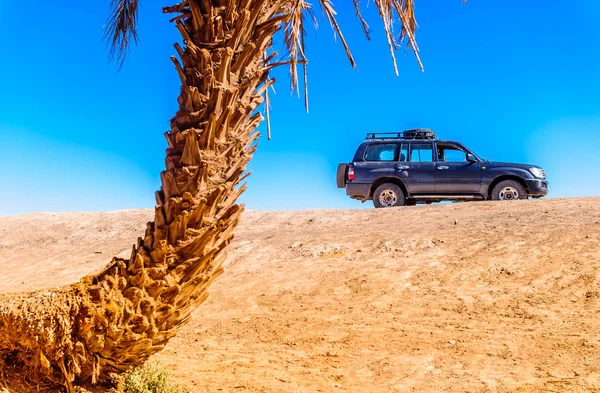
Jordan’s desert landscapes have witnessed the entire arc of human civilization, from the prehistoric peoples who carved petroglyphs into Wadi Rum to the Bedouin who still navigate these spaces today. These aren’t museum pieces frozen in time but living landscapes that continue to evolve grain by grain, year by year.
Whether you’re scrambling across rock bridges or standing alone in the Hamad’s stone fields, you’re experiencing the same raw beauty that has drawn travelers, traders, and dreamers for thousands of years. The deserts persist, indifferent to our brief presence yet somehow holding space for every footprint we leave behind.
More from Travel Pug

- 20 Best Beach Towns in the Carolinas
- 13 Destinations Where Tourists Regularly Regret Their Trip
- 20 Things You Actually Get in First Class
- 20 Small Airports With Aviation Museums
- 20 Places in the U.S. That Are Perfect for a Reset Trip
Like Travel Pug’s content? Follow us on MSN.