

There’s something deeply satisfying about stepping out your front door and having everything you need within walking distance. No searching for parking spots, no gas station stops, no sitting in traffic while your coffee gets cold.
Just feet on pavement and the freedom to wander wherever your day takes you. These small towns across America have figured out what bigger cities often miss: walkability isn’t just about convenience, it’s about community.
When the grocery store, library, and favorite restaurant are all a pleasant stroll away, life moves at a different pace. Neighbors actually talk to each other. You notice things – the way morning light hits the bakery window, how the bookstore owner always has a new recommendation ready.
Some of these places were designed this way from the start, with town squares and grid streets that make sense. Others evolved into walkable havens over time, as residents chose local shops over distant malls and sidewalks over highways.
What they share is something rare: the ability to live fully without depending on four wheels and an engine.
Bar Harbor, Maine
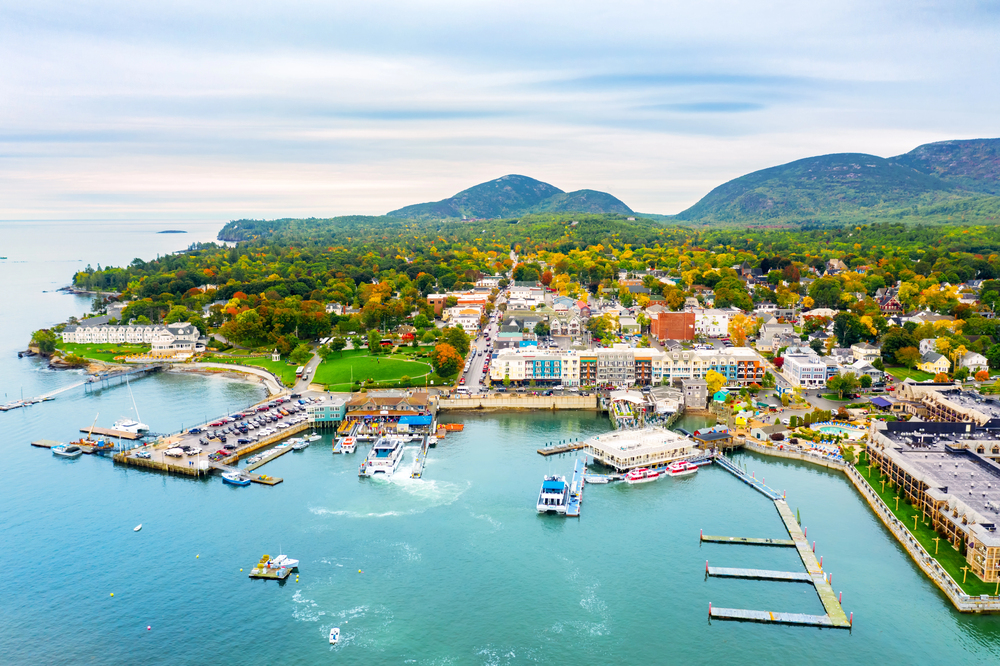
Bar Harbor doesn’t mess around with sprawl. Everything clusters within a few blocks of the harbor, and that’s exactly how residents like it.
The grocery store sits two blocks from most neighborhoods. The library occupies a converted mansion on Mount Desert Street.
Three different coffee shops operate within a quarter-mile radius, which creates the kind of friendly competition that keeps everyone sharp.
Burlington, Vermont

The thing about Burlington is how it sprawls just enough to feel like a real place, then stops before things get ridiculous. Church Street Marketplace anchors the downtown core, but the walkable zone extends well beyond the tourist areas into actual neighborhoods where people live year-round.
So you can walk from your apartment to the farmer’s market (which runs year-round, because Vermont doesn’t believe in letting a little snow stop anything), then continue to the library, then swing by one of the local breweries – and you’re talking about maybe a mile total, most of it pleasantly flat despite what the surrounding mountains might suggest. The bike paths help too, though technically that’s not walking, but when winter hits and those paths become cross-country ski routes, the distinction gets blurred anyway.
And Burlington has figured out something most places haven’t: how to keep local businesses thriving in walkable neighborhoods instead of watching them all migrate to some strip mall on the highway.
Mystic, Connecticut
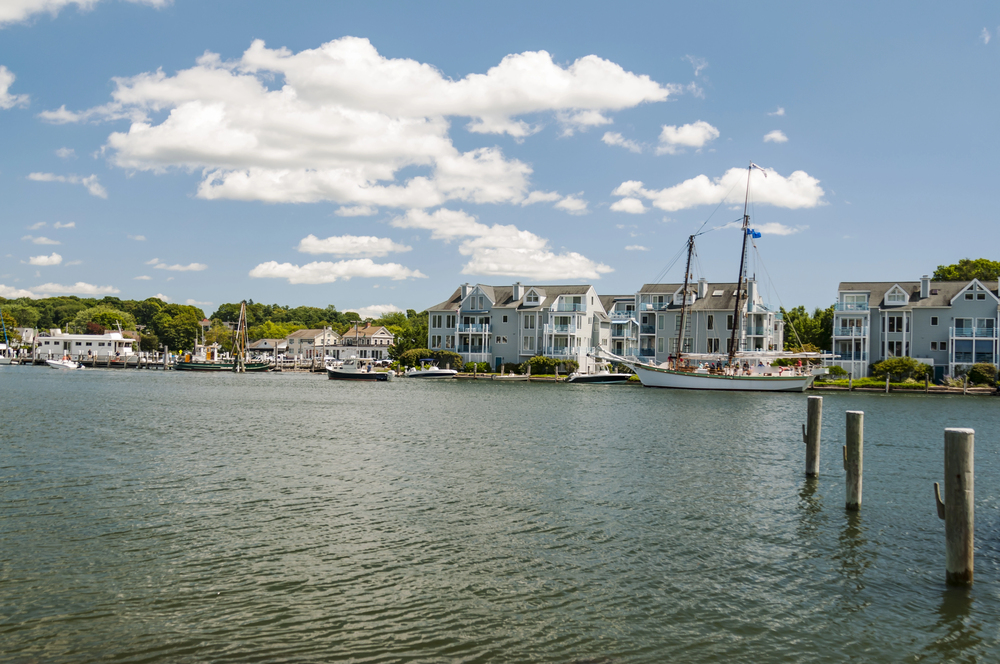
Picture a town that feels like it was designed by someone who actually had to live there. Main Street runs straight through the center, lined with everything from hardware stores to bookshops, while residential streets branch off in a sensible grid that makes navigation instinctive rather than frustrating.
The Mystic River bisects the community, but drawbridges and footpaths mean water becomes a feature rather than a barrier. Local markets, restaurants, and Mystic Seaport Museum all cluster within easy walking distance.
When tourists flood in during summer months, residents simply know which side streets to take – the kind of local knowledge that comes from actually walking everywhere.
Northampton, Massachusetts
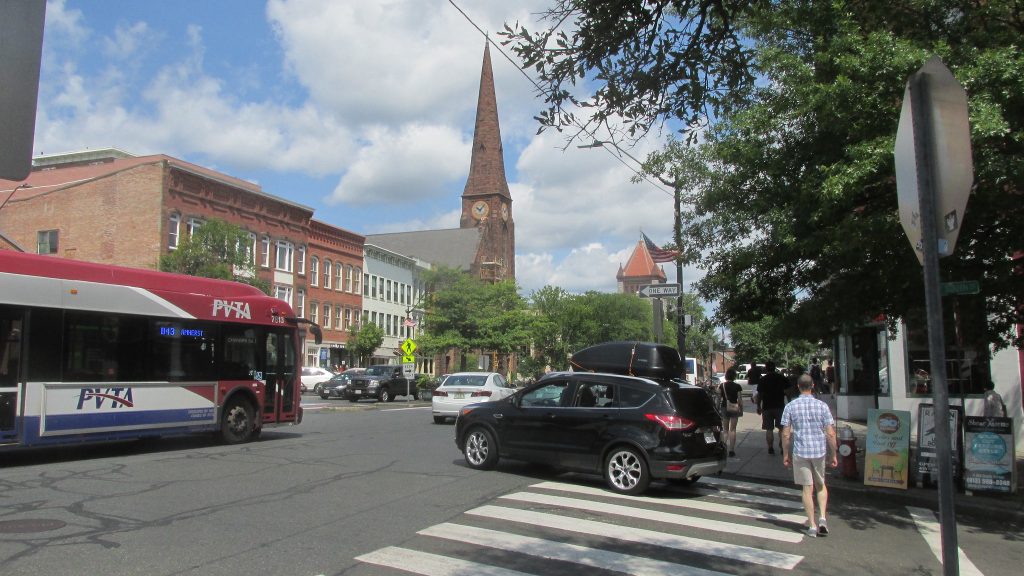
College towns either get walkability right or become complete disasters. Northampton falls definitively into the first category.
The presence of Smith College means this place has spent decades perfecting the art of pedestrian-friendly infrastructure. Students need to walk everywhere, so the town adapted accordingly.
Main Street offers everything from used bookstores to farm-to-table restaurants, while residential neighborhoods radiate outward in walkable chunks. Local businesses thrive here precisely because foot traffic remains consistent year-round.
No seasonal die-offs, no dependence on highway visibility. Just steady streams of people who live close enough to shop local by default.
Portsmouth, New Hampshire
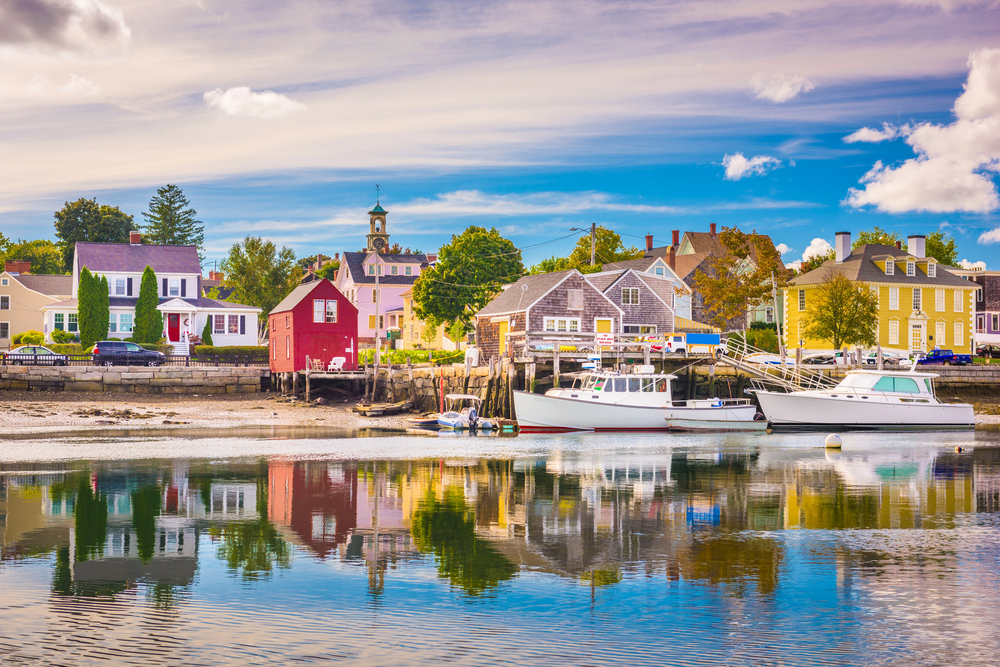
Portsmouth carries itself like a town that has never doubted its own walkability – the kind of quiet confidence that comes from centuries of people simply getting around on foot, long before anyone coined the term “pedestrian-friendly infrastructure.” The Piscataqua River defines one edge, while a compact downtown core contains most of what anyone needs for daily life: groceries, pharmacy, post office, library, and an impressive collection of restaurants that somehow avoid feeling touristy despite drawing visitors from Boston and beyond.
Residential streets spread outward from this center in logical patterns, with enough density to support local businesses but enough breathing room to feel genuinely livable. And the thing about Portsmouth is how it handles the balance between historic preservation and modern needs – old buildings house contemporary businesses, sidewalks accommodate both foot traffic and outdoor dining, and parking exists but doesn’t dominate the landscape the way it does in places that prioritize cars over people.
Stowe, Vermont
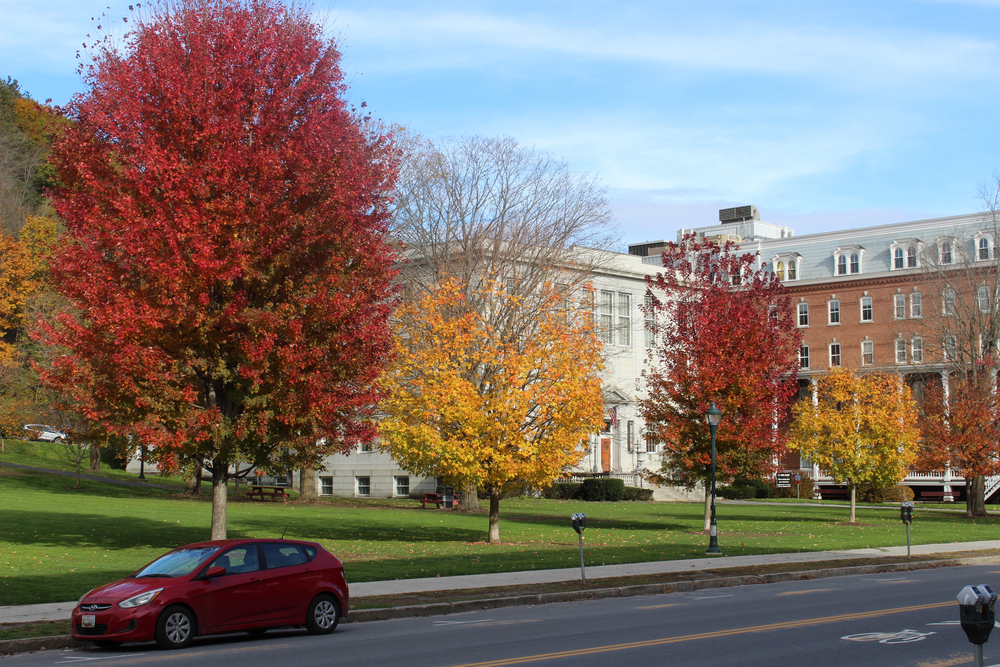
— Photo by Matt@optimizewebsolutions.com
Stowe proves that mountain towns don’t have to choose between scenic beauty and practical walkability. The village center packs remarkable density into a small footprint.
Everything essential sits within a few blocks: grocery store, pharmacy, hardware store, and post office. Restaurants range from casual to upscale, but none require driving to reach.
The recreation path connects different neighborhoods while providing a car-free route for daily errands.
Stockbridge, Massachusetts
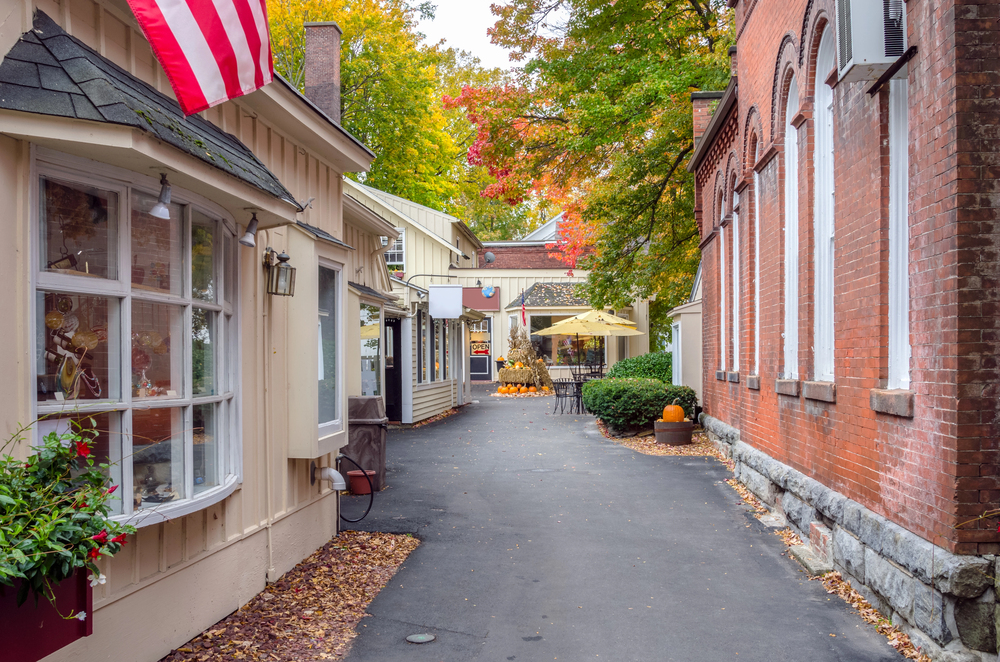
Norman Rockwell lived here for a reason. Stockbridge embodies the kind of walkable American town that feels almost mythical until you actually visit and realize it’s completely real.
Main Street contains the basics: general store, post office, library, inn, and restaurant. Residential areas spread out just far enough to feel spacious without becoming car-dependent.
The whole setup works because it was designed during an era when walking was simply how people got around, and nobody has seen fit to ruin that since.
Camden, Maine
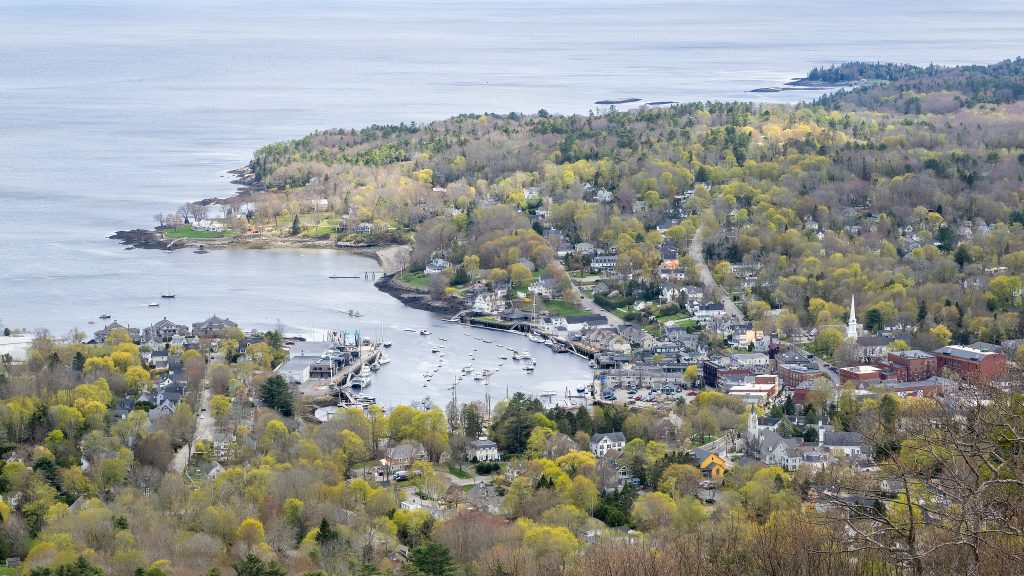
Camden doesn’t just offer walkability – it demands it, in the best possible way, because parking downtown remains scarce enough that walking becomes the obviously superior option for anyone who actually lives here rather than just passing through on vacation. The harbor anchors everything, with Main Street climbing uphill from the water through a downtown district that manages to pack an impressive amount of commerce into just a few blocks.
And the residential neighborhoods that surround this core maintain the kind of density that makes walking practical: close enough to reach downtown easily, far enough apart to provide actual yards and breathing room. So daily life develops a natural rhythm where you walk to the post office, then continue to the library, then stop by the market on the way home – not because you’re trying to be environmentally conscious or get exercise, but simply because that’s the most efficient way to accomplish what needs doing.
The Camden Hills provide a dramatic backdrop, but more importantly, they contain the town’s growth in ways that preserve walkability instead of allowing endless suburban sprawl.
Woodstock, Vermont
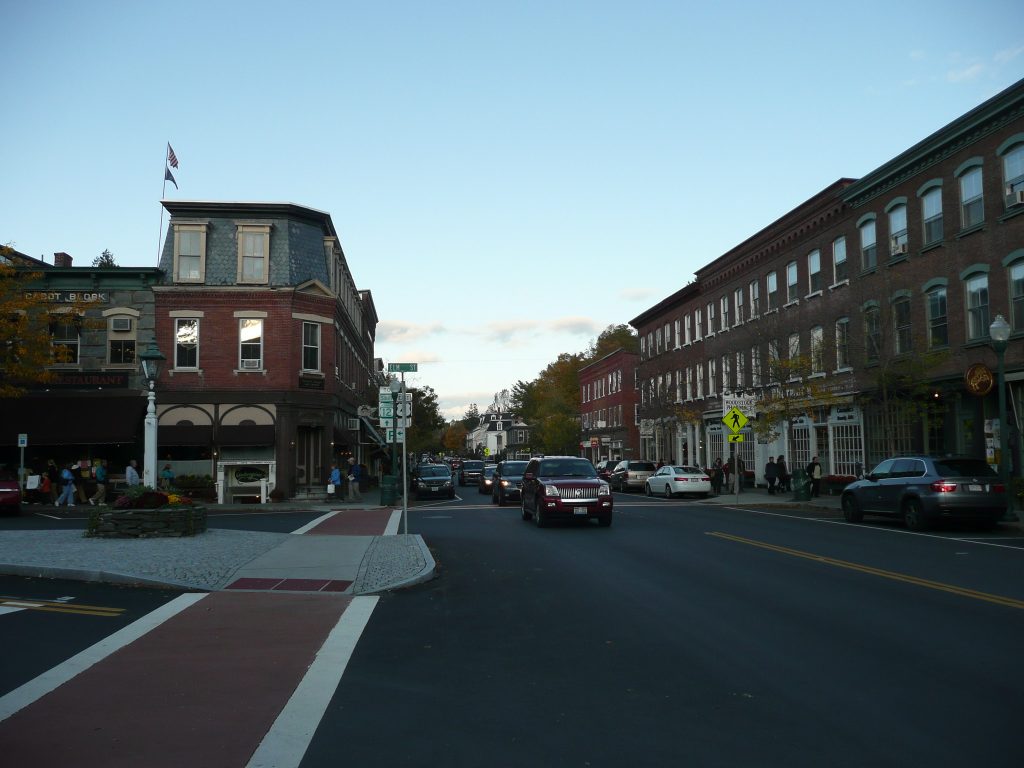
Woodstock treats walkability like a fundamental design principle rather than an afterthought. The village green anchors the center, with essential businesses radiating outward in concentric rings that make geographic sense.
Neighborhoods connect to downtown via tree-lined streets that feel pleasant year-round, even when snow covers everything for months. Local shops maintain consistent hours and inventory because they serve residents, not just tourists.
The Ottauquechee River adds character without creating barriers, thanks to well-placed bridges and riverside paths.
Hanover, New Hampshire
— Photo by jiawangkun
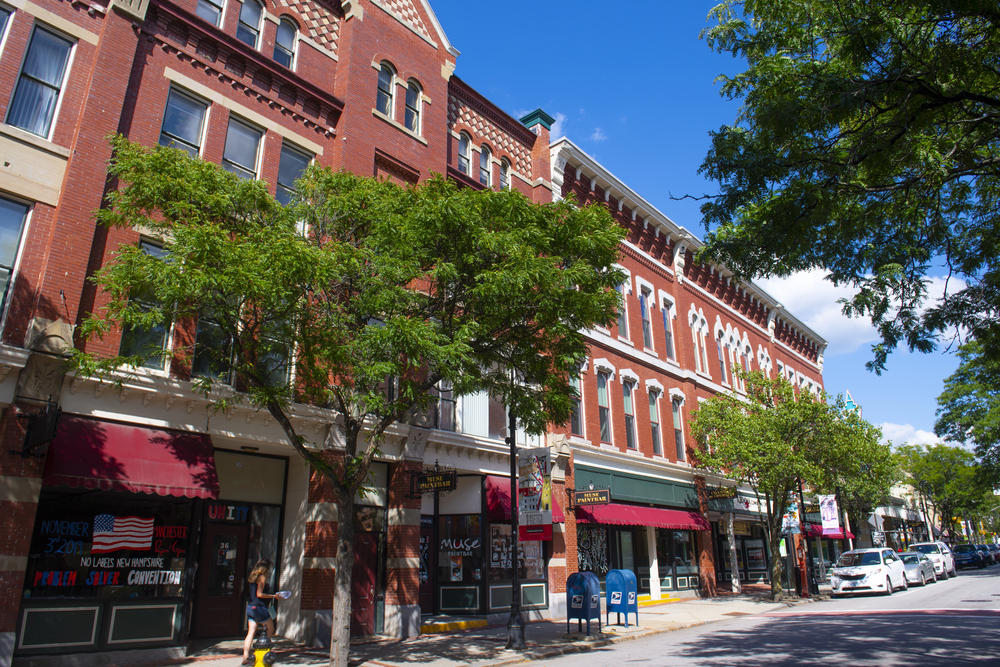
Home to Dartmouth College, Hanover has spent generations perfecting the balance between academic community and practical walkability. Students need to reach everything on foot, so the town evolved accordingly.
Main Street provides daily necessities: a pharmacy, a bookstore, restaurants, and coffee shops. The co-op grocery store sits within easy walking distance of most residential areas.
College buildings integrate seamlessly with the broader community rather than creating separate zones. The result is a place where permanent residents and students share infrastructure that works for everyone.
Lenox, Massachusetts
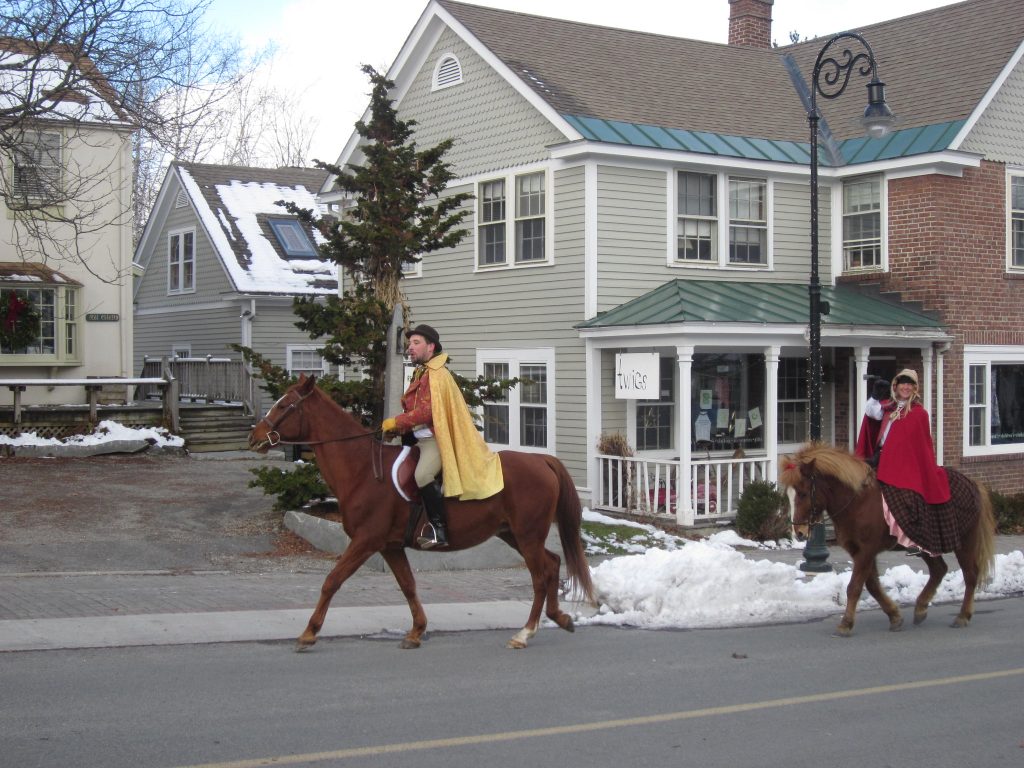
The Berkshires draw people for culture and scenery, but Lenox keeps them coming back for something more fundamental: the simple pleasure of being able to walk everywhere without compromise or inconvenience. Main Street runs straight through the center of town, lined with businesses that serve locals first and visitors second – which means they stock what people actually need rather than just souvenirs and seasonal items.
And the neighborhoods that branch off from this central spine maintain reasonable density without feeling cramped, the kind of setup where you can walk to the library in ten minutes, continue to the grocery store, then swing by the pharmacy on the way home without requiring any elaborate route planning. So daily errands become opportunities for chance encounters and casual conversation rather than isolated transactions in parking lots.
The presence of Tanglewood and other cultural venues adds vibrancy, but the underlying walkability would work perfectly well even without the summer influx of music lovers and theater enthusiasts.
Chester, Vermont
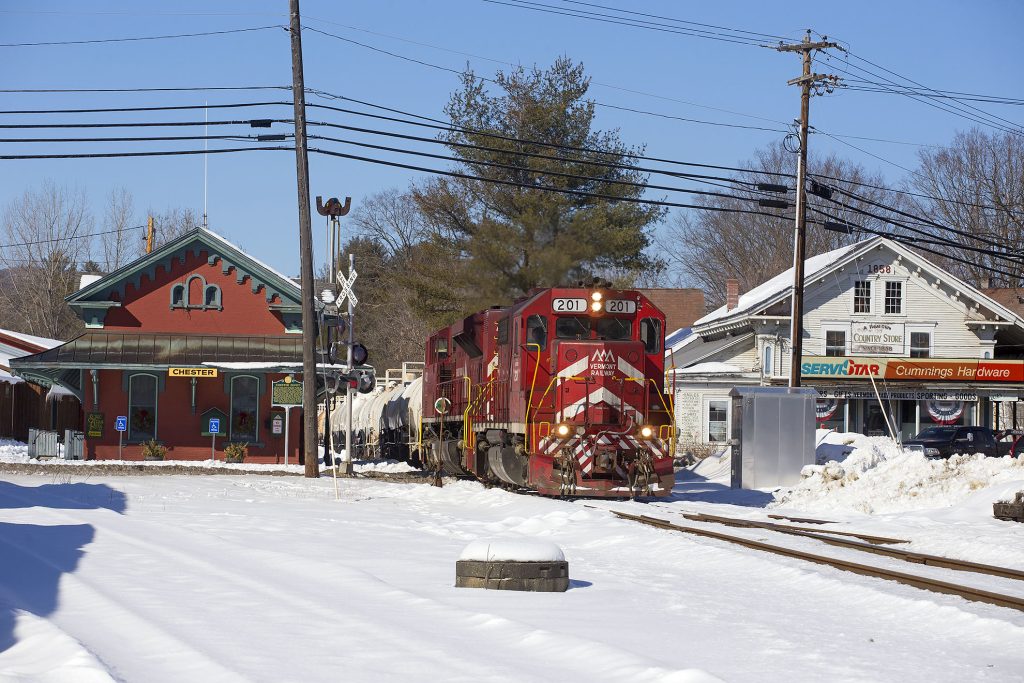
Chester operates on the principle that walkability should feel effortless rather than forced. The Stone Village downtown contains most daily necessities within a compact, easily navigated area.
Local businesses cluster around the town green, while residential streets extend outward in patterns that make walking to the center practical from any neighborhood. No dramatic hills to climb, no dangerous highway crossings to navigate. Just straightforward geography that works.
Woodstock, New York
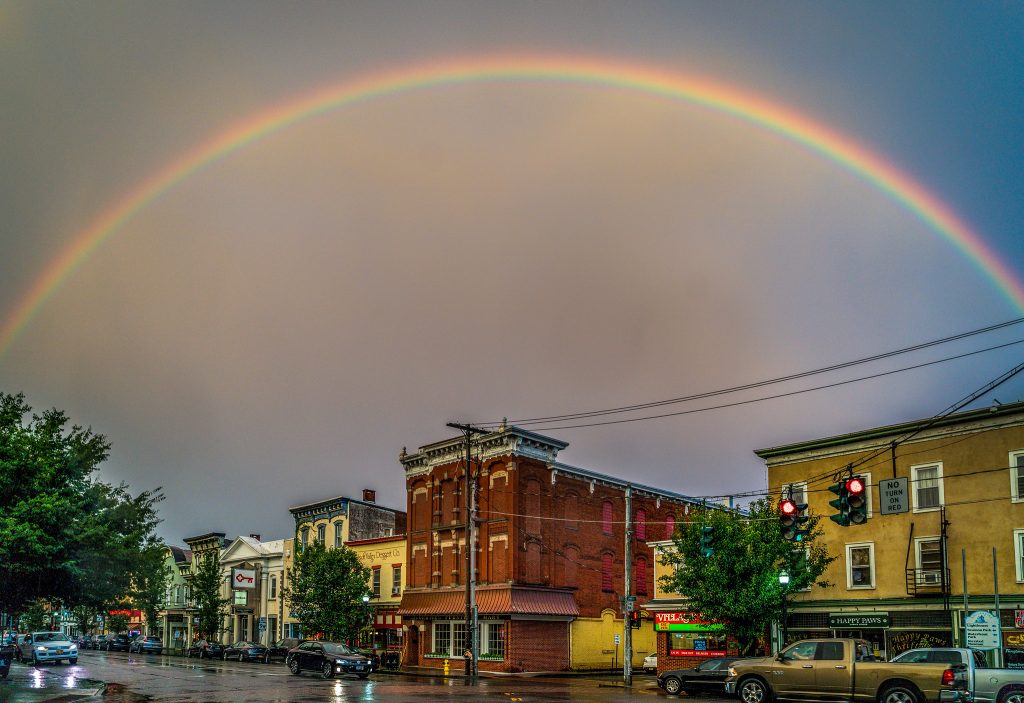
Not to be confused with its Vermont namesake, Woodstock, New York has cultivated walkability through decades of resisting suburban sprawl.
The town center remains dense enough to support local businesses year-round. Tinker Street serves as the main commercial corridor, lined with everything from health food stores to art galleries.
Residential areas stay close enough to reach downtown on foot while maintaining the rural character that originally drew people here.
Middlebury, Vermont
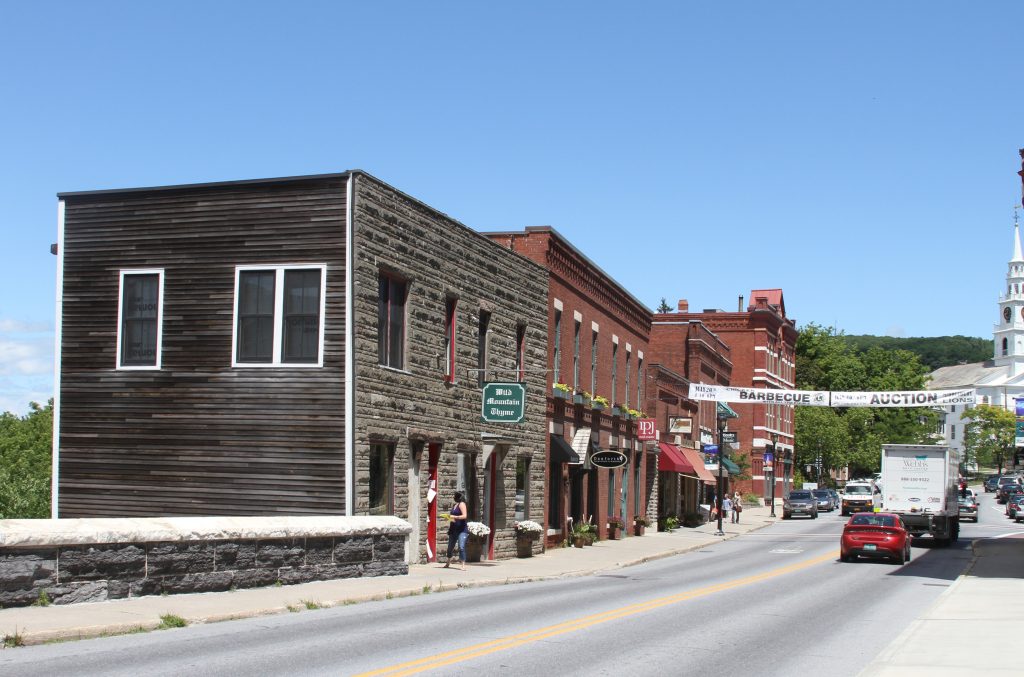
Middlebury College shapes this town’s walkability, but doesn’t dominate it. The relationship between campus and community creates an infrastructure that serves both populations effectively.
Downtown provides genuine services: banking, groceries, medical offices, and restaurants. College students and permanent residents share sidewalks and businesses without conflict.
The compact layout means most errands can be combined into single walking trips rather than requiring multiple car journeys.
Brattleboro, Vermont
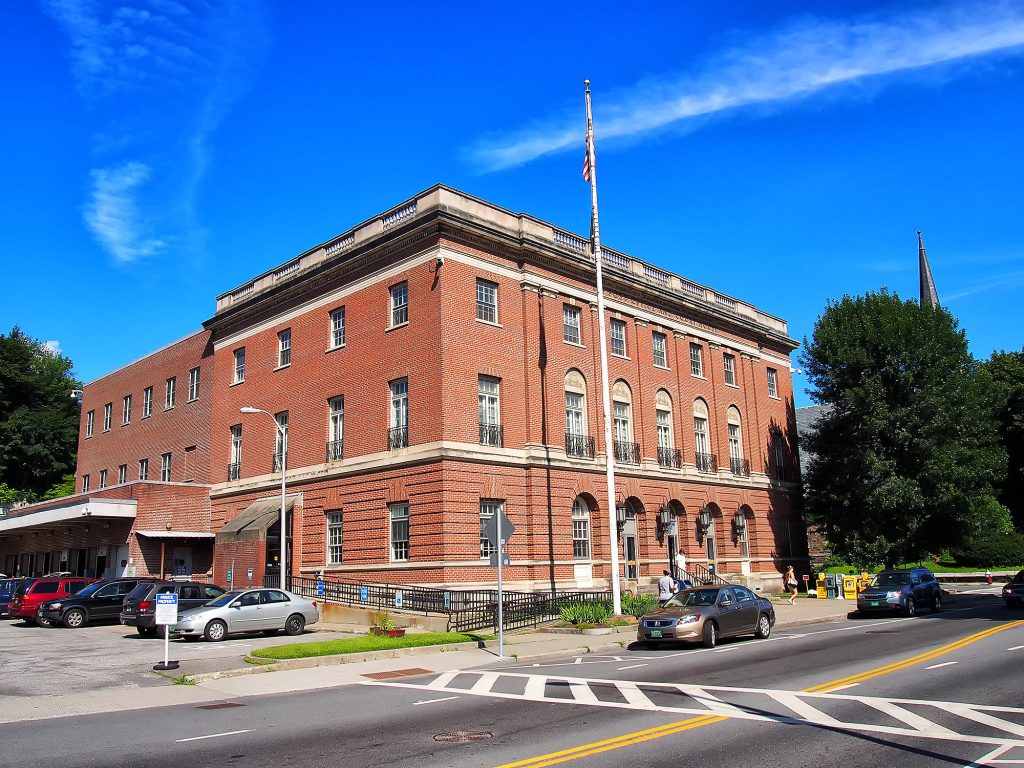
Brattleboro doesn’t just accommodate walking – it rewards it, with the kind of urban density that creates genuinely interesting streetscapes and the steady stream of foot traffic that keeps local businesses thriving instead of merely surviving. Main Street slopes downhill toward the Connecticut River, lined with businesses that range from practical (hardware store, pharmacy) to cultural (bookshop, galleries, performance venues).
And the residential neighborhoods that climb the surrounding hills maintain close enough proximity to downtown that walking remains the default option for most errands, creating the kind of pedestrian activity that makes streets feel alive rather than empty. So you develop the habit of combining multiple stops into single walking trips – post office, then library, then grocery store, then coffee shop – not because you’re trying to be efficient but because that’s simply how the geography encourages you to move through town.
The presence of multiple bridges across the river connects different neighborhoods without creating car-dependent chokepoints, which means walkability extends beyond just the immediate downtown core.
Exeter, New Hampshire
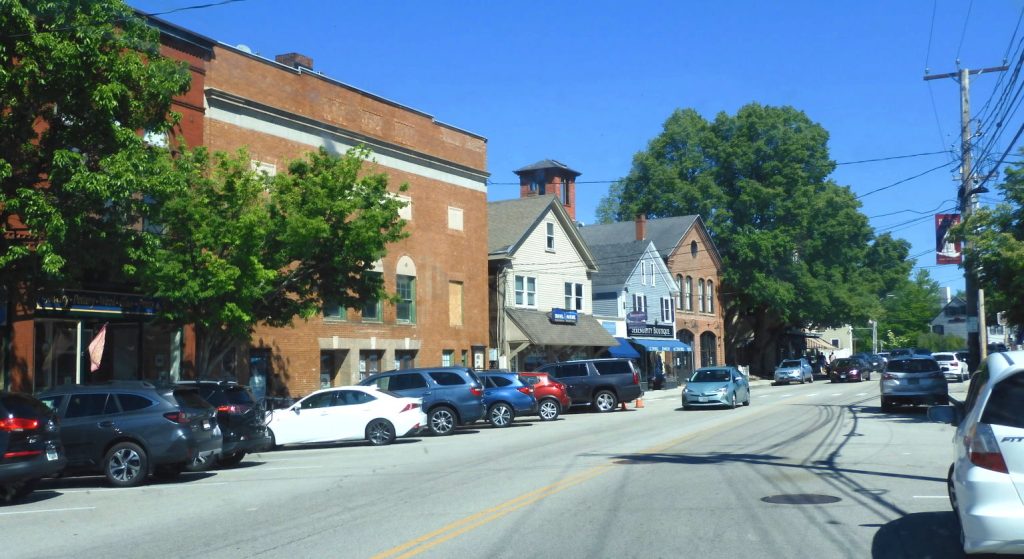
Phillips Exeter Academy could have turned this into another isolated college town, but Exeter avoided that trap by maintaining genuine integration between campus and community. Water Street contains practical businesses that serve residents and students equally: a bookstore, a pharmacy, restaurants, and coffee shops.
The Squamscott River runs through the center without creating barriers, thanks to pedestrian-friendly bridges and riverside paths. Neighborhoods extend outward from this core in walkable increments rather than car-dependent subdivisions.
Where Feet Meet the Future
These towns prove that walkability isn’t about giving up convenience or settling for less. It’s about rediscovering what convenience actually means when everything you need sits within a pleasant stroll of your front door.
No hunting for parking spaces, no calculating gas money, no sitting in traffic while life passes by outside your windshield. The people who live in these places don’t talk much about their car-free lifestyle because it doesn’t feel like a lifestyle choice – it just feels like the obvious way to organize daily life.
They walk to work, walk to dinner, walk to the library, and somehow find time for conversations that never happen when everyone’s sealed inside vehicles. Maybe that’s the real secret these towns have unlocked: not just the ability to walk everywhere, but the reminder that getting there can be just as valuable as arriving.
More from Travel Pug

- Underrated Italian Towns That Beat the Tourist Crowds
- Las Vegas Tourist Traps to Skip
- Prettiest Towns in Every US State
- 18 passport-free countries for Americans
- Signs Your Cruise Is Not Worth The Cost
Like Travel Pug’s content? Follow us on MSN.