

Choosing between a river cruise and an ocean cruise feels like comparing intimate dinners to grand celebrations. Both offer their own rewards, but the experiences couldn’t be more different.
River cruises wind through the heart of continents, docking practically in town squares, while ocean vessels sweep you across vast waters to distant shores. The ships themselves tell the story — one prioritizes panoramic windows and understated elegance, the other boasts multiple decks of entertainment and endless dining options.
Ship size

River cruise ships carry 100 to 200 passengers. Ocean ships pack in thousands.
The difference shapes everything else that follows.
Itinerary style
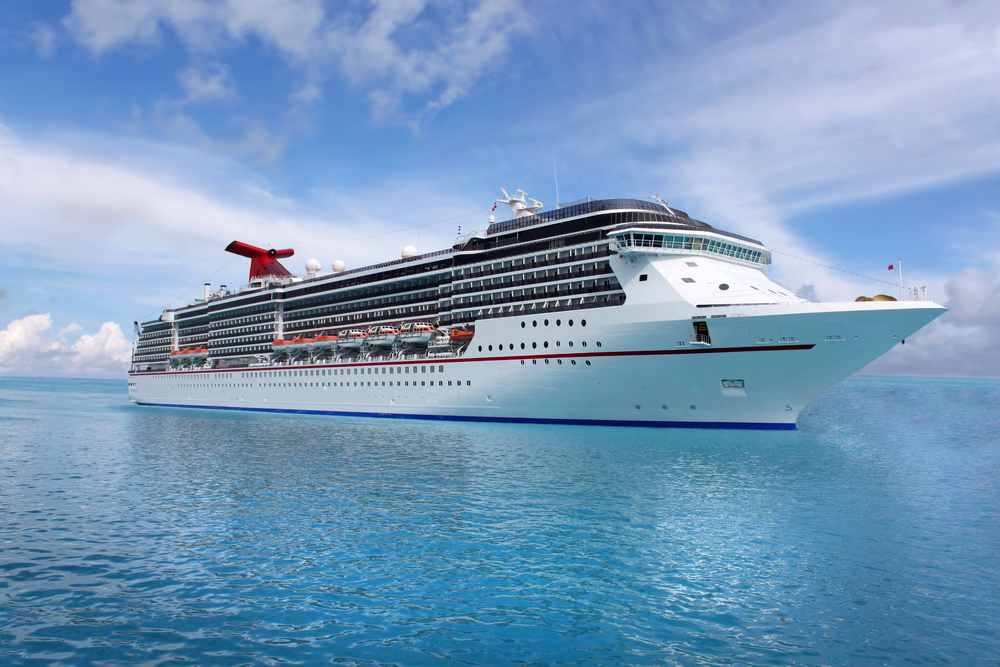
River cruises (and here’s where the appeal becomes obvious to anyone who’s ever spent half a vacation day just getting oriented) dock right in the center of cities, sometimes steps from the main cathedral or market square. Ocean cruises require shuttle buses, taxi rides, or port towns that exist primarily to serve cruise passengers — which is fine, but it’s a different thing entirely.
So you’re either walking off the ship into Vienna’s old quarter, or you’re walking off the ship into a purpose-built shopping district that could be anywhere.
River itineraries move through a single region with cultural threads connecting each stop, while ocean cruises often hopscotch between entirely different countries and cultures. And yet both approaches have their devotees, because sometimes you want depth and sometimes you want breadth, and there’s no arguing with personal preference when it comes to how you prefer your horizons served.
Onboard entertainment
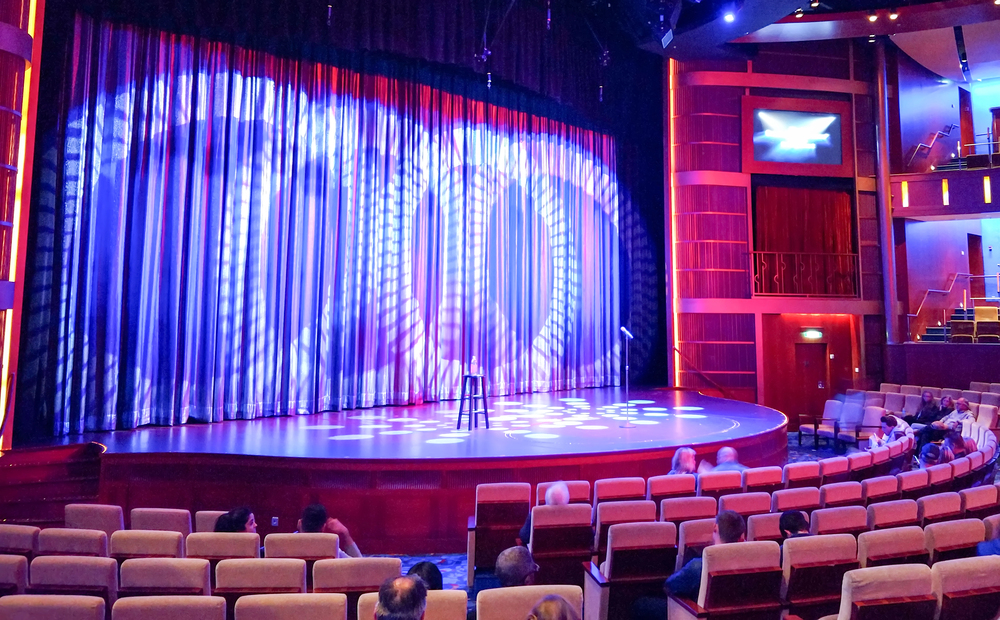
River ships don’t have Broadway shows, casinos, or rock-climbing walls. Evening entertainment consists of local musicians, cultural presentations, or conversation in the lounge while the countryside drifts past.
It’s the difference between a hotel lobby that invites lingering and one that moves you through quickly.
Ocean ships operate as floating resorts where the ship itself becomes the destination. Multiple restaurants, comedy clubs, dance floors, pools, and enough organized activities to fill several vacations.
River ships assume the real attraction lies outside the windows.
Dining experience

River cruises typically offer one main dining room with regionally inspired menus that change as you move through different areas. Breakfast might feature local pastries in France, hearty selections in Germany.
The approach feels curated rather than abundant.
Ocean cruises present multiple dining venues — steakhouses, sushi bars, casual grills, formal dining rooms, room service, and specialty restaurants that require reservations. Abundance over curation, choice over theme.
Cabin configuration
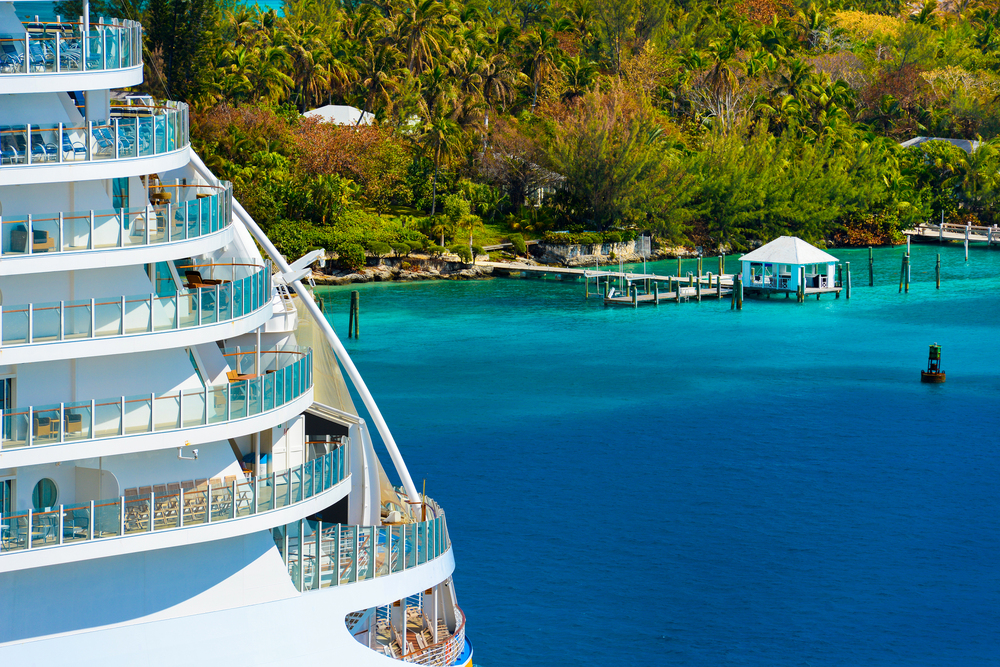
River cruise cabins are smaller but designed with floor-to-ceiling windows or French balconies that slide open. The focus shifts outward toward the passing scenery rather than inward toward cabin amenities.
Ocean cabins range from interior staterooms with no windows to massive suites with private balconies. But even the balcony cabins look out onto water and sky rather than medieval castles or vineyard terraces.
Passenger demographics
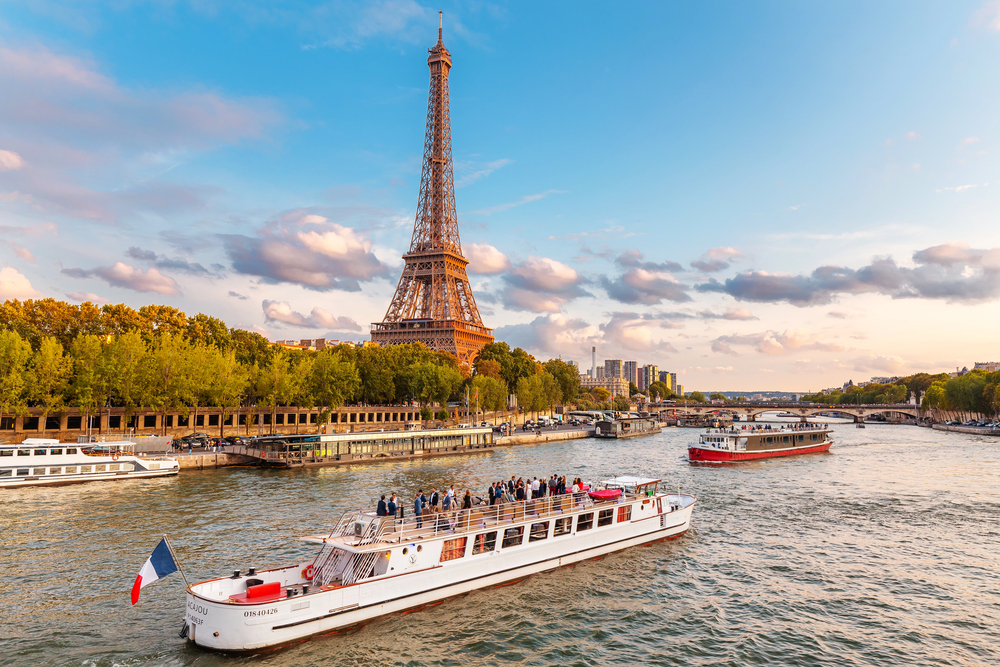
River cruises draw an older, more sedate crowd interested in history, culture, and scenic beauty. Ocean cruises attract all ages and energy levels, from young families to retirees, party-seekers to relaxation-focused travelers (though certain cruise lines skew heavily toward specific demographics, which any travel agent worth consulting will explain in detail).
The vibe on a river ship leans toward quiet appreciation, while ocean ships can pulse with activity or settle into peaceful retreat depending on where you position yourself.
But this creates its own dynamic: river cruise passengers tend to form closer connections since the smaller group encounters each other repeatedly, while ocean cruise passengers can disappear into the crowd if they prefer anonymity.
Weather dependence
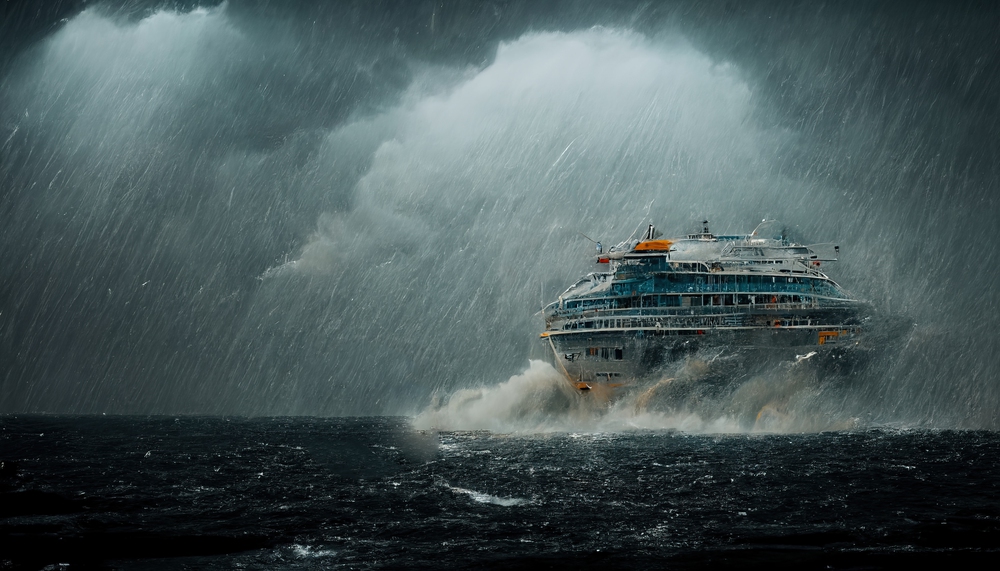
Rivers freeze in winter. Ocean ships sail year-round to different regions, chasing favorable weather patterns.
River cruise seasons are shorter but more predictable within those windows.
Seasickness factor
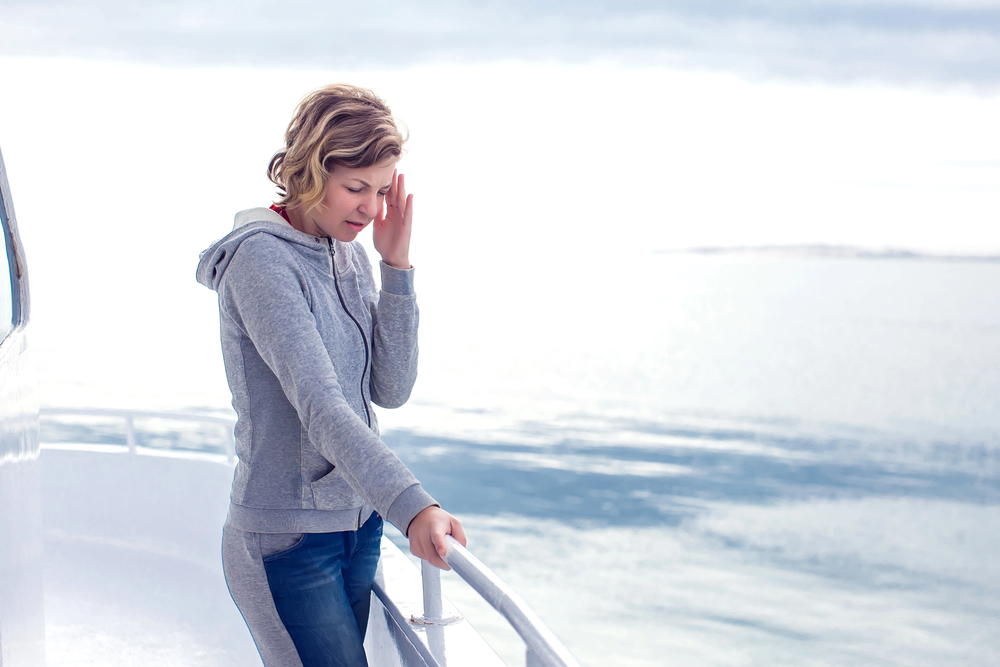
Rivers don’t generate the motion that sends people reaching for Dramamine. Ocean cruises can encounter rough seas, though modern stabilization systems minimize the problem on larger ships.
Still, sensitive stomachs prefer rivers.
Port time

River cruises often dock overnight, allowing for dinner ashore or evening strolls through illuminated historic districts. Ocean cruises typically offer 8 to 12 hours in port before departing for the next destination.
This difference changes how you experience each place. Rivers encourage deeper exploration and local interaction.
Ocean ports often feel rushed, focused on hitting the major highlights before returning to the ship.
Dress code

River cruises maintain a relaxed dress code throughout. Casual clothing works for most occasions, with only slight elevation expected for dinner (think nice slacks rather than shorts, but nothing approaching formal wear).
Ocean cruises often maintain formal nights requiring suits and cocktail dresses, along with casual and smart-casual designations for different venues and times. The variety matches the ship’s complexity.
Activities and excursions
River cruise excursions focus on cultural immersion — walking tours through old towns, visits to local markets, wine tastings at family vineyards, or bicycle rides along towpaths. The pace allows for deeper engagement with fewer attractions.
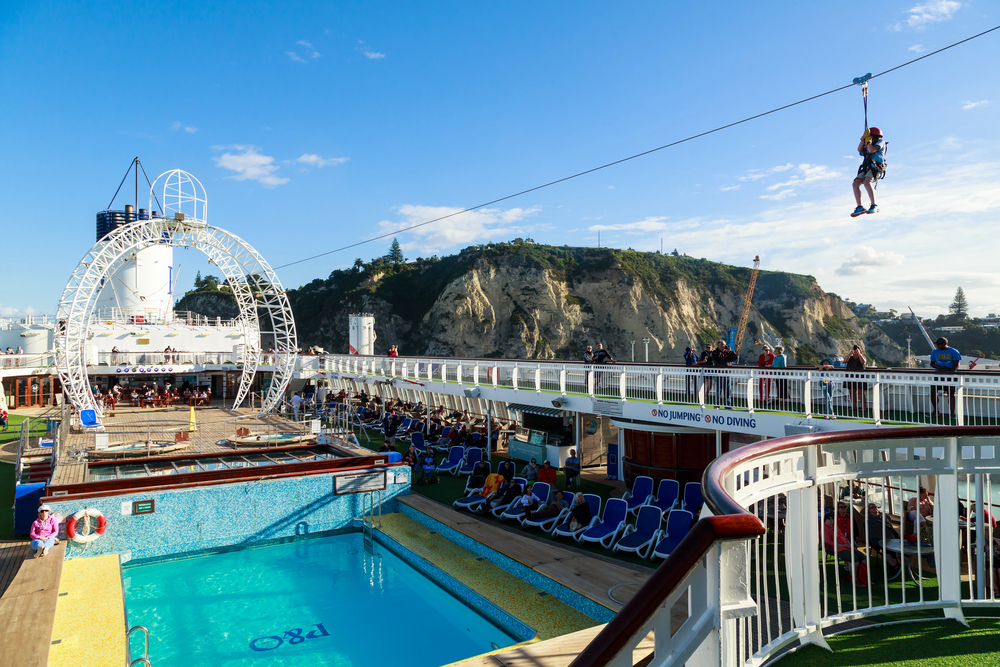
Ocean cruise excursions often emphasize efficiency and broad appeal — bus tours hitting multiple highlights, beach breaks, shopping expeditions, or adventure activities like snorkeling and zip-lining. The goal shifts toward maximizing variety within limited port time.
Scenic views
Rivers offer constantly changing landscapes visible from every public area and most cabins. Castles appear around bends, vineyard terraces climb hillsides, historic towns materialize as you approach.
The scenery provides continuous entertainment.
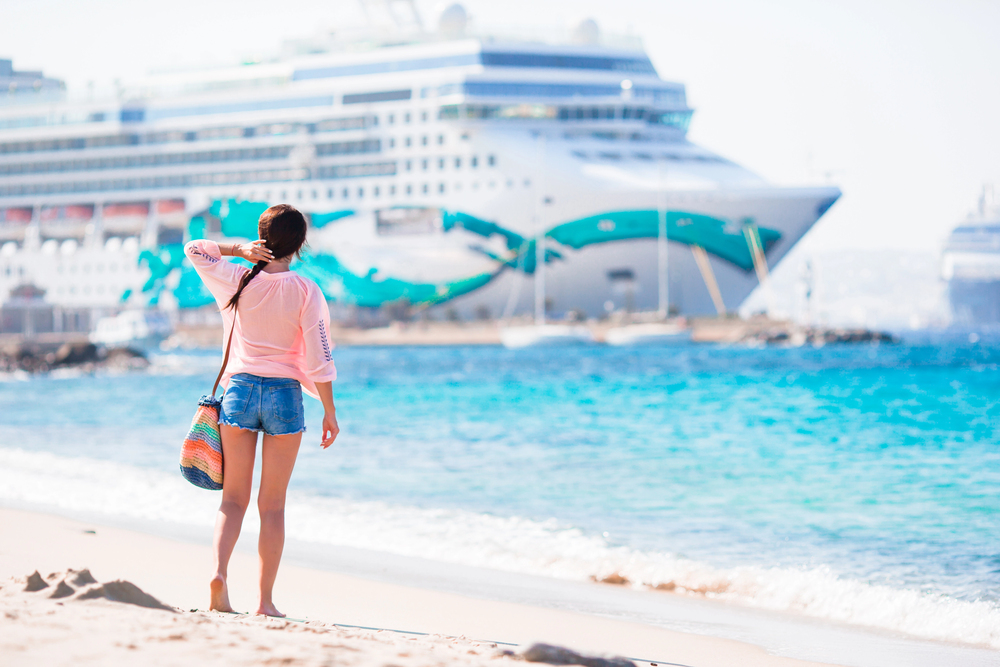
Ocean views emphasize the horizon, sunrise and sunset, and the drama of open water. Beautiful, but consistent.
The entertainment comes from onboard activities rather than passing sights.
Cost structure

River cruises typically include more elements in the base price — meals, some excursions, wine with dinner — but command higher per-day rates. Ocean cruises offer lower base prices but charge separately for many services, making final costs harder to predict.
The river cruise model assumes you want simplicity and inclusions. Ocean cruises assume you want choice and control over expenses.
Both philosophies work, but they appeal to different spending preferences and planning styles.
Booking flexibility

Ocean cruises offer numerous cabin categories, dining packages, beverage plans, and activity bundles that can be customized or changed. River cruises present fewer variables but less flexibility to modify your experience once booked.
The heart of the matter
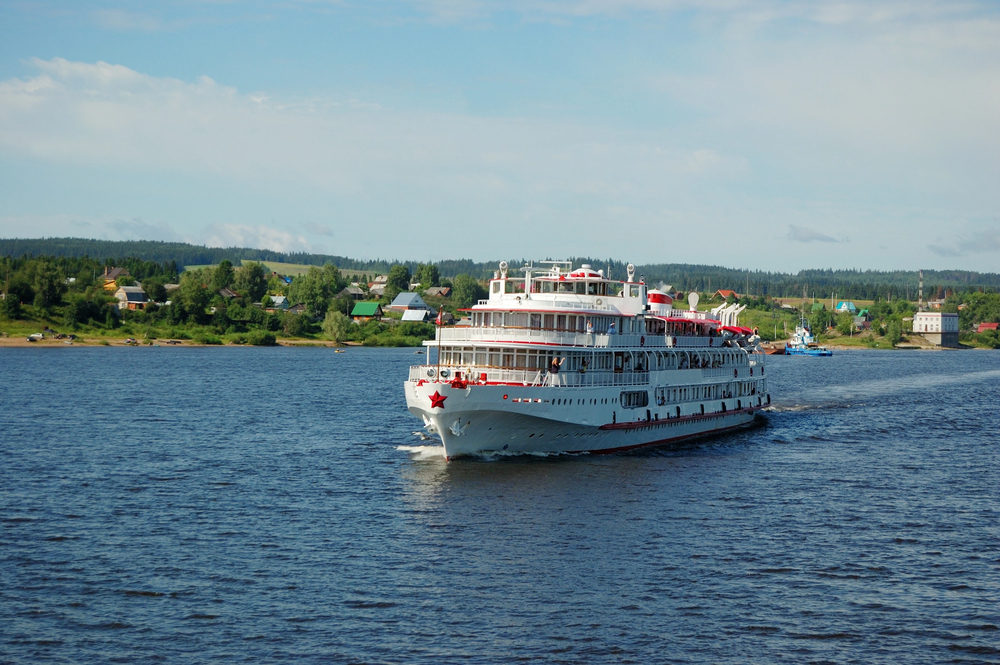
Choosing between rivers and oceans comes down to what draws you toward the water in the first place. Rivers whisper stories of the places they flow through, carrying you gently into the heart of cultures that developed along their banks over centuries.
Oceans speak of vastness and possibility, of the romance inherent in crossing great distances to discover what lies beyond familiar shores. Both carry you away from ordinary life, just in completely different directions.
More from Travel Pug

- Underrated Italian Towns That Beat the Tourist Crowds
- Las Vegas Tourist Traps to Skip
- Prettiest Towns in Every US State
- 18 passport-free countries for Americans
- Signs Your Cruise Is Not Worth The Cost
Like Travel Pug’s content? Follow us on MSN.