

Picture this: places on Earth where humans are either completely absent or so outnumbered they might as well be invisible. These aren’t zoos or nature preserves with carefully managed populations.
These are wild, remote islands where animals have claimed total dominion, creating their own rules and ecosystems without any human interference. Some of these places will surprise you with their strange beauty, others with the sheer audacity of the creatures that call them home.
Macquarie Island

Elephant seals don’t ask permission. They haul themselves onto Macquarie Island’s beaches in numbers that defy comprehension — thousands of them sprawling across the shoreline like living boulders, each weighing up to 8,000 pounds.
The bulls fight with a violence that’s both terrifying and mesmerizing.
King penguins waddle between them with the confidence of landlords. Over 850,000 breeding pairs nest here.
The noise is extraordinary.
Rathlin Island

Puffins are notably unbothered by their own ridiculousness. Rathlin Island hosts over 250,000 of them during breeding season, and they’ve turned the cliffs into a bustling metropolis of burrows and constant chatter.
Their orange beaks glow against the gray rock like traffic cones.
Seals lounge on the rocks below, occasionally glancing up at the circus above with what appears to be mild amusement.
Christmas Island

Migration, when you really think about it, is one of nature’s most audacious acts — the decision to abandon everything familiar and trust that somewhere else exists. But Christmas Island’s red crabs don’t just migrate; they stage what can only be described as a mass migration of the entire landmass.
Forty million of them emerge from the forest simultaneously, a crimson tide that flows over roads, through towns, and down to the sea with the determination of something that has never questioned its right to exist. And watching this unfold, you realize that certainty like that — the kind that moves mountains, or at least stops traffic indefinitely — might be the closest thing to magic the natural world offers.
The crabs don’t navigate around human infrastructure. They flow over it, through it, across it.
Cars stop. People wait.
The crabs continue, indifferent to everything except the ancient pull toward the ocean.
Seal Island

Seal Island operates under a simple rule: size matters, and great whites have figured this out better than anyone else. These waters contain the densest population of great white sharks on the planet, and they’ve turned seal hunting into performance art.
The breaches are legendary — 3,000-pound sharks launching themselves completely out of the water with a precision that makes missile launches look clumsy.
The seals, to their credit, have developed impressive evasion tactics. Most of the time, anyway.
Sable Island

The horses of Sable Island live in a place that barely qualifies as land — a crescent of sand 300 kilometers from Nova Scotia that shifts and changes with every storm. Yet these 500 wild horses have adapted to this precarious existence with a stubbornness that borders on the philosophical (which is saying something for a species already famous for being stubborn).
No trees grow here. The horses eat beach grass and marram grass, drink from freshwater ponds, and somehow thrive on what amounts to a sandbar in the North Atlantic.
They’ve been doing this for over 250 years without any human intervention whatsoever.
Pig Beach

Swimming pigs shouldn’t exist, but here they are anyway. Big Major Cay, better known as Pig Beach, hosts a population of feral pigs that have learned to swim out to boats and beg for food with the enthusiasm of oversized, pink water dogs.
Nobody knows exactly how they got there — theories range from shipwreck survivors to deliberate abandonment by sailors.
The pigs have claimed the beaches as their personal resort. They swim, they sunbathe, they investigate every boat that approaches.
Paradise, apparently, looks different depending on your species.
Bird Island

The name lacks imagination, but the reality is overwhelming in the best possible way. Bird Island, off the coast of South Africa, pulses with life — gannets, cormorants, and penguins packed so densely that the ground disappears beneath them.
The air thrums with wings and calls, a constant symphony of takeoffs and landings that never quite settles into silence.
Each species has claimed its territory with the precision of city planners, yet somehow it all works. The gannets take the high cliffs, the penguins waddle along the beaches, and the cormorants fish the waters between.
Organized chaos at its finest.
Rabbit Island

Okunoshima has a complex history that contrasts with its present-day appeal, though the rabbits themselves remain blissfully unaware of the narrative arc they’ve inherited. This small Japanese island once housed a chemical weapons facility during World War II — a history that locals prefer not to discuss in detail.
But whatever happened to the rabbits that were allegedly used for testing (and this part gets murky, depending on who’s telling the story), their descendants have transformed the place into something that feels more like a fairytale than a memorial. Hundreds of wild rabbits now hop freely across an island where visitors come to feed them and take pictures, creating this strange dissonance between historical gravity and present-day whimsy.
So the rabbits have managed what humans rarely do: they’ve rewritten a place’s story completely.
The rabbits approach visitors with zero fear and maximum expectation of food. They’ve learned that humans equal snacks, and they’re not shy about making their preferences known.
Snake Island

Ilha da Queimada Grande earned its nickname honestly: it contains one of the world’s most concentrated snake populations. Golden lancehead vipers live here exclusively — nowhere else on Earth — and they’ve evolved to be significantly more venomous than their mainland cousins.
The Brazilian government restricts access for obvious reasons.
The snakes don’t compete with any mammals here. They’ve specialized in catching migrating birds, striking with precision that would make a Swiss watchmaker jealous.
It’s a perfect ecosystem, assuming you appreciate deadly efficiency.
Rat Island

Rats nearly destroyed this place, which makes the current situation particularly satisfying. The Aleutian island was overrun with invasive rats for decades until a massive eradication effort in 2008 cleared them out completely.
Now it belongs to the birds again — puffins, auklets, and petrels have returned in numbers that suggest they never forgot this was supposed to be home.
The transformation has been remarkable. Vegetation is recovering, seabirds are nesting again, and the entire ecosystem is rebuilding itself from the ground up.
Sometimes the good guys win.
Monkey Island

Cayo Santiago operates as the world’s largest rhesus macaque research colony, but don’t let the scientific designation fool you — the monkeys run this show entirely on their own terms. Roughly 1,000 of them inhabit this Puerto Rican island, and they’ve developed a complex social structure that researchers are still trying to decode.
The macaques have their own politics, their own hierarchies, and their own rules about territory that have nothing to do with human expectations.
Humans aren’t allowed to stay overnight. The monkeys, apparently, prefer their privacy after business hours.
Cat Island
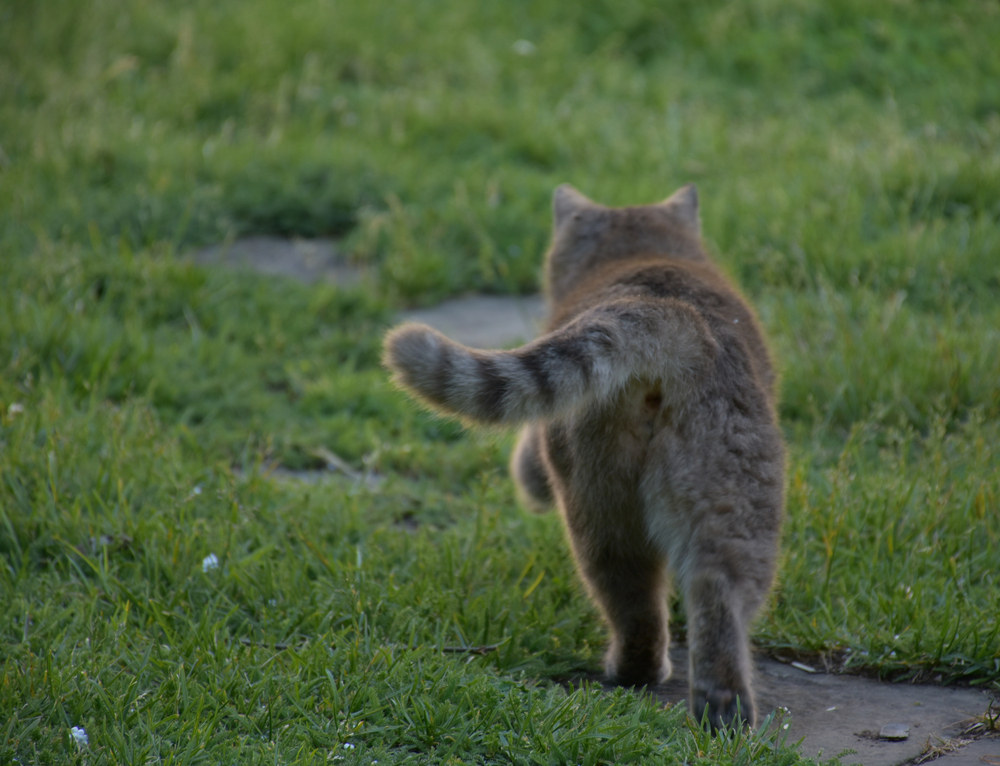
Japan’s Tashirojima takes cat worship to its logical conclusion. The human population hovers around 100, mostly elderly fishermen, while cats number in the hundreds.
The cats originally came to control mice that were eating silkworms, but they’ve long since evolved beyond mere pest control into full island management.
The cats have shrines dedicated to them. They determine which areas of the island get used for what purposes.
Dogs are banned entirely — this is feline territory, and the rules are clear.
Goat Island
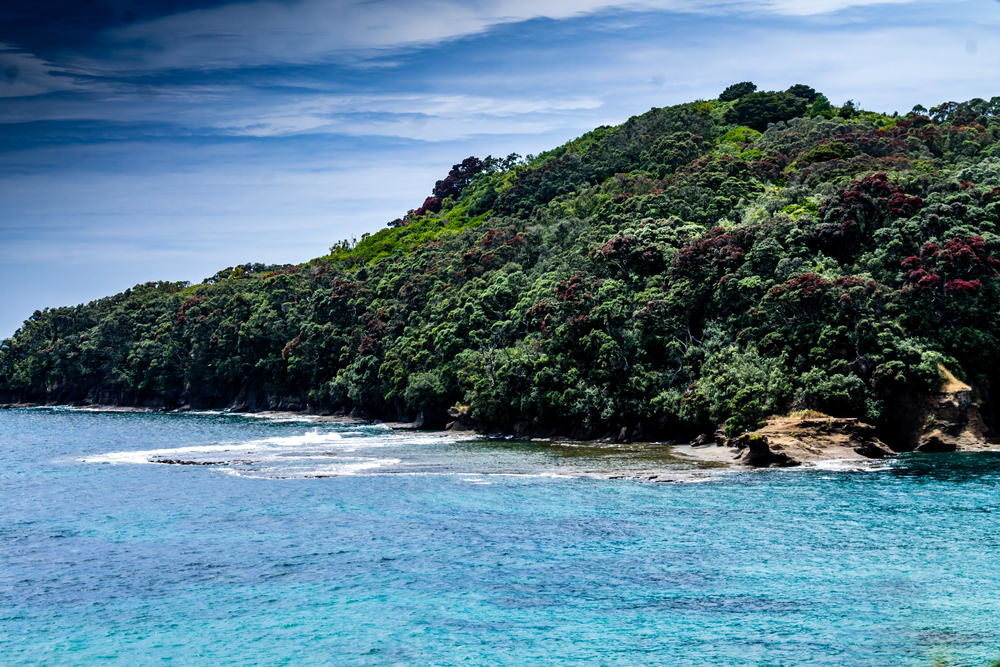
Isolation does strange things to evolution, and the goats of San Clemente Island prove this better than most textbook examples. Cut off from mainland populations for decades, they developed into their own distinct breed with characteristics that mainland goats simply don’t possess.
They became smaller, hardier, and remarkably adapted to the island’s harsh conditions.
The U.S. Navy eventually removed most of them to protect native vegetation, but a small population was preserved.
These goats had essentially become their own subspecies through sheer geographical stubbornness.
Skomer Island

Puffins return to Skomer with the reliability of a Swiss train schedule, except more colorful and significantly more charming. Half of Britain’s entire puffin population nests here during breeding season — over 40,000 pairs that transform the clifftops into a bustling city of burrows, chatter, and constant aerial traffic.
The puffins show up in April, raise their young, and disappear by August. During those months, they own the island completely.
Seals hang around the edges like respectful neighbors.
Aldabra Atoll
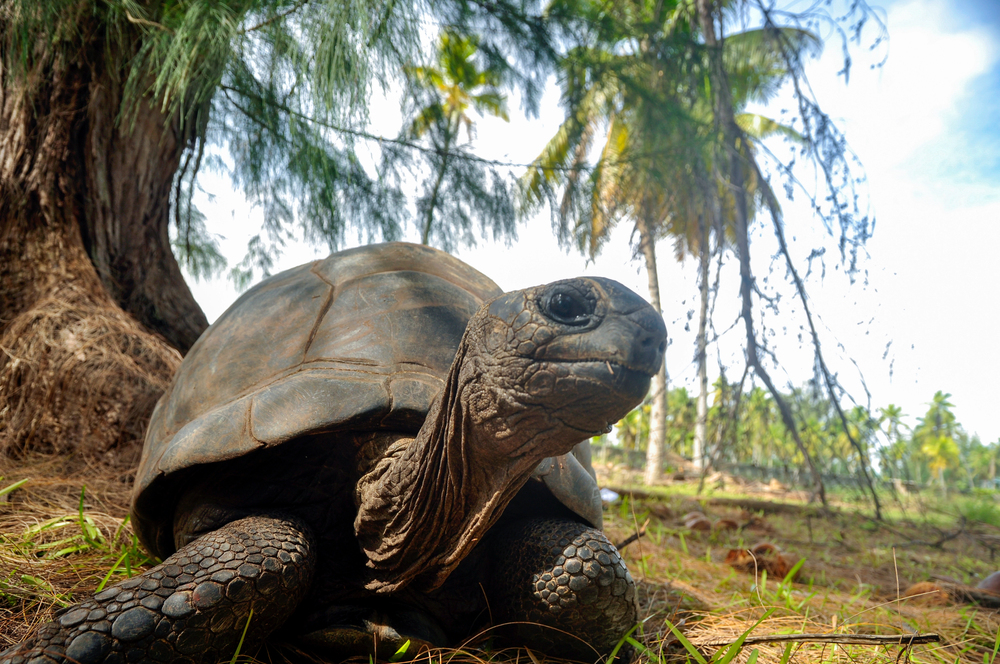
Giant tortoises move through Aldabra like living monuments to persistence. Over 100,000 of them inhabit this remote atoll in the Seychelles — the largest population of giant tortoises left on Earth.
Some individuals are over 200 years old, which means they’ve been slowly wandering these same paths since before the American Civil War.
The tortoises have shaped the entire landscape through centuries of grazing and trampling. They’ve created their own trails, their own clearings, their own version of what an island should look like.
Time moves differently when you’re built to last centuries.
Where the wild things actually are

These islands remind you that human dominion over the planet isn’t nearly as complete as it sometimes appears. In these remote corners of the world, other species have written their own rules, claimed their own territories, and built their own societies without asking anyone’s permission.
They’ve created places where being human grants you no special privileges — where you’re either welcome as a visitor or not welcome at all, depending entirely on the mood and policies of the actual residents.
More from Travel Pug

- Underrated Italian Towns That Beat the Tourist Crowds
- Las Vegas Tourist Traps to Skip
- Prettiest Towns in Every US State
- 18 passport-free countries for Americans
- Signs Your Cruise Is Not Worth The Cost
Like Travel Pug’s content? Follow us on MSN.