

There’s something almost absurd about building land where none existed before. Humans have been reshaping coastlines for centuries, but the scale of modern artificial islands feels different — ambitious in a way that borders on audacious.
These projects represent more than engineering feats; they’re declarations that geography is negotiable, that the boundary between sea and shore can be redrawn with enough concrete and determination.
Flevopolder
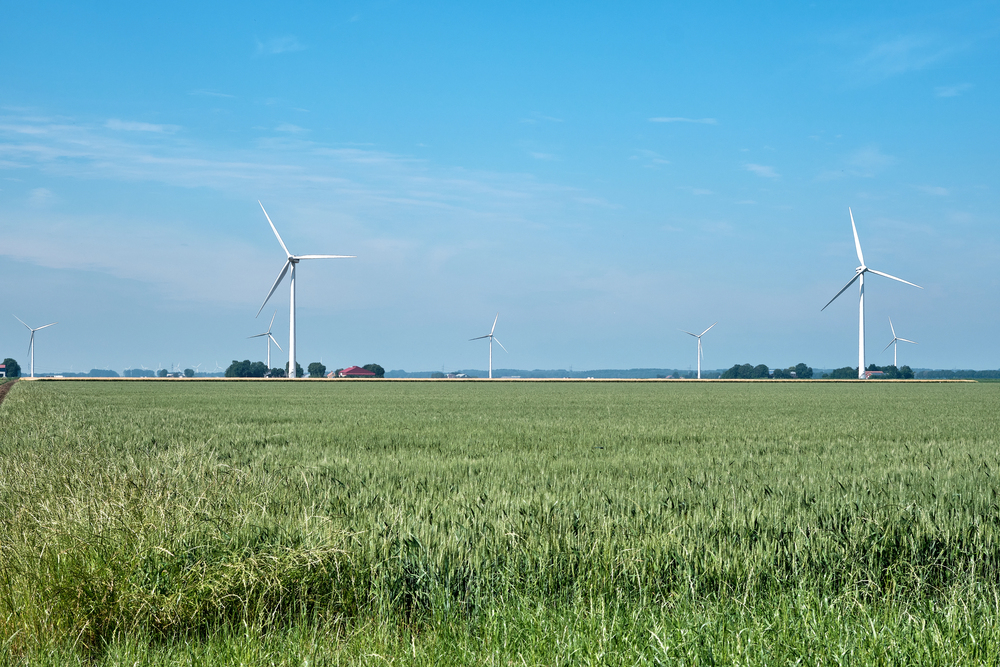
Flevopolder isn’t trying to impress anyone. It’s just there, quiet and functional, covering 970 square kilometers of what used to be the Zuiderzee.
The Dutch drained it in 1968 and got on with their lives. No palm trees, no luxury resorts — just farmland and a few towns where people go about their business on land that fish once called home.
Kansai International Airport
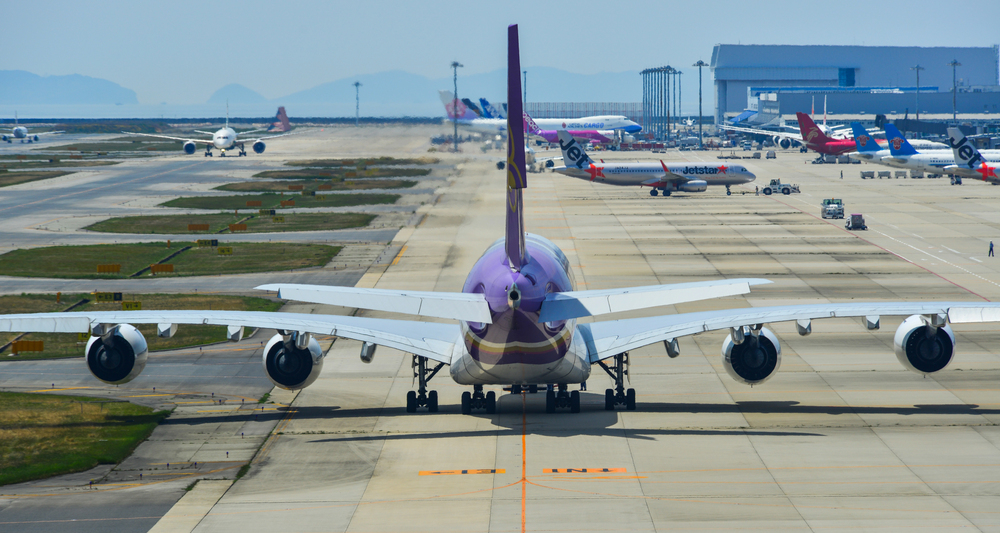
The thing about building an airport on water (and the second thing about making it massive at 1,270 hectares) is that you better get the engineering right, because planes don’t negotiate with sinking runways — and Kansai has been sinking since day one, though at a rate that engineers find manageable rather than alarming. So they keep adjusting, similar to ongoing calibration that never quite holds its pitch, except this guitar costs $20 billion and handles 28 million passengers a year, which makes the metaphor feel inadequate but the daily reality of constant micro-adjustments oddly human.
The airport works. It just requires attention.
Hong Kong International Airport
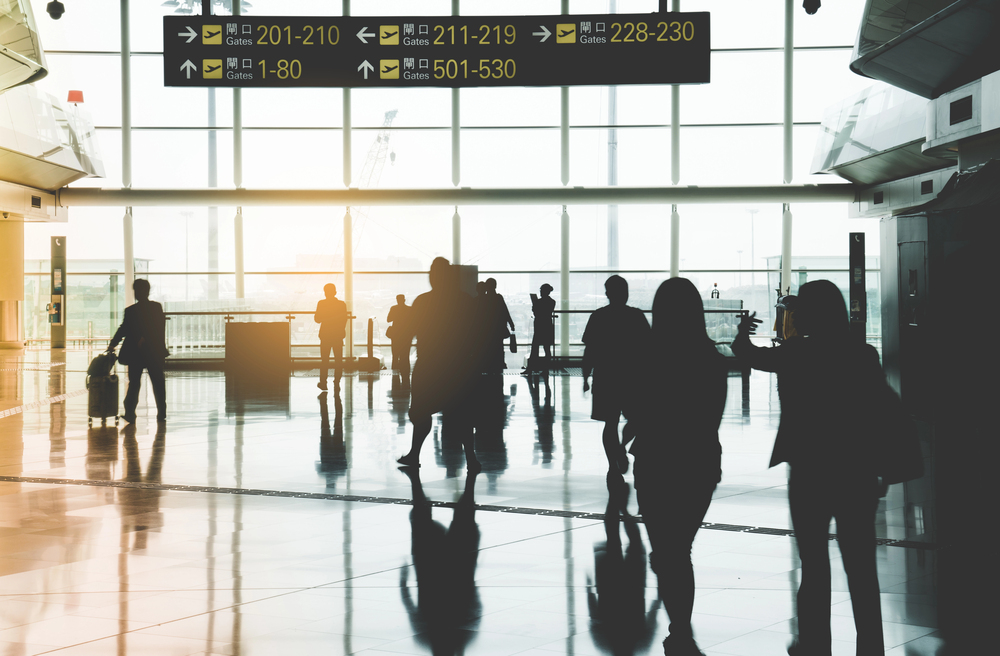
The project involved leveling two mountains just to dump them into the sea, then building an airport on top of the resulting artificial island, which sounds like the kind of project that exists mainly to prove it can be done, until you remember that Hong Kong needed the space and had both the mountains and the determination to make it happen. The metaphor writes itself: take what the landscape gives you, rearrange it to suit your needs, and call the result progress.
At 1,255 hectares, it’s less a conquest of nature than a negotiation with geography where both sides got something they needed.
The World Islands
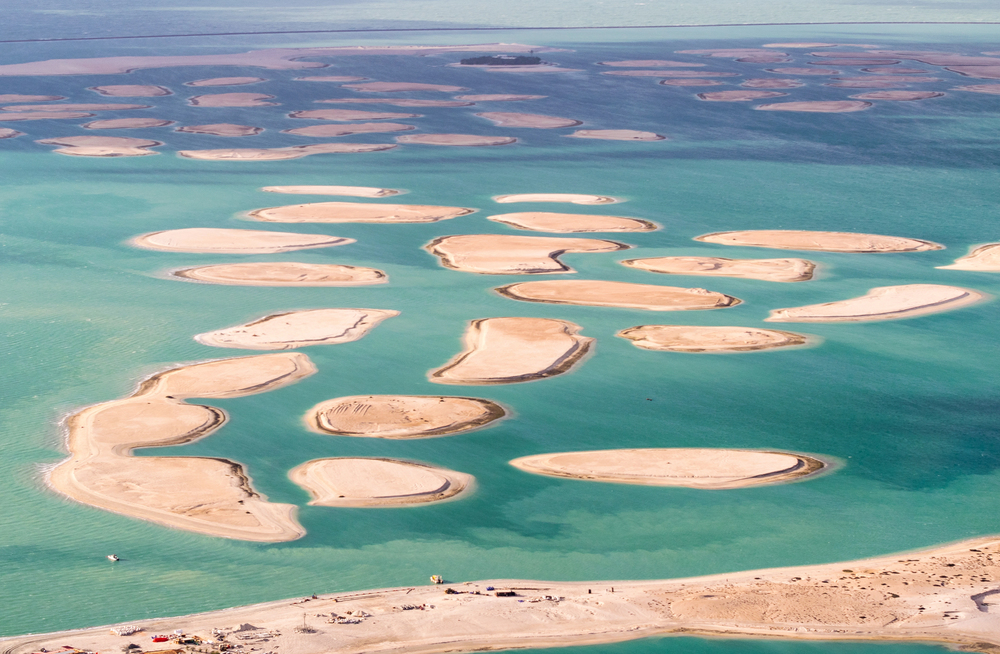
The World Islands are a monument to the kind of confidence that builds archipelagos shaped like continents because regular islands apparently lack sufficient ambition. 300 artificial islands arranged to mimic a world map, each one available for purchase by someone with enough money to own “Australia” or “North America” in miniature. The whole project feels like someone took the concept of waterfront property and ran it through a fever dream of global domination, which is either brilliant marketing or elaborate performance art disguised as real estate development.
Palm Jumeirah

Palm Jumeirah sprawls across Dubai’s coastline like a piece of biological architecture, its fronds reaching into the Persian Gulf with the kind of organic symmetry that only makes sense when you’re building an entire ecosystem from scratch and decide it should look good from space. There’s something oddly satisfying about the island’s shape — the way the trunk feeds into the fronds, the protective crescent that wraps around it all like cupped hands.
And the thing works, not just as engineering but as a place where people actually live, which transforms what could have been a gimmick into something closer to habitat.
So the project succeeded where others might have remained curiosities: people made it home. Built lives there, raised families, complained about traffic and celebrated birthdays and did all the ordinary things that turn artificial land into actual place, which is probably the hardest part of any ambitious construction project — not the building, but the inhabiting.
Hulhumalé

Hulhumalé exists because the Maldives ran out of room, which is the kind of problem that forces creative solutions when your entire country sits barely above sea level and your capital city has 133,000 people crammed into 5.8 square kilometers. Building a new island 188 hectares large wasn’t ambition — it was necessity with a construction budget.
The island works because it had to work, designed for actual living rather than luxury tourism, which gives it a practical character that more elaborate artificial islands sometimes lack.
Rokko Island

Rokko Island sits in Kobe Bay like a perfectly reasonable response to Japan’s chronic space shortage — 580 hectares of reclaimed land that houses businesses, residences, and a university without making a particular fuss about being artificial (though the fact that it’s connected to the mainland by a bridge that had to be rebuilt after the 1995 earthquake serves as a reminder that engineering confidence always operates within the boundaries of geological reality, and sometimes those boundaries shift unexpectedly). The island represents a particular kind of Japanese pragmatism: build what you need, build it well, and don’t assume the ground will always stay put just because you’ve claimed it from the sea.
Which turns out to be wisdom that extends beyond artificial islands into most areas of human planning, though few places make the lesson quite so literal.
Port Island

Port Island demonstrates the kind of methodical approach to land creation that treats artificial islands like infrastructure rather than spectacle. At 436 hectares, it serves Kobe’s port operations with the efficiency of something built to work rather than impress.
The island hosts everything from container terminals to medical facilities, which makes it feel less like an engineering curiosity and more like a natural extension of the city that happened to be constructed on water.
Peberholm
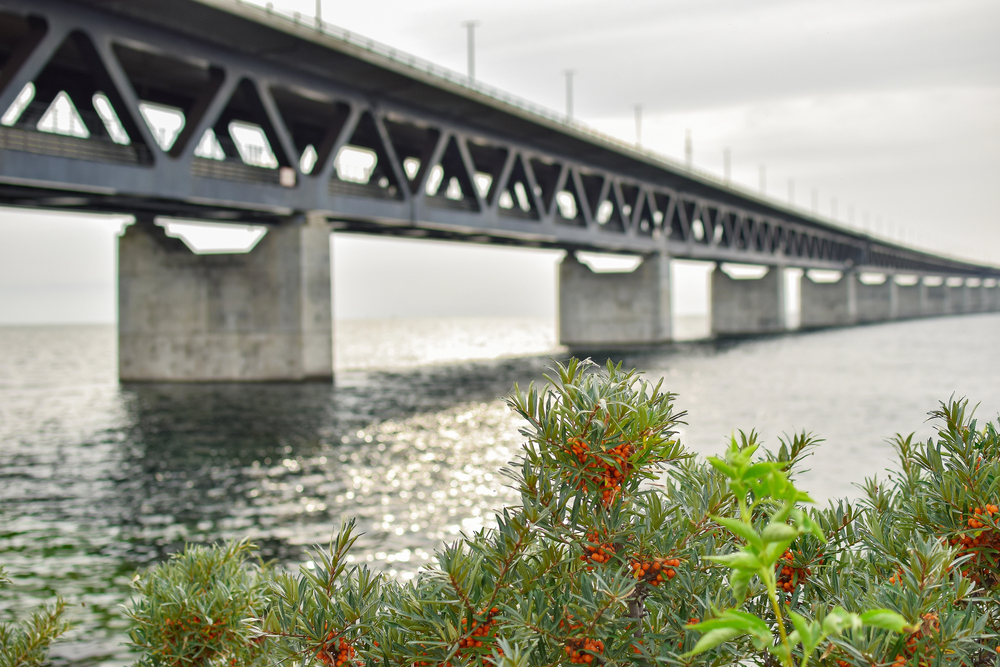
Peberholm exists for one reason: the Øresund Bridge needed somewhere to land between Denmark and Sweden, and the engineers decided to build that somewhere from scratch rather than compromise an existing ecosystem. The artificial island spans 1.3 kilometers and does its job without flourish — supporting a bridge, housing a tunnel entrance, and providing nesting space for birds that have claimed it as their own.
Sometimes the most successful projects are the ones that accomplish their purpose so completely they become invisible.
Forest City
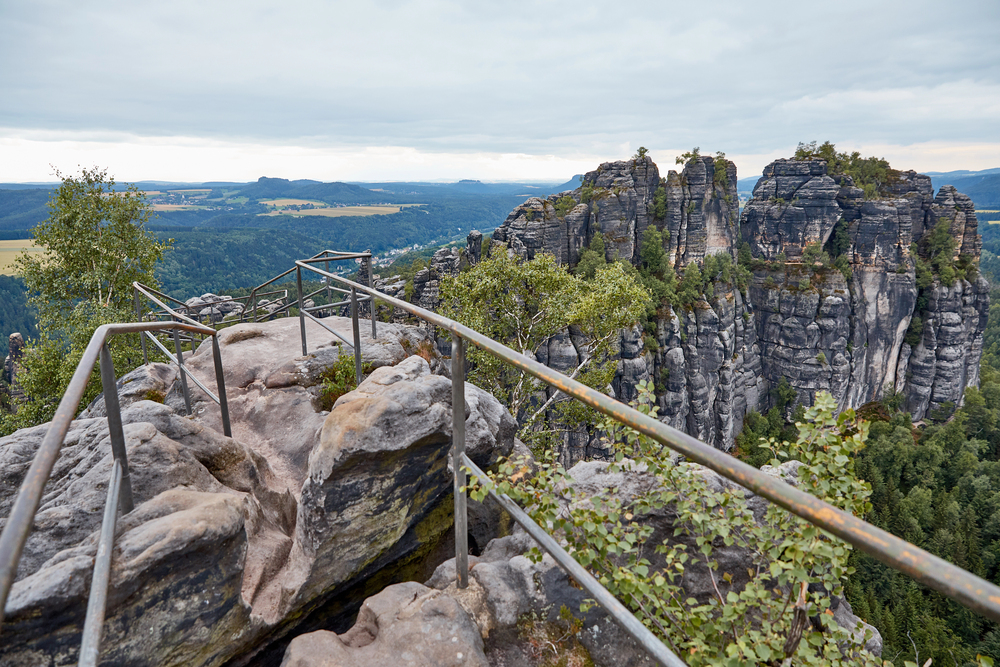
Forest City represents the kind of ambitious urban planning that builds four artificial islands off the coast of Malaysia and calls the result a smart city for 700,000 residents, though the reality has proved more complicated than the marketing suggested. The project occupies 1,386 hectares and promises vertical forests, advanced technology, and sustainable living — which sounds appealing until you consider the environmental concerns, the political tensions, and the fact that grand visions don’t always translate into livable communities.
The jury remains out on whether Forest City becomes the urban model it claims to be or a cautionary tale about building too much too fast.
Odaiba
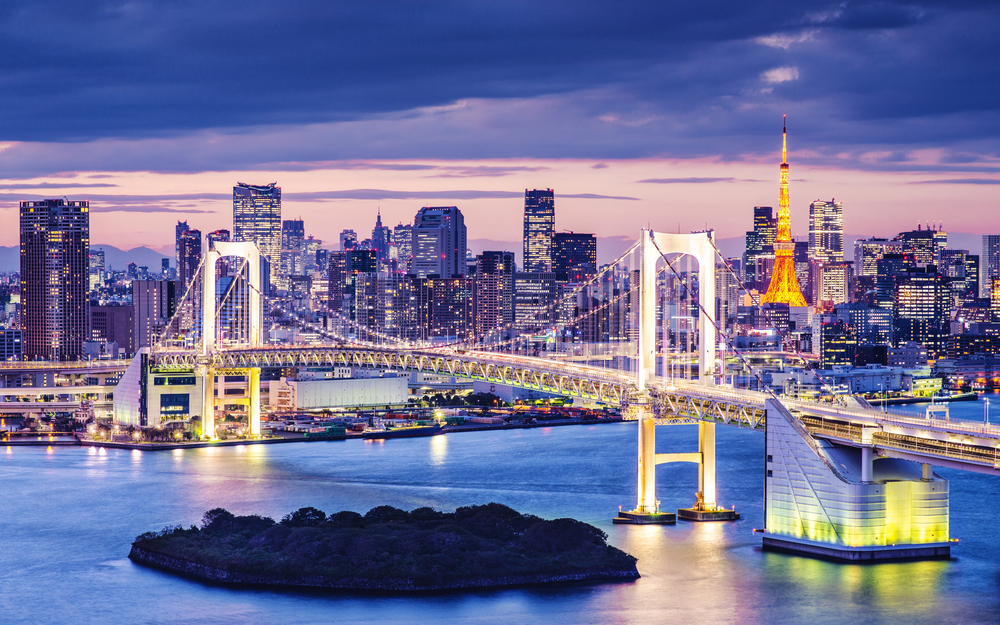
Odaiba feels like Tokyo’s attempt to create a more relaxed version of itself on artificial land in Tokyo Bay, and largely succeeds — the 442-hectare island hosts shopping malls, museums, and beaches that offer city residents something approaching a resort experience without leaving the metropolitan area (which is either ingenious urban planning or an admission that even Tokyo occasionally needs an escape from being Tokyo, though the two interpretations aren’t mutually exclusive). The island works because it doesn’t try to replace the city, just supplement it with space for activities that require more room and less intensity than central Tokyo typically provides.
So people go there to decompress, which makes Odaiba less about showing off engineering prowess and more about creating breathing room in a place that never stops moving.
Dejima
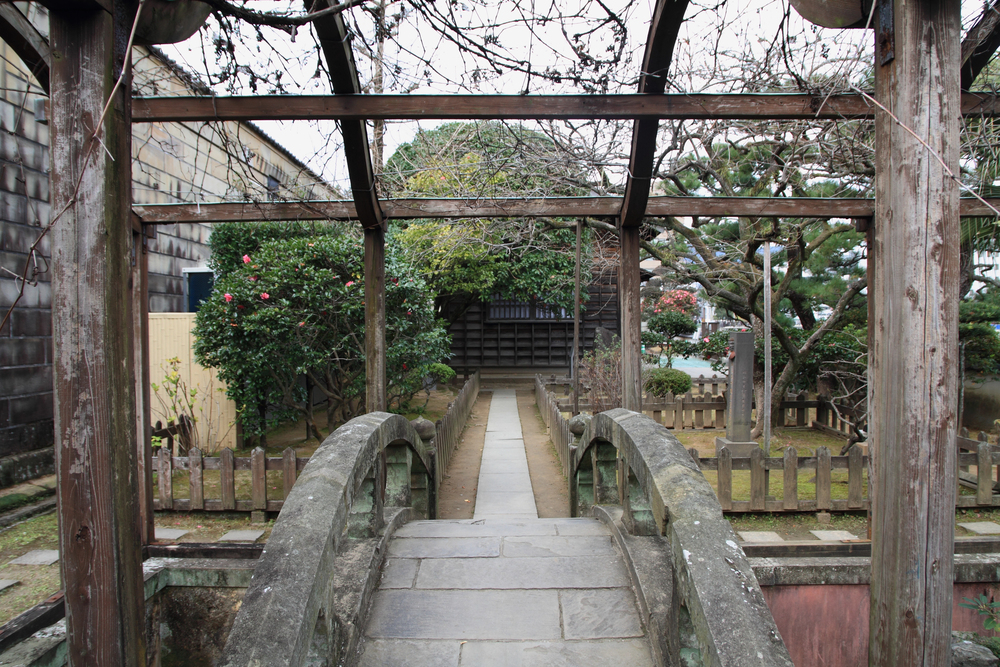
Dejima carries more historical weight than its 120 by 75-meter size suggests — this fan-shaped artificial island served as Japan’s only point of contact with the Western world for over 200 years during the country’s period of isolation. Built in 1634, it housed Dutch traders who were permitted to conduct business but not to set foot on the Japanese mainland.
The island represents a fascinating compromise: international trade conducted on artificial ground that could be controlled, monitored, and if necessary, severed from the host country. Geography as foreign policy, which feels remarkably modern for a 17th-century solution.
Burj Al Arab Island

The Burj Al Arab sits on its own small artificial island connected to Dubai’s mainland by a private bridge, which creates the kind of theatrical isolation that luxury hotels dream about but rarely achieve. At just 28 hectares, the island exists primarily to showcase a single building, yet that building has become so iconic that the artificial land beneath it feels almost incidental.
The island works as a stage set, creating the visual separation needed to make the hotel appear to rise directly from the sea.
Balboa Island

Balboa Island proves that artificial islands don’t need to be massive to be successful — this 116-hectare Newport Beach community has been hosting residents since the 1900s with the kind of quiet charm that makes its artificial origins feel irrelevant. The island operates like any other coastal neighborhood, complete with local businesses, annual traditions, and the sort of community character that develops when people have time to make a place their own.
Sometimes the best artificial islands are the ones that stop feeling artificial.
Treasure Island
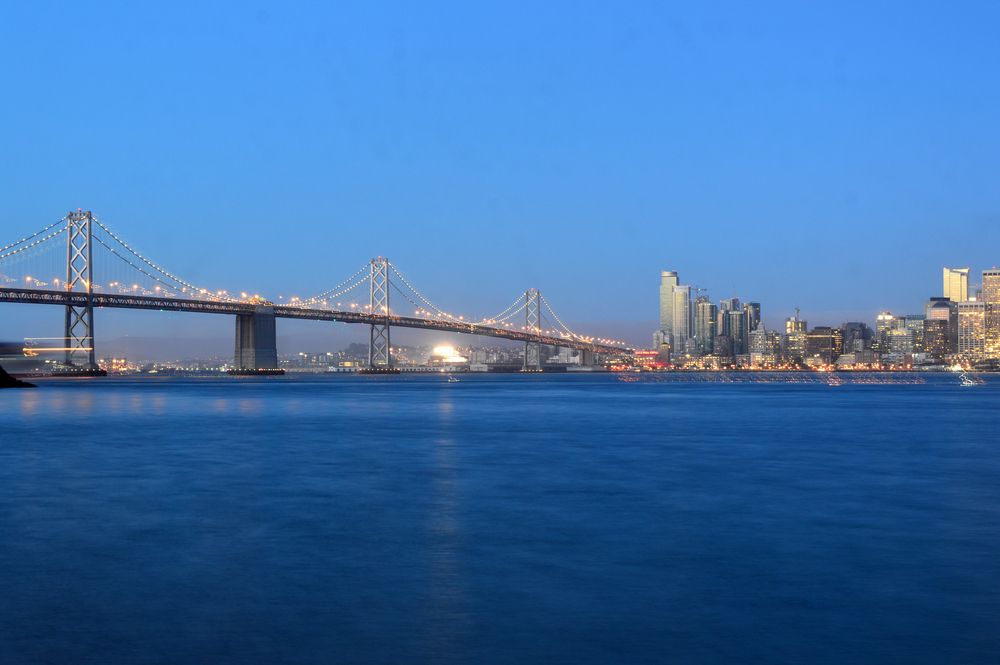
Treasure Island was built for the 1939 Golden Gate International Exposition, then spent decades serving as a naval base before reinventing itself as a San Francisco neighborhood. The 162-hectare island demonstrates the way artificial land can accumulate different purposes over time — from fairground to military installation to residential community.
It’s currently undergoing another transformation into a mixed-use development, which suggests that artificial islands might be particularly good at adaptation, their lack of geological history making them more open to reinvention than natural land that carries the weight of longer stories.
When land becomes legacy

These artificial islands represent something more than impressive construction projects. They’re experiments in human adaptation, each one testing different theories about how we might live when natural geography isn’t sufficient for our needs.
Some succeed as engineering marvels, others as actual communities where people build lives. The most interesting ones manage to be both — places that work not just as technical achievements but as home to the daily negotiations that transform artificial ground into real place.
Which might be the ultimate measure of success: not whether the engineering holds up, but whether the place becomes worth holding onto.
More from Travel Pug

- Underrated Italian Towns That Beat the Tourist Crowds
- Las Vegas Tourist Traps to Skip
- Prettiest Towns in Every US State
- 18 passport-free countries for Americans
- Signs Your Cruise Is Not Worth The Cost
Like Travel Pug’s content? Follow us on MSN.