

There’s something about the phrase “extended cruise” that either makes people lean forward with excitement or lean back in mild terror. The idea of weeks or months at sea, watching coastlines fade into endless horizons, appeals to a particular kind of traveler.
Not the hop-on, hop-off tourist rushing between ports with a checklist, but someone who wants to feel time stretch and bend the way it only can when you’re floating between destinations with nowhere urgent to be.
These marathon voyages aren’t just longer versions of typical cruises. They’re fundamentally different experiences that attract passengers looking to disappear from regular life for a while.
The longest itineraries available today can span continents, cross multiple seasons, and transform restless wanderers into people who genuinely understand what it means to live by the rhythm of the ocean.
World Cruise on Holland America Line

Holland America’s Grand World Voyage clocks in at 128 days. That’s over four months of waking up somewhere different, which sounds impossible until you’re three weeks in and realize how quickly the rhythm becomes normal.
The itinerary spans six continents and roughly 60 ports. You’ll cross the Pacific, navigate through Asia, round the southern tip of Africa, and meander through the Mediterranean before heading home.
Most passengers don’t do the full route—they hop on and off in segments that match their schedules and stamina.
Cunard’s World Voyage
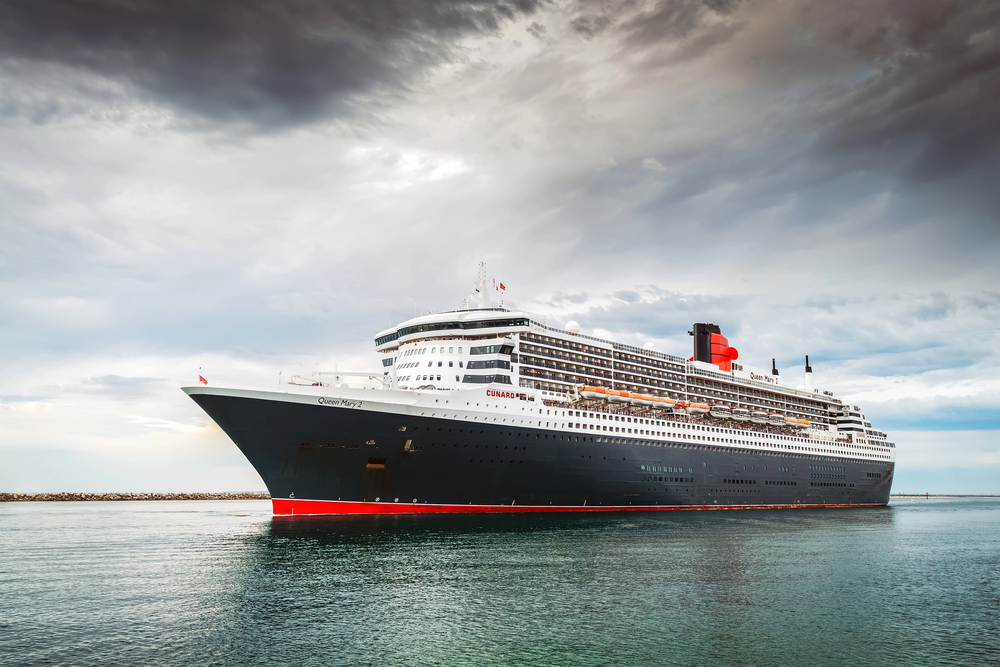
Cunard runs a 118-day world voyage that feels more like a floating university than a typical cruise. The Queen Mary 2 attracts passengers who bring books, take lectures seriously, and don’t mind formal dining becoming a nightly routine.
The route traditionally includes overnight stays in places like Sydney and Hong Kong, which gives you time to venture beyond the immediate port area. But the real appeal isn’t the destinations—it’s the peculiar community that develops when the same group of people share the same floating space for nearly four months.
Friendships form differently when you know you’ll be seeing someone at breakfast for the next 90 days.
Viking’s Ultimate World Cruise

Viking’s 245-day Ultimate World Cruise doesn’t mess around. It’s the longest continuously sailing voyage available, and booking it requires the kind of commitment usually reserved for major life decisions.
The itinerary covers all seven continents (yes, including Antarctica), visits 71 countries, and includes overnight stays in 13 cities. The ship carries just 930 passengers, so by month three, you’ll know most people’s coffee orders and life stories.
Viking includes airfare, shore excursions, and Wi-Fi, which removes some of the logistical stress but doesn’t change the fundamental reality: you’re signing up to live on a ship for eight months.
Regent Seven Seas’ Around the World Cruise
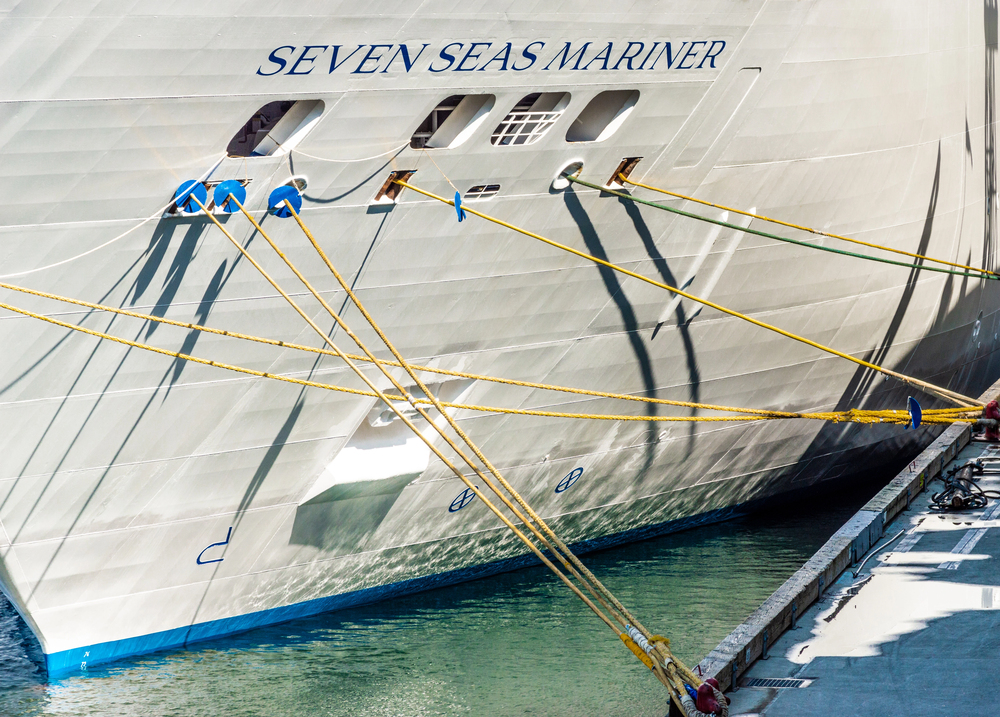
Regent’s 132-day world cruise operates on the principle that if you’re going to spend four months at sea, you might as well do it with unlimited shore excursions and an open bar. The all-inclusive approach means fewer decisions about what to do in port and fewer surprise charges appearing on your room account.
The Seven Seas Navigator visits 56 ports across six continents, with extended stays in places like Dubai and Singapore. The ship holds just 490 passengers, creating an intimate atmosphere that either becomes wonderfully close-knit or suffocatingly familiar, depending on your tolerance for seeing the same faces every day for months.
Most passengers report it leans toward the former, though the occasional personality clash becomes legendary ship gossip by week eight.
Oceania’s Around the World Cruise

Oceania’s 180-day Around the World voyage takes the approach that longer is better, stretching the traditional world cruise format into a six-month journey. The Insignia carries 684 passengers on a route that includes 96 ports across all seven continents.
And yet the extended timeline means more sea days, which sounds relaxing until you realize that by month four, you’ve exhausted the ship’s library, attended every lecture twice, and know exactly when the afternoon string quartet will play your least favorite song. The passengers who thrive on these extended voyages are the ones who’ve made peace with repetition—or better yet, learned to find comfort in it.
So the rhythm becomes meditative rather than monotonous, though that transformation doesn’t happen for everyone.
Silversea’s World Cruise
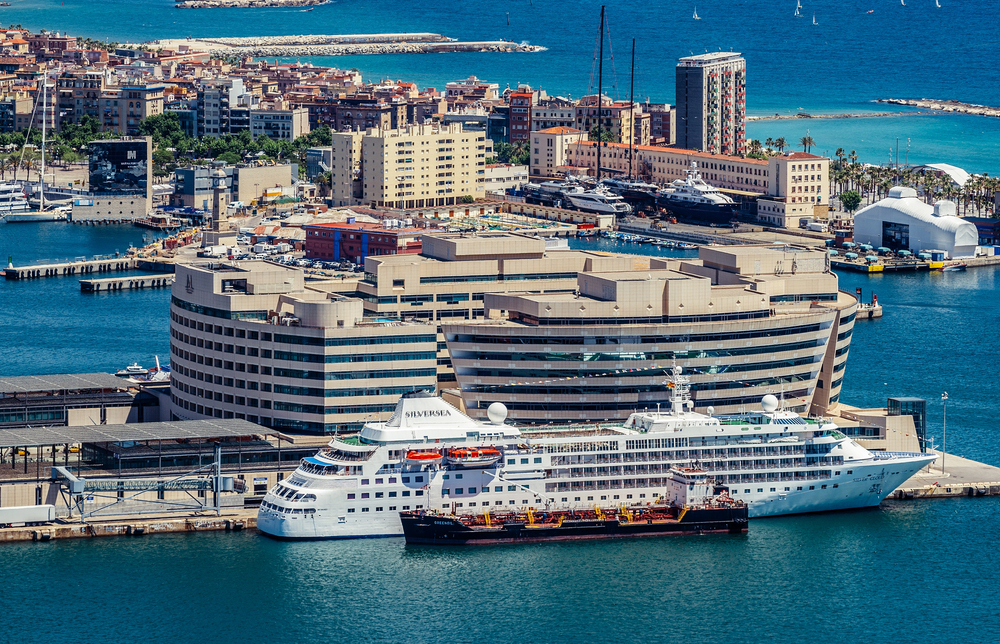
Silversea’s 139-day voyage caters to passengers who prefer their extended time at sea to include butler service and unlimited champagne. The Silver Wind visits 62 destinations across six continents, with an emphasis on longer port stays and overnight visits to major cities.
The ship carries just 274 passengers, creating an environment where the crew-to-guest ratio borders on the ridiculous and privacy becomes a deliberately cultivated luxury. You can disappear into sea days and solitude if that’s what you need, or join the small community of fellow long-haul cruisers who’ve chosen to spend a significant portion of their year floating between time zones.
The experience attracts passengers who’ve moved beyond checking destinations off lists and into something more contemplative.
Princess Cruises World Cruise
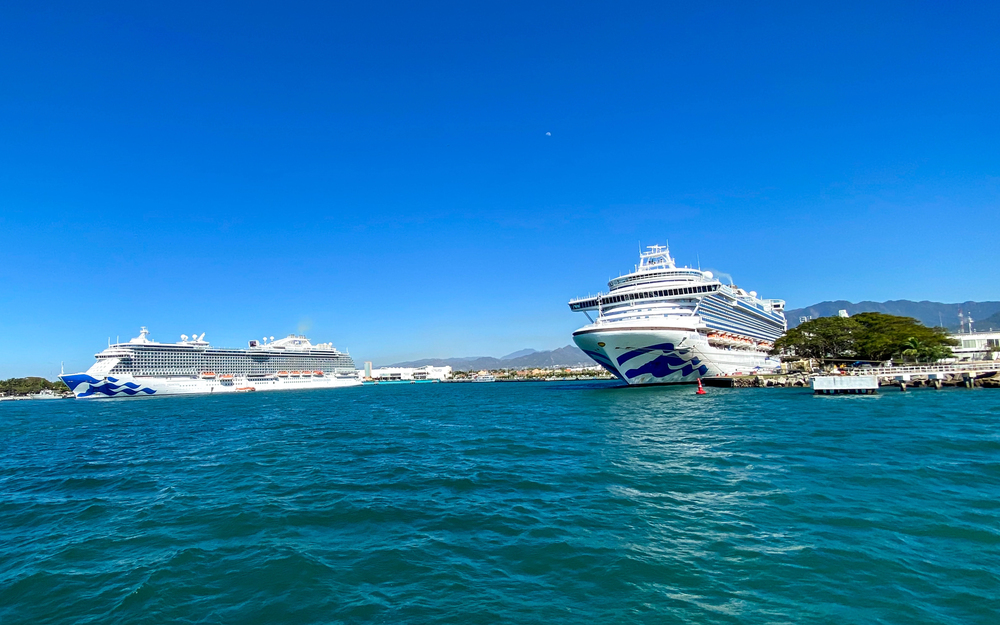
Princess runs a 111-day world cruise that strikes a balance between accessibility and ambition. The ship is larger than most world cruise vessels, carrying up to 2,670 passengers, which means more dining options and entertainment but less intimacy than smaller ships.
The itinerary covers 53 destinations across six continents, with the route varying slightly each year to include different ports and seasonal considerations. The larger passenger count creates a different dynamic—you can remain relatively anonymous if you prefer, or dive into the social aspects without feeling trapped in a small community.
Princess also offers segment bookings, so passengers rotate on and off throughout the voyage, keeping the onboard energy from becoming too insular.
Crystal’s World Cruise
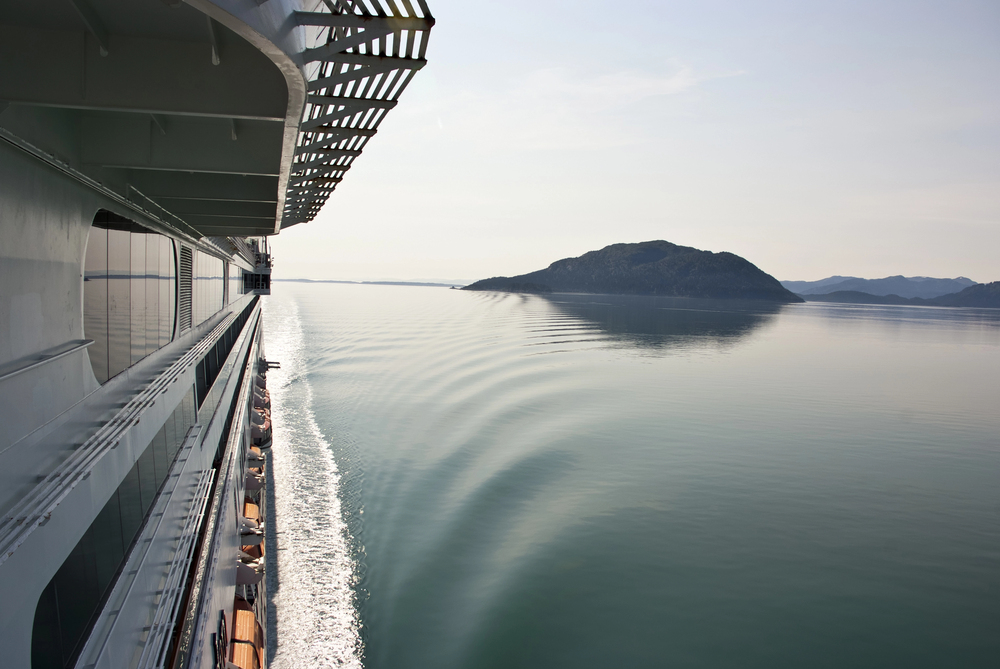
Crystal Cruises operates like that friend who insists on doing everything properly, even when it takes longer and costs more. Their 117-day world cruise reflects this philosophy: longer port stays, overnight visits to major cities, and an emphasis on cultural immersion over rapid sightseeing.
The Crystal Serenity carries 980 passengers on a route that typically includes 68 ports across six continents. But the real distinguishing factor isn’t the destinations—it’s the approach: Crystal builds in time for passengers to actually explore rather than just visit.
Extended stays in places like Tokyo and Sydney mean you can venture beyond the tourist areas and settle into the rhythm of different cities, at least temporarily. The passengers who choose Crystal’s world cruises tend to be experienced travelers who’ve learned that rushing through destinations defeats the purpose of going in the first place.
MSC World Cruise

MSC’s 117-day world cruise brings a distinctly European sensibility to the extended voyage format. The ship operates with a more relaxed approach to formal dining and scheduled activities, appealing to passengers who want structure but not rigidity in their four months at sea.
The MSC Poesia visits 49 destinations across six continents, with an emphasis on Mediterranean and Asian ports that reflect the line’s European heritage. The onboard atmosphere tends to be more casual than traditional world cruise operators, which either feels refreshingly relaxed or disappointingly informal, depending on your expectations for extended cruise formality.
The passenger mix is more international than most world cruises, creating a multilingual environment where English isn’t always the assumed common language.
Celebrity’s World Cruise

Celebrity’s approach to world cruising involves taking everything you expect from a premium cruise line and stretching it across 117 days. The Celebrity Reflection carries 3,046 passengers on a route that includes 55 destinations across six continents.
The larger ship size means more dining venues, entertainment options, and public spaces, which becomes crucial when you’re looking at nearly four months aboard. Celebrity builds in longer sea days between some destinations, recognizing that passengers need time to decompress and process the constant stream of new places and experiences.
The onboard program includes enrichment lectures, cooking classes, and cultural performances that relate to upcoming destinations, creating a floating educational experience that some passengers find genuinely transformative.
Azamara’s World Cruise
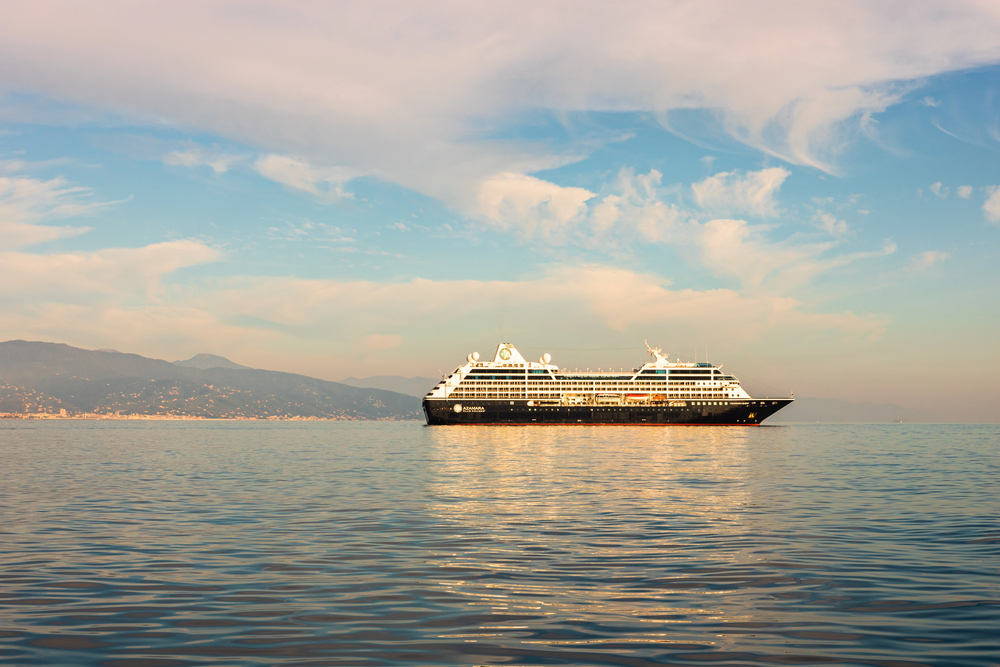
Azamara runs a 155-day world journey that emphasizes overnight stays and late-night departures, giving passengers more time to explore destinations without the typical cruise rush. The Azamara Journey carries just 686 passengers, creating an intimate environment for the extended voyage.
So the smaller ship size becomes a significant factor over five months—you’ll know most passengers by name and develop the kind of shipboard relationships that either become lifelong friendships or cautionary tales about spending too much time in enclosed spaces with the same people. The itinerary includes 84 ports across seven continents, with multiple overnight stays that allow for deeper exploration and evening cultural experiences that most cruises miss entirely.
Seabourn’s World Cruise

Seabourn’s 145-day world voyage operates on ultra-luxury principles: smaller ships, higher crew-to-passenger ratios, and an emphasis on personalized service that borders on mind-reading. The Seabourn Sojourn carries just 458 passengers on a route that includes 62 destinations across six continents.
The ultra-luxury approach means suite accommodations, complimentary shore excursions, and the kind of attention to detail that makes five months at sea feel manageable rather than overwhelming. Seabourn attracts passengers who’ve moved beyond viewing cruises as transportation and into treating them as a lifestyle choice.
The onboard atmosphere is deliberately understated—luxury that announces itself through quality rather than ostentation, which either appeals to your sensibilities or feels stuffy, depending on your relationship with formality.
Norwegian’s World Cruise

Norwegian’s 140-day world cruise brings freestyle cruising principles to the extended voyage format. The Norwegian Gem carries 2,394 passengers on a route that includes 71 destinations across six continents, with an emphasis on flexibility and choice rather than rigid scheduling.
The freestyle approach means no formal dress codes, flexible dining times, and a generally relaxed atmosphere that some passengers find liberating after weeks of structured cruise routines on other lines. The larger ship size provides more entertainment options and dining venues, which becomes valuable when you’re looking at nearly five months of shipboard life.
Norwegian also offers more casual shore excursion options, appealing to passengers who prefer exploring independently rather than following guided tour schedules.
P&O’s World Cruise
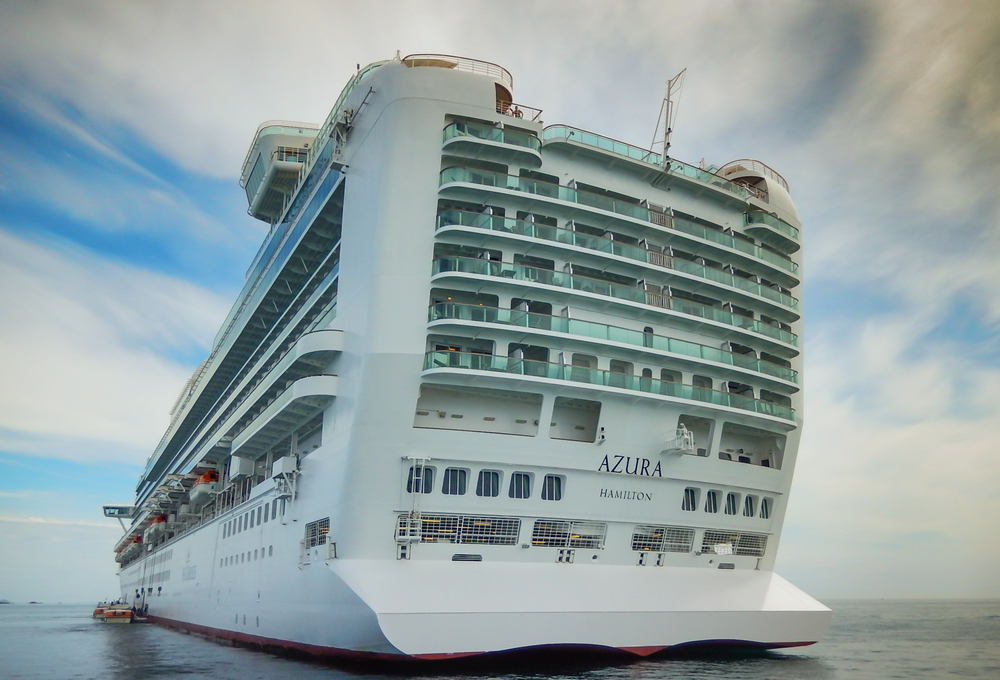
P&O runs a 99-day world cruise that brings British cruising traditions to the extended voyage format. The Aurora carries 1,874 passengers on a route that includes 43 destinations across five continents, with an emphasis on Commonwealth countries and former British territories.
The British approach to cruising creates a particular onboard atmosphere—more formal than American freestyle cruising but less rigid than traditional luxury lines. P&O passengers tend to be experienced cruisers who appreciate traditions like afternoon tea and formal captain’s dinners, but who also want the adventure of extended world travel.
The 99-day length makes it one of the more manageable world cruise options for passengers who want the experience without committing to four or five months at sea.
Costa’s World Cruise

Costa operates a 117-day world cruise that brings Italian flair to the extended voyage experience. The Costa Deliziosa carries 2,260 passengers on a route that includes 49 destinations across six continents, with an emphasis on Mediterranean and South American ports that reflect the line’s heritage.
The Italian approach means later dining times, more relaxed attitudes toward scheduling, and an emphasis on social interaction that creates a distinctly European atmosphere. Costa attracts an international passenger mix, with announcements in multiple languages and cultural programming that reflects the diverse onboard community.
The experience feels more like an extended European vacation than a traditional American cruise, which either aligns with your travel preferences or feels foreign and potentially frustrating.
Royal Caribbean’s World Cruise

Royal Caribbean’s 274-day Ultimate World Cruise represents the most ambitious extended voyage currently offered. The Serenade of the Seas carries 2,416 passengers on a route that visits all seven continents and includes 150 destinations across 65 countries.
But the nine-month commitment goes beyond typical world cruising into something approaching a lifestyle change. The extended timeline means passengers can book shorter segments, creating a constantly evolving onboard community as people join and leave throughout the voyage.
The itinerary includes extended stays in major cities and multiple overnight visits, recognizing that nine months provides enough time to actually explore destinations rather than simply visit them. Royal Caribbean has structured the voyage with supply stops and crew changes that keep the ship operating efficiently across the extended timeline, though the logistical complexity occasionally shows in minor disruptions that become magnified over such a long period.
Setting sail into the unknown
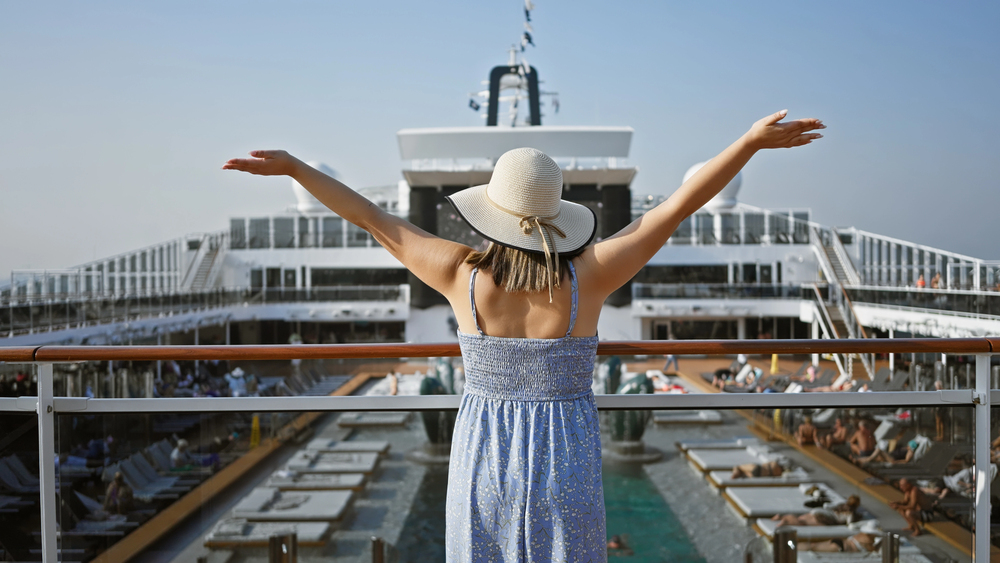
These marathon voyages attract a specific type of traveler—people who’ve realized that the journey itself has become more important than any single destination. The passengers who book 100-plus day cruises aren’t trying to see the world quickly; they’re trying to live differently for a while, to experience what it’s like when time moves at ocean speed rather than land speed.
The longest cruise itineraries transform travel from a series of destinations into a way of being. After months at sea, passengers report that the constant motion becomes unnoticeable, that waking up in a new port feels normal rather than exciting, and that the ship truly becomes home in a way that shorter cruises never achieve.
That transformation is what these extended voyages are really selling—not just transportation to various continents, but a temporary life that moves slowly enough to actually be lived.
More from Travel Pug

- Underrated Italian Towns That Beat the Tourist Crowds
- Las Vegas Tourist Traps to Skip
- Prettiest Towns in Every US State
- 18 passport-free countries for Americans
- Signs Your Cruise Is Not Worth The Cost
Like Travel Pug’s content? Follow us on MSN.