

Southern Europe and Mediterranean destinations show notable increases in arrivals, making this region one of the hottest travel zones right now. International travel has been growing across the continent compared to last year, with foreign arrivals up 12% and travelers increasingly seeking authentic experiences beyond the usual tourist hotspots.
Here’s a list of trending Southern European cities that are capturing attention and drawing visitors from around the globe.
Lisbon
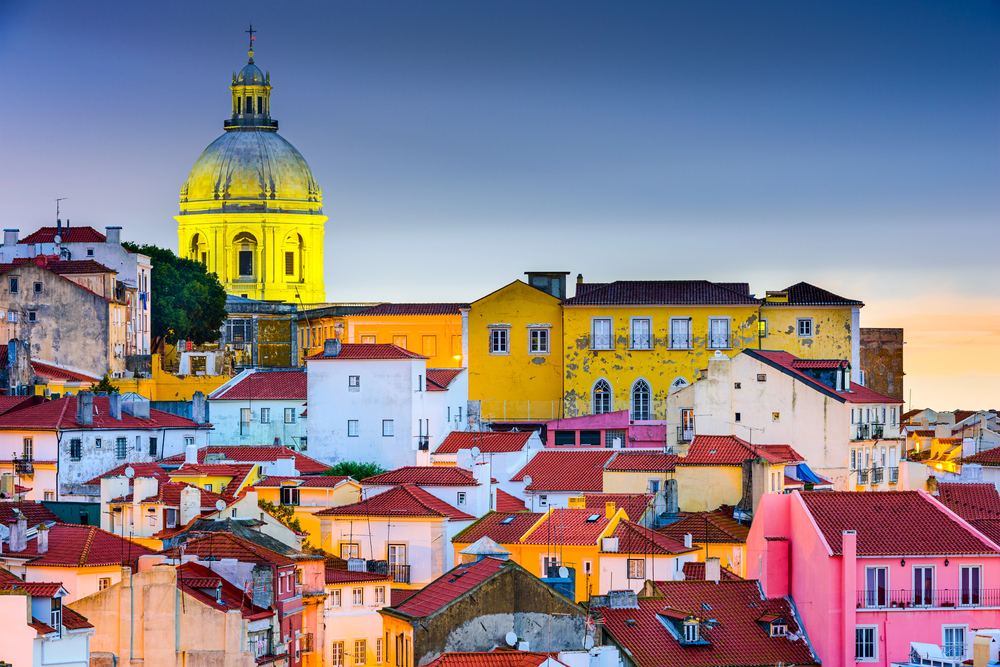
Portugal’s capital continues its spectacular rise on the global stage. The city earned recognition as one of the best places for singles to live in 2024, but its appeal extends far beyond demographics. Medieval castles crown hilltops while colorful trams navigate steep cobblestone streets.
And the food scene? Absolutely incredible. Make sure to stop by the famous Pastéis de Belém for a traditional pastel de nata, though honestly, every bakery seems to perfect these custard tarts. The National Tile Museum showcases Portugal’s stunning azulejo tradition in ways that feel both historic and surprisingly contemporary.
Seville
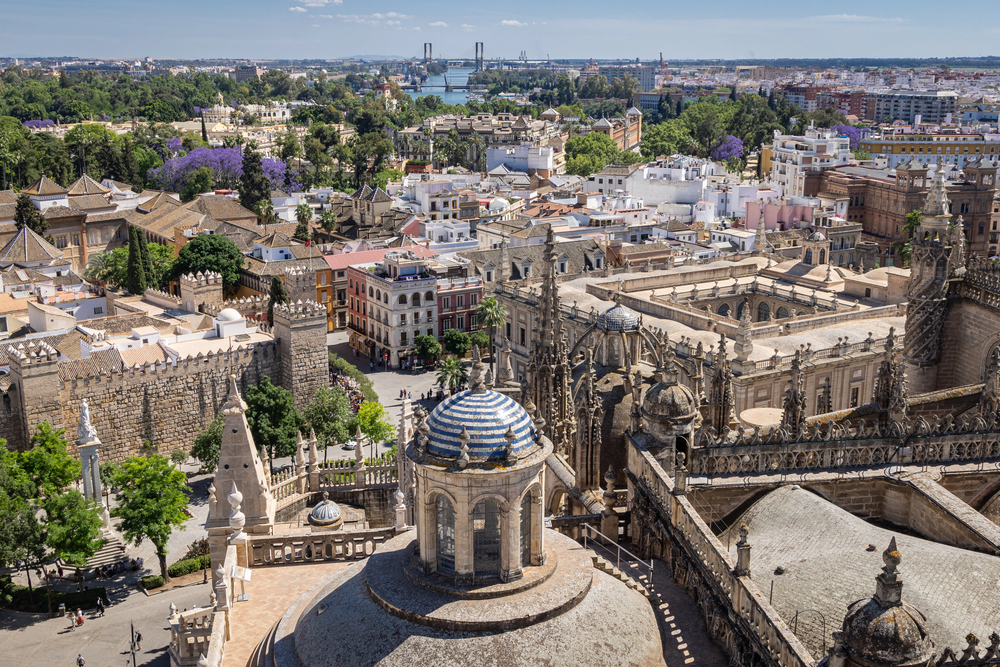
Known as the heart of southern Spain, Seville is a must-visit destination for travelers seeking architectural splendor, world-class gastronomy, and unforgettable experiences. The Cathedral and its Giralda Tower dominate the skyline, while the Alcázar whispers centuries-old secrets through its Moorish arches.
Barrio Santa Cruz winds through narrow passages where orange blossoms perfume the air. Flamenco performances happen nightly in traditional tablaos. Still, the real magic occurs during spontaneous street performances when guitarists and dancers emerge from nowhere.
Porto
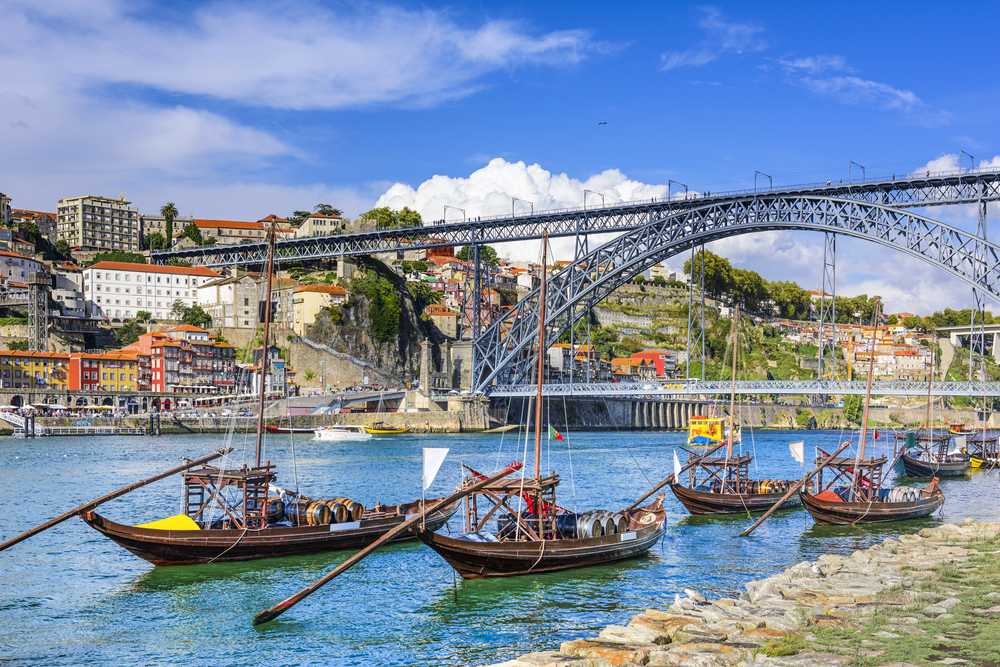
Dominating the Portuguese north, Porto is a city of many charms that deserves more recognition than it receives. The Douro River reflects centuries-old bridges, each telling different stories of commerce and connection.
Port wine cellars line the riverbank in Vila Nova de Gaia, offering tastings that range from vintage rarities to everyday sippers.Sipping exquisite Port wine with splendid views of the emblematic Luis I Bridge ranks among Europe’s most romantic experiences.
The city’s azulejo tiles catch afternoon light in ways that make photography almost redundant. You’ll remember these colors long after returning home.
Marbella
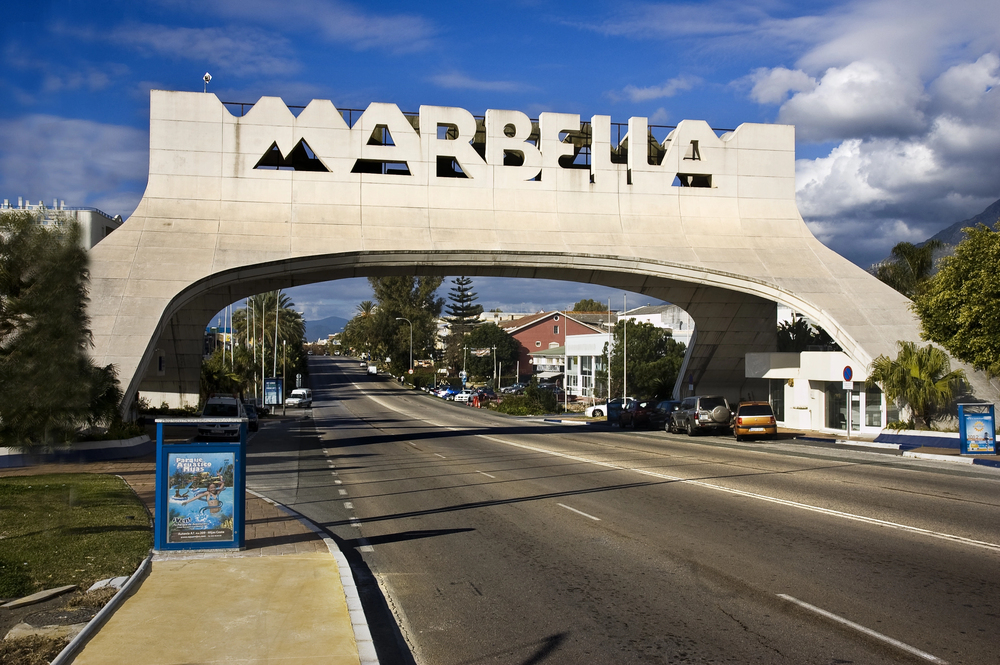
Marbella, Spain, was chosen by participants of a global survey as the best European travel destination in early 2024 and maintains its position as the Costa del Sol’s crown jewel. Three Michelin-starred restaurants anchor a dining scene that seamlessly blends Mediterranean traditions with international influences.
Golf courses sprawl across landscapes that showcase both mountains and sea in single panoramic views. The old town preserves Andalusian charm while Puerto Banús flaunts contemporary luxury. Beaches here aren’t just sand and water—they’re stages for some of Europe’s most sophisticated coastal culture.
Athens
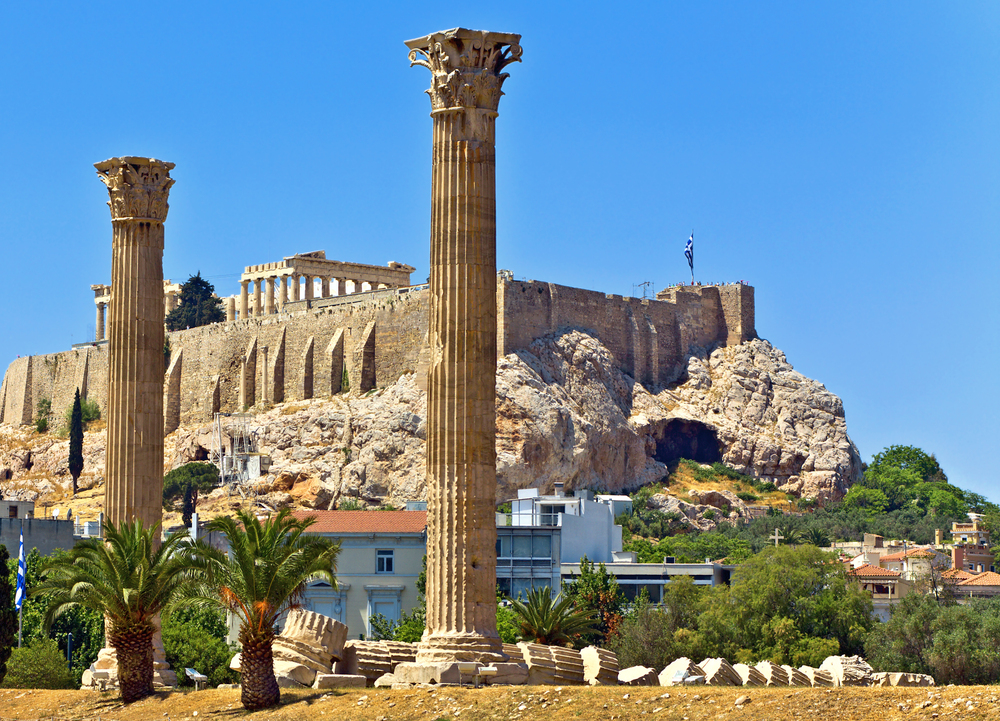
Ancient meets modern in ways that shouldn’t work but absolutely do. The Greek capital’s laid-back lifestyle and incredible food attract the masses just as much as its famous attractions do. The Acropolis commands attention from every angle, but Plaka’s winding streets reveal the city’s living soul.
Freddo coffee culture dominates afternoons. Traditional tavernas serve mezze platters that could feed small armies. Archaeological sites exist alongside trendy neighborhoods where street art transforms ordinary walls into outdoor galleries.
Rome

With a mix of sacred and modern, Rome is one of the most exciting European cities to visit in 2025. The Vatican’s Holy Jubilee Year promises increased activity, but the city’s eternal appeal transcends any single event.
Beyond the obvious attractions lies a Rome of hidden courtyards, family-run trattorias, and morning markets where vendors have worked the same stalls for generations. Trastevere’s cobblestones lead to discoveries that guidebooks can’t capture.
Florence
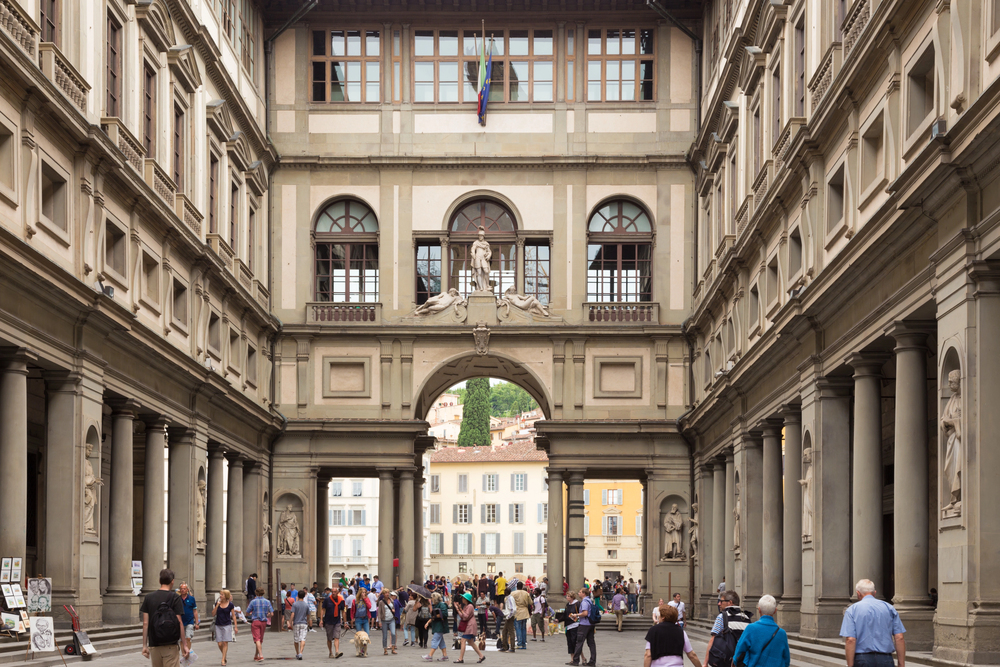
When you visit Florence’s museums and see the works housed in them, you are not just delving into the history of a city and its treasures. Rather, this city shaped Western civilization’s cultural foundations.
The Renaissance lives in every palace facade and cathedral dome. But Florence also pulses with contemporary energy—artisan workshops, innovative restaurants, and evening conversations that flow like good Chianti along the Arno.
Barcelona
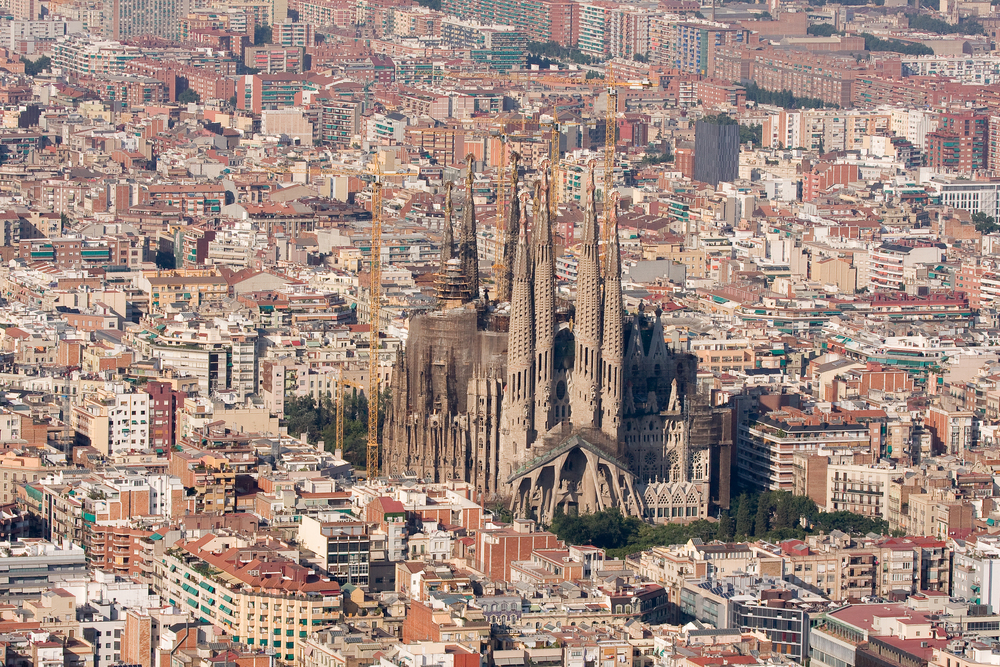
The Catalonian capital balances architectural marvels with beach culture effortlessly. Gaudí’s masterpieces, including the still-unfinished Sagrada Família, define skylines while Las Ramblas thrums with constant activity.
Gothic Quarter mysteries hide behind every corner. Tapas culture reaches artistic heights in neighborhoods where locals gather for evening rounds. The Mediterranean laps at beaches just minutes from urban sophistication.
Valencia
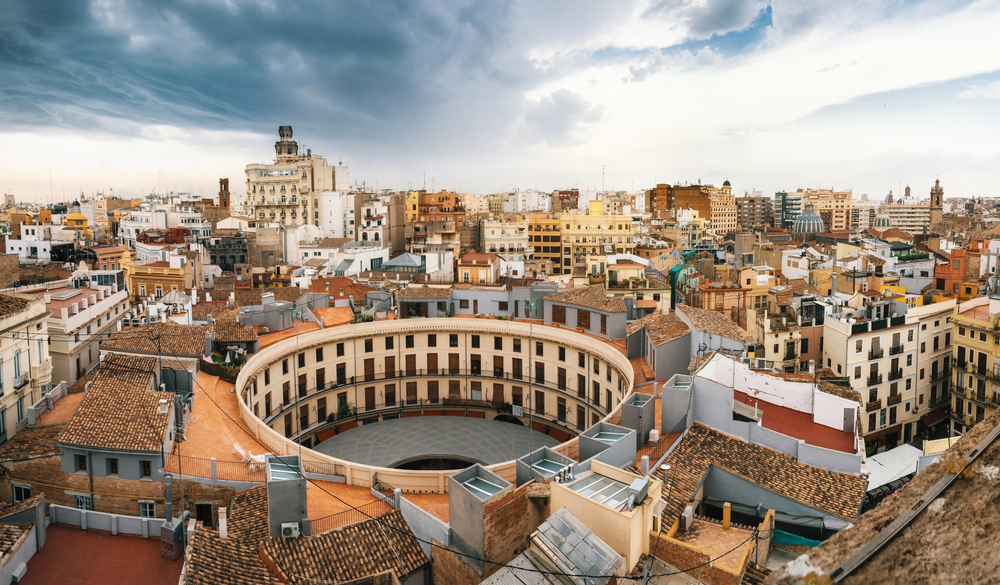
Spain’s third-largest city flies under many travelers’ radars despite offering compelling reasons to visit. Valencia in Spain serves as a major Mediterranean port with modern architecture that rivals any European destination.
Paella originated here, and local restaurants still prepare it with techniques passed through generations. The City of Arts and Sciences showcases futuristic design while historic districts preserve medieval charm. Not great for rushing through. Better for savoring slowly.
Dubrovnik
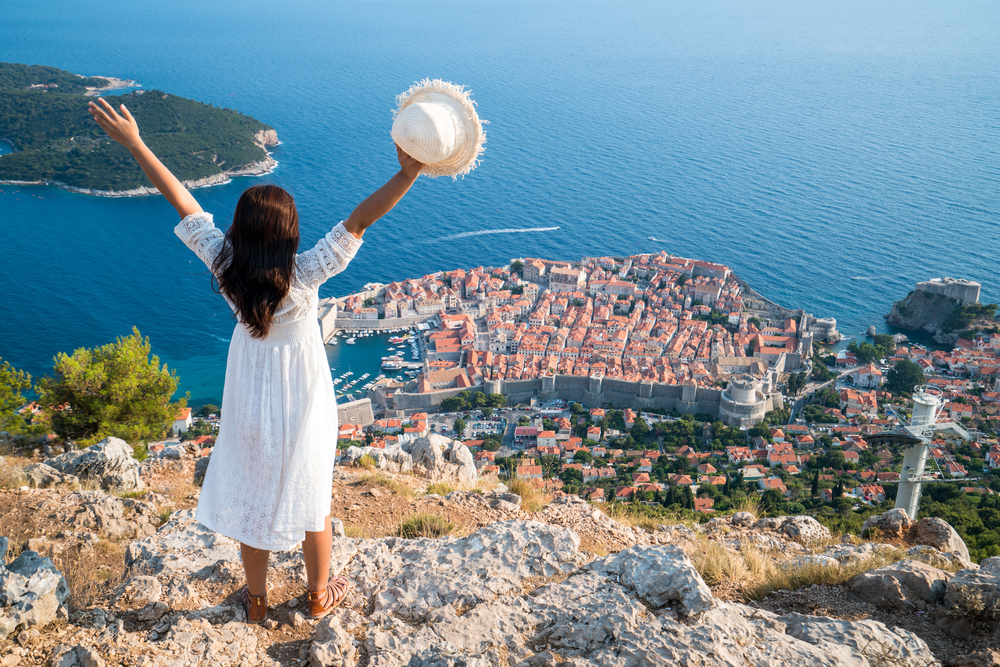
Croatia’s “Pearl of the Adriatic” recovered brilliantly from overtourism concerns through better visitor management. Medieval walls encircle a perfectly preserved old town where limestone streets reflect centuries of Venetian influence.
Game of Thrones filming locations draw initial interest, but the city’s authentic character keeps people coming back. Island day trips, wine tastings, and sunset walks along ancient ramparts create memories that last lifetimes.
Split
DepositPhotos
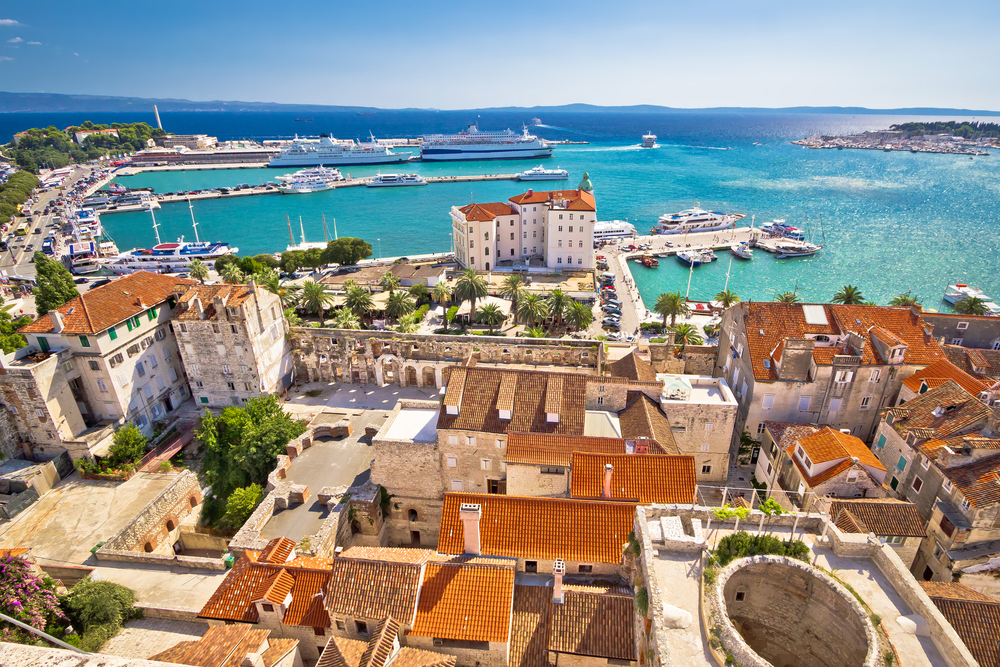
Roman emperor Diocletian’s palace forms the living heart of this coastal Croatian city. Modern life unfolds within ancient walls where residents have adapted Roman spaces for contemporary purposes.
Ferry connections link Split to dozens of Adriatic islands. Local markets overflow with Dalmatian specialties:
- Fresh seafood caught that morning
- Olive oils pressed from century-old groves
- Wines from indigenous grape varieties
- Lavender products from nearby Hvar.
Malta (Valletta)
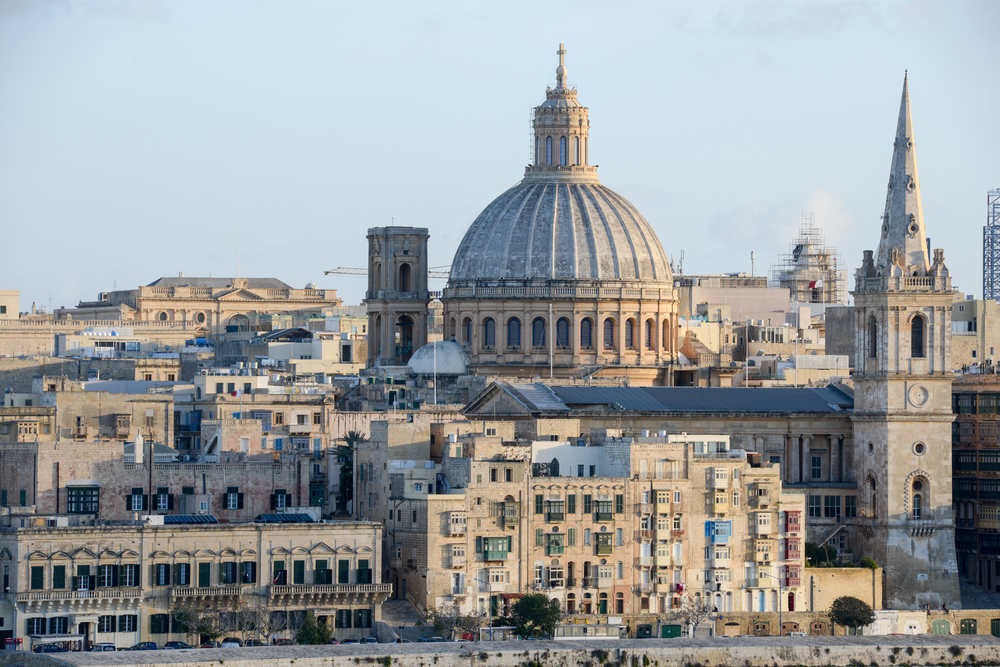
Malta shows remarkable growth in visitor numbers, and Valletta deserves much of the credit. This tiny capital packs extraordinary density of historical sites within walkable distances.
Grand Master’s Palace, St. John’s Co-Cathedral, and harbor fortifications tell stories of knights, sieges, and maritime power. Contemporary Malta emerges in trendy restaurants, boutique hotels, and cultural events that blend tradition with modernity.
Monaco
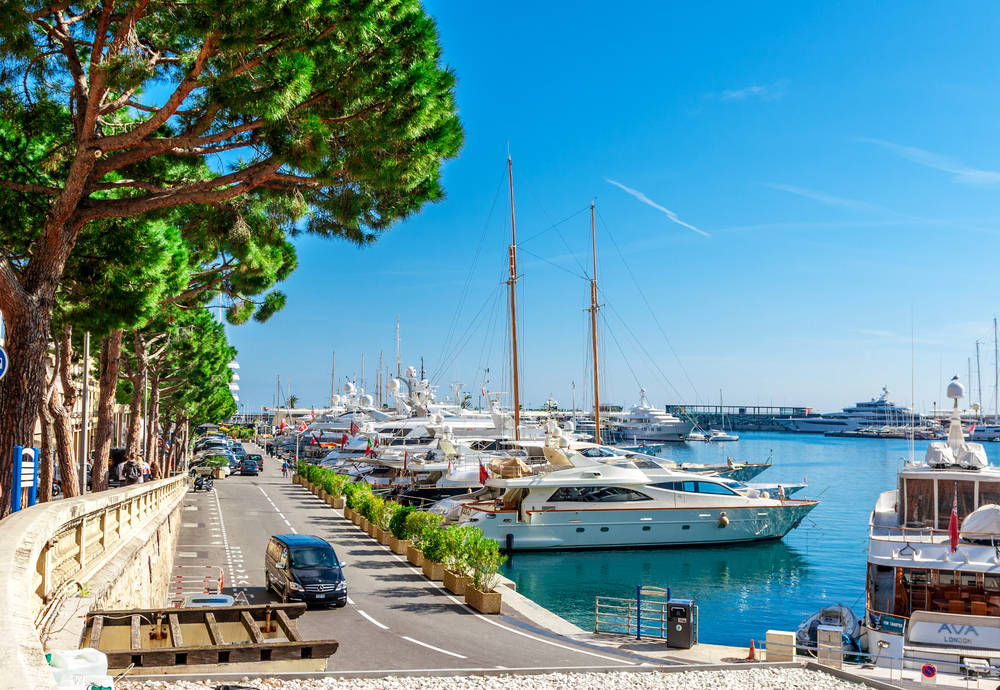
A place where we give nature hope for a carbon-free future, a place where we reconcile with the sea and its species by offering them unique development conditions in the world. This principality proves that small can be spectacular.
Monte Carlo’s casino glamour shares space with cutting-edge environmental initiatives. The harbor showcases superyachts while Prince Albert II promotes ocean conservation. Luxury and sustainability coexist in ways that feel genuinely forward-thinking.
Toulouse
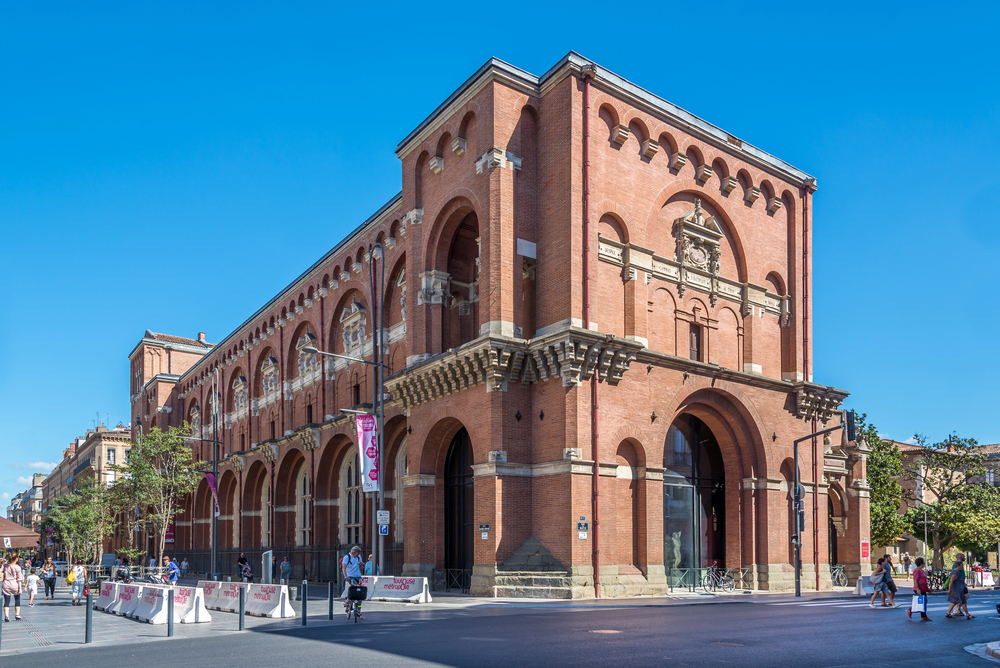
Often referred to as “Paris in miniature,” Toulouse is a maze-like city overflowing with art galleries in repurposed industrial spaces. The “Pink City” earns its nickname from distinctive brick architecture that glows warmly at sunset.
UNESCO recognizes Toulouse as a City of Music, and evening performances range from jazz clubs to classical venues. The Musée des Augustins reopens in 2025 after renovations, promising renewed cultural attractions. Aerospace industry connections add contemporary relevance to historical foundations.
Nice
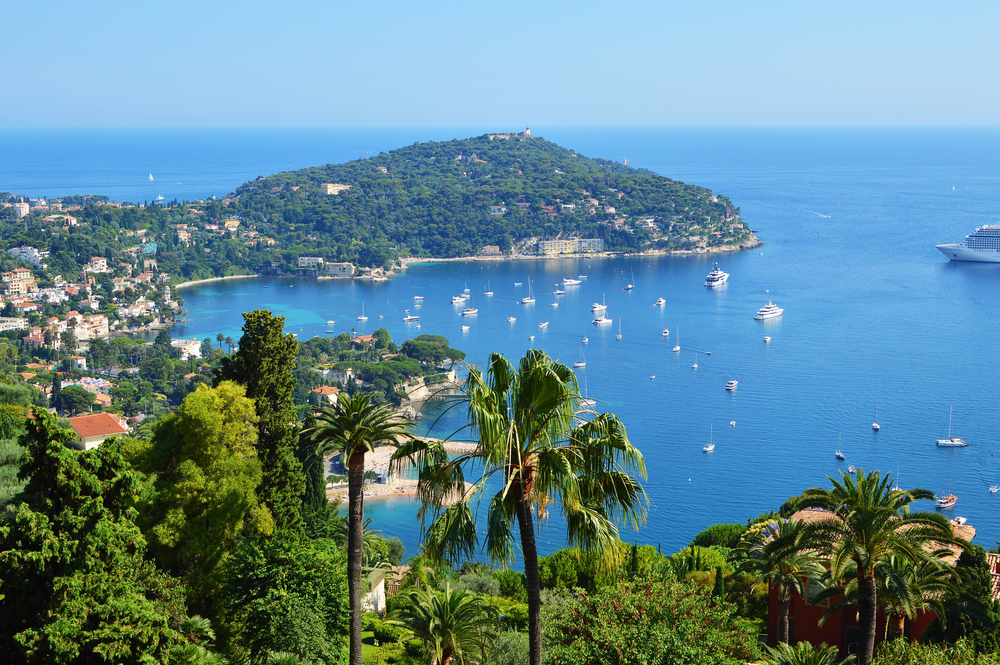
The French Riviera’s largest city serves as the perfect base for Côte d’Azur exploration. Nice is the city that truly has everything — you’ll get the lively city with great shopping and food, beautiful beaches, and various day trips accessible by just a quick 10–20 minute train ride to Monaco, Cannes, and mountain villages.
Promenade des Anglais stretches along pebbled beaches where Mediterranean light inspired countless artists. Old Town markets sell everything from socca pancakes to fresh flowers. That afternoon glow over the Baie des Anges never gets old.
Heraklion, Crete
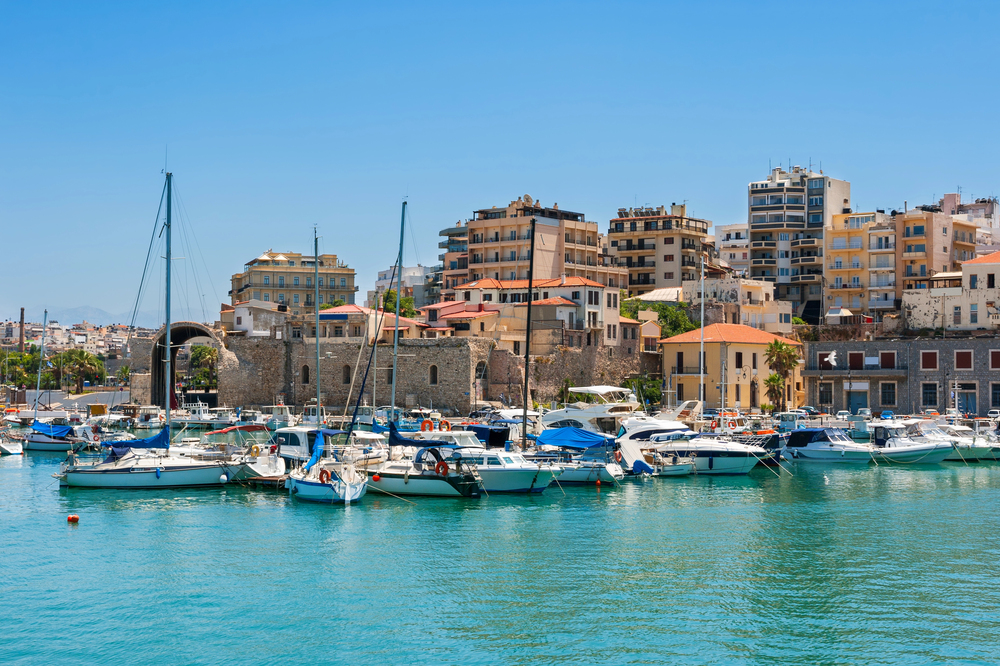
Breathtaking Crete offers the sandy and pebbled beaches, hospitable locals, and fresh Mediterranean food you’d expect to find in Greece, plus soaring mountains, urban nightclubs, stylish boutiques, and excellent hiking opportunities.
Heraklion anchors this diversity as Crete’s largest city. The Palace of Knossos reveals Minoan civilization mysteries while the harbor buzzes with fishing boats and ferries.
Cretan cuisine reaches heights here that surpass even high expectations—lamb with stamnagkathi, local cheeses, and wines made from indigenous varieties.
The bottom line on Southern Europe’s rising stars
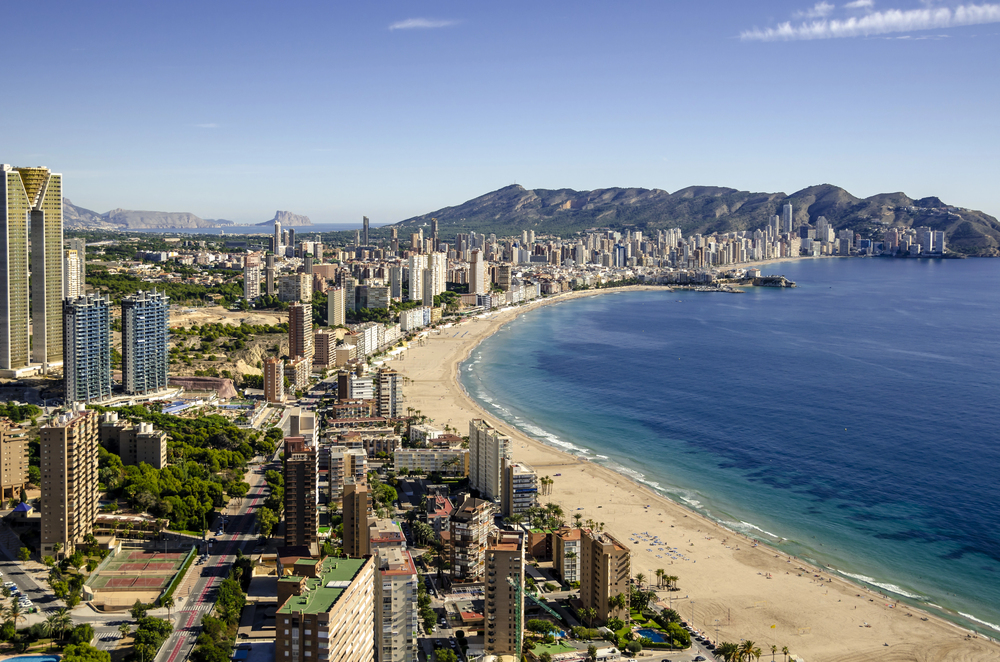
These cities represent more than trending destinations — they showcase Southern Europe’s evolution toward authentic, sustainable tourism experiences. There is also an increase in the number of travelers choosing off-season travel and lesser-known destinations, driven by the search for value-for-money and unique, authentic experiences.
Whether you’re drawn to Portugal’s coastal charm, Spain’s cultural depth, Italy’s artistic legacy, or Greece’s island magic, these urban gems offer genuine connections with Mediterranean life that extend far beyond typical tourist encounters.
More from Travel Pug

- Underrated Italian Towns That Beat the Tourist Crowds
- Las Vegas Tourist Traps to Skip
- Prettiest Towns in Every US State
- 18 passport-free countries for Americans
- Signs Your Cruise Is Not Worth The Cost
Like Travel Pug’s content? Follow us on MSN.