

The ship docks at eight in the morning, and a line of passengers is already queuing for buses that will carry them to a landmark they will see for forty minutes. Meanwhile, the town right outside the gangway sits there, waiting to be explored, often without a tour booking.
A port day does not need a ticket, a guide with a flag, or a tight schedule. With a pair of comfortable shoes, a rough sense of the clock, and a little curiosity, almost any harbor town can fill a day better than a packaged tour.
Ride Lisbon’s Tram 28 Through Its Oldest Neighborhoods

Lisbon’s Tram 28 rattles up steep grades and squeezes through lanes so narrow that pedestrians flatten themselves against the walls. The route links Graça, Alfama, Baixa and Estrela, so one ride works as a moving survey of the old city. Rather than staying aboard for the entire route, ride a section and get off wherever something catches your eye.
The tram can get crowded, especially during peak tourist hours, so allow extra time. A pastel de nata from a neighborhood bakery makes a fitting reward.
Linger on the Colored Facades of Copenhagen’s Nyhavn
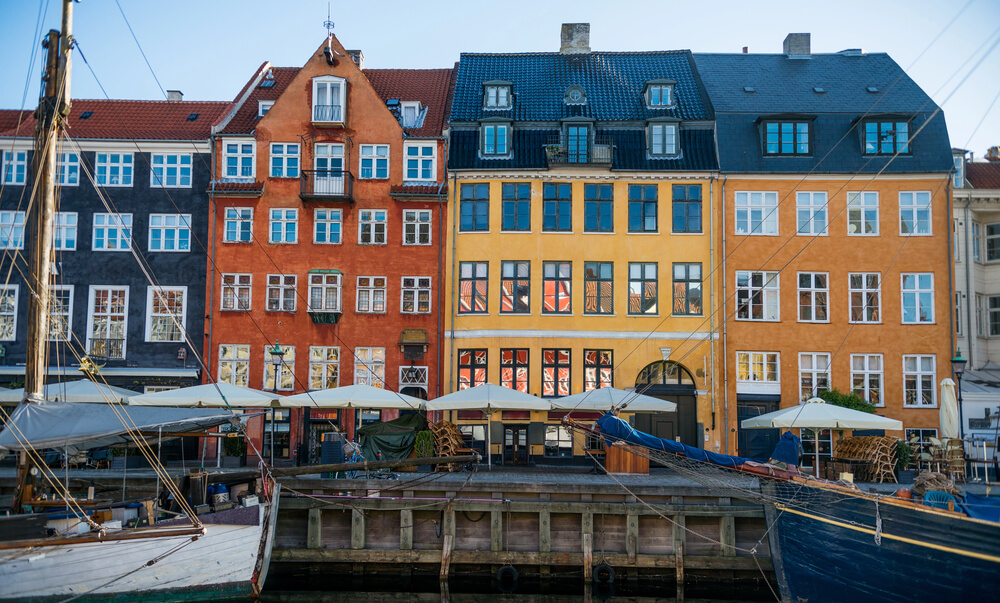
Nyhavn was dug in the 1670s as a canal that let ships unload goods near the center of Copenhagen, and its gabled townhouses now glow in yellow, red and blue. Hans Christian Andersen lived at several addresses along the canal, including numbers 20, 67 and 18, at different points in his life.
The sunny side of the quay fills with diners, but a walk to the quieter end of the canal offers a better chance to see the historic wooden ships moored along the water and escape some of the crowds.
Browse Hobart’s Salamanca Market on a Saturday
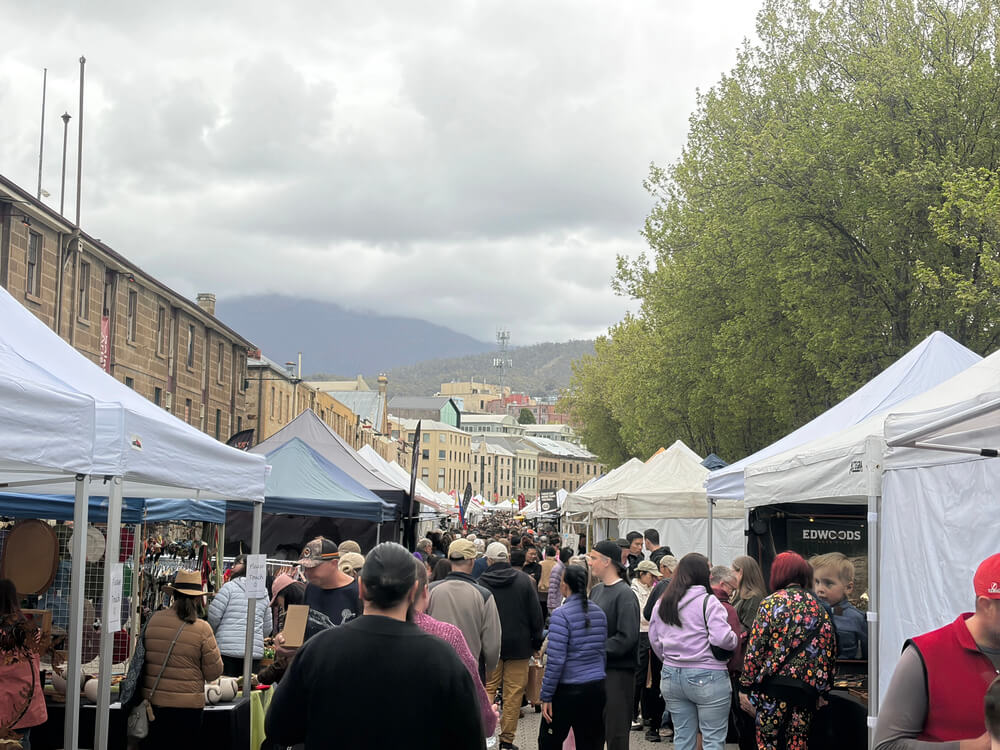
Every Saturday, Salamanca Place in Hobart fills with stalls selling Tasmanian timber crafts, jams, knitwear and street food, set in front of rows of Georgian sandstone warehouses. The market has run since 1972, long enough that locals treat it as a weekly ritual rather than a tourist event.
It’s within walking distance of Hobart’s waterfront, although the exact walk from a cruise ship depends on where the vessel docks. The market typically runs from 8:30 a.m. to 3 p.m., so check the schedule before planning the day around it.
Walk the Halifax Waterfront Boardwalk
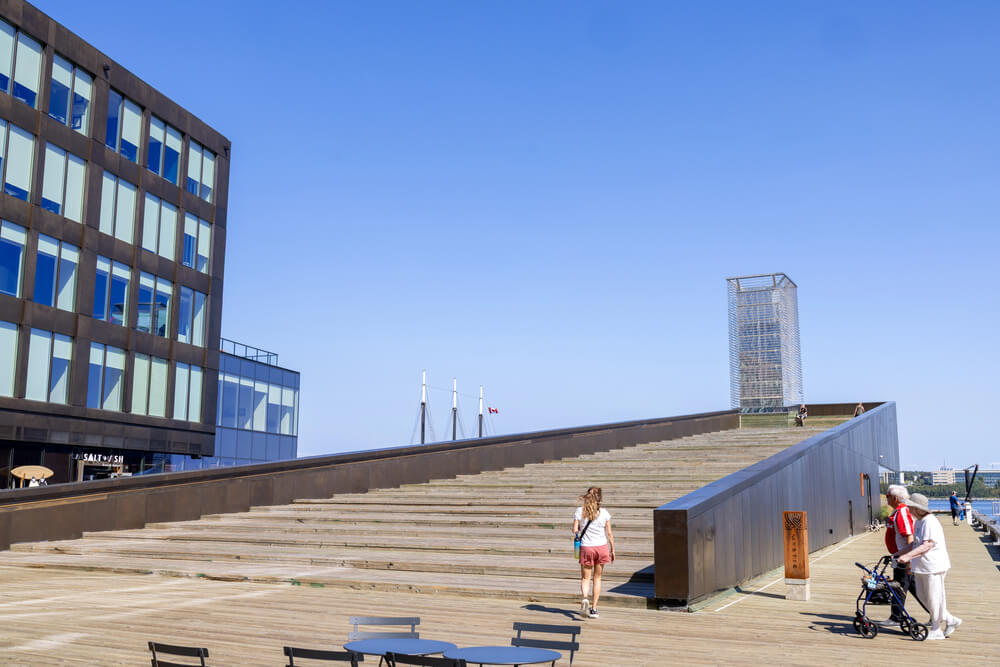
Halifax’s waterfront boardwalk runs for several kilometers along one of the deepest natural harbors on the east coast of North America. Along the route sits Pier 21, the national historic site that served as the gateway for roughly one million immigrants to Canada between 1928 and 1971.
Buskers, fish-and-chip stands and benches facing the harbor give the stroll its easy rhythm, and much of the waterfront can be explored without a reservation or admission fee.
Photograph Charleston’s Rainbow Row
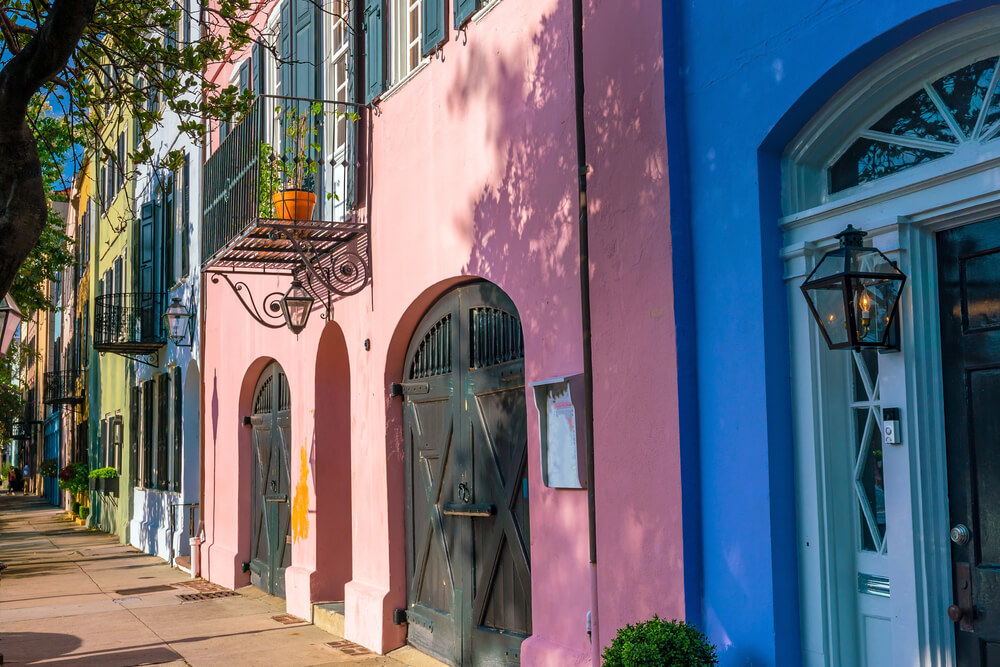
Rainbow Row is a run of thirteen pastel Georgian houses on East Bay Street in Charleston, dating to the 18th century. The candy colors were not original: the buildings began taking on their distinctive pastel shades in the 1930s as owners restored the historic houses.
The row is best seen on foot, with a slow loop through the neighboring lanes that pass courtyard gardens and gas lamps.
Take in the Harbor From Valletta’s Upper Barrakka Gardens
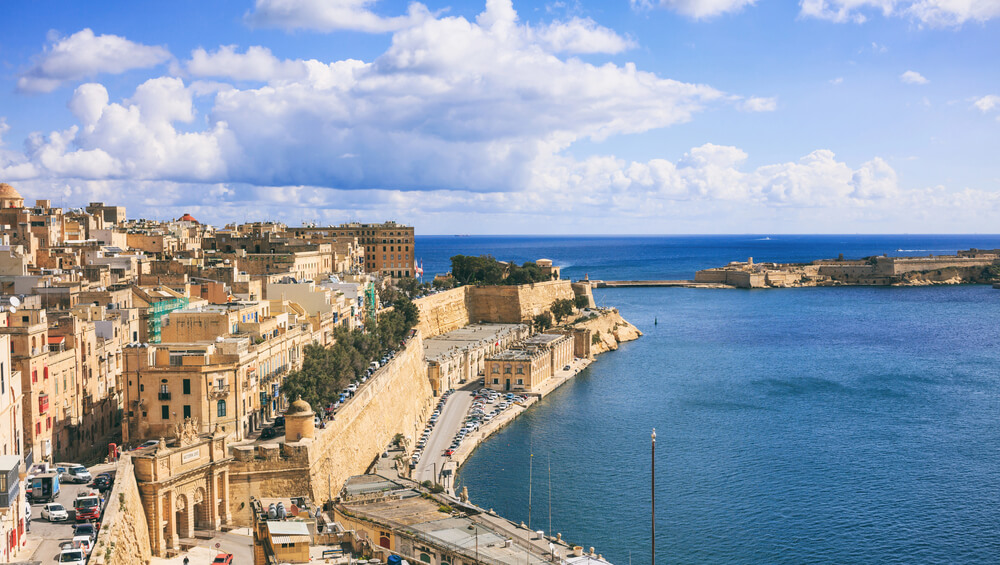
The Upper Barrakka Gardens in Valletta sit on a bastion high above the Grand Harbour, with an arcaded terrace that frames one of the great naval views of the Mediterranean. Below the terrace, the Saluting Battery fires ceremonial guns at noon and again at 4 p.m. on most operating days, continuing a tradition that once helped ships and townspeople keep time.
A lift connects the gardens with the waterfront, so the climb into Valletta takes seconds rather than a sweaty trudge up the hill.
Ride Bergen’s Fløibanen Funicular, Then Walk Down
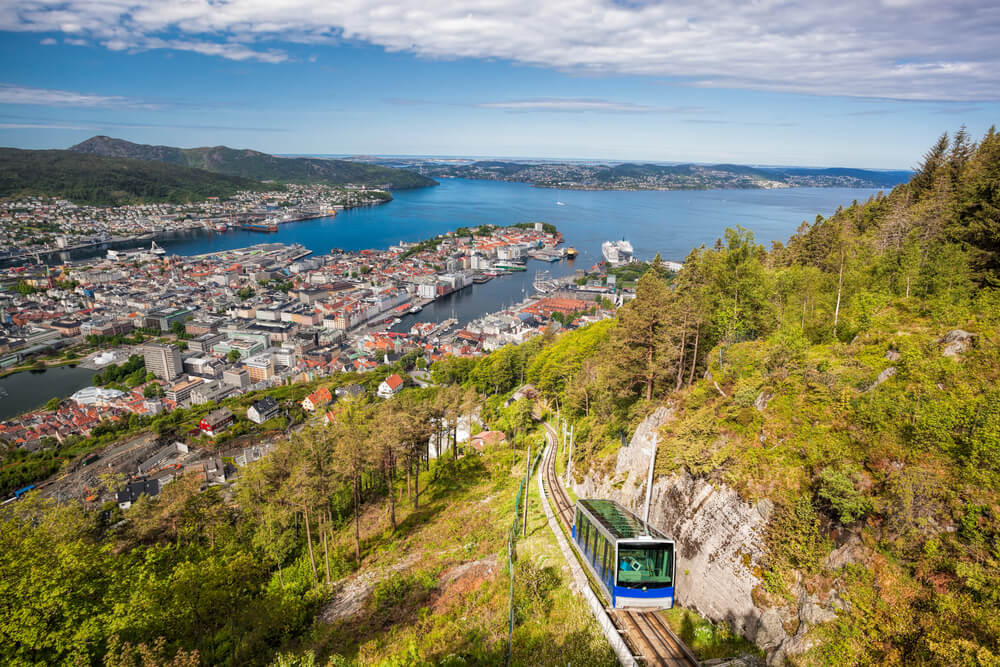
The Fløibanen funicular has carried passengers from the center of Bergen up Mount Fløyen since 1918, climbing roughly 320 meters in a few minutes. At the top, a network of forest paths leads past a lake and a troll-themed playground, and the city, fjords and islands spread out below.
The walk back down through the woods and old wooden streets takes about an hour at an easy pace and ends near the city center, within walking distance of the harbor area.
Walk the City Walls of Dubrovnik
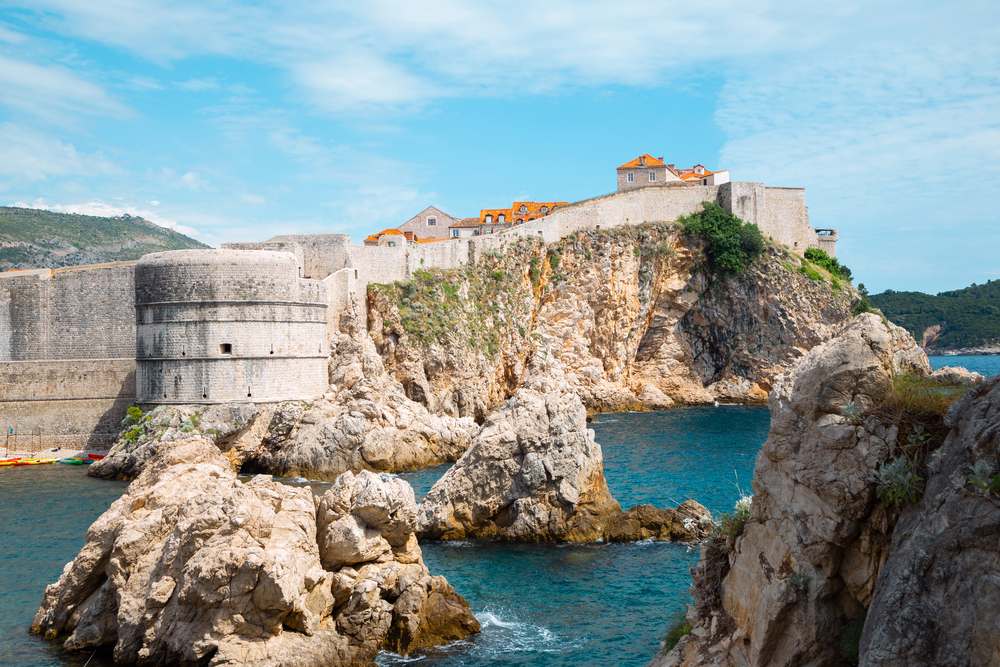
Dubrovnik’s medieval walls encircle the old town in a loop of nearly two kilometers, with towers, bastions and views that range from terracotta rooftops to the open Adriatic. The old town earned UNESCO World Heritage status in 1979.
Visitors who go early in the day can often avoid the worst of the heat and crowds, although conditions vary by season and cruise-ship traffic. The walls require an admission ticket, so this is a paid activity rather than a completely free walk. A stop for something cold in the shade afterward feels thoroughly earned.
Spend the Day at a Cozumel Public Beach Club
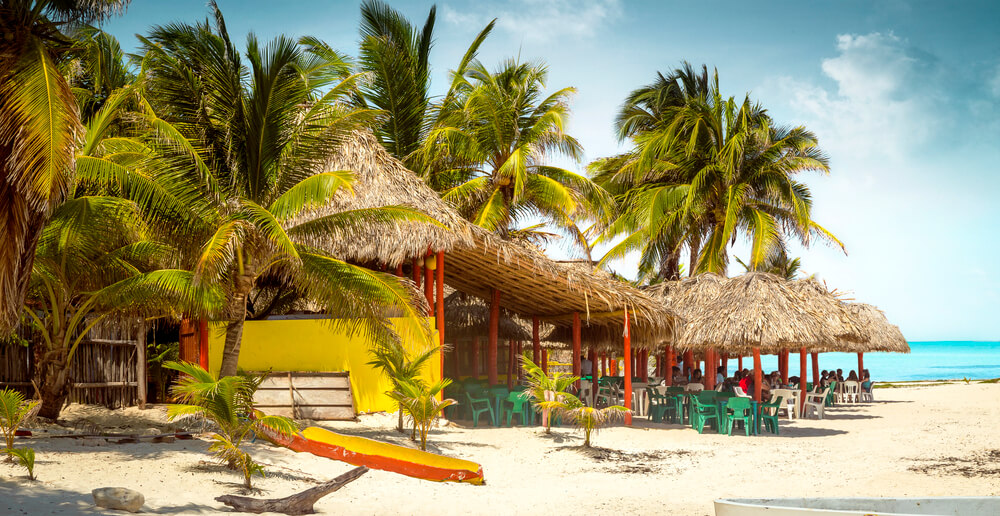
Cozumel’s western shore is lined with beach clubs that welcome day visitors, many offering loungers, shade, snorkel gear and a kitchen without the need to book a tour. The island sits beside the Mesoamerican Reef, so even a casual snorkel from shore can produce parrotfish and sea fans.
Most clubs are a taxi ride from the cruise piers, which keeps the day relaxed and the logistics simple. Check entrance fees, minimum spending requirements and transportation costs before choosing a beach club, since not every venue offers free access.
Ride the Mount Roberts Tramway Above Juneau
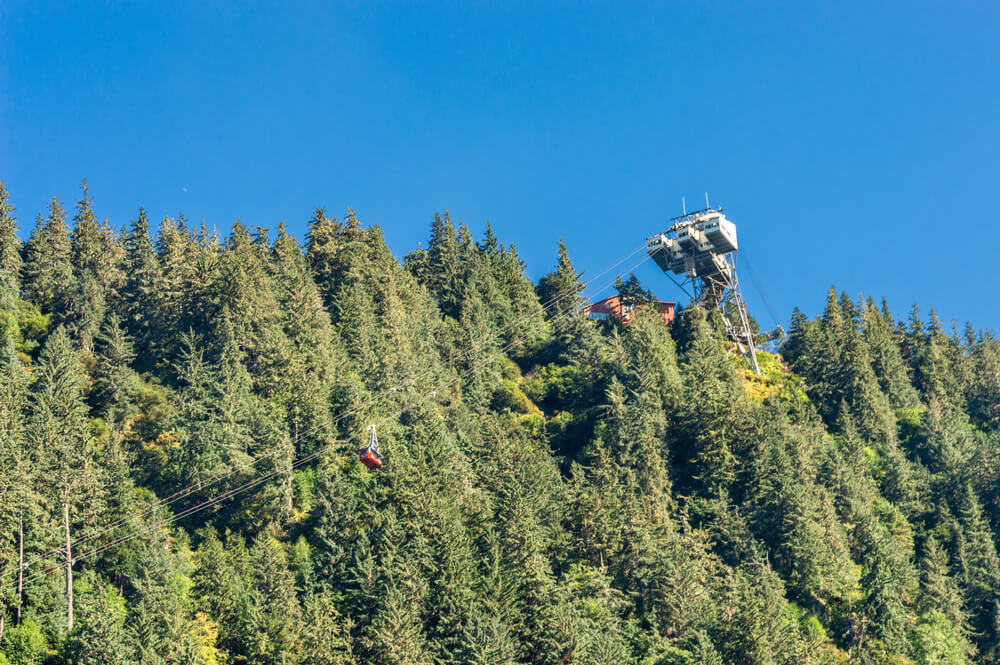
The Mount Roberts Tramway lifts passengers about 1,800 feet from the cruise docks in Juneau to an alpine ridge in roughly five minutes. At the top, a nature center, a small theater and several hiking trails offer views over the Gastineau Channel and the mountains behind the city.
The tram is close to the downtown cruise docks, although it may not be equally convenient from every berth. It also requires a ticket, so check the fare and operating schedule before heading over.
Wander the Medieval Lanes of Tallinn’s Old Town
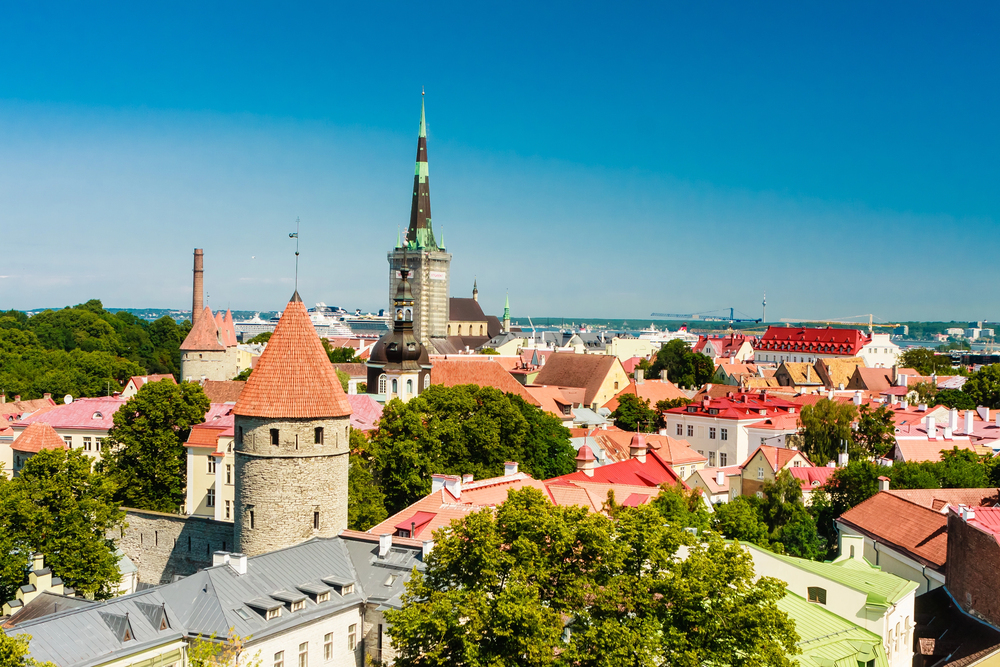
Tallinn’s Old Town was named a UNESCO World Heritage site in 1997, and much of its medieval wall and tower circuit still stands. Town Hall Square sits at its center, and the pharmacy on the square is counted among the oldest in Europe.
The streets are compact enough to cover on foot between breakfast and lunch, which leaves time to climb up to Toompea for views across the rooftops.
Join a Tip-Based Walking Tour
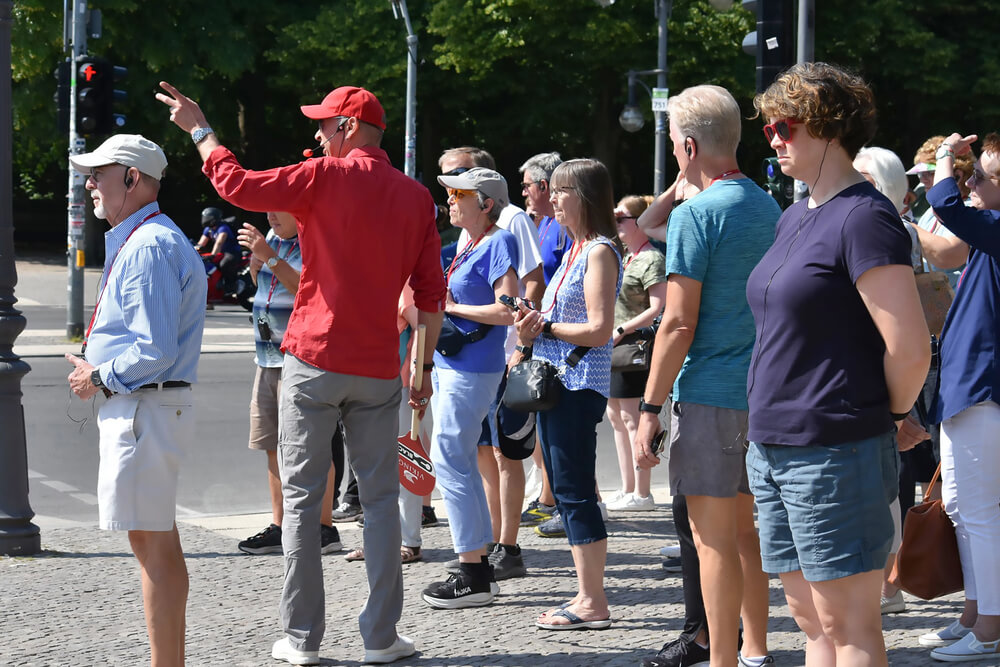
Many port cities offer walking tours led by local guides who rely partly or largely on tips instead of charging a fixed upfront fee. These tours are not necessarily free, and a tip is generally expected. The format rewards guides who are funny, honest and well-informed, and it lets walkers decide how much to pay based on the experience and local tipping norms.
A two-hour introduction to the old town on the first morning helps orient the rest of the day, including which cafes to try and which neighborhoods to skip.
Cross Victoria Harbour on the Star Ferry
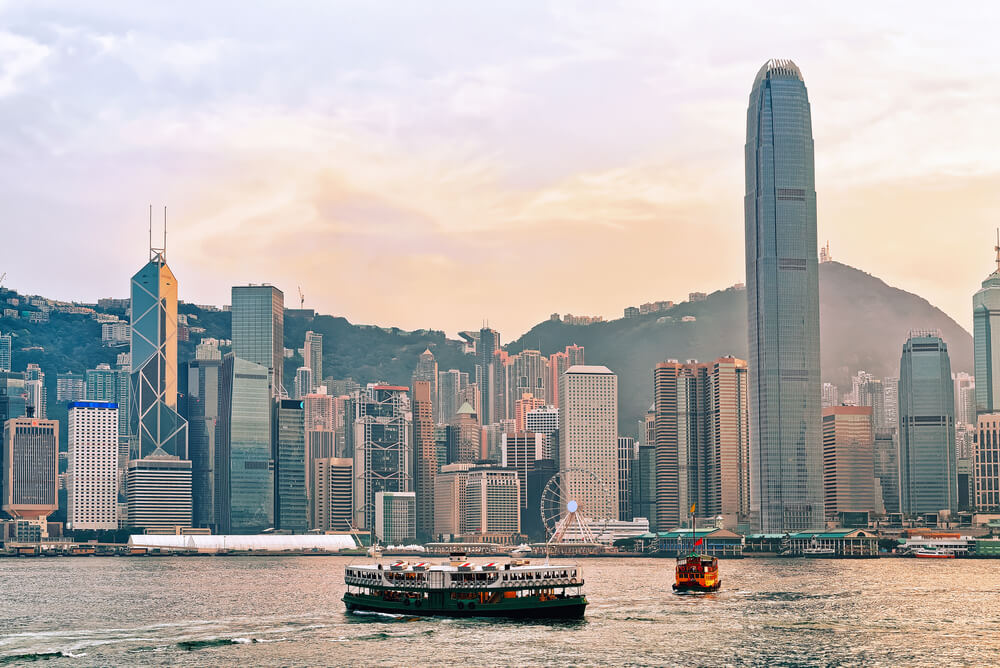
The Star Ferry has crossed Victoria Harbour between Tsim Sha Tsui and Central since the late 19th century, and the green-and-white boats remain one of the cheapest ways to see Hong Kong’s skyline from the water. The short trip gives passengers a view of the glass towers from sea level, with the ridge of Victoria Peak rising behind them.
A return crossing after dark shows the harbor in a very different light. Check the route and departure point against your ship’s terminal, as not every cruise berth is equally close to the ferry piers.
Graze the Stalls at Barcelona’s La Boqueria

La Boqueria, just off La Rambla in Barcelona, has roots in medieval market trading and now fills a bright iron-roofed hall with fruit, jamón, seafood and chocolate. A lap of the aisles shows a range of Catalan and Spanish ingredients, from wild mushrooms to salt cod soaking in tubs.
Small counters inside the market serve cooked dishes to people standing on stools, which can make lunch faster than sitting down at a restaurant on the nearby avenue. Prices vary, so compare menus before ordering if you’re trying to keep costs down.
Wander Singapore Botanic Gardens
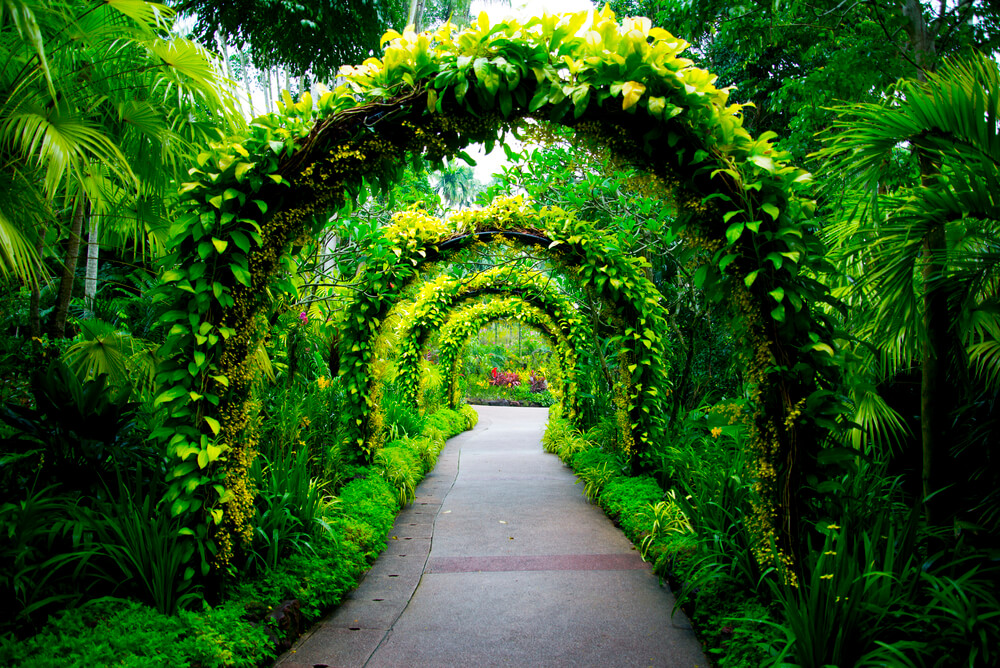
Singapore Botanic Gardens opened in 1859 and earned UNESCO World Heritage status in 2015, the first tropical botanic garden to receive that honor. Its National Orchid Garden holds thousands of orchids, including hybrids named after visiting dignitaries.
The grounds are free to enter for most areas, shaded by rainforest trees, and offer a pleasant place for a long morning walk before the afternoon heat and humidity build. The National Orchid Garden has a separate admission fee.
Spend an Afternoon at Glasgow’s Kelvingrove Art Gallery

Ships bound for Glasgow usually dock at Greenock, and a train ride into the city can take visitors to Glasgow’s Kelvingrove Art Gallery and Museum. Admission is free, and the collection ranges from Salvador Dalí’s Christ of Saint John of the Cross to a Spitfire fighter plane suspended over the main hall.
The building’s red sandstone halls make a good refuge on a rainy Scottish day. Allow enough time for the journey in both directions, and check train times against the ship’s all-aboard time.
Claim a Spot on Waikiki Beach

Hawaii’s beaches are generally open to the public, and Waikiki in Honolulu is accessible by taxi or public transportation from the cruise terminal at Aloha Tower. The long crescent of sand is dotted with surf lessons, outrigger canoes and a bronze statue of Duke Kahanamoku, the Olympic swimmer who helped spread surfing around the world.
Rental boards and umbrellas are easy to find, and you don’t need to be staying at a beachfront hotel to enjoy the public beach.
Stroll the Blue Cobblestones of Old San Juan
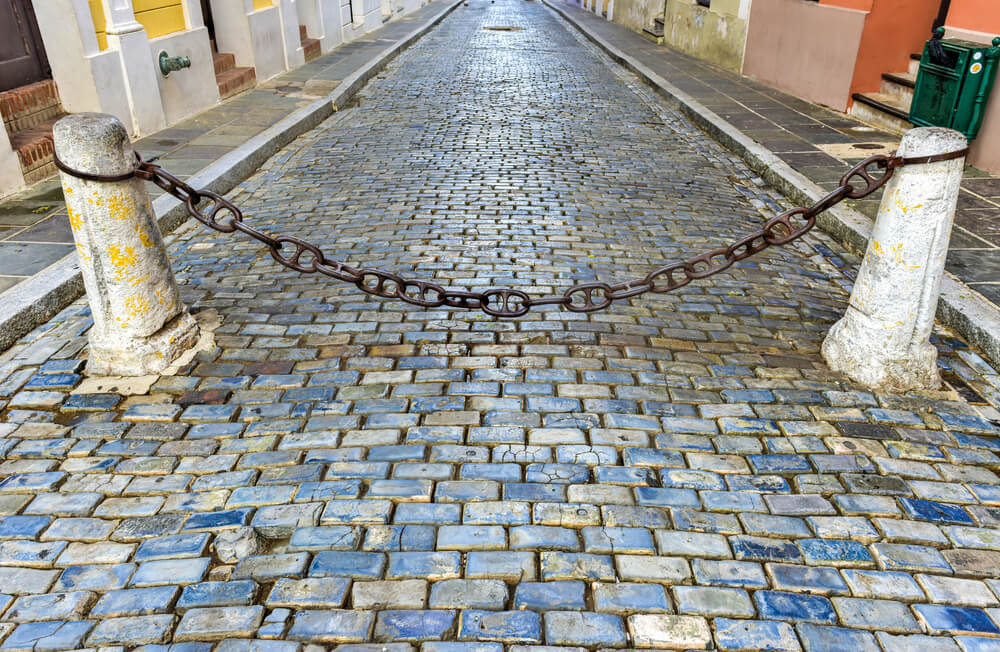
Old San Juan’s narrow streets are paved with bluish stones called adoquines, commonly said to have arrived in the holds of Spanish ships. The old city sits within walking distance of some cruise piers, and its pastel buildings, plazas and ramparts are laid out for an easy loop.
A stop at a small cafe for a cup of coffee, followed by a walk along the Paseo de la Princesa, makes a classic morning. If your ship docks at a different terminal, check the distance before setting out on foot.
Step Inside Palma Cathedral
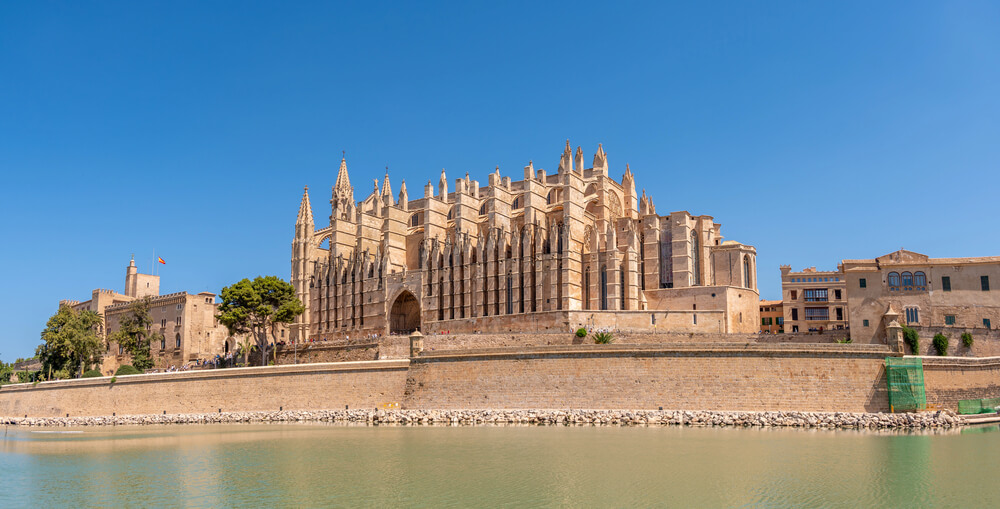
Palma’s cathedral, known as La Seu, rises above the waterfront in a Gothic mass of golden stone. Antoni Gaudí worked on the interior early in the 20th century, and the modern artist Miquel Barceló later covered a chapel in a ceramic mural that looks like an undersea cave.
The cathedral stands beside the old town and close to the waterfront, so it fits neatly into a half day of wandering. Check visiting hours and admission requirements before arriving, especially on religious holidays.
Linger Over Coffee at Trieste’s Caffè San Marco
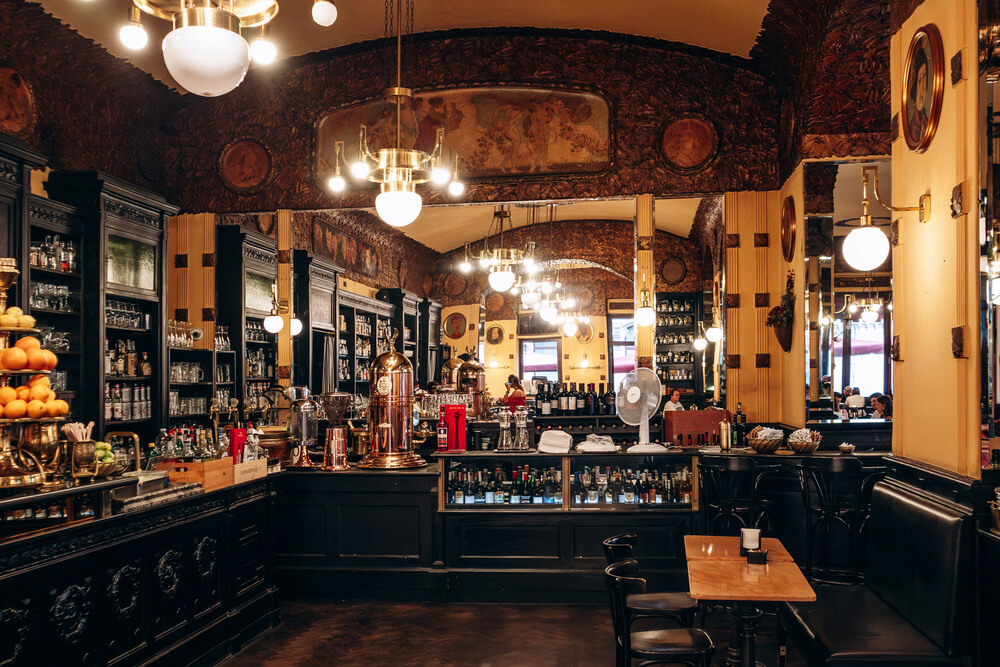
Caffè San Marco opened in Trieste in 1914, and its dark wood, marble tables and painted masks made it a gathering place for writers and intellectuals in a city long caught between Italian and Central European worlds. Today the cafe also holds a bookshop, so a cappuccino can come with a paperback.
Trieste takes its coffee seriously, and an hour at one of these tables is a cheap lesson in why.
Walk or Cycle the Stanley Park Seawall in Vancouver
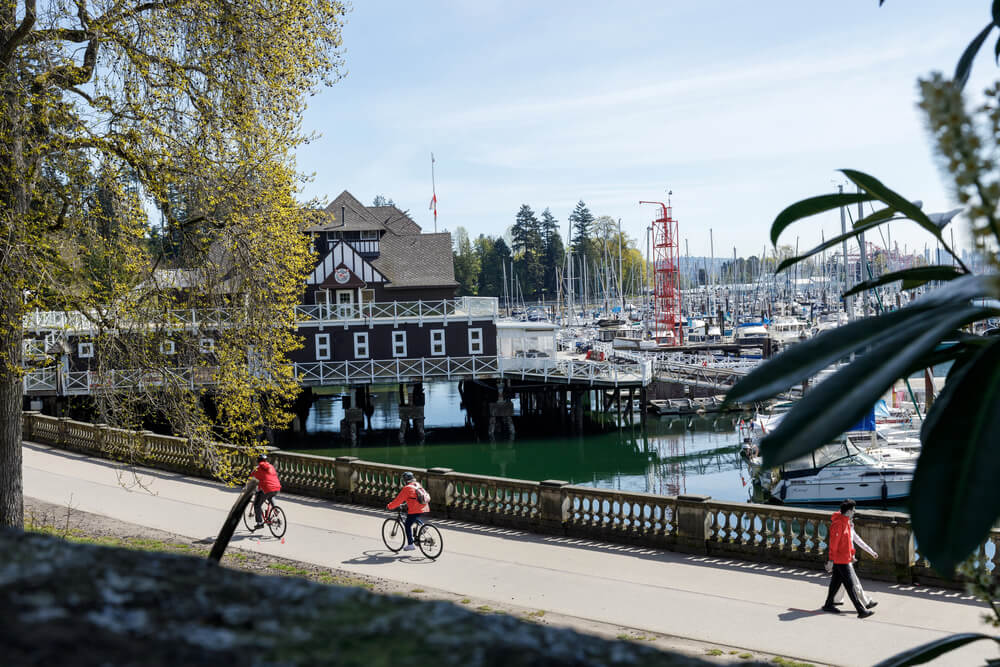
The seawall around Stanley Park in Vancouver runs for several kilometers along the shoreline, beneath giant evergreens and past beaches, lighthouses and totem poles. Cruise ships dock close to Canada Place, making the waterfront and park accessible on foot, though the distance depends on the route you choose.
Rental bikes are available nearby for anyone who prefers wheels, and designated one-way cycling routes help separate cyclists from pedestrians along busy sections.
Ride the Ascensores of Valparaíso
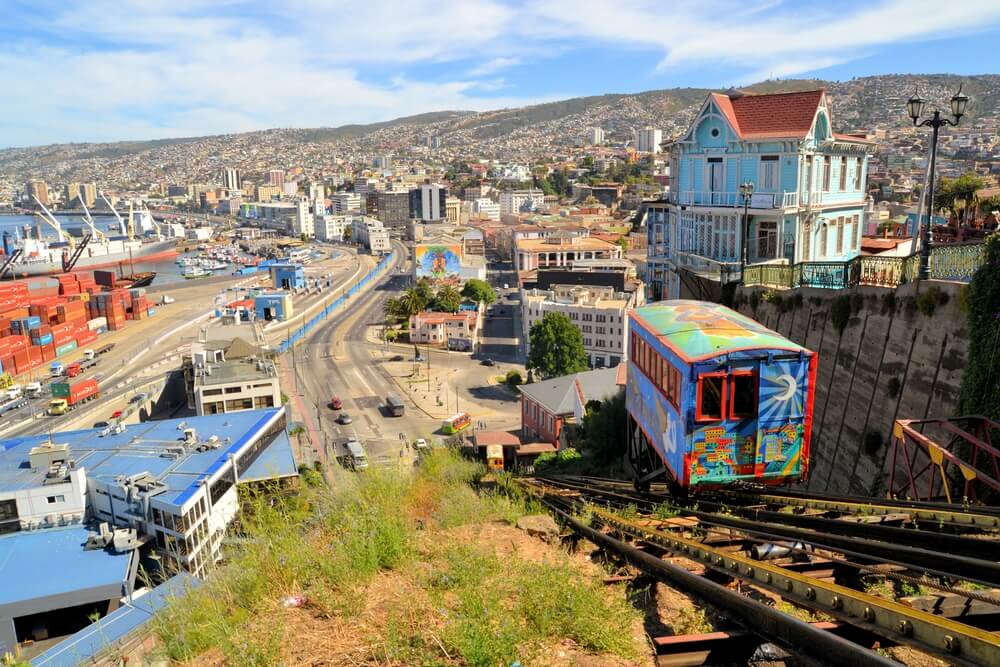
Valparaíso climbs a steep set of hills above the Pacific, and its old funiculars, known locally as ascensores, link the port to the neighborhoods above. The Ascensor Concepción, built in 1883, is one of the city’s historic funiculars.
Murals cover walls and stairways, and the historic quarter is a UNESCO World Heritage site, so the trip rewards both the rides and the walks between them. Check which ascensores are operating on the day of your visit, as service can be interrupted for maintenance.
Soak in a Historic Turkish Hammam

A hammam in Istanbul offers a very old way to pass a morning, with marble steam rooms, hot stone platforms and an attendant who scrubs away the road. The Çemberlitaş Hamamı was designed by the architect Sinan and finished in 1584, and it has a long history as a working bathhouse.
Many hammams in port cities offer treatments by the hour, so a short visit fits easily between breakfast and a late lunch on the water. Check prices and treatment options in advance, and confirm whether the facility requires advance reservations.
Assemble a Picnic From a Local Market

A basket of bread, local cheese, fruit and something to drink from a neighborhood market turns a port day into a lazy, delicious outing. Pick a park, a seawall or a hilltop, and the entire meal comes together for less than a restaurant lunch.
The ritual also offers a chance to chat with vendors, who usually have strong opinions about which peaches are ready that day. Check local rules before picnicking in formal gardens or other areas where eating may be restricted.
Climb Reykjavík’s Hallgrímskirkja Tower
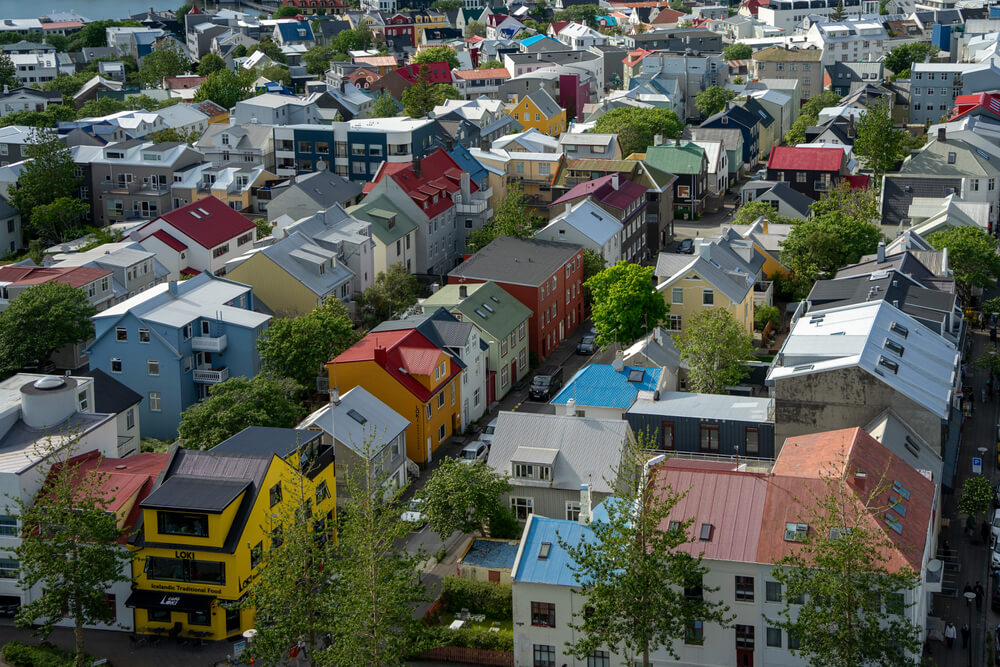
Hallgrímskirkja rises 74.5 meters above Reykjavík, its stepped concrete facade modeled on the basalt columns found in Iceland’s lava fields. Construction ran from 1945 to 1986, which makes it a church that took longer to build than most cruise passengers spend on a career.
The tower’s observation deck shows a patchwork of brightly painted roofs sloping toward the bay. Tower access requires a ticket and may be limited by services or other church activities, so check opening times before visiting.
Explore the Cape Town V&A Waterfront
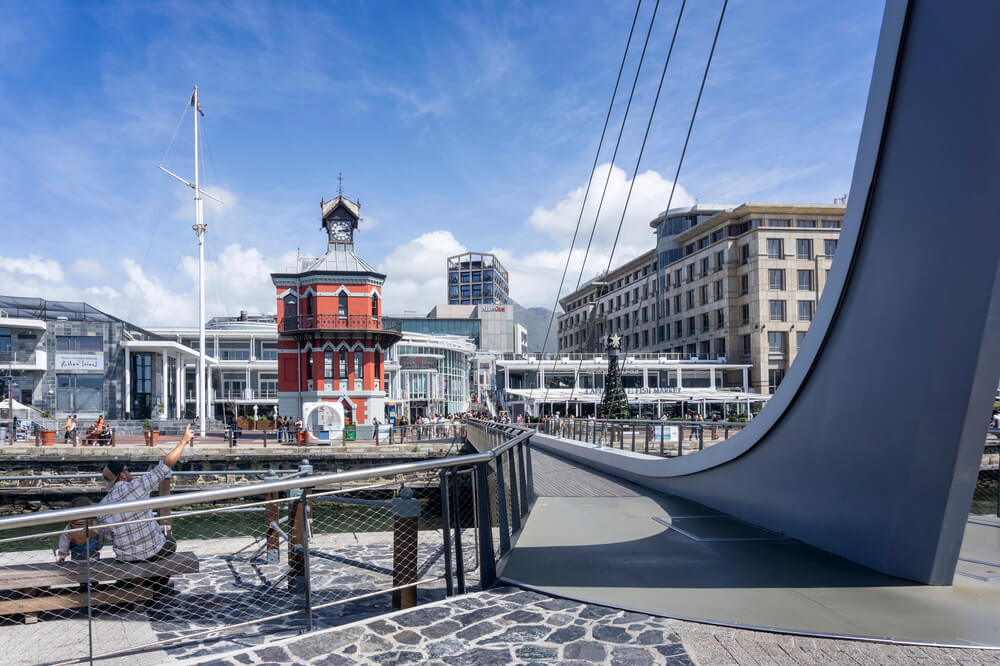
The Victoria and Alfred Waterfront in Cape Town is a working harbor wrapped in shops, restaurants and public spaces beneath Table Mountain. The Zeitz Museum of Contemporary Art Africa occupies a converted grain silo and opened in 2017, its atrium carved from concrete tubes.
Seals sometimes lounge on the docks, and the mountain behind the harbor makes for one of the finest backdrops in any port. You can explore the public areas without booking an excursion, although museum admission and some other activities cost extra.
Sit in the Peristyle of Diocletian’s Palace in Split
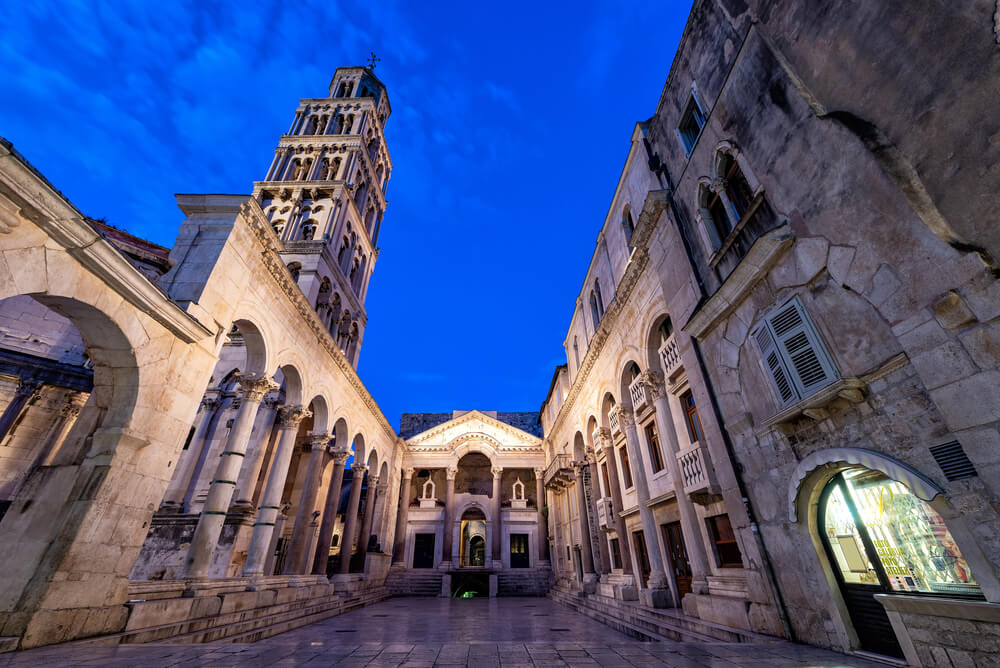
Split grew up inside the walls of a Roman emperor’s retirement palace, built around the year 300 and still inhabited by locals who run shops, cafes and apartments inside it. The central courtyard, called the Peristyle, is surrounded by Roman columns and makes an ideal spot to watch the town go about its day.
The palace and historic center earned UNESCO World Heritage status in 1979. Many of the surrounding streets are freely accessible, though certain attractions and interior sites charge admission.
Spend the Day on the Ship Itself
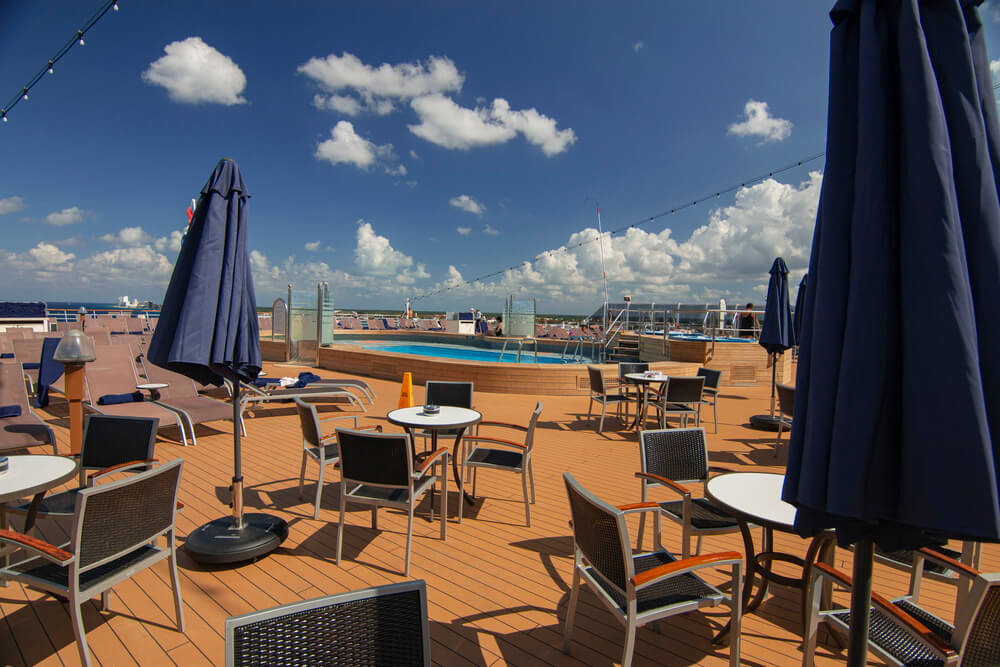
Port days offer one rare luxury: a nearly empty ship. Pools that are packed on sea days sit quiet, spa appointments may be easier to book, and the buffet can be less crowded.
Passengers who have been to the port before, or who simply need a break, can read on a deck chair while the crowds scatter ashore. Returning to a calm ship is easier than returning to another day of coaches. Check which onboard venues and services remain open while the ship is in port.
Ride a Local Bus to the End of the Line

Public buses cost far less than a taxi and show parts of a city that tour itineraries never touch. A day pass, a window seat and a willingness to hop off at an interesting stop produce a very different picture of a place.
The terminal stop might be a neighborhood, a market or a viewpoint that locals know and visitors do not. Checking the return route and the ship’s departure time before leaving keeps the plan worry-free. Confirm the fare, service frequency and last return bus before heading out, and leave a generous buffer before the ship’s all-aboard time.
Browse the Rotunda of Stockholm’s City Library

Stockholm’s Public Library, opened in 1928, is built around a circular rotunda lined with three tiers of books. The yellow building sits in the Vasastan district, reachable by public transportation from the cruise terminals.
As a working public library, it welcomes visitors during opening hours, but access to particular rooms or areas may vary. A half hour spent among the shelves is a quiet counterweight to a day of sightseeing.
Walk Sydney’s Harbor to Mrs Macquarie’s Chair
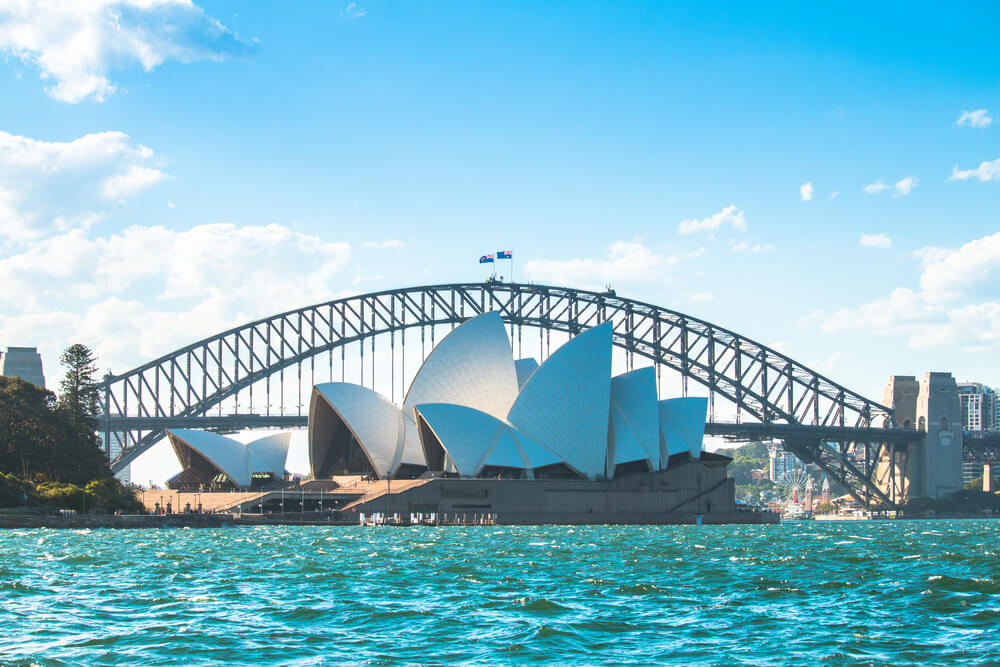
A footpath from Circular Quay passes the Sydney Opera House and the Royal Botanic Garden on the way to Mrs Macquarie’s Chair, a sandstone seat carved into the rock ledge in 1810. The spot looks across the water to the Opera House and the Harbour Bridge in a single frame.
The garden dates to 1816, and its lawns are free to enter, which makes the full walk a cheap and generous way to spend a morning. Allow time for the return walk and check the route from your particular cruise terminal.
The Case for Doing Less
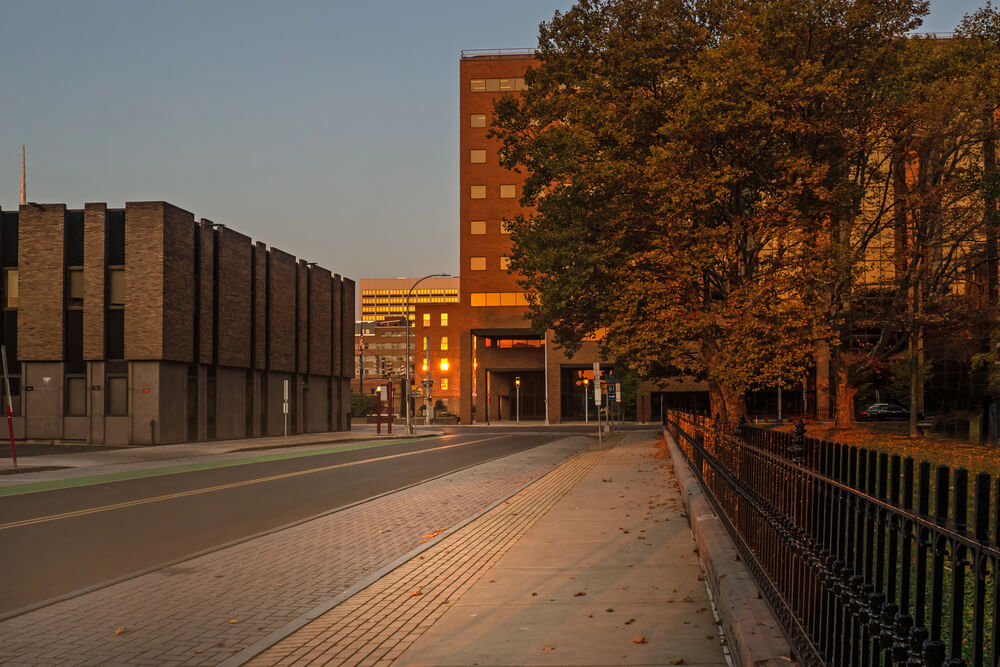
Excursions promise efficiency, and often deliver it, but a port day spent on foot offers something that a schedule cannot. Wandering allows a traveler to notice the bakery with a line out the door, the church with an open side door, or the street where nobody speaks English. Those small discoveries tend to stay in memory longer than the stops on a coach itinerary.
Most ports reward the kind of attention that cannot be bought in advance. A short list of places, a map and a firm back-on-board time give the day a shape without taking away its surprises. The best port days often end with a traveler who has seen less, but understood more.
More from Travel Pug

- Underrated Italian Towns That Beat the Tourist Crowds
- Las Vegas Tourist Traps to Skip
- Prettiest Towns in Every US State
- 18 passport-free countries for Americans
- Signs Your Cruise Is Not Worth The Cost
Like Travel Pug’s content? Follow us on MSN.