

Cruise ships follow the weather the way migratory birds follow the seasons. When the Caribbean fades into hurricane season or the Mediterranean cools off, entire fleets move to a different ocean, and the voyage between the two becomes a cruise of its own.
Those one-way crossings are often heavy on sea days and light on crowds.A day at sea on one of these crossings looks nothing like a port-heavy vacation.
There are lectures, trivia, deck chairs, long dinners, and a horizon that does not change. For travelers who want the ship itself to be the destination, these routes deliver.
Southampton to New York on a Westbound Crossing
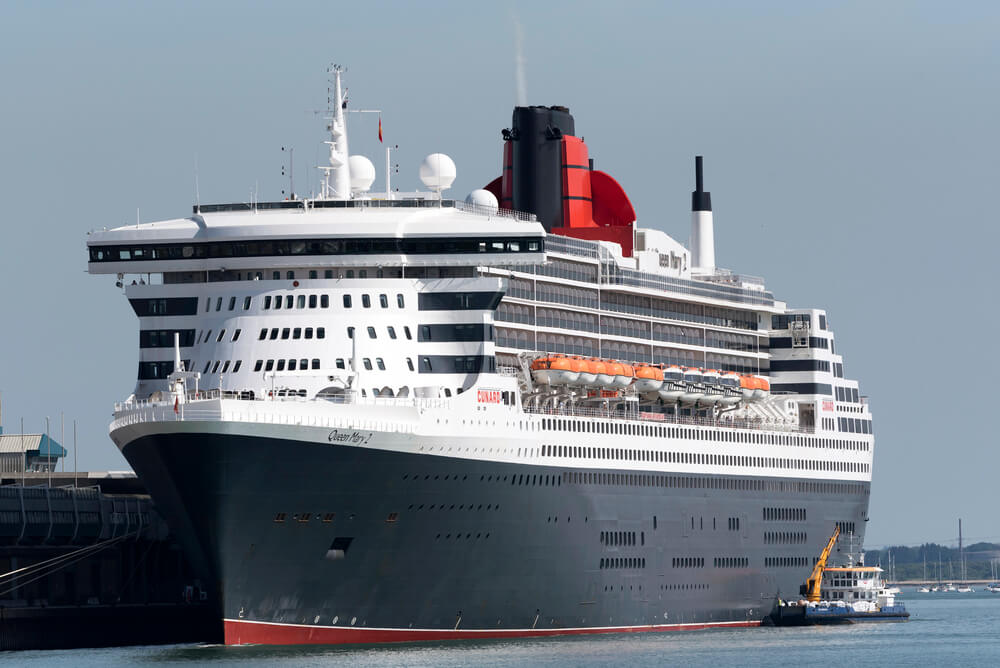
The classic North Atlantic route runs about seven nights between England and Manhattan, with no port calls in between. Cunard’s Queen Mary 2 is built for exactly this stretch of ocean, and the crossing is a regular fixture on its calendar.
Because New York sits five hours behind Southampton during standard time in the United Kingdom, clocks are set back during the voyage, and passengers may gain an extra hour on several nights, depending on the sailing dates. The Statue of Liberty arrives at dawn, and it is a better ending than any airport.
New York to Southampton and the Eastbound Rush
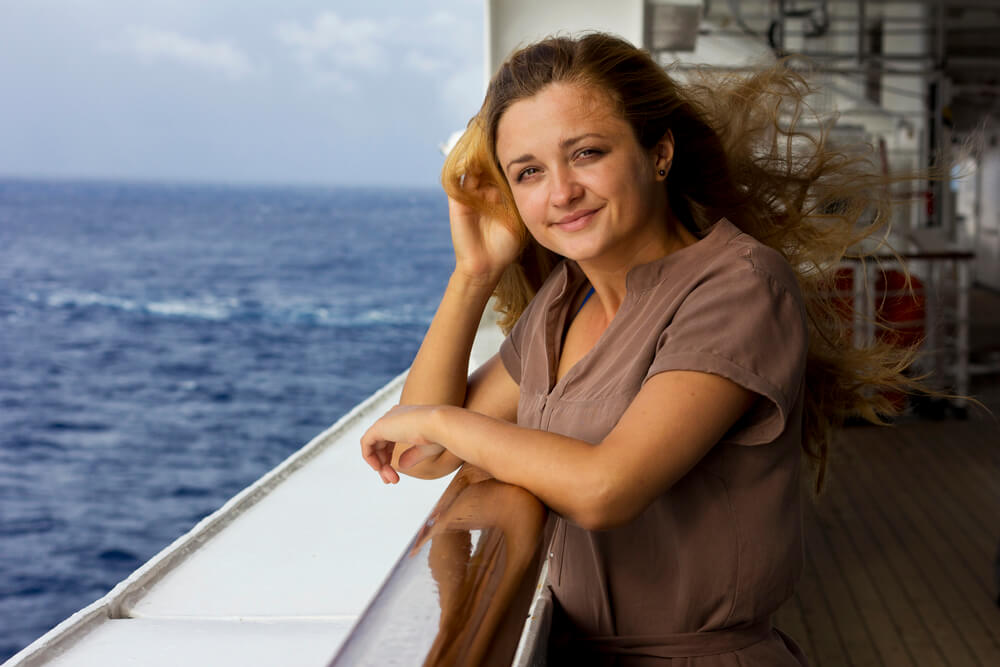
Heading east, the same crossing flips the clock the other way, so days are shortened by an hour at a time as the ship adjusts to British time. Wind and currents can affect the crossing, but the Gulf Stream does not guarantee a faster eastbound trip.
Passengers adjust to European time before they ever land, which can make the eventual arrival feel strangely painless. Sea days are filled with onboard entertainment, afternoon tea and long walks around the promenade deck.
Barcelona to Fort Lauderdale in the Autumn Handoff
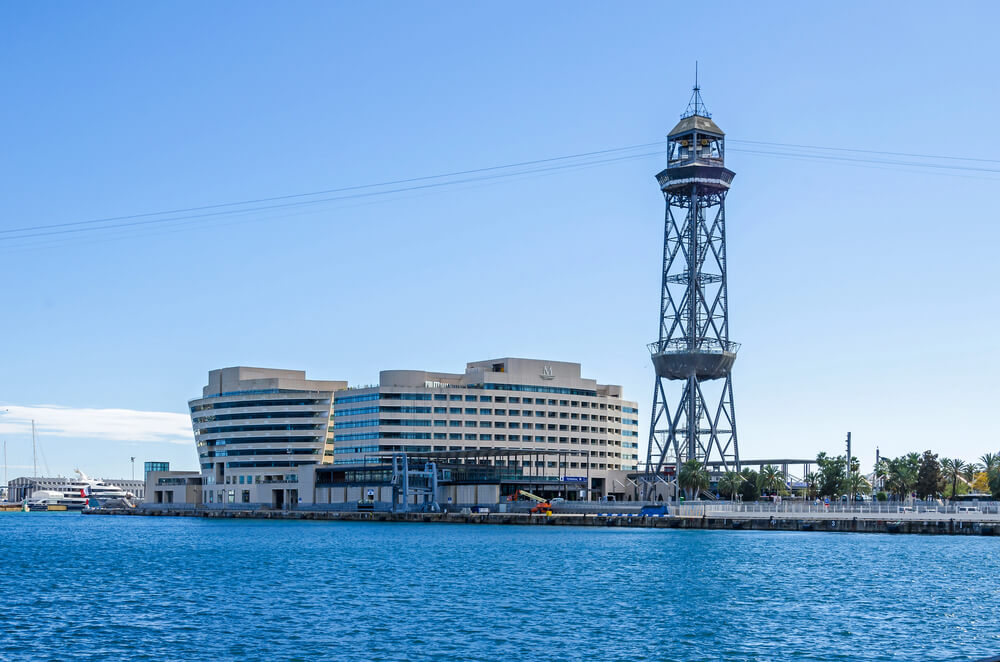
When the Mediterranean season winds down, ships relocate to Florida for the winter Caribbean schedule. Itineraries from Barcelona may call at ports in Spain, Portugal or Madeira before beginning a longer Atlantic crossing. The Atlantic in late autumn can be rough, so the sea-day mood leans toward cozy: libraries, spa time and cooking demonstrations.
Fort Lauderdale’s Port Everglades is one of the Florida ports that receives ships repositioning for winter Caribbean service.
Rome to Miami With Stops in the Western Mediterranean
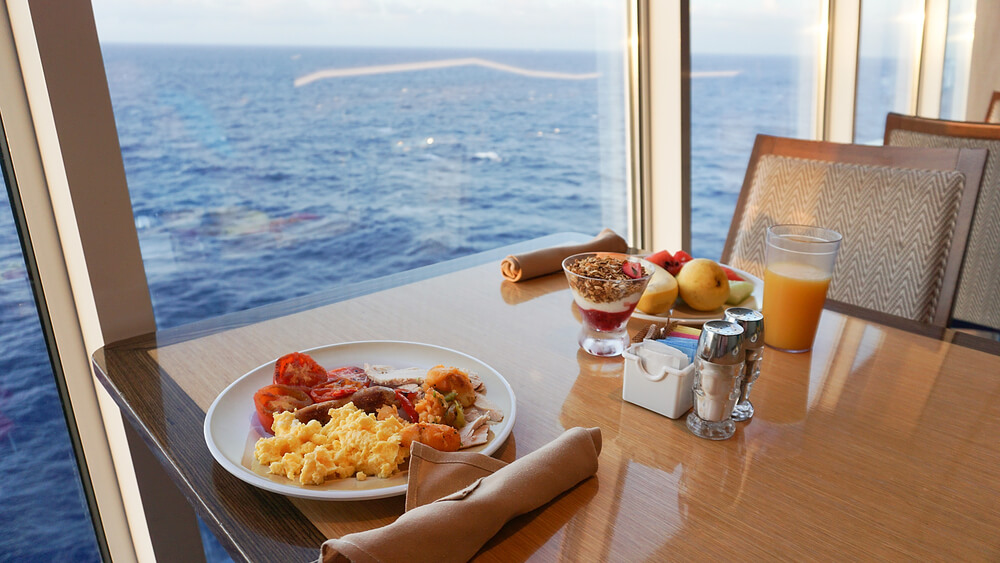
Departing from the Italian coast, ships typically pause at ports such as Málaga or Cádiz before passing Gibraltar and entering the Atlantic. Once the Rock drops astern, the remaining days may be spent at sea, depending on the itinerary.
Italy’s cuisine often travels along, with pasta nights and espresso bars keeping the Mediterranean mood alive until the Florida coastline appears. Few itineraries deliver such a clean break between two entirely different parts of the world.
Lisbon to the Caribbean via Madeira
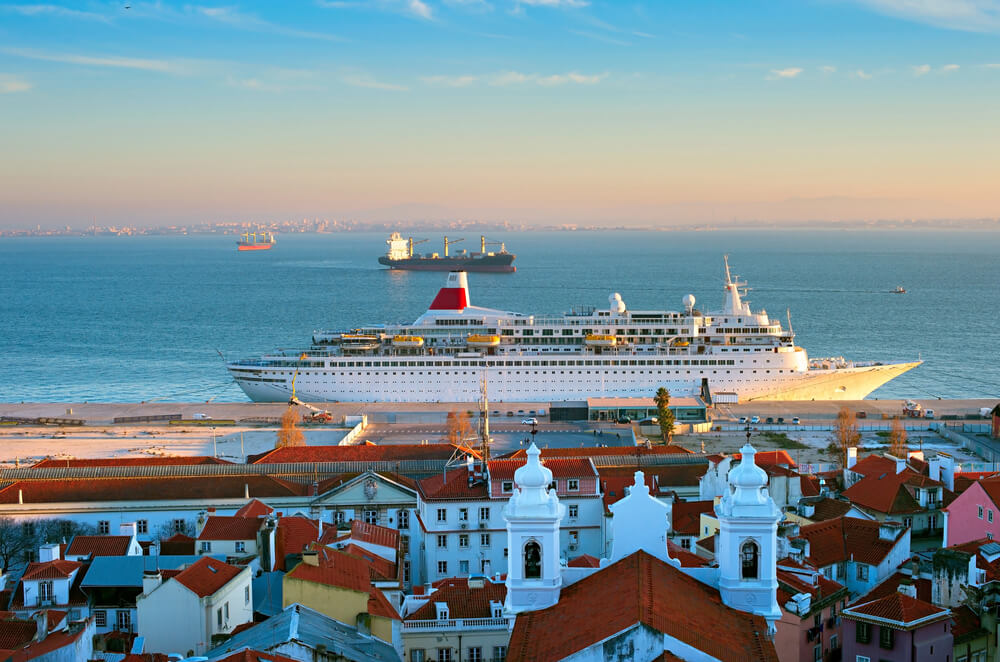
Portugal’s capital makes a graceful departure point for an Atlantic crossing, and Madeira can offer a last landfall before several consecutive sea days. Funchal climbs steeply from the harbor in terraces, and its bananas, wine and wicker toboggans make a worthy final shore day.
After that, the ship heads southwest toward warmer latitudes, where daily temperatures often rise gradually. By the time the Caribbean appears, passengers may have traded sweaters for sunscreen.
Miami to Europe by Way of Bermuda and the Azores
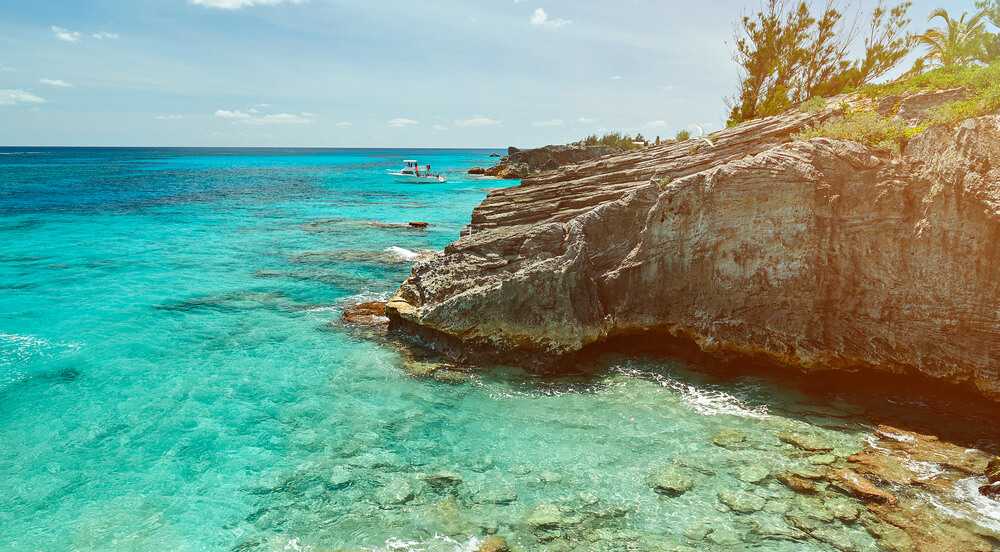
Some spring crossings break up the voyage with two island stops. Royal Caribbean has offered a 12-night transatlantic itinerary aboard Freedom of the Seas from Miami to Southampton, with calls in Bermuda and the Azores.
Bermuda lies roughly 650 miles east of North Carolina, and its pink-sand beaches reward the first leg. The Azores follow after several sea days, offering a second island stop in the middle of the Atlantic before the ship continues to Europe.
Ponta Delgada and the Twin Lakes of Sete Cidades
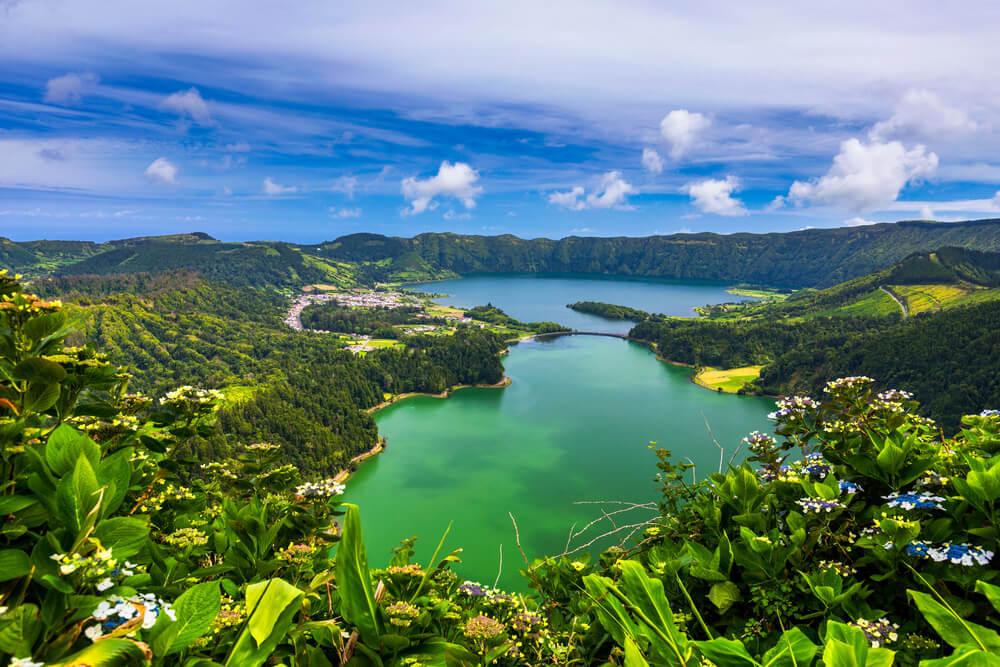
For many Europe-bound crossings, the first sight of land after days at sea is Ponta Delgada on São Miguel in the Azores. The island’s best-known landscape is Sete Cidades, a volcanic crater holding two adjoining lakes that can appear different colors depending on light and viewing conditions.
The ship docks in a working harbor, and the lakes are a drive from the port rather than a short walk. After a long stretch of open water, the green volcanic slopes feel dramatic.
Cobh, Ireland, as the Last Stop Before the Atlantic
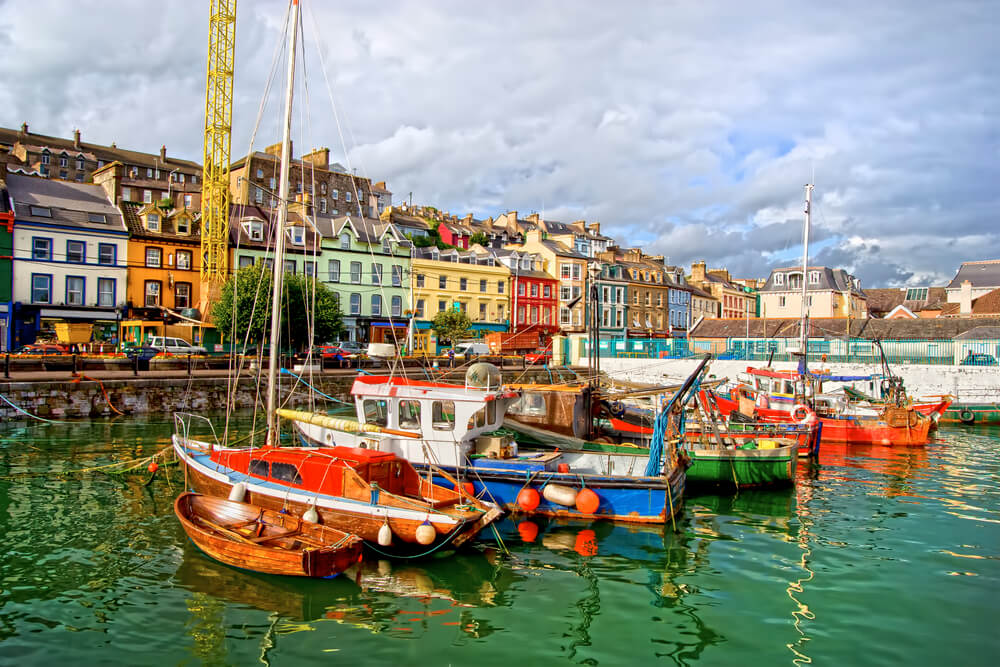
A few transatlantic itineraries touch Ireland before heading west, and Cobh carries real history. It was called Queenstown in 1912, when it became the Titanic’s final port of call before she crossed the Atlantic.
Visitors can walk the waterfront and visit local heritage attractions before boarding again. With the Irish coast fading behind them, passengers face open ocean for days, and the weight of that history gives the sea days a particular hush.
The Northern Route via Iceland and Greenland
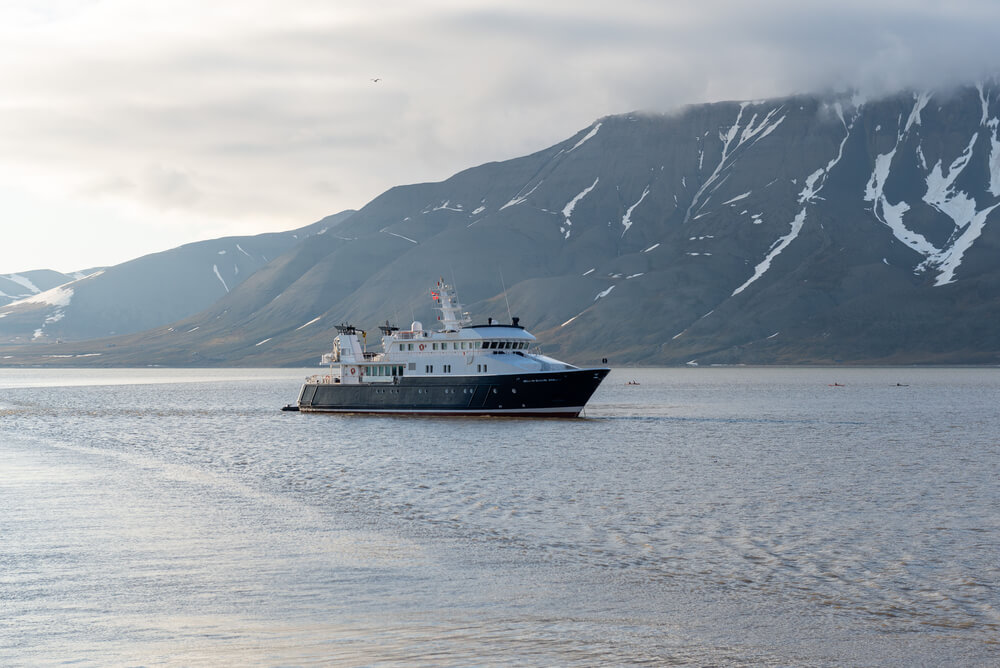
Some repositioning voyages take a northern Atlantic route, calling at destinations such as Iceland, Greenland or eastern Canada. Reykjavík, Iceland’s capital, is a frequent stop on certain itineraries, followed by sailing toward Greenland or the Canadian coast.
Sea days here come with parkas, binoculars and the possibility of seeing icebergs or other Arctic scenery, depending on the route and season. It trades the usual sun deck for an experience closer to polar expedition cruising.
Panama Canal From Fort Lauderdale to the Pacific Coast
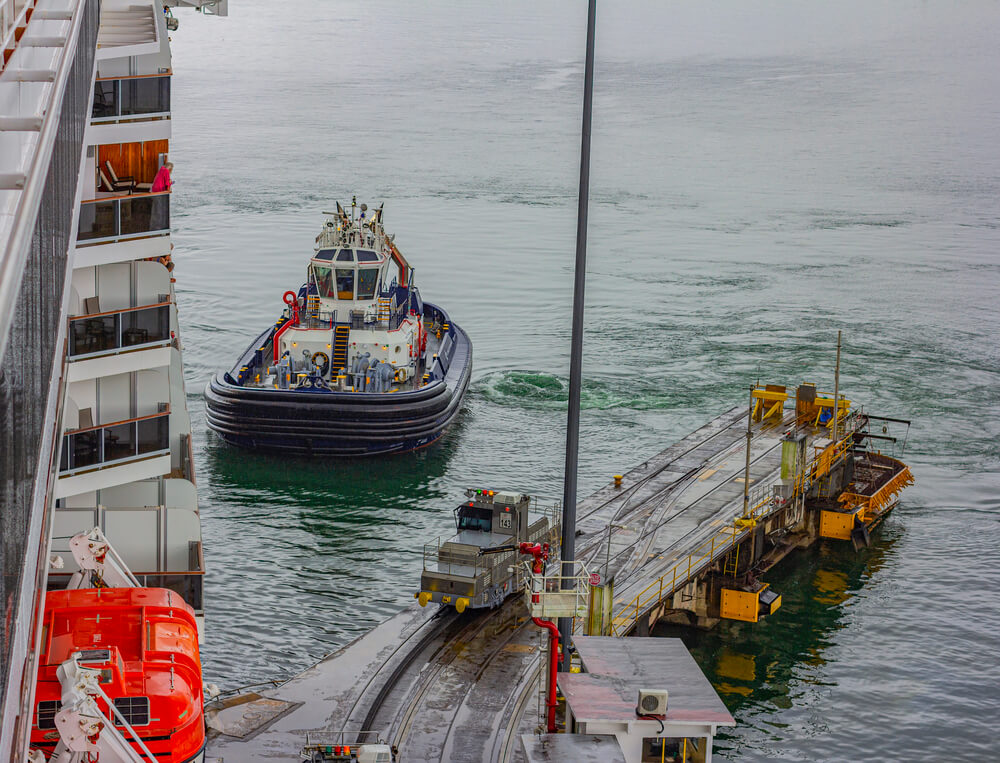
Crossing between oceans is a repositioning classic, with itineraries running from Florida to California in roughly two weeks. Several cruise lines offer Panama Canal voyages between the Atlantic and Pacific coasts, though durations and ports vary.
The canal itself is about 50 miles long, and its locks lift ships some 85 feet to Gatun Lake. Sea days sit on both sides of the transit, which fills a substantial part of the day by itself.
Seattle or Vancouver to Fort Lauderdale After the Alaska Season
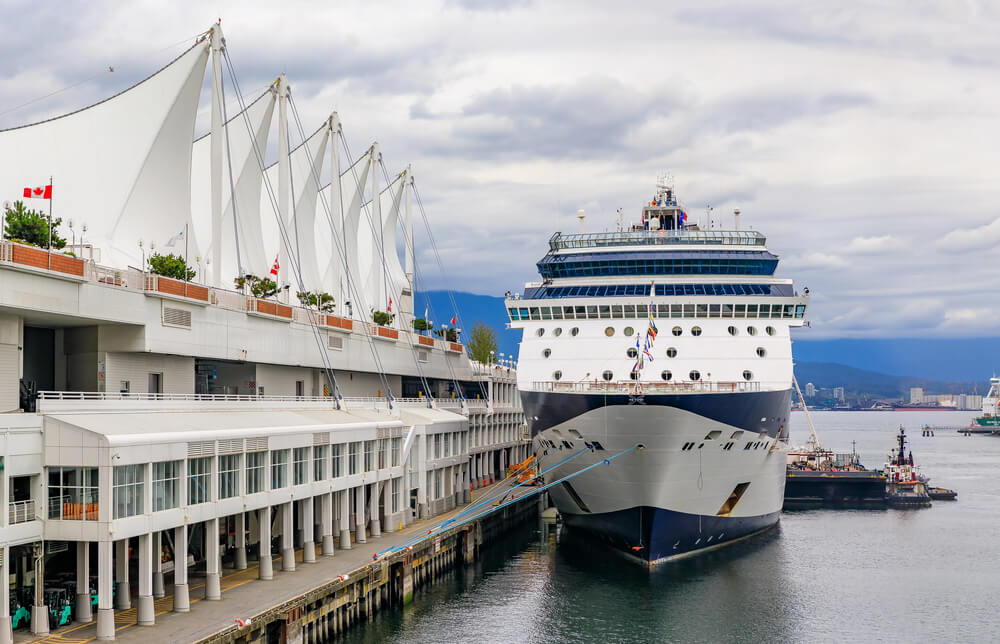
When Alaska’s cruise season winds down in September, some ships head south and eventually sail through the canal to Florida. The route can follow the Pacific coast of the Americas, with stops in places such as Cabo San Lucas, Puntarenas in Costa Rica, and Cartagena in Colombia.
Sea days between them can be a pleasant mix of warm weather and calm water, although conditions vary by season. Passengers who boarded in the Pacific Northwest often finish in shorts.
Los Angeles to the Caribbean Through the Canal
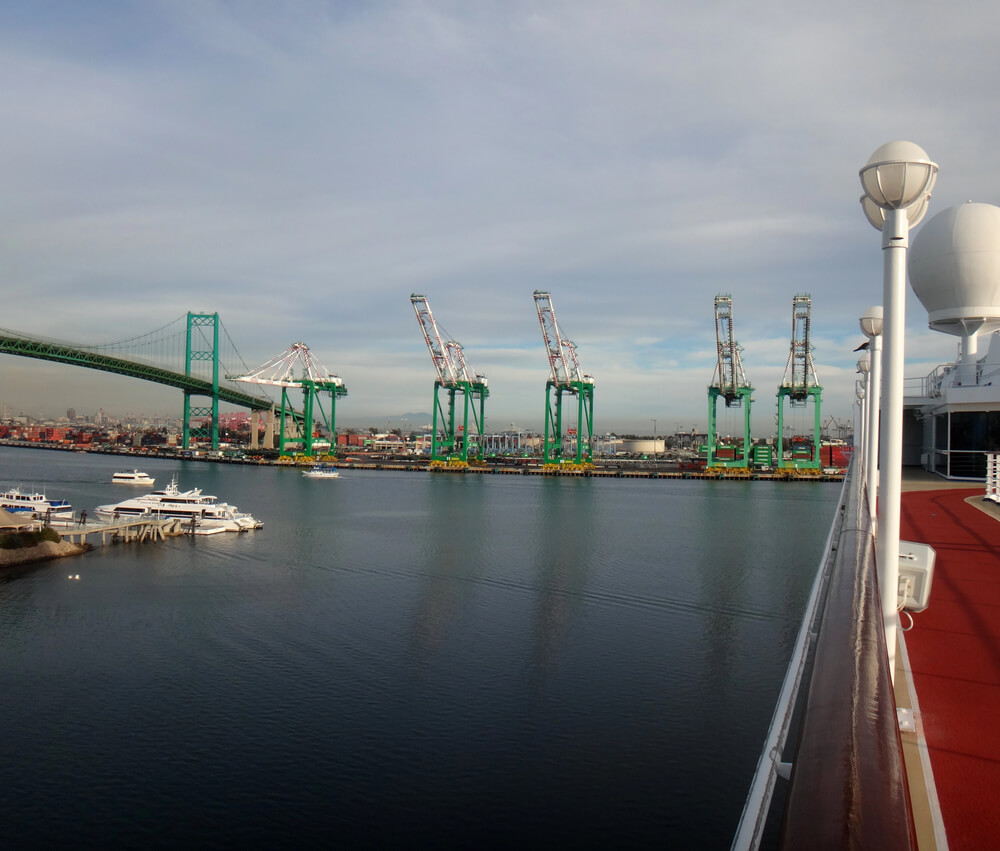
Another seasonal flow carries ships out of Mexican Riviera service toward the Caribbean on selected repositioning itineraries. The voyage hugs Central America, with stretches of open ocean between Mexican ports and the canal approach.
A day spent in the canal lets passengers watch the canal’s lock system raise and lower the ship as it moves between water levels. Afterward, the Caribbean side feels like a new chapter, with turquoise water replacing the Pacific’s deeper blue.
Alaska to Hawaii Across the North Pacific
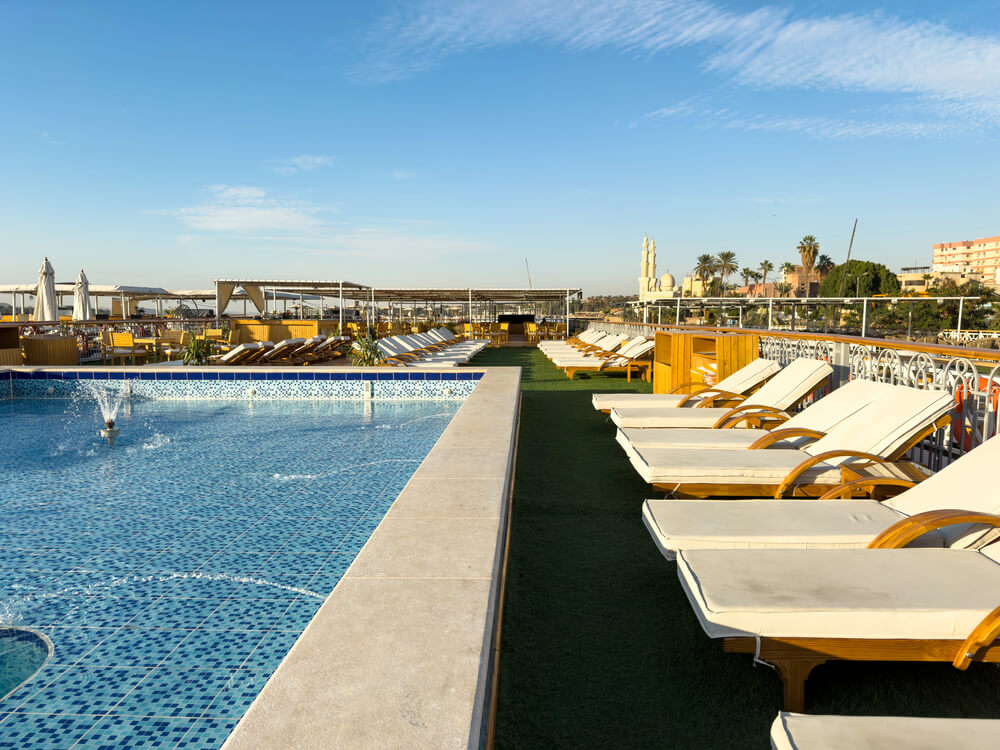
When the northern summer ends, ships leave Alaska for warmer water, and some Pacific repositioning itineraries include Hawaii or other island destinations along the way. Hawaii sits roughly 2,400 miles from California, so even a route from the mainland involves several consecutive sea days.
The weather can grow warmer as a ship heads south, and the pool deck may finally come into use. Passengers who boarded in fleece often finish the voyage in swimsuits. Check individual itineraries carefully, as a direct Alaska-to-Hawaii repositioning cruise is not a standard option on every cruise line’s calendar.
Hawaii to Vancouver as the Alaska Season Opens
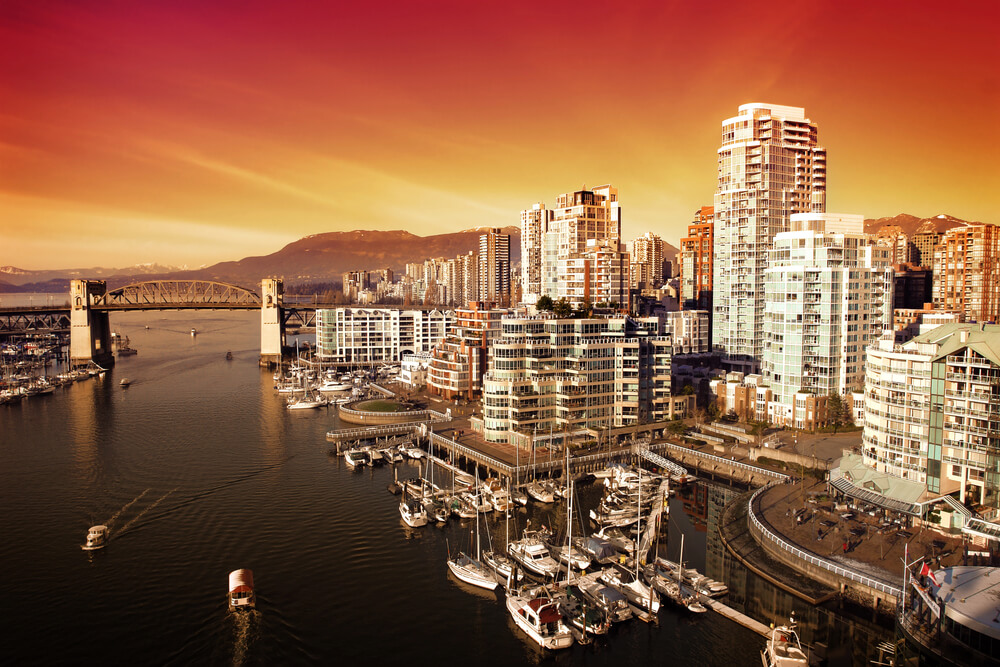
In spring, some ships reposition toward the Pacific Northwest ahead of the Alaska season, and certain itineraries include Hawaii. Several days of ocean separate the islands from the Canadian coast, and sea days grow cooler as the ship moves north.
Hawaii-to-Vancouver voyages are offered on selected sailings rather than being a guaranteed annual route. The reward is a first glimpse of the British Columbia mountains.
Why Hawaii Cruises Often Call Abroad
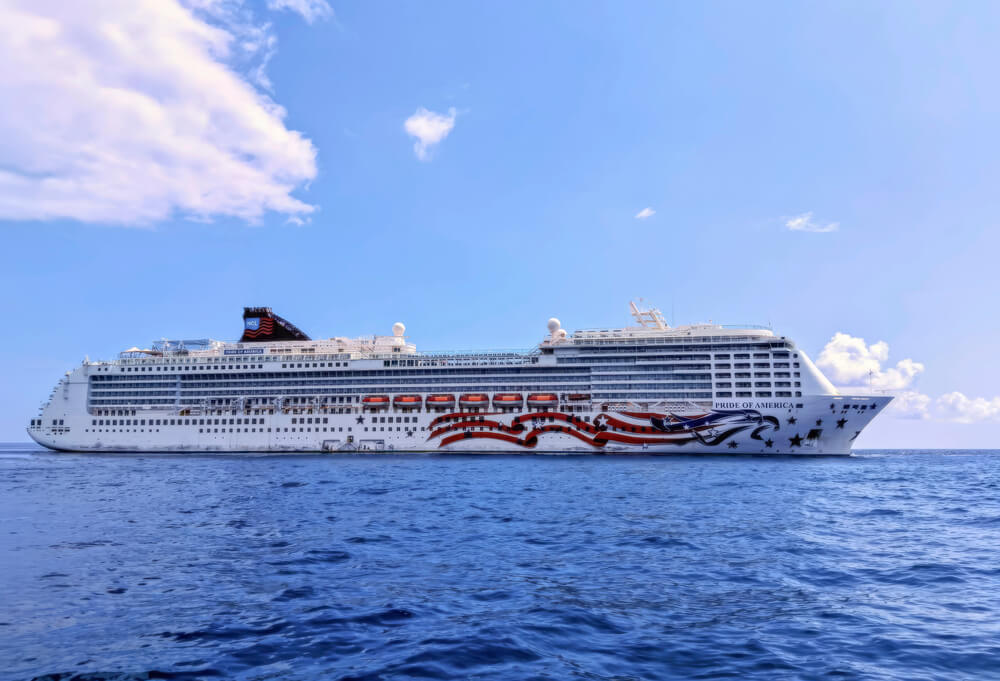
An unusual rule shapes many Hawaii itineraries. Under the Passenger Vessel Services Act, foreign-flagged cruise ships generally cannot transport passengers on a voyage between two U.S. ports without meeting the law’s foreign-port requirements.
As a result, cruises from the U.S. mainland to Hawaii often include a call in a foreign port, such as Canada or Mexico, depending on the route. Pride of America, which sails under the U.S. flag, operates inter-island cruises in Hawaii without needing a foreign port call.
That legal detail helps explain why some mainland-to-Hawaii itineraries take longer than travelers might expect.
Los Angeles to Tahiti Across the Equator
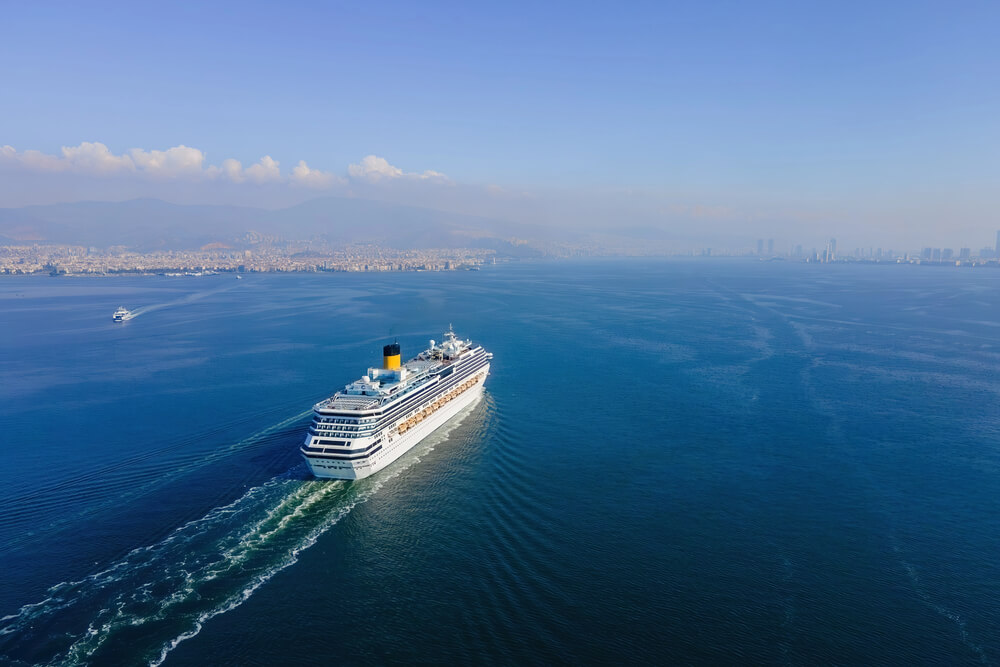
A trip from California to French Polynesia involves more than a week of sailing across the Pacific. Along the way, ships cross the equator, and many hold a ceremony led by a costumed King Neptune.
Moorea, Bora Bora and Papeete reward the effort at the end of the journey. The long run of open ocean makes the arrival in Tahiti feel earned, and the lagoons look brighter after days of deep blue. These voyages are less common than transatlantic repositioning cruises, so dates and routes depend on the ship’s deployment schedule.
Sydney to Vancouver and the Date Line Bonus
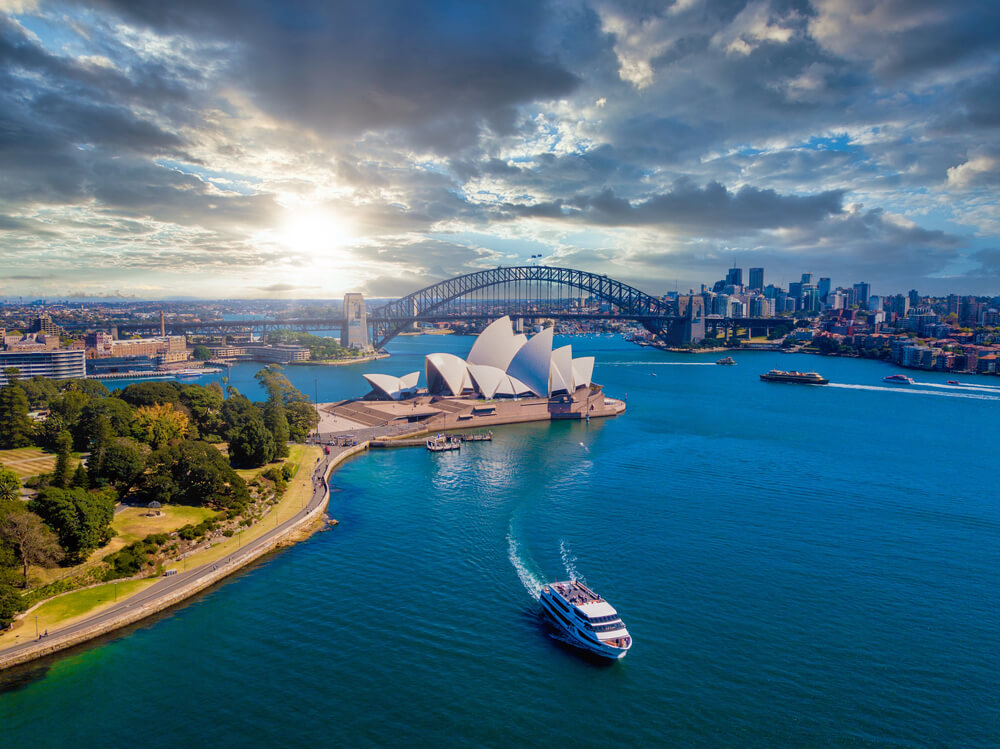
Moving ships between the Southern Hemisphere summer and the Alaska summer can produce one of the longest Pacific crossings. Some itineraries include Pacific island ports and Hawaii along the way, while others take different routes.
Sailing east across the International Date Line can mean repeating a calendar day, giving passengers a second Tuesday or Wednesday aboard. That extra day is always welcomed, since the voyage is long enough to need one.
Australia to Singapore Through Indonesia
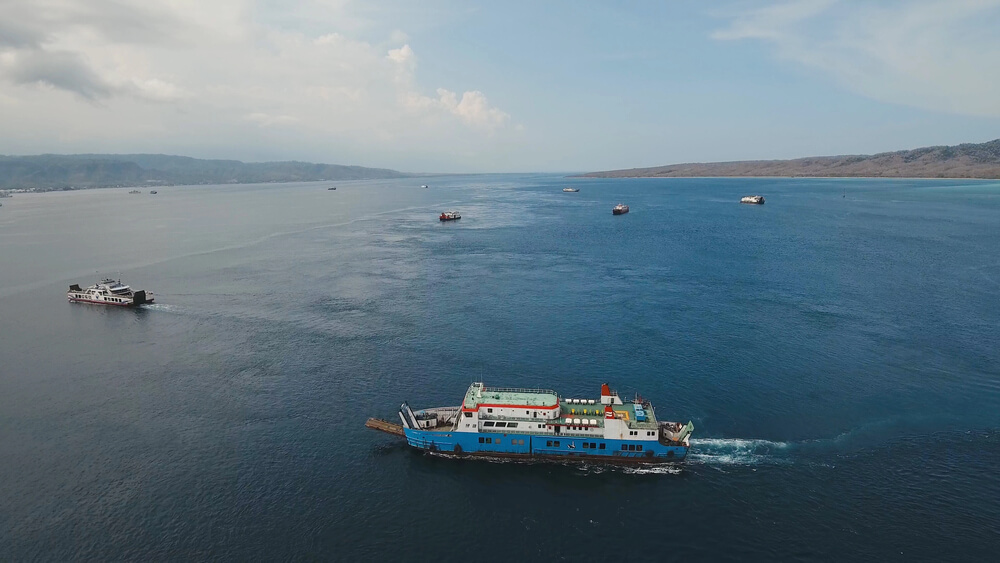
Ships that leave Australia for the northern summer in Asia may sail through the Timor and Java seas. Darwin and Bali are familiar stops on some itineraries, and the final run into Singapore passes through some of the busiest shipping lanes on earth.
The tropical heat arrives early and stays, so sea days center on shade and cold drinks. The contrast between the Australian outback coast and Singapore’s skyline is sharp. The exact route and port calls vary with the ship’s departure point and seasonal deployment.
Singapore to Dubai Across the Indian Ocean
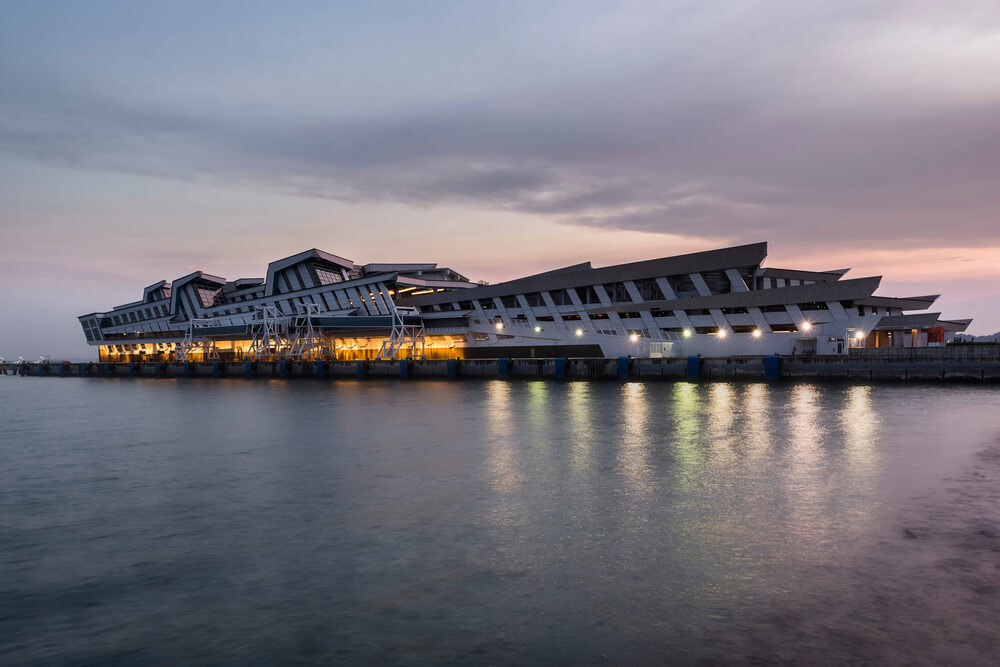
Cruise lines have offered longer voyages between Singapore and Dubai, sometimes with calls in South Asia or the Middle East. The route may cross the Bay of Bengal and the Arabian Sea, with ports such as Colombo and Muscat marking progress. Long stretches without land make it one of the more remote cruising experiences available.
Dubai’s cruise season generally centers on the cooler months, which helps explain why ships reposition there for winter itineraries.
Dubai to Asia Aboard Queen Mary 2
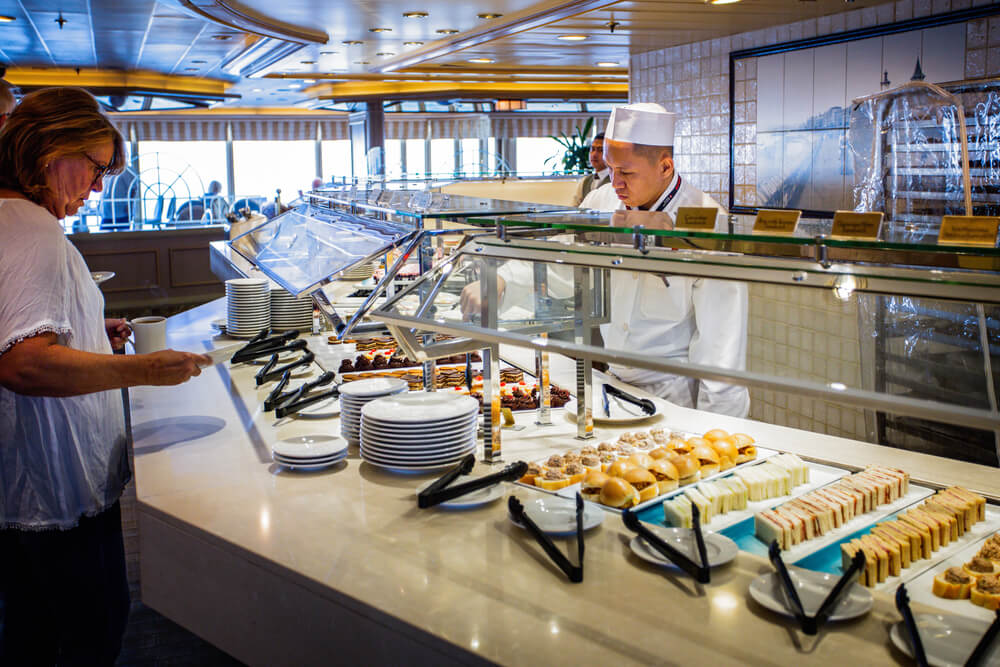
Cunard has previously scheduled Queen Mary 2 voyages linking Dubai with Asian and Australian destinations, illustrating how the liner can operate beyond its regular North Atlantic route. Such sailings are itinerary-specific and should not be treated as a permanent annual service. A ship designed for the North Atlantic carries a different feel in tropical waters, with transatlantic formality meeting warm weather.
Sea days include the usual lectures and afternoon tea. Few experiences feel as incongruous as a grand liner crossing the Arabian Sea.
Cape Town to Europe Along the South Atlantic
Ships returning from southern Africa to Europe sometimes call at St. Helena, the remote island where Napoleon lived in exile after 1815. Cruise vessels generally anchor offshore because the island’s harbor cannot accommodate large cruise ships at a conventional berth, and passengers go ashore by tender when conditions allow.
Between Cape Town and St. Helena, several sea days can pass without another coastline in view. The island, with Jamestown tucked into a narrow valley, is worth the wait.
Ushuaia and the Drake Passage Toward Antarctica
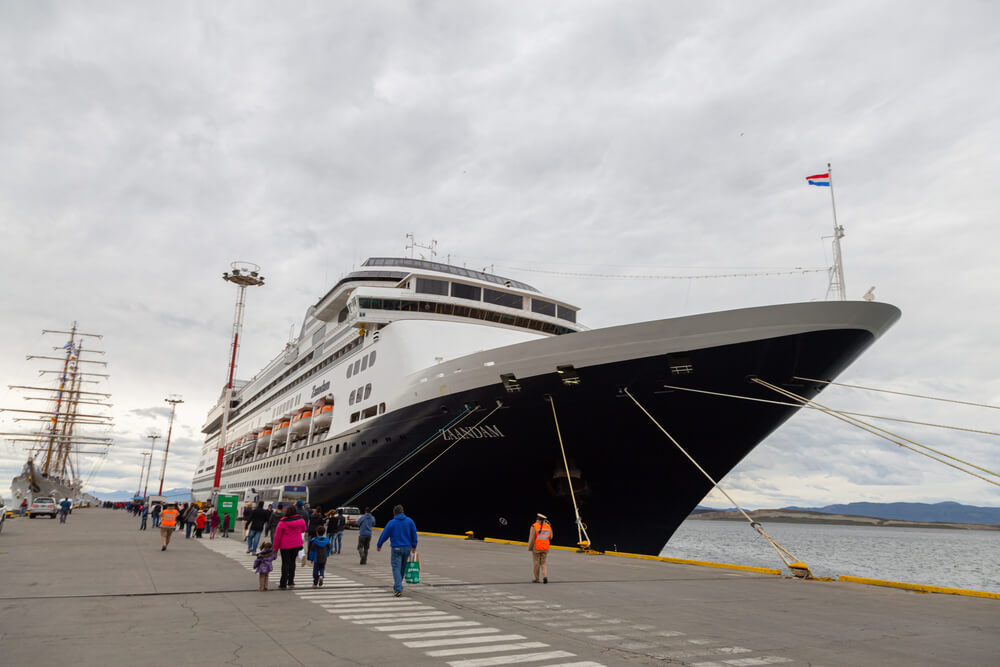
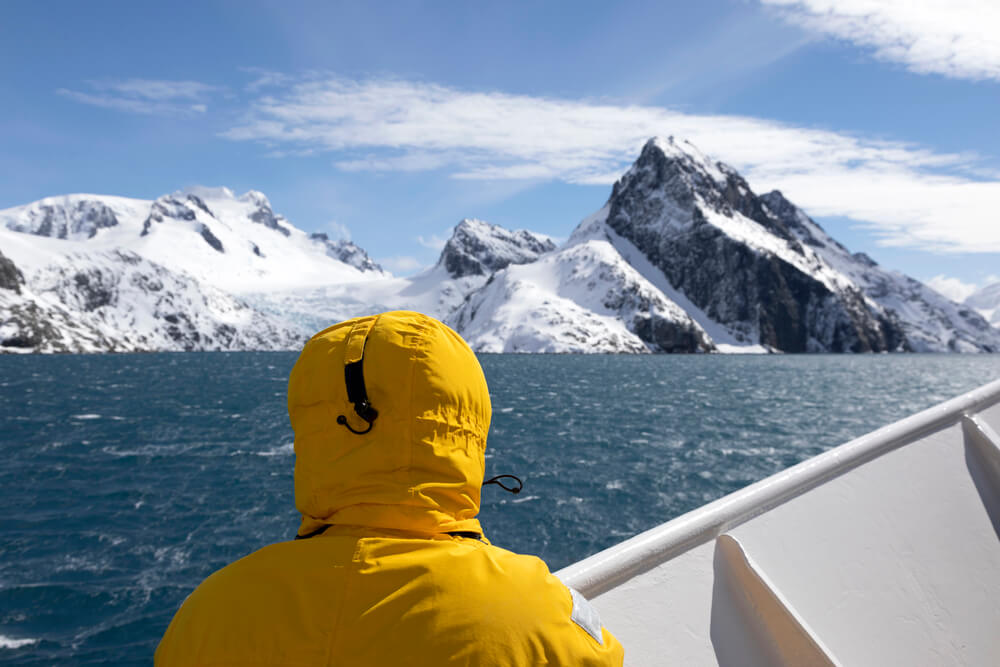
When the northern winter arrives, expedition ships head to Ushuaia, Argentina, for the Antarctic season. The Drake Passage, roughly 600 miles of open water between Cape Horn and the Antarctic Peninsula, often takes about two days to cross each way.
The sea can be calm or violent, which sailors call the Drake Lake or the Drake Shake. Sea days here are spent on deck with binoculars, waiting for the first iceberg. Unlike conventional repositioning cruises, many Antarctic voyages are expedition itineraries built around wildlife, landings and exploration.
Baltic and Norway to the Canary Islands in Autumn
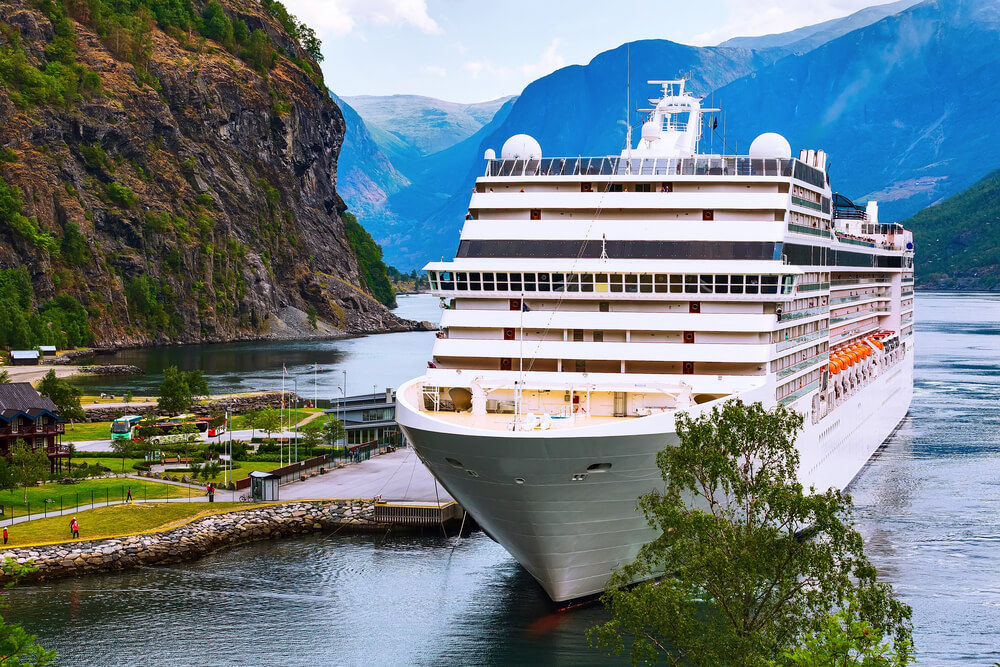
As northern Europe cools, some ships leave the Baltic and the fjords for the Canary Islands. The route may cross the North Sea and the Bay of Biscay, a stretch known for rough seas. Beyond Biscay, the weather often warms and the water may settle.
Tenerife and Gran Canaria are common stops, providing sunshine for passengers who have spent the previous weeks bundled in coats. The number of sea days depends on the ship’s route and any intermediate ports.
Canada and New England to the Caribbean in Fall
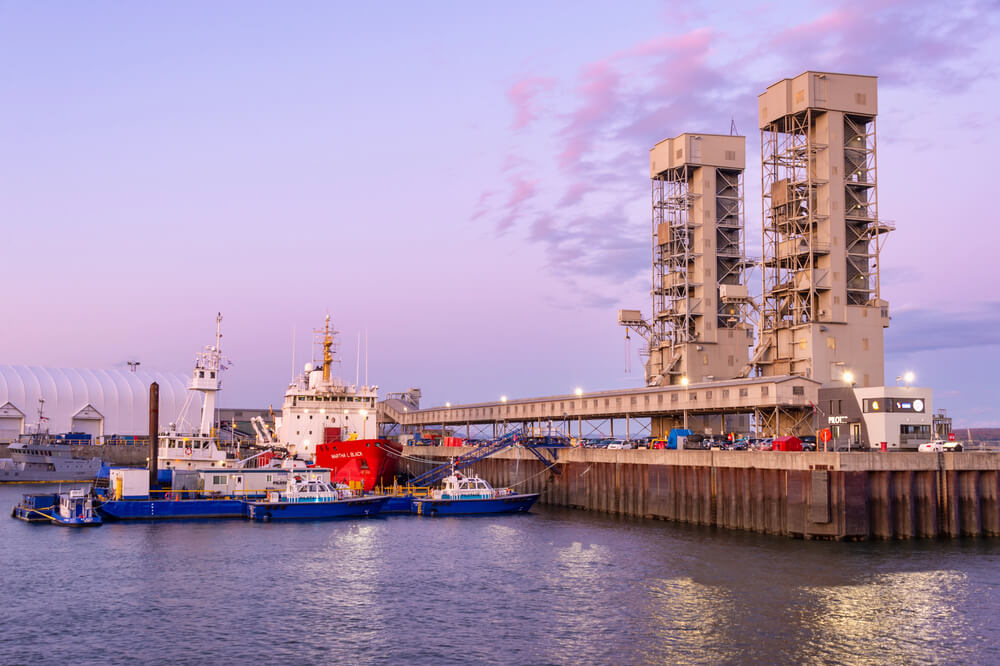
The autumn foliage season brings ships to Quebec City, Halifax and Boston, and some of those ships then head south. Repositioning itineraries may link northern ports with Florida or the Caribbean, although not every sailing from this region is a direct seasonal crossing.
Cape Hatteras and the open Atlantic can make for a few days of ocean with no landfall in sight. Passengers can trade leaf-peeping for rum punch within a week, depending on the itinerary.
Southampton to Barbados for the Winter Sun
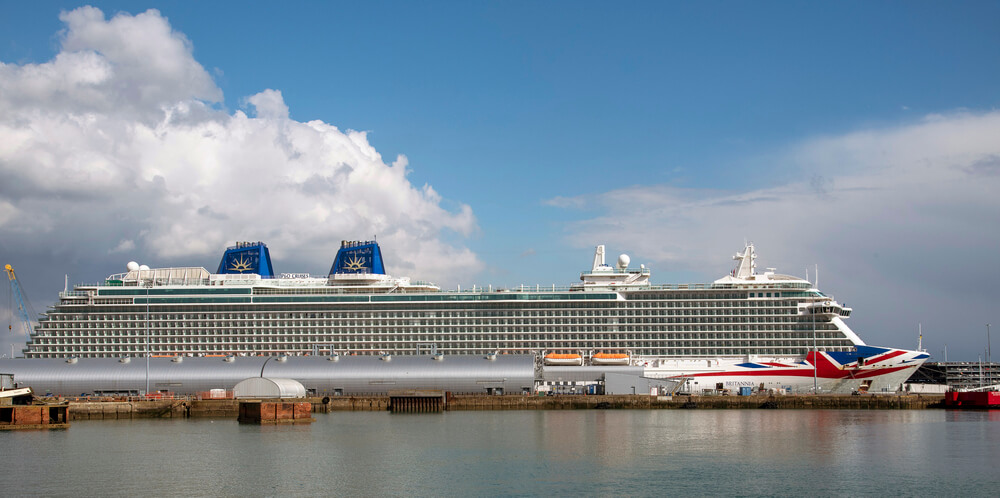
British winters are cold and gray, so ships reposition across the Atlantic to the Caribbean. Many itineraries call at Madeira or the Canary Islands before the longer run to Bridgetown, Barbados.
The crossing can take about two weeks, and the ship moves from English drizzle to tropical sunshine in stages. Sea days fill with deck games, evening shows and plenty of reading. Departure dates, port calls and total duration vary by ship and season.
The Slow Joy of Going Nowhere in Particular
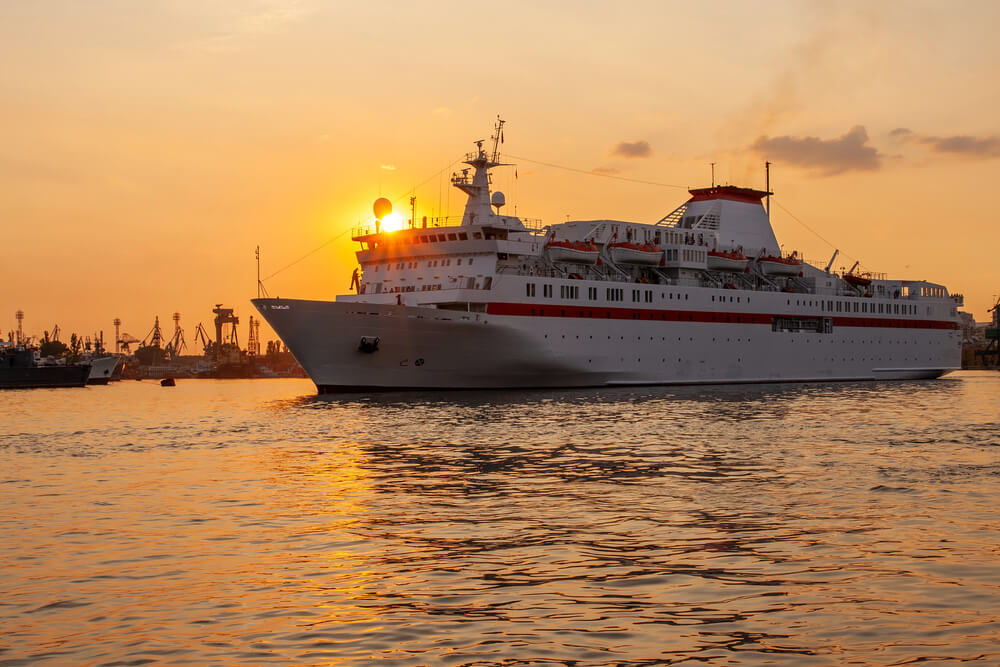
Repositioning cruises remove the usual rhythm of arriving, disembarking, shopping and rushing back. The ship becomes the destination, and the ocean becomes the view.
Many travelers expect to be bored on day three of a crossing, only to find that the lack of an agenda is the point. A schedule that fits a book, a long walk and an unhurried meal is rarer than it sounds.Practical rewards come with it, too, since long stretches at sea allow travelers to see how a ship runs, how the weather changes the mood, and how quickly strangers become dining companions.
The sea days are the product, not the delay. Those who try a crossing once often come home planning another, because the open water has a way of rearranging what a vacation is for.
More from Travel Pug

- Underrated Italian Towns That Beat the Tourist Crowds
- Las Vegas Tourist Traps to Skip
- Prettiest Towns in Every US State
- 18 passport-free countries for Americans
- Signs Your Cruise Is Not Worth The Cost
Like Travel Pug’s content? Follow us on MSN.