

Picture yourself walking on sand so white it looks like powdered sugar, with water so clear you can see your feet 10 feet below. The Bahamas delivers this fantasy across 700 islands scattered throughout the Atlantic, each one offering its own version of paradise.
Some beaches hide behind mangroves on uninhabited cays, others stretch for miles along resort-lined shores, and a few can only be reached by boat or seaplane.
The challenge isn’t finding beautiful beaches here — it’s choosing which ones deserve your limited vacation days. These 17 white sand beaches represent the absolute best the Bahamas has to offer, from famous stretches that appear on every travel magazine cover to hidden gems that most tourists never discover.
Cable Beach

Cable Beach earned its reputation the honest way. Four miles of unbroken white sand, no rocks, and water that stays swimmable year-round.
The beach runs straight as an arrow along Nassau’s northwest coast. Hotels line the sand, but the beach itself stays public and uncrowded.
Pink Sands Beach

The sand here isn’t actually pink — it’s white with tiny fragments of red coral shells mixed in, creating a blush that shows up best at sunrise and sunset. Harbour Island’s most famous beach stretches for three miles, and the gentle slope means you can walk out 100 yards before the water reaches your chest.
Golf carts replace cars on the island, which tells you everything about the pace of life here.
Tahiti Beach

Getting to Tahiti Beach requires planning (and timing, since it sits on a sandbar that appears and disappears with the tides), but the effort weeds out anyone who isn’t serious about finding something extraordinary. When the tide is right, you’ll find yourself standing on a crescent of white sand surrounded by turquoise water so clear it barely looks real — and chances are good you’ll have the entire place to yourself, which is something that happens less and less these days, even in places that bill themselves as remote.
The sandbar sits off the southern tip of Elbow Cay, accessible only by boat, and the local captains know exactly when to time the trip so you arrive just as the sand emerges from the water like some kind of daily magic trick. And the silence out there — broken only by water lapping against sand — makes you realize how much noise you carry around without noticing it.
Treasure Cay Beach

Treasure Cay gets called one of the world’s ten best beaches so often that the claim has lost all meaning. Fair enough.
The beach speaks for itself anyway. Pure white sand curves for three and a half miles in a perfect crescent.
The water stays shallow for hundreds of yards offshore.
Most people stick to the section near the marina and miss the best parts. Walk north past the last resort and the beach becomes something different — wider, quieter, and somehow whiter.
The sand squeaks under your feet here, which happens only when the silica content hits a certain purity level.
Cable Beach West
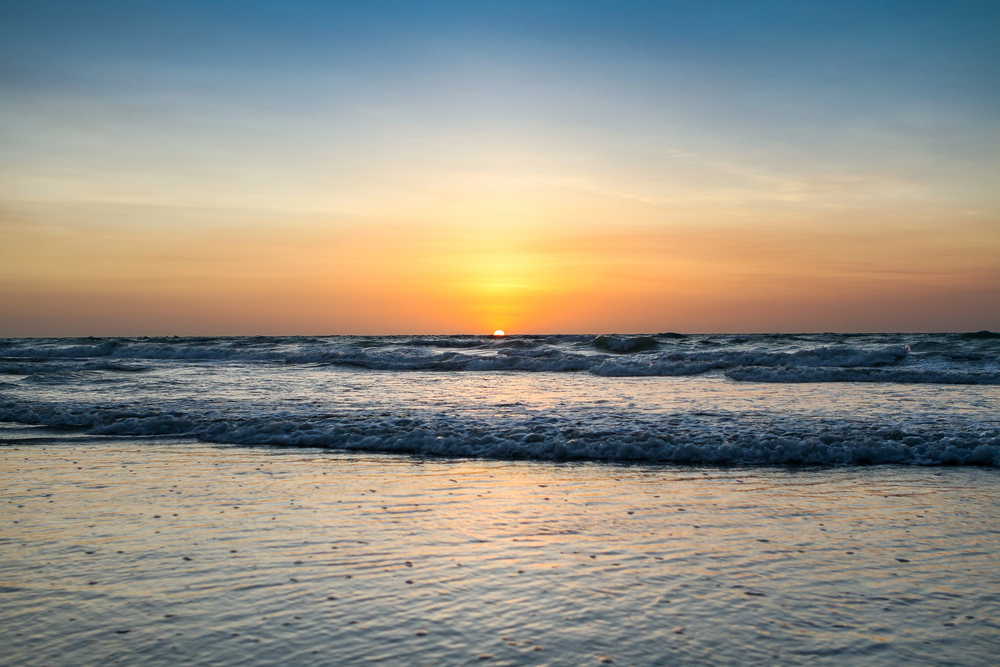
Cable Beach West sits just beyond where most tourists stop walking, which makes all the difference. Same perfect sand as regular Cable Beach, but the crowds thin out dramatically after the first quarter mile.
The beach curves slightly here, creating natural windbreaks that keep the sand from blowing around.
Local fishermen pull their boats up on this section in the early morning. By 9 AM they’re gone and you have the place mostly to yourself.
The snorkeling improves as you move west too — more coral, cleaner water, and fish that haven’t learned to associate humans with food scraps.
Gold Rock Beach

Gold Rock Beach exists because of an accident of geology — limestone cliffs on either side create a protected cove that catches and holds the finest sand particles while letting the rough stuff wash away. The result feels engineered for perfection, though nature did all the work over thousands of years, grain by grain, until what remains is sand so fine it feels like walking on silk that’s been chilled in the refrigerator.
The beach sits inside Lucayan National Park on Grand Bahama, which means no hotels, no vendors, no jet skis — just mangroves framing white sand and water that shifts from pale green to deep blue as the bottom drops away. Even the name feels like a consolation prize; whoever named it “Gold Rock” was clearly looking at the limestone formations and missing the real treasure lying right there at their feet.
Compass Point Beach

Compass Point Beach belongs to a different category entirely. The beach itself spans maybe 200 yards, but every inch delivers.
The sand stays perfectly white because the rocky points on either side trap debris before it reaches shore. Chris Blackwell built his recording studio here for a reason — the acoustics work on land too.
The beach faces west, which means spectacular sunsets but also means afternoon shade from the palm trees. Smart planning.
Most Caribbean beaches face east and leave you baking in afternoon sun with nowhere to hide.
Fernandez Bay Beach

Fernandez Bay Beach stretches for two miles along Cat Island’s western shore, and the emptiness here feels almost aggressive. Not empty because it’s inferior — empty because Cat Island doesn’t have an international airport and most tourists can’t be bothered with the extra flight connection.
Their loss becomes your gain in a very literal way.
The sand here stays cool even in direct sunlight, thanks to some quirk of mineral content that reflects heat instead of absorbing it. The water stays calm most days because the beach faces west into the protected waters between Cat Island and the Exuma Cays.
Ten Bay Beach

Ten Bay Beach feels like someone took a perfect beach and then forgot to develop it, which is exactly what happened (the development plans fell through in the 1980s, and the land has sat untouched ever since, slowly returning to a more natural state that’s actually better than what any resort could have created). The beach runs for almost two miles along Eleuthera’s eastern coast, completely undeveloped except for a few fishing boats pulled up on the sand and maybe a handful of rental cars parked under the coconut palms.
So you get resort-quality sand and water without the resort, which turns out to be the ideal combination if your idea of beach paradise doesn’t include someone trying to sell you jet ski rentals every twenty minutes. And the snorkeling here — just wade out past where the waves break and the bottom turns into a coral garden that stretches north and south as far as you can swim.
Love Beach
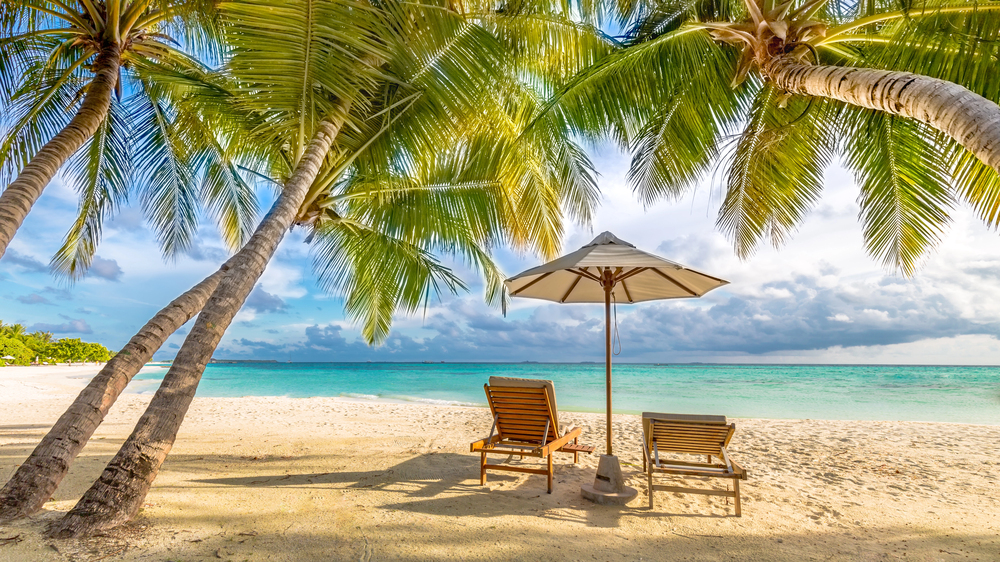
Love Beach earned its name through pure marketing genius — someone realized that “Rocky Point Beach” wouldn’t bring in the tourists. The rebrand worked because the beach delivers on the romantic promise.
Small, secluded, and protected by rocky outcroppings that create natural privacy.
The beach rarely gets crowded because it sits away from the main hotel strip. Locals use it more than tourists, which tells you everything about the quality.
The snorkeling around the rocks rivals anything you’ll find in the Exumas, but most people miss it because they’re focused on the sand.
French Leave Beach

French Leave Beach wraps around the southern tip of Eleuthera like a white sand amphitheater, and the curve creates something magical with the light — depending on where you stand and what time of day you visit, the water shifts through every possible shade of blue and green, sometimes within the same glance. The beach gets its name from the old naval term for leaving without permission, which feels appropriate given how completely this place lets you escape from whatever responsibilities you left behind on the mainland.
Governor’s Harbour sits just up the coast, but the beach itself feels completely removed from civilization, even though you can walk to restaurants and shops in ten minutes if you need to prove to yourself that the outside world still exists. The sand here has been shaped by currents flowing around the island’s southern point for centuries, creating a texture that’s somehow both soft and firm — perfect for walking, perfect for lying down, perfect for that particular kind of beach meditation where time stops making sense.
Windermere Island Beach

Windermere Island Beach attracts a specific type of person — those who appreciate perfection without needing to broadcast it. The beach runs for almost a mile along this private island’s western shore.
The sand stays immaculate because the island limits access and employs people whose only job is beach maintenance.
Getting here requires either owning property on the island or knowing someone who does. The exclusivity feels earned rather than artificial.
No vendors, no crowds, no music competing with the sound of waves. Just white sand, clear water, and the kind of silence that makes you understand why certain people pay extraordinary amounts for privacy.
Jolly Hall Beach

Jolly Hall Beach sits on Long Island’s western coast, and the isolation here isn’t accidental — Long Island remains one of the least developed major islands in the Bahamas, which means beaches like this one stay exactly as they were fifty years ago. Pure white sand stretches for over a mile, backed by nothing but palm trees and the occasional fishing shack that looks like it was built sometime around statehood and hasn’t been updated since.
The water stays shallow for hundreds of yards offshore, creating a natural wading pool that warms in the sun and stays calm even when the Atlantic side of the island gets rough. Bone fishing guides use this beach as a starting point for excursions into the flats, but most days you’ll have the sand to yourself except for the occasional hermit crab and whatever seabirds are working the shallows for breakfast.
Coco Plum Beach
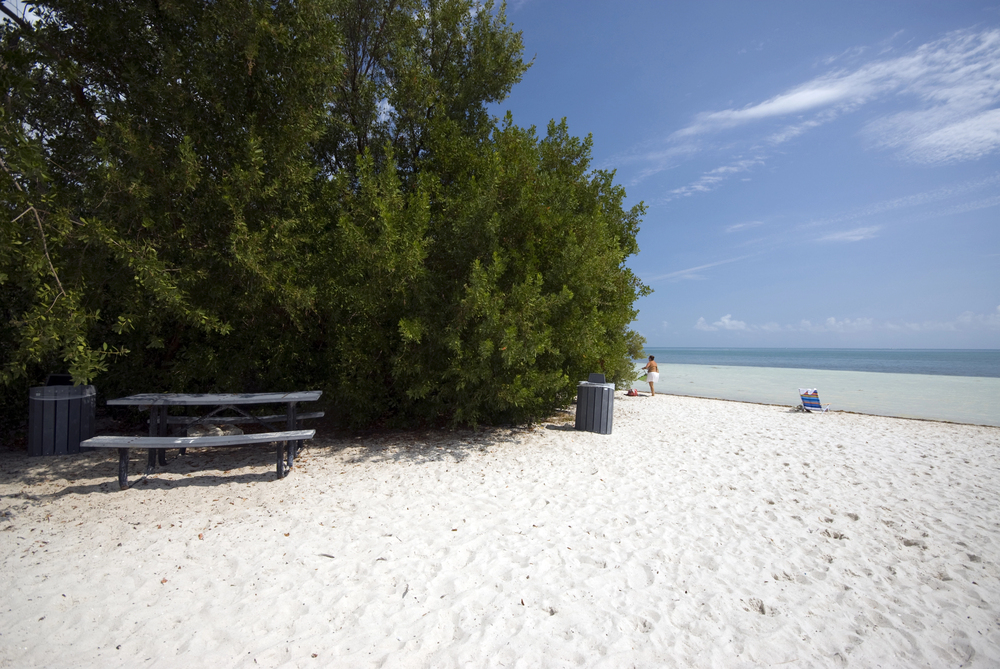
Coco Plum Beach appears on satellite images as a thin white line against blue water, but that doesn’t prepare you for the reality of standing on sand so fine it feels like flour that’s been mixed with ground pearls (the high calcium carbonate content creates this texture, though knowing the science doesn’t make the sensation any less remarkable). The beach sits on Great Exuma’s eastern shore, protected from development by its remote location and the rough road required to reach it.
So what you find is a mile-long stretch of perfect sand with no footprints except your own, no sounds except waves and wind, and water so clear you can count the sand dollars twenty feet offshore. Even the name comes from the wild coco plum trees that grow just behind the beach, dropping fruit that the local birds have learned to time their migrations around — a reminder that this place operates on natural rhythms that have nothing to do with cruise ship schedules or resort check-in times.
Saddle Cay Beach

Saddle Cay Beach exists for people who think most beaches are too crowded when there are five other people visible. This tiny cay in the Exuma chain hosts maybe a dozen visitors on busy days.
The beach wraps completely around the island, which takes about twenty minutes to walk.
The sand here stays pristine because the cay has no permanent residents and no facilities. Bring everything you need, take everything you brought.
The snorkeling around the cay’s edges rivals anything in the Caribbean — healthy coral, abundant fish, and water clarity that makes you feel like you’re swimming through air.
Most charter boats skip Saddle Cay because it lacks the amenities that most tourists expect. Smart travelers use this oversight to their advantage.
Pipe Creek Beach
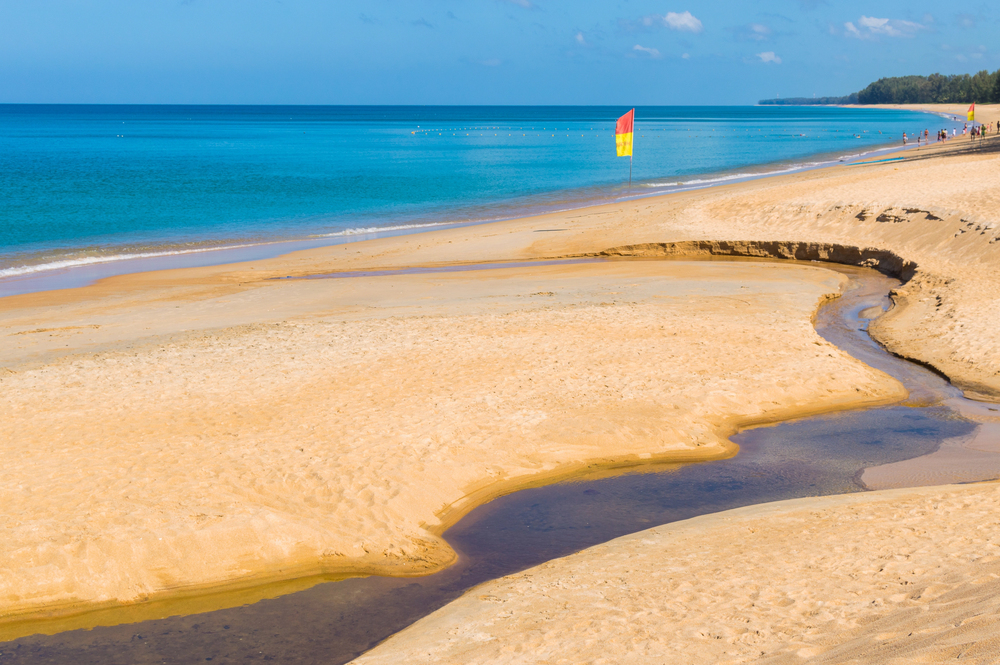
Pipe Creek Beach stretches along a narrow island in the Exuma Cays, and the geography here creates something unusual — the beach actually improves as you walk away from the anchorage, getting whiter and more pristine the further you go from where the boats drop anchor. The creek that gives the place its name winds through mangroves behind the beach, creating a natural air conditioning system that keeps temperatures comfortable even during midday heat.
Most visitors stay near the boats and miss the best section, which lies about a quarter mile south where the beach curves around a point and the sand becomes so white it’s almost painful to look at without sunglasses.
The water here stays gin-clear because the mangroves filter runoff before it reaches the beach, and the tidal flow keeps everything clean and oxygenated. Charter captains know to time arrivals with the incoming tide, when the water reaches its clearest and the beach shows off properly.
Rose Island Beach
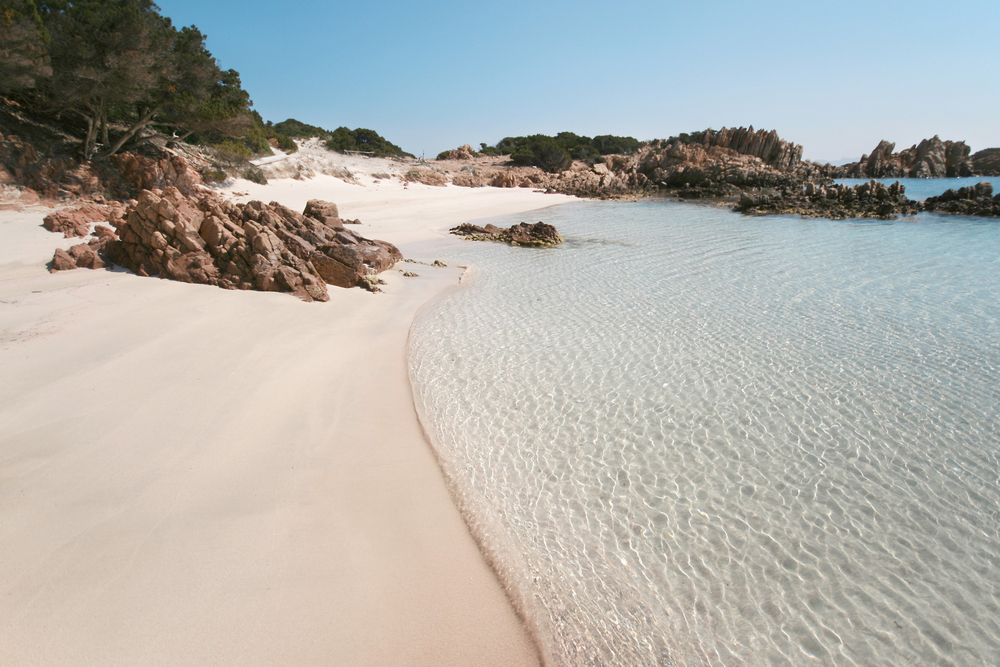
Rose Island Beach delivers everything you want from a private island experience without the private island price tag. The beach curves along the island’s southern shore, protected from Atlantic swells by the island’s position relative to Nassau.
Day trip boats from Paradise Island make the run in twenty minutes.
The beach stays uncrowded because most tourists stick to Cable Beach or Atlantis. Rose Island requires slightly more effort — booking a boat, packing a cooler, planning around weather.
The extra steps filter out casual beachgoers and leave more space for people who actually want to use the beach rather than just photograph it.
The snorkeling around the island’s coral heads ranks among the best in the Nassau area, but you have to swim out past the anchored boats to find the good spots.
Mangrove Cay Beach
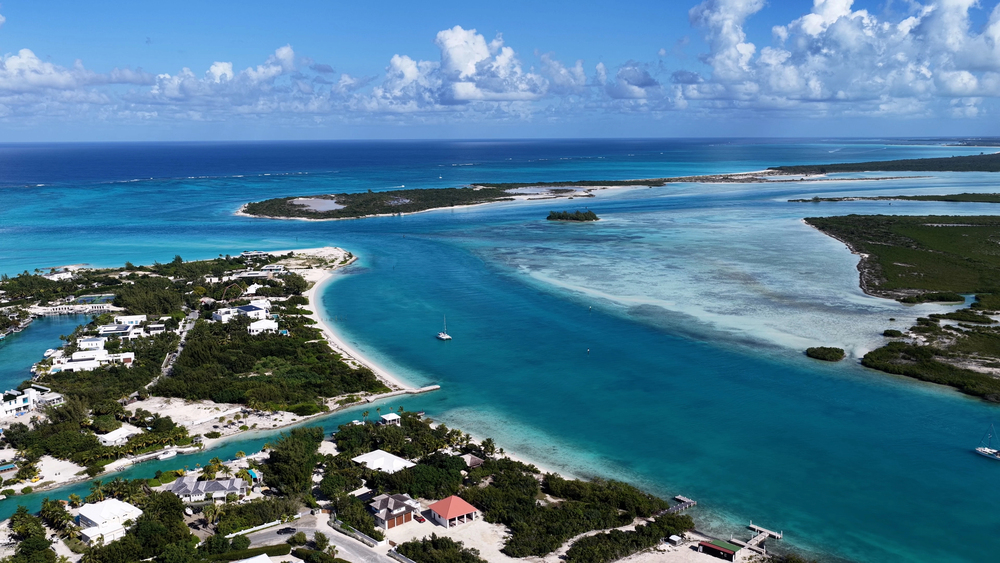
Mangrove Cay Beach sits on Andros Island’s eastern shore, about as far from the tourist trail as you can get while still technically visiting the Bahamas. The beach runs for three miles through what feels like the edge of the world — no development, no other footprints, no sounds except waves and whatever birds are working the mangroves behind the dunes.
Getting here requires a rental car and about an hour of driving on roads that barely deserve the name, but the isolation creates something extraordinary. Sand this white shouldn’t exist on a beach this empty, but Andros remains the Bahamas’ best-kept secret for exactly this reason.
The island is huge, largely undeveloped, and rarely visited by most tourists who can’t see past Nassau and Paradise Island.
The bone fishing in the flats behind this beach attracts serious anglers from around the world, but somehow the beach itself stays overlooked. Geography is working in your favor.
Paradise found
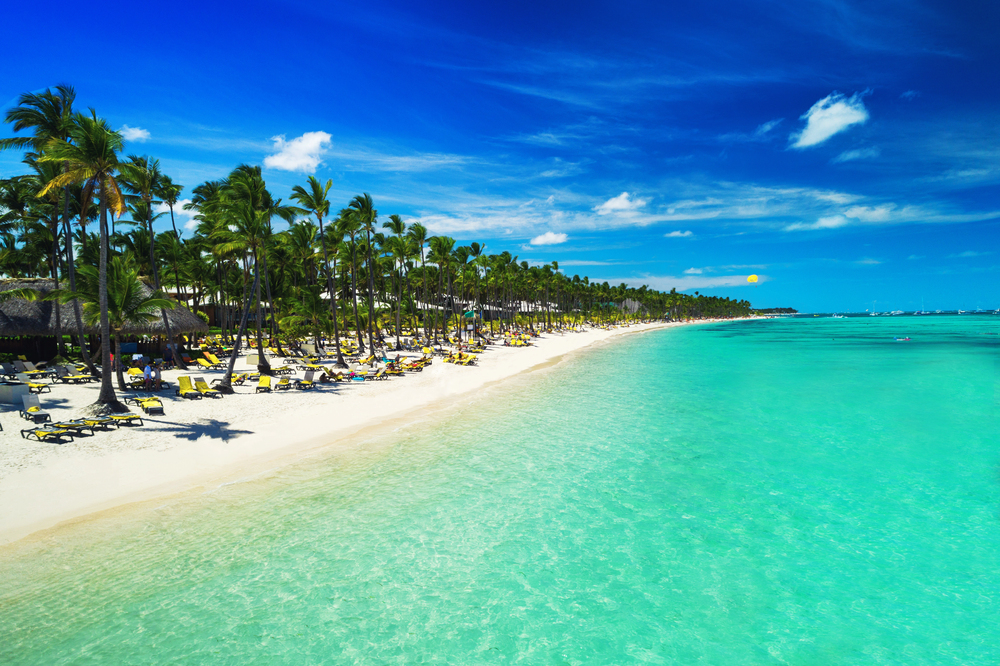
Standing on any of these beaches, watching the sun turn the water into liquid silver, it becomes clear why people have been making pilgrimages to the Bahamas for decades. These aren’t just stretches of sand and water — they’re arguments for slowing down, for paying attention, for remembering that some of the world’s most beautiful places still exist exactly as they were meant to be.
Each beach offers its own version of perfection, whether that means complete solitude on a remote cay or the comfortable luxury of a well-maintained resort shore. The white sand beneath your feet connects you to something larger — thousands of years of coral growth, tide patterns, and natural forces that continue working regardless of whether anyone is there to witness them.
More from Travel Pug

- Underrated Italian Towns That Beat the Tourist Crowds
- Las Vegas Tourist Traps to Skip
- Prettiest Towns in Every US State
- 18 passport-free countries for Americans
- Signs Your Cruise Is Not Worth The Cost
Like Travel Pug’s content? Follow us on MSN.