

Thailand’s night markets don’t really need a sales pitch. Once the sun drops, streets across Bangkok, Chiang Mai, Phuket, and dozens of smaller towns turn into sprawling open-air bazaars where sizzling woks compete with blaring pop music for your attention.
The Thai baht stretches absurdly far at these places. With recent exchange rates hovering around the low-30s baht to $1 USD, roughly 64 baht lands in the under-$2 category.
That buys more than most people expect.
Here is a list of 17 things you can pick up for under $2 at Thai night markets, from snacks that’ll wreck your dinner plans to souvenirs your friends might actually keep.
Grilled meat skewers

These are the gateway snacks. Sticks of marinated chicken, pork, or beef get charred over open coals and basted with a sweet soy or garlic glaze that caramelizes into something borderline addictive.
Most vendors charge between 10 and 25 baht per skewer – roughly $0.30 to $0.75 – so grabbing a handful still leaves change in your pocket. They’re the kind of thing people eat while walking, which is practically a competitive sport at Thai night markets.
Thai iced tea

That bright orange drink showing up in every vendor’s hand is Thai iced tea, and it tastes like a creamy, slightly spiced dessert in cup form. Brewed from strongly steeped Ceylon tea and sweetened with condensed milk, a cup typically runs between 25 and 35 baht ($0.75 to $1).
Brands like ChaTraMue have been making the signature tea mix for decades, and many market stalls rely on it as their base. Unofficial fuel of night market shopping, basically.
Pad thai

The national dish makes regular appearances at night market stalls, where a fresh plate of stir-fried rice noodles with egg, bean sprouts, and crushed peanuts costs between 40 and 60 baht ($1.25 to $1.85) at local-friendly spots. The trick is skipping the tourist-heavy main roads.
Vendors surrounded by Thai customers tend to serve bigger portions at more honest prices. A squeeze of lime and a sprinkle of chili flakes from the condiment tray – that’s a complete meal for pocket change.
Som tam (green papaya salad)

Som tam looks deceptively simple yet hits every flavor note at once: sour, sweet, salty, and spicy. Vendors pound shredded green papaya with tomatoes, green beans, peanuts, dried shrimp, and chili in a clay mortar right there in front of you – half the appeal is watching it come together.
A standard serving sits between 40 and 60 baht ($1.25 to $1.85), and most vendors will adjust the spice level on request. It pairs well with a couple of grilled skewers for anyone building a budget meal.
Fresh fruit smoothies
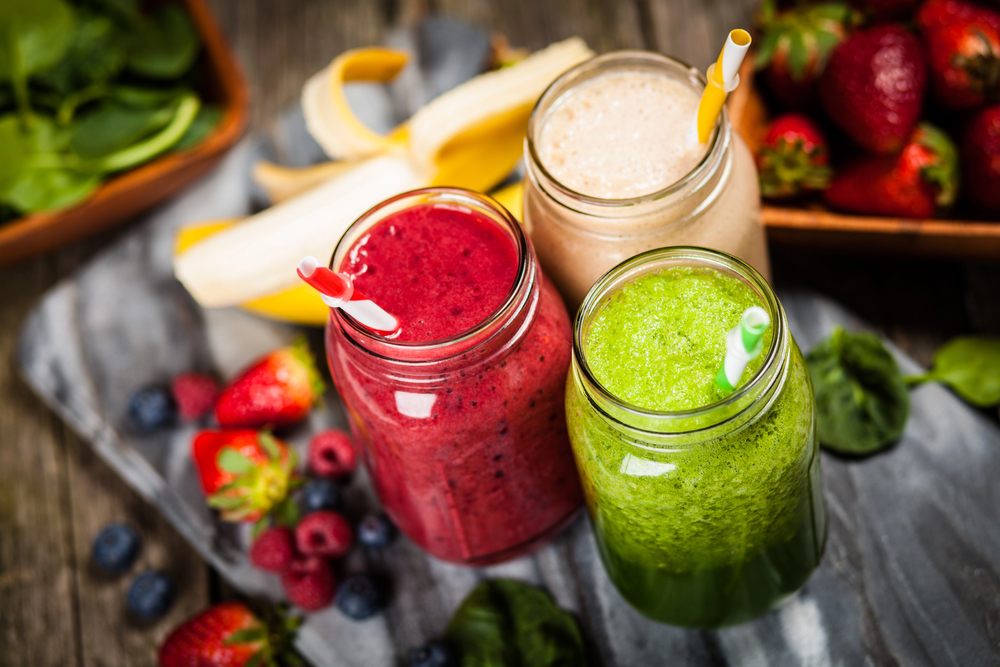
Thailand grows some of the best tropical fruit on the planet, and night market smoothie vendors lean into that hard. Mango, passion fruit, guava, pineapple, strawberry, and banana get blended with ice into thick, refreshing drinks for around 30 to 40 baht ($0.90 to $1.25).
Some stalls in Koh Phangan and Chiang Mai offer over 50 flavor combinations. At those prices, trying a new one every night of a trip isn’t just possible – it’s practically mandatory.
Thai crepes (khanom buang)
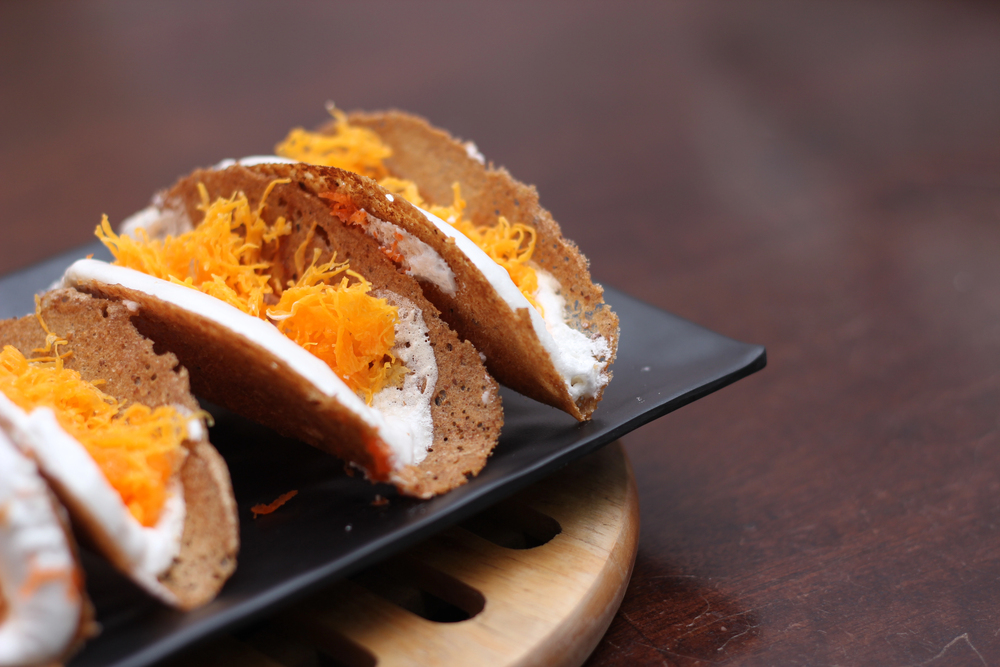
These crispy little half-moon treats rank among Thailand’s oldest street snacks, and they show up at practically every night market. A thin, crunchy shell gets filled with either a sweet meringue-like cream topped with shredded coconut or a savory mixture featuring shrimp and cilantro.
They’re tiny, though, so vendors usually sell them in sets. A few pieces rarely cost more than 10 to 20 baht ($0.30 to $0.60).
They crunch, they melt, and they vanish way too fast.
Coconut ice cream

Served in a halved coconut shell – which doubles as a very photogenic bowl – coconut ice cream at Thai night markets is made from real coconut milk and tastes nothing like the stuff sitting in grocery store freezers back home. Vendors scoop it fresh and pile on toppings like peanuts, sweet corn, sticky rice, or shredded coconut.
A serving runs about 30 to 40 baht ($0.90 to $1.25). The tender coconut flesh inside the shell is fair game once the ice cream’s gone.
Roti pancakes

Thai roti stalls are mesmerizing to watch. Vendors stretch and spin a ball of dough paper-thin on a hot griddle, then fold it into layers with banana slices, egg, or condensed milk drizzled on top.
The result lands somewhere between a crepe and a croissant – warm, flaky, slightly crispy. Most versions cost between 30 and 40 baht ($0.90 to $1.25).
Southern Thailand tends to have the best roti, particularly markets in Krabi and Phuket, because the dish has deep roots in the region’s Muslim communities.
Grilled corn on the cob

It sounds basic, though Thai night market corn operates on a different level entirely. Ears of sweet corn get brushed with a butter and salt glaze – sometimes with a hint of soy – and roasted over charcoal until the kernels are lightly charred and smoky.
A full cob typically costs between 20 and 30 baht ($0.60 to $0.90). Good for munching while browsing stalls, and surprisingly filling for something that costs less than a dollar.
Fresh spring rolls

Unlike the deep-fried version, fresh spring rolls at Thai night markets are wrapped in translucent rice paper and stuffed with crunchy vegetables, vermicelli noodles, and sometimes shrimp or tofu. They come with a sweet chili or peanut dipping sauce – about 20 to 30 baht ($0.60 to $0.90) for a couple of pieces.
Light, refreshing, and they feel like a virtuous choice sandwiched between all the fried and grilled options nearby.
Fried bananas
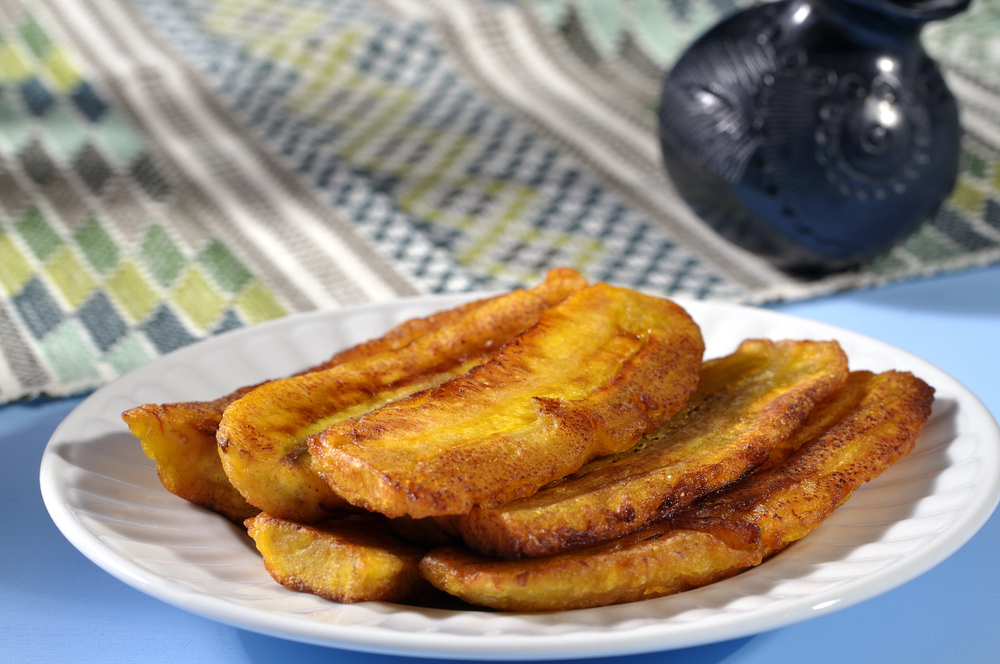
Sliced bananas get dipped in a light batter made from rice flour and sesame seeds, then deep-fried until golden and crispy on the outside while staying soft and warm inside. A bag of fried banana pieces costs around 20 to 30 baht ($0.60 to $0.90) at most markets, and they’re dangerously easy to finish before reaching the next stall.
Some vendors drizzle honey or condensed milk on top. That takes them from good to unreasonable.
Sai oua (Thai sausage)

Northern Thailand’s signature sausage is packed with a fragrant mix of lemongrass, galangal, kaffir lime leaves, and red curry paste. It gets grilled until the casing develops a satisfying snap, then sliced into bite-sized rounds.
Night markets across Chiang Mai and Pai sell portions for around 30 to 40 baht ($0.90 to $1.25). The flavor profile is complex and herbaceous.
It’s one of those foods that tastes distinctly like northern Thailand, and nothing else quite replicates it.
Mango sticky rice

Arguably Thailand’s most famous dessert, and for good reason. Sweet glutinous rice gets soaked in warm coconut milk and served alongside slices of perfectly ripe mango, then drizzled with more coconut cream and sometimes sprinkled with crunchy mung beans.
At local night markets outside the major tourist strips, a serving costs between 50 and 60 baht ($1.55 to $1.85). The mango season peaks from April to June, which is when this dish reaches its absolute best.
Elephant keychains and small trinkets
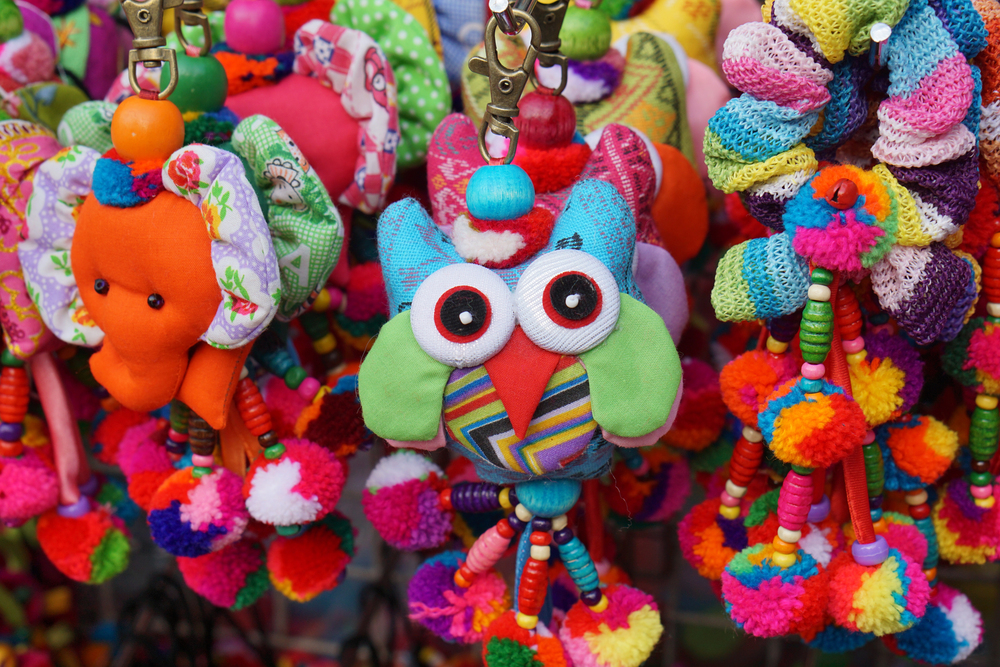
No visit to a Thai night market feels complete without browsing the souvenir stalls, and the small stuff is where the real bargains live. Elephant-shaped keychains, fridge magnets, small carved wooden figures, and woven bracelets all typically start at 20 to 50 baht ($0.60 to $1.55).
Markets like Chatuchak in Bangkok and the Sunday Walking Street in Chiang Mai have hundreds of vendors selling these. A bit of friendly bargaining can knock the price down even further, though it helps to smile while doing it.
Earrings and hair accessories

Thai night markets are packed with stalls selling handmade and costume jewelry at prices that feel almost too low. Simple earrings, beaded bracelets, hair clips, and fabric scrunchies start from as little as 20 baht ($0.60), with most pieces sitting comfortably under 50 baht ($1.55).
The selection is massive. Bohemian-style wooden earrings sit alongside sparkly statement pieces, and the quality is often surprisingly decent for the price.
Chatuchak and Pratunam markets in Bangkok are especially well known for accessories at rock-bottom prices.
Ya dom inhaler sticks
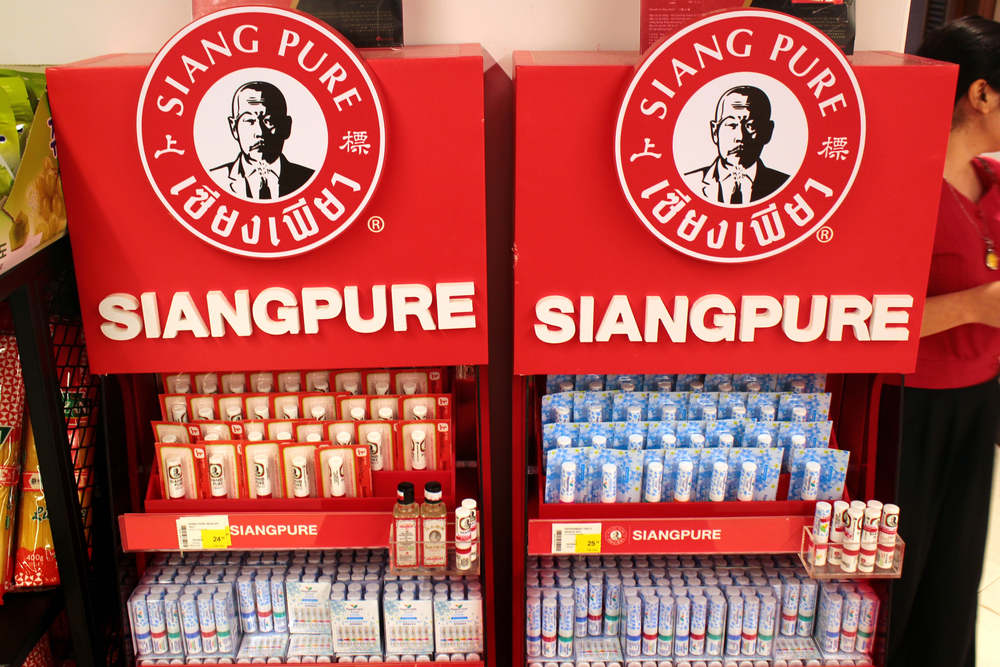
These tiny menthol inhalers are everywhere in Thailand. Locals carry them the way Americans carry lip balm.
A small tube filled with a blend of menthol, eucalyptus, camphor, and other herbal oils, ya dom sticks get used for everything from clearing a stuffy nose to combating the heat. They cost between 20 and 30 baht ($0.60 to $0.90) at night market stalls and make surprisingly practical souvenirs.
Brands like Poy-Sian and Peppermint Field are the most popular. Once someone starts using one, it becomes clear pretty quickly why Thai people always have one within reach.
Bags of dried fruit and Thai snacks

Thailand grows an enormous variety of tropical fruit, and night market vendors sell dried versions by the bag at very friendly prices. Dried mango, tamarind candy, banana chips, and crispy coconut rolls all show up regularly for 30 to 50 baht ($0.90 to $1.55).
Flavored seaweed snacks from brands like Tao Kae Noi are another popular grab at around 30 to 60 baht. These work well as edible souvenirs.
They pack a lot of flavor without eating up much suitcase space.
Where $2 feels like $20

Thai night markets have a way of making a wallet feel heavier than it actually is. What costs the price of a single coffee back home can buy an entire meal, a handful of snacks, and a souvenir or two at a bustling market in Bangkok or Chiang Mai.
The prices aren’t just cheap for the sake of being cheap, either. The food is freshly prepared, the flavors are bold and layered, and the experience of eating under string lights while live music hums in the background is something no restaurant menu can replicate.
If there’s one place on earth where traveling on a budget actually makes the trip better, it’s a Thai night market after dark.
More from Travel Pug

- Underrated Italian Towns That Beat the Tourist Crowds
- Las Vegas Tourist Traps to Skip
- Prettiest Towns in Every US State
- 18 passport-free countries for Americans
- Signs Your Cruise Is Not Worth The Cost
Like Travel Pug’s content? Follow us on MSN.