

If you live and breathe wine — the kind of person who reads labels, debates vintages, and plans vacations around tasting rooms — you already know that visiting a wine region in person is a completely different experience from picking up a bottle at the store. There’s something about standing in the vineyard, breathing in the air, and tasting wine right where the grapes were grown that makes everything click.
Here is a list of 18 wine regions around the world that every oenophile should add to their travel list — from the most storied classics to a few that might surprise you.
Bordeaux, France
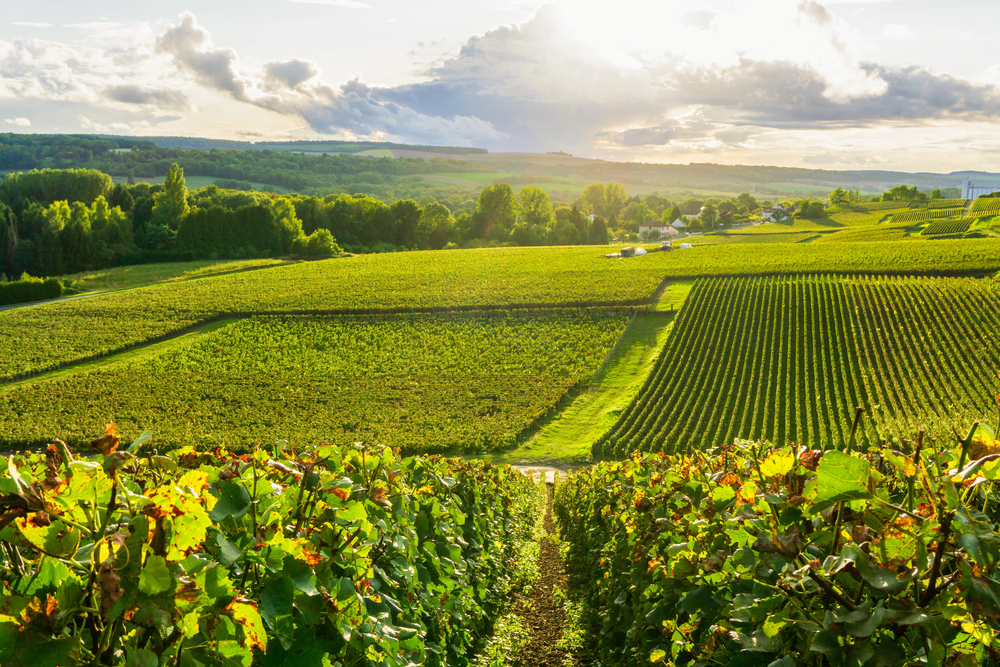
Few wine destinations carry the kind of weight that Bordeaux does. This city in southwestern France is home to over 8,500 wineries across 57 appellations, producing around 800 million bottles a year — the majority of which are red blends built around Cabernet Sauvignon, Merlot, and Cabernet Franc.
Beyond the wine, the Cité du Vin museum offers one of the most immersive wine education experiences in the world, and Bordeaux is actually one of the few European cities with wineries accessible via tram from the city center.
Burgundy, France

Burgundy is where wine geeks go to feel things. The region’s laser focus on just two grape varieties — Pinot Noir and Chardonnay — might sound limiting, but the diversity of flavors produced across its many appellations is remarkable.
Wines from Grand Cru vineyards like Romanée-Conti and Chambertin are benchmarks for the entire wine world, and even a modest village-level Bourgogne can teach you a lot about what terroir really means.
Champagne, France

Champagne is the only region in the world authorized to produce wine under that name, and that’s not marketing — it’s law. The chalky soils of northeastern France, combined with the cool climate, create the perfect conditions for the high-acid Chardonnay, Pinot Noir, and Pinot Meunier grapes that go into the blend.
Tours at the older houses often take you into underground cellars that date back centuries, some of which sheltered civilians during World War I — so there’s history here that goes well beyond the bubbles.
Tuscany, Italy

Tuscany is one of Italy’s most visited wine regions, and the quality backs up the reputation. Chianti Classico, made from Sangiovese grapes grown between Florence and Siena, is the headline act, but the region also produces Brunello di Montalcino and Vino Nobile di Montepulciano — both world-class reds with serious aging potential.
The Chianti Classico Wine Festival in Greve, typically held in September, is a great excuse to time a visit, and the landscape alone — rolling hills, cypress trees, medieval villages — makes even the drive between wineries feel worthwhile.
Napa Valley, California

Napa is the reason American wine gets taken seriously at the international level. The valley sits about an hour’s drive from San Francisco, and its warm, temperate climate produces some of the boldest Cabernet Sauvignons in the world.
There’s a reason bottles from top producers like Opus One and Screaming Eagle command prices that rival Bordeaux’s finest — the quality ceiling here is extraordinarily high. Tasting rooms range from casual walk-in spots to highly curated experiences, so there’s an entry point for every style of wine traveler.
Douro Valley, Portugal

The Douro Valley holds the distinction of being the oldest demarcated wine region in the world, with its boundaries formally drawn in 1756 — though people have been making wine here since at least the 3rd century. It’s best known for Port wine, but the region also produces excellent dry reds and whites that often fly under the radar.
The N-222 road, which curves along the river through terraced vineyards, is considered one of the most scenic drives in the world — and you get to taste wine at the end of it, which is not bad at all.
Rioja, Spain
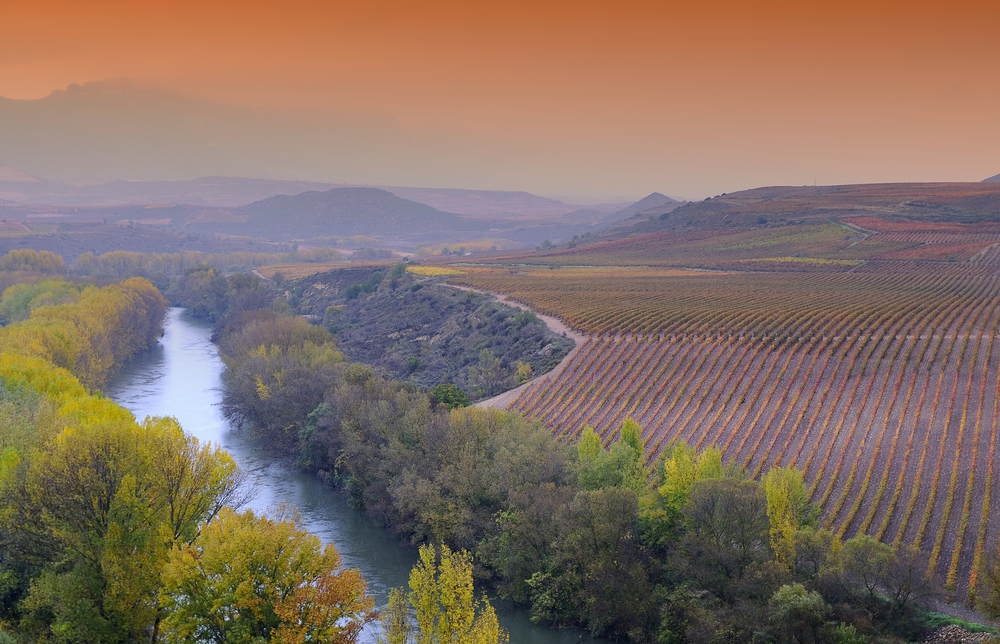
Rioja’s winemakers have been at it for over 2,000 years, and the region has spent recent decades turning that heritage into a serious draw for wine tourists. The Tempranillo-based reds age beautifully, and the region’s classification system — Crianza, Reserva, and Gran Reserva — gives you a clear roadmap for what you’re drinking.
Rioja has also become something of an architecture destination, with iconic buildings by Santiago Calatrava, Zaha Hadid, and Frank Gehry all designed specifically for wineries here.
Barossa Valley, Australia
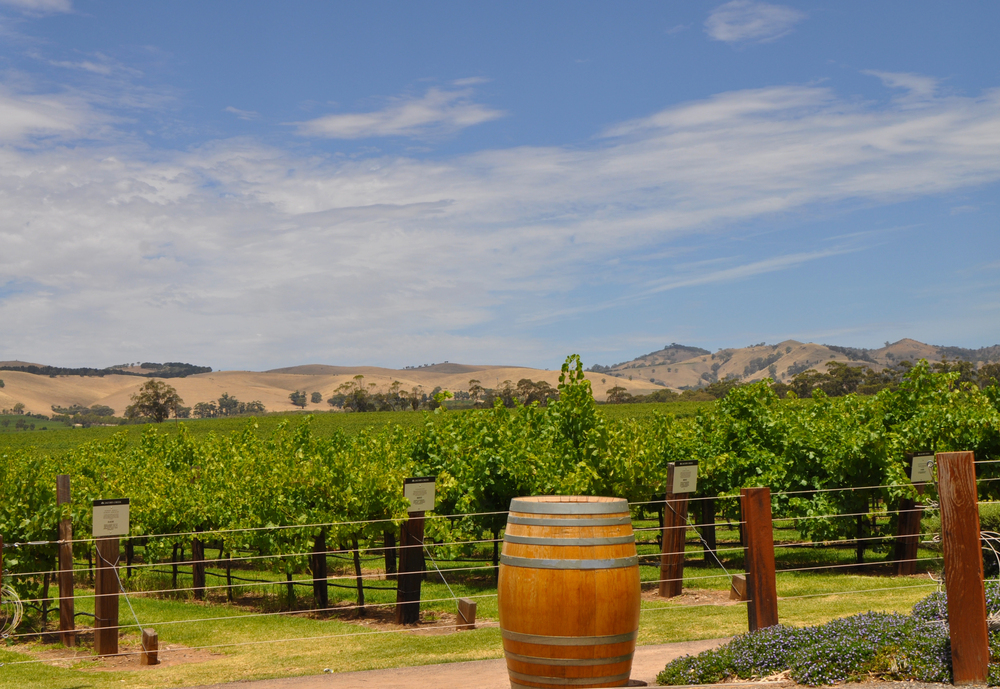
The Barossa Valley sits about an hour northeast of Adelaide, and it’s the spiritual home of Australian Shiraz. Originally settled by German Lutherans in the 1830s, the valley still has more than 80 wineries, many with tasting rooms — or ‘cellar doors’ — open to visitors.
Household names like Penfolds and Jacob’s Creek are based here, but there’s also a strong tradition of small, family-run producers making wines from some of the oldest Shiraz vines in the world. Some of those vines are well over 150 years old, which is genuinely rare.
Stellenbosch, South Africa

About 30 miles east of Cape Town, Stellenbosch is the heart of South Africa’s wine industry. The region benefits from a mild Mediterranean climate, coastal breezes, and well-draining clay soils — ideal conditions for Cabernet Sauvignon, Shiraz, and Pinotage, the bold red grape that’s unique to South Africa.
More than 150 wineries operate along the Stellenbosch Wine Route, and many are still family-owned, which gives the whole experience a personal, unhurried feel that larger wine regions often can’t offer.
Marlborough, New Zealand

Marlborough, at the top of New Zealand’s South Island, is where the world discovered that Sauvignon Blanc could be something genuinely exciting. The region’s cool nights and long sunny days produce whites with a distinctive grassy, citrus-driven intensity that’s hard to replicate anywhere else.
Beyond Sauvignon Blanc, Marlborough is also producing impressive Pinot Noirs and Chardonnays, and the nearby coastal town of Picton makes a convenient base for exploring the vineyards.
Mosel Valley, Germany

The Mosel Valley’s steep slate slopes along the Mosel River are the reason German Riesling has the reputation it does. The mineral-rich, slate-infused soils give the wines a distinctive flavor profile that ranges from bone-dry to honeyed and sweet, and everything in between.
The valley is also home to some genuinely charming small towns — Beilstein, Zell, and Traben-Trarbach among them — and a 22-mile-long red wine trail that connects seven villages if you want to earn your next tasting.
Mendoza, Argentina

Mendoza sits in the shadow of the Andes, and the altitude — most vineyards are planted between 2,000 and 5,000 feet above sea level — gives the wines an intensity you don’t find at lower elevations. The region produces around 80% of Argentina’s wine, with Malbec as its signature grape.
Beyond the wineries, Mendoza is also a hub for outdoor activities, including horseback riding, white-water rafting, and skiing, so it’s easy to build a full trip around a visit.
Willamette Valley, Oregon

Oregon’s Willamette Valley is where American Pinot Noir found its footing. The valley’s cool, maritime climate is much closer to Burgundy’s growing conditions than California’s, and the wines tend to reflect that — more restrained, earthy, and food-friendly than warmer-climate Pinots.
There are over 500 wineries spread across the valley’s various sub-appellations, and the tasting culture here is laid-back and approachable, with most rooms open without reservations.
Champagne aside: Alsace, France

Tucked along France’s northeastern border with Germany, Alsace occupies a unique place in the wine world. The region grows varieties more commonly associated with Germany — Riesling, Gewurztraminer, Pinot Gris — but vinifies them almost entirely as dry wines, which gives them a character all their own.
Alsace also produces some of the most food-friendly whites in France, and the half-timbered villages along the Route des Vins d’Alsace are among the most photographed in the country.
Priorat, Spain
Priorat is one of only two Spanish wine regions to hold the top DOCa classification (the other being Rioja), and it earned that status by producing some of the most intensely concentrated reds in the world. The region’s volcanic llicorella soils — a dark mix of slate and quartz — force vines to dig deep for water, resulting in low yields and extraordinarily powerful wines built on Garnacha and Cariñena.
It’s not the easiest region to get to, nestled in the mountains of Catalonia southwest of Barcelona, but wine lovers who make the trip tend to consider it one of their best.
Santorini, Greece

Santorini’s volcanic landscape makes it one of the more unusual places in the world to grow grapes. The island’s caldera soils, intense winds, and near-zero rainfall force vines to be trained into low, basket-like spirals close to the ground — a technique called kouloura — which protects them from the elements.
The result is Assyrtiko, a white wine with a salty, mineral intensity that’s unlike almost anything else. Given that most visitors come for the views and the sunsets, discovering that the wine is world-class is a very pleasant bonus.
Loire Valley, France

The Loire Valley is France’s third-largest wine region and arguably its most varied. The gentle Loire River passes through vineyards that produce crisp Muscadets, crisp Sauvignon Blancs from Sancerre and Pouilly-Fumé, and sparkling wines made in ancient troglodyte caves near Saumur.
The area is also dotted with Renaissance châteaux — including Château de Chenonceau, which has its own wine cellar open for tastings — so you can effectively spend a week here and treat the castles and the wine as equally compelling reasons to stick around.
Franschhoek, South Africa
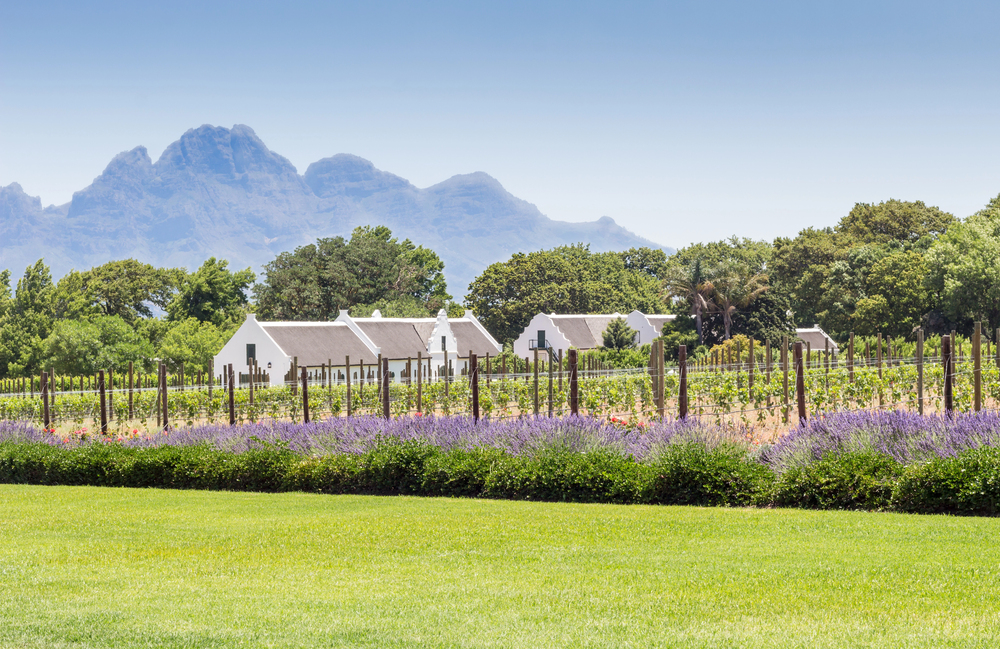
About 45 miles from Cape Town, Franschhoek sits in a narrow mountain valley originally settled by French Huguenot refugees in the late 1600s — and the French influence is still visible in the village’s architecture, street names, and food culture. The wine scene has grown into something seriously impressive, with a concentration of high-quality producers working with Chenin Blanc, Semillon, and various Bordeaux-style blends.
It’s also home to some of the best restaurants in South Africa, which makes it easy to build a full day — or a long weekend — around eating and drinking your way through the valley.
Wherever the glass takes you

Wine tourism has a way of turning a trip into something that actually sticks with you. There’s a real difference between reading about a region’s soil composition in a book and standing on that soil with a glass in your hand.
The regions on this list each have something distinct to offer — whether that’s a centuries-old winemaking tradition, a landscape unlike anything else, or a grape variety you’ve likely never tried before. The best approach is simply to pick one, start drinking, and let the next destination reveal itself.
More from Travel Pug

- Underrated Italian Towns That Beat the Tourist Crowds
- Las Vegas Tourist Traps to Skip
- Prettiest Towns in Every US State
- 18 passport-free countries for Americans
- Signs Your Cruise Is Not Worth The Cost
Like Travel Pug’s content? Follow us on MSN.