

The dream of owning a slice of paradise feels as old as civilization itself, but the modern private island craze has turned fantasy into a surprisingly accessible reality. From tech billionaires to Instagram influencers, everyone seems to be either buying remote hideaways or at least fantasizing about them.
What once required royal blood or oil fortune money now starts at the price of a decent suburban home in some markets.
But mention private islands in any conversation and watch the room divide faster than a reality TV show elimination. Some people light up with genuine excitement, already mentally planning their escape route from civilization.
Others roll their eyes so hard you worry they might strain something. The trend has managed to become both aspirational lifestyle content and a symbol of everything wrong with modern excess, often in the same breath.
Environmental impact concerns
Private island ownership comes with an environmental price tag that most marketing brochures conveniently forget to mention. Remote locations mean helicopter flights, diesel generators, and supply boats burning fuel to deliver everything from groceries to toilet paper.
The carbon footprint of maintaining a private island lifestyle makes regular air travel look practically virtuous.
Many islands also disrupt delicate ecosystems that took centuries to develop. New construction, septic systems, and increased boat traffic can damage coral reefs and marine habitats that were thriving just fine before humans decided they needed a personal paradise.
The irony cuts deep: people buy islands to connect with pristine nature, then inevitably change that nature just by being there.
Symbol of extreme inequality
There’s something uniquely tone-deaf about buying your own island while housing costs price entire generations out of homeownership altogether — and that disconnect hasn’t gone unnoticed by anyone paying attention to wealth distribution trends (which, as it happens, includes most people under the age of forty who grew up watching the American dream get progressively more expensive). The private island trend doesn’t just represent wealth; it represents the kind of wealth that can afford to physically separate itself from the rest of humanity.
And yet, somehow, island owners still expect sympathy when their generators break down or their staff can’t make it out during storms.
So when someone posts their island purchase on social media, complete with sunset photos and captions about “finding peace,” the response often skips right past admiration and lands somewhere between bewilderment and outright irritation. Fair enough.
Genuine desire for solitude
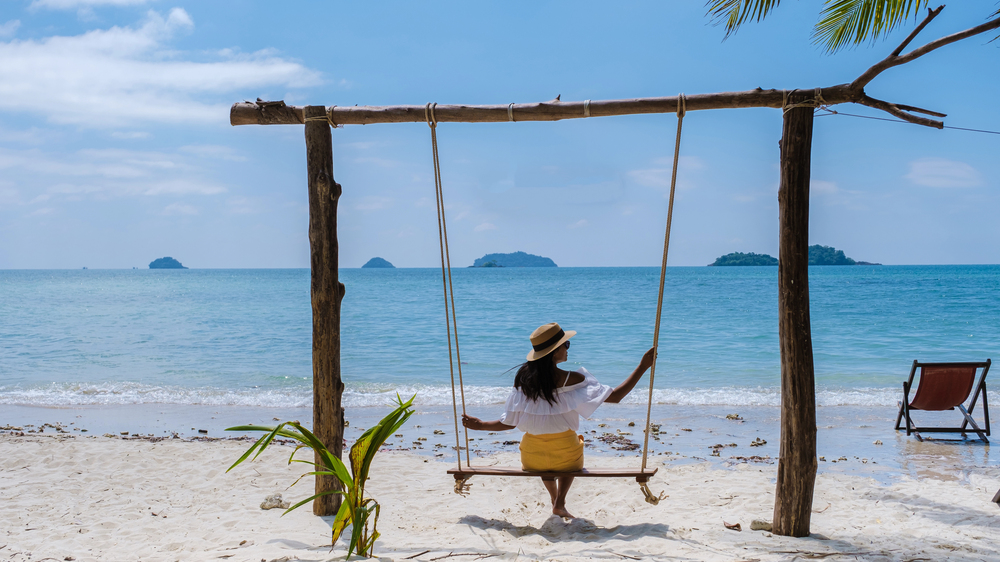
Islands offer something that money usually can’t buy: actual silence. Not the marketed quiet of a luxury resort where you can still hear someone’s conference call through the palm trees, but the kind of deep stillness that comes from being genuinely alone with water in every direction.
For people who spend their lives overstimulated and overconnected, that solitude becomes worth almost any price.
The appeal sits deeper than simple luxury. Islands change how time moves — there are no traffic patterns to navigate, no meetings that could have been emails, no neighbors playing music at odd hours. Days follow natural rhythms instead of calendar alerts.
Weather becomes genuinely important rather than just small talk material.
The experience corrects something fundamental about modern life that most people didn’t even realize was broken until they found themselves somewhere it worked differently.
Financial investment potential

Smart money recognizes that they’re not making any more islands. Limited supply, increasing demand, and the growing wealth of global elites create a market dynamic that real estate investors find irresistible.
Private islands have outperformed traditional property investments in many markets, offering both lifestyle benefits and portfolio diversification.
The math works especially well for islands near major population centers or in established vacation destinations. Caribbean islands within helicopter range of Miami, or Scottish islands accessible from London, maintain strong resale values even when individual owners lose interest.
Some islands generate rental income that covers maintenance costs while building equity. Property taxes tend to be minimal, and many island nations offer favorable tax structures for foreign property owners.
Concerns about local displacement
Here’s what the private island dream conveniently overlooks: most islands weren’t empty when wealthy buyers discovered them. Fishing communities, indigenous populations, and local families often have generational ties to islands that suddenly become too expensive for them to afford.
The transformation from working landscape to private playground displaces people whose families may have lived there for centuries.
Traditional livelihoods disappear when islands convert to private use. Fishing grounds become off-limits.
Local businesses lose customers when year-round residents become seasonal visitors with household staff imported from elsewhere.
Even islands sold legally and fairly often represent cultural losses that can’t be measured in market prices. The pattern repeats across the Caribbean, Pacific, and Atlantic: private ownership concentrates wealth while dispersing communities.
Ultimate privacy fantasy

Privacy has become the ultimate luxury in an age of constant surveillance and social media oversharing (not that anyone forced people to document every meal and mood, but the pressure certainly exists whether we acknowledge it or not). Islands offer something approaching true anonymity — no paparazzi boats, no nosy neighbors, no unexpected visitors showing up because they happened to be in the area.
The appeal isn’t just about avoiding people; it’s about controlling exactly which people have access to your space and when.
But the fantasy runs deeper than simple seclusion: islands represent the possibility of creating your own rules rather than constantly navigating everyone else’s. No homeowner associations, no noise ordinances, no zoning restrictions.
Want to build something unusual? Go ahead.
Want complete freedom from public scrutiny? Your island, your choice.
The freedom feels almost primitive in its completeness, which explains why people who can afford anything still find themselves wanting this particular kind of escape.
Environmental preservation benefits
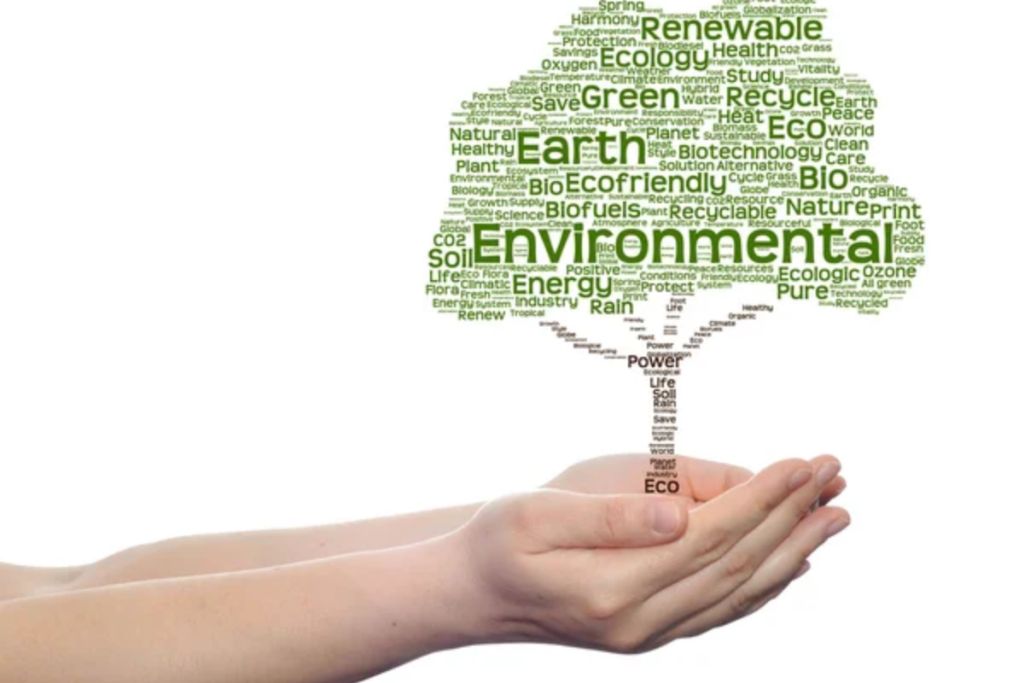
Private ownership can actually protect islands better than government management or development pressure, despite the obvious irony of wealthy individuals becoming accidental conservationists. Many private island owners invest heavily in renewable energy, water conservation, and ecosystem restoration — partly from genuine environmental concern, partly because self-sufficiency makes practical sense on remote properties.
Islands under private stewardship often maintain healthier marine environments than those open to unrestricted tourism or commercial fishing. Controlled access prevents overuse, while owners typically have strong incentives to maintain the natural beauty that attracted them initially.
Some of the most successful coral reef restoration projects happen around privately owned islands where owners fund research and protection efforts that cash-strapped governments can’t afford.
Technology enabling accessibility
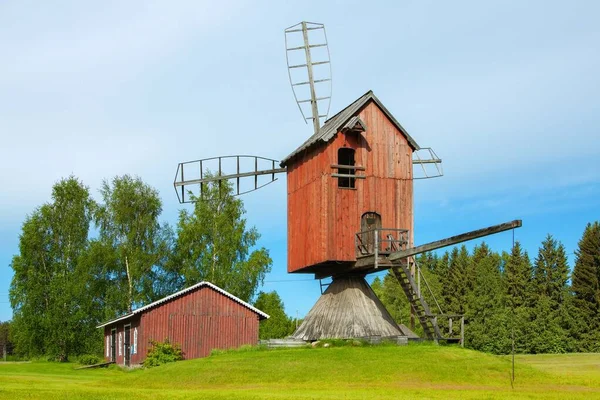
Modern technology has democratized island ownership in ways that would have been impossible even twenty years ago. Satellite internet makes remote work feasible from almost anywhere.
Solar power systems and battery storage eliminate dependence on diesel generators. Desalination plants provide fresh water without depleting aquifers.
These advances transform islands from primitive retreats into comfortable homes with most modern conveniences.
Communication technology also reduces the isolation that once made island living impractical for most people. Video calls connect island residents to family, friends, and business colleagues without the delays and expense of constant travel.
Emergency communication systems provide safety nets that early island pioneers couldn’t access. The result makes island living feel less like exile and more like an alternative lifestyle choice that happens to come with extraordinary views.
Criticism of escapist mentality
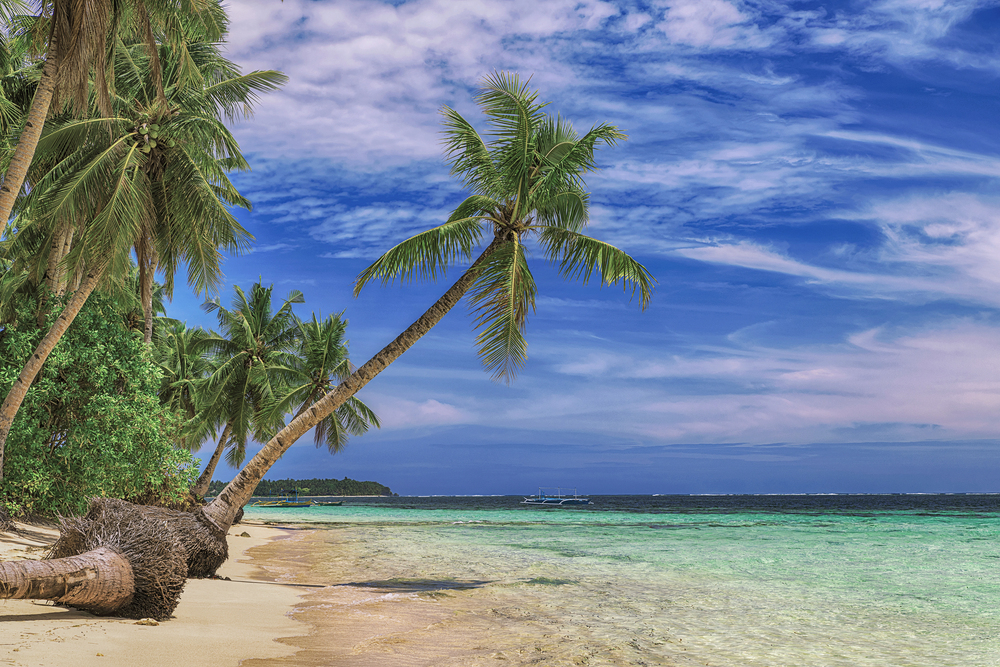
The private island trend represents everything wrong with wealthy people’s approach to social problems: when things get uncomfortable, just buy your way out instead of working to fix them.
Climate change making cities unbearable? Buy an island.
Political tensions rising? Buy an island.
Housing crisis affecting your community? Buy an island and leave everyone else to deal with it.
This escapist solution misses the fundamental point that collective problems require collective solutions. Islands become symbols of abandonment rather than achievement — wealthy individuals physically removing themselves from the societies that enabled their wealth in the first place.
The message feels especially tone-deaf when island buyers use social media to document their escapes while the rest of the world deals with problems that money can’t solve by running away.
Appeal of self-sufficiency
Islands force you to become competent in ways that modern life rarely requires. Water, power, food, and waste management become personal responsibilities rather than invisible municipal services.
Many island owners discover genuine satisfaction in systems they understand completely and control directly — knowing exactly where their power comes from, how their water gets treated, where their food grows.
The self-sufficiency extends beyond basic utilities into skills and mindset changes that feel increasingly valuable as global supply chains become more fragile and unpredictable. Island living teaches emergency preparedness, resource conservation, and problem-solving that urban environments rarely demand.
The education feels both practical and philosophical: learning what you actually need versus what you thought you wanted.
Concerns about cultural appropriation
Many private islands exist in regions where local cultures have deep historical connections to the land and sea. When wealthy outsiders purchase islands and reshape them according to different aesthetic and cultural values, the transformation can erase important cultural heritage.
Traditional place names disappear in favor of whatever sounds exotic to new owners. Historical sites get renovated out of recognition.
The pattern becomes especially problematic when island owners import architectural styles, landscaping, and staff practices that ignore or actively contradict local traditions. Caribbean islands developed unique building techniques for hurricane resistance, but new owners often prefer Mediterranean or contemporary styles that look better in photos but work poorly in local climate conditions.
The cultural displacement happens gradually but thoroughly, turning living heritage into themed decoration.
Investment in renewable technology
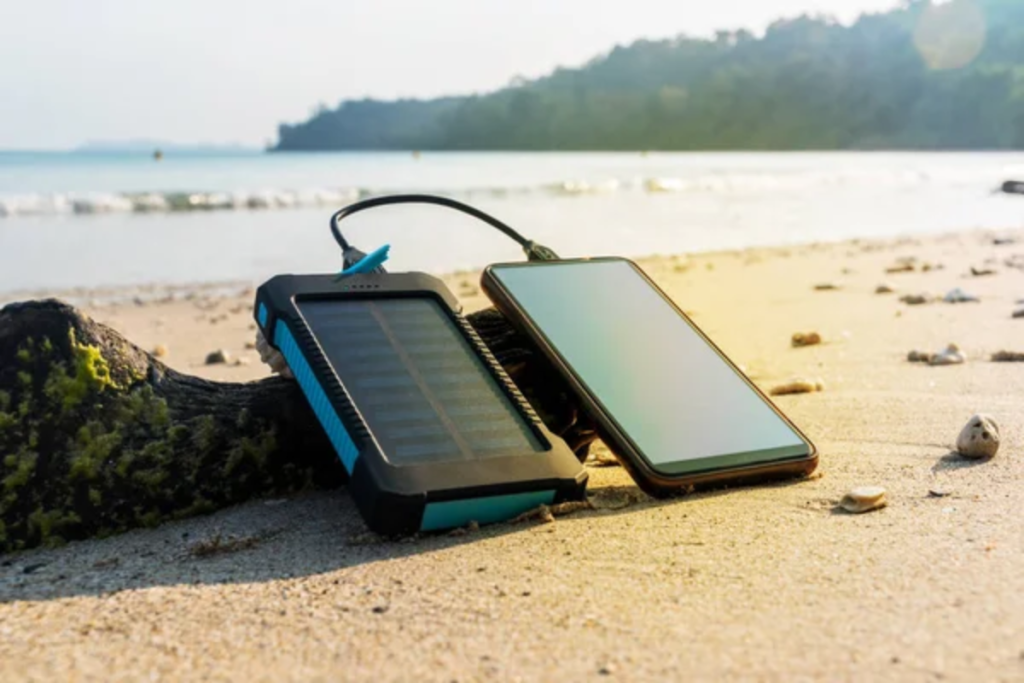
Private islands have become unexpected laboratories for renewable energy technology and sustainable living practices. Owners who install comprehensive solar systems, wind turbines, and battery storage often achieve complete energy independence while reducing operating costs long-term.
The scale and isolation of island projects allow for experimental approaches that might face regulatory hurdles or practical constraints in traditional residential settings.
Many island owners also invest in cutting-edge water management, waste processing, and food production systems that push sustainability technology forward. The results often influence broader markets as successful island installations demonstrate the viability of renewable systems for other remote or off-grid applications.
The environmental benefits extend beyond individual islands when private investment accelerates technology development and cost reduction for everyone else.
Elitist separation from society
Private islands represent the logical endpoint of wealth’s tendency to separate itself from common experience. Island owners don’t just live in gated communities or exclusive neighborhoods — they live on completely separate land masses that require boats or helicopters to access.
The physical separation becomes a perfect metaphor for social and economic disconnection from the rest of humanity.
This separation becomes especially problematic when island owners continue to influence policy and culture in places they’ve chosen to abandon. Business leaders and celebrities who retreat to private islands still shape public discourse and economic decisions, but from positions of literal isolation that make it impossible to understand how those decisions affect people who can’t escape their consequences.
The disconnect between influence and accountability creates governance problems that extend far beyond individual lifestyle choices.
The reality behind the fantasy
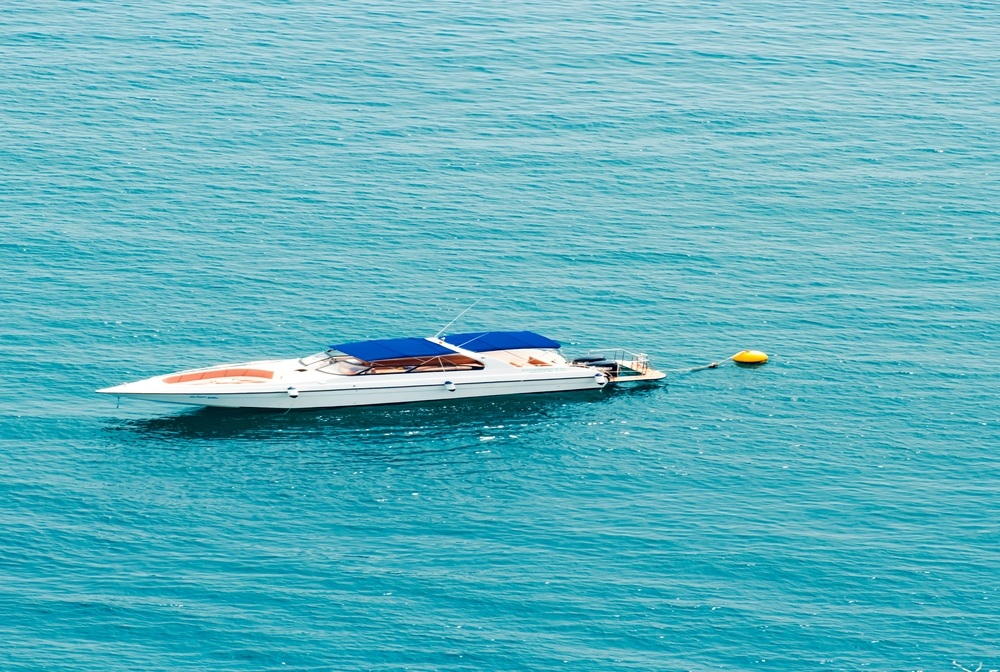
Private island ownership sounds romantic until the generator breaks down during a storm and the repair technician can’t reach you for three days. Paradise comes with practical challenges that most people never consider: medical emergencies become life-threatening when the nearest hospital requires a helicopter flight.
Simple home repairs become major logistical operations when every tool and material has to be shipped in.
The isolation that makes islands appealing also makes them incredibly demanding. Successful island living requires either substantial wealth to pay for constant support services or genuine willingness to develop skills that most modern people have never needed.
The fantasy of simple island life usually collides hard with the reality of complex systems management, emergency preparedness, and social isolation that wears on even the most introverted personalities after extended periods.
When paradise meets reality
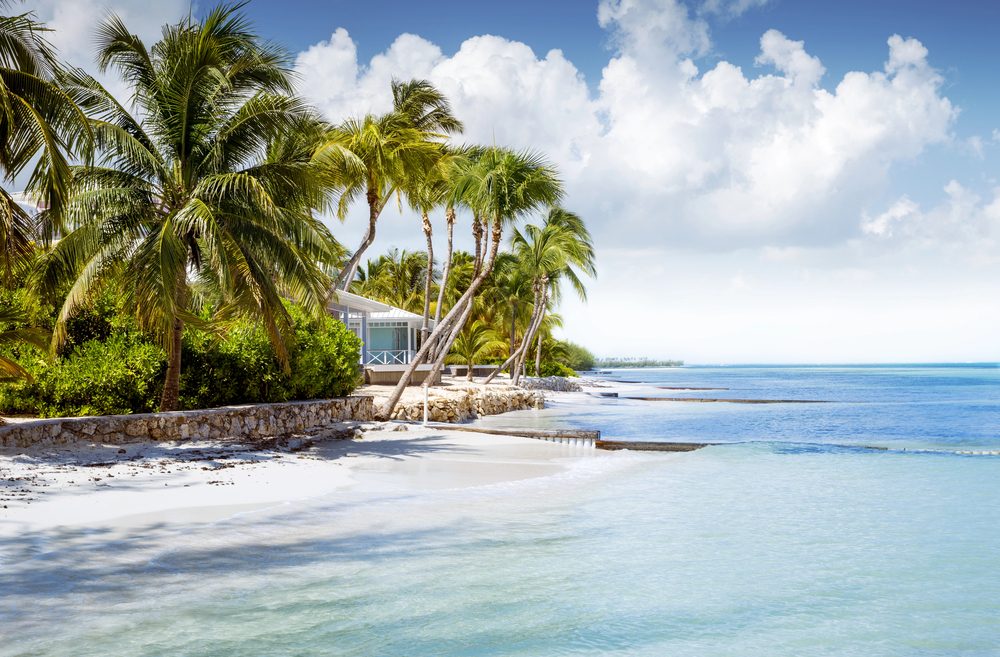
The private island debate ultimately reflects deeper questions about wealth, responsibility, and what people owe each other in an interconnected world. The trend will likely continue as technology makes remote living more feasible and wealth inequality makes escape more appealing to those who can afford it.
But the polarization around private islands won’t disappear either — if anything, it will probably intensify as the gap between those who can buy their own paradise and those struggling to afford basic housing continues to widen.
Whether you see private islands as environmental laboratories, selfish escapes, smart investments, or cultural appropriation probably says more about your perspective on wealth and society than about the islands themselves. The rocks and water don’t care about human politics — they just sit there in the ocean, waiting for the next tide.
More from Travel Pug

- Underrated Italian Towns That Beat the Tourist Crowds
- Las Vegas Tourist Traps to Skip
- Prettiest Towns in Every US State
- 18 passport-free countries for Americans
- Signs Your Cruise Is Not Worth The Cost
Like Travel Pug’s content? Follow us on MSN.