

Scattered along Norway’s dramatic coastline, more than 1,000 fjords carve deep into the landscape, creating some of the most remote and breathtaking settlements on Earth. These villages cling to narrow shores between towering cliffs, accessible only by winding mountain roads, small ferries, or boats navigating pristine waters.
Here are 18 remote fjord villages that showcase Norway’s most isolated and enchanting communities.
Geiranger
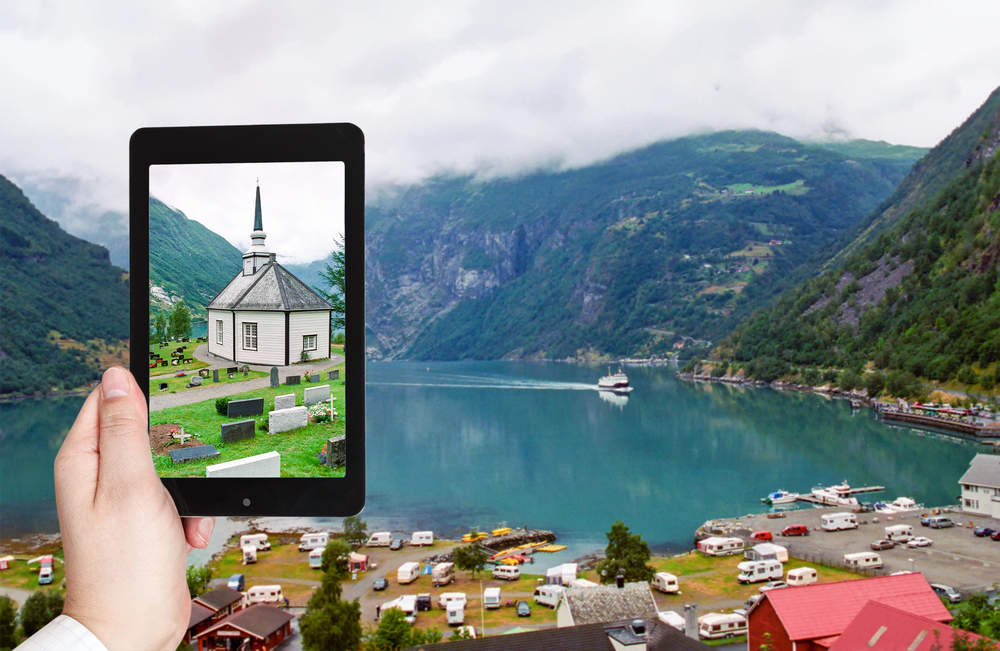
This UNESCO World Heritage village sits dramatically at the head of the Geirangerfjord with only about 250 permanent residents. Seven Sisters Waterfall thunders down opposite cliffs while the village huddles beneath peaks that rise 1,800 meters straight from the water.
Summer brings cruise ships and crowds. But visit in autumn or winter, and you’ll find the real Geiranger — silent streets, mist hanging over the fjord, and locals who’ve weathered decades of isolation.
Undredal
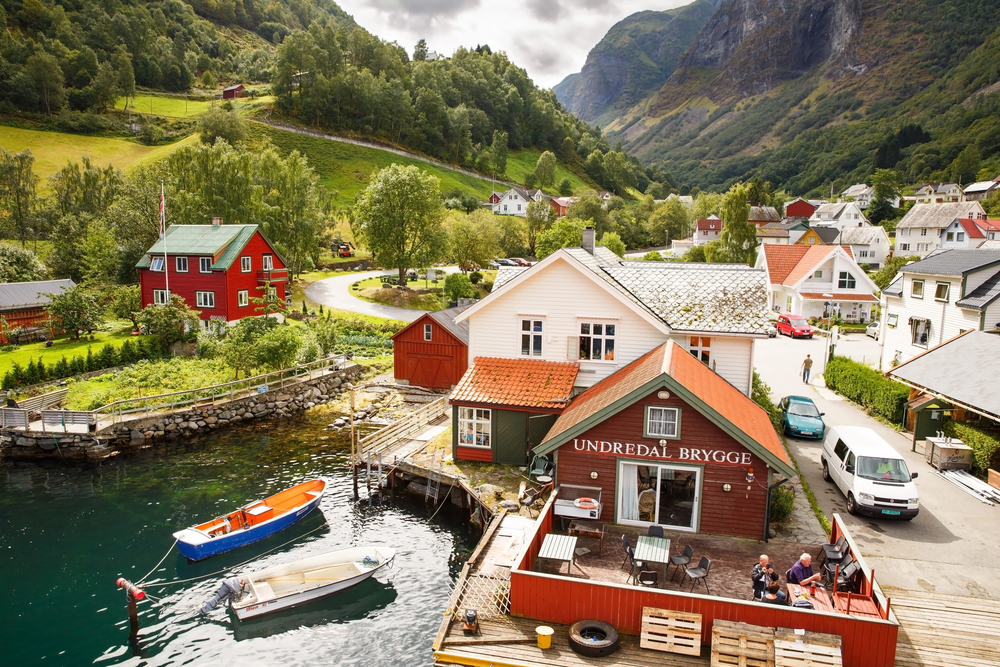
Nestled along the Aurlandsfjord with just 69 inhabitants and 400 goats, Undredal produces some of Norway’s finest traditional goat cheese. The village inspired Disney’s Frozen with its fairy-tale setting beneath snow-capped peaks.
Norway’s smallest stave church dates to 1147 and seats only 40 people. The narrow road winds seven kilometers down Undredalsdalen valley — an adventure that feels like descending into another world.
Solvorn
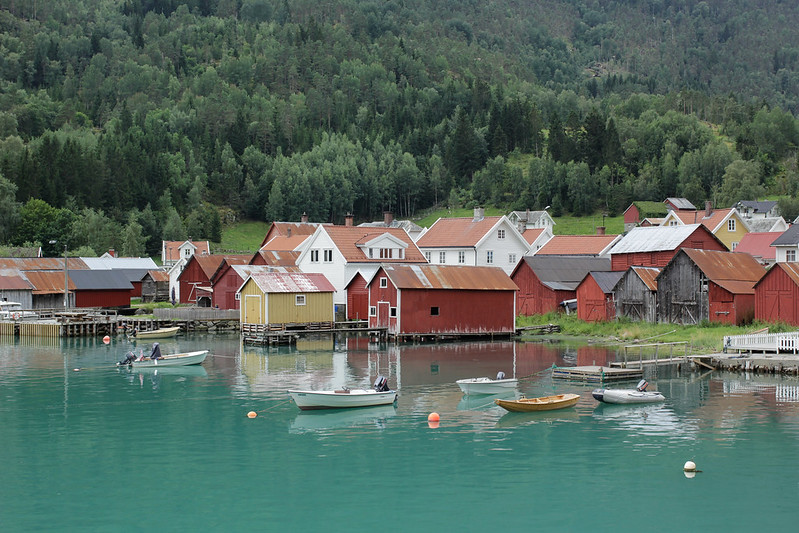
Morning sun hits this village first, earning its name “sun protection.” Colorful boathouses line the Lustrafjord shore, remnants from when this was an important trading center with shops, bakeries, and a bustling post office.
Walaker Hotel has operated here since 1640, making it Norway’s oldest hotel, still run by the same family after nine generations. A short ferry ride connects you to the UNESCO-listed Urnes Stave Church.
Urke
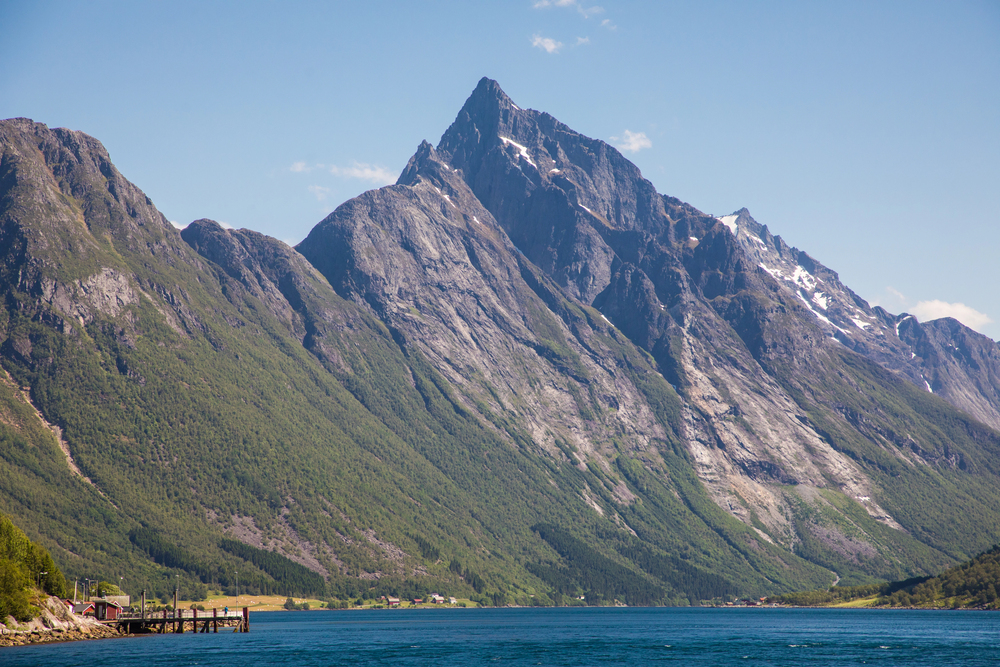
With just 50 permanent residents, Urke was only accessible by boat until the 1950s. This isolation preserved its authentic character along the eastern shores of Hjørundfjord.
The village’s old quay house once welcomed seafarers. Now it’s a museum and café where you can join local fishermen for a day on the fjord or hike surrounding mountains for panoramic views of the Sunnmøre Alps.
Flåm
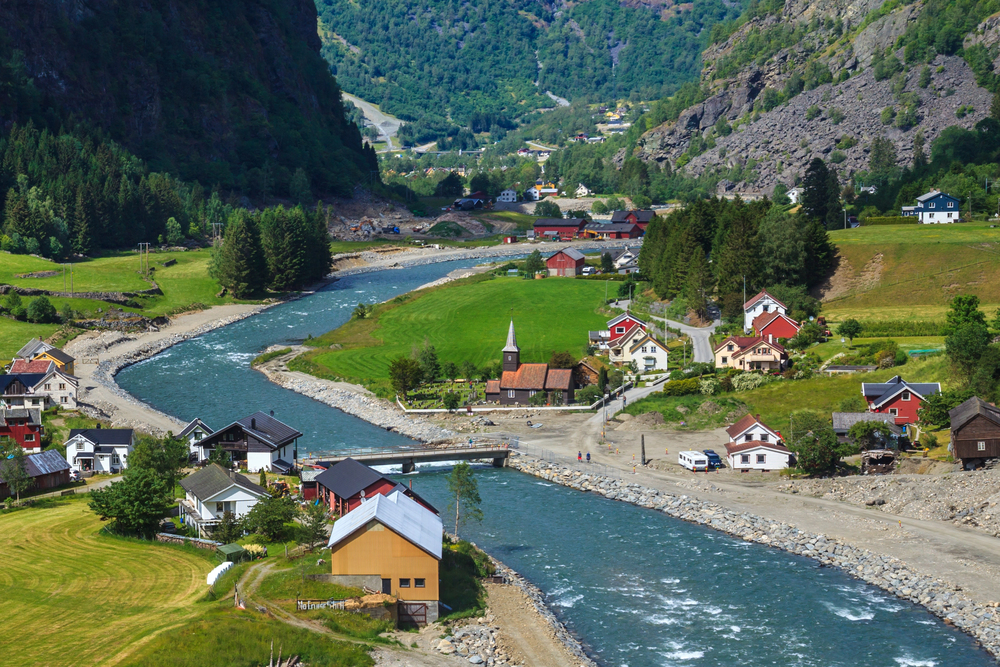
Despite being small, this fjord village never fails to amaze nature enthusiasts. The famous Flåm Railway offers one of the world’s most spectacular train journeys, descending from mountain peaks to sea level.
Take the train up, cycle down the Rallarvegen. Or skip the crowds entirely — the Stegastein viewpoint offers breathtaking views 650 meters above the Aurlandsfjord.
Henningsvær
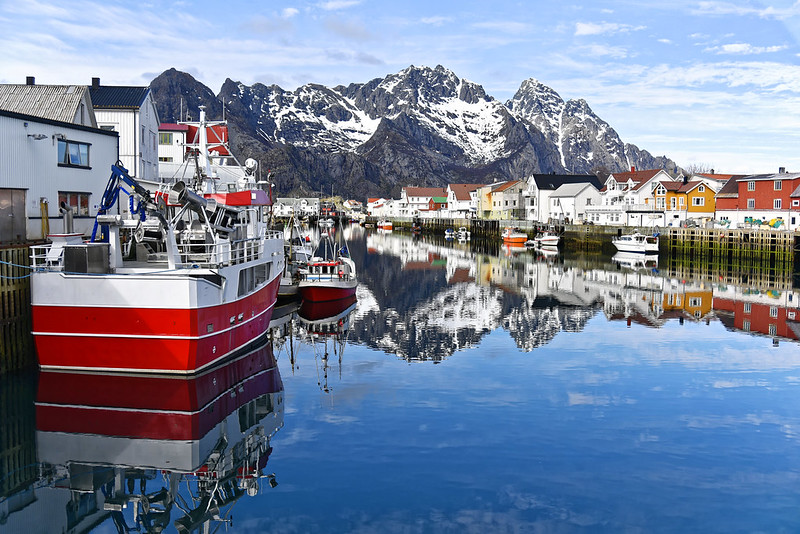
Often called the “Venice of Lofoten,” this small fishing village spreads across multiple islands in the Lofoten archipelago. Red and yellow wooden houses appear to emerge directly from the sea.
Diving and mountain climbing draw adventurers here. But sometimes the best activity is simply watching fishing boats navigate between the islands while northern lights dance overhead.
Øye
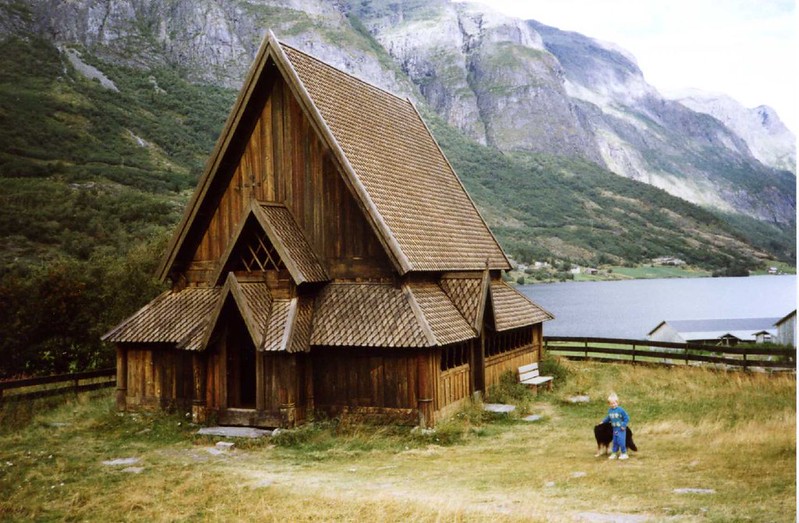
This tiny settlement along Hjørundfjord offers extraordinary stays at Hotel Union Øye, one of Norway’s most exclusive historical hotels. The hotel has welcomed famous guests for over a century.
Hiking trails lead to Slogen peak and Saksa mountain. After conquering these challenging climbs, relax in the hotel’s sauna while watching waterfalls cascade into the fjord.
Balestrand
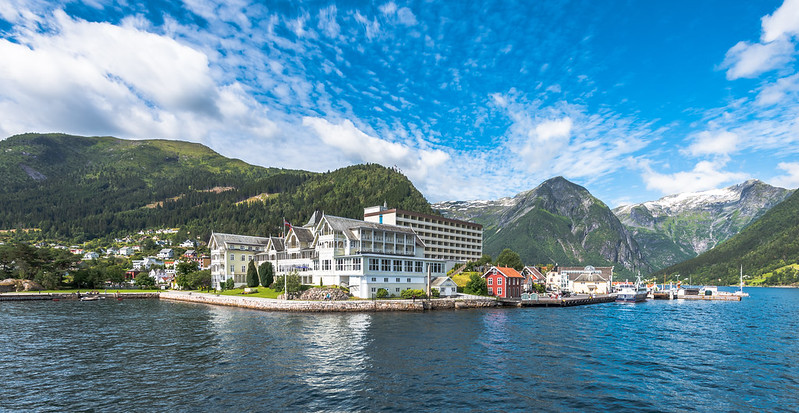
This village offers the perfect introduction to the Sognefjord area, surrounded by stunning nature and cultural highlights. Small cafés and restaurants line the harbor where you can sip hot chocolate while admiring fjord views.
The Sankt Olavs stave church, built in 1897, inspired scenes in Disney’s Frozen. And the Norwegian Museum of Travel and Tourism tells stories of early fjord tourism.
Nusfjord
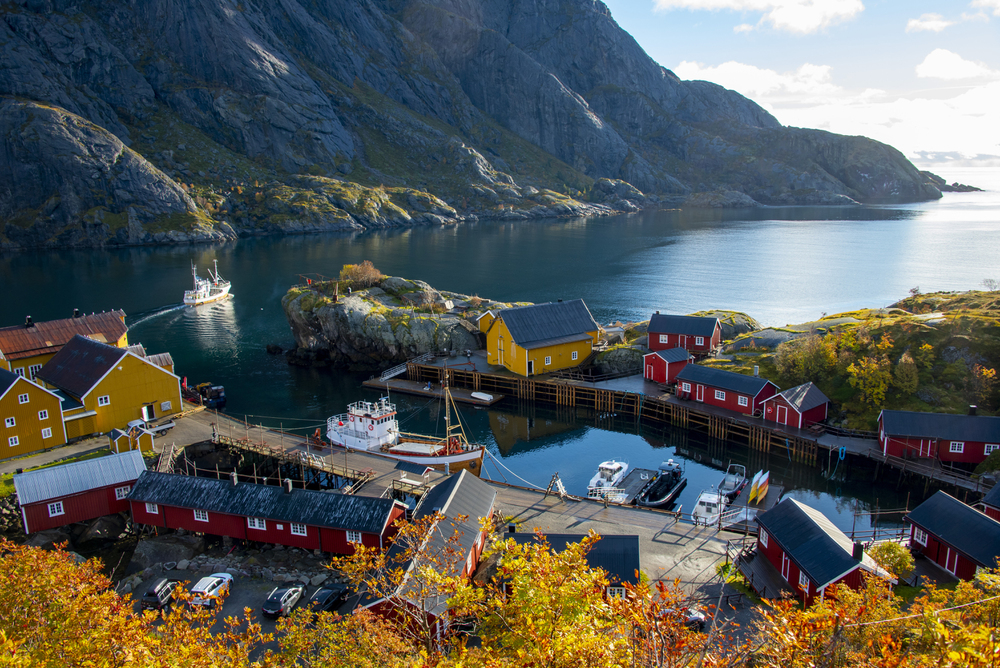
One of Norway’s oldest and best-preserved fishing villages, this UNESCO World Heritage Site in the Lofoten archipelago offers glimpses into traditional fishermen’s lives. Red and yellow rorbuer (fishermen’s cabins) create postcard-perfect scenes.
Stay overnight in converted cabins. The museum provides maritime heritage insights, while the surrounding mountains offer hiking trails with breathtaking fjord views. Not bad for a place this remote.
Lærdalsøyri
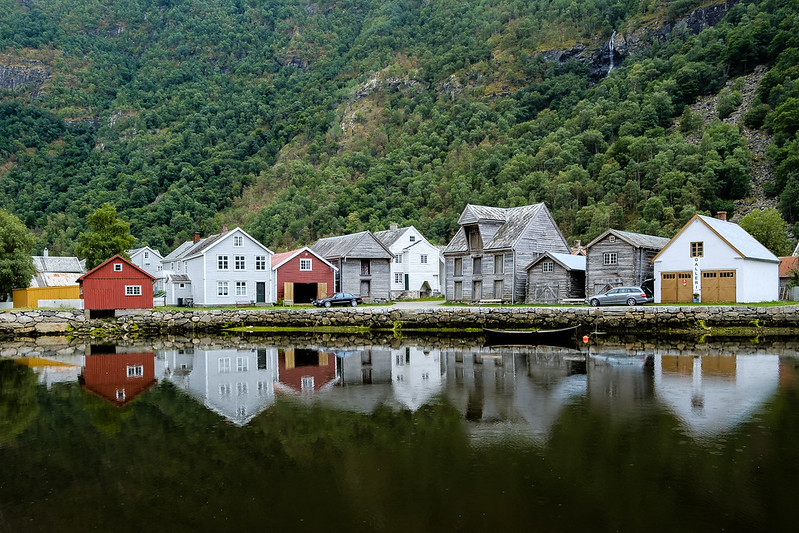
This beautiful fjord village sits at one end of the world’s longest road tunnel. During summer, vintage sports car enthusiasts gather here for meetings that feel wonderfully out of place in this historic setting.
The village preserves its traditional wooden architecture. Stay at 29/2 Aurland, recognized as one of Norway’s most beautiful boutique hotels.
Aurland
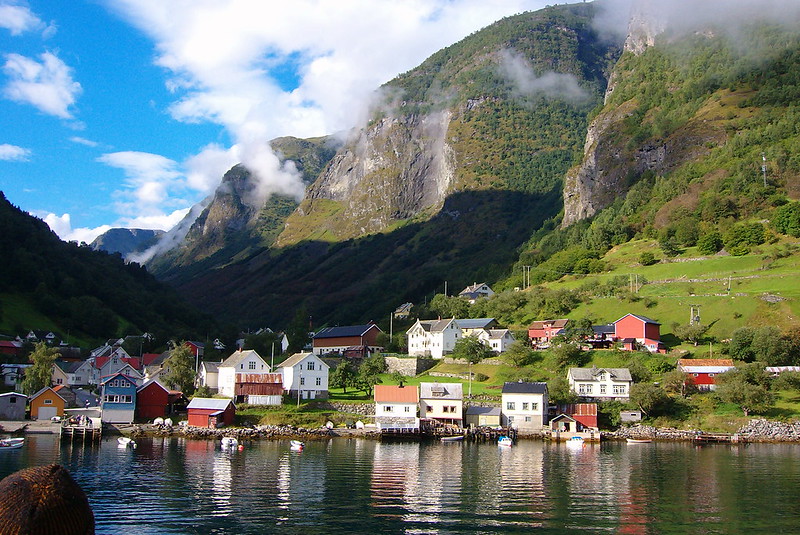
Dramatic mountains plunge straight into the Aurlandsfjord here. The village serves as a perfect base for exploring both the UNESCO-listed Nærøyfjord and the challenging Aurlandsdalen valley hike.
Ancient farmsteads dot the hillsides. Local restaurants serve lamb that tastes of the mountain pastures where it roamed freely.
Lofthus
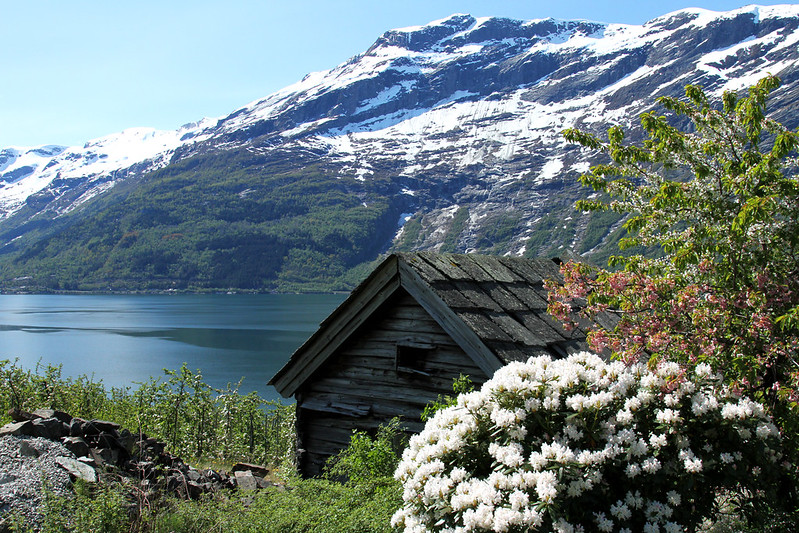
Located where Norway’s famous composer Edvard Grieg found inspiration along the Sørfjord. Fruit orchards bloom spectacularly in spring, creating a stunning contrast against the Folgefonna glacier.
The third-largest glacier on mainland Norway dominates views while varied green landscapes reveal why this region became known for fruit farming. Hardangervidda National Park offers endless hiking opportunities.
Sæbø
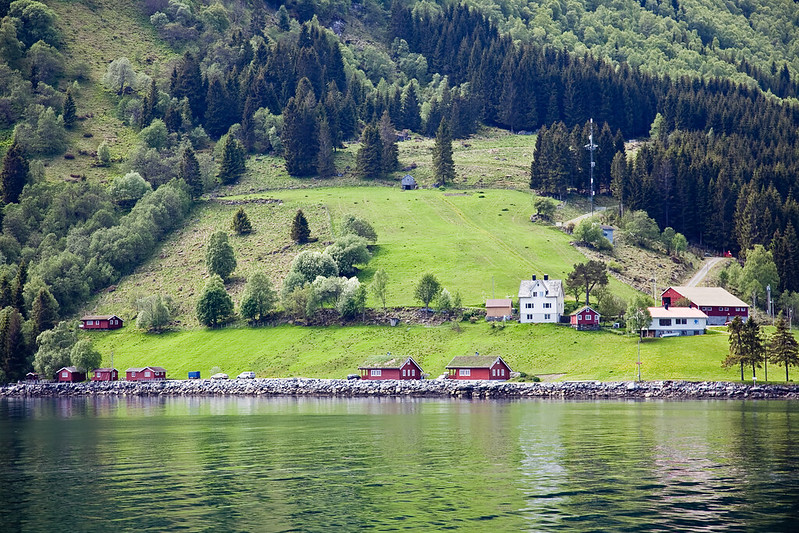
This picturesque settlement along Hjørundfjord serves as an ideal base for exploring the Sunnmøre Alps. The village perfectly blends outdoor adventure with local culture.
Hiking enthusiasts tackle trails leading to breathtaking vistas. Meanwhile, the village maintains its fishing traditions — you’ll often see nets drying and boats preparing for the next catch.
Gudvangen
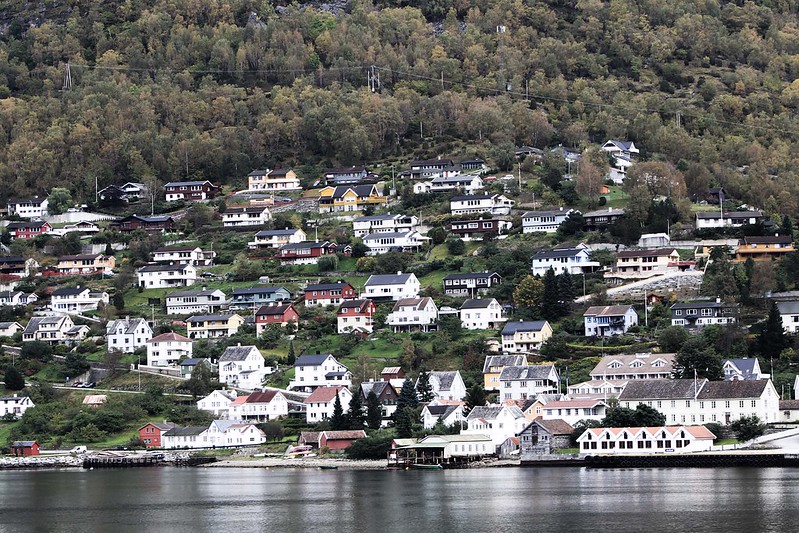
Situated at the innermost point of the UNESCO-listed Nærøyfjord, this village ranks among Scandinavia’s most popular cruise ship ports. The Njardarheimr Viking Village recreates authentic Norse culture.
Steep mountainsides rise 1,800 meters on all sides. Viking dinners and cultural experiences transport visitors back centuries, though the landscape probably looks much the same.
Fjærland
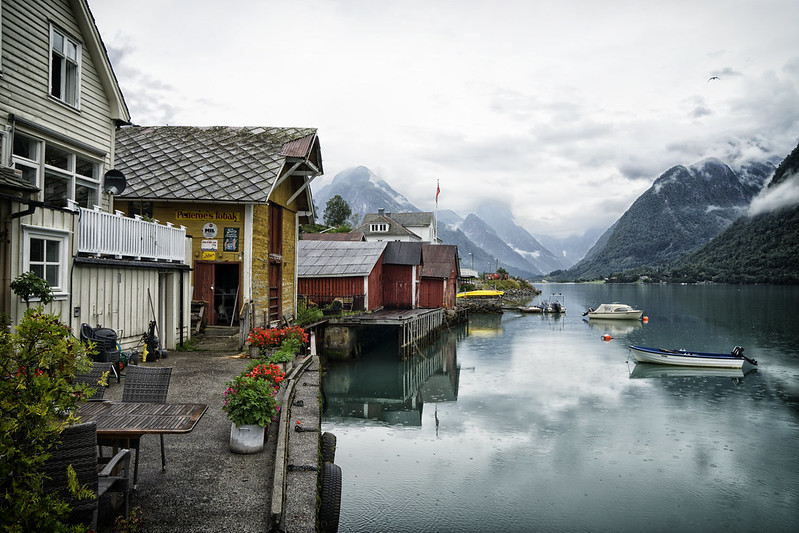
Deep in the Fjærlandsfjord, this village has welcomed tourists siFnce the 17th century. Time seems suspended here among preserved original buildings and refined historic hotels.
The Norwegian Book Town designation means literary treasures fill shops and cafes. Glaciers descend nearly to the village edge — a reminder of the ice age that carved these valleys.
Å
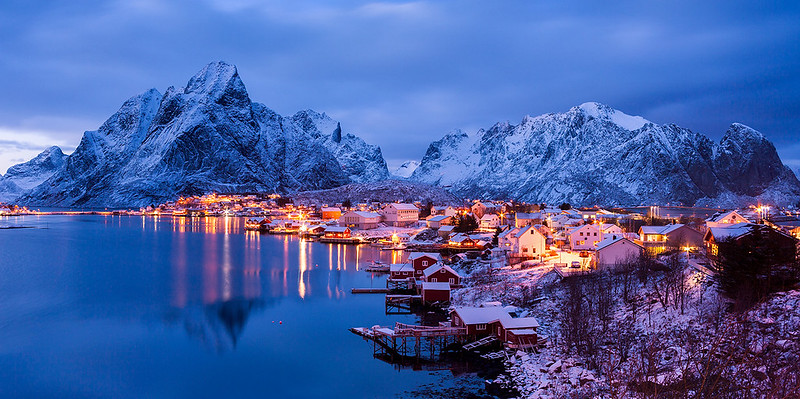
The name alone conjures wonder. This village in Lofoten represents one of the most photographed places in the islands, and for good reason.
Red fishermen’s cabins reflect in still water. Mountains rise like walls around the tiny settlement. Sometimes the simplest names hide the most extraordinary places.
Havøysund
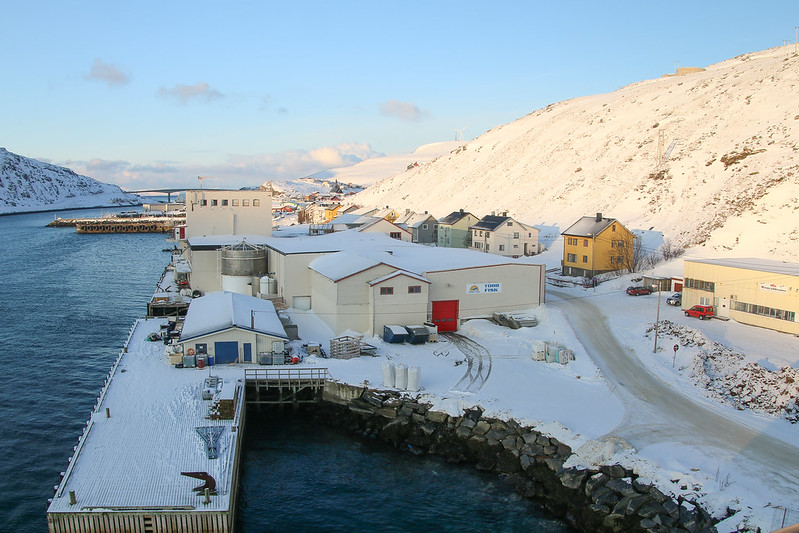
This tiny fishing village sits at the end of the world, boasting the oldest evidence of permanent settlement dating back to the Neolithic Age. Arctic landscapes stretch endlessly in all directions.
Stay at Arctic View Glamping and dine on excellent seafood at Havets Smak during the brief summer season. The rest of the year belongs to locals and the endless Arctic night.
Røst
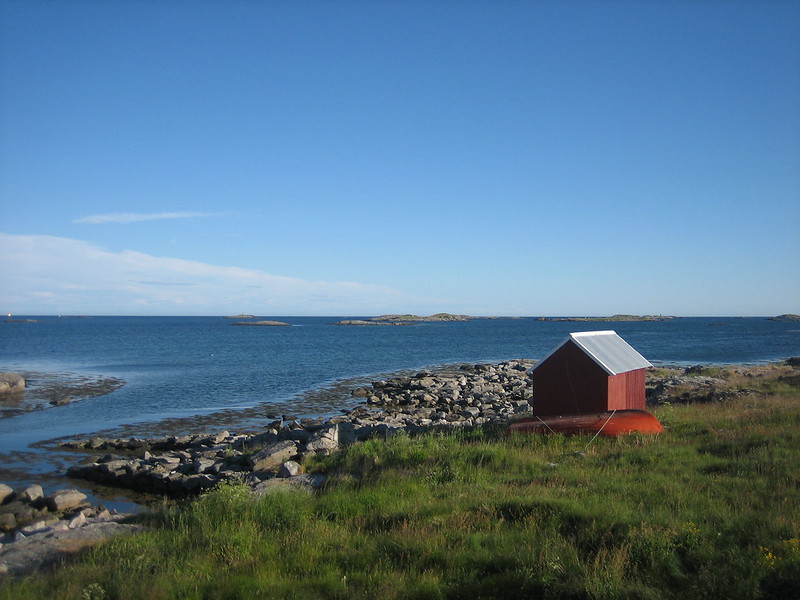
One of Norway’s most remote islands, Røst offers breathtaking views in all directions and hosts a huge colony of puffins. For bird lovers and those tired of screen time, this represents the perfect escape.
The surrounding waters teem with seabirds. Fishing excursions and stand-up paddleboarding provide gentle adventures, though simply watching puffins is entertainment enough.
Finding Norway’s hidden heart
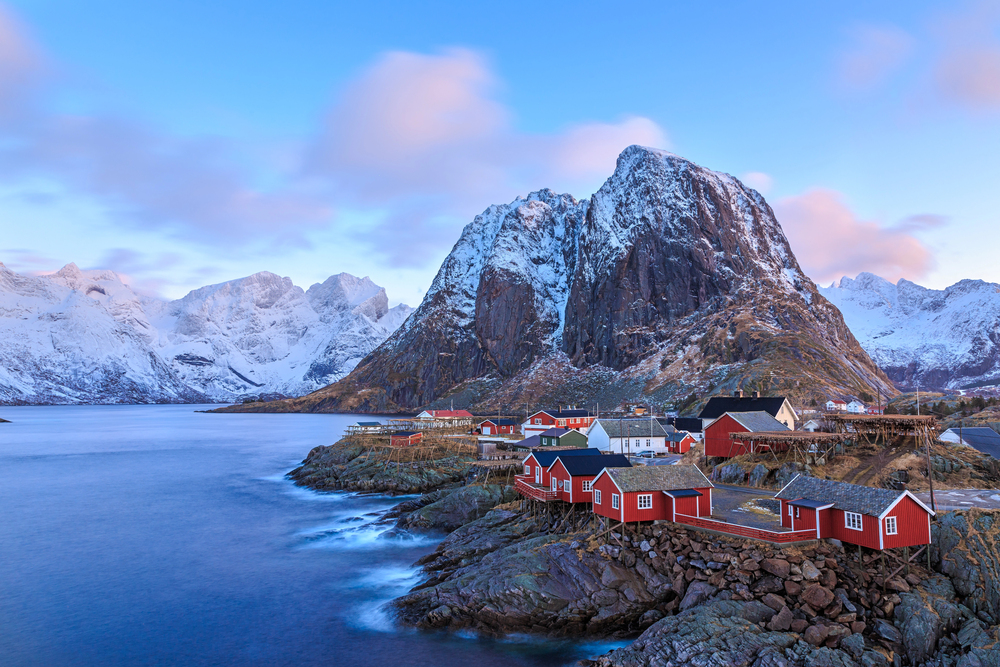
These remote fjord villages preserve something precious — authentic Norwegian life unmarked by modern hurries. Whether you arrive by winding mountain road, small ferry, or hiking trail, each village offers a glimpse into communities that have thrived for centuries between water and stone. The fjords carved these settlements, but the people who stayed made them home.
More from Travel Pug

- Underrated Italian Towns That Beat the Tourist Crowds
- Las Vegas Tourist Traps to Skip
- Prettiest Towns in Every US State
- 18 passport-free countries for Americans
- Signs Your Cruise Is Not Worth The Cost
Like Travel Pug’s content? Follow us on MSN.