

Occasionally, the most remarkable places demand the greatest dedication in order to arrive there. These far-flung parts of our world provide experiences simply not available anywhere nearer at hand. Though arriving may involve sitting through multiple connecting flights, days of jet lag, and journeys taking longer than a full day, the reward is nothing short of enchantment. The most remote areas on earth tend to retain their true nature exactly because they are so hard to reach.
Here’s a list of 19 far-flung spots that are worth every hour of sitting in tight airplane seats and every dollar of those pricey long-distance tickets.
Socotra Island, Yemen
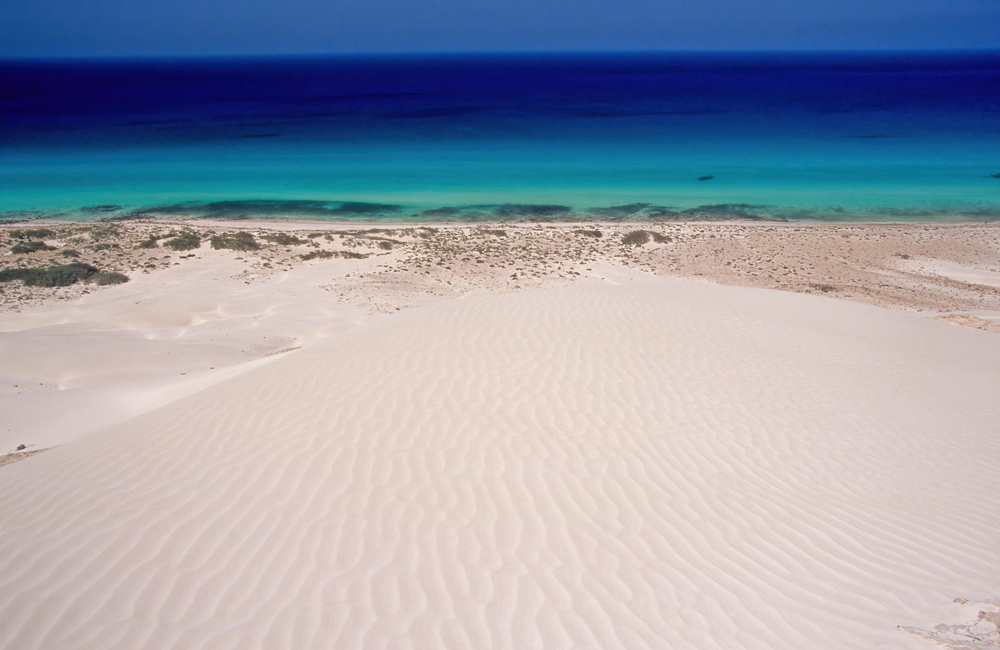
This UNESCO World Heritage Site sits 220 miles off Yemen’s coast like something from another planet. One-third of its plant species exist nowhere else on Earth — including the famous dragon’s blood trees that look like giant umbrellas dotting the landscape.
Despite mainland Yemen’s political challenges, Socotra remains peaceful for adventurous travelers.
Faroe Islands, Denmark

Eighteen emerald islands strewn between Iceland and Norway provide some of Europe’s most spectacular landscapes. Grass-roofed dwellings cling to clifftops, and sheep outnumber the 50,000 human inhabitants many times over.
The aurora borealis swirls across winter skies, but you’ll have to time your visit right because the weather can close the small airport for days.
Madagascar, East Africa

The world’s fourth-largest island broke away from Africa 160 million years ago — and evolution took a completely different path here.
Lemurs leap through baobab forests while chameleons, smaller than your thumb, hide among orchids found nowhere else. Getting there requires at least two flights and considerable planning, yet Madagascar delivers wildlife encounters that make the Galápagos look ordinary.
Easter Island, Chile

Rapa Nui sits 2,300 miles from the nearest populated land, making it one of the most isolated inhabited places on Earth. Nearly 1,000 stone statues called moai guard this triangular speck of land in the Pacific, their backs turned to the ocean as if protecting secrets from the outside world.
The island’s Polynesian culture remains vibrantly alive despite — or perhaps because of — its extreme remoteness.
Bhutan, Himalayas

This carbon-negative kingdom measures Gross National Happiness instead of GDP and limits tourism to preserve its Buddhist culture. Prayer flags flutter from mountain passes while monks debate philosophy in ancient monasteries.
Bhutan requires visitors to pay a daily fee that covers accommodations and guides, though this “high value, low impact” policy ensures authentic experiences in one of Asia’s last Shangri-Las.
Kamchatka Peninsula, Russia

Brown bears fish for salmon while active volcanoes steam in the background across this wilderness larger than California. Closed to outsiders during Soviet times, Kamchatka still feels like Earth’s edge with its Valley of Geysers and landscapes that inspired countless nature documentaries.
Helicopter tours reveal hot springs where locals soak while snow falls around them.
Tasmania, Australia

The island state sits 150 miles south of mainland Australia but feels like a different world entirely. Tasmanian devils emerge at dusk, while the Museum of Old and New Art challenges every assumption about what a museum should be.
Ancient rainforests harbor trees older than Christianity, though the real magic happens when southern lights paint the sky green on clear winter nights.
Raja Ampat, Indonesia

Four small islands off West Papua harbor more marine species than anywhere else on the planet. Manta rays glide through cleaning stations while schools of barracuda form silver tornadoes in the current.
Getting here requires multiple flights followed by boat transfers, yet underwater photographers consider these remote reefs the holy grail of diving destinations.
Seychelles, Indian Ocean

Granite boulders sculpted by millions of years of wind and waves create beaches that seem designed by artists rather than nature. Giant tortoises lumber through spice plantations while rare black parrots nest in mountain forests.
The 115 islands scattered across 400,000 square miles of ocean offer luxury that feels earned after the long journey from anywhere else.
Palawan, Philippines

This sword-shaped island stretches between the South China Sea and the Sulu Sea like a bridge between worlds. Underground rivers wind through limestone caves while lagoons glow electric blue from bioluminescent plankton.
El Nido’s limestone cliffs rise straight from turquoise water, creating scenes that smartphone cameras struggle to capture accurately.
Kyrgyzstan, Central Asia

Nomadic herders still move their yurts across high-altitude pastures where horses run wild against backdrops of snow-capped peaks. Issyk-Kul Lake sits like a sapphire in the mountains, warm enough for swimming despite its elevation of 5,000 feet.
Soviet-era influences blend with ancient Silk Road traditions in a country that most travelers can’t locate on a map.
Rwanda, East Africa

Mountain gorillas lumber through misty forests, while Rwanda has transformed itself into Africa’s cleanest, safest country. Plastic bags are banned, corruption is virtually nonexistent, and the capital Kigali sparkles with modern infrastructure.
Tracking endangered gorillas through Volcanoes National Park requires permits that sell out months in advance — yet meeting these gentle giants eye-to-eye justifies every effort to get there.
Georgia, Caucasus

Wine flows from ancient qvevri jars buried underground while traditional polyphonic songs echo through mountain valleys. This crossroads between Europe and Asia offers hospitality that borders on overwhelming — locals insist on feeding visitors until they can barely move.
Svaneti’s medieval watchtowers pierce the sky like stone fingers while cable cars whisk visitors to glaciers within sight of Europe’s highest peaks.
Svalbard, Norway
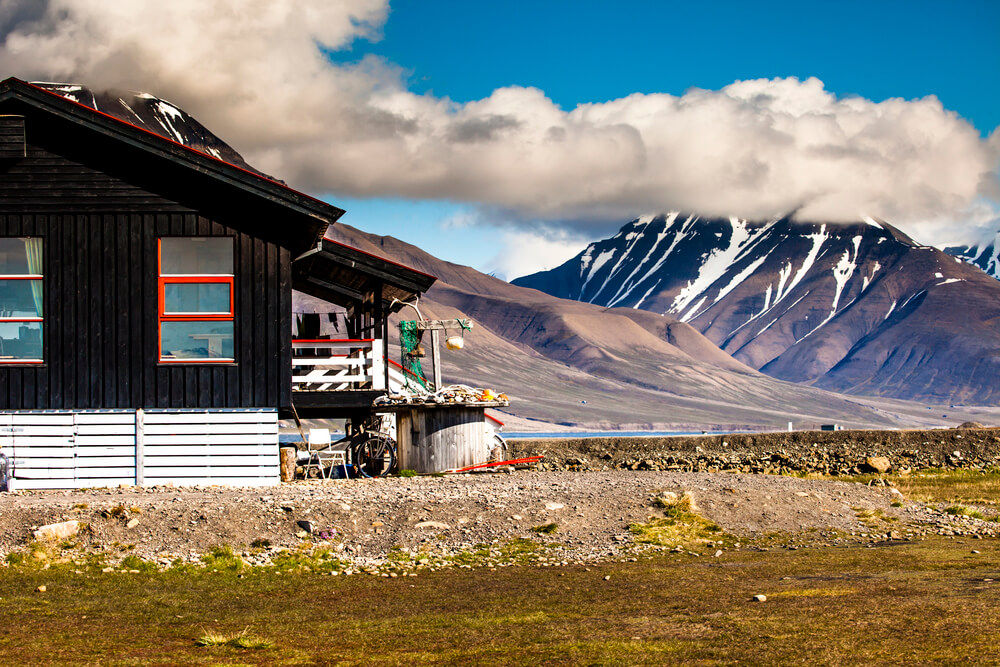
Polar bears outnumber humans on this Arctic archipelago where the sun doesn’t set for four months each year. The Global Seed Vault preserves crop diversity for future generations while abandoned Soviet mining towns slowly return to nature.
Visitors must carry rifles outside settlements, though the biggest danger might be falling in love with landscapes so stark they redefine concepts of beauty.
Lord Howe Island, Australia

Only 400 visitors are allowed on this crescent-shaped island at any time, preserving its World Heritage status and creating an exclusive feel that money can’t buy elsewhere. Ball’s Pyramid rises from the sea like a gothic cathedral, while the island’s lagoon offers snorkeling among fish that have never learned to fear humans.
Two hours by plane from Sydney, yet it feels like traveling back to Earth’s childhood.
Azores, Portugal

Nine volcanic islands spread throughout the North Atlantic have hot springs, crater lakes, and environments that change entirely every few miles. Pineapples are cultivated in greenhouses while whales breach just outside of Europe’s westernmost tip.
The islands lie directly on the Mid-Atlantic Ridge, where tectonic plates converge, providing geology lessons that visitors can walk through.
Myanmar, Southeast Asia
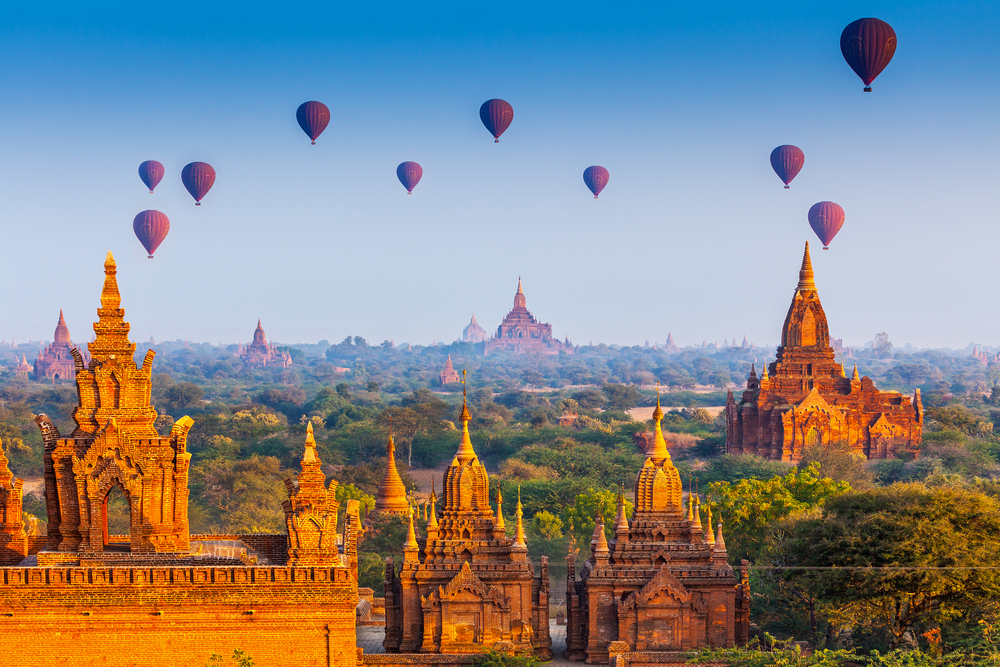
Golden pagodas rise from morning mist while traditional life continues much as it has for centuries. Inle Lake’s leg-rowing fishermen navigate floating gardens while hot air balloons drift over Bagan’s temple plains at sunrise.
Despite recent political challenges, Myanmar’s cultural treasures and the warmth of its people create experiences that linger long after returning home.
Vanuatu, South Pacific

Active volcanoes bubble with lava lakes while traditional kastom culture thrives alongside modern beach resorts. Mount Yasur has been erupting continuously for over 800 years, yet locals consider it sacred rather than threatening.
The archipelago spreads across 65 inhabited islands where bungee jumping was invented and cargo cults still await the return of their prophesied deliveries.
Patagonia, Chile/Argentina

Wind-sculpted peaks shoot skyward as glaciers calve icebergs the length of city blocks into glacial lakes as pure as crystal. Condors soar on thermals over granite spires that test the world’s finest mountaineers while guanacos feed in valleys that stretch to horizons broken only by mountains.
The area takes in two nations but seems a world unto itself — one where nature continues to play by its own rules.
When distance becomes reward

They remind us that the world remains full of places where mass tourism hasn’t flattened out the experience. Each takes loads of time and money to get to, but this very inaccessibility maintains their unspoiled essence in a more networked world. While technology brings distant lands closer through social media and virtual visits, nothing can substitute for the profoundly differentiating force of being there.
The jet lag recedes, the travel exhaustion vanishes, but recollections of snorkeling with whale sharks in Raja Ampat or viewing the northern lights swirl across Svalbard last decades. Occasionally, the most meaningful places are arrived at through the longest journeys.
More from Travel Pug

- Underrated Italian Towns That Beat the Tourist Crowds
- Las Vegas Tourist Traps to Skip
- Prettiest Towns in Every US State
- 18 passport-free countries for Americans
- Signs Your Cruise Is Not Worth The Cost
Like Travel Pug’s content? Follow us on MSN.