

There’s a particular kind of person who sees a hand-painted sign that says “World’s Largest” and immediately checks the gas gauge. Maybe you know that feeling.
The interstate stretches out flat and forgettable, and then somewhere past mile marker 200, a giant fiberglass cow or a mummified curiosity behind glass promises to break up the monotony, and suddenly the detour writes itself. America has never needed a good reason to build something enormous or strange along its highways, and travelers have never needed much convincing to stop and photograph it.
What follows is a tour of the places people still go out of their way for, cameras ready, expectations gladly lowered.
Cadillac Ranch
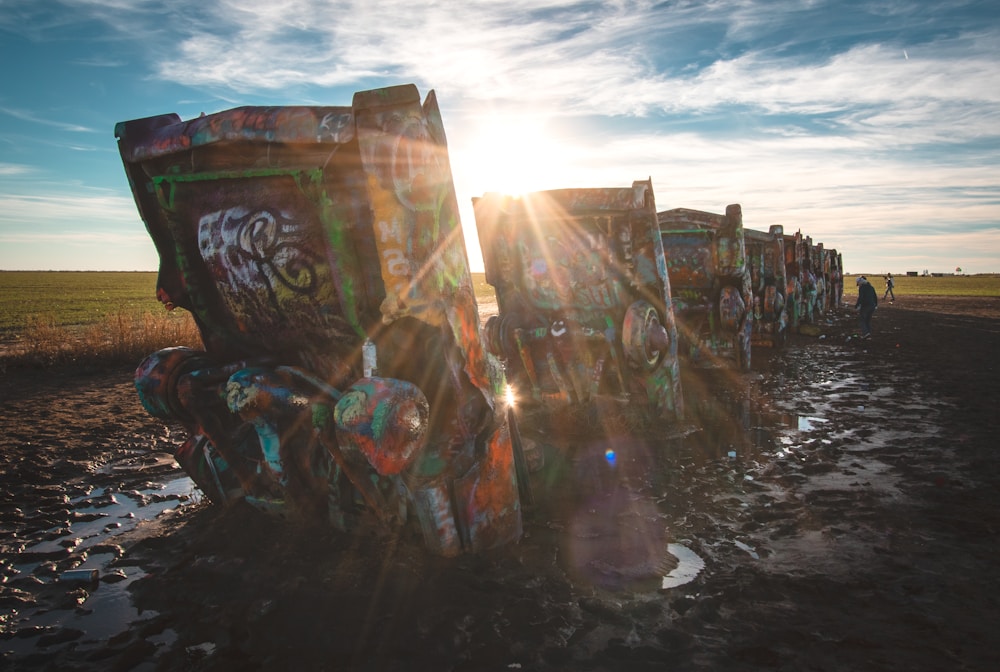
Ten Cadillacs, buried nose-down in a Texas wheat field outside Amarillo. Spray paint changes color weekly, thanks to strangers who bring their own cans.
Nobody charges admission. Nobody stops you from adding your own layer to a piece of art that’s never actually finished.
Carhenge
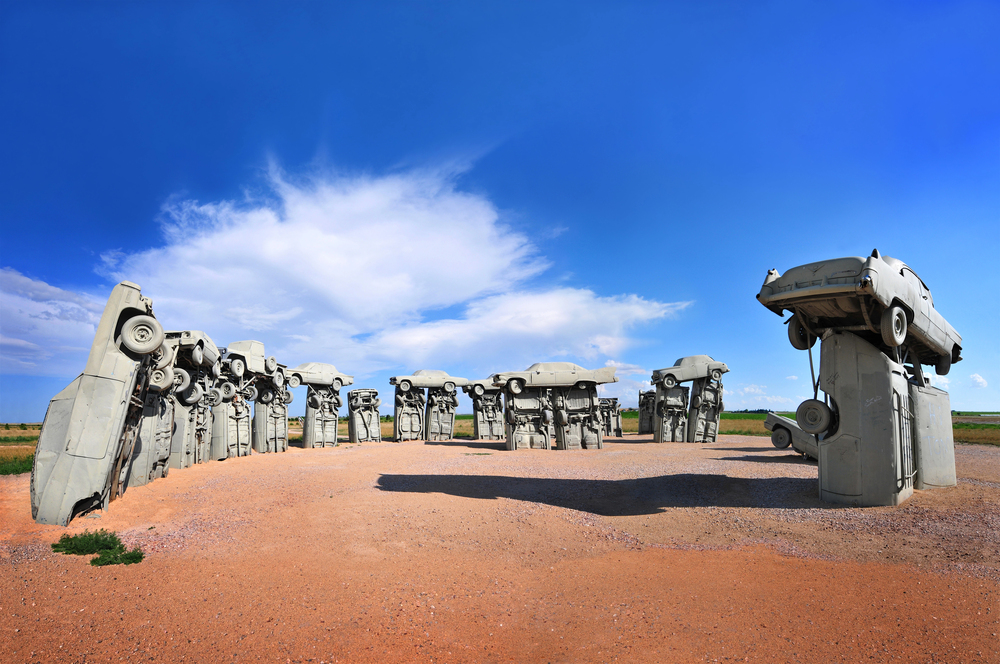
Carhenge sits on the Nebraska plains like a joke that got out of hand — 38 vintage cars, painted gray, arranged to mimic Stonehenge down to the heel stone, and people really do drive hours just to stand in a wheat field staring at old sedans stacked like monoliths. It started in 1987 when a man named Jim Reinders built it as a memorial to his father, using cars instead of ancient rock because that’s what he had on hand (also because it’s Nebraska, and someone was bound to try it eventually).
So the tourists keep coming, cameras out, squinting into the same flat prairie light: it’s absurd, and somehow it’s also a little moving.
World’s Largest Ball of Twine

There’s something almost tender about the community-built World’s Largest Ball of Twine in Cawker City, Kansas, deciding that patience deserves a monument. The ball itself, wound by hand over decades until it swelled past eight feet across, sits under a pavilion like a stubborn secret nobody wanted to keep quiet.
Tourists circle it slowly, the way you’d circle something sleeping, half expecting it to unravel if they look too long. It isn’t beautiful, exactly, but it corrects you — reminds you that devotion doesn’t need a reason to be worth seeing.
The Corn Palace
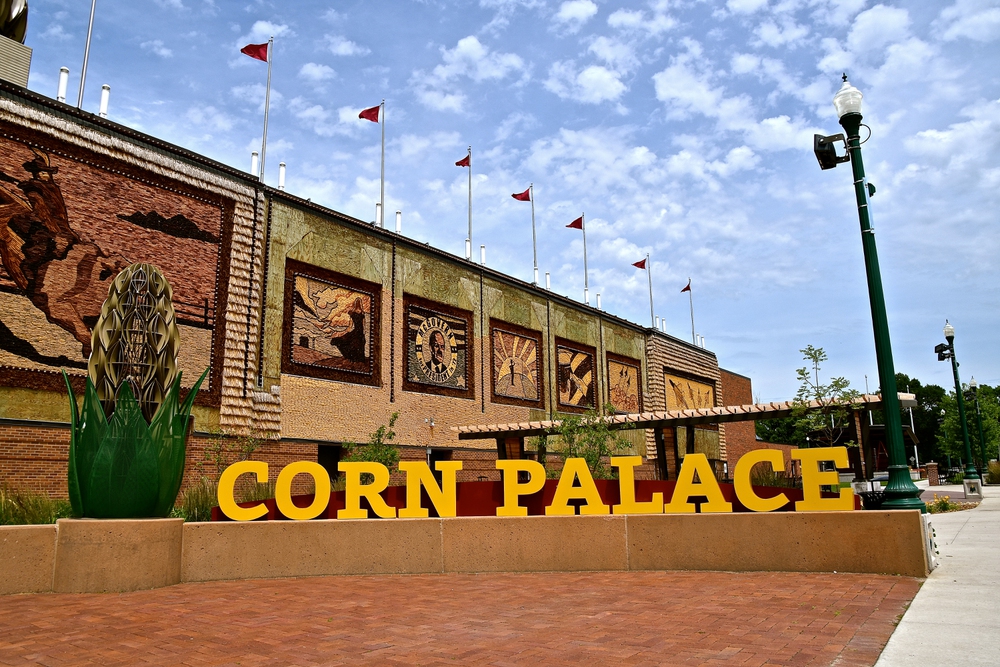
The Corn Palace is the single strangest thing a Midwestern town has ever built out of vegetables, and that’s saying something in a region famous for casserole. Every year the murals get stripped down to plywood and redone entirely in corn, husks, and native grains, so the building never looks the same twice.
To be fair, calling it architecture feels generous — it’s closer to a very committed art project with a roof. Mitchell, South Dakota built a tourist industry around a crop nobody expected to double as siding.
World’s Largest Rocking Chair

Casey, Illinois has a rocking chair that stands fifty-six feet tall. You could park a truck under the seat.
Nobody actually rocks in it, obviously, but everyone photographs it like they might try. Casey collects oversized objects the way other small towns collect empty storefronts.
The Blue Whale of Catoosa
The Blue Whale of Catoosa was never meant to become a roadside legend — it started as a swimming hole gift from a man named Hugh Davis to his wife, a pond with a grinning concrete whale rising out of the water, and somehow that private gesture turned into a Route 66 landmark that strangers detoured for. Kids used to slide off its fins into Oklahoma pond water; now people mostly climb onto the dock, snap a photo, and leave without getting wet (which feels like missing the point, honestly).
So the whale sits there, permanently smiling, a little chipped at the edges: it has outlived the man who built it and most of the reasons anyone remembers why.
Wall Drug
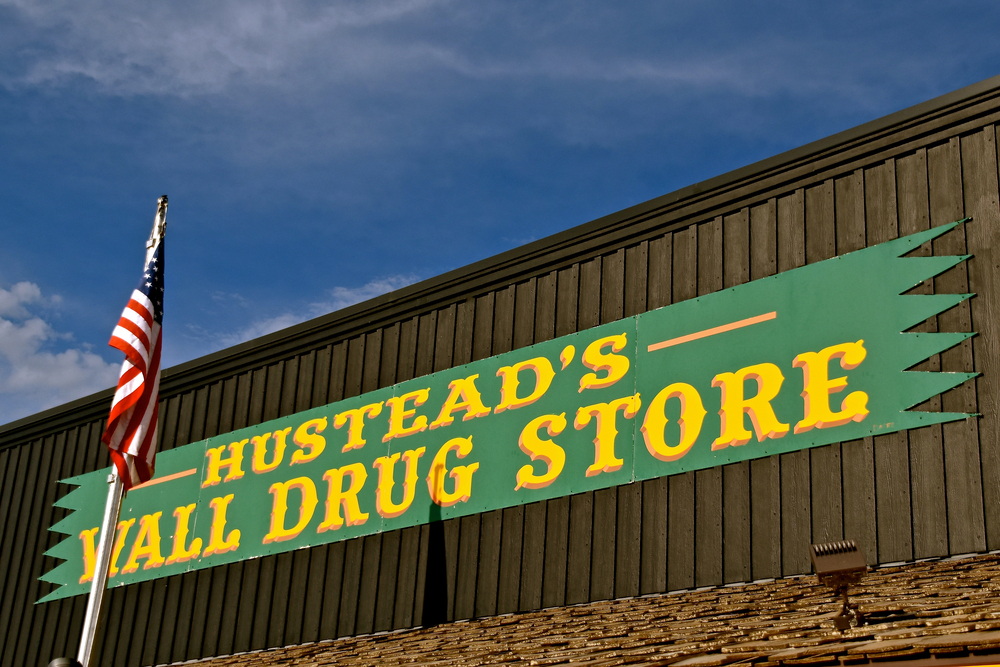
Wall Drug survives on a single idea, repeated for nearly ninety years: free ice water, promised on billboards that start appearing 500 miles before you ever reach South Dakota. What began as a desperate marketing stunt during the Depression grew into a sprawling complex of gift shops, a chuck wagon, and an animatronic cowboy that startles children into tears.
There’s a stubbornness to it, the way a single good idea can outlast the reasons anyone needed it in the first place. By the time you actually walk through the doors, the anticipation has already done half the work.
The Mystery Spot
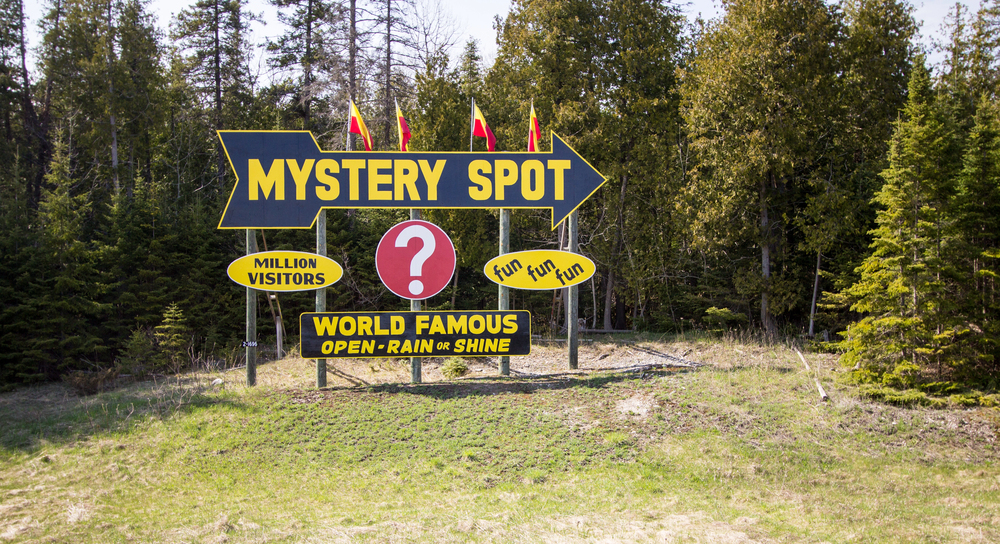
The Mystery Spot in Santa Cruz sells confusion, and it sells it well. Balls appear to roll uphill, people appear to stand sideways, and the whole tilted shack plays tricks on your inner ear that no amount of explaining quite undoes.
Skeptics will tell you it’s an optical illusion built on a slanted structure, and they’re right, which somehow doesn’t make it less fun. Nobody visits for the science lecture — they visit to feel briefly, harmlessly wrong about gravity.
World’s Largest Ketchup Bottle
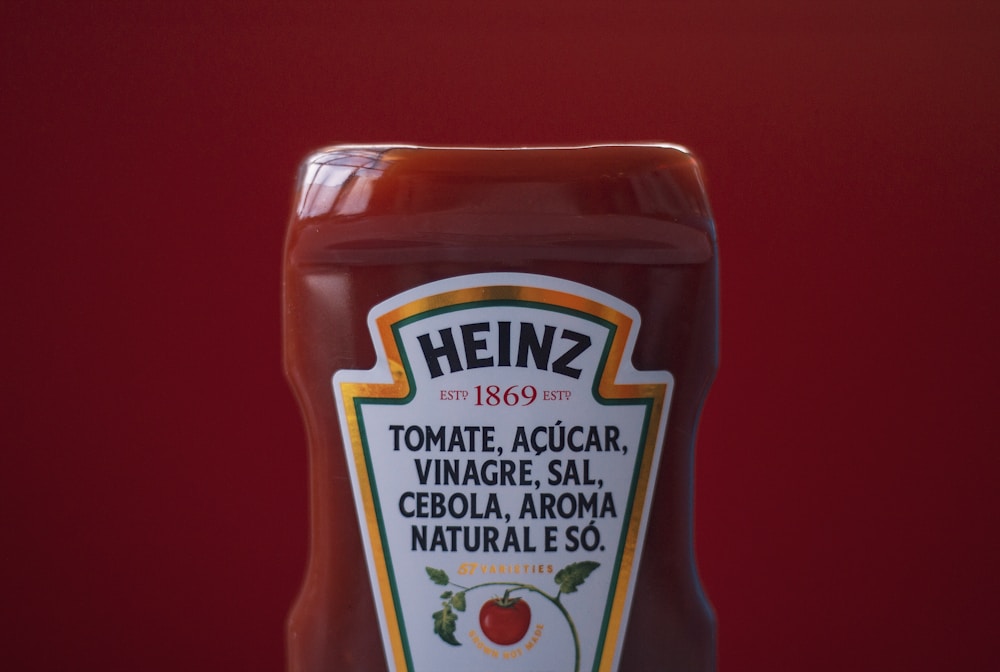
A 90-foot water tower shaped like a ketchup bottle is not something Illinois needed, and yet Collinsville built one anyway, because apparently a condiment deserved a landmark. It used to advertise a local food plant that closed decades ago, but the bottle stayed, which tells you everything about how these things work.
The product disappears. The monument doesn’t.
People still pull off the highway for it, and nobody’s ever pretended it was subtle.
Lucy the Elephant
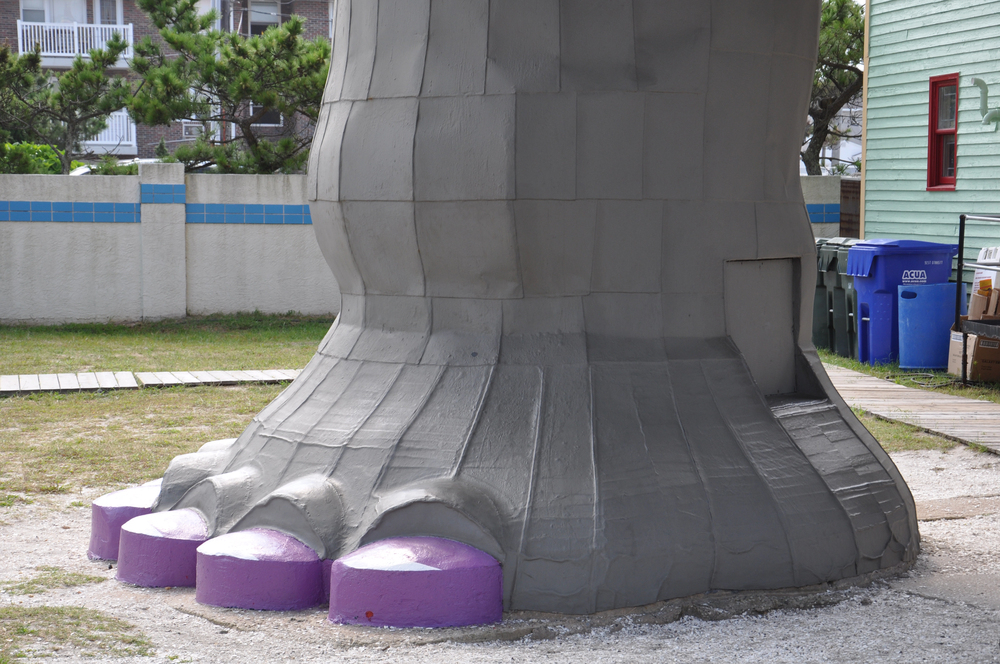
Lucy is a six-story elephant made of wood and tin, standing on the Jersey Shore since 1881. She’s been a tavern, a summer cottage, and a tourist office.
She has survived storms that leveled everything around her — and she’s older than most people realize, predating the Statue of Liberty’s dedication by a few years.
World’s Largest Pistachio
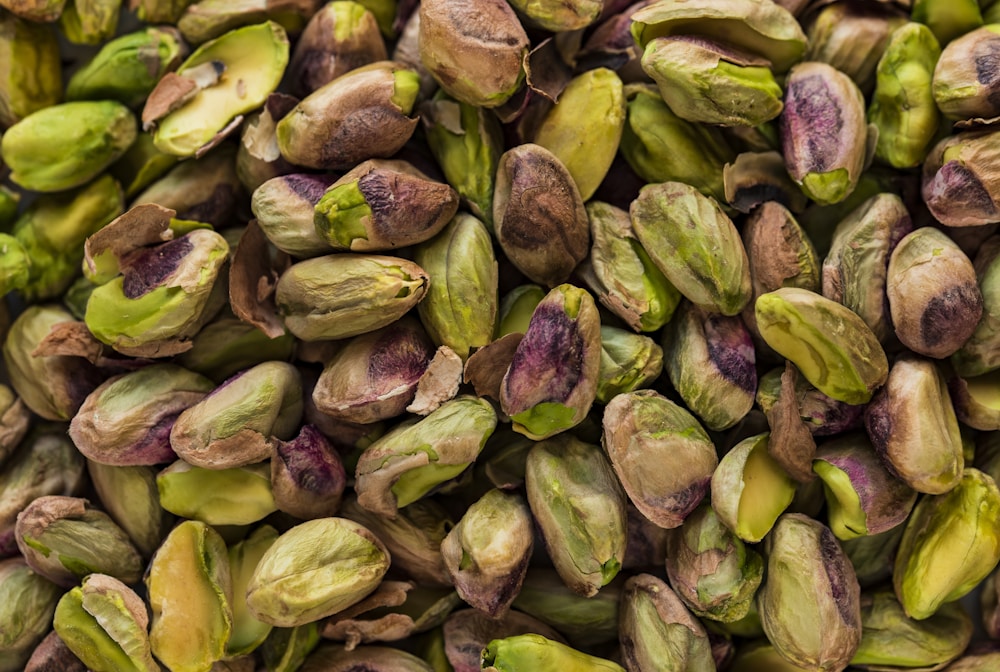
Alamogordo’s pistachio rises 30 feet over the desert highway, cracked open just enough to hint at the nut inside, like something caught mid-thought. It sits outside a family farm that’s grown the trees since the 1970s, sun-bleached and patient the way desert things tend to be.
Drivers slow down without meaning to, the way you’d slow near anything oversized and strange sitting alone in flat country. There’s a quiet humor to it — New Mexico, land of ancient ruins and alien lore, also decided a giant nut deserved its own monument.
Salem Sue
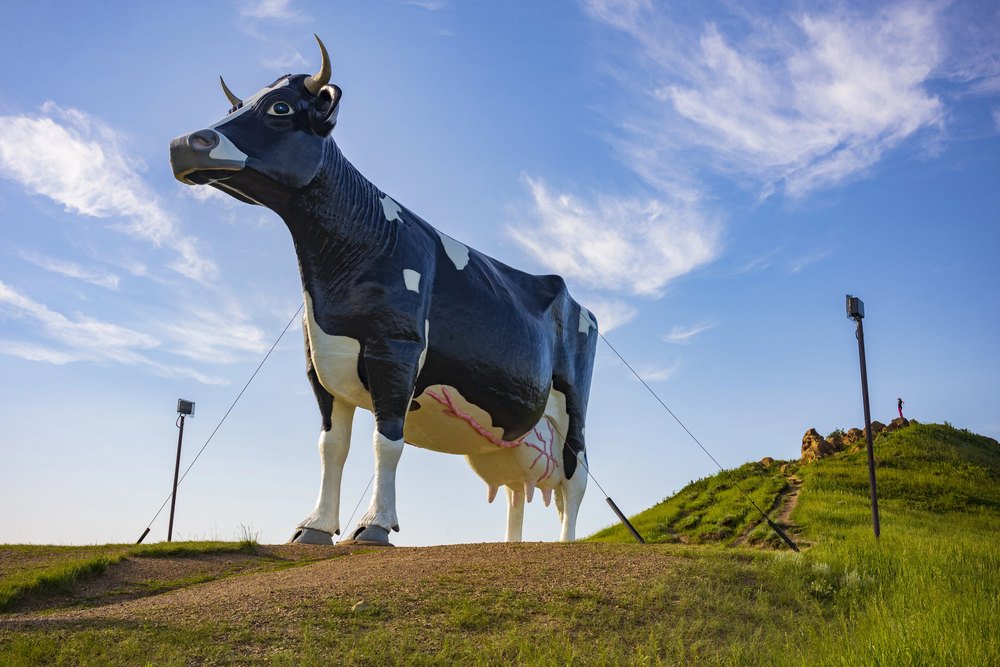
Salem Sue is the largest Holstein cow statue on the planet, and North Dakota built her on a hill specifically so drivers can spot her from the interstate, which is either genius or slightly unnerving depending on your mood. She’s 38 feet tall, fiberglass, and visible for miles before you ever reach New Salem, so the anticipation is basically half the experience.
Nobody strictly needs a 50-foot dairy cow watching over a small farming town, and yet here she stands, doing exactly that since 1974. To be fair, it works — people climb the hill, and they take the same photo everyone else took.
The Enchanted Highway
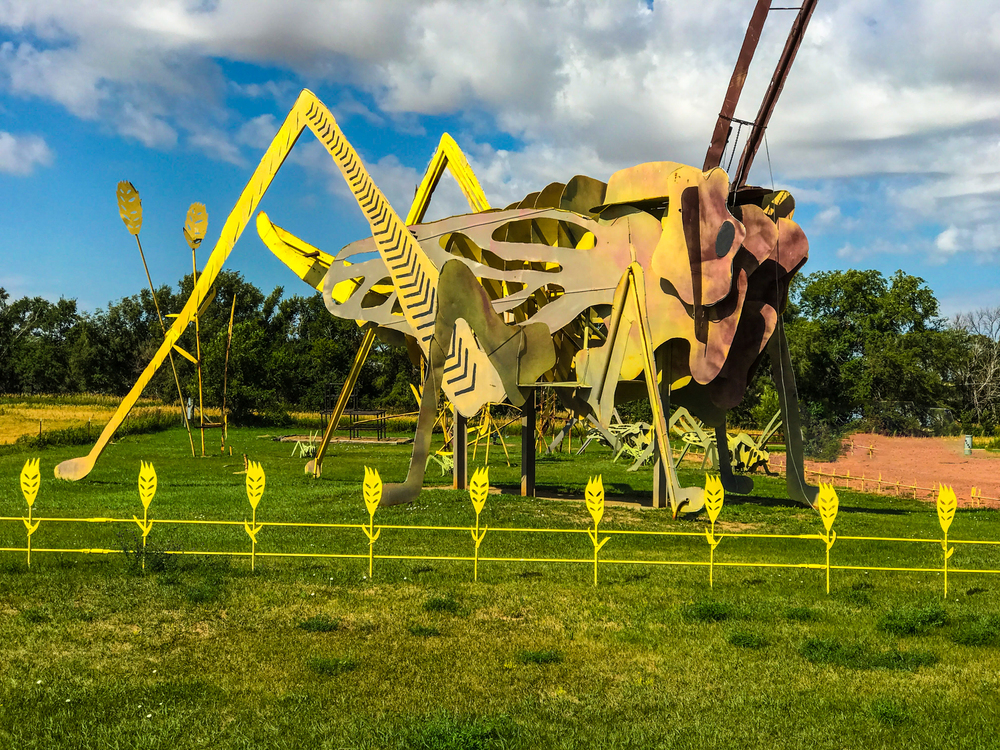
Regent, North Dakota built the world’s largest scrap metal sculptures along a twenty-mile stretch of otherwise empty highway, and it started small — one local artist named Gary Greff, trying to save his dying town, welding grain bins and car parts into something people might actually drive out to see. Geese in Flight stands over a hundred feet tall and holds the record for largest scrap metal sculpture anywhere, which is a strange thing for a town of a few hundred people to be famous for.
So the sculptures went up one by one over decades: a tin family, a fisherman’s catch, a herd of grasshoppers taller than the barns behind them. And there’s nothing else out there for miles, which somehow makes the whole stretch more worth seeing, not less.
World’s Largest Fire Hydrant

Beaumont, Texas keeps a 24-foot fire hydrant standing outside its fire museum, painted red and white like something built for a giant’s front yard. It commemorates the volunteer firefighters who worked the area before professional departments existed, though most visitors don’t learn that until after they’ve already taken the photo.
The hydrant towers over its surroundings the way a lighthouse towers over a shoreline: oddly reassuring, a little absurd, impossible to ignore once you’ve seen it. Children pose beside it like it might turn on.
The House on the Rock
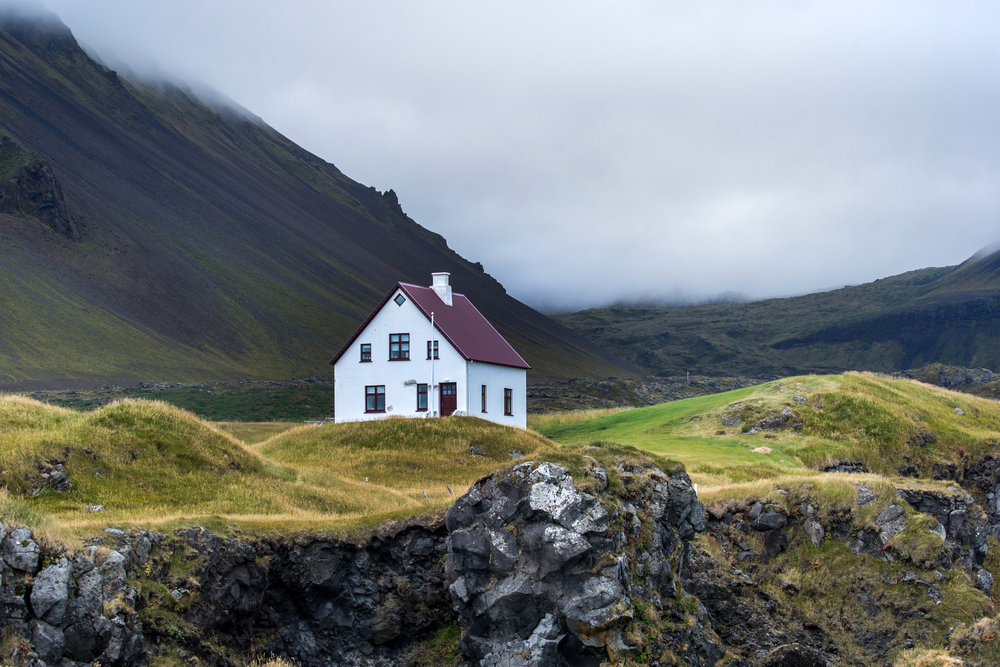
The House on the Rock is not a museum, exactly, though Wisconsin markets it that way. It’s closer to one man’s obsession spilling across acres — Alex Jordan built the original structure on a rock formation in the 1940s, then kept adding rooms filled with player organs, dollhouses, and a carousel with no horses, only mythical creatures.
To be fair, nobody who walks through it comes out able to explain what they just saw. That’s sort of the point, and it’s also why people keep coming back.
World’s Largest Ball of Paint

Alexandria, Indiana has a baseball-sized object that’s been painted over so many times it now weighs more than 4,000 pounds. Visitors add a coat themselves, one layer at a time, until the original ball is buried somewhere near the center.
Nobody remembers what color it started as. It’s a monument built entirely out of other people’s small decisions.
The Center of the World
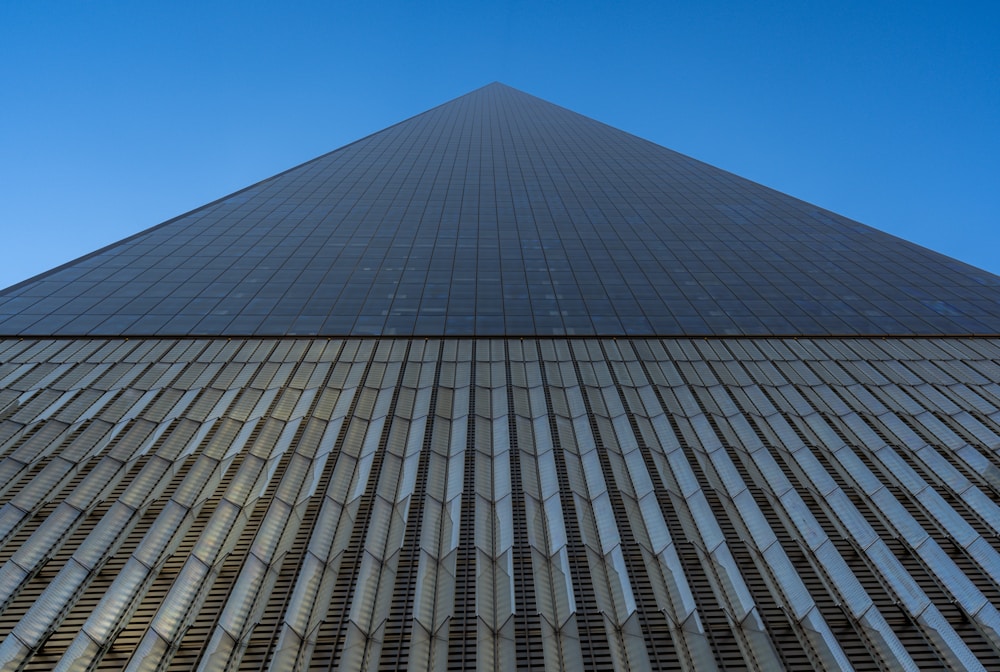
Felicity, California declared itself the official Center of the World in 1985, and somehow the claim stuck — there’s a pink granite pyramid marking the spot, a chapel with a spiral staircase, and a wall listing the history of humankind carved in granite tablets meant to survive 4,000 years (the founder, Jacques-André Istel, seems to have planned for the long game). It sounds like a joke until you’re standing there reading actual engraved history under actual desert sun, at which point it becomes something stranger: sincere.
So people photograph it not because they believe the claim, but because somebody clearly did, with enough conviction to build a pyramid over it.
Paisano Pete
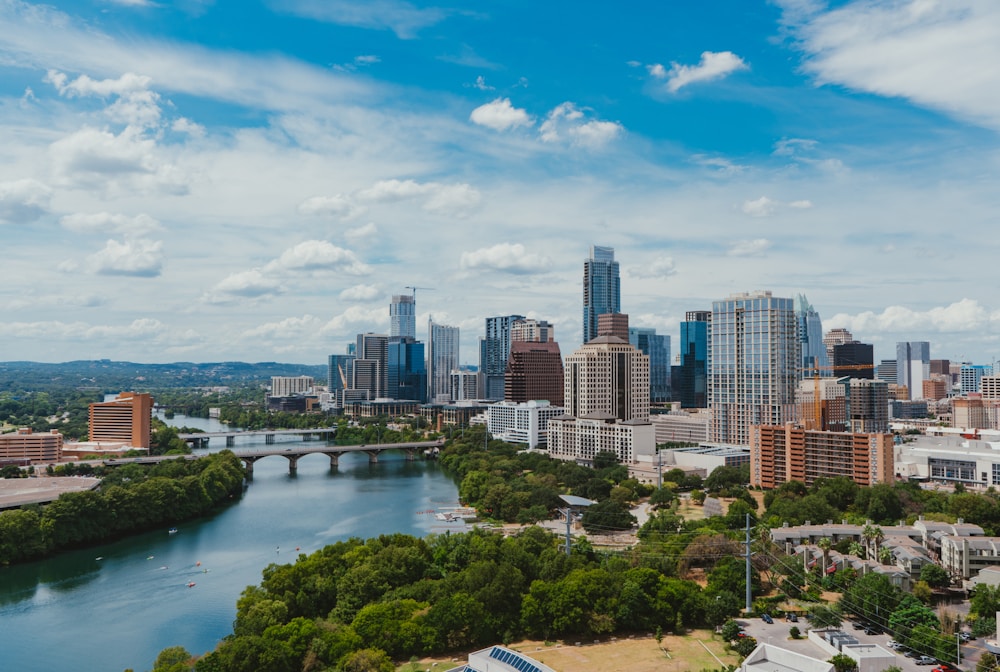
Fort Stockton, Texas built a 22-foot roadrunner out of steel mesh and named him Paisano Pete, and for a while he held the title of world’s largest roadrunner statue before a Nevada town built a bigger one out of trash. Pete doesn’t seem bothered by the demotion — he’s still bright blue, still grinning, still standing exactly where he’s stood since 1979.
The bird looks less like wildlife and more like a cartoon that wandered off its own show and decided to stay in West Texas. People still stop for him anyway, size record or not.
The Longaberger Basket Building
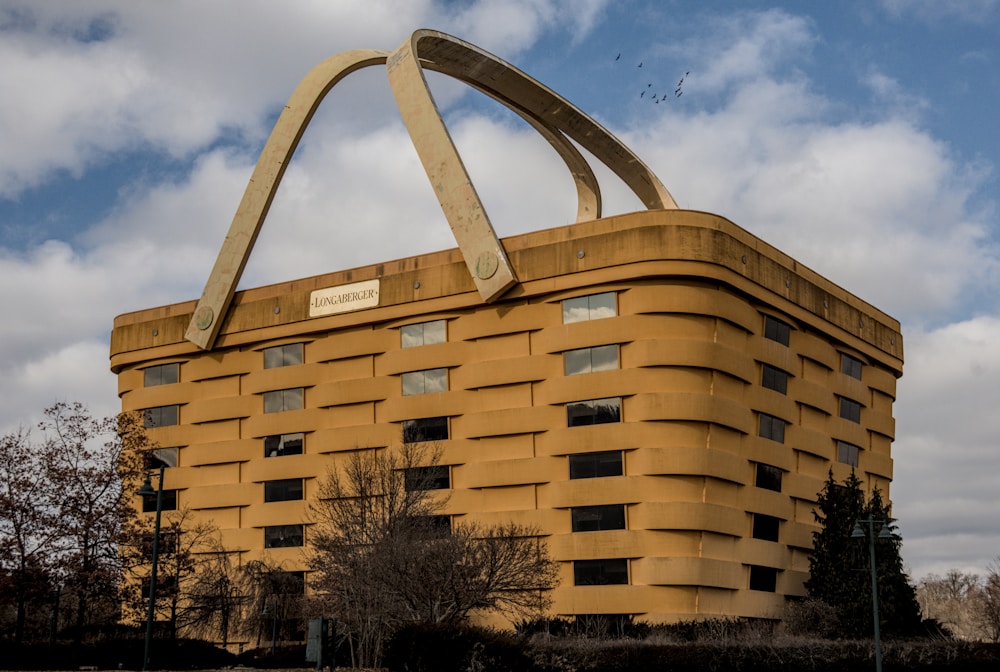
Newark, Ohio was once home to a seven-story office building shaped like a picnic basket, complete with two-ton handles arching over the roof, built by a basket company that wanted its headquarters to look exactly like its product. It’s the kind of literal-minded architecture that shouldn’t work and somehow does, the way a pun lands better than it should.
The building has changed hands since the company’s decline, but the shape remains, stubborn and strange against the Ohio skyline. Nobody drives past it without doing a double take.
World’s Largest Buffalo Monument
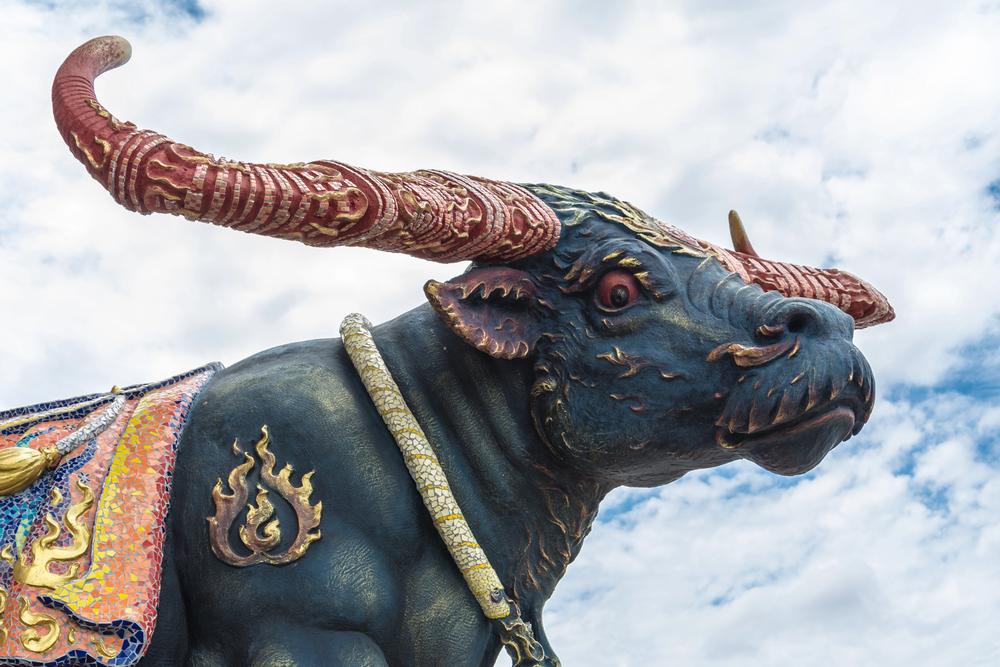
Jamestown, North Dakota keeps a 26-foot concrete buffalo standing over the prairie, built in 1959 to draw travelers off the highway. It worked.
The statue now shares its hill with a live bison herd, which means visitors get both the fiberglass version and the real thing within the same short walk.
Dog Bark Park Inn
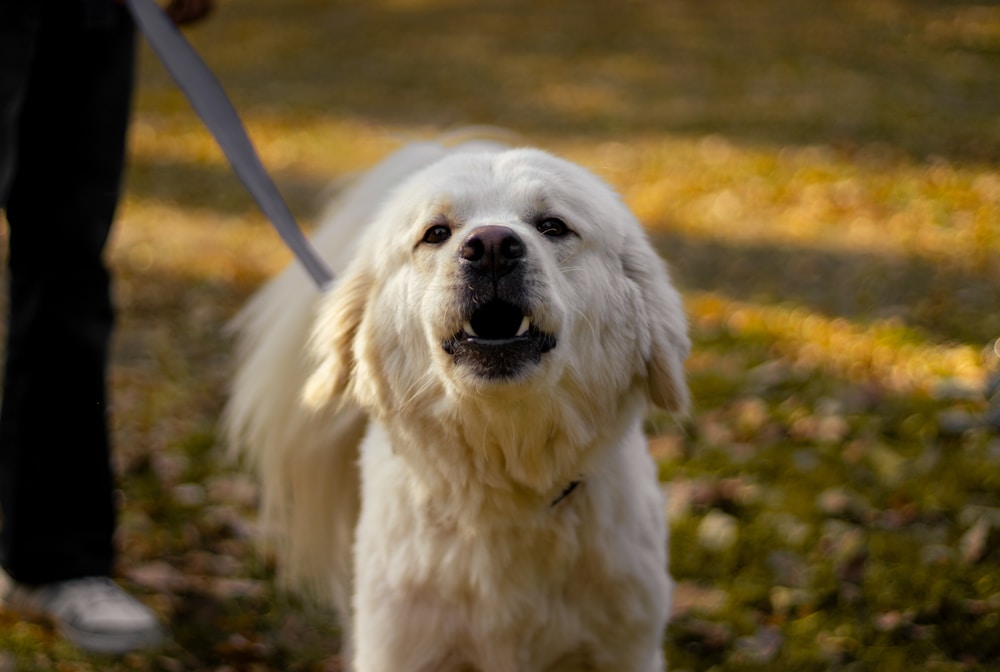
Dog Bark Park Inn sits outside Cottonwood, Idaho, and it is exactly what it sounds like — a bed and breakfast built inside a 30-foot beagle named Sweet Willy, carved by a husband-and-wife team who make their living as chainsaw artists, which explains a great deal about how this came to exist at all. Guests climb a staircase through the dog’s back leg to reach a single guest room tucked somewhere around the torso, decorated in a manner that can only be described as committed to the bit.
And the whole property is surrounded by smaller wooden dog sculptures, because once you’ve built one giant beagle, apparently you don’t stop. So people book the room months out, not for luxury, but for the story they get to tell afterward.
Paul Bunyan and Babe the Blue Ox
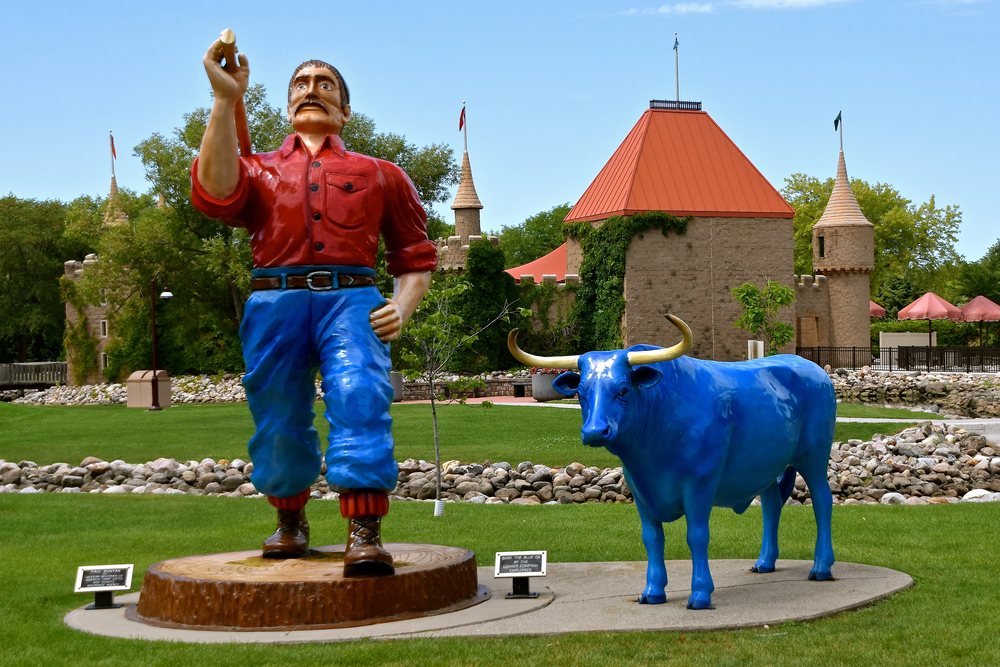
Bemidji, Minnesota built its Paul Bunyan and Babe statues back in 1937, making them some of the oldest roadside giants still standing in the country. Paul towers eighteen feet, ax resting against one shoulder, while Babe stands beside him blue and patient, the way any good sidekick should.
There’s something almost grandfatherly about the pair now, weathered by decades of Minnesota winters and millions of photographs taken at their feet. They don’t look impressive so much as familiar, the way a favorite old photograph feels familiar even to people who weren’t there when it was taken.
South of the Border
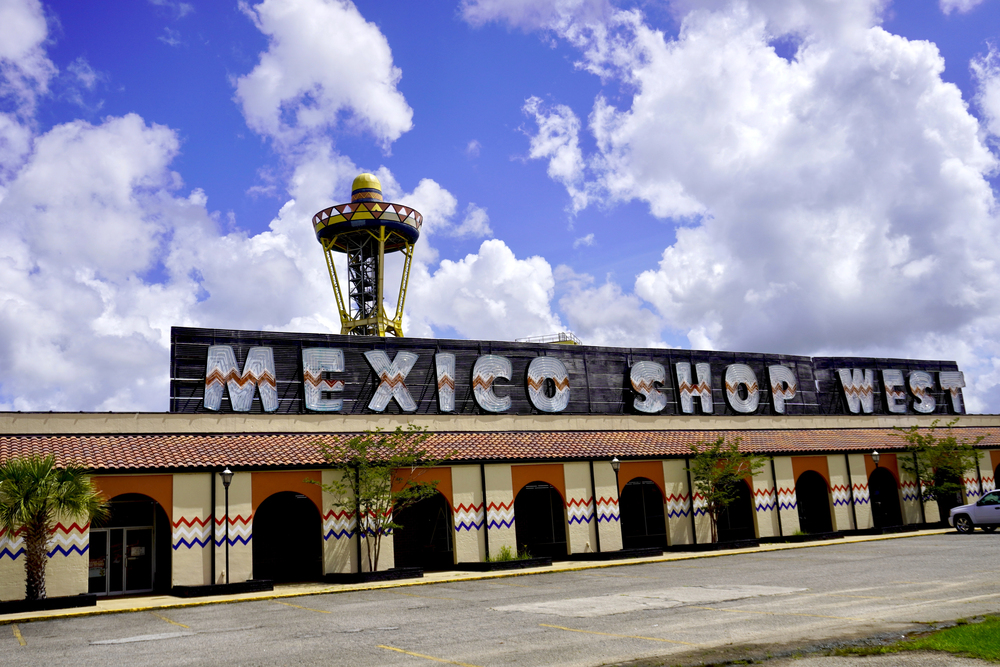
South of the Border is not subtle, and it never tried to be. A 160-foot sombrero tower rises over Interstate 95 near the North and South Carolina border, visible for miles thanks to billboards that start counting down the distance from 175 miles out.
To be fair, the kitsch is the entire business model, and it’s been working since the 1950s. Nobody stops here expecting elegance, which is exactly why it still works.
World’s Largest Chest of Drawers
High Point, North Carolina calls itself the furniture capital of the world, so naturally it built a 4-story chest of drawers to prove it. Two giant socks hang out of the top drawers, a detail nobody asked for and everybody remembers.
It’s a strange kind of civic pride, turning a manufacturing industry into an actual, photographable landmark. The building has housed offices and a visitor center over the years, though most people just stop for the socks.
Winchester Mystery House
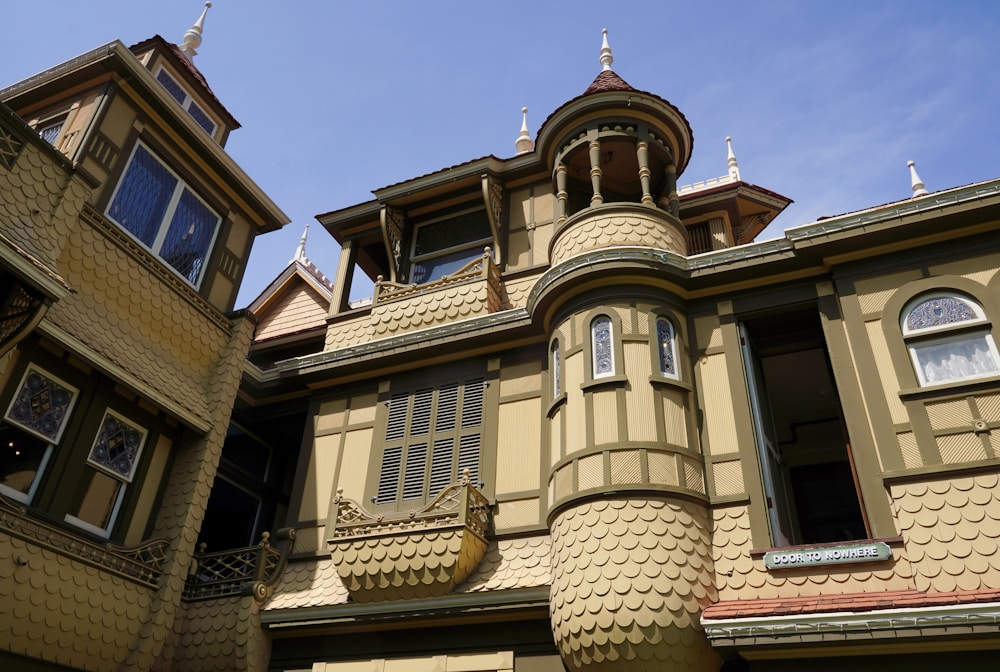
Winchester Mystery House in San Jose is famous for staircases that lead to ceilings and doors that open onto walls, and the story people tell is that Sarah Winchester, heiress to the rifle fortune, kept building endlessly to appease restless spirits. The truth is messier and less supernatural, closer to an eccentric widow with money, time, and no architect telling her no.
But the house doesn’t need the ghost story to unsettle you: it does that on its own, one dead-end hallway at a time. So visitors keep touring it anyway, half hoping the legend holds up better than the facts do.
World’s Largest Peanut
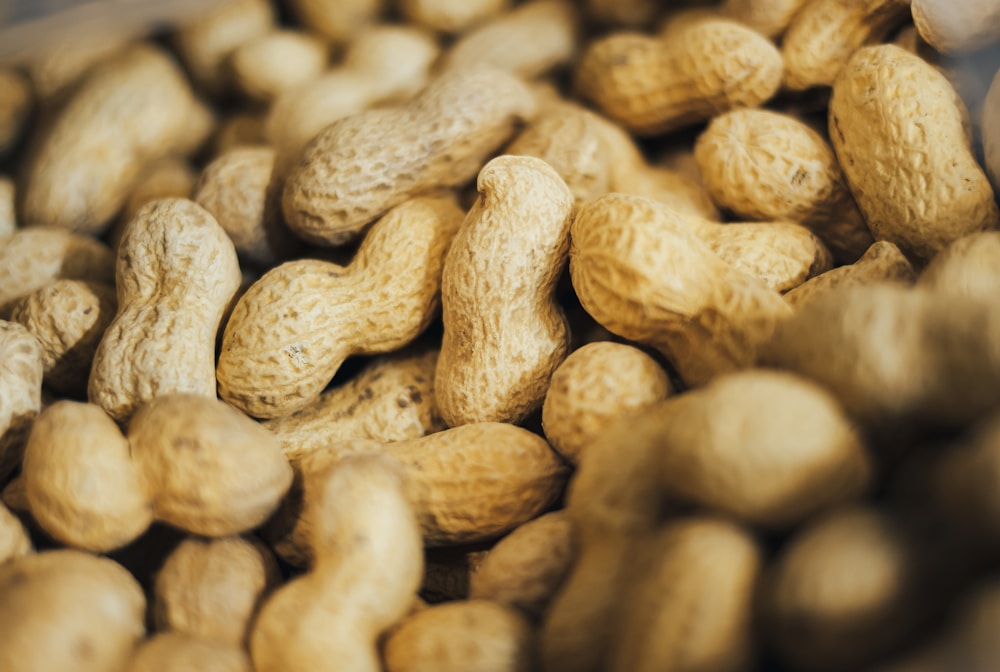
Ashburn, Georgia keeps a 10-foot peanut on a pedestal downtown, a nod to Georgia’s status as one of the country’s biggest peanut producers and a quiet wink toward native son Jimmy Carter, the peanut farmer who became president. It’s a modest monument compared to some of its giant-object cousins, and that modesty is sort of the charm — not everything roadside has to shout.
Locals treat it the way you’d treat a familiar landmark rather than a tourist trap. Visitors treat it as a five-minute stop that somehow ends up in half their vacation photos.
The Big Duck
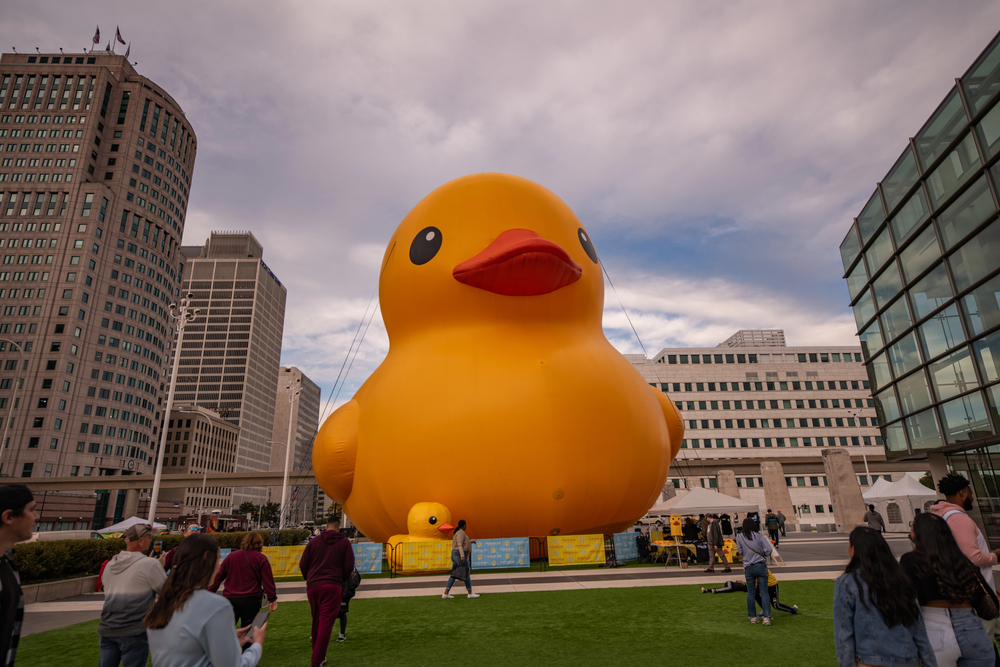
The Big Duck on Long Island is proof that form-follows-function architecture can go delightfully off the rails. Built in 1931 by a duck farmer who wanted his roadside stand to look like his product, the building gave its name to an entire architectural term — “duck,” used by critics to describe any structure shaped like what it sells.
It’s a strange kind of legacy for a duck farmer to leave behind, and to be fair, not many small business owners get an architecture term named after their storefront. The duck still stands, repainted and relocated more than once, stubbornly outlasting the farm it was built to advertise.
World’s Largest Six-Pack
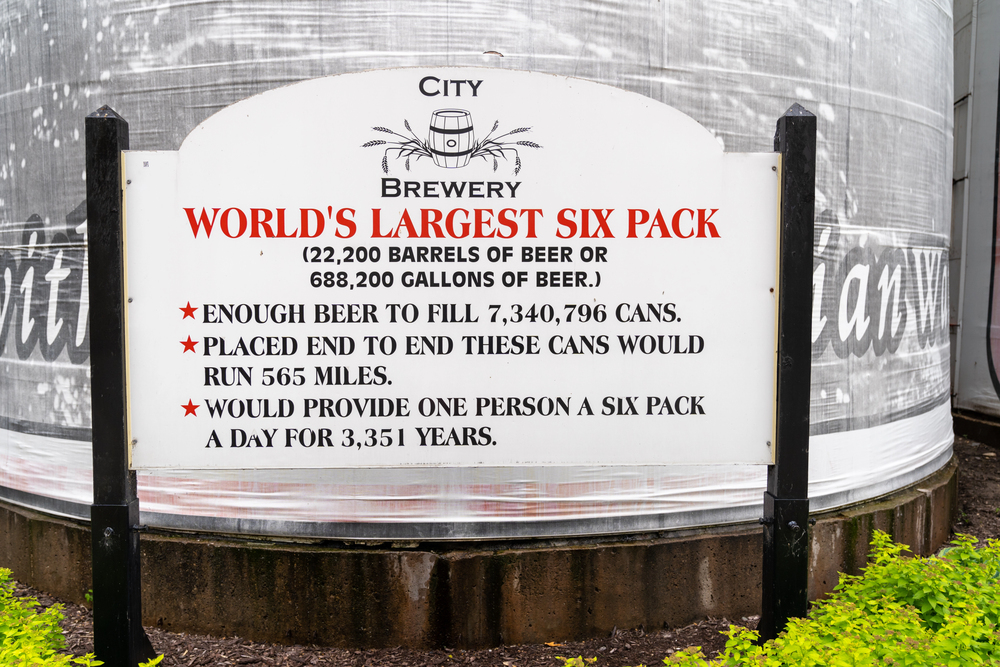
La Crosse, Wisconsin has six storage tanks painted to look like beer cans, standing over a hundred feet tall next to a former brewery. Each can holds roughly enough beer, by volume, to fill nearly seven million actual cans.
The tanks have outlasted the original brewery ownership through several changes, the paint touched up but the joke never updated: it’s still just six enormous cans, standing over a river town, doing nothing but being enormous. So it stays exactly what it’s always been, which is somehow the whole appeal.
World’s Largest Muskie
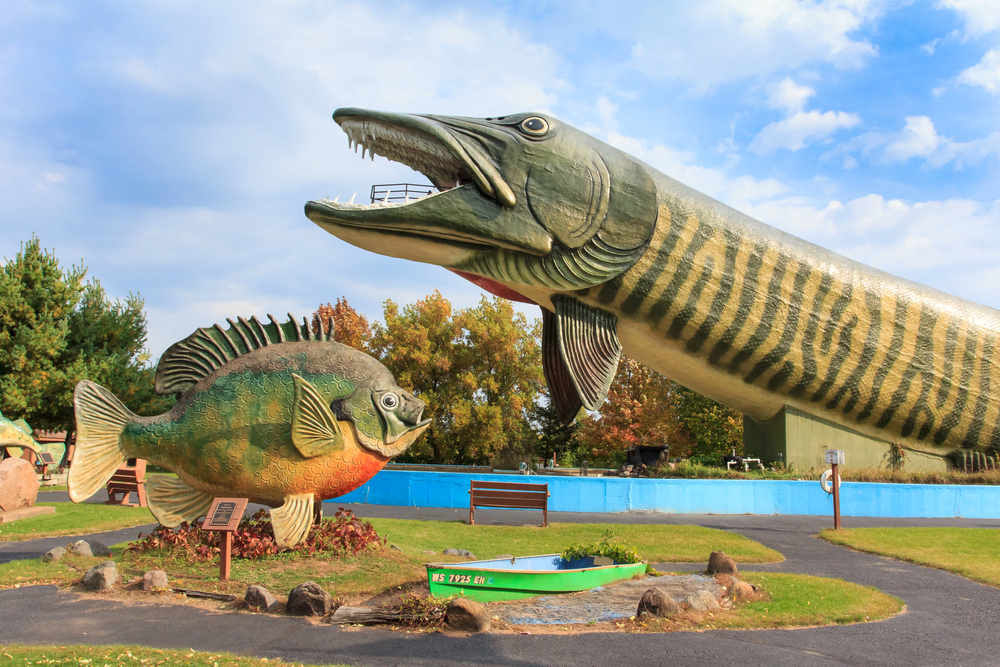
Hayward, Wisconsin built a four-and-a-half-story muskie statue that visitors can actually climb inside, walking up through the fish’s body to an observation deck set inside its open mouth — which sounds unsettling until you remember it’s fiberglass, not fish. It sits at the National Fresh Water Fishing Hall of Fame, built in 1979 by a taxidermist obsessed enough with muskellunge to spend years shaping the thing by hand (there’s a particular kind of devotion in that, the sort that turns a hobby into a landmark).
Anglers treat the statue like a shrine, and everyone else treats it like the strangest staircase they’ve ever climbed. Either way, the line for photos rarely gets shorter.
Why the Detour Is the Point
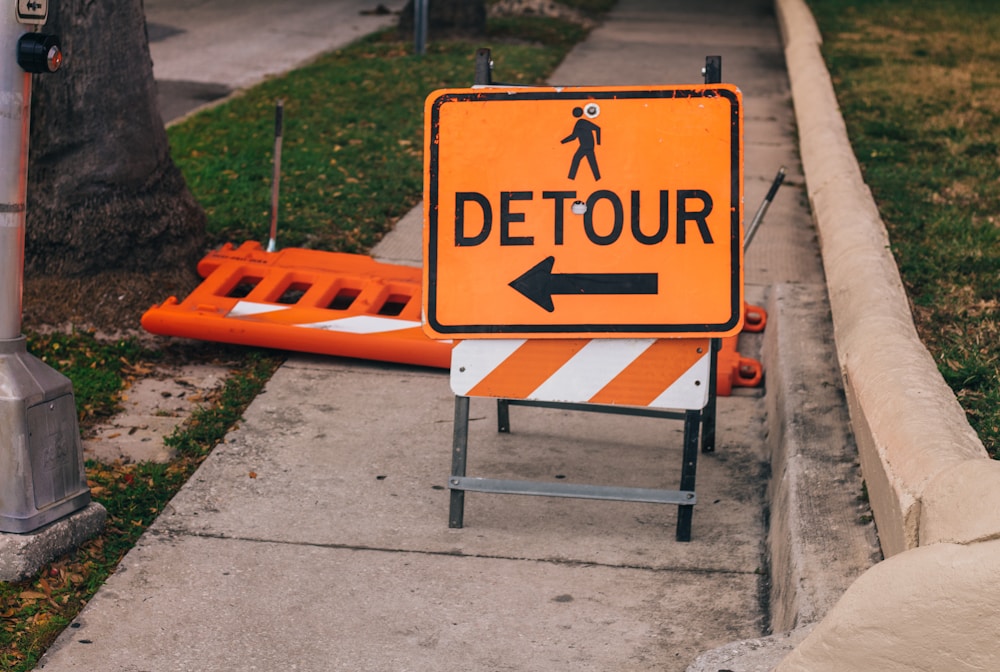
None of these places make sense on paper. A 26-foot buffalo, a beagle-shaped bed and breakfast, a pyramid marking a center of the world that isn’t really the center of anything — none of it holds up to scrutiny, and none of it was ever meant to.
What holds up instead is the impulse behind them: somebody, somewhere, decided the highway needed a reason to stop, and built one out of scrap metal or fiberglass or sheer stubbornness. That’s the thing about a good roadside attraction.
It doesn’t ask you to believe in it. It just asks you to pull over, and most people, it turns out, still will.
More from Travel Pug

- Underrated Italian Towns That Beat the Tourist Crowds
- Las Vegas Tourist Traps to Skip
- Prettiest Towns in Every US State
- 18 passport-free countries for Americans
- Signs Your Cruise Is Not Worth The Cost
Like Travel Pug’s content? Follow us on MSN.