

A great travel photo is often the result of careful cropping, a specific angle, and timing that excludes everything the photographer did not want in frame. Standing in the exact spot where that photo was taken tends to reveal a considerably busier, less composed reality than the image suggested.
The places below are all genuinely photogenic. What tends to disappoint is not the scenery itself but the gap between the curated single frame and the crowd, fencing, or weather dependency required to actually see it.
Maya Bay, Thailand
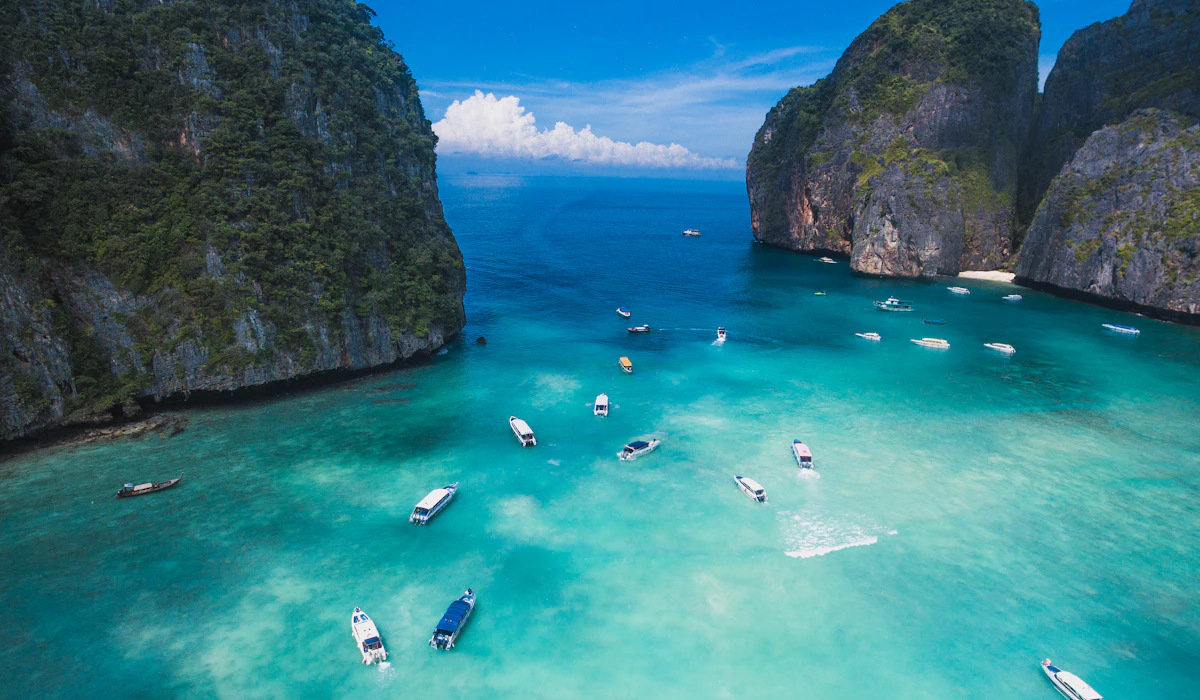
Maya Bay, made famous by the 2000 film “The Beach,” closed entirely to tourists between 2018 and 2022 to allow its coral reef to recover from years of boat anchor damage and overcrowding. It has since reopened under visitor-management measures and environmental restrictions, including seasonal closures and restrictions on swimming in the bay itself, changes that make the current experience considerably more restricted than the untouched cove shown in many photos still circulating online.
Antelope Canyon, Arizona
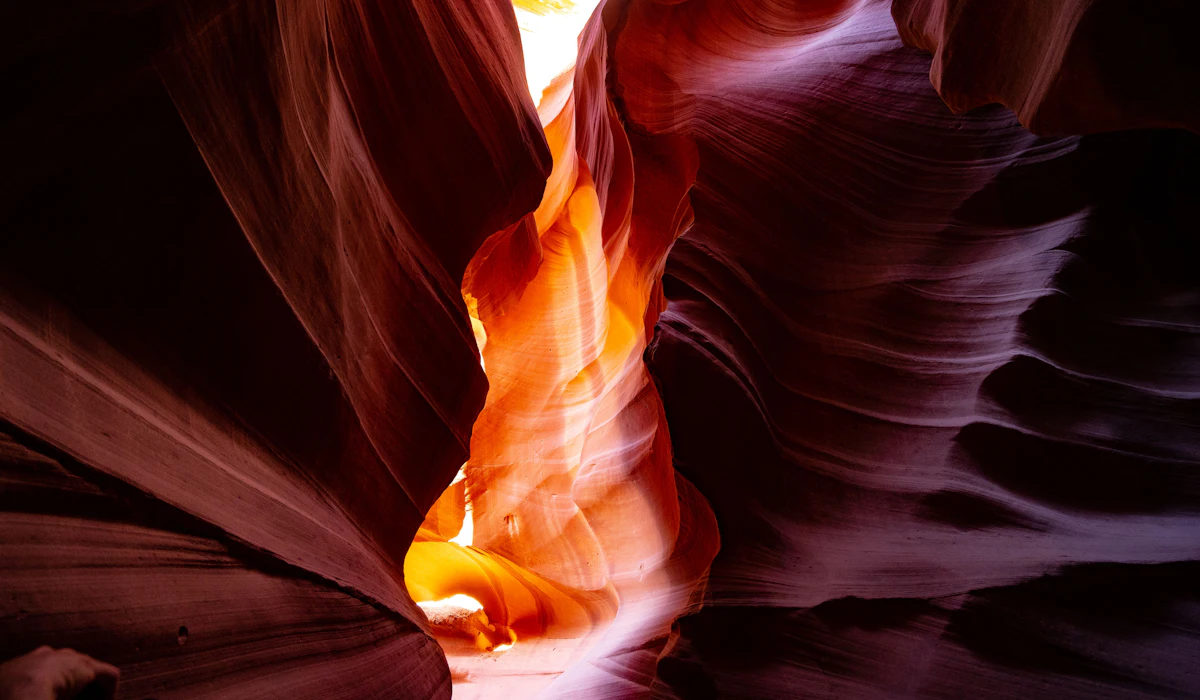
Antelope Canyon’s glowing orange light beams, visible in its narrow slot canyon walls, appear in photographs taken during a brief midday window and depend heavily on lighting conditions and the exact position of the photographer. Visitors touring the canyon in organized groups, moving through a narrow passage on a fixed schedule, often find it far harder to replicate the isolated, glowing image than the photography suggests.
Trolltunga, Norway
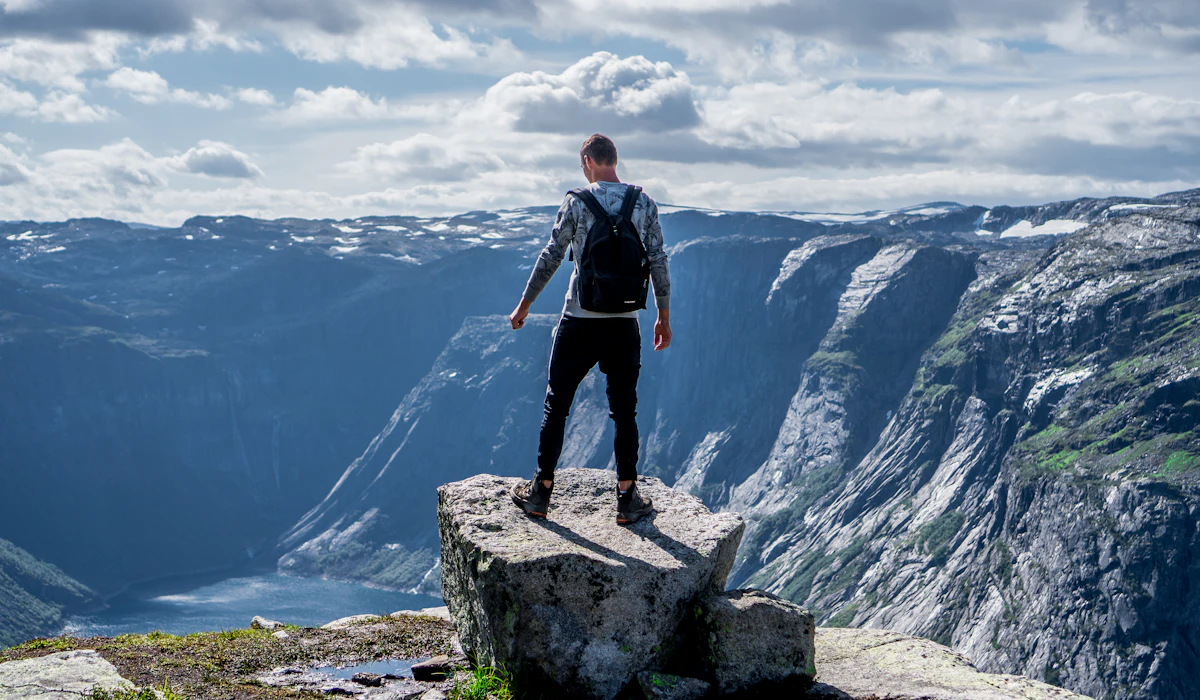
Trolltunga, a rock formation jutting horizontally over a valley in western Norway, requires a strenuous round-trip hike of roughly six to ten hours to reach, and by the time hikers arrive, a line frequently forms for the classic photo of a single person standing at the tip of the rock with nothing else in frame.
Kelingking Beach Viewpoint, Nusa Penida, Bali
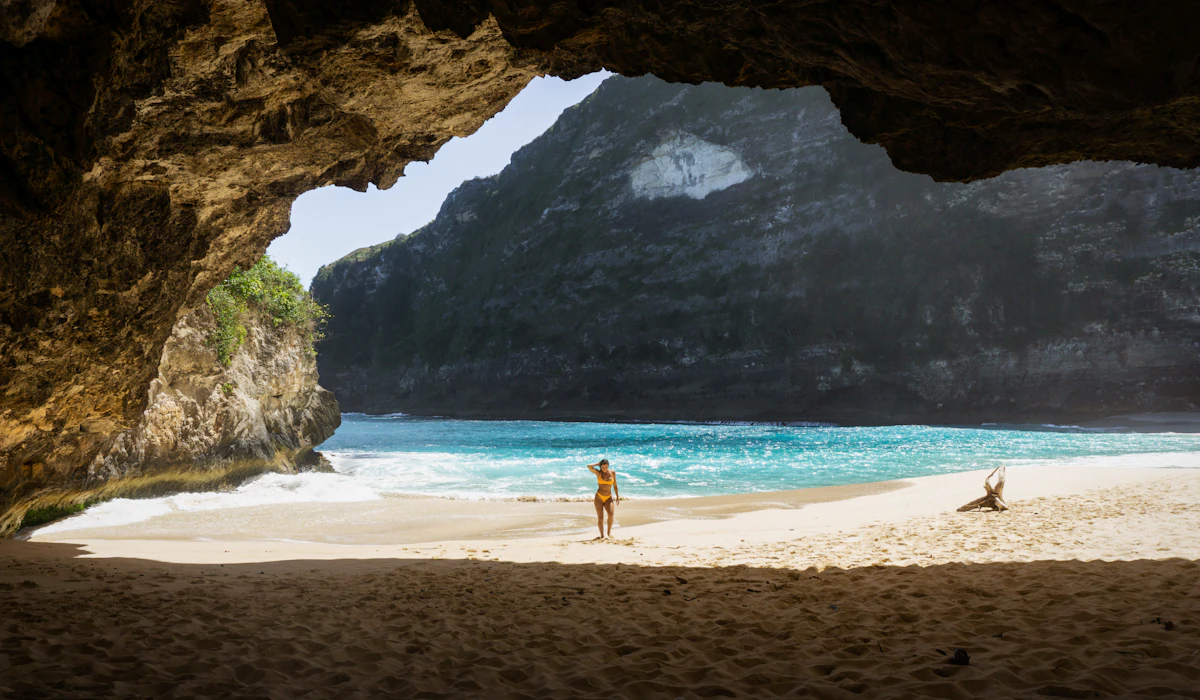
The cliffside viewpoint overlooking Kelingking Beach’s dinosaur-shaped headland has become so popular that the narrow platform and pathway leading to it now regularly fill with visitors waiting for a clear moment to take the same unobstructed photo that circulates on social media.
Wat Rong Khun, Chiang Rai
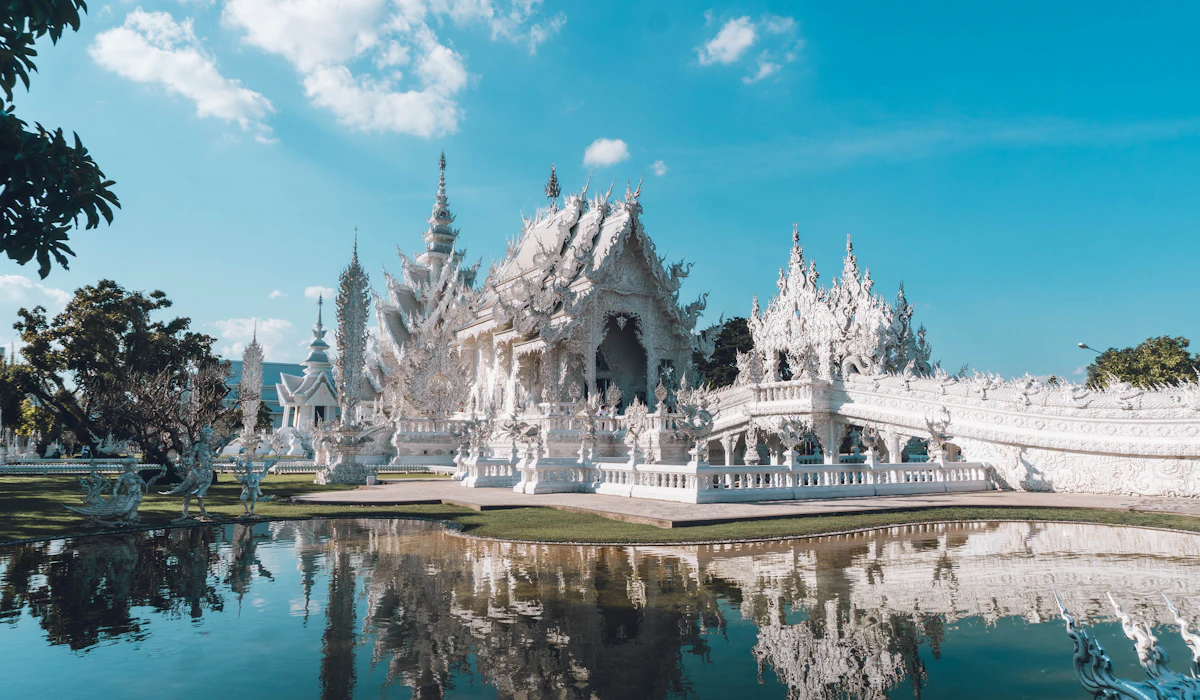
The White Temple’s dazzling all-white exterior, adorned with mirrored glass, is genuinely striking, but the temple functions as a working attraction with a steady flow of visitors, and getting a shot of the main bridge and building without other visitors in frame typically requires arriving right at opening time.
Manarola, Cinque Terre, Italy
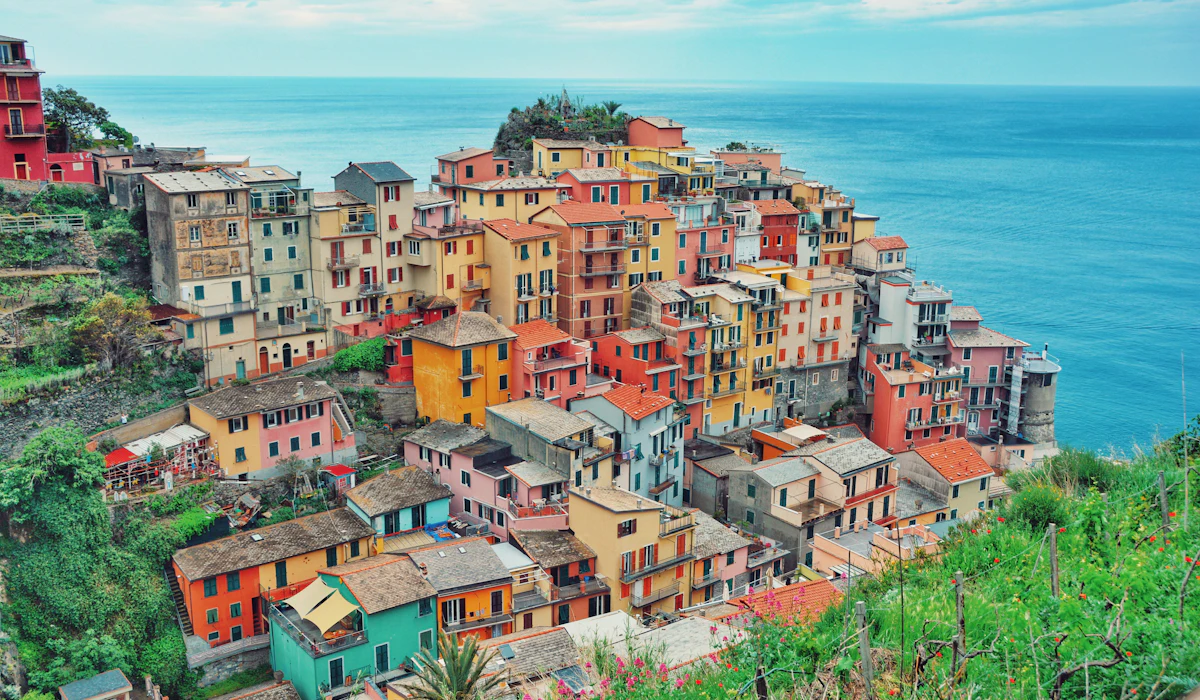
The classic overlook photo of Manarola’s stacked pastel houses above the harbor is taken from a specific viewpoint above the village that has grown crowded enough during peak season, particularly around sunset, that visitors may have to wait for a clear angle to take the same unobstructed photo that circulates online.
Chureito Pagoda, Japan
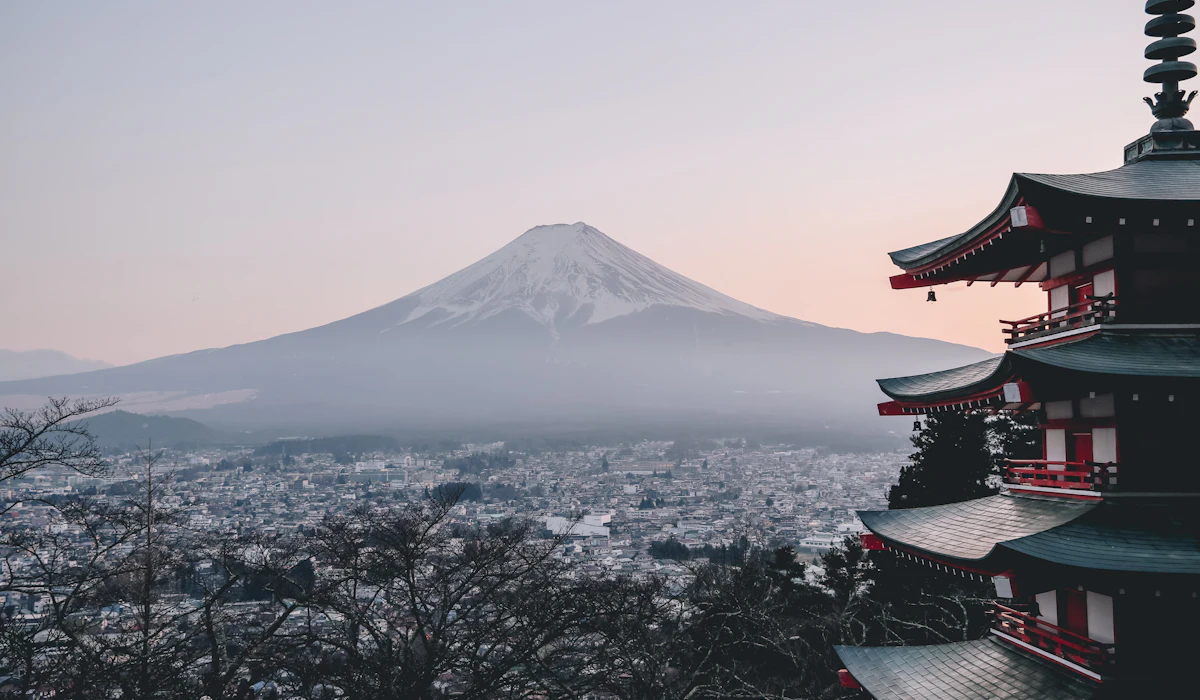
The pagoda framing Mount Fuji in the background is one of Japan’s most reproduced images, but the small viewing platform where the shot is taken accommodates only a limited number of photographers at once, and cherry blossom or autumn foliage season brings crowds dense enough that a clean, unobstructed frame can take considerable patience to capture.
The Bali Swing Photo Spots

Several commercial swing attractions built specifically for photography, suspended over jungle canopy or rice terraces near Ubud, charge admission per swing session and often involve a queue of visitors waiting to use the same handful of photogenic setups, a considerably more manufactured experience than the spontaneous jungle adventure the resulting photos suggest.
Horseshoe Bend, Arizona
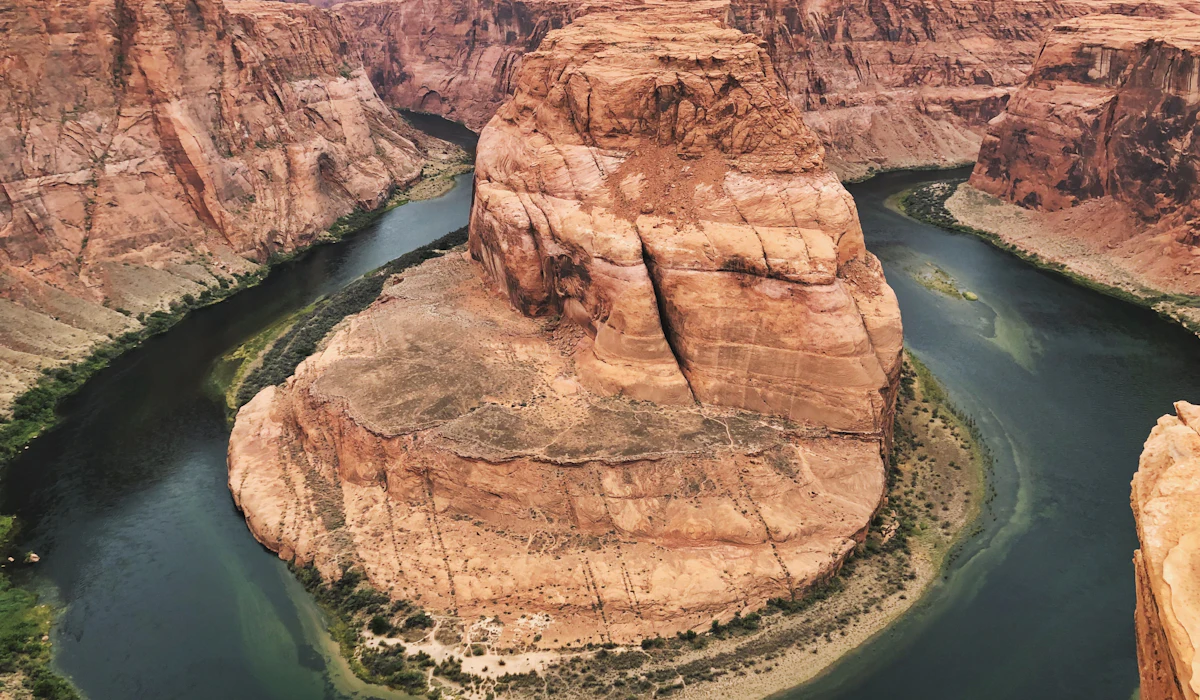
Horseshoe Bend’s dramatic curve of the Colorado River is viewed from a rim roughly 1,000 feet above the river, with much of the rim exposed, and the site’s popularity has grown enough that the overlook and trail area can hold large numbers of visitors jockeying for position for an unobstructed shot.
The Windows Section, Arches National Park
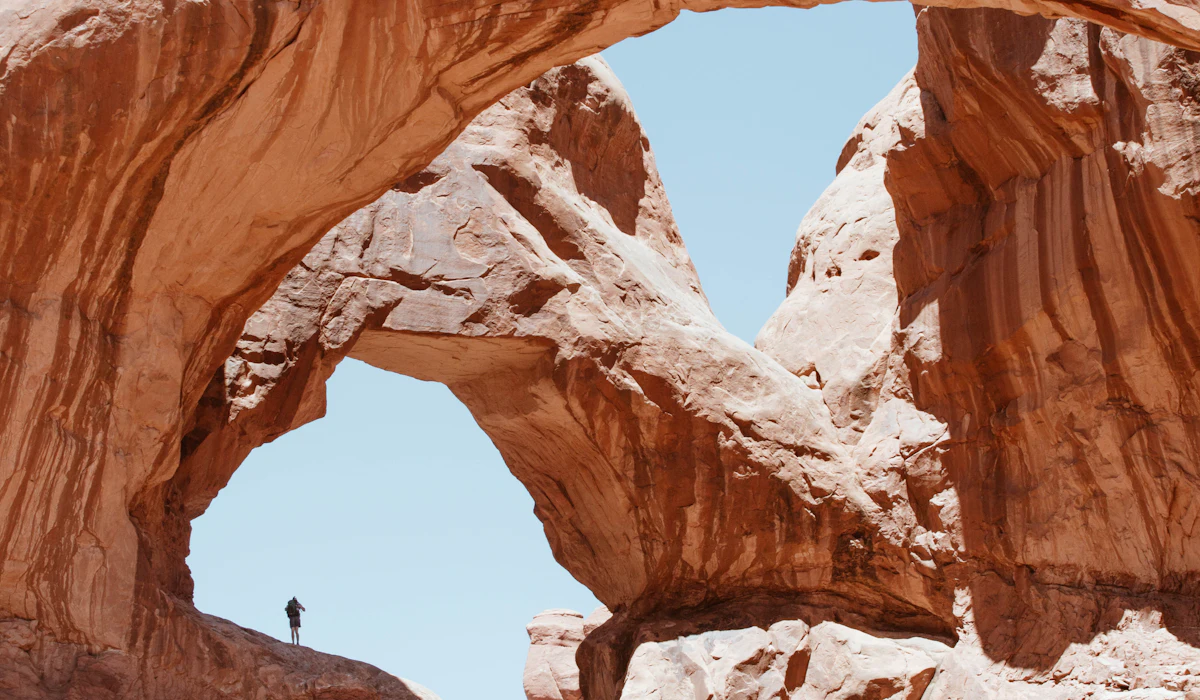
The Windows section of Utah’s Arches National Park, home to several of the park’s most photographed arch formations, has become crowded enough during peak season that the paved parking area frequently fills, and visitors are often left waiting for gaps in foot traffic beneath the arches to get a clear shot.
Plitvice Lakes National Park, Croatia
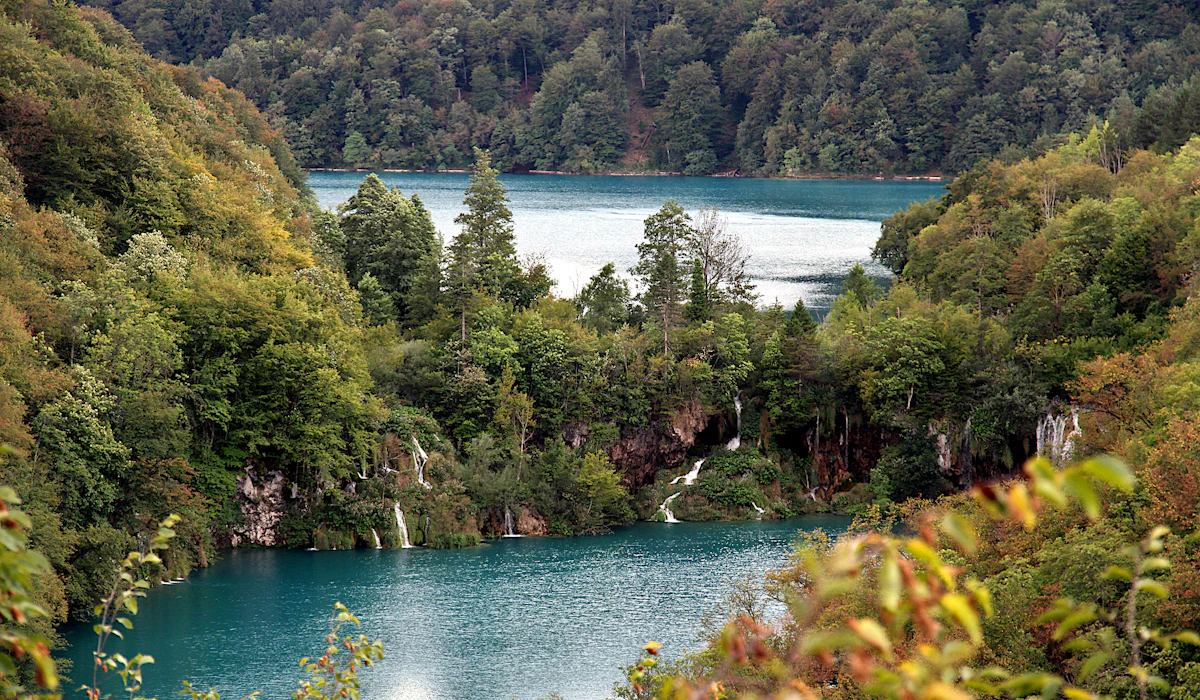
Plitvice’s turquoise lakes and waterfalls are threaded together by wooden boardwalks that, during peak summer months, can become congested with foot traffic, particularly around the most popular waterfalls and viewpoints, making the walk feel very different from the tranquil nature walk shown in photography.
Positano’s Roadside Viewpoint, Amalfi Coast
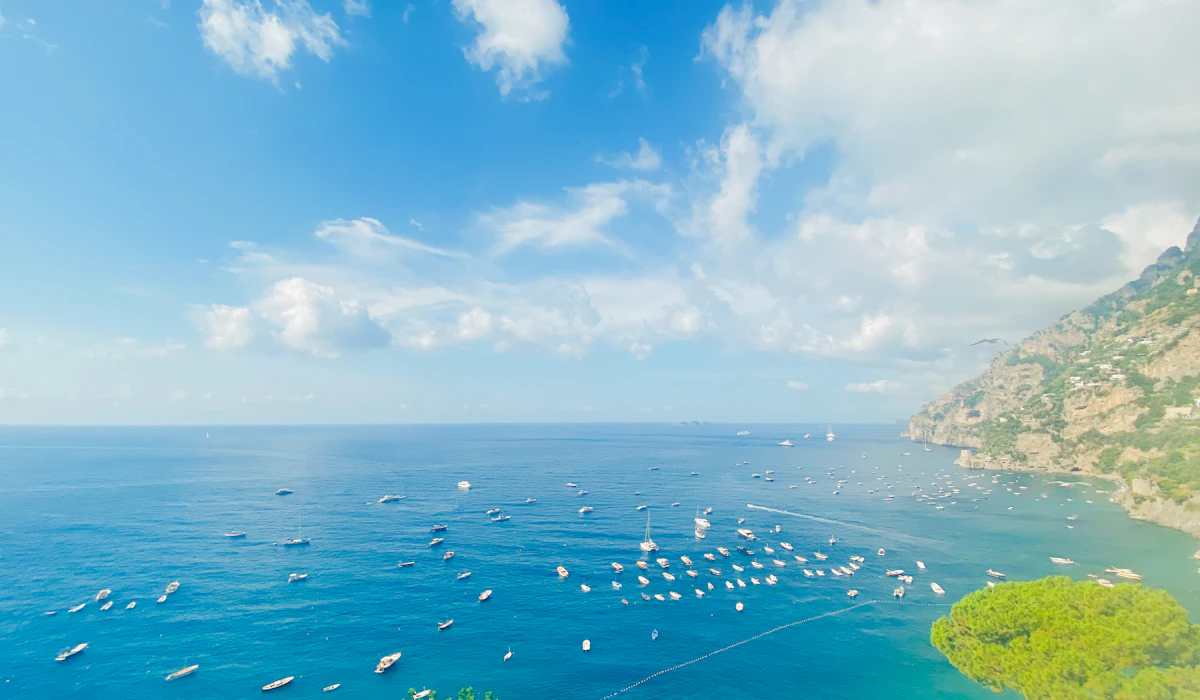
The classic photo of Positano’s cliffside houses cascading toward the sea is typically taken from a roadside overlook or elevated viewpoint, where parking and stopping space is limited. During busy periods, visitors may find themselves photographing from whatever legal viewpoint is available rather than from the perfectly composed position shown in travel photography.
Oia’s Sunset Viewpoints, Santorini
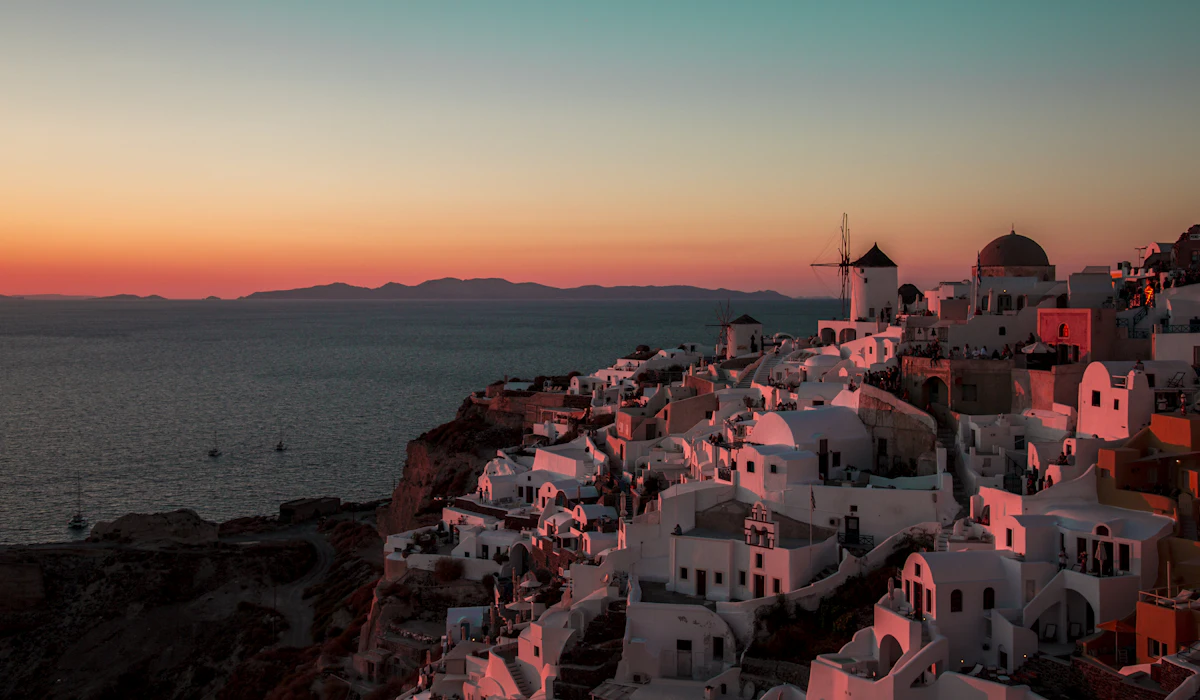
Oia’s rooftop and castle-ruins viewpoints draw such dense crowds at sunset that visitors often arrive well before the sun actually sets to claim a viewing position, turning what photographs suggest is a quiet, romantic moment into a shoulder-to-shoulder gathering along the village’s narrow lanes.
Reine, Lofoten Islands, Norway
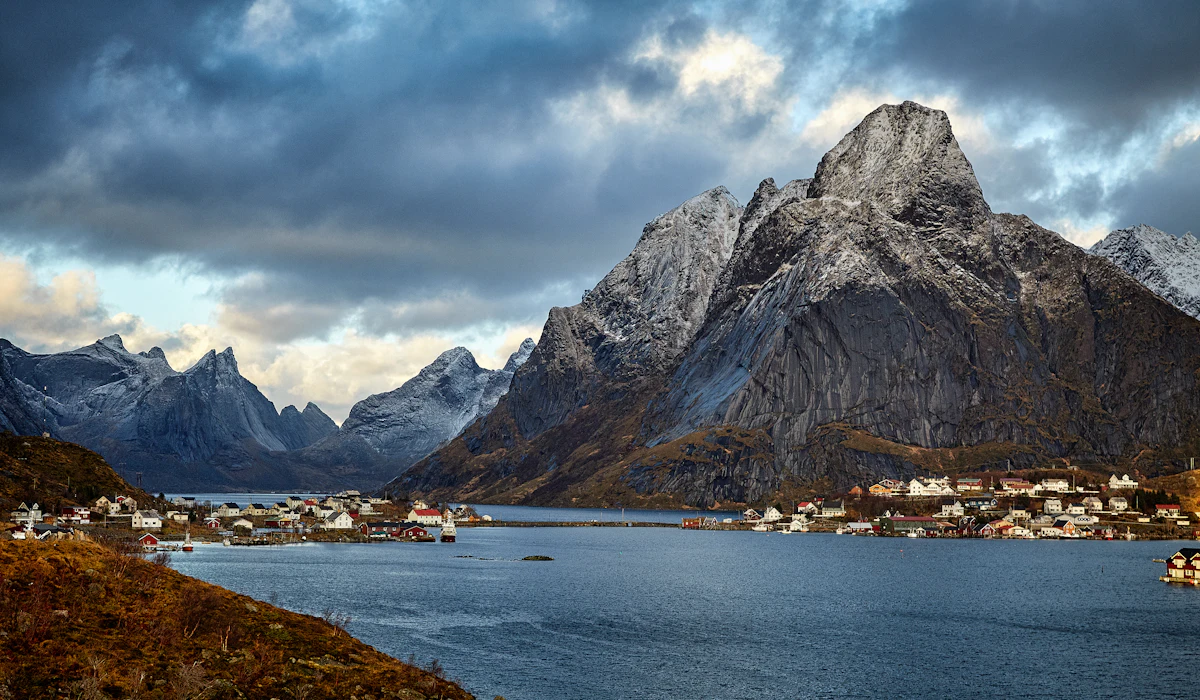
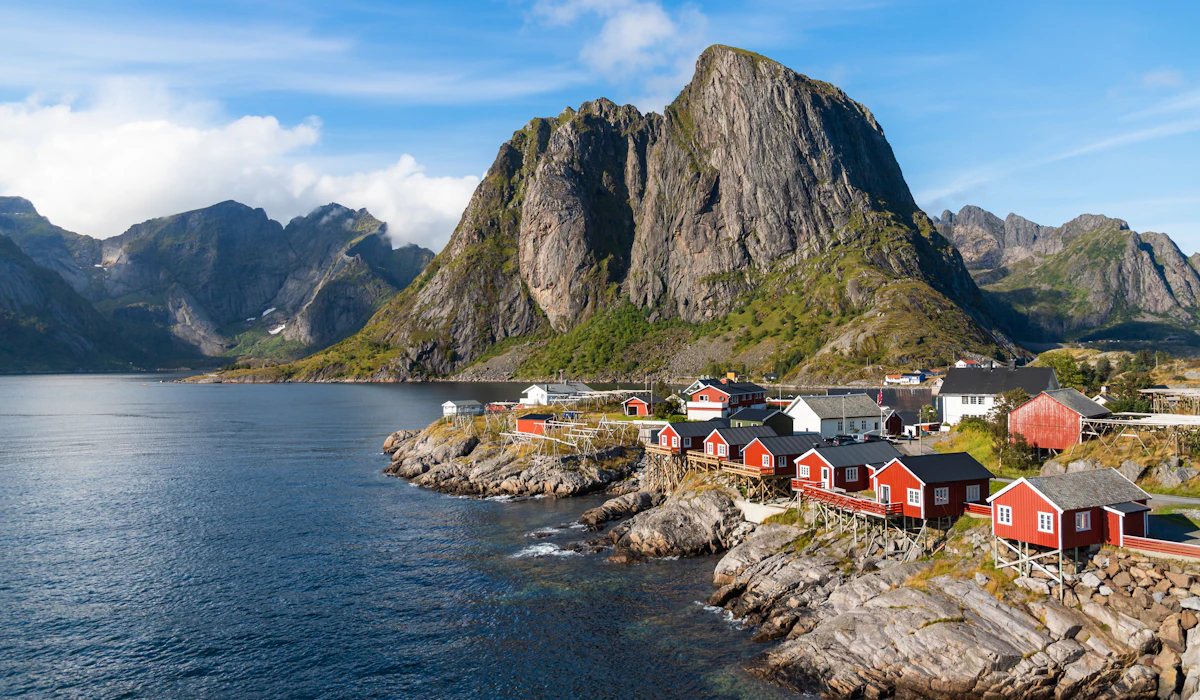
The classic elevated view of Reine’s red fishing cabins against the fjord requires a short but steep climb to a specific viewpoint, and the hike’s designated parking is at Reine’s outer harbor, followed by a walk through the village to the trail. The extremely popular viewpoint can become crowded during the short Arctic summer tourist season.
Skógafoss and Seljalandsfoss, Iceland
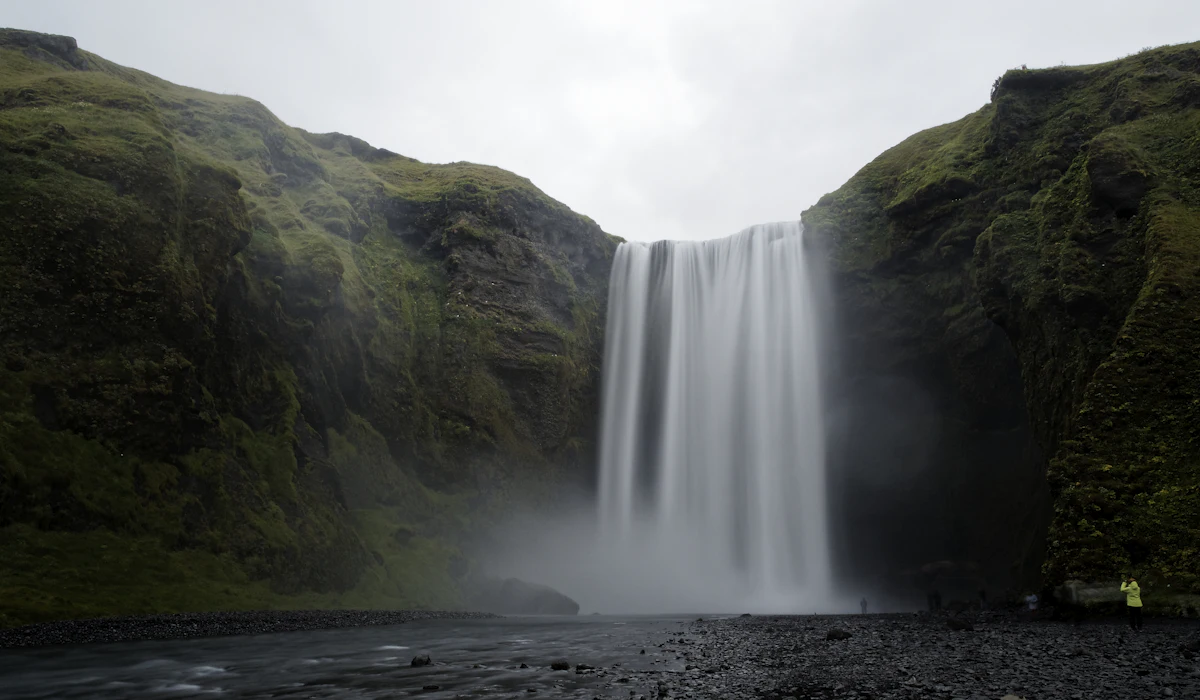
Both of these South Iceland waterfalls appear in countless photos as solitary, dramatic cascades, but their proximity to the Ring Road makes them heavily visited natural sites, and the paths and viewing areas around each waterfall regularly hold large numbers of visitors, particularly during summer.
Icho Namiki Ginkgo Avenue, Tokyo
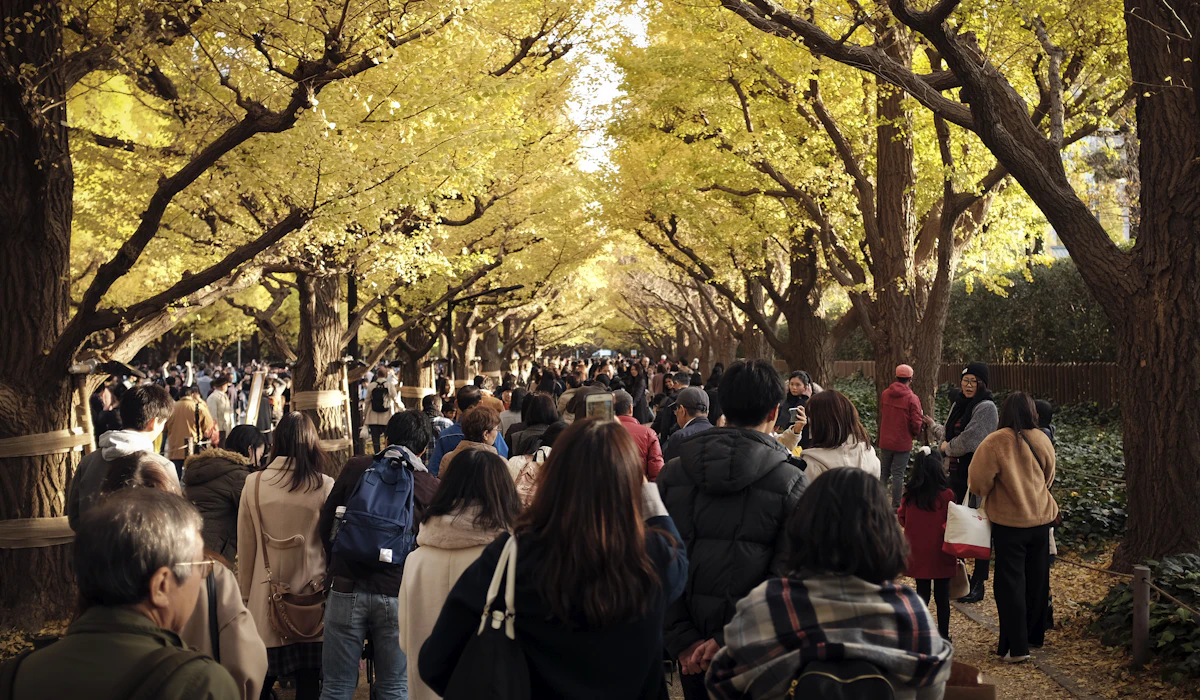
This avenue of ginkgo trees turning bright yellow each autumn draws such consistent crowds during the brief peak color window that the classic straight-down-the-avenue photo, showing an empty tree-lined path, typically requires either extremely early morning timing or careful cropping to exclude the crowd.
Meteora, Greece
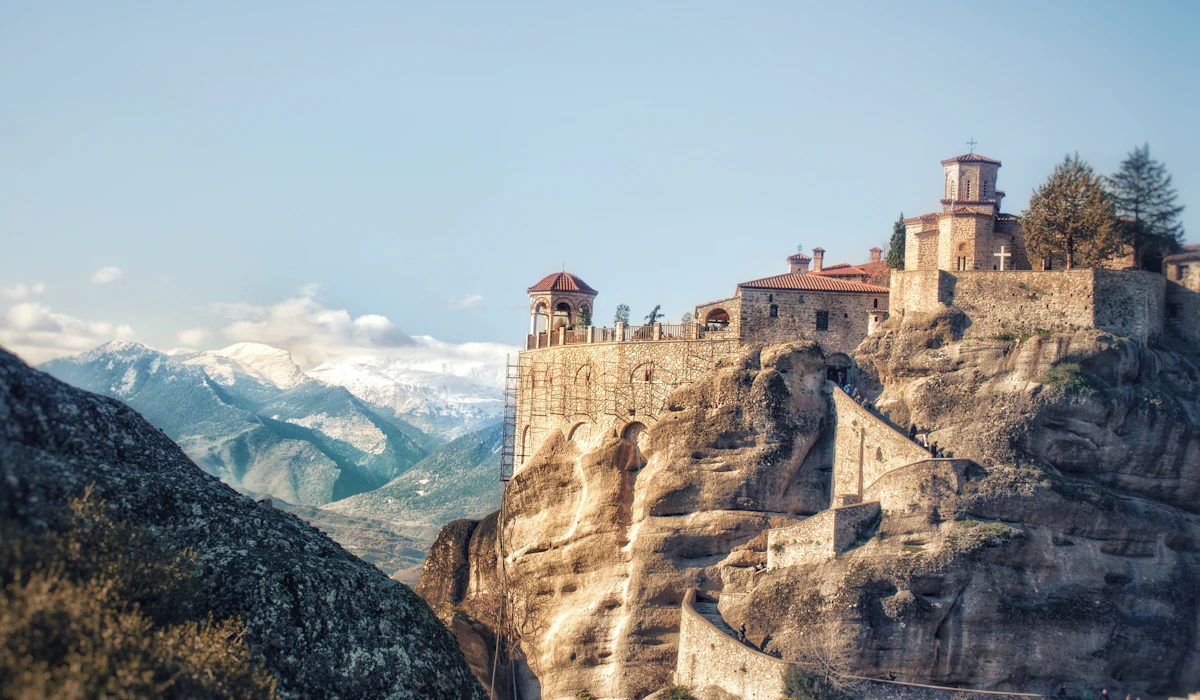
The monasteries perched atop Meteora’s rock pillars are genuinely dramatic, but the narrow roads and limited parking around the main viewpoints and monasteries can become congested during busy periods, particularly when day-trip groups arrive, making it harder to capture the isolated landscape shown in many photographs.
Rainbow Mountain, Peru
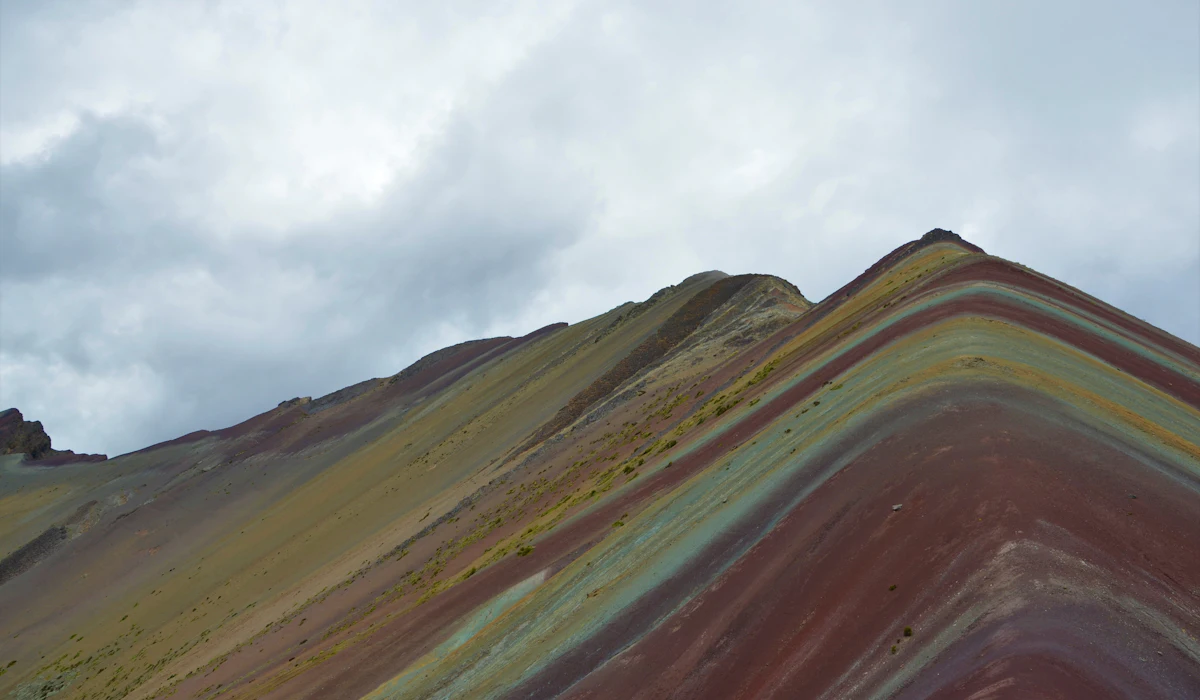
Vinicunca, widely known as Rainbow Mountain for its naturally striped mineral bands, sits at an altitude above 16,500 feet, and many visitors arriving on a day trip from Cusco experience the effects of extreme altitude, a detail that photographs emphasizing the mountain’s vivid colors rarely convey.
The Sea of Stars, Vaadhoo Island, Maldives
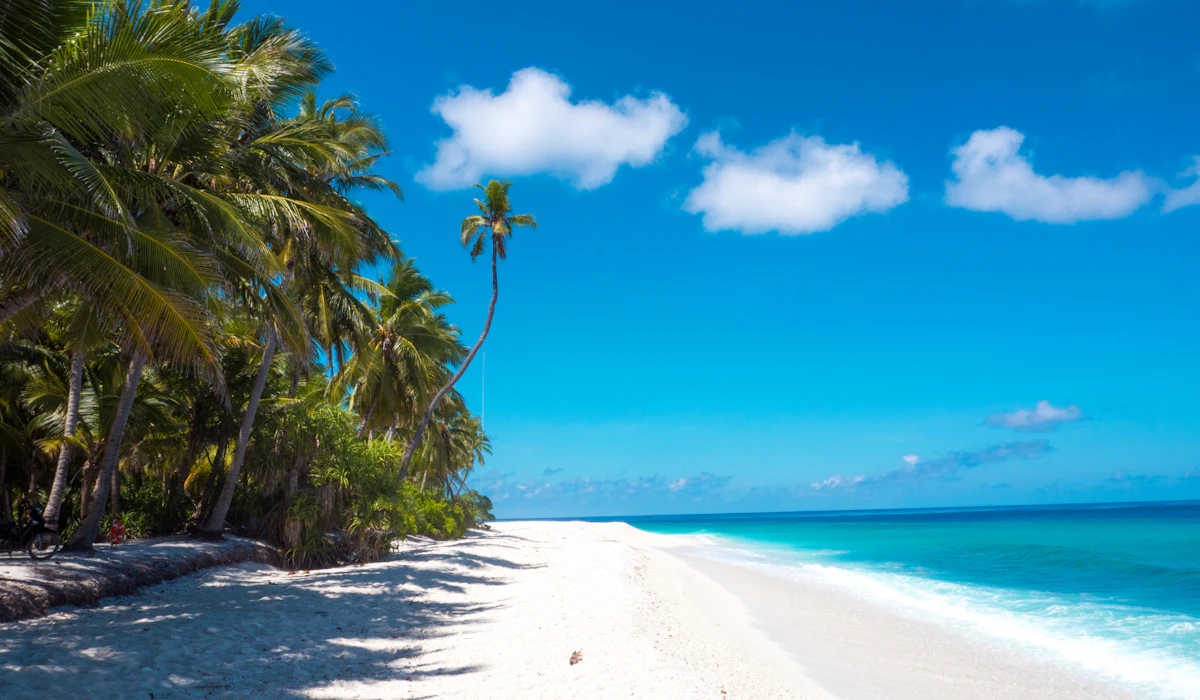
Bioluminescent plankton that create a glowing blue effect along certain Maldivian shorelines depend on specific conditions, including darkness, water movement, and the right concentration of organisms, meaning the phenomenon is far less reliably visible, and often less intense to the unaided eye than the long-exposure photographs typically used to advertise it.
Preikestolen, Norway
Pulpit Rock’s flat clifftop plateau, rising nearly 2,000 feet above a Norwegian fjord, requires a strenuous multi-hour hike to reach, and the extremely popular plateau can become crowded during the main hiking season, making the isolated classic photo harder to reproduce than the image suggests.
Tanah Lot Temple, Bali
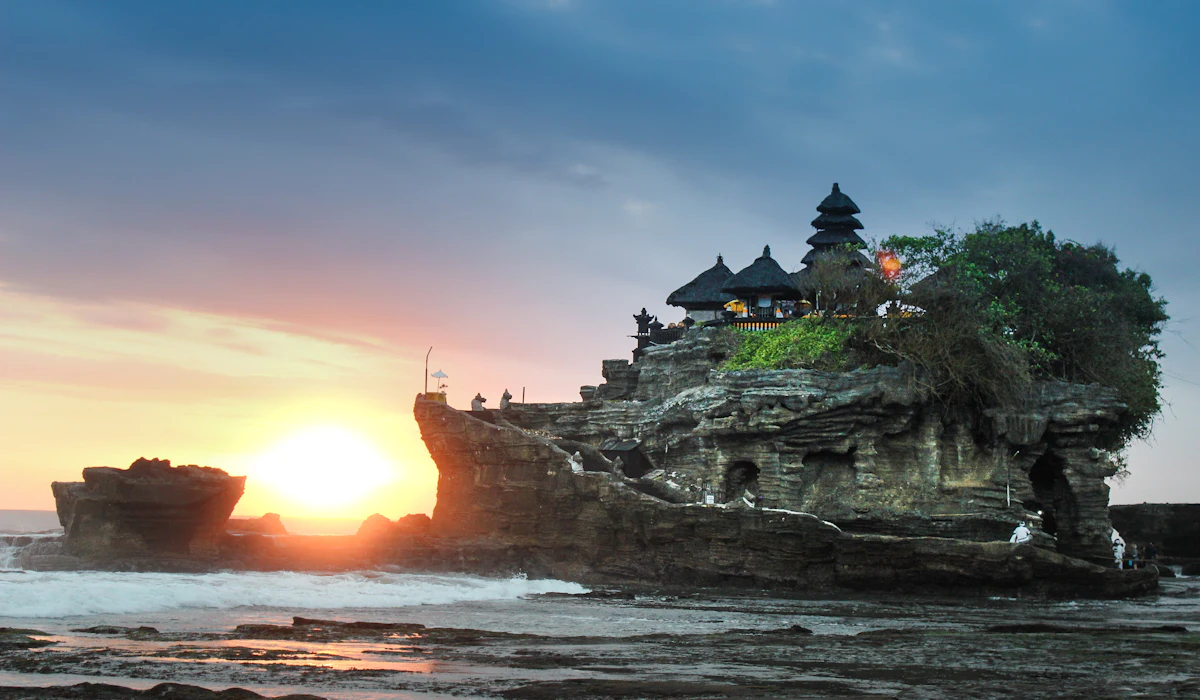
Tanah Lot’s sea temple, perched on a rock formation just offshore, is only reachable on foot during low tide, and the surrounding area has developed into a substantial visitor area with numerous vendor stalls and other commercial activity, a considerably more developed setting than the isolated silhouette shown in most sunset photography.
Chefchaouen’s Blue Streets, Morocco
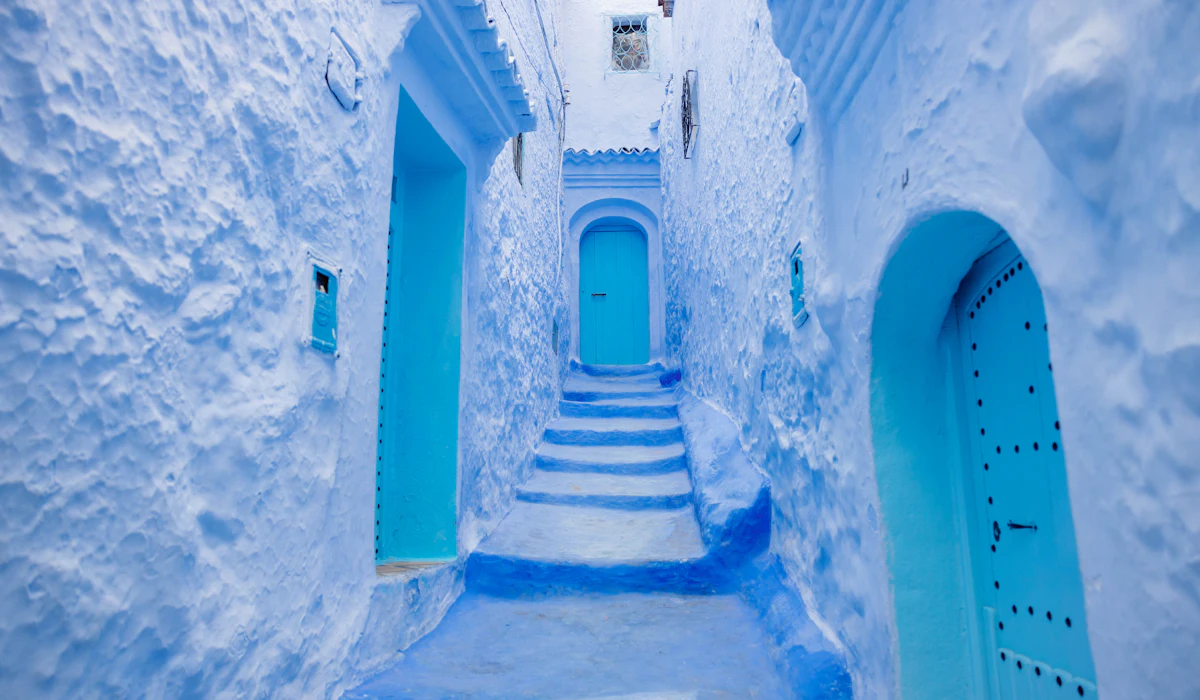
Chefchaouen’s blue-painted old town is genuinely distinctive, but its steep, narrow alleyways can become crowded with visitors and tour groups, making photographing the famous blue stairways without other visitors in frame more difficult during the busiest parts of the day.
Burano, Venice
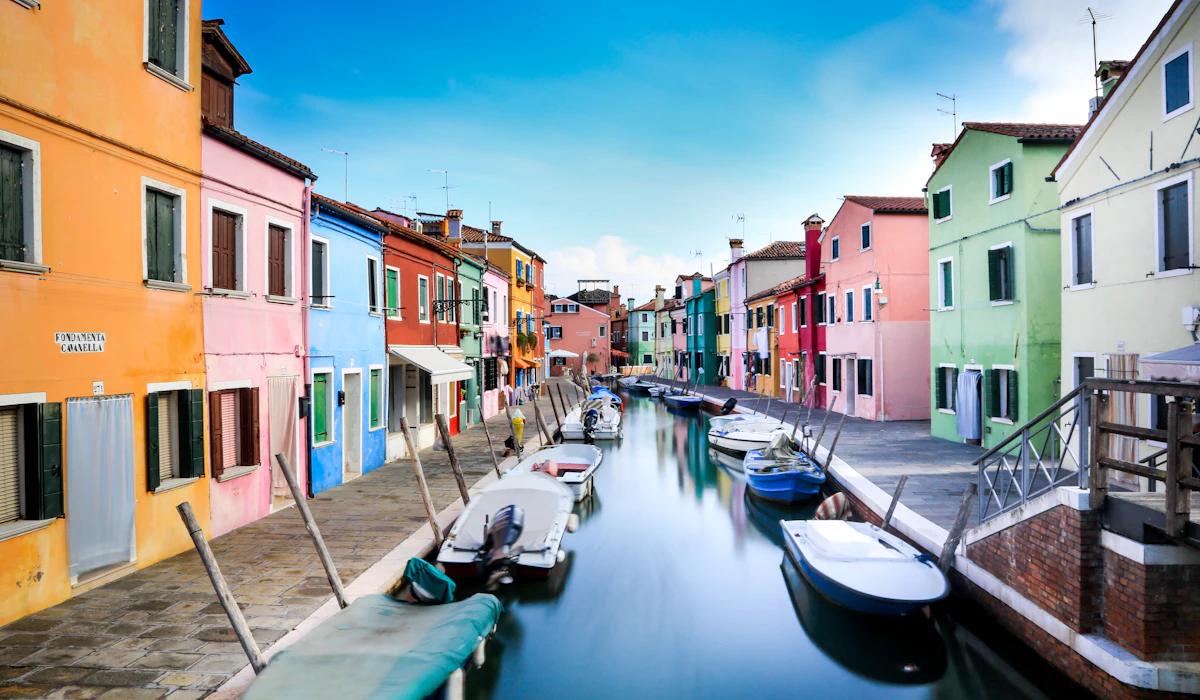
Burano’s brightly painted houses, a short vaporetto ride from central Venice, draw large numbers of day-trippers during peak periods, and the island’s main streets can become busy by late morning, leaving early risers and late-afternoon visitors with a meaningfully quieter version of the same scene.
The Camera Never Shows the Line

What almost every entry on this list has in common is a photographer who was either alone, lucky with timing, or willing to crop out everything inconvenient. None of that is dishonest exactly, but it does mean the image circulating online represents a best-case version of a moment that, for most visitors, comes wrapped in a crowd, a queue, or a considerably dimmer version of reality.
None of this means these places are not worth visiting. It means arriving with realistic expectations, and ideally a plan to show up outside of peak hours, is usually the difference between recreating the photo and simply standing somewhere crowded, wondering why it does not look quite like it did online.
More from Travel Pug

- Underrated Italian Towns That Beat the Tourist Crowds
- Las Vegas Tourist Traps to Skip
- Prettiest Towns in Every US State
- 18 passport-free countries for Americans
- Signs Your Cruise Is Not Worth The Cost
Like Travel Pug’s content? Follow us on MSN.