

Stepping into an old general store feels like finding a letter in your pocket that you forgot you’d written. The bell above the door still rings the same way it did in 1953, the floorboards still creak in the same spots, and somewhere behind the counter, there’s still a jar of something you can’t quite identify but probably should try.
These aren’t museums pretending to be shops or tourist traps dressed up in vintage clothing. They’re working stores that have simply refused to quit, serving communities that remember when this was how everyone shopped.
The best ones scatter themselves across back roads and small towns where progress moved slower and stubborn store owners dug in their heels. They sell motor oil next to homemade jam, fishing licenses next to penny candy, and they know your grandmother’s name even if you’ve never been there before.
Finding them requires getting lost on purpose, but that’s half the point.
Mast General Store, Valle Crucis, North Carolina
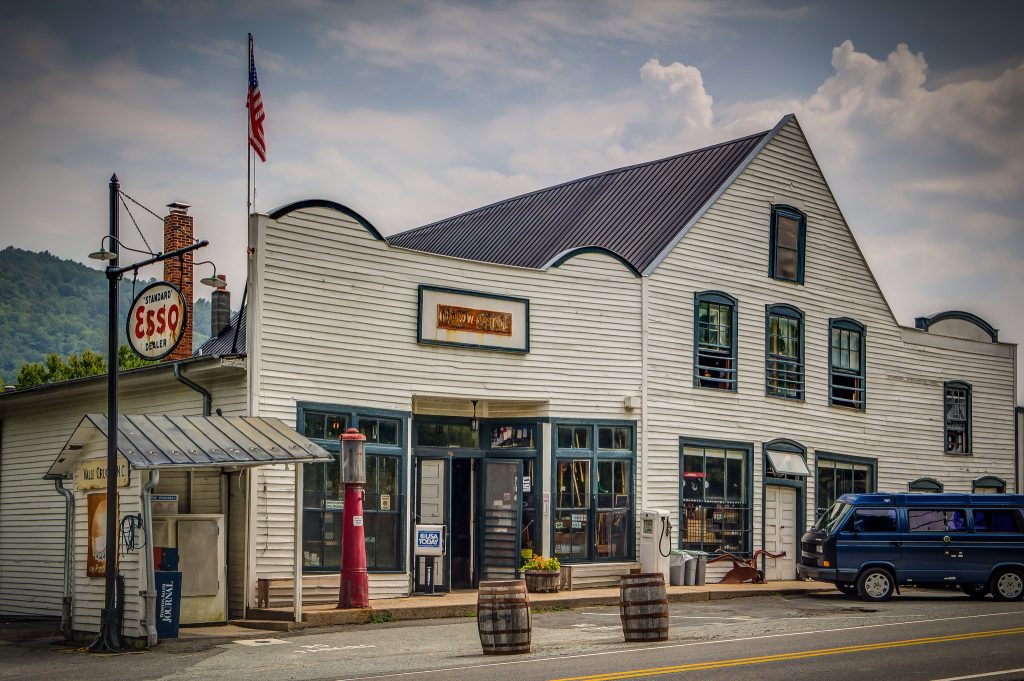
The Mast General Store sits in Valle Crucis like it grew there. Built in 1883, it sprawls across wooden floors that slope in directions the original builders never intended, selling everything from cast iron skillets to locally made sorghum molasses.
The candy counter stretches along one wall like a sugary timeline—penny candy that costs more than a penny now, but still gets weighed on the same brass scales. Upstairs, the clothing section feels like someone’s well-organized attic, filled with flannel shirts and work boots that could outlast the people wearing them.
The post office in the back corner still operates under its original 1883 charter, which means your postcards get a piece of history stamped right onto them.
Floyd Country Store, Floyd, Virginia
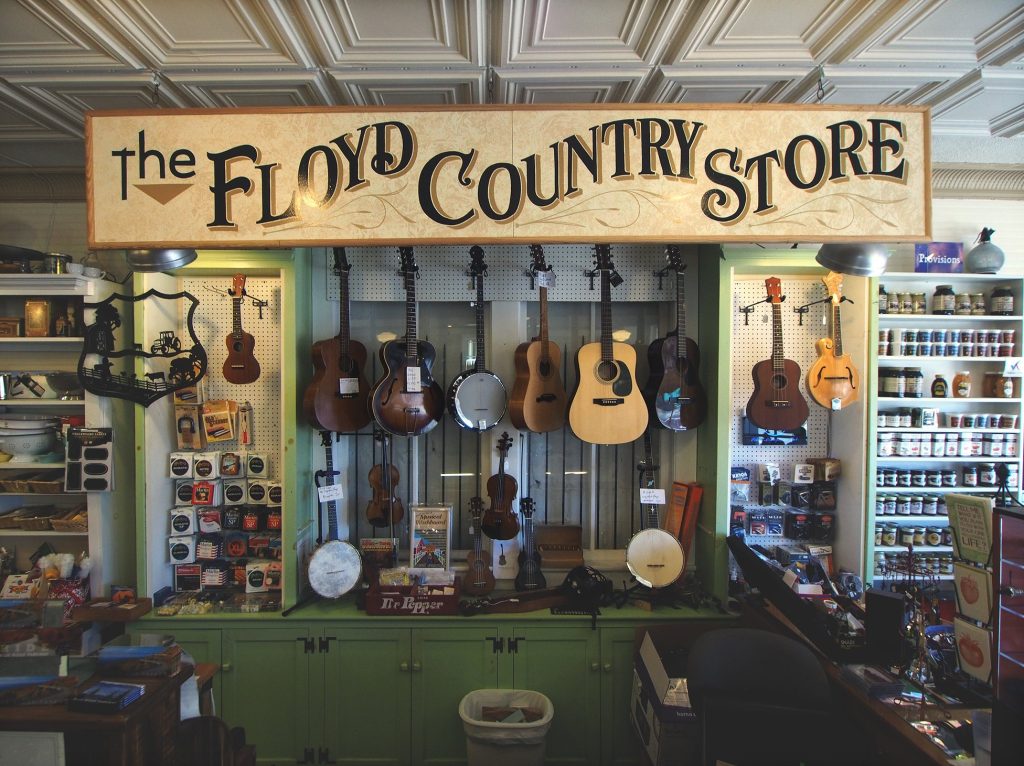
Floyd Country Store has Friday night jamming sessions that pack the place tighter than a banjo string. Musicians show up with instruments and good intentions, and by evening’s end, three generations are sharing the same song.
The store itself sells the usual mix of local honey, handmade soaps, and practical items that people actually need. But Friday nights transform it into something else entirely—a place where music happens because it has to, where visitors discover that bluegrass isn’t background noise but conversation between instruments.
The wooden floor becomes a dance floor, and if you’re smart, you’ll stay until the last fiddle tune winds down.
Neel Gap Store, Dahlonega, Georgia
Every Appalachian Trail hiker knows the Neel Gap Store. It sits at the exact point where optimistic day hikers realize they packed too much and serious through-hikers discover what they actually need.
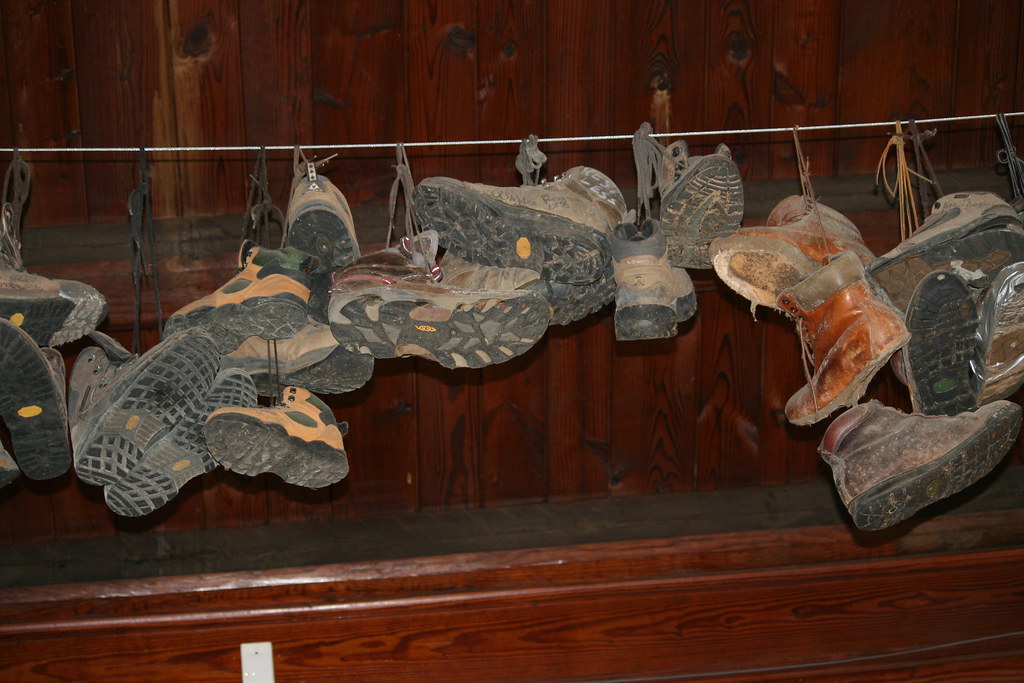
The store operates as an equal parts supply depot and reality check—selling freeze-dried meals to people who thought they’d live off the land, and boot insoles to folks whose feet are filing complaints. Behind the building, there’s a tree decorated with gear that hikers decided they couldn’t carry another mile.
Sleeping bags, camp chairs, and hiking boots hang like strange fruit, testament to the difference between planning a hike and actually taking one. The store doesn’t judge; it just sells what works and quietly accepts what doesn’t.
Burritt’s General Store, New London, New Hampshire
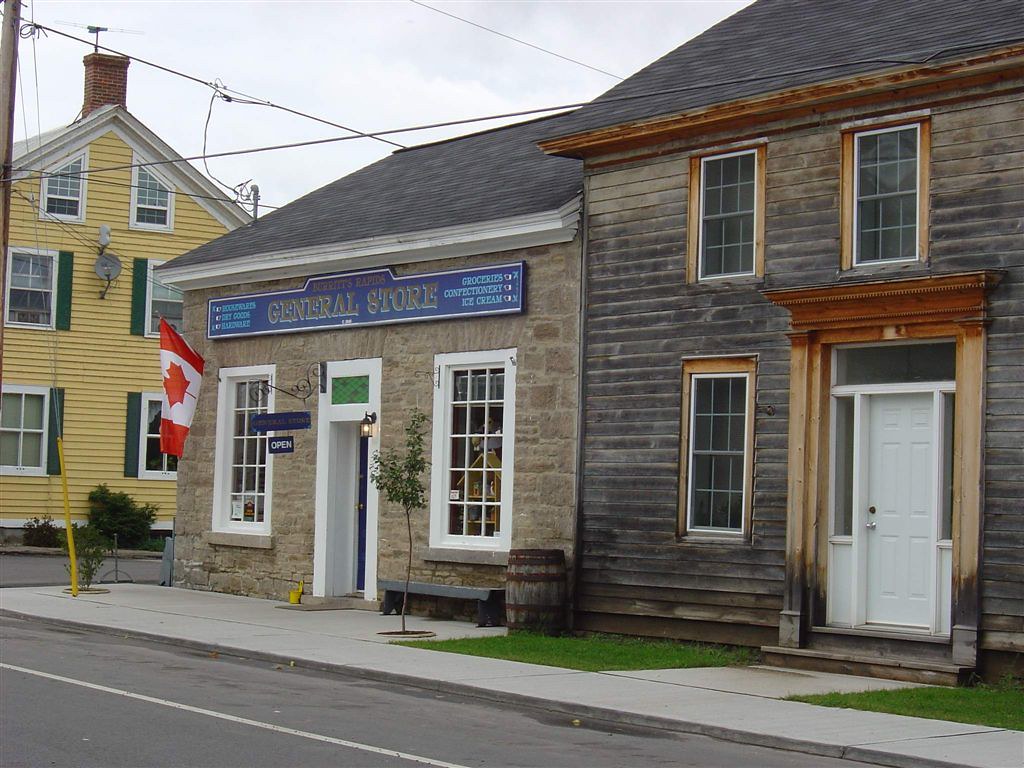
Burritt’s General Store looks exactly like what a child would draw if asked to sketch a country store. The front porch sags just enough to seem honest, and inside, narrow aisles wind between shelves stocked with an improbable mix of necessities.
They sell fishing licenses next to birthday cards, maple syrup next to motor oil, and penny candy that costs considerably more than a penny but tastes exactly like childhood should. The deli counter serves sandwiches built by people who understand that hunger doesn’t follow standard portion sizes.
Local residents treat it as community headquarters—the place where you learn who’s selling firewood, whose dog got loose, and which roads to avoid during mud season.
Orton’s Maple Syrup and Country Store, Fairlee, Vermont
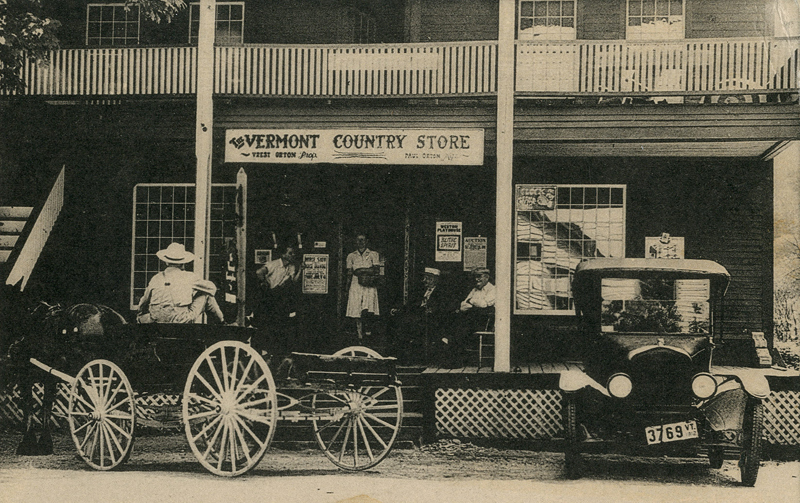
Orton proves that specializing doesn’t mean limiting. Yes, they make some of Vermont’s finest maple syrup, but step inside and the place reveals itself as a proper general store with opinions.
The maple syrup section alone offers more varieties than most people knew existed—from light amber that tastes like spring mornings to dark robust that could improve coffee just by sitting next to it. But venture deeper and there are locally made cheeses, Vermont-woven textiles, and practical items like wool socks that understand winter.
The staff knows which syrup grade works best for what purpose, and they’re not shy about correcting assumptions about maple candy versus maple cream.
Palmer Cash Store, Portland, Tennessee
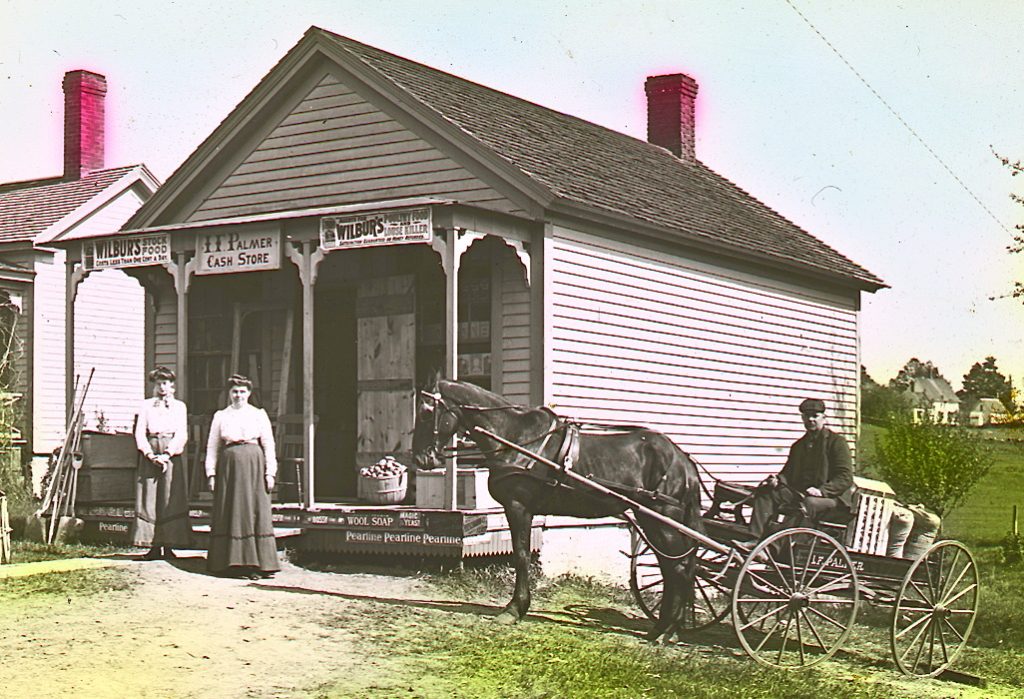
The Palmer Cash Store has been selling necessities since 1927, and it defines necessities broadly. Walking through feels like browsing someone’s extremely well-stocked root cellar mixed with their grandfather’s workshop.
Shelves hold mason jars next to work gloves, locally made molasses next to hardware supplies, and cheese wheels that age in the back room until they’re ready. The meat counter still operates with the understanding that people want to see what they’re buying before it gets wrapped.
Locals stop by not just for supplies but for the kind of unhurried conversation that happens when commerce moves at human speed.
The Vermont Country Store, Weston, Vermont
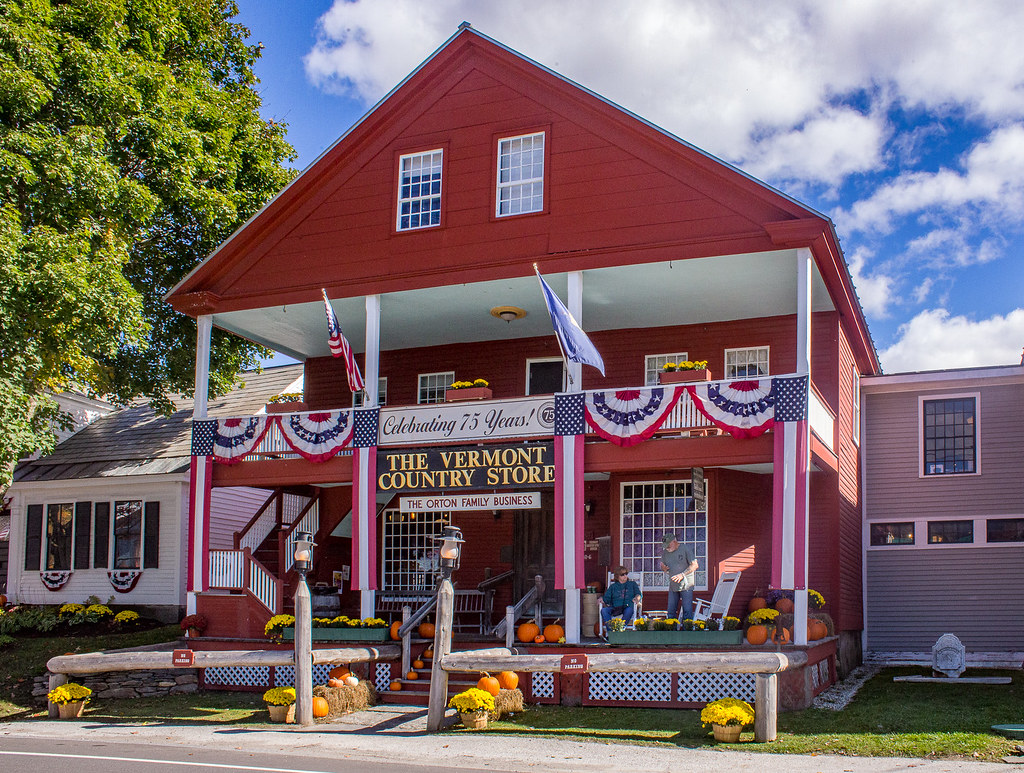
The Vermont Country Store takes the general store concept and runs with it in directions that somehow still make sense. Founded in 1946, it’s expanded beyond a single building but maintained the philosophy that useful items shouldn’t disappear just because they’re not fashionable.
They stock items that most stores gave up on decades ago—real wooden clothespins, cast iron cornbread pans, and penny candy by the pound. The clothing section specializes in garments built for function over fashion—flannel nightgowns, wool socks, and undergarments engineered by people who understood that comfort trumps trends.
It’s become a destination, but it earns that status by remaining genuinely useful.
Hammons Black Walnut Emporium, Stockton, Missouri
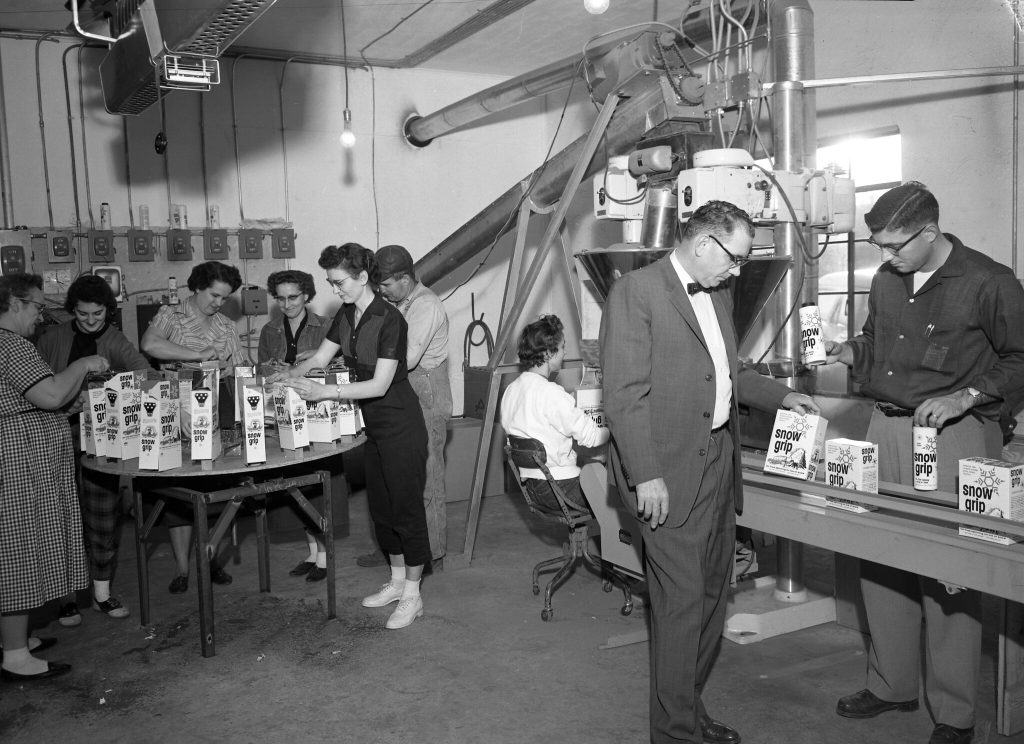
Hammons Black Walnut Emporium built itself around a single product and expanded from there into a full-service general store that happens to know everything about black walnuts. The walnut operation dominates—they crack, process, and package black walnuts from trees across Missouri and beyond.
But the store section offers locally made foods, Ozark crafts, and practical items for rural living. The staff can explain the difference between black walnuts and English walnuts, suggest recipes that make the most of black walnut flavor, and point you toward the best local fishing spots while your walnut order gets packed.
Brookshire Brothers Country Store, Various Locations, Texas
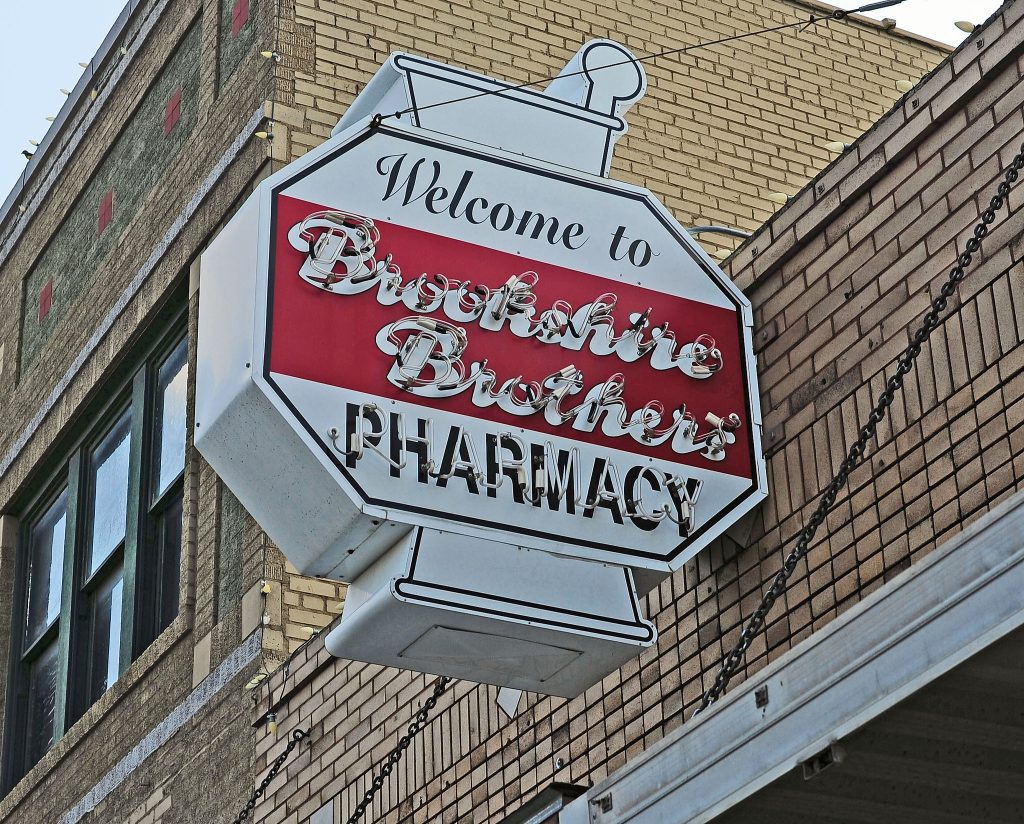
Brookshire Brothers runs multiple locations across East Texas, but they’ve maintained the general store approach that treats customers like neighbors rather than transactions. Each store adapts to its community—some feature expanded hunting and fishing sections, others focus on local produce and handmade items.
The common thread is staff who know their customers’ names, stock items that chain stores consider too specialized, and understand that rural communities need stores that serve multiple functions. They’ll cash checks, accept hunting licenses applications, and stock the specific brand of work boots that local contractors prefer.
Brown County General Store, Nashville, Indiana
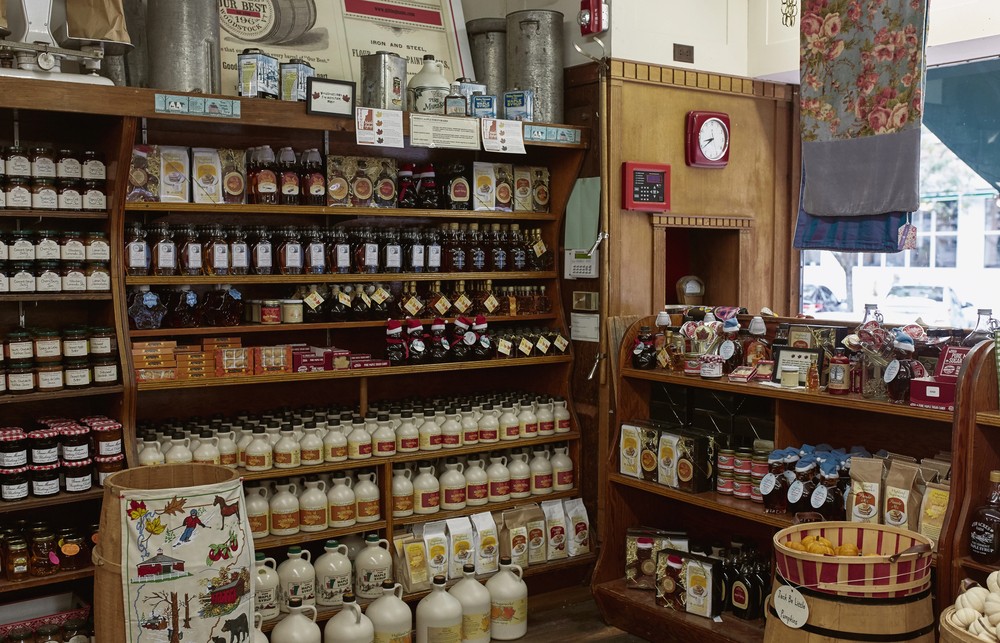
Brown County General Store occupies a building that’s housed various businesses since the 1800s, and it’s settled into the role of community anchor with the confidence of something that’s found its purpose. The interior combines tourist-friendly crafts and local foods with genuinely useful items that residents actually need.
Local maple syrup shares shelf space with handmade soaps, while the hardware section stocks items that hardware stores in larger towns no longer carry. During the fall foliage season, visitors discover that the store stocks both scenic postcards and serious hiking supplies—serving tourists and locals without favoring either group.
Haskell’s General Store, West Gloucester, Massachusetts
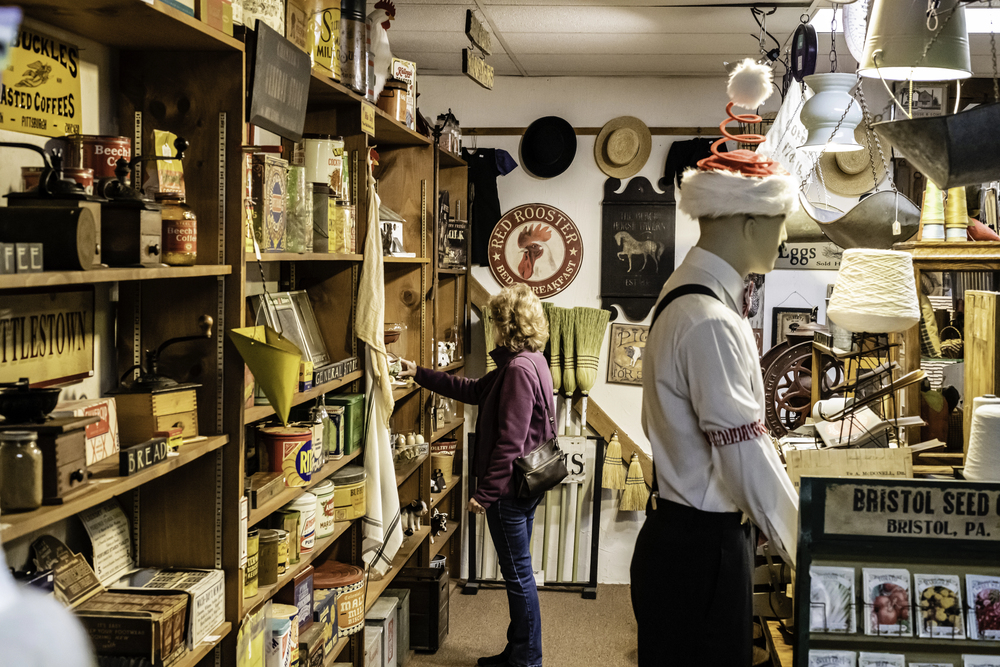
Haskell’s General Store has been serving the same coastal community since 1899, adapting to changes while maintaining the core function of providing what people actually need. The store stocks marine supplies next to locally caught fish, wool sweaters next to beach gear, and maintains a deli that understands both summer visitors and year-round residents.
The penny candy selection appeals to children whose great-grandparents bought candy from the same jars, though prices have adjusted considerably. Local fishermen stop by for supplies and coffee that’s strong enough to fuel early morning departures.
Sunrise General Store, Hygiene, Colorado
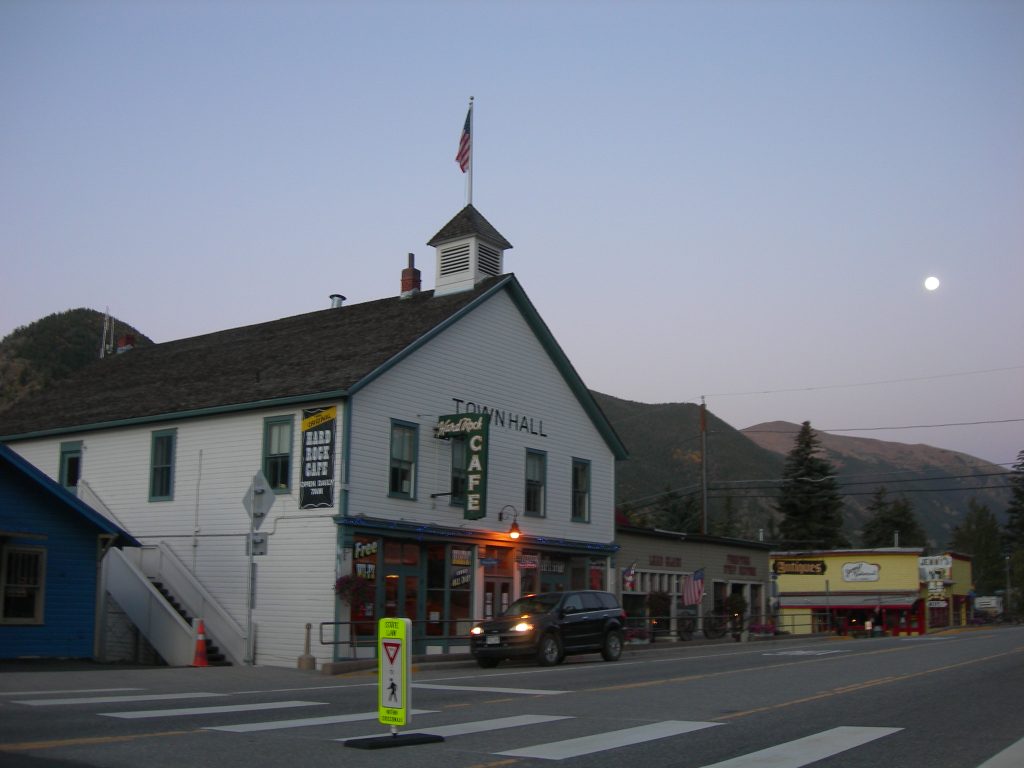
Sunrise General Store sits in tiny Hygiene, Colorado, serving a community too small for most businesses but too real to ignore. The store combines practical ranch and farm supplies with locally made foods and crafts.
They stock items that suburban stores abandoned years ago—real hardware, work clothes built for actual work, and food products made by people who live within driving distance. The community bulletin board covers one wall with notices for everything from farm equipment sales to lost cats, and the staff knows which notices deserve immediate attention.
Locke Store, Locke, California
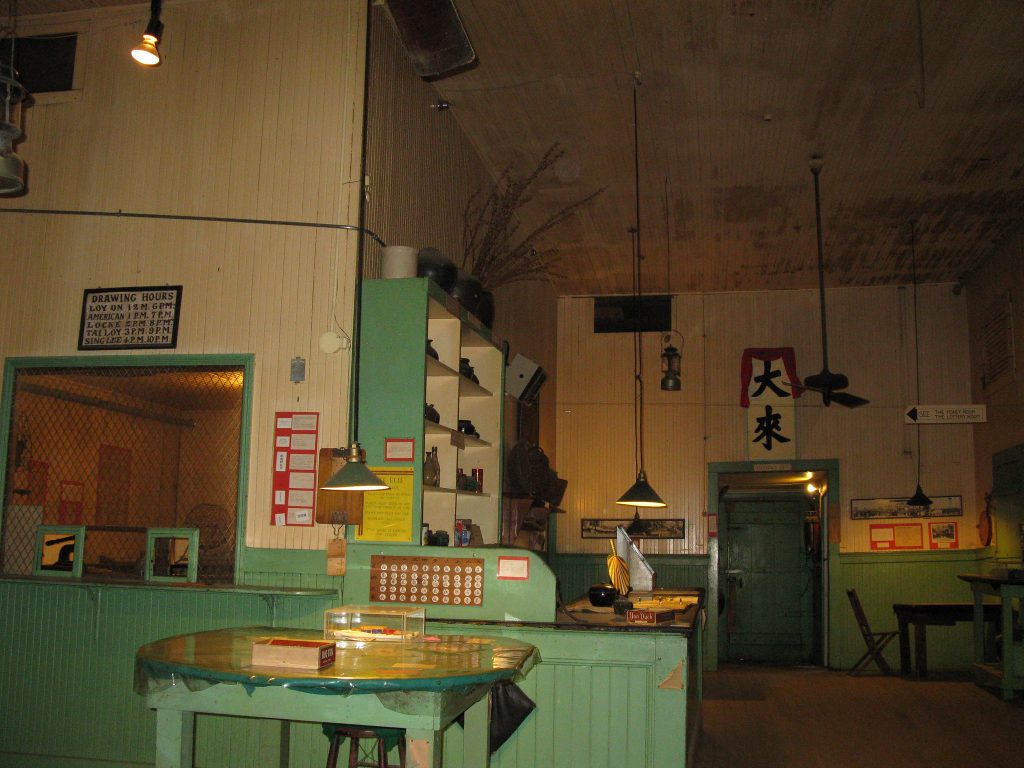
The Locke Store operates in the historic town of Locke, serving a community that time hasn’t quite left behind. Built in 1915, the store maintains the layout and function of an early 20th-century general store while adapting its inventory to current needs.
Local produce shares space with imported specialties, reflecting the community’s Chinese heritage and contemporary residents’ preferences. The wooden floors creak with the weight of a century’s worth of customers, and the atmosphere suggests that rushing through a purchase would miss the point entirely.
Everybody’s General Store, Liberty, Maine
Everybody’s General Store earns its name by actually serving everybody—locals who need practical supplies, visitors looking for Maine specialties, and anyone seeking the kind of unhurried shopping experience that most places abandoned decades ago. The store stocks locally made preserves, Maine wool products, and practical items like work gloves and fishing tackle.
The penny candy section operates on the honor system for children, and the staff knows which local roads become impassable during spring mud season. It’s the kind of place where asking for directions leads to a conversation about local history and recommendations for the best blueberry pie in three counties.
Looking Back While Moving Forward
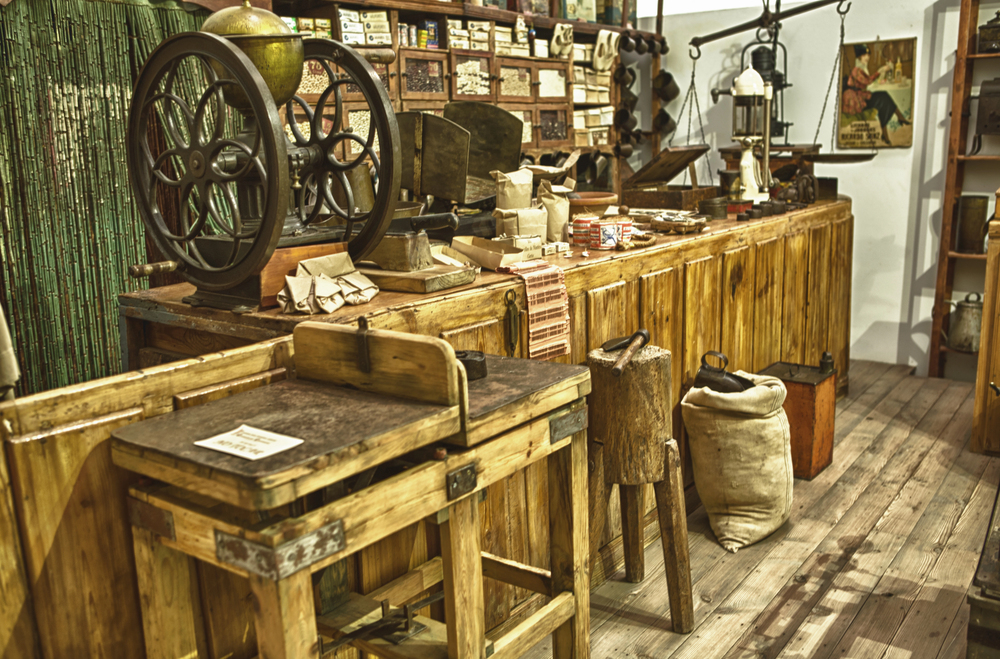
These stores persist because they serve functions that online shopping and big box retailers can’t replicate. They’re community centers disguised as retail establishments, places where commerce happens at conversation speed and where knowing your customers means remembering their stories, not just their purchase histories.
Walking into one reminds you that shopping used to be a social activity, and maybe it still should be.
More from Travel Pug

- Underrated Italian Towns That Beat the Tourist Crowds
- Las Vegas Tourist Traps to Skip
- Prettiest Towns in Every US State
- 18 passport-free countries for Americans
- Signs Your Cruise Is Not Worth The Cost
Like Travel Pug’s content? Follow us on MSN.