

Reproductions lie about size. A painting printed on a poster, a mug, or a phone screen fills whatever space it is given, and after years of seeing it that way, your brain files it as large.
Then you stand in the gallery and find the real thing could fit on a kitchen shelf. The shock is common with paintings that have become cultural icons.
It also tends to make the painting more interesting, because a small canvas asks you to come close.
Mona Lisa, Louvre, Paris
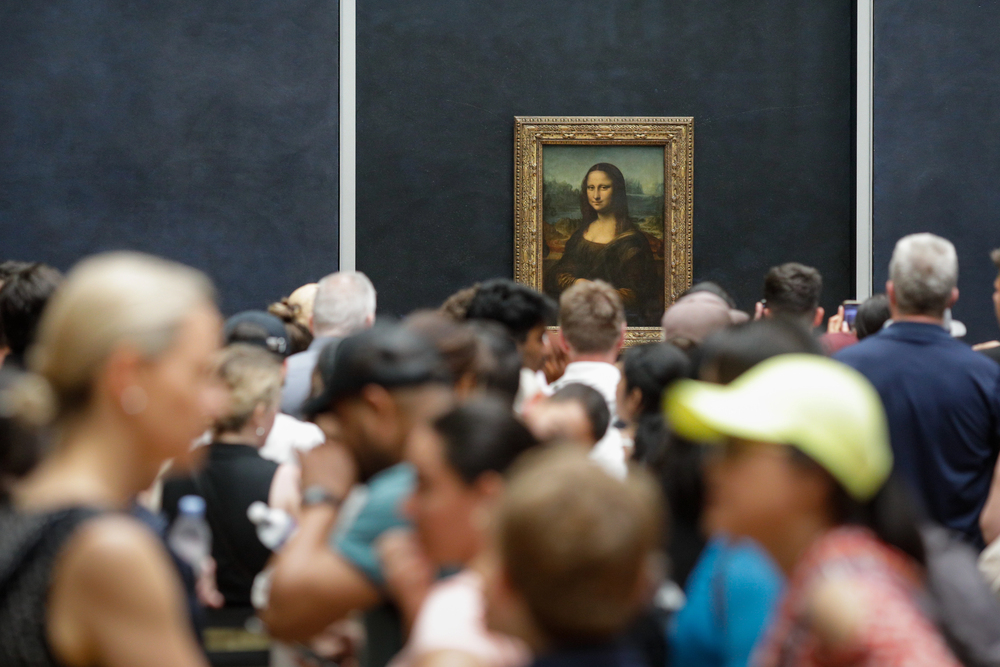
Leonardo’s portrait measures about 30 by 21 inches (77 by 53 centimeters) and is painted on a poplar panel rather than canvas. It hangs behind protective glass in the Salle des États, where visitors are kept at a distance by crowd-control barriers.
Most people see it over a sea of raised phones. The Louvre is planning a dedicated space for the painting as part of its long-term renovation, but for now it remains in the Salle des États.
Girl with a Pearl Earring, Mauritshuis, The Hague
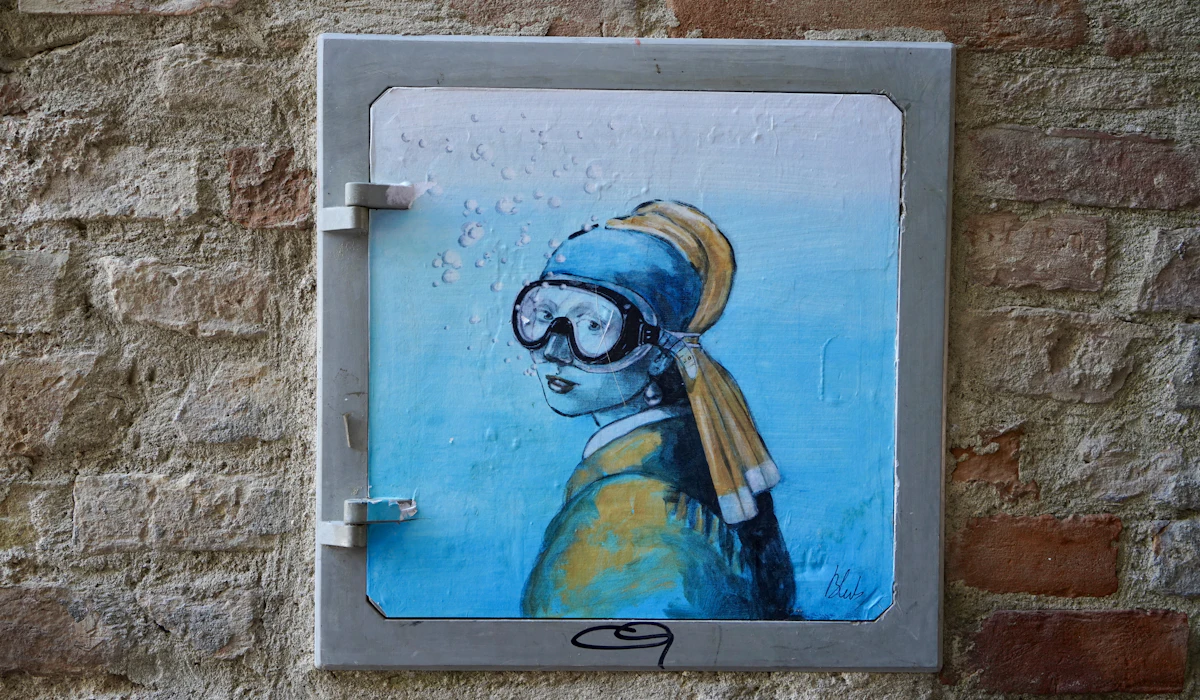
Vermeer’s girl measures about 17.5 by 15 inches (44.5 by 39 centimeters). The Mauritshuis is a small museum, and she hangs in a room at domestic scale, which helps.
Up close, the famous pearl turns out to be a small combination of painted highlights rather than a carefully rendered piece of jewelry. Some researchers have suggested it is too large to be a real pearl and was more likely an artistic illusion or imitation material, though the exact nature of the object remains debated.
The Persistence of Memory, MoMA, New York
Dalí’s melting clocks cover a canvas of about 9.5 by 13 inches (24 by 33 centimeters), roughly the size of a sheet of printer paper turned sideways. Visitors walk past it looking for something larger.
The painting’s detail is tight enough to reward a very close look, including ants swarming on a pocket watch. MoMA currently displays it in its fifth-floor galleries, where patience helps when the room is busy.
The Milkmaid, Rijksmuseum, Amsterdam
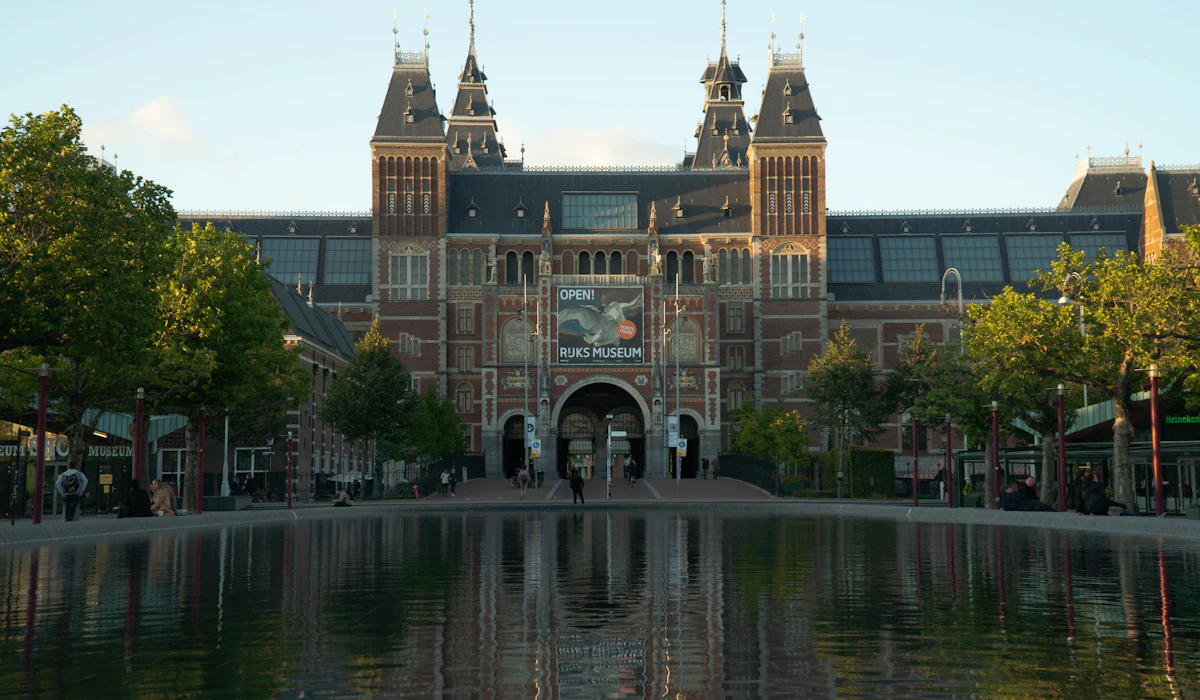
The Milkmaid measures about 18 by 16 inches (45.5 by 41 centimeters). The Rijksmuseum gives it a prominent wall, yet the scale surprises almost everyone.
Vermeer painted small dots of light across objects in the scene, including the bread, that look like texture from a distance. Stand close, and the loaf looks like it is glittering.
The Lacemaker, Louvre, Paris
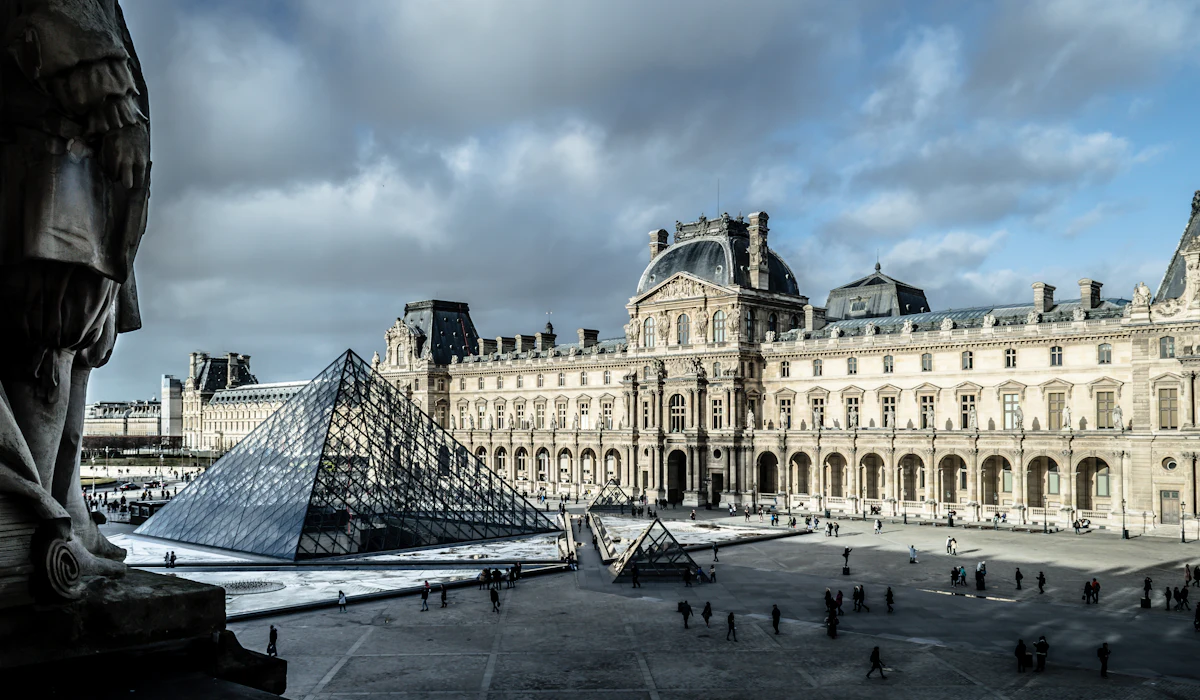
At about 9.5 by 8 inches (24 by 21 centimeters), The Lacemaker is one of Vermeer’s smallest works, close to the size of a hardcover book. It hangs in the Louvre’s Dutch galleries, far from the Mona Lisa crowd.
Renoir reportedly admired it greatly, calling it one of the most beautiful paintings in the world. Many visitors walk right past because they cannot believe it is that small.
The Starry Night, MoMA, New York
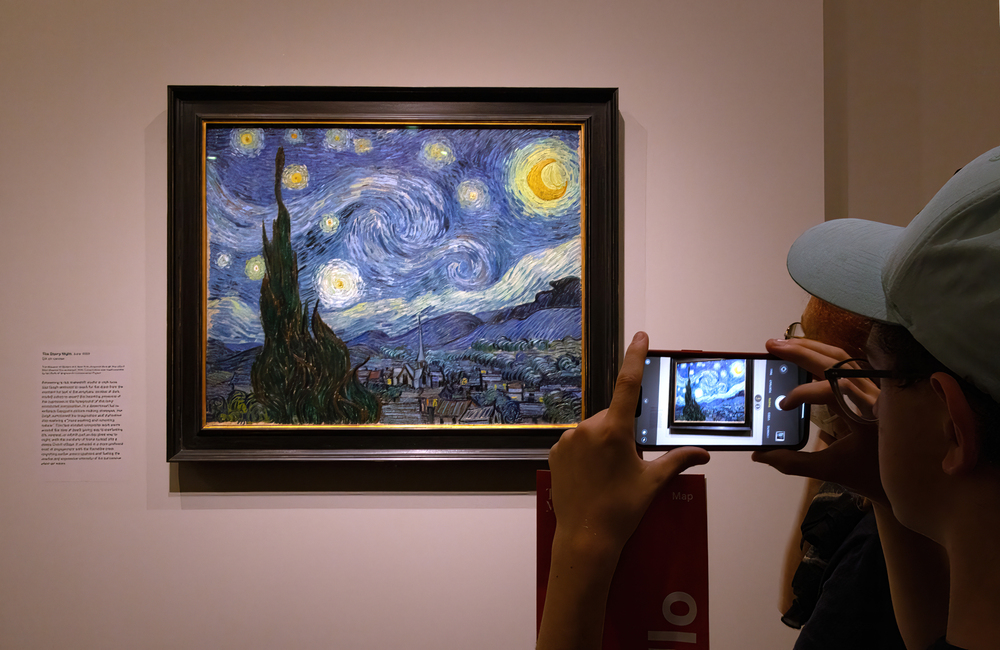
The Starry Night measures about 29 by 36 inches (74 by 92 centimeters). Given how often it has been printed on everything from umbrellas to phone cases, people expect a mural.
Van Gogh painted it in 1889 at the asylum in Saint-Rémy, based partly on the view from his window and partly on his imagination and memory. MoMA acquired it in 1941, and it has drawn crowds ever since.
The Treachery of Images, LACMA, Los Angeles
Magritte’s pipe with the caption “Ceci n’est pas une pipe” measures about 24 by 32 inches (60.3 by 81.1 centimeters). The painting’s argument is large, but the object is modest.
LACMA owns it, and it sometimes travels on loan. At that size, the painting reads like a sign in a shop window, which is precisely the kind of image Magritte was poking at.
American Gothic, Art Institute of Chicago
Grant Wood’s farmer and the woman beside him, often mistaken for a married couple, fill a panel of about 31 by 26 inches (78 by 65 centimeters). The painting has been parodied so widely that the original feels intimate.
Wood painted it in 1930 after seeing a small Gothic Revival house in Eldon, Iowa. The house still stands, and visitors pose in front of it with pitchforks.
Self-Portrait with Thorn Necklace and Hummingbird, Harry Ransom Center, Austin
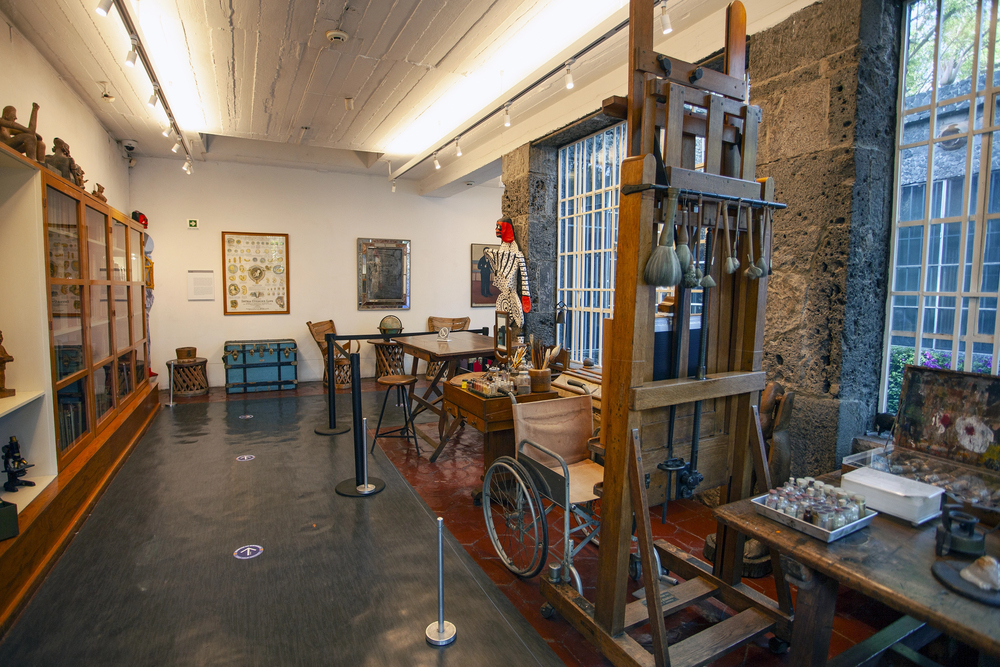
Kahlo painted this self-portrait in 1940 on a canvas of about 24.6 by 18.9 inches (62.5 by 48 centimeters). It belongs to the Harry Ransom Center at the University of Texas at Austin, and it travels for exhibitions on occasion.
The thorn necklace, the dead hummingbird, and the black cat behind her shoulder are packed tightly into the frame. Many people know it from prints many times larger.
The Arnolfini Portrait, National Gallery, London
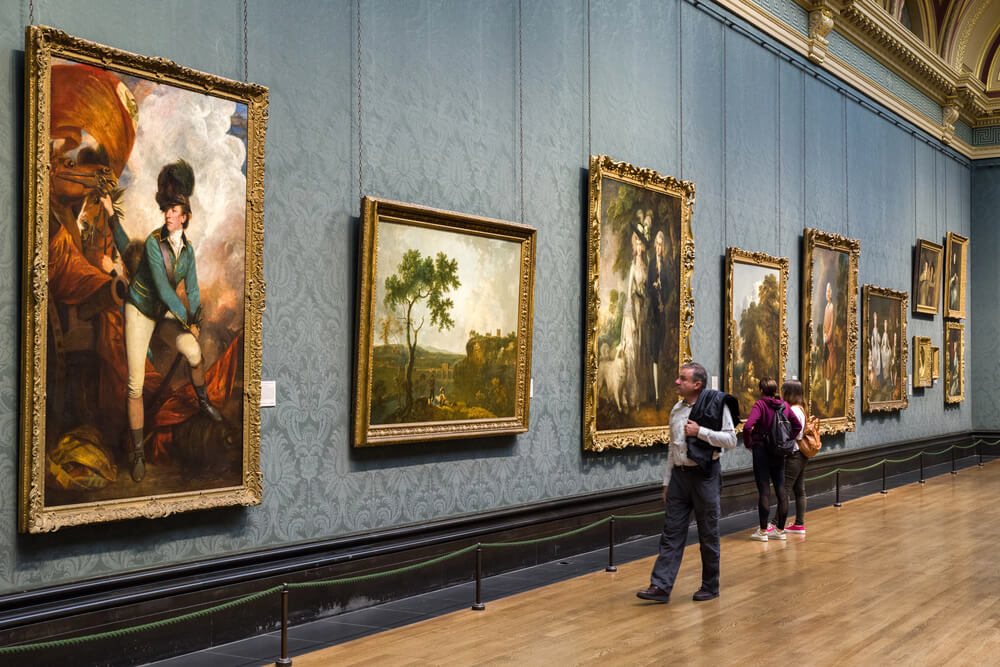
Jan van Eyck’s 1434 double portrait measures about 32 by 24 inches (82.2 by 60 centimeters) across the painted surface. The convex mirror on the back wall, which reflects two more figures in the doorway, is only a few centimeters across.
Visitors lean in to find the tiny reflections. The painter’s signature on the wall above the mirror reads, in Latin, that Jan van Eyck was here.
Lady with an Ermine, Czartoryski Museum, Kraków
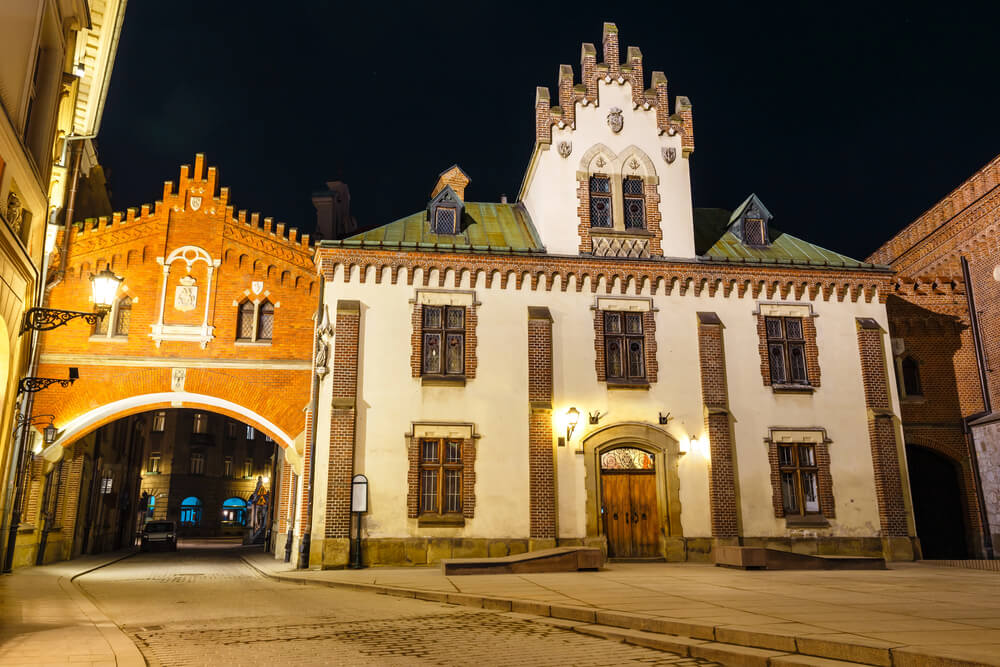
Leonardo’s portrait of Cecilia Gallerani measures about 21 by 15.5 inches (54 by 39 centimeters). The Polish state acquired the Czartoryski collection in 2016, and the museum reopened after renovation in 2019.
The painting hangs in a dark room of its own. It is one of Leonardo’s four surviving portraits of women.
Ginevra de’ Benci, National Gallery of Art, Washington
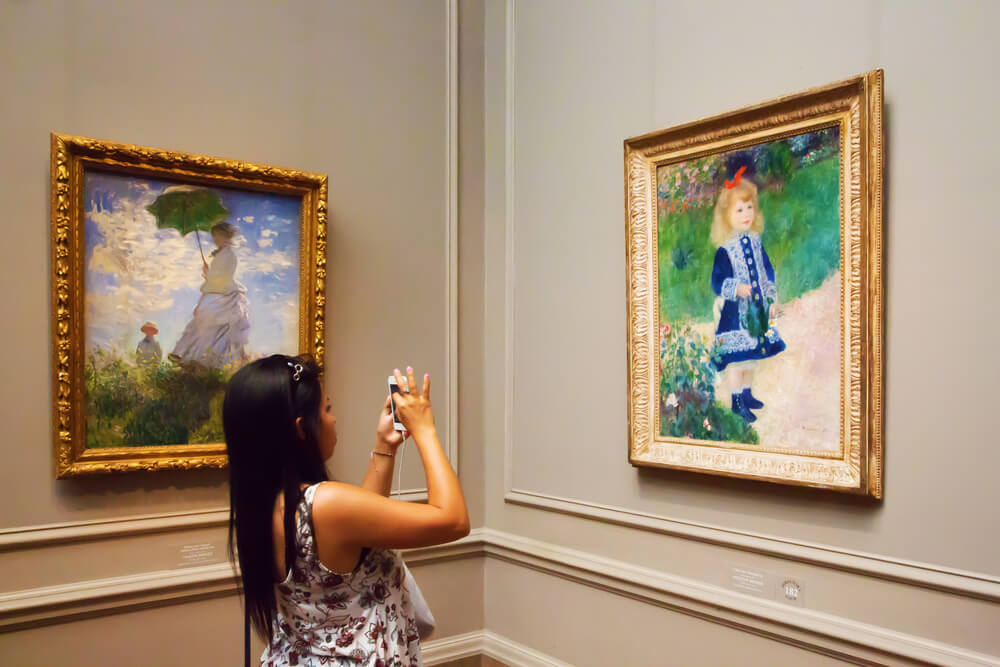
Ginevra de’ Benci is the only painting by Leonardo on public view in the Americas, and the original panel measures about 15 by 14.5 inches (38.1 by 37 centimeters). The panel was cut down at some point, losing the bottom portion, which was later reconstructed with an added section.
The back is painted too, with a juniper sprig that puns on her name. The museum displays it so you can see both the front and reverse.
The Three Graces, Musée Condé, Chantilly
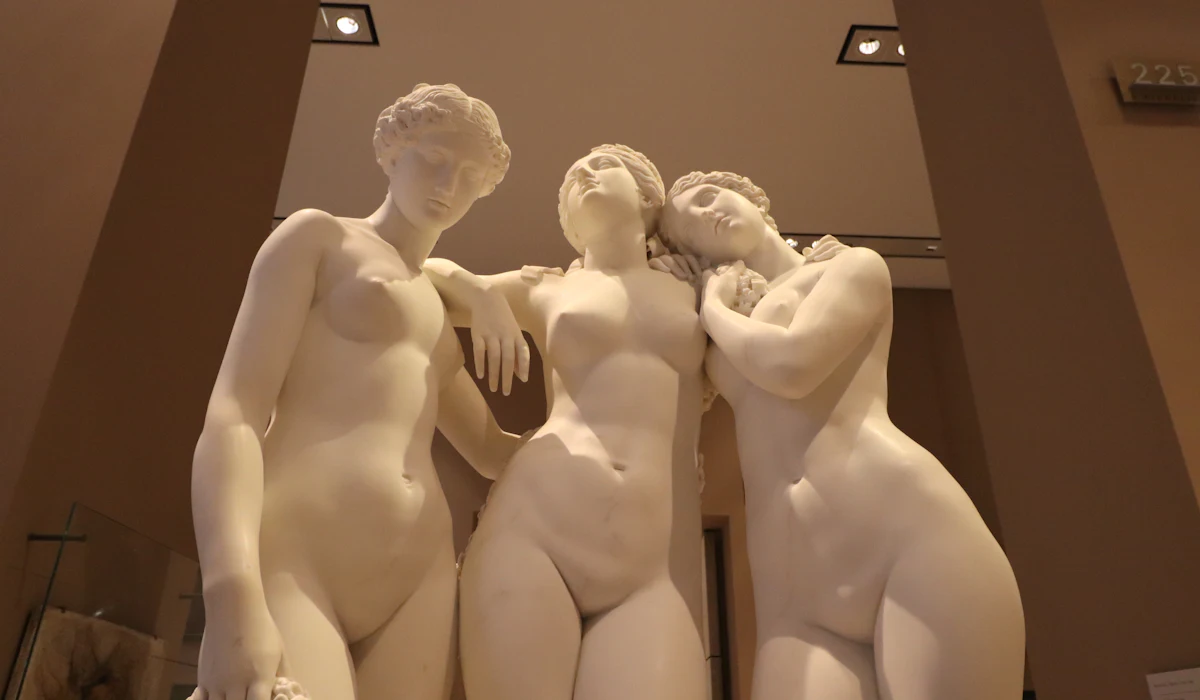
Raphael’s Three Graces measures about 6.7 by 6.7 inches (17 by 17 centimeters), roughly the size of a paperback cover. It hangs in the Musée Condé at the Château de Chantilly outside Paris.
Raphael painted it as a young artist. The size is so small that visitors often miss it on the wall.
Self-Portrait at 28, Alte Pinakothek, Munich
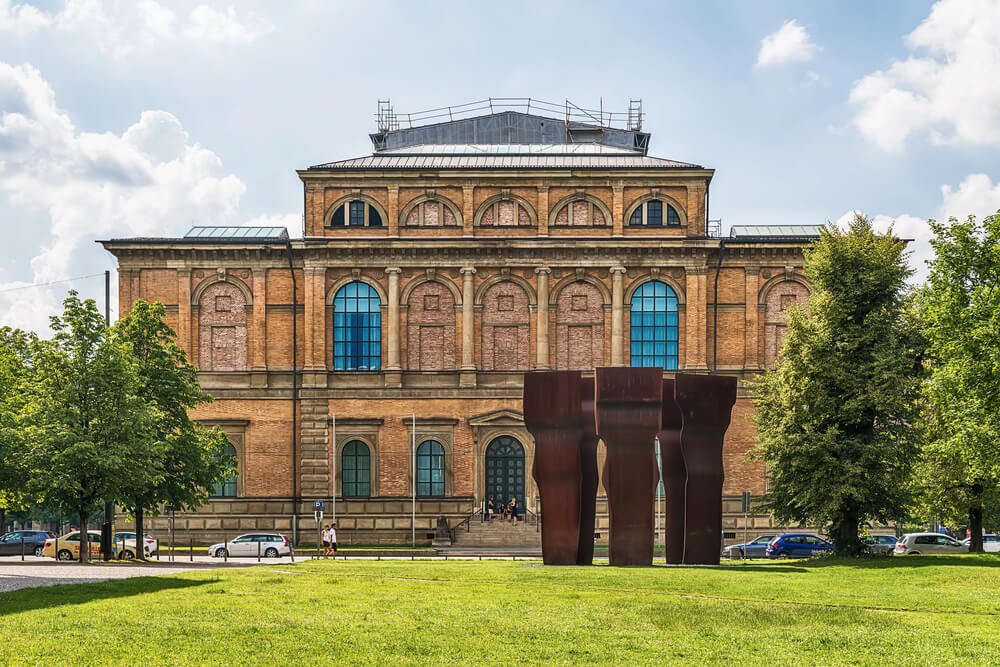
Albrecht Dürer painted himself facing the viewer head-on in 1500, a pose then strongly associated with images of Christ. The panel measures about 26 by 19 inches (67 by 49 centimeters).
The detail in the fur collar and the individual hairs is extraordinary. People expect a grand painting for a portrait this famous, and the scale suggests a private object instead.
Wanderer Above the Sea of Fog, Hamburger Kunsthalle
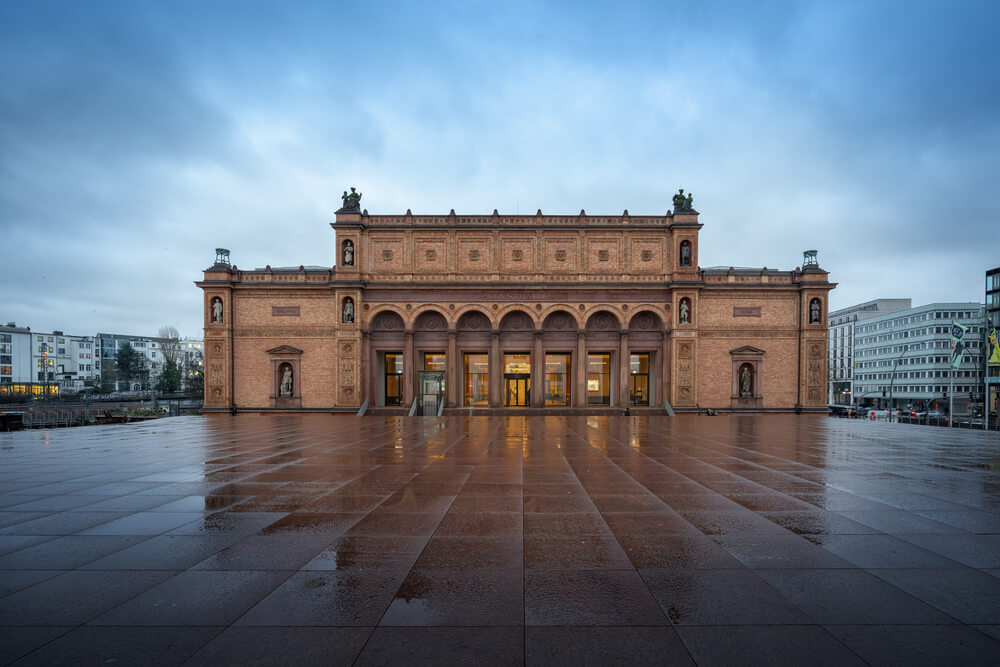
Caspar David Friedrich’s lone figure on a rocky peak measures about 37 by 29 inches (95 by 75 centimeters). The image appears on countless book covers, which makes the original feel smaller than the vast landscape it suggests.
Friedrich painted it around 1818. The small size puts the fog and the figure closer, like a window rather than a panorama.
Composition with Red, Blue and Yellow, Kunsthaus Zürich
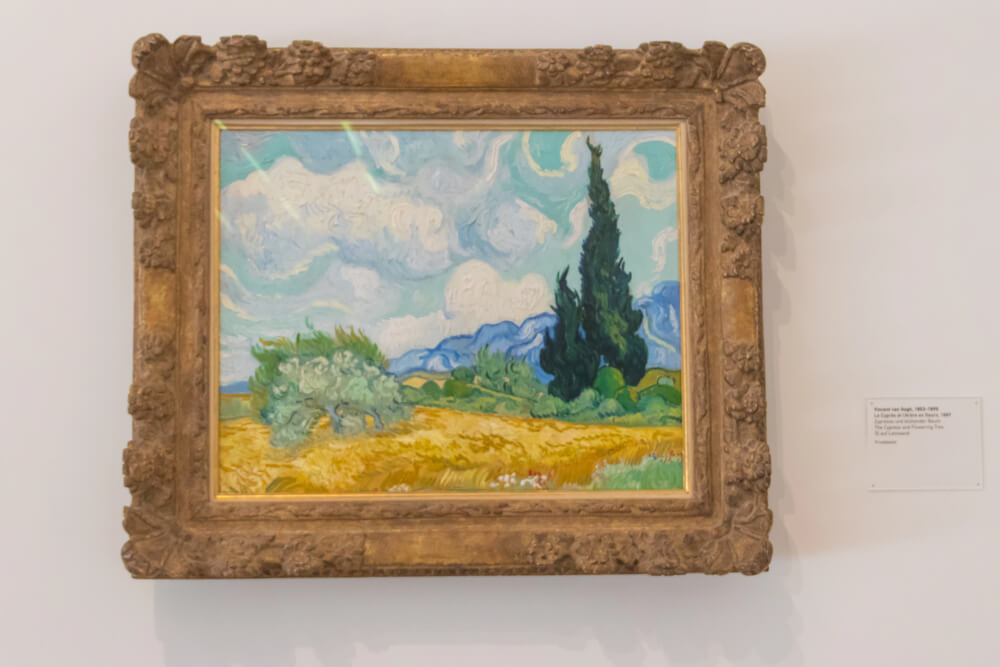
Mondrian’s 1930 grid measures about 18 by 18 inches (46 by 46 centimeters). The image has been printed on dresses, sneakers, and furniture, and people expect a wall.
The real painting shows the physical qualities of the painted surface, including brushwork and slight variations in the lines. That handmade quality is invisible in reproductions.
Campbell’s Soup Cans, MoMA, New York

Warhol’s 1962 work is 32 separate canvases, each about 20 by 16 inches (51 by 41 centimeters). The individual canvases are small, although the complete installation is much larger, measuring about 97 by 163 inches when displayed with gaps between the panels.
MoMA displays them in rows. Visitors often search for their favorite flavor, a small act that the artist would probably have enjoyed.
Impression, Sunrise, Musée Marmottan Monet, Paris
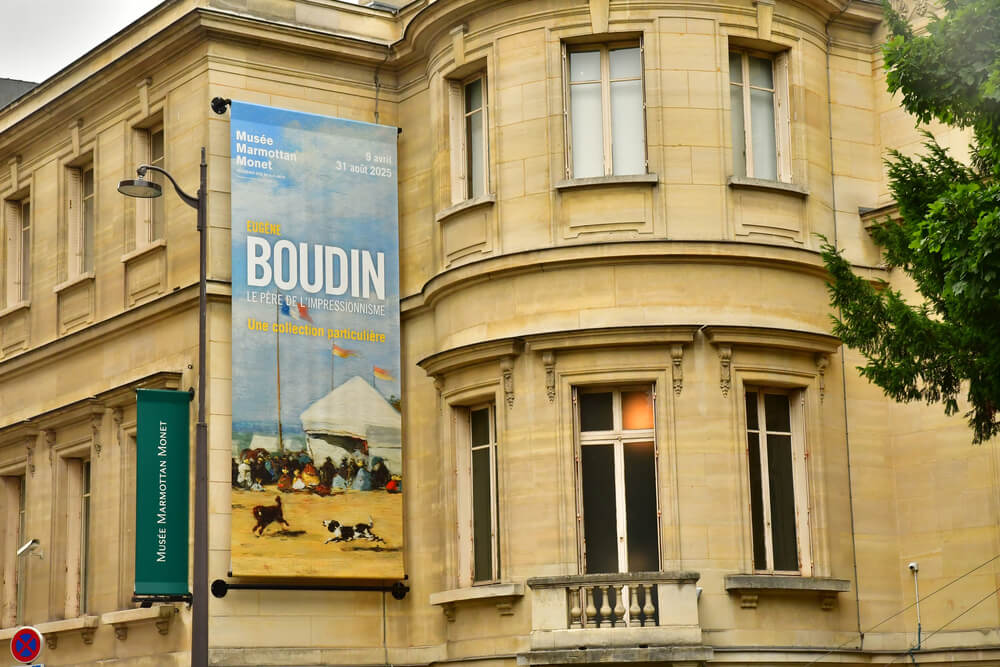
The painting that gave Impressionism its name measures about 19 by 25 inches (48 by 63 centimeters). It was stolen from the Marmottan in 1985 and recovered in Corsica in 1990, along with 8 other stolen paintings.
The small orange sun is a few strokes of paint. The museum sits in a quiet corner of the 16th arrondissement, away from the busiest central Paris museum crowds.
Medusa, Uffizi, Florence
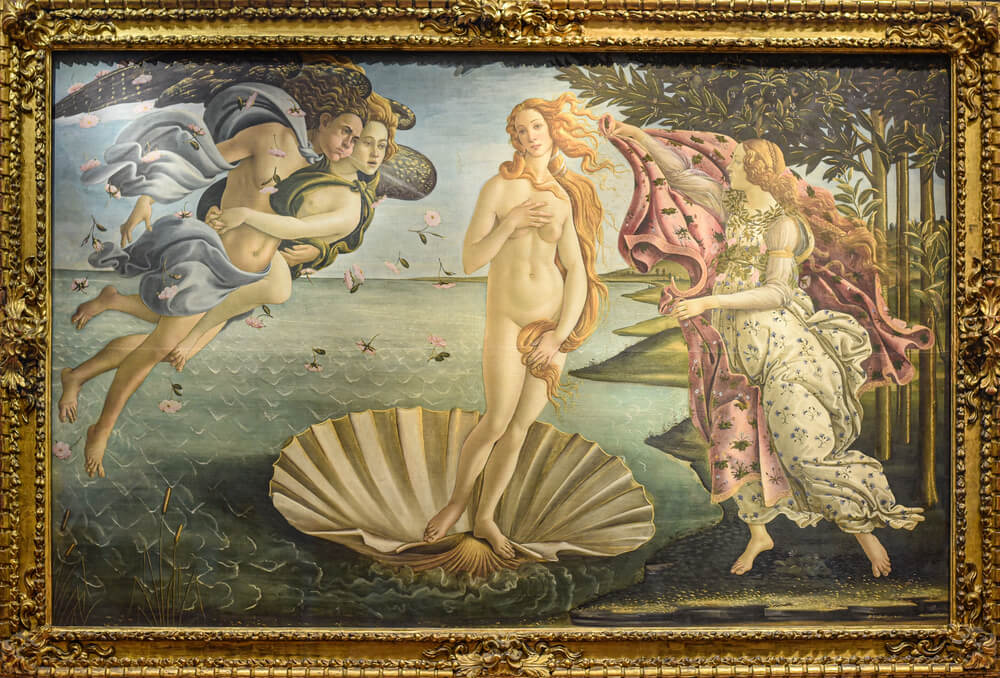
Caravaggio’s Medusa is painted on a convex ceremonial shield about 24 by 22 inches (60 by 55 centimeters). Her head seems to leap out of the curved surface.
The shield was a gift to the Grand Duke of Tuscany. Its unusual shape and relatively modest size make the illusion particularly effective.
The Goldfinch, Mauritshuis, The Hague
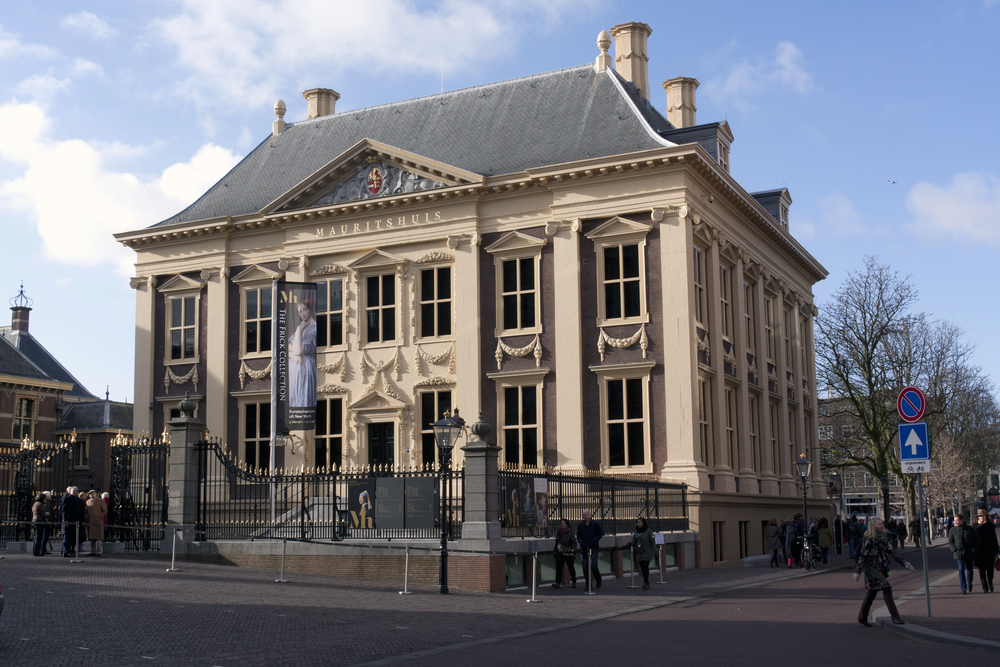
Carel Fabritius painted this chained bird in 1654 on a panel about 13 by 9 inches (33.5 by 23 centimeters). Fabritius died later that same year in the Delft gunpowder explosion.
The painting became the title of a bestselling 2013 novel, and crowds grew. It is small enough to hold in two hands.
Portrait of Henry VIII, Thyssen-Bornemisza Museum, Madrid
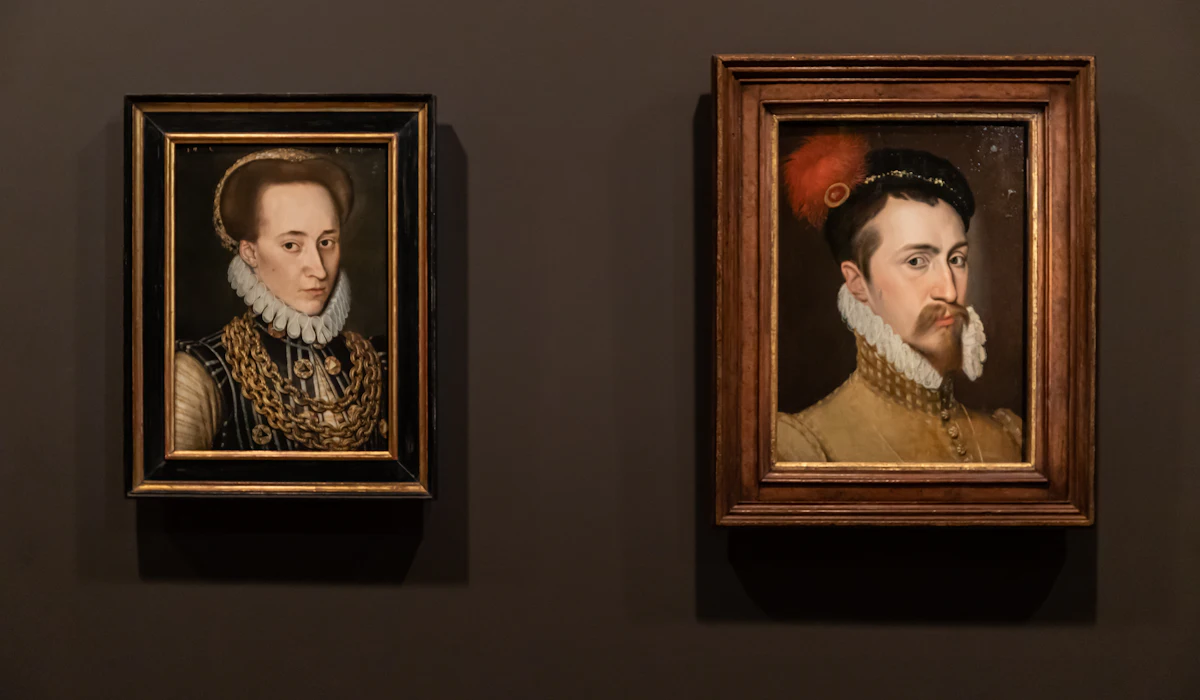
Hans Holbein the Younger’s portrait of Henry VIII measures about 11 by 8 inches (28 by 20 centimeters). It is the only surviving individual portrait of Henry VIII painted by Holbein himself.
People picture Henry as huge, and the painting is the size of a greeting card. The detail in the jewels and the embroidered sleeves is remarkable.
Rembrandt Laughing, Getty Museum, Los Angeles

This early self-portrait, painted around 1628, measures about 9 by 7 inches (22.2 by 17.1 centimeters), and it is painted on copper. The Getty acquired it in 2013.
Rembrandt appears as a young man, mid-laugh, in a metal gorget. It is about the size of a postcard.
The Scream, National Museum, Oslo

Munch’s 1893 painted version of The Scream measures about 36 by 29 inches (91 by 73.5 centimeters) and uses tempera and crayon on unprimed cardboard. The cardboard support is delicate, requiring careful conservation and display conditions.
The image appears on emojis, masks, and pillows. The original feels intimate and a little worn.
Portrait of a Man, National Gallery, London
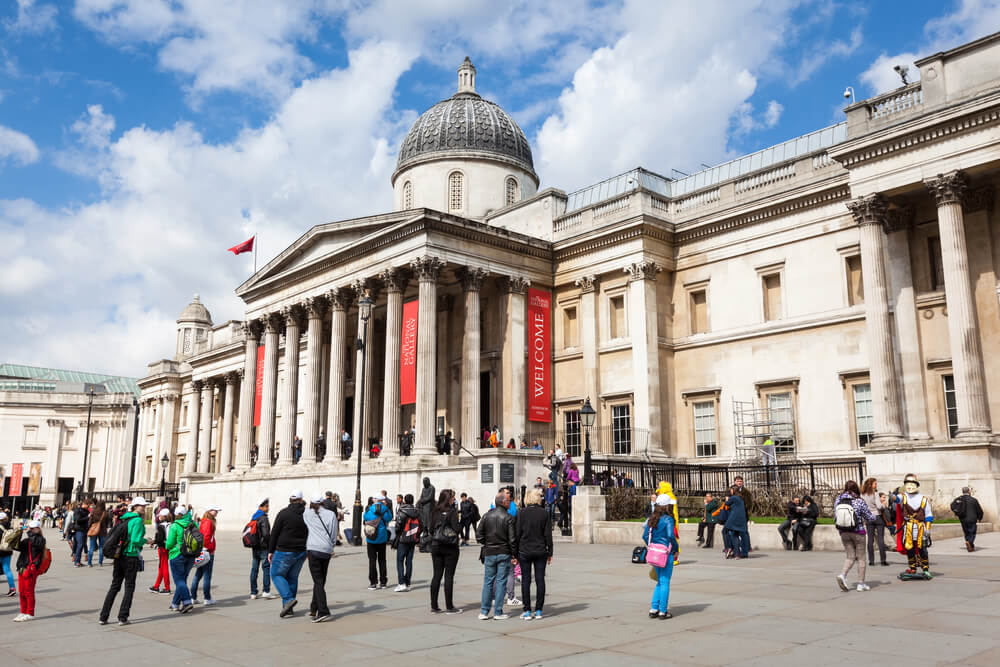
Jan van Eyck’s 1433 portrait, officially titled Portrait of a Man (Self Portrait?), measures about 10 by 7.5 inches (26 by 19 centimeters). Many art historians believe it is a self-portrait.
The original frame carries his Flemish motto, Als Ich Can, a modest play on his own name that has traditionally been interpreted as a variation on “As I can” or “As best I can.” The folds of the red turban are painted with astonishing care.
Self-Portrait with Bandaged Ear, Courtauld Gallery, London
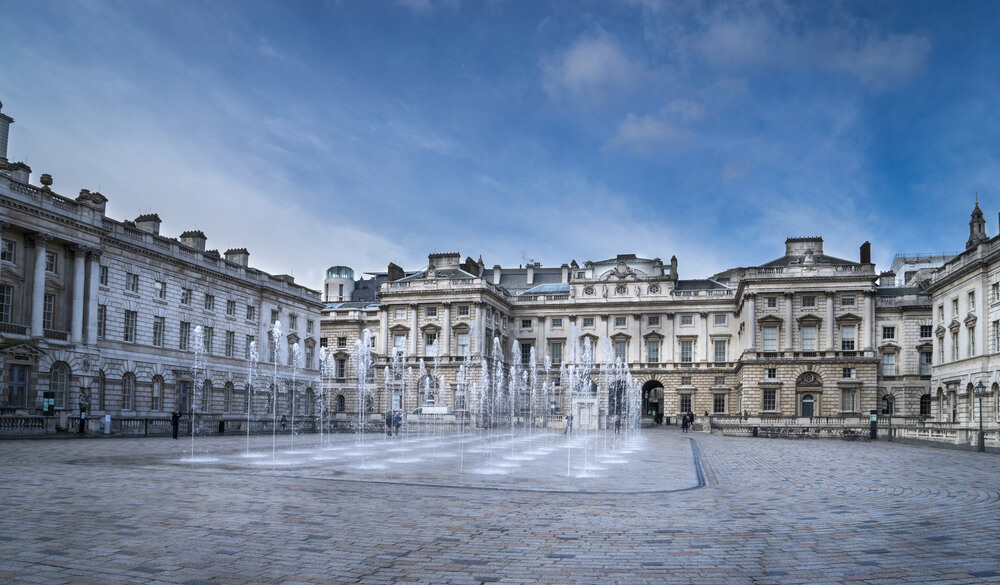
Van Gogh painted this self-portrait in January 1889, weeks after cutting off part of his left ear. The painting measures about 24 by 19 inches (60 by 49 centimeters).
The bandage appears on the right side because he painted from a mirror. The Courtauld is a compact gallery, so the painting is easy to see up close.
Small Canvas, Close Attention
A small painting changes how you look. You cannot take it in from across the room, and you have to walk up to it, lean in, and let your eyes adjust.
The famous image in your head gives way to the actual surface, with its cracks, strokes, and odd little decisions.
That is the gift of the surprise. The painting was never meant to be a poster, and seeing its real size reminds you that someone made it by hand at a table or an easel, at a scale that fit in their room.
More from Travel Pug

- Underrated Italian Towns That Beat the Tourist Crowds
- Las Vegas Tourist Traps to Skip
- Prettiest Towns in Every US State
- 18 passport-free countries for Americans
- Signs Your Cruise Is Not Worth The Cost
Like Travel Pug’s content? Follow us on MSN.