

Cruise ports are built for shopping. The pier opens onto a strip of jewelry stores; the onboard talk recommends a list of shops and every gangway seems to lead past a table of T-shirts and shot glasses.
Some of what passengers carry home becomes a treasured reminder of a trip. A surprising amount ends up in a drawer, held by the cruise line until the end of the voyage, restricted by customs or revealed as something other than what the sales pitch promised.
Logo Gear From the Ship Shop
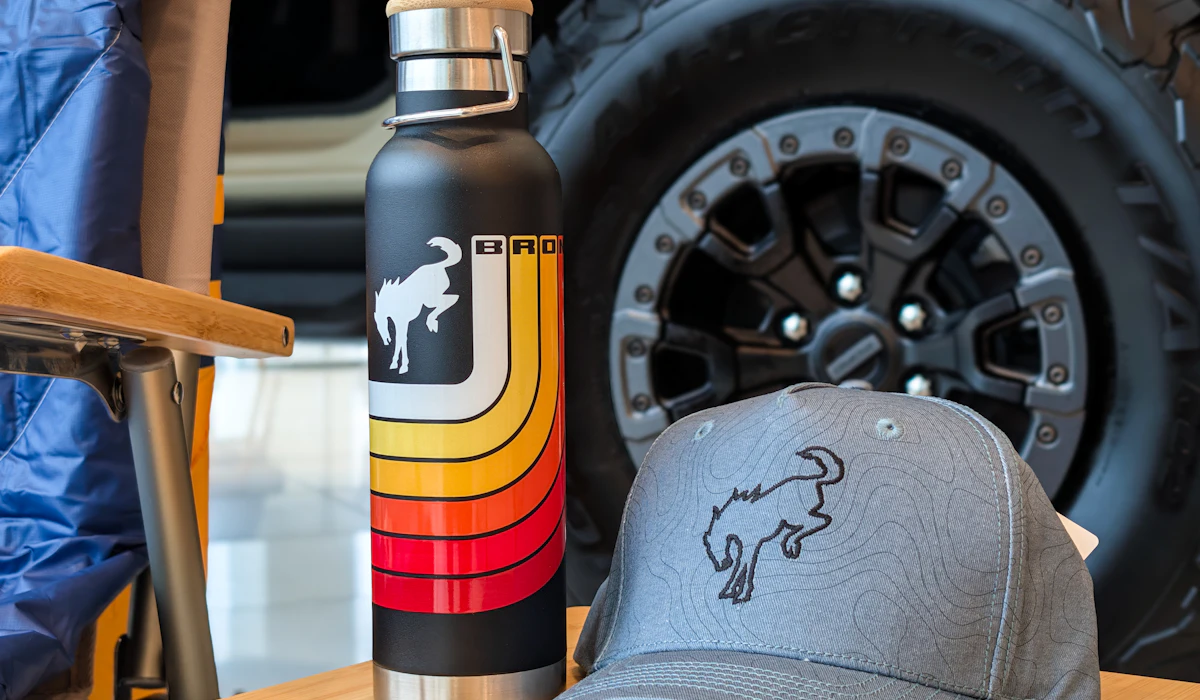
Ship boutiques sell caps, hoodies, tote bags and mugs printed with the vessel’s name, and the prices reflect a captive audience with nowhere else to shop at sea. Quality is often ordinary, and the designs change little from ship to ship.
Some lines run end-of-cruise sales or clearance promotions, when the same items drop sharply, sometimes to a flat price per piece. Passengers who want one keepsake can sometimes do better by waiting for a sale, although availability varies.
Most regulars eventually notice that logo gear from their fifth cruise looks a great deal like logo gear from their first.
Port T-Shirts Near the Pier

Shops lining the cruise pier in nearly every Caribbean port sell T-shirts printed with the island’s name, often in bundles that seem like a bargain. Many are thin cotton blends that shrink, fade or twist after a few washes, and the same designs appear in port after port with only the place name swapped.
A shirt from a local business, a brewery, a surf shop or a well-known restaurant usually feels more distinctive and can be better quality. Walking a few blocks inland often turns up better quality at similar prices.
Regulars who collect shirts tend to choose fewer and choose carefully.
Gold Sold by the Inch

Gold-by-the-inch promotions, where chains are measured and cut to length, appear in ship shops and port stores alike, usually with a lively crowd and a ticking clock on the offer. The price per inch can look modest until the clasp, the charm and a longer chain are added.
Karat and weight matter far more than length, and both are easy to overlook in the excitement. Thin chains also kink and snap easily.
Shoppers who compare the final price per gram with a jeweler at home often find the deal less impressive than it seemed at sea.
Tanzanite in the Caribbean
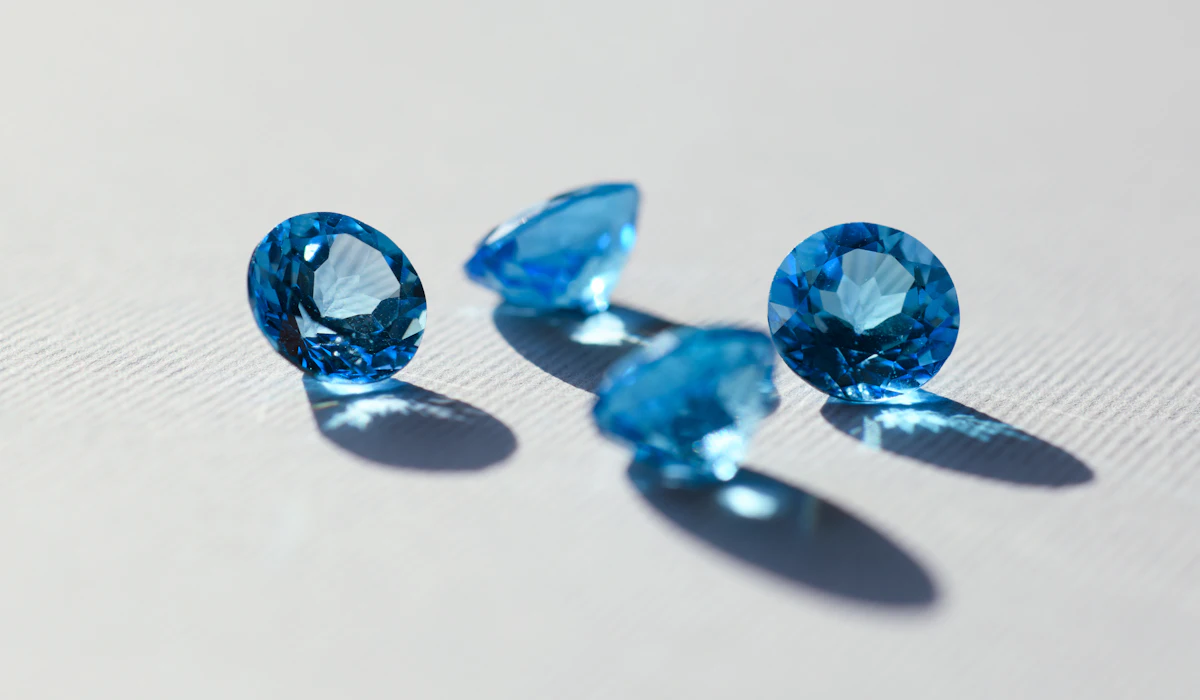
Tanzanite, a blue-violet gemstone, comes from a single small area in the Merelani Hills of northern Tanzania, yet it is sold aggressively in Caribbean and Alaskan port jewelry stores. Sales pitches often stress rarity and claim prices will soar once the mine runs dry.
Nearly all tanzanite is heat-treated to deepen its color, and quality grading varies widely between stores. Passengers buying on a short port call rarely have time to compare stones or check certification.
Resale value depends heavily on color, clarity, cut and size, and retail markups in port can be steep.
Free Charm Bracelet Promotions

Port shopping talks aboard many ships hand out maps and coupons for free charms or bracelets at recommended stores, with Diamonds International among the most familiar names. The charm itself is free, but the visit is designed to bring passengers inside the showroom.
Stores promoted through cruise-shopping programs may have commercial relationships with those programs, which makes the promotion a marketing arrangement rather than a guarantee of value. Some lines do offer a limited purchase guarantee for listed stores.
Collecting the charms can be harmless fun, as long as the free gift does not lead to an unplanned diamond.
Emeralds Pitched as Duty-Free Bargains

Emeralds are heavily marketed in ports such as St. Thomas and Cartagena, often with claims of savings of 30 or 40 percent compared with home.
Duty-free status removes certain taxes, but it does not set the store’s markup. Most emeralds are treated with oils or resins to improve clarity, and the degree of treatment affects value considerably.
Passengers without gemological training struggle to judge a stone under bright showroom lights. Any future resale value depends on treatment, clarity, color and cut, and many buyers later find appraisals well below the purchase price.
Luxury Watches at Port Prices
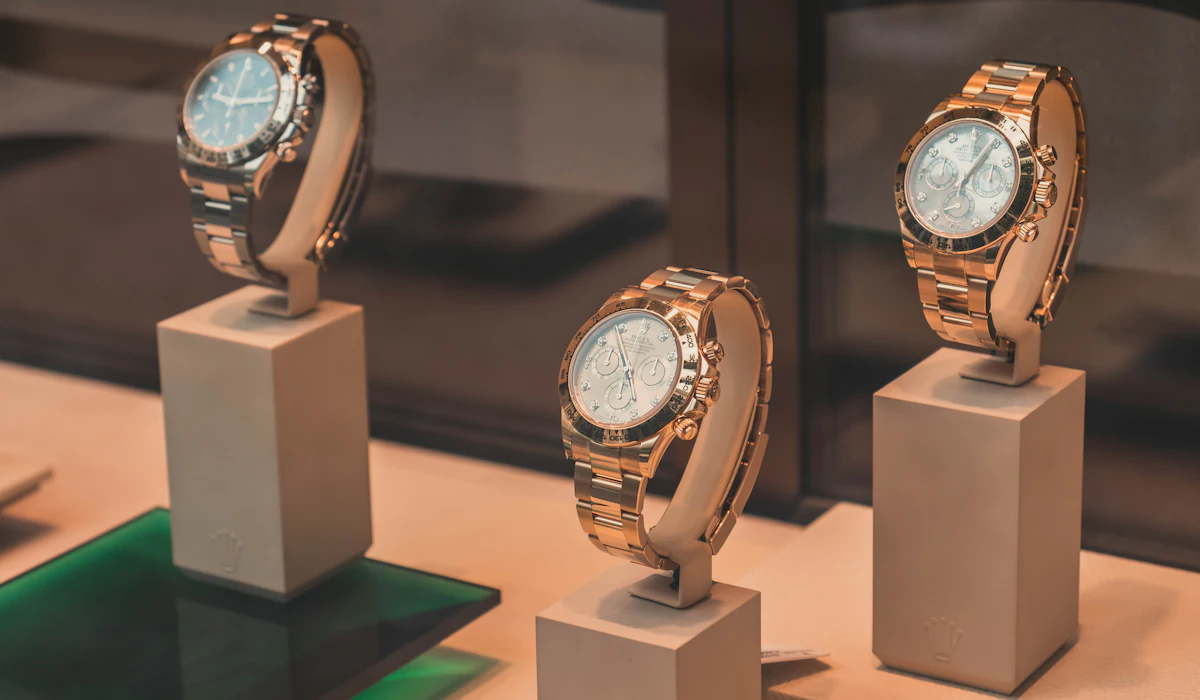
Watch stores in duty-free ports display familiar Swiss brands, and the advertised discounts can look substantial. Prices vary widely, and authorized dealers at home sometimes match or beat them once sales tax is weighed against any port markup.
Warranty coverage matters as well, since a watch bought from an unauthorized seller may not receive the same manufacturer support or warranty coverage. Gray-market pieces can look identical but lack proper paperwork.
Passengers serious about a luxury watch usually research the exact reference number and the dealer’s authorization before stepping ashore.
Bargain Mexican Vanilla

Large bottles of inexpensive vanilla are a classic souvenir from Cozumel, Cancun and other Mexican ports. The U.S.
Food and Drug Administration has warned consumers about coumarin in some products marketed as vanilla, particularly those containing tonka bean. Coumarin is related to the blood thinner warfarin and can be dangerous for some people.
The FDA advised checking that the label lists vanilla and avoiding products that mention tonka or give a vague ingredient list. Extremely cheap products with unclear labeling deserve particular caution.
Amber of Uncertain Origin
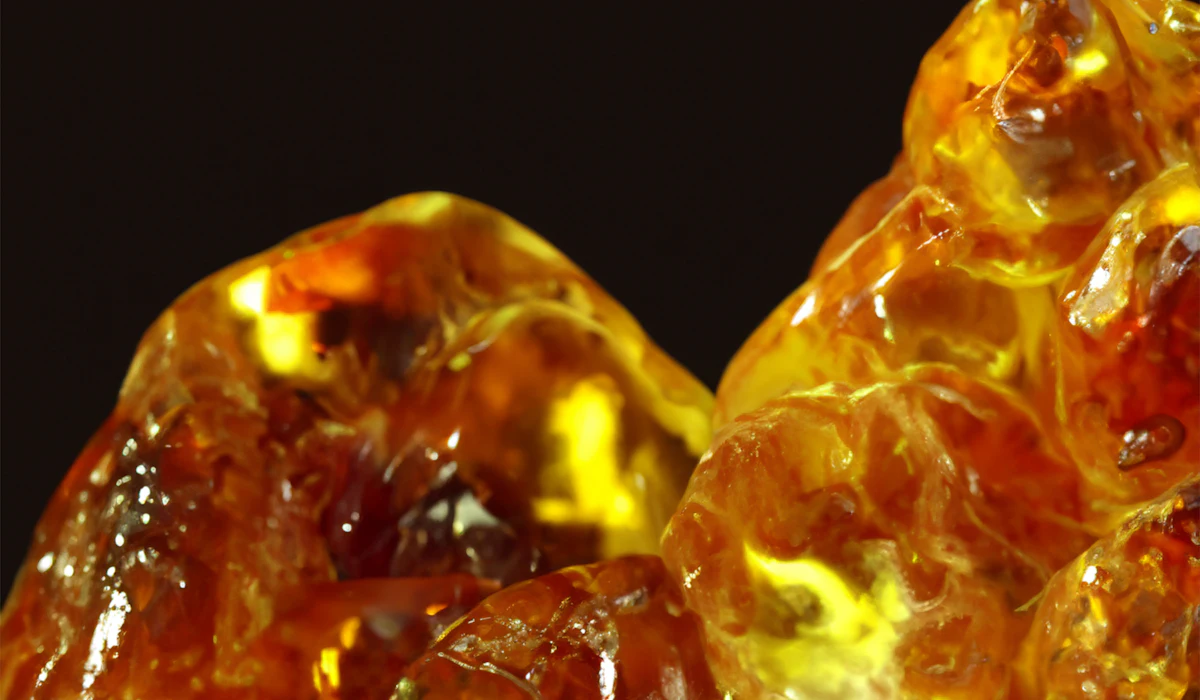
The Dominican Republic is a major source of genuine amber, and Puerto Plata and Santo Domingo have amber museums, but the souvenir market also carries plenty of imitations. Plastic, resin and copal, a younger tree resin, are commonly sold as amber in tourist shops.
Insects trapped inside a pendant can be a sign of value or a sign of fabrication. Simple tests sometimes used to distinguish amber are not reliable enough to establish authenticity in a shop.
Resale value depends on authenticity, clarity, size and any inclusions, so buying from a reputable dealer matters.
Larimar Look-Alikes

Larimar, a sky-blue variety of pectolite, is found in commercial quantities only in the Dominican Republic, which makes it a popular souvenir across the Caribbean. Its popularity has encouraged imitations made from dyed stones, glass and resin, sometimes sold far from the island itself.
Genuine larimar shows natural white patterning rather than uniform color, and higher-grade stones show deep blue tones. Prices vary greatly with color and pattern.
Passengers who want larimar usually buy it in the Dominican Republic from established shops rather than from a vendor on another island.
Black Coral Jewelry
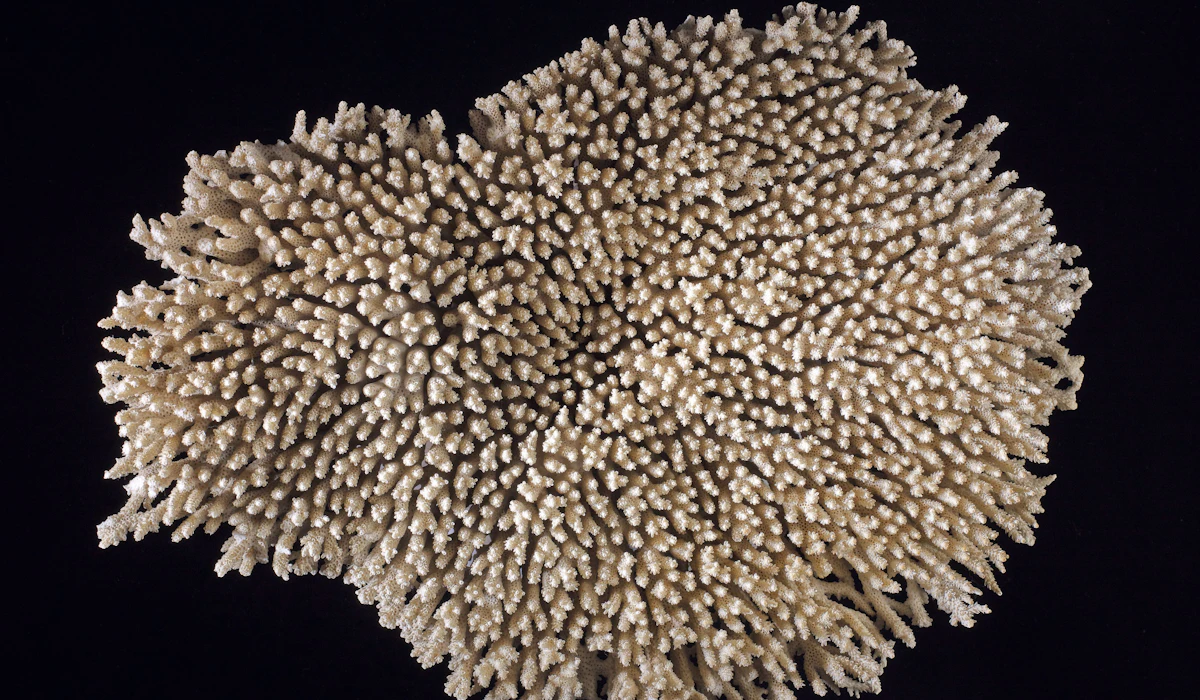
Black coral jewelry is sold in some Caribbean and Hawaiian shops, often polished into pendants and bracelets. Black corals are listed under Appendix II of CITES, the international treaty on trade in endangered species, which means importing them can require permits depending on the source and destination.
International and local rules can also vary by species and country. Passengers who buy black coral without proper documentation risk having it seized by U.S.
Customs and Border Protection. Many travelers now skip coral products altogether rather than gamble on paperwork.
Sea Turtle Shell Products
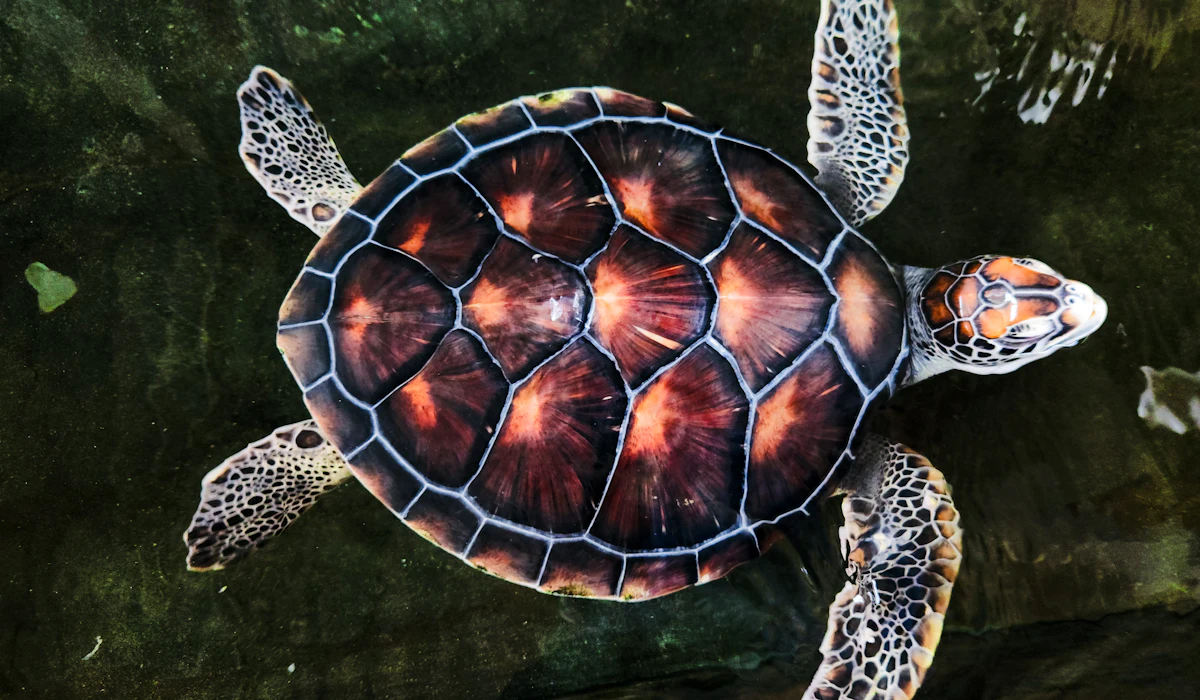
Jewelry, combs and decorative items made from sea turtle shell still appear in some markets in the Caribbean and Latin America. International commercial trade in sea turtle products is generally prohibited under CITES, and sea turtles are protected under U.S. law.
Bringing them into the United States can result in seizure and other penalties. Some items are labeled as tortoiseshell or made to look like plastic.
Passengers who are unsure about a material simply leave it on the table.
Queen Conch Shells
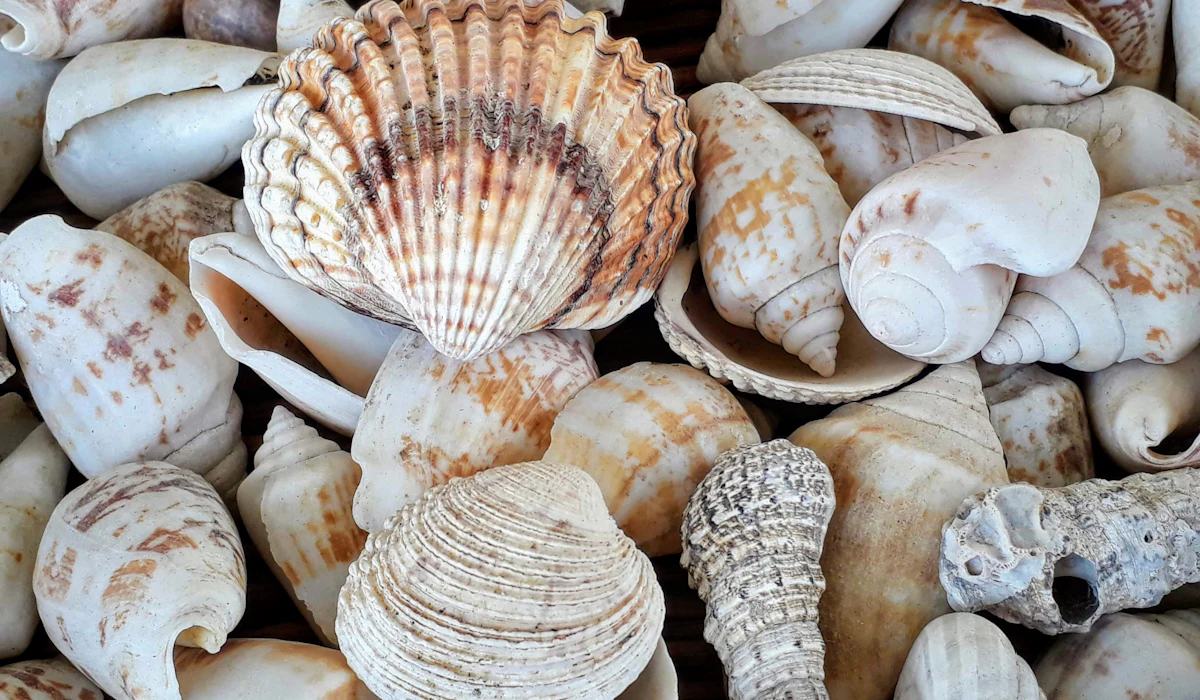
Large pink queen conch shells are sold on beaches and in markets throughout the Caribbean. Queen conch is listed under CITES Appendix II, and some countries require export permits even for shells, while the United States sets its own limits on personal imports.
Rules vary by country and change over time, which makes compliance confusing for travelers. Large shells are also heavy and fragile in luggage.
Passengers who buy one should keep the receipt and check current customs guidance, and many regulars decide a photo is easier.
Dried Starfish and Sea Creatures
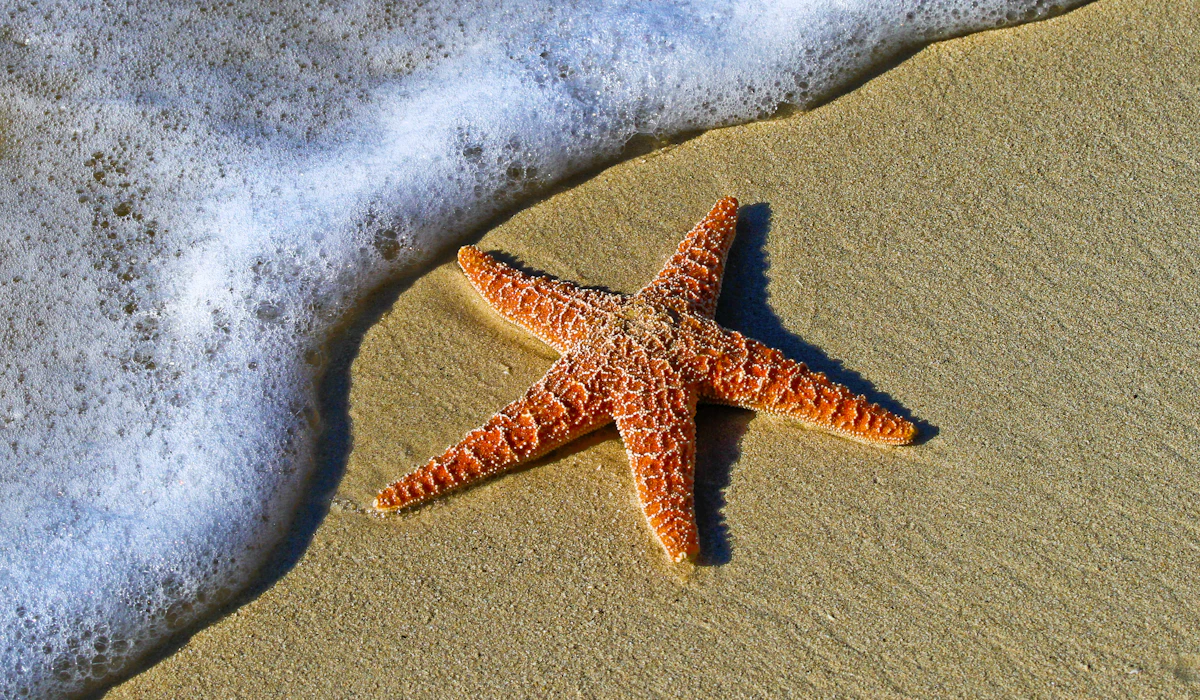
Dried starfish, sea urchins and seahorses are sold as souvenirs in many ports, often in small bags or as decorations. Some of these animals may be collected from the wild, and protected species can be subject to trade restrictions.
They are also fragile and tend to crumble in luggage. Starfish sold with a bright, even color have often been dyed as well.
Passengers who want a marine reminder of a trip can choose a photograph, a print by a local artist or a well-made ceramic piece instead.
Oversized Hats and Bulky Decor

Giant novelty hats, carved wooden masks, large painted pots and other bulky decorations look festive in a market stall. Getting them home is another story.
They take up cabin space, do not fit in suitcases and can be awkward to carry through airports. Many end up in a closet or a garage within a year.
Regulars who love a large item sometimes ship it home from the store, but the shipping cost often exceeds the price of the item itself, and fragile pieces can arrive damaged.
Liquor Bought in Port
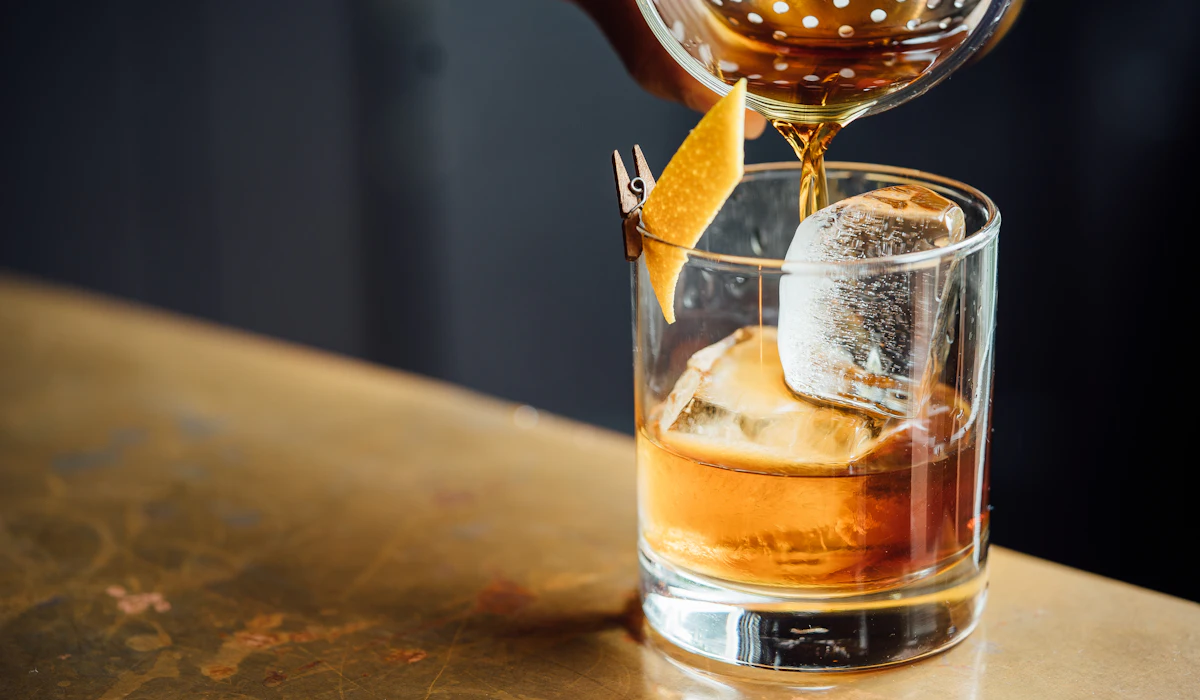
Rum in the Caribbean and tequila in Mexico tempt many passengers, and the shelf prices can look attractive. Cruise lines commonly collect liquor purchased ashore and hold it until the end of the voyage, although procedures vary by line.
The bottles must then be packed in checked luggage, adding weight and the risk of breakage. U.S. duty-free allowances for alcohol are also limited, and some states add their own taxes.
Many of the same brands are available at home for similar prices once these factors are counted.
Duty-Free Perfume
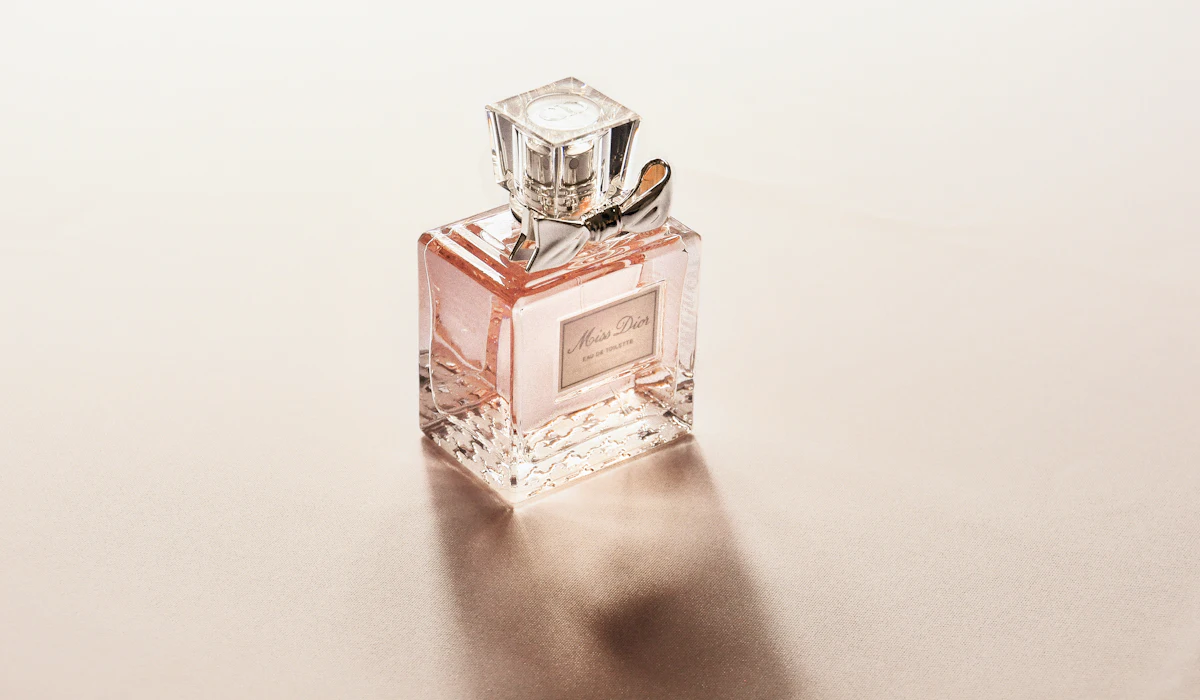
Perfume shops in port and aboard ship advertise duty-free prices on major fragrance brands. The savings are often modest compared with discount retailers and online sellers in the United States, and sometimes there are none at all.
Bottles are fragile, and large sizes may run into liquid limits in carry-on luggage on the flight home. Passengers who already know their preferred scent can compare prices on a phone before buying.
Testers are also not necessarily representative of how a sealed bottle will be stored after purchase, so a quick price check is still worthwhile. Without one, the duty-free label often promises more than it delivers.
Mass-Produced Crafts Sold as Handmade
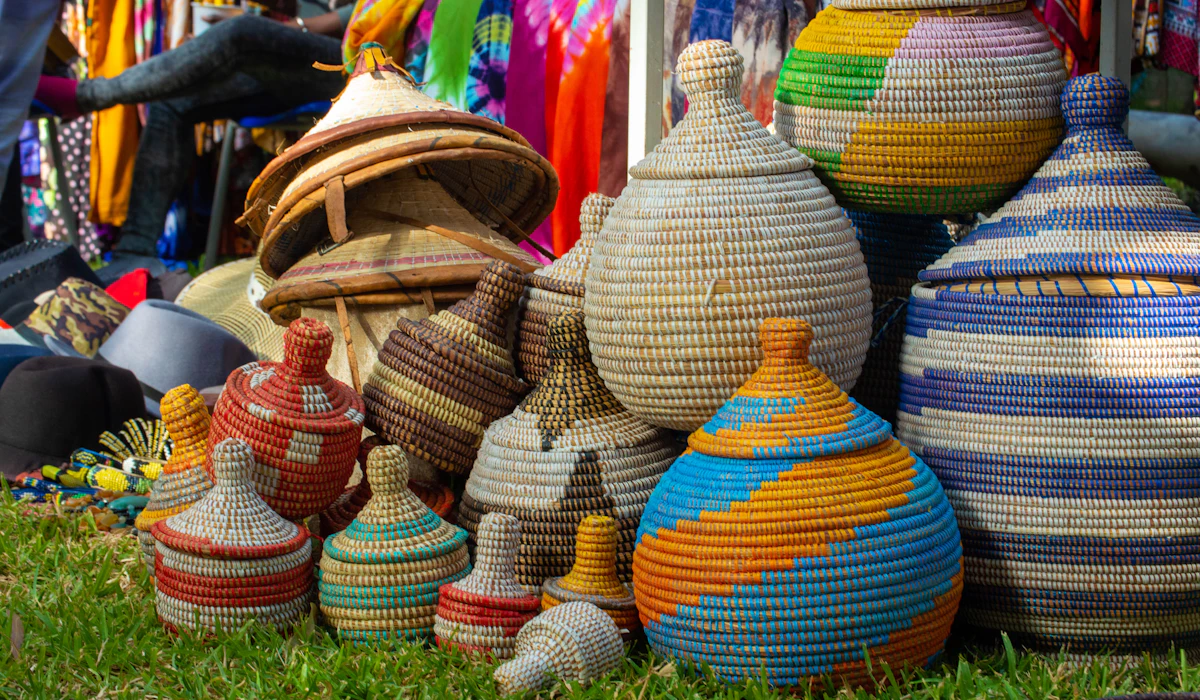
Many souvenir stalls near cruise piers sell carvings, masks, bowls and trinkets marketed as local handicrafts that are in fact mass-produced elsewhere. Identical pieces appear in port after port, sometimes with stickers revealing their origin.
Genuine local crafts usually come from cooperatives, galleries or artists’ markets a little farther from the pier, and sellers can often describe who made them. Prices for authentic work are usually higher but the money supports local makers.
Asking where an item was made is a simple test that many vendors answer honestly.
Counterfeit Designer Goods
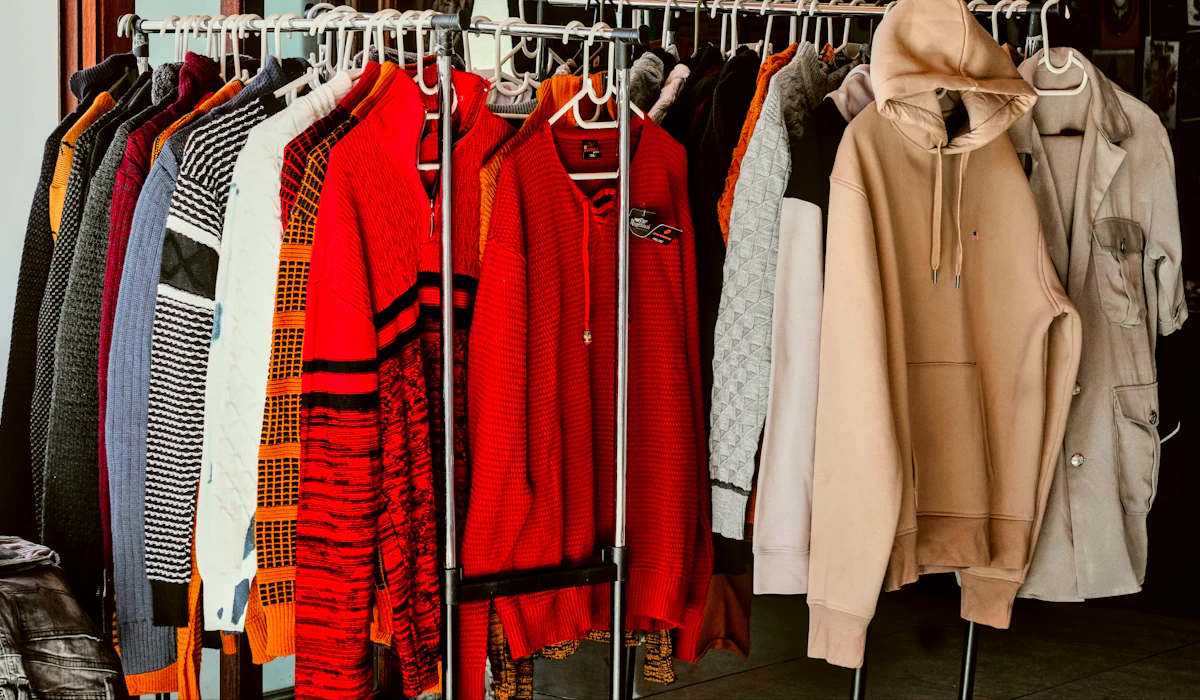
Fake designer handbags, sunglasses and watches are openly sold in some ports, often at prices that make the deception obvious. U.S.
Customs and Border Protection can seize counterfeit goods, and travelers can face penalties or other consequences depending on the circumstances and jurisdiction. Quality is usually poor, with stitching, zippers and hardware failing quickly.
Buying counterfeits also supports illegal trade networks, and some countries fine buyers as well as sellers. Rules differ by country, so passengers should not assume that possessing a counterfeit item is harmless simply because it was sold openly.
Passengers tempted by a bargain handbag often discover that the risk outweighs the savings.
Alaska Native Art Without the Silver Hand

Alaska Native art, including carvings, masks and baskets, is a meaningful souvenir from an Alaska cruise, but imitations are common in port shops. The Alaska State Council on the Arts runs the Silver Hand program, whose seal identifies work made by Alaska Native artists.
A separate Made in Alaska logo, featuring a mother bear and cub, marks products made in the state. The absence of either mark does not automatically mean an item is fake or not made by an Alaska Native artist, but shoppers who look for these marks, or buy from galleries that document the artist, have a better chance of supporting genuine Alaska Native artists.
Coffee Labeled Kona Blend
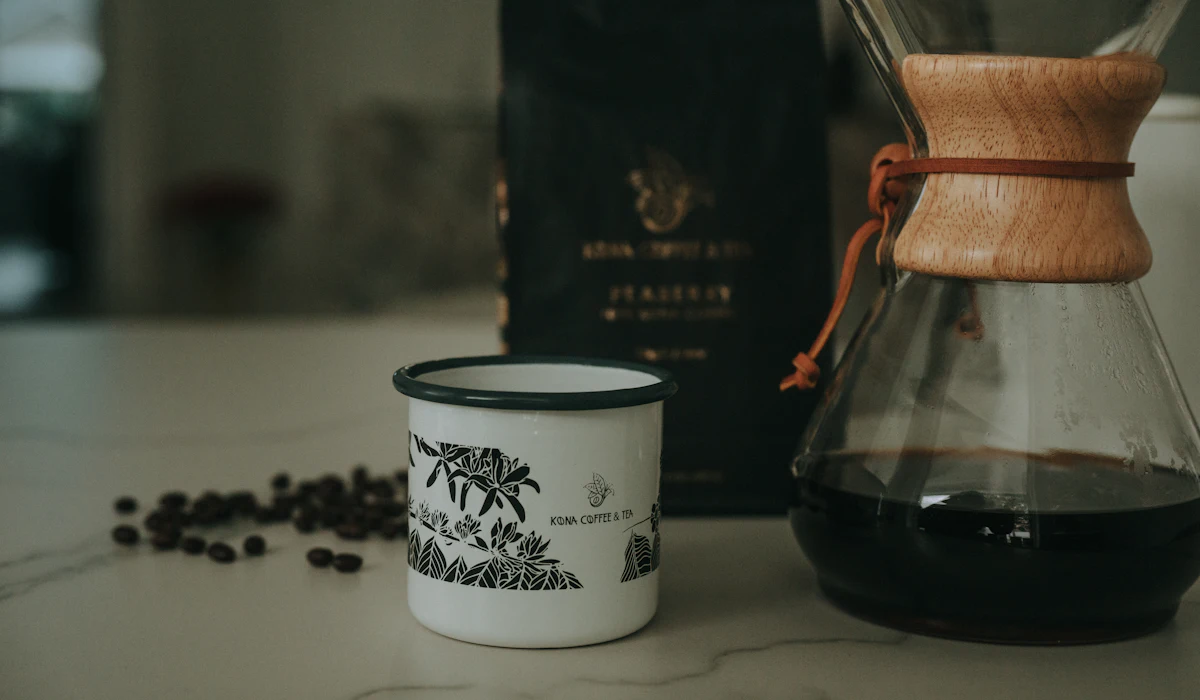
Kona coffee from the Big Island of Hawaii is prized and expensive, and souvenir shops sell bags labeled as Kona blend at much lower prices. Hawaii law allows a product labeled as a Kona blend to contain a relatively small percentage of Kona coffee, rather than requiring it to be 100 percent Kona.
Buyers expecting the full flavor of Kona are often disappointed. Bags marked 100 percent Kona cost more but deliver the real thing.
Passengers who visit a Kona farm or buy from a reputable roaster can often taste before buying.
Black Henna Temporary Tattoos

Black henna temporary tattoos are offered on beaches and in markets in many ports. Traditional henna is reddish-brown, and the black versions often contain para-phenylenediamine, a hair dye ingredient that the U.S.
Food and Drug Administration has warned can cause serious skin reactions, including blisters and permanent scarring. Children are especially vulnerable, and a reaction can also sensitize the skin to hair dyes for life.
Reactions may appear days later, after the ship has left. Passengers who want a temporary design choose natural henna from reputable artists or skip it entirely.
Machetes and Decorative Blades
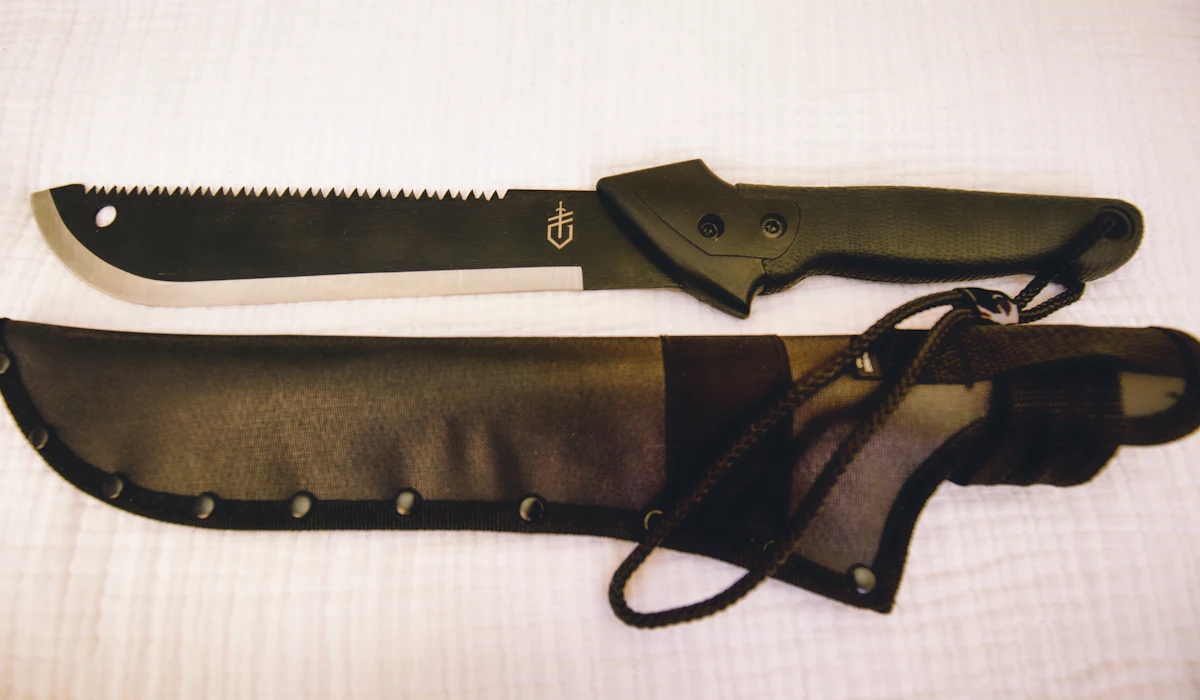
Decorative machetes, knives and swords are sold in some Caribbean and Central American markets, often as cultural souvenirs. Cruise lines commonly prohibit weapons aboard, and security staff may confiscate prohibited items or hold them until the end of the voyage, depending on the line’s policy.
They must then be packed in checked luggage for the flight home, if the airline and destination permit them, and some countries restrict their import. The trouble and risk rarely justify the purchase.
Even small pocketknives bought ashore may be held. Regulars admire them in the market, take a photograph and leave them there.
Fresh Fruit, Plants and Seeds

Tropical fruit, plants, seeds and flowers bought in port can carry pests and diseases that threaten agriculture at home. U.S.
Customs and Border Protection and the Department of Agriculture restrict bringing many of these items into the country, and cruise lines often prohibit taking fresh food ashore or back aboard. Undeclared agricultural items can lead to fines.
Detector dogs and agricultural inspections are routinely used at U.S. ports of entry, so passengers who want a taste of the islands enjoy the fruit in port and leave it there.
Snow Globes and Liquid-Filled Trinkets
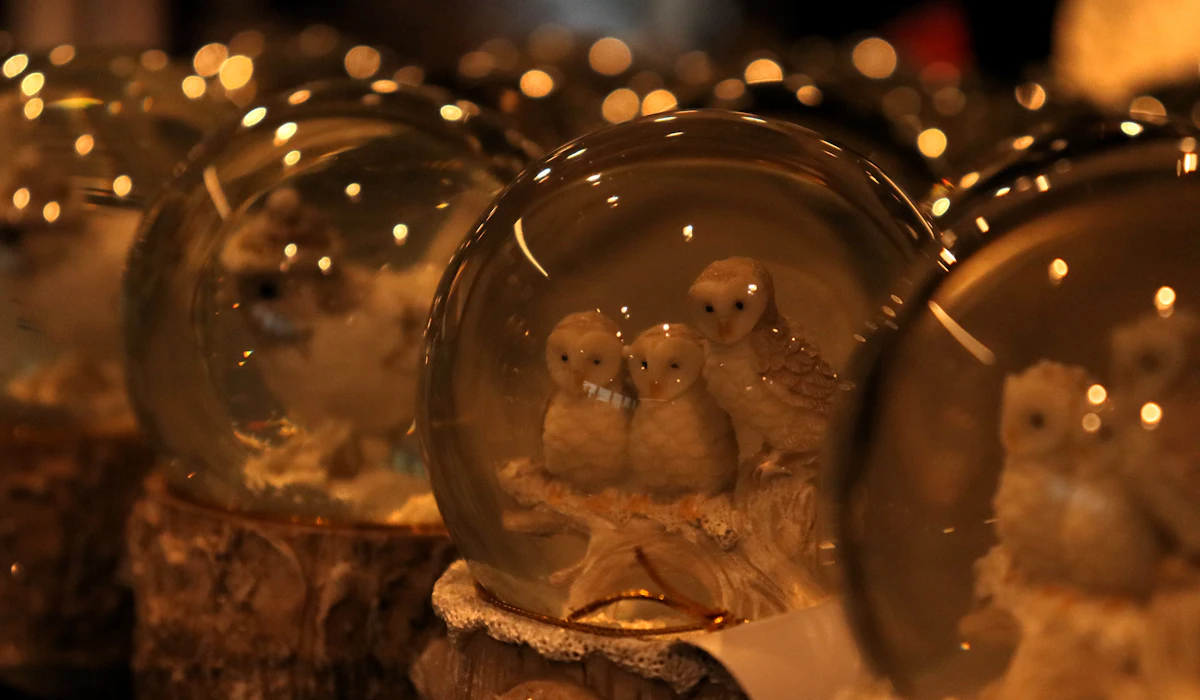
Snow globes and other souvenirs filled with liquid are common in port shops, from glittering beach scenes to ships in bottles of water. The Transportation Security Administration allows snow globes in carry-on bags only if the container holds 3.4 ounces or less and fits within the passenger’s liquids bag.
Larger ones must go in checked luggage, where they can break. Many travelers lose them at airport security.
Other liquid-filled souvenirs can face similar screening restrictions. Choosing a souvenir without liquid avoids the hassle entirely.
Cheap Sunglasses From Beach Vendors
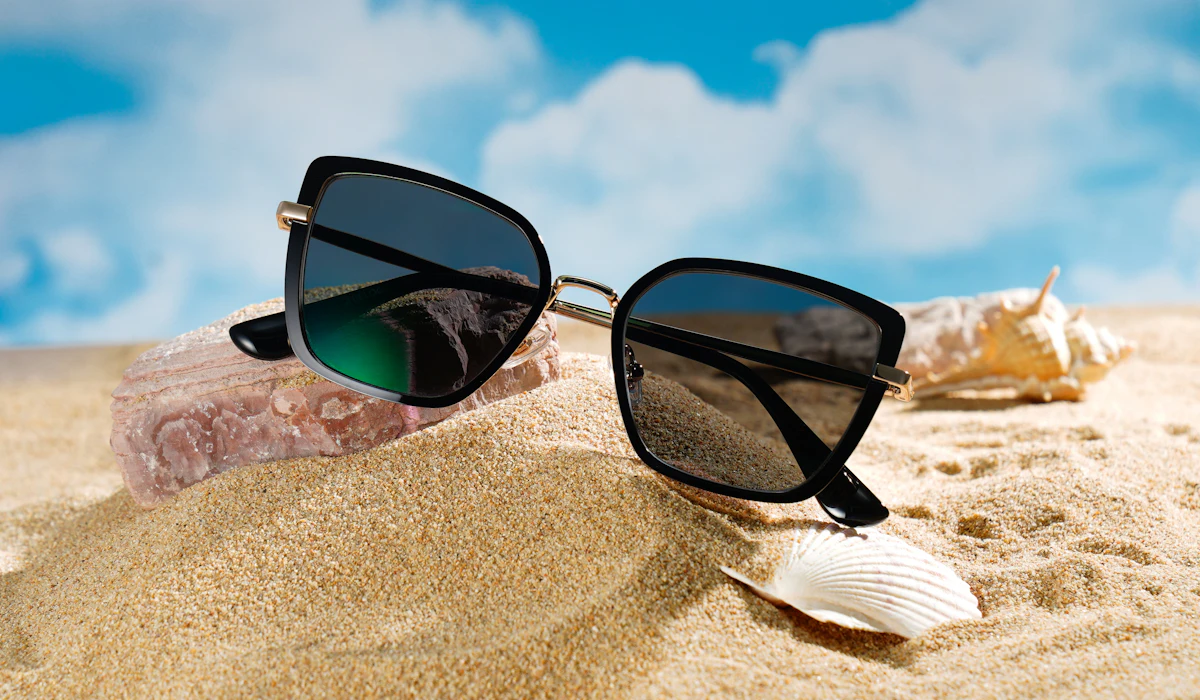
Beach vendors in many ports sell sunglasses for a few dollars, often branded to look like expensive models. Cheap sunglasses are not automatically unsafe, but buyers should look for reliable UV protection rather than judging quality by price or darkness alone.
Dark lenses without adequate UV protection can be problematic because they reduce visible light without necessarily blocking ultraviolet radiation. In the United States, sunglasses are typically tested against the ANSI Z80.3 standard, which covers UV protection and lens quality.
Polarized lenses also cut glare off the water, which matters on boat excursions. A decent pair bought before the trip protects the eyes far better than an unverified pair bought on impulse.
Memories Pack Lighter Than Trinkets
Port shopping is engineered for impulse. Short calls, cheerful salespeople and the sense that a bargain will vanish once the ship sails all push passengers toward quick decisions.
Many of those decisions look different at home, under ordinary light and without the music of the pier.
The souvenirs that last tend to be chosen slowly. A piece from a known artist, a bottle of local hot sauce or a photograph taken on a quiet morning carries more of a place than a chain cut to length.
Regulars travel home with less and remember more.
More from Travel Pug

- Underrated Italian Towns That Beat the Tourist Crowds
- Las Vegas Tourist Traps to Skip
- Prettiest Towns in Every US State
- 18 passport-free countries for Americans
- Signs Your Cruise Is Not Worth The Cost
Like Travel Pug’s content? Follow us on MSN.